REVIEW · SAPA
Sapa Valley Trek and Homestay – 3D2N
Book on Viator →Operated by Trekking Tour Sapa · Bookable on Viator
Sapa goes off-road fast here. You’ll walk between Sapa’s village valleys and rice terraces while meeting multiple ethnic groups, guided by a local minority guide. The vibe is simple: small-group trekking plus homestay life in the countryside.
I love how guides like SoSo and Ly focus on real daily life, from Hmong house work to marriage traditions. I also like the practical setup: village entry fees and meals are included, and you’ll have time to freshen up with a hot shower at the host family. One possible drawback: the walking can be long and slippery in mountain conditions, so bring grippy shoes and don’t expect an easy stroll.
In This Review
- Key highlights at a glance
- Why this Sapa trek works (and feels different)
- Day 1: Y Linh Ho into Ta Van’s host-family welcome
- Day 2: Giang Ta Chai waterfalls and Ban Ho’s Red Dao and Tay mix
- Day 3: Tay traditional houses and the Nam Tong finish
- What you actually learn from the guides
- Homestay reality check: cozy, functional, and worth it
- Trekking pace, footwear, and weather: how to prepare
- Price and value: is $170 a fair deal?
- Who should book this Sapa Valley Trek (and who shouldn’t)
- Should you book this one?
- FAQ
- What time does the tour start, and where do I meet?
- How long is the Sapa Valley Trek and Homestay?
- What’s included in the price?
- Do I get pickup or transport from Sapa?
- What fitness level do I need?
- How big is the group?
Key highlights at a glance
- Small-group trekking (max 15): easier chatting with your guide and less rushing on the trail.
- Multi-village cultural route: Hmong, Giay, Black Hmong, Red Dao, and Tay villages in 3 days.
- Real homestay time: you’re hosted by a local family, not just dropped at a viewpoint.
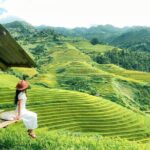
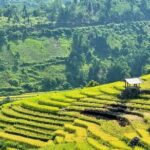
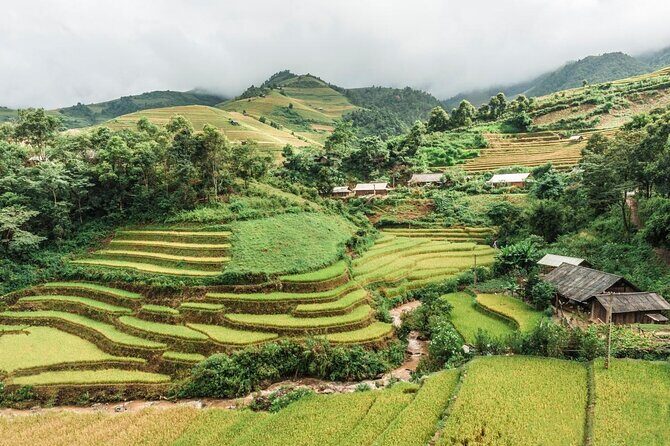
- Big nature moments: waterfalls at Giang Ta Chai plus river-valley scenery and rice terrace views.
- Guide-led learning: culture and customs are built into the walk, not tacked on at the end.
- Meals and entry fees included: fewer surprises when you’re hungry.
Why this Sapa trek works (and feels different)
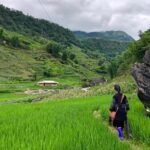
This is a classic Sapa setup done the right way: you trade city sights for village paths, then slow down for homestay evenings. The itinerary mixes cultural stops (ethnic villages, traditional houses, customs) with outdoor time (rice terraces, a major valley view, and waterfall area walks).
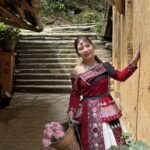
What makes it interesting is the focus on people, not just scenery. Your guide doesn’t just point at houses or fields. They explain how families live—work routines, house-building know-how, and customs like Hmong marriage traditions—so you understand what you’re seeing as you move between villages.
The trip also has good built-in “real travel logistics.” Village entry fees are included, meals are included, and you get transported back to Sapa after the walk ends. That matters in Sapa, where it’s easy to spend money and time piecing together details day-by-day.
You can also read our reviews of more hiking tours in Sapa

Day 1: Y Linh Ho into Ta Van’s host-family welcome
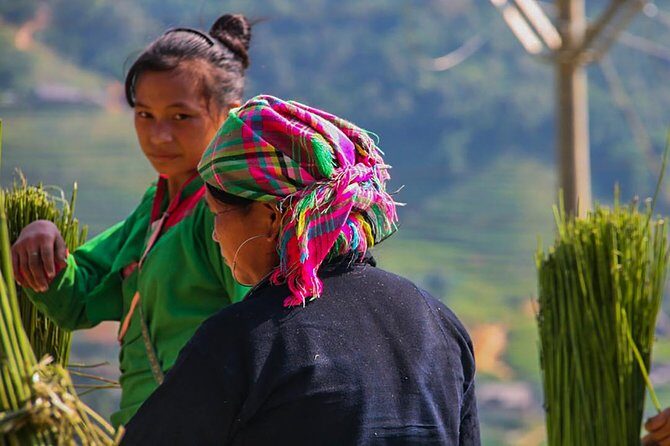
You start at 9:00 am at Sapa Church (or meet in front of the main church). After a short intro, the walk begins with a downhill stretch toward the Cat Cat road area, then it continues to Y Linh Ho, where a village entry ticket is included.
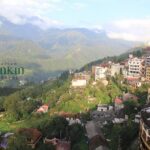
Y Linh Ho is a good “first day” stop because it eases you into the rhythm of Sapa: step, breathe, look, listen. You’re not thrown immediately into a long climb. It also helps you get oriented—how paths connect to villages, how rice terraces sit around homes, and how the valley looks from a walking perspective.
Then you shift gears and head to Ta Van Village, home of the Giay minority. Here you meet your local host family. The itinerary includes time to rest, take a hot shower, and settle in before dinner. That’s an underrated part of trekking: after hours on uneven ground, a warm rinse and a quiet reset makes the second day feel possible.
Day 2: Giang Ta Chai waterfalls and Ban Ho’s Red Dao and Tay mix
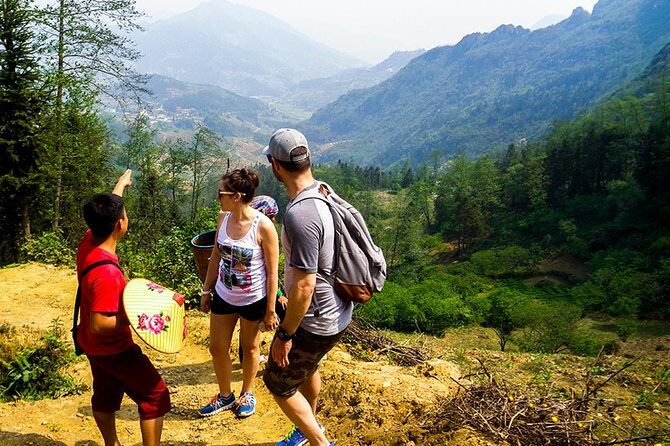
Day 2 starts with a slower morning at the homestay area. You’ll have breakfast included, and you can enjoy hot coffee or tea and look at the surrounding rice fields before heading out.
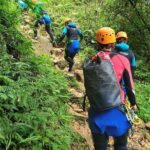
Then comes the more physical section: you go uphill into the mountains toward the waterfalls of Giang Ta Chai. Expect a mix of climbs and changing trail surfaces. In the reviews, the guidance style comes up often—guides like May and Dom are described as adjusting to how the group feels and helping on tough or slippery sections. That’s exactly what you want on day two, because energy can drop quickly once the trail turns steep.
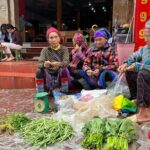
After the waterfall stop, you continue walking toward Ban Ho Village, with a stop along the way in Su Pan, associated with the Black Hmong community. When you reach Ban Ho, you meet several ethnic minorities in the area, including Red Dao and Tay (among others mentioned as part of the village visit).
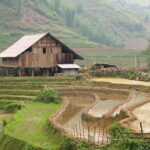
This is the day where the trip feels most “woven.” You’re not only seeing different village types—you’re learning how multiple communities overlap across Sapa’s valleys. It’s also where you’ll likely notice differences in housing materials, daily routines, and cultural details that your guide points out while you’re walking.
Day 3: Tay traditional houses and the Nam Tong finish
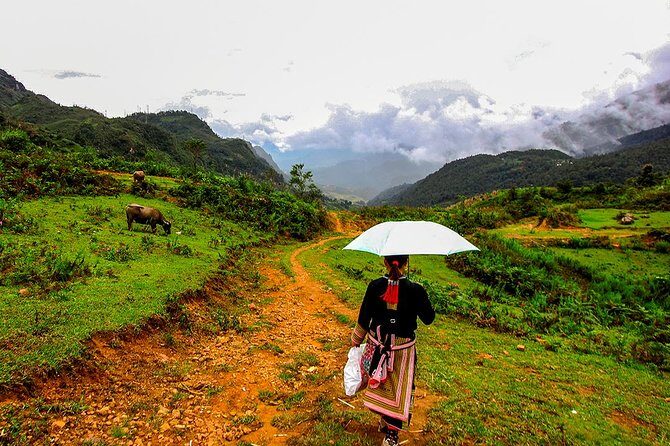
On the final morning, after breakfast, the focus turns to culture inside the village spaces. You’ll visit traditional houses and learn about Tay culture, before moving on to Nam Tong village.
This last day works well because it’s shorter and less rushed than the climb-and-walk intensity of day two. By now you understand the basic pattern: walk to a village, meet people, hear explanations, then move on. So you can pay attention instead of just trying to keep up.
Once the village visits are done, the tour includes transport back to Sapa and the activity ends back at the meeting point area. It’s a relief to have that final hand-off planned—especially after trekking days when your body is done negotiating.
What you actually learn from the guides
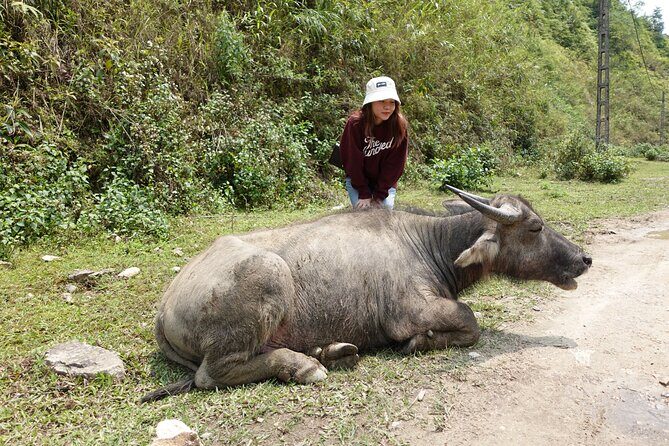
One reason this tour earns a strong reputation is the guide style. Names that come up again and again include SoSo, Ly, May, Dom, and Sush. While guides differ in personality, the common thread is clear: they explain culture and daily life as you walk.
You’ll get context for things you might otherwise just see:
- Hmong traditions and village life, including mentioned details like marriage traditions and practical work such as house-building techniques.
- How rice fields fit into daily schedules, since you pass terrace areas and spend time near homestay farmland.
- Ethnic identity and community differences, since the route is built around multiple groups rather than one.
Also, the guide isn’t only an interpreter. In reviews, guides are described as helping with slippery tracks and pacing the trekking depending on the group’s condition. That’s a real value. On a mountain trail, the difference between “surviving” and “enjoying” can be partly about who’s in front setting the pace.
You can also read our reviews of more tours and experiences in Sapa

Homestay reality check: cozy, functional, and worth it
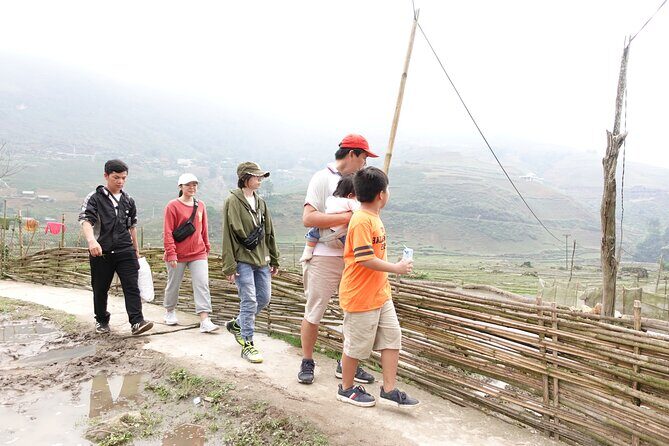
The homestay is 1 night included, and it’s a big part of why this trek feels more authentic than a basic day tour. In the Ta Van evening, you’ll have time to rest and take a hot shower before dinner.
From the experiences shared, homestays are described as cosy and clean, with families that are friendly and welcoming. Some groups also mention hands-on moments like making fried spring rolls with the family. Even if you don’t get that exact activity, the important point is that meals and family time are built into the rhythm, not left as an afterthought.
Still, keep expectations grounded. You’re in a village setting, not a hotel. That means basic differences in comfort, and you’ll want to pack accordingly (especially for cold mountain evenings). But the tour’s inclusion of meals and entry fees helps reduce stress so you can focus on the experience.
Trekking pace, footwear, and weather: how to prepare
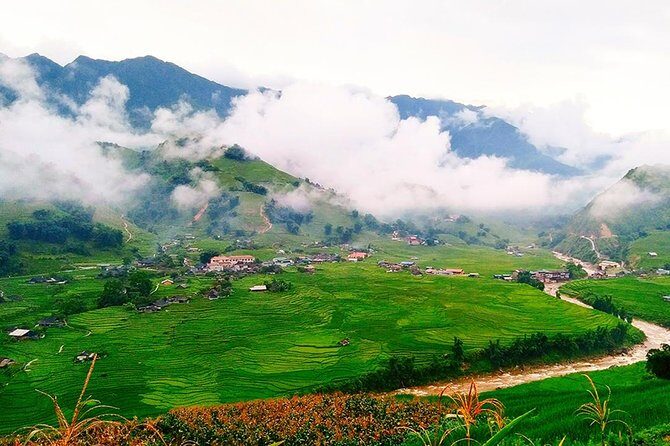
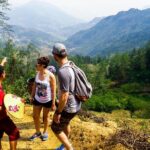
The tour is listed for travelers with moderate physical fitness, and that matches what you’ll feel on the ground. You have downhill walking, then uphill climbing, then more walking between village areas. Day two in particular includes an uphill trek to the waterfall area.
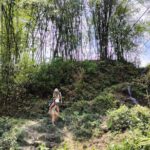
So bring the right shoes. Think grippy soles for wet or slippery stone paths. Several reviews mention help on difficult or slippery tracks, which is a clue: even if you’re fit enough for the trek, conditions can still make it tricky.
Weather matters in Sapa. The tour requires good weather, and if conditions aren’t right, you may be offered a different date or a full refund. In practice, this means you should plan your overall trip with flexibility if you’re scheduling flights and hotel stays in nearby towns.
One more practical tip: pack for changing temperatures. Even if the days feel mild in town, the trek routes can feel cooler in mountain air, and evenings near villages can get chilly.
Price and value: is $170 a fair deal?
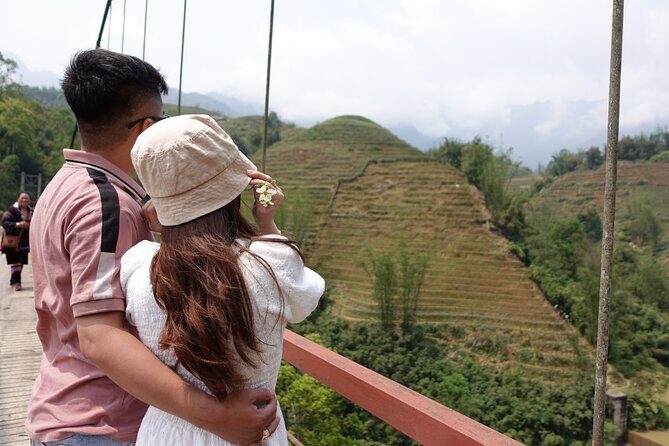
At $170 per person for a 3-day experience, the value mostly comes from what’s already included. You’re not paying extra for the essentials:
- Village entry fees
- Homestay accommodation (1 night)
- Local guide
- Transport back to Sapa after the trek
- Meals: lunch (3), breakfast (2), dinner (2)
- A bottle of water (one big bottle per person)
When you compare that to piecing together similar parts separately—guide, homestay, and meals—the included structure becomes the real deal. Even the “small” items like entry fees matter in Sapa, where you can end up with multiple tiny add-ons if you’re not careful.
Another value point: it’s a small group (max 15), and that keeps things calmer on the trail. You don’t want a packed group when you’re walking on uneven surfaces and trying to learn from your guide.
Who should book this Sapa Valley Trek (and who shouldn’t)
This tour is a great fit if you want:
- A guided village experience, not just a viewpoint day
- Cultural learning tied to where you walk, especially Hmong, Giay, Red Dao, and Tay community context
- A real homestay night with meals included and time to recharge
It’s also a strong choice for families and mixed-age groups who can handle longer walks. One review mentions a family with kids aged 12–16 choosing longer distances, which suggests the guide team can adapt pacing when needed. That said, the tour still requires moderate fitness, so you should be honest about your group’s stamina.
If you dislike stairs, steep trail sections, or wet footing, you might find this more tiring than you expected. The trek isn’t sold as a gentle nature walk, and the mentions of long and sometimes slippery paths are there for a reason.
Should you book this one?
I’d book it if you want the kind of Sapa trip that feels human-scale: village paths, multiple ethnic communities, and a homestay night where the evening isn’t just a stop—it’s part of the story. The biggest strength is how the guide turns everyday life into something you can understand, from Hmong marriage traditions to practical house-building details.
I wouldn’t book it if you’re looking for an easy, low-effort day tour or if your group has no interest in cold-weather trekking conditions. If you’re prepared with grippy shoes and a realistic fitness level, this feels like one of the better ways to get out of Sapa town and see the region from inside village life.
FAQ
What time does the tour start, and where do I meet?
The tour starts at 9:00 am at Sapa Church in Sapa, Vietnam. The meeting point is listed as starting there, and the activity ends back at the meeting point area.
How long is the Sapa Valley Trek and Homestay?
It’s listed as 3 days (approx.), with 1 night included in a homestay.
What’s included in the price?
Included are village entry fees, homestay accommodation (1 night), local guide, transport back to Sapa after the trek ends, 1 big bottle of water per person, and meals (3 lunches, 2 breakfasts, 2 dinners).
Do I get pickup or transport from Sapa?
Pickup is offered, and transport back to Sapa is included after the tour ends in the villages. The meeting point is at Sapa Church at 9:00 am.
What fitness level do I need?
You should have a moderate physical fitness level. The tour includes uphill walking and mountain trail sections.
How big is the group?
The group size has a maximum of 15 travelers.