REVIEW · SAPA
Red Dao village trek and Herbal bath
Book on Viator →Operated by Sapa Trekking Hiking Tours · Bookable on Viator
Herbal smoke baths in the mountains of Sapa.
That’s the hook of this Ta Phin day: you start in the Red Dao area, walk through the fields and village lanes, then cool down with hundred-year-old herbal smoke baths. Along the way, you’ll also see the Ta Phin Cave and visit a monastery that dates back to 1942.
I like this itinerary for two very practical reasons: the guide-led pacing (including help on harder bits) and the fact you get a real meal and bath time without hunting around for extras. When I see guides like May and hear how she adapts the route to your comfort level, it usually turns a long day into something manageable. I also appreciate the included lunch, because it means you can focus on the walk instead of budgeting mid-trek.
One consideration: the cave segment includes a 30-meter walk in the dark on uneven ground, so closed-toe shoes and calm nerves help. If you’re not into confined, dark spaces, you may find this part the most uncomfortable step of the day.
In This Review
- Key highlights worth knowing before you go
- Where Ta Phin Fits Into Sapa: Red Dao and Hmong Life
- The Trek Pace: Moderate Fitness and a Day That’s Mostly Walkable
- Stop 1: Ta Phin Village and the Culture You Can Actually Talk About
- Ta Phin Cave: A Short Dark Stretch That Tests Your Comfort
- Ta Phin Monastery: Built in 1942 at the Mountain’s Foot
- Four Herbal Smoke Baths: The End-of-Day Reset You’ll Appreciate
- Price and Value: What Your $39 Actually Covers
- Getting There and Day-of Flow: Sapa Church Start, Then Back Again
- Who This Tour Suits Best (and Who Should Skip It)
- Should You Book the Red Dao Village Trek and Herbal Bath?
- FAQ
- How long is the Red Dao village trek and herbal bath?
- How much does it cost?
- Where do I meet, and what time does the tour start?
- Is pickup included?
- What’s included in the $39 price?
- What’s not included?
- How difficult is it?
- What happens if the weather is bad?
Key highlights worth knowing before you go
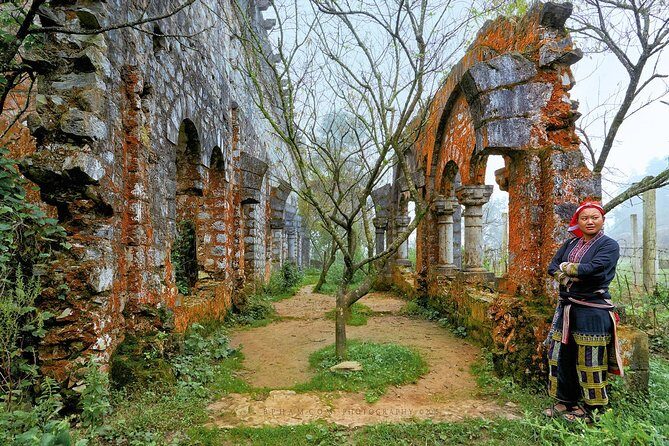
- Red Dao culture inside Ta Phin village, where Red Dao is the majority and Hmong neighbors are part of everyday life
- Ta Phin Cave’s short but dark stretch, followed by a larger cave area once you get through the first section
- Ta Phin Monastery built in 1942, connected to a religious community of 12 ascetic nuns
- Four herbal smoke baths included at the end, designed to help you relax after walking
- Small group size (max 15) and guide support that can adjust the path when needed
Where Ta Phin Fits Into Sapa: Red Dao and Hmong Life

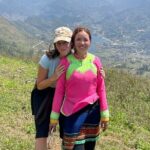
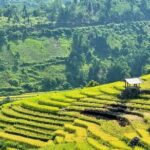
Ta Phin is one of those Sapa places where the scenery is only half the story. Yes, you’ll see terraced fields and orchid gardens, and the whole area has that cool mountain feel. But what makes the day work is the human scale: this is a village area lived in by the Red Dao and Hmong communities, not just a photo stop.
Ta Phin is mostly Red Dao, which matters because the culture you encounter tends to feel more continuous rather than mixed into short demonstrations. The experience is built around learning how people live—how history and traditions show up in daily routines—so you get more than a quick “look and leave” vibe.
And the guide can really shape what you take away. In the past, guides like May and Chacha have led guests through the area with clear English and a focus on local practices. That’s not a small detail in Sapa. When you understand what you’re seeing, the day feels longer in the best way.
You can also read our reviews of more hiking tours in Sapa


The Trek Pace: Moderate Fitness and a Day That’s Mostly Walkable
This is listed as a trek with moderate physical fitness needed, and it’s built for a half-day length (about 6 hours total). You’re not signing up for a multi-day mountain expedition. Still, it’s not just a stroll on flat ground, and Sapa’s steps and slopes add up.
A big plus is that the guide can adapt. On days with different energy levels, you’ll often be offered an easier or more difficult path option, and the guide will adjust based on what you prefer. If you’re the type who hates being forced into the hardest option, this matters. Also, you’ll likely get support during more challenging sections—so you’re not white-knuckling the whole day.
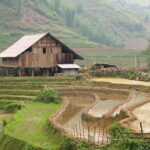
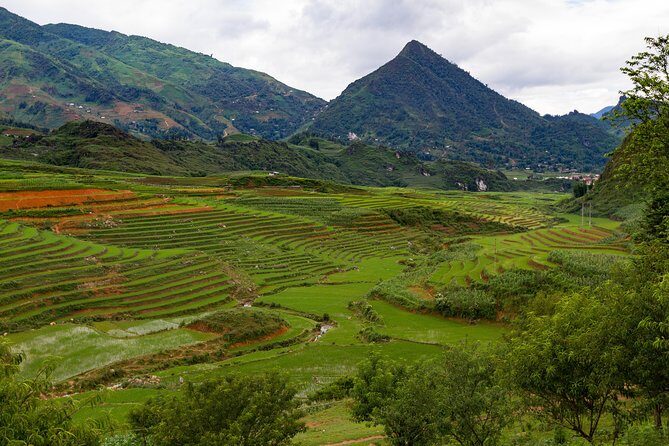
What you’ll pass through depends on conditions and route choice, but the walk commonly includes village paths and views over working fields—rice paddies plus corn and bamboo areas. That mix is why this day tends to feel more “through the mountains” than “around the mountains.”
Stop 1: Ta Phin Village and the Culture You Can Actually Talk About
You start with about an hour in Ta Phin Village, with village entry included. This is where you get the most direct sense of community life: homes, daily movement, and the look of Red Dao culture in a place that’s not built only for visitors.
Because Red Dao is the majority here, you’ll often notice clothing styles, everyday customs, and local rhythms more clearly. Hmong people are also present, and you may see people selling small items along the way—especially near paths where foot traffic naturally slows down. If you want to support local industry, it’s there. If you’d rather not buy, you can still enjoy the walk and just keep your focus on the conversation.
A guide can make a huge difference at this stop. When your local guide explains what you’re seeing—how things link back to community history and identity—the village time stops feeling like a checklist.
One practical note: wear something you can sit or kneel in if needed, and bring the mindset that you’re walking through real village space, not a museum corridor.
Ta Phin Cave: A Short Dark Stretch That Tests Your Comfort
After the village, you move to Ta Phin Cave (around 30 minutes). The cave is small enough to be manageable, but it has a very specific challenge: you’ll walk about 30 meters in the dark on uneven, bumpy ground before reaching a larger interior section.
The cave dimensions are given as roughly 5 meters high and 3 meters wide, so it’s not a cathedral-like cavern. It’s more like a tight passage that opens up later. That means you should take the darkness seriously—go slow, follow the guide’s pace, and trust that this part is short.
If claustrophobia is a concern for you, this is the section to think about carefully. If you’re okay with darker tunnels and uneven footing, it can feel like a fun “let’s do it” moment in the day.
Good footwear is the real hero here. This is not a place for slick soles.
Ta Phin Monastery: Built in 1942 at the Mountain’s Foot

Next comes the monastery area, also about 30 minutes, with admission included. The Ta Phin Monastery was built in 1942 and sits at the foot of the mountain.
It used to be a practice place for 12 ascetic nuns connected to the Congregation of the Sisters of the Catholic Church of Christian Conversion. Even if you don’t know the details in advance, you’ll likely feel the stillness of the spot. It’s the type of stop that gives your legs a break before the day’s more relaxing finish.
If you enjoy places where history is tied to a specific religious community, this stop is worth your attention. If you mainly want a movement-heavy day, it still works as a short reset.

Four Herbal Smoke Baths: The End-of-Day Reset You’ll Appreciate
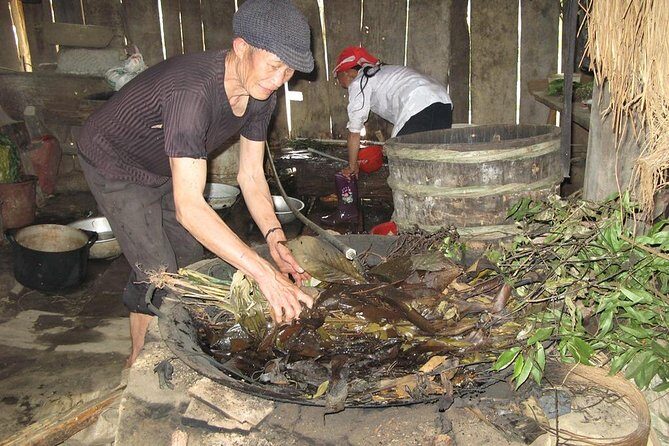
Here’s the payoff: the herbal bathing part of the experience. You’ll spend time with traditional Red Dao herbal smoke baths, described as hundred-year-old and done in a set of four herbal smoke baths designed to help relieve stress and tiredness after days of walking.
What I like about putting the baths at the end is simple: your body gets a chance to cool down and loosen up. After hours of uneven paths and cave steps, this is the part that turns the trip from “I did it” into “I felt better afterward.”
A guide can also help you understand what to expect, especially if you haven’t experienced a smoke-bath style before. The fee is included in the tour price, which means you don’t get surprised when it’s time to pay.
I’d treat it like a reset, not a spa fantasy. Bring the expectation that it’s a traditional local practice, not a polished resort routine.
Price and Value: What Your $39 Actually Covers

At $39 for a roughly 6-hour experience, the value comes from what’s included. You’re not just paying for the route. Your price covers:
- village entry fees
- a small bottle of water
- a local guide
- lunch
- the herbal bath fee
- transportation back to Sapa
Not included items are clearly listed: personal travel insurance, extra drinks (like bottled water or beer) at the homestay, and tips for the guide and driver.
That inclusion list is the real reason this can be good value, especially in Sapa where day tours often become “cheap until you add everything.” Here, lunch and the bath are baked in, and transportation back saves you time and decision fatigue.
Also, the tour runs with a maximum of 15 travelers, so you’re less likely to get shoved into a huge herd.
Getting There and Day-of Flow: Sapa Church Start, Then Back Again

The meeting point is Sapa Church (address provided), and the tour starts at 9:30 am. It ends back at that same meeting point, so you don’t have to figure out how to get back after the herbal baths.
Pickup is offered, but the tour may operate through a mix of meeting options. For example, guides in the local area have met guests at their accommodation lobby in the past. Still, it’s safest to treat Sapa Church as the official anchor point for your day plan.
The day also depends on weather. If conditions are poor, the experience may be canceled and you’ll be offered a different date or a full refund. Also, there’s a minimum traveler requirement; if it doesn’t meet that number, you’ll get an alternate or a full refund.
In practice, that means you should avoid booking this as your only Sapa activity on a fragile weather day.
Who This Tour Suits Best (and Who Should Skip It)
This is a strong fit if you want:
- a Red Dao-focused village experience in Ta Phin
- a real walk through working areas (fields plus village lanes)
- a short cave challenge you can handle calmly
- the classic Sapa ending: herbal smoke baths with stress relief as the goal
It’s also a good choice if you like guide-led culture explanations and you appreciate when the guide checks your comfort level on more difficult sections, like you might see with guides such as May.
Consider skipping (or at least think hard) if:
- dark, uneven cave walking will make you uncomfortable
- you’re only looking for a totally easy, flat stroll
Should You Book the Red Dao Village Trek and Herbal Bath?
I’d book it if you’re coming to Sapa for more than viewpoints—if you want village life, a cave moment, and an included herbal-bath finish that’s different from the usual “sit and take photos” day. The small group size and the included lunch make the day feel fair at the $39 price point.
Just do one thing before you commit: be honest with yourself about the 30-meter dark cave walk and whether moderate fitness works for your body right now. If you can handle that, this is the kind of day that leaves you with a clear memory—Red Dao culture in Ta Phin and that herbal smoke-bath calm at the end.
FAQ
How long is the Red Dao village trek and herbal bath?
The tour is about 6 hours.
How much does it cost?
The price is $39.
Where do I meet, and what time does the tour start?
The tour meets at Sapa Church and starts at 9:30 am. It ends back at the same meeting point.
Is pickup included?
Pickup is offered, and the tour also lists Sapa Church as the meeting point.
What’s included in the $39 price?
Village entry fees, 1 small bottle of water, a local guide, lunch, herbal bath fee, and transportation back to Sapa.
What’s not included?
Personal travel insurance, extra drinks (like bottled water or beer) at the homestay, and tips for the guide and driver.
How difficult is it?
It’s suitable for travelers with moderate physical fitness. There is also a cave part that includes walking about 30 meters in the dark on bumpy ground.
What happens if the weather is bad?
The experience requires good weather. If it’s canceled due to poor weather, you’ll be offered a different date or a full refund.