REVIEW · SAPA
Trekking 1 circle the local village to admire Muong Hoa valley
Book on Viator →Operated by Saparis Horizon Travel · Bookable on Viator
Two days, one sweeping valley loop. This Sapa trekking outing is built around scenic footpaths and Muong Hoa views, with chances to see terraced rice fields and small ethnic villages up close. I also like that it includes a local homestay night in Su Pan village, so the trip isn’t just walking and leaving. The main drawback to plan for is simple: it’s a full trekking schedule, so you’ll want decent stamina and good shoes.
You start with pickup in Sapa town and spend the next two days moving village to village with a guide who keeps the pace moving. You’ll get exposure to several ethnic communities and their daily routines, with time to walk rice paths and take in wide panoramas of Sapa town and the valley.
Key Points at a Glance
- Muong Hoa valley viewpoints paired with village trails, so the scenery changes often
- One night at Su Pan homestay, a practical way to experience local life after trekking
- Four+ ethnic villages across two days, including Black H’Mong, Red Dao, Giay, and more
- Private group setup, so you’re not stuck with a giant crowd’s schedule
- Pickup in Sapa town and a structured timing plan across both days
- Lunch included (and praised as generous), which helps keep the trek day comfortable
In This Review
- What This Muong Hoa Valley Village Trek Is Really For
- Day 1 in Sapa: From Town Pickup to Black H’Mong Villages
- Stop 1: Sapa town area (morning start)
- Stop 2: Hang Da Village (Black H’Mong)
- Stop 3: Hau Thao Village (after lunch)
- Stop 4: Su Pan Village homestay (your first night)
- Day 2: Red Dao to Giay Rice Terraces to Lao Chai
- Stop 1: Giang Ta Chai Village (Red Dao)
- Stop 2: Ta Van Village (Giáy) and the big terraces
- Stop 3: Lao Chai (Black H’Mong) and the Muong Hoa valley moment
- Stop 4: Return to Sapa and time for a herbal bath
- Culture, But Not as a Costume: How to Get More From These Village Visits
- Price and Value: Is $85 a Fair Deal for a 2-Day Trek?
- Trek Reality Check: Timing, Pace, and What to Pack
- Who Should Book This Sapa Village Loop Trek?
- Should You Book Saparis Horizon Travel’s Village Loop?
- FAQ
- How long is the trekking trip from Sapa to Muong Hoa valley?
- What price should I expect to pay?
- Do I get pickup from my hotel in Sapa town?
- Is there an overnight stay included?
- Which villages are part of the trek?
- Is this a private tour or group tour?
- Is lunch included?
- How are tickets handled for the experience?
- What is the cancellation window?
- Can most people join, or is it very restricted?
What This Muong Hoa Valley Village Trek Is Really For
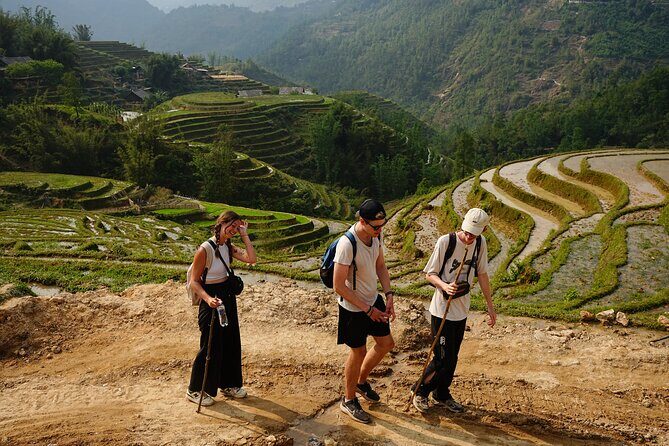
If you like your Sapa days to feel like you left town and actually walked with locals, this 2-day village loop fits that goal well. The itinerary is designed to pair the big visual payoff—terraced rice fields and mountain views—with smaller moments: stilt houses, village paths, and short talks or visits as you pass through.
I like that it’s not just one long hike. You get a sequence: panoramas, then villages, then more walking through rice terraces, and finally that overnight homestay break. That rhythm matters because it makes a trek feel like a trip, not a suffering contest.
The “private tour” style is another big deal. It usually means you can keep a steadier pace, ask questions easily, and follow the guide’s choices without being pulled along by a big group’s energy.
Day 1 in Sapa: From Town Pickup to Black H’Mong Villages
Your day starts early, with pickup from hotels in Sapa town around 08:00–08:30. It’s a simple but smart start: you don’t burn energy figuring out transport or waiting around for other people. A guide leads the group from there into the countryside.
You can also read our reviews of more hiking tours in Sapa


Stop 1: Sapa town area (morning start)
The schedule lists a short morning block around Sapa as the jump-off point. Practically, this is where you get to settle into the plan, meet your guide, and get moving before the trek heats up.
If you’re the kind of traveler who hates scrambling, this timing helps you get your bearings fast.
Stop 2: Hang Da Village (Black H’Mong)
You’ll reach Hang Da Village around late morning (10:00–11:30). This is one of the key cultural stops: it’s home to the Black H’Mong people, and you’ll visit after enjoying scenery on the mountainside.
What I like about Hang Da is the way it’s positioned. You’re not just touring a single place—you’re walking down along the mountain route and entering village life through the path itself. That makes it easier to connect the view you’re seeing with the community living below it.
Possible consideration: Hang Da is a village, not a theme park. You’ll get the best experience if you’re patient and respectful with photos and conversation.
Stop 3: Hau Thao Village (after lunch)
After lunch, the trip continues toward Hau Thao (13:00–13:30 start, about 2 hours listed). The focus here is ethnic life, a walk to the village, rice fields, and traditional houses.
This is a good stretch because it gives you time to slow down. By now, you’ve warmed up your legs, and you can actually notice details—how paths connect fields, how houses sit, and how village routines shape the landscape around you.
Stop 4: Su Pan Village homestay (your first night)
Late afternoon brings you to Su Pan (around 14:30–15:00) for the overnight homestay. The trip’s highlight here is the peaceful, quiet village atmosphere and the chance to eat local food and experience local routines for real—not just for a quick photo stop.
Homestays can vary by setup, but the structure in this program is clear: one night, local meal(s), and village culture as the main event once the day’s trekking is done. The value is that it balances the walking with downtime, and that’s what helps you enjoy Day 2 instead of feeling wrecked.

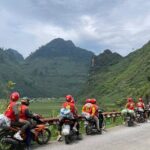
Day 2: Red Dao to Giay Rice Terraces to Lao Chai
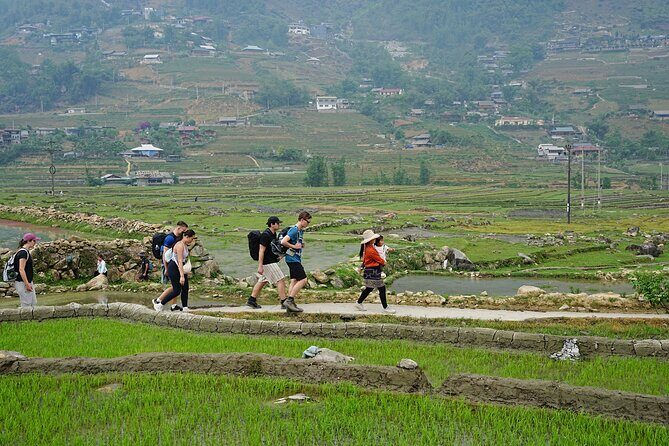
Breakfast happens at the homestay before the morning trek (around 08:30–09:00 start). This second day is where the Muong Hoa valley feeling really takes over.
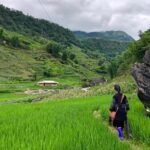
You’ll move through multiple ethnic communities, with the itinerary emphasizing rice terraces and village-to-village connections. If you love “walking through places,” this is the day that delivers that best.
Stop 1: Giang Ta Chai Village (Red Dao)
You’ll trek toward Giang Ta Chai Village, home to the Red Dao (about 2 hours listed). Even though the village is described as small, the point is that you’ll see a lot in a short time—plus you get another cultural stop that broadens the ethnic mix of the trip.
This matters if you’re traveling with a curiosity beyond views. Seeing different communities in sequence helps you understand why Sapa doesn’t feel like one single culture or one single kind of village life.
Stop 2: Ta Van Village (Giáy) and the big terraces
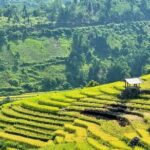
From there, you head toward Ta Van Village, with a time block that includes walking and interacting with the Giay people (around 10:30 onward, about 3 hours listed). The tour highlights the large rice terraces here, and that’s the visual payoff you want for this time of year.
What makes Ta Van especially worth it in this specific route is that the trek to the village is part of the show. You’re not just arriving at a viewpoint; you’re crossing rice field edges and village paths that shape how the terraces appear.
Possible consideration: terraces can be slippery or uneven. The tour doesn’t spell out ground conditions, so your best bet is to wear shoes you trust for rocky or wet paths.
Stop 3: Lao Chai (Black H’Mong) and the Muong Hoa valley moment
Next you continue to Lao Chai (about 13:30 start, about 2 hours listed). Lao Chai is described as a large village of the Black H’Mong people, and the route includes crossing a small bridge to enter Muong Hoa valley.
This crossing is a key emotional shift in the itinerary. Up to this point, you’ve been hopping through village corners and terraces. Crossing into Muong Hoa valley is where the scenery feels like a wider stage, with more open views and a sense of the valley’s scale.
The end result is a satisfying close to Day 2: you finish with a village context, then move back toward Sapa.
Stop 4: Return to Sapa and time for a herbal bath
The schedule calls for a pickup around 15:00 from the Lao Chai area back to your accommodation in Sapa town. Once you’re back, you can try an herbal bath to relax after the trek.
Even if you skip the bath, plan for recovery time. You’ve got a two-day walking loop behind you, and Sapa town is small enough that you can keep things low-key afterward.
Culture, But Not as a Costume: How to Get More From These Village Visits
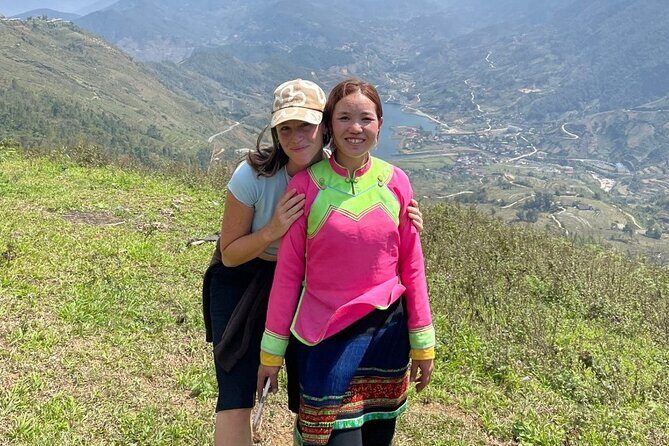
This trek is built around minority ethnic culture in Sapa and visiting villages like Hang Da, Hau Thao, Giang Ta Chai, Ta Van, and Lao Chai. The emphasis is on meeting friendly local people and trying traditional customs, plus seeing stilt houses and rice terraces that shape daily life.
To get more out of it, I suggest you go with two mindsets:
- Treat village stops as real places where people live, not short performances.
- Ask practical questions through your guide, then listen longer than you talk.
The reviews for this trip repeatedly point to a good guide experience—energetic, fun, and helpful. When the guide is strong, the cultural stops feel more meaningful than sightseeing stops.
Price and Value: Is $85 a Fair Deal for a 2-Day Trek?
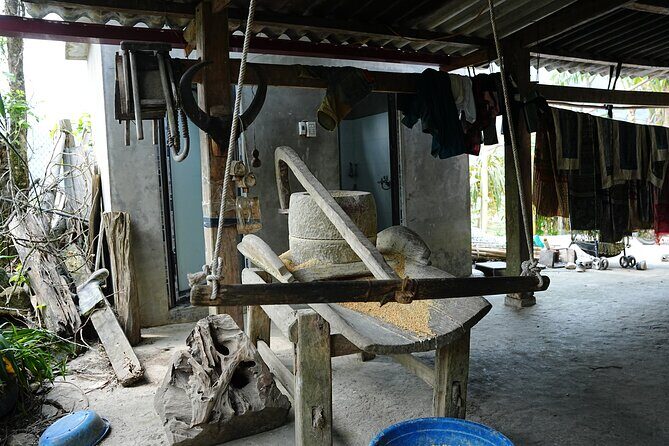
At about $85 per person for a roughly 2-day program, the price feels reasonable if you look at what’s included, not just what you see on the map.
Here’s why it can feel like good value:
- You get pickup from Sapa town, which saves time and effort.
- You’re visiting multiple villages across both days, not just one staged stop.
- The itinerary includes an overnight homestay in Su Pan, which is often the cost driver on trekking programs.
- A lunch is provided and specifically praised as plentiful, which matters on a walking day.
- Entrance or admission fees are listed as free on the itinerary stops, so your money is mainly going toward guiding and the experience flow.
The only time the price becomes less of a bargain is if you don’t plan to walk much. If you want scenic views only, there are easier options in Sapa. If you want the rhythm of rice paths and village life across two days, this cost starts to make sense fast.
Trek Reality Check: Timing, Pace, and What to Pack

This isn’t a casual stroll. The itinerary covers early starts, multiple village visits, and a full day of walking on Day 2. The good news is the trip is paced in blocks with guided transitions, so you’re not guessing what comes next.
For your comfort, I’d pack for these basics:
- Hiking shoes with grip
- A light rain layer (Sapa weather can shift)
- A small daypack for water and snacks
- Sun protection for terrace views
- Cash or small items if your guide suggests any village-related purchases
Also, eat well at breakfast and don’t skip the meal timing. This route includes a lunch (and you’ll want the energy), plus you’ll have a homestay dinner setting on Day 1.
Who Should Book This Sapa Village Loop Trek?
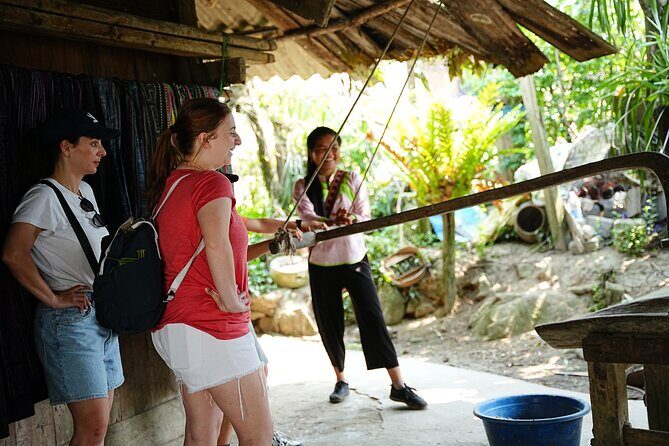
This trek is ideal if you:
- Want Muong Hoa valley views without doing it from a bus window
- Like meeting people and seeing daily village life, not just posing at landmarks
- Are okay with an active two days and want that “walking connects everything” feeling
- Enjoy guided pacing, especially if you value a guide who keeps energy up
It may be less ideal if you:
- Have limited mobility or want minimal walking
- Prefer strictly town sightseeing over hills and steps
- Need lots of downtime with no schedule pressure
Should You Book Saparis Horizon Travel’s Village Loop?
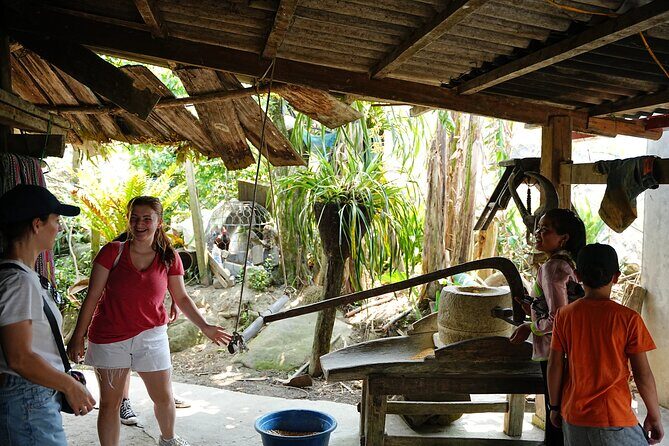
I’d book this tour if your idea of a great Sapa trip is a village-to-village walking circuit with panoramic stops and at least one true change of pace through a homestay night. The overall structure is practical: pickup, guided village visits, one overnight stay, then a full second day through Muong Hoa valley’s bigger scenery.
Hold off if you’re mainly chasing easy sights or you’re not comfortable with long walking days. For the right traveler, though, it’s a strong value way to see Sapa beyond the town streets.
FAQ
How long is the trekking trip from Sapa to Muong Hoa valley?
It’s scheduled for about 2 days.
What price should I expect to pay?
The price listed is $85.00 per person.
Do I get pickup from my hotel in Sapa town?
Yes. Pickup from hotels in Sapa town is offered at the start of the trip.
Is there an overnight stay included?
Yes. You stay 1 night at a local homestay in Su Pan village.
Which villages are part of the trek?
The route includes Hang Da village, Hau Thao, Su Pan (homestay night), Giang Ta Chai, Ta Van, and Lao Chai, with a return to Sapa at the end.
Is this a private tour or group tour?
This is a private tour/activity, and only your group participates.
Is lunch included?
Lunch is provided, and it’s noted as plentiful in the reviews you provided.
How are tickets handled for the experience?
A mobile ticket is used, and admission tickets are listed as free for the stops in the itinerary.
What is the cancellation window?
You can cancel up to 24 hours in advance for a full refund.
Can most people join, or is it very restricted?
The information provided says most travelers can participate, but the activity is still a trekking trip, so you should be prepared for walking.