Sapa without the stampede.
This tour is built for people who want to see more than the main viewpoints, without doing a heavy trek. You’ll ride in an open-air jeep at a slow pace on backroads, dirt roads, and village trails, and you still get time at major photo stops like Y Linh Ho. I also like that the guides bring local life to the front of the day, with praised English explanations from guides such as Tamay, May, LyLy, and Vang, including culture moments like meeting Red Dao women.
One thing to consider: this is weather-dependent. Even with rain ponchos provided, the schedule still depends on road and mountain conditions, so you’ll want flexible expectations on misty or rainy days.
In This Review
- Key Things You’ll Notice on This Sapa Jeep Tour
- How This 4.5-Hour Jeep Tour Changes Your Sapa Day
- Pickup from Sapa City: Where Your Day Starts
- Muong Hoa Valley: Viewpoints, French-Era Buildings, and Big Mountain Air
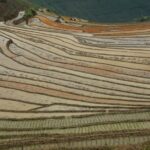
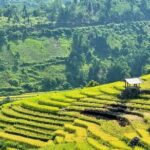
- Lao Chai and the Terraces: Real Field Views Without a Long Trek
- Ta Phin and Hang Da Village: School, Field Work, and Seasonal Moments
- Ta Van Village: Hmong, Day, and Dao Culture in Practice
- Why the English Guide Makes This Tour Worth It
- Price and Value: Is $79 a Fair Deal?
- What the 4.5 Hours Feels Like on the Ground
- Who Should Book This Sapa Jeep Tour
- Quick Decision Guide: Should You Book?
- FAQ
- How long is the A Glimpse Of Sapa Jeep Tour Off the Beaten Path?
- What does the tour cost?
- Is pickup included, and do I get a ticket on my phone?
- What’s included in the price?
- What’s the group size like?
- Is the tour affected by weather, and how does cancellation work?
Key Things You’ll Notice on This Sapa Jeep Tour
- Open-air jeep comfort: Slow driving helps you see clearly, not just bounce past views.
- Muong Hoa Valley time: You get real valley immersion through viewpoints and village roads, not only quick photo stops.
- Rice terrace moments: There’s a walk through rice fields, including the area around Lao Chai.
- Ethnic community visits: Ta Van Village introduces Hmong, Day, and Dao presence and daily culture.
- Small group feel: The tour runs with a maximum of 12 travelers, which keeps the day calmer.
- Village-life stops on the way: Along the route, you may pause for school, field work, or local family scenes depending on the season.
How This 4.5-Hour Jeep Tour Changes Your Sapa Day
If Sapa already feels too busy, this tour is a smart counter-move. Instead of spending your time threading through crowds, you’ll take backroad routes that push you toward quieter villages and viewpoints. The timing matters here: at around 4 hours 30 minutes, it’s long enough to feel like a real circuit, but short enough that you’re not wiped out after.
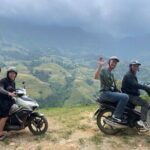
The big practical win is the vehicle. An open-top jeep lets you see to the sides, and the ride is paced so you can actually read the terrain: mountain angles, terraced slopes, and the way villages sit along the valley bends. That matters in Sapa, where one wrong turn or one too-fast ride can make the best views feel like a blur.
You can also read our reviews of more tours and experiences in Sapa.


Pickup from Sapa City: Where Your Day Starts
Your day kicks off with pickup from Sapa City—either from your hotel or a set meeting point. You’ll meet the guide for a short briefing, then move out quickly into the valley routes.
For planning, treat this as a guided half-day rather than a drop-off sightseeing hop. You’re paying for a driver-led route plus an English-speaking guide who helps you make sense of what you’re seeing—architecture along the way, valley viewpoints, and village culture.
The tour also uses a mobile ticket, which is handy if you’re bouncing between stops and don’t want to manage paperwork.
Muong Hoa Valley: Viewpoints, French-Era Buildings, and Big Mountain Air
Once you’re out of Sapa City, the route focuses on getting you into the Muong Hoa Valley area. On the drive you’ll pass notable buildings in town, including French colonial houses, before the jeep heads down toward the valley.
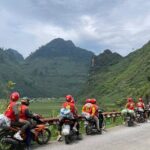
This is where the day starts to feel like a shift in pace. Valley roads change your perspective fast. You go from town edges to wide views, and the terraced patterns start to show up in layers. The trip includes time aimed at the most spectacular mountain views from Y Linh Ho—one of those Sapa viewpoints where the mist can either soften the scene or make it feel like the valley disappears into cloud.
What I’d watch for: bring your phone camera battery plan. The open-air ride plus repeated viewpoints is a setup for lots of photos, and cold mountain air can drain batteries faster than you’d expect.
Lao Chai and the Terraces: Real Field Views Without a Long Trek
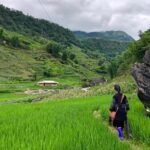
The route brings you toward the Lao Chai area, known for its terraced rice scenery in the Muong Hoa Valley. This part of the experience is less about speed and more about time on the ground.
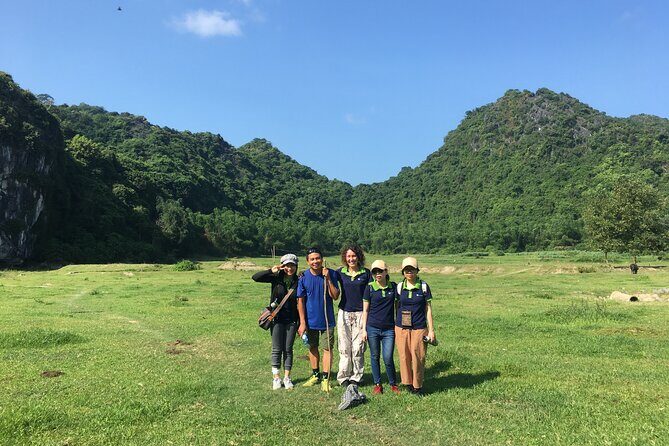
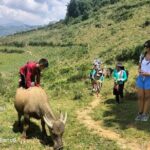
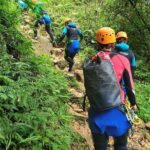
There’s typically a walk through rice fields, which is a key difference from many “drive-by” tours. Even if you’re not looking for a strenuous hike, that short walking time gives you the texture of terrace life: the way paths cut between paddy steps, and how the fields sit on steep mountain contours.
A practical note: wear shoes you trust on uneven ground. This isn’t a paved promenade. You want grip and comfort, especially if the day is damp.
Ta Phin and Hang Da Village: School, Field Work, and Seasonal Moments
On the way through this region, the tour includes a stop around Ta Phin, with a continued route toward Hang Da Village. What makes this stop feel authentic is that it can change depending on the season.
You might pause to:
- visit a school
- see people working in the fields
- or visit a local family, depending on conditions
That flexibility matters. In Sapa, the same village can look entirely different from month to month because field tasks shift. When the timing lines up, you’re not just seeing the village backdrop—you’re catching daily activity.
Potential drawback: this portion is “real life” viewing. That can be fascinating, but it’s not a staged show. If you prefer highly controlled, scripted experiences, you might find the flow more casual.



Ta Van Village: Hmong, Day, and Dao Culture in Practice
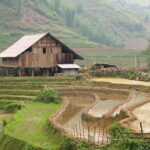
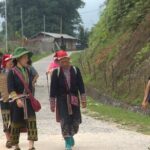
After the valley and field stops, the tour continues to Ta Van Village. This is where the cultural side gets specific: the community is described as home to three ethnic minorities: Hmong, Day, and Dao.
In practice, this is the part of the day that turns your photos into understanding. The guide’s job isn’t only to translate words—it helps you connect what you’re seeing to how people live around the mountains and terraces. This is also where some of the most memorable moments come from in the stories people share from the tour, especially when the guide helps you notice details you might otherwise skip.
One of the strongest review themes is how guides explain life in plain English, and how they create the space for respectful questions—like what daily routines look like, how communities work together, and why certain viewpoints matter.
Why the English Guide Makes This Tour Worth It
The tour isn’t just transportation and sightseeing. The included professional English-speaking guide is the translator between the scenery and your understanding of it.
You’ll notice that the day is built around multiple short segments—drive, viewpoint time, terrace walking, and village pauses. Without someone to connect the dots, that can turn into a sequence of stops you check off. With a guide, the stops become a storyline: valley to fields to village life, with cultural context woven in.
People also praise specific guide names from the experience—Tamay, May, LyLy, and Vang—which signals consistency in how the team communicates. You can’t guarantee your guide will be one of these people, but you can feel confident you’re not getting a generic “here’s a view” script.
Price and Value: Is $79 a Fair Deal?
At $79 per person for about 4.5 hours, this sits in the “good value if you plan well” category. Here’s why:
- You get guided culture time plus entrance fees included for village visits.
- You’re not paying extra for basic ride essentials like bottle water, helmet, and rain ponchos.
- The open-air jeep approach can make the views feel more immediate, especially compared to closed-vehicle sightseeing.
The tradeoff is what’s not included: drinks, tips, and personal expenses. So if you’re budgeting tightly, bring a plan for water beyond what’s provided, plus a little extra for snacks if you get hungry.
Also keep in mind the tour is capped at 12 travelers. Fewer people can mean less waiting and a calmer experience, which is part of the value you’re paying for.
What the 4.5 Hours Feels Like on the Ground
This is an off-the-beaten-path circuit, but it’s not a full-day trek. It’s built for people who want the valley sights and village culture without committing to a strenuous multi-day route.
That’s why it works well when you’ve already trekked earlier in your Sapa stay and want something gentler. The jeep gives you the movement; the stops give you the meaning. You get viewpoint variety and rice field time without needing days of hiking logistics.
My practical advice: if you’re prone to motion discomfort, consider that dirt roads and mountain roads can be bumpy. The jeep pacing helps, but it’s still a road ride, not a smooth city transfer.
Who Should Book This Sapa Jeep Tour
This one is a great match if you:
- want scenic rice terrace views and at least some time walking
- care about seeing ethnic village culture with an English guide
- prefer a small-group feel with a calmer pace
- want a half-day option that doesn’t require full trekking energy
It might be less ideal if you:
- strongly dislike any walking on uneven ground
- need fully guaranteed indoor alternatives if weather turns
- want a purely paved, zero-surprise route
Quick Decision Guide: Should You Book?
I’d book this if your goal is Sapa with context: valley viewpoints, Lao Chai terrace scenery, Ta Van Village culture, and village-life pauses along the way—all wrapped in a guided half-day. The best reason to choose it is the combination of open-air jeep viewing plus English-guided understanding, so you leave with more than just photos.
Skip it or choose another format if you’re hoping for a fully sheltered day or you’re set on a zero-walking, fully urban-style experience. And since it’s described as requiring good weather, you’ll want some flexibility in your schedule.
If you’re booking last-minute, remember this is commonly reserved—on average it’s booked about 25 days in advance—so check dates early if you have tight travel timing.
FAQ
How long is the A Glimpse Of Sapa Jeep Tour Off the Beaten Path?
The tour runs about 4 hours 30 minutes (approx.).
What does the tour cost?
It costs $79.00 per person.
Is pickup included, and do I get a ticket on my phone?
Yes, pickup is offered from Sapa City from your hotel or meeting point, and you’ll receive a mobile ticket.
What’s included in the price?
Included are a professional English-speaking tour guide, a comfortable ride with driver support and fuel, bottle water, rain ponchos (if needed), a helmet, and entrance fees to visit villages.
What’s the group size like?
The tour has a maximum of 12 travelers.
Is the tour affected by weather, and how does cancellation work?
The experience requires good weather. If it’s canceled due to poor weather, you’ll be offered a different date or a full refund. You can also cancel up to 24 hours in advance for a full refund.