REVIEW · SAPA
Trekking Through Rice Terraced Fields – 1Day
Book on Viator →Operated by Trekking Tour Sapa · Bookable on Viator
Rice terraces and village life in one day. This Sapa trek is interesting because you’re not just walking pretty paths—you’re getting real context for how Sapa’s Hmong, Giay, and Red Dao communities live, farm, and celebrate traditions. I love the small-group feel (max 15), which keeps the day personal. I also love how the guide’s stories connect the scenery to everyday life, including Hmong marriage traditions and work in the rice fields. One drawback to plan for: the route can be steep and can feel long, especially when the ground is slick.
You’ll start around 9:30 am, with pickup from your Sapa hotel or near the main church area. Guides such as Chu, Sang, Vang, and Mai come up often in people’s experiences, and the common theme is that you’re walking with someone who knows the villages and how to explain what you’re seeing. The whole day runs about 5 to 6 hours, and you get lunch plus village entry fees, so $45 goes further than it looks.
Key Points to Know Before You Go
- Max 15 people means you get more time with your guide, not just a busload of strangers.
- Three village stops: Y Linh Ho, Lao Chải (Black Hmong), and Ta Van (Giay).
- Rice terrace walking includes real climbing—expect uphill work, not just gentle strolling.
- Lunch and village entry fees are included, plus a small bottle of water.
- Footwear matters because paths can be muddy and slippery.
- Guides often tailor the pace, and some help you choose the most sensible way back if you want more walking.
In This Review
- Rice Terraced Fields and Hill-Tribe Villages in One Half-Day
- Meeting Point, Timing, and How the Day Usually Flows
- Stop 1: Y Linh Ho and the First Taste of Hmong Village Life
- Stop 2: Lao Chải and Black Hmong Farming Country
- Stop 3: Ta Van Village for Giay Culture and Rice-Field Walks
- How Hard Is This Trek Really? (Pace, Distance, and Mud)
- Lunch in a Local Style and What’s Included for $45
- Guides Matter Here: What You Should Expect From Your Host
- Shopping at the Villages: Friendly, but Say What You Want
- Who This Trek Suits Best (and Who Should Skip It)
- Should You Book This Sapa Rice Terrace Trek?
- FAQ
- How long is the trekking tour?
- What is the price per person?
- What time does the tour start?
- Where does the tour start and end?
- How many villages and which ones are visited?
- Does the tour include lunch?
- What else is included besides lunch?
- What fitness level is required?
- Is it suitable for people with mobility issues?
- Is free cancellation available?
- Is pickup available?
Rice Terraced Fields and Hill-Tribe Villages in One Half-Day
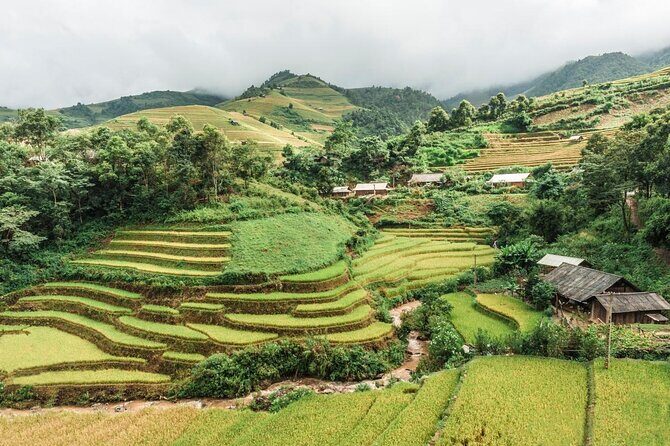
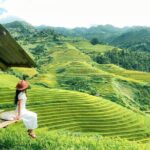
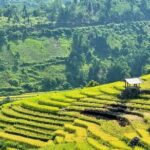
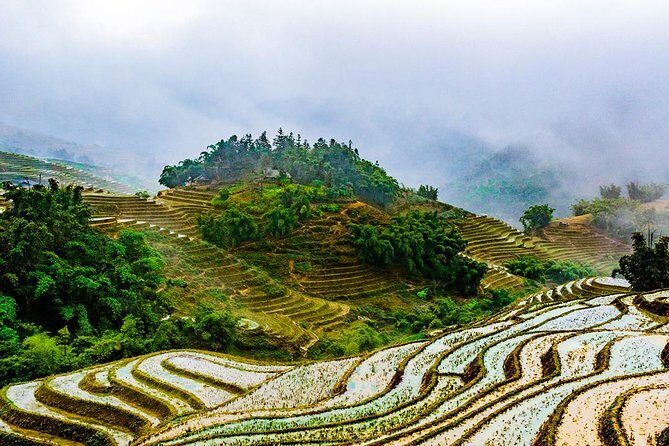
This is a classic Sapa “walk-and-learn” day, built around rice terraces and three village stops. The big value here is the mix of mountain views with cultural details you’d miss if you only took photos. You get the famous terraces, plus time in villages where people still farm, build homes, and pass down customs.
I like how this tour is positioned for a real one-day experience. At $45, it’s not a budget bargain, but it’s also not padded with expensive extras you don’t need. What you’re paying for is a local guide, village entry fees, and organized transport back to Sapa—so you spend your energy on the hike instead of logistics.
And yes, it can be a workout. Some departures feel closer to 6 miles. Others can run toward a 12 km round trip depending on how the day plays out and how you choose to return.
Meeting Point, Timing, and How the Day Usually Flows
You meet in Sapa Town around 9:30 am. The pickup is offered either at your hotel in Sapa Town or around the main church meeting area. From there, you’ll be guided through the day on foot between village areas, with transport used where it makes sense to keep the experience comfortable and efficient.
This matters for planning. Sapa days can start cloudy, foggy, or clear—conditions change quickly. A morning start gives you the best shot at clearer views over the valleys and river area mentioned for the route. It also helps you finish before fatigue fully catches up.
The group size limit (up to 15) is another practical plus. It usually means your guide can slow down for questions, and you can actually hear what’s being explained while you’re walking.
You can also read our reviews of more hiking tours in Sapa


Stop 1: Y Linh Ho and the First Taste of Hmong Village Life
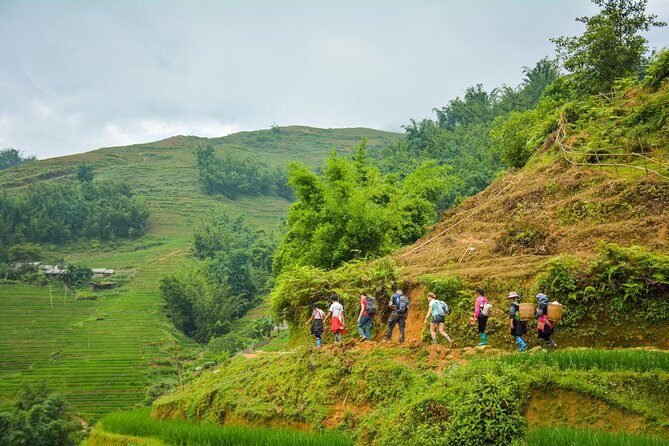
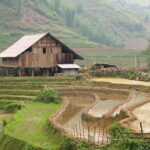
Y Linh Ho is where the day becomes more than a scenic walk. This is one of the places you’ll see village rhythms up close—how people organize daily work and how homes and community spaces fit the hillside.
What makes this stop work well is that it sets up the rest of the day. Before you spend time among other communities, you get context for Hmong life and how farming is connected to tradition. That includes discussion of things like marriage customs and how people manage the labor of the fields and the practical side of house building.
Expect this to feel like “arrival mode” for your legs and your eyes. The first stretch is your warm-up: you’re getting oriented to paths, viewpoints, and the rhythm of walking between terraced plots.
Stop 2: Lao Chải and Black Hmong Farming Country
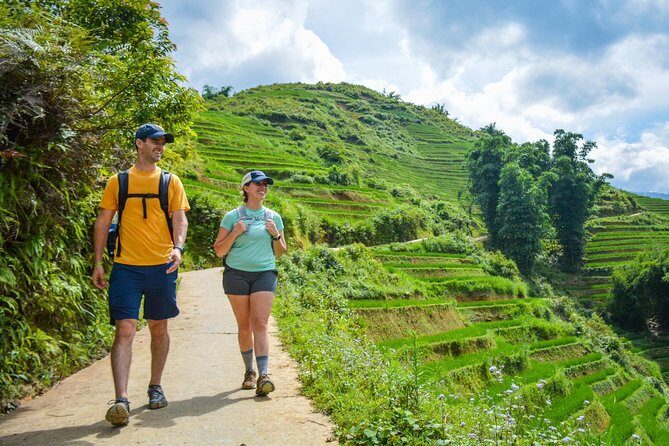
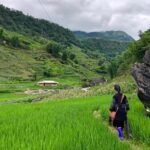
Lao Chải is the next village stop, and this one is specifically tied to the Black Hmong community. Here, you’ll continue through the farming landscape that made Sapa famous in the first place: rice terraces that shape the hillsides like steps.
This is also where your guide’s explanations can really make or break the experience. When it’s going well, the guide connects what you see—terrace layout, daily field tasks, and seasonal farming—with culture. In one case, the experience was praised for clear, friendly answers and a sense of humor while walking. In another case, a person felt the guide didn’t explain rice cultivation enough. So take this as a heads-up: if you have questions about how rice farming works in this terrain, don’t wait for the tour to guess what you want. Ask directly.
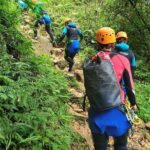
Also, be ready for the terrain to remind you that you’re in real hillside country. Expect uneven ground and steps that can feel steep in places. You don’t need a trail-running body, but you do need stable footing.
Stop 3: Ta Van Village for Giay Culture and Rice-Field Walks
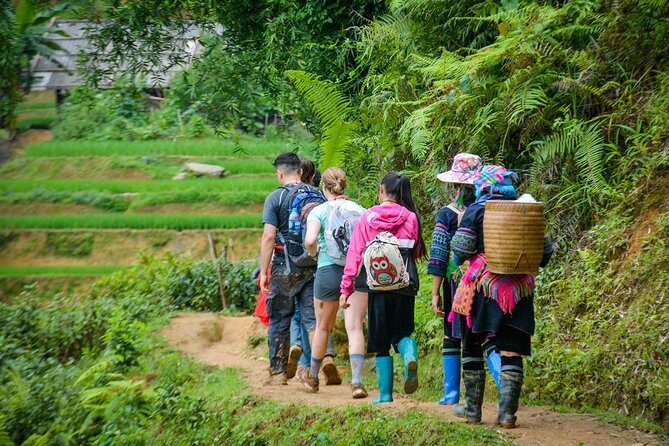
Ta Van is where you meet the Giay minority and keep the day’s cultural mix going. By now, you’ve seen multiple village styles and you’ve had time to compare how people adapt daily life to the hillside.
This stop is valuable because it puts your Sapa day into perspective. You’re not stuck with one community. You’re seeing how different ethnic groups handle the same basic geographic challenge—steep slopes, water management, and seasonal farming—through different traditions and daily practices.
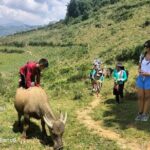
You’ll also get chances to spot small animals along the way—oxen, ducks, and chickens were mentioned in people’s experiences—so don’t just look at the terraces. Look at the working details too.
How Hard Is This Trek Really? (Pace, Distance, and Mud)
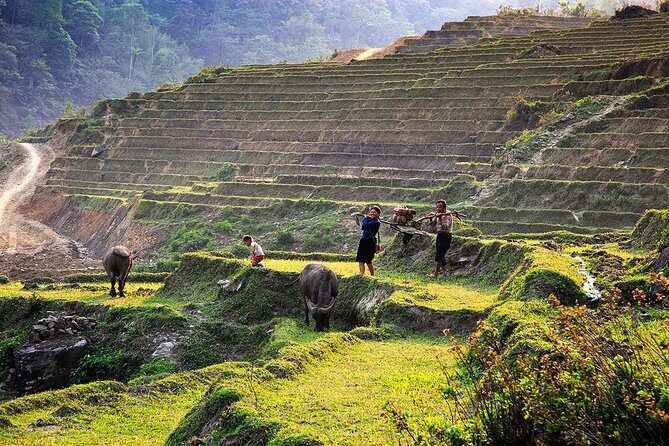
Let’s be honest: this is not a sit-in-the-scenery tour. It’s a real walking day.
The tour notes call for moderate physical fitness, and one person flagged it as not suitable for adults who struggle with mobility. Another mentioned a longer and difficult climb, with a 12 km mountain trek. On the other end, there are also accounts that describe the hike as moderate enough for average fitness—people still felt sore the next day, though.
Here’s what you should take from all that:
- Wear shoes with grippy soles. One tip was especially clear: paths can be muddy and slippery.
- Bring a light layer you can adjust. Morning in the hills can feel cooler than you expect.
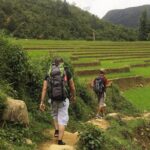
- Expect uphill segments through terraced areas. Rice paddy paths are not always flat.
If you’re traveling with kids, the tone can still be positive. One family trekked with children aged 6 to 12 and described a 6-mile walk, with a guide who was patient. That suggests you don’t need to be a mountain athlete, but you do need to be ready for uneven ground and a steady pace.
Lunch in a Local Style and What’s Included for $45
Lunch is included and is described as local foods with vegetables and meat, plus vegetarian options. That’s the right direction for a trekking day because it reduces decision fatigue. You don’t have to find food mid-walk or worry if a restaurant is open.
Also included:
- Bottled water (one small bottle per person)
- Village entry fees
- Transport back to Sapa
For the value question: this is priced like a fair “half-day experience” where your main costs are guiding time, entry fees, and getting you back safely. The lunch being included makes it easier to budget the day, especially if you’re trying to keep Sapa costs under control.
One note to hold in your brain: a small number of experiences mentioned lunch quality as merely mediocre. Most accounts were more positive. So it’s safe to expect a decent local meal, but don’t treat it like a fine-dining stop.
Guides Matter Here: What You Should Expect From Your Host
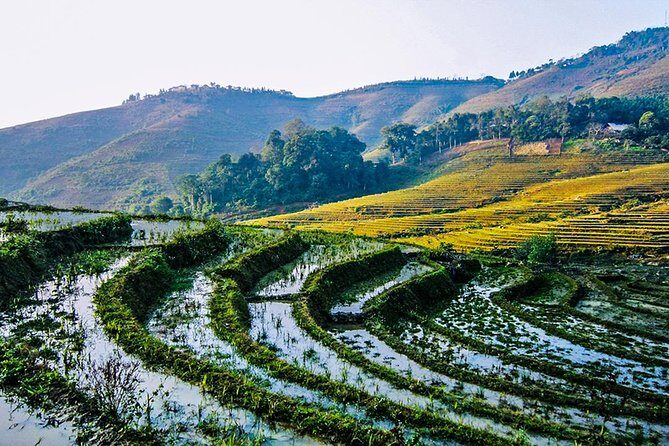
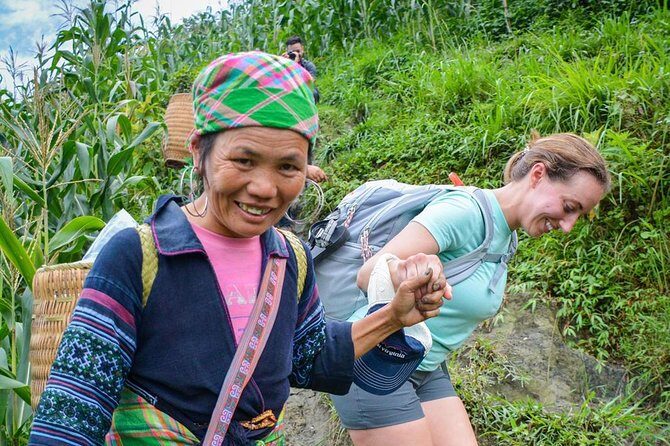
The most consistent praise is about the guide. People mention guides like Chu, Sang, Vang, Mai, Du, and Dom as friendly and helpful, with good English in some cases, and with stories that connect the village scenes to daily life.
What you should look for in the guide’s approach is simple:
- They explain what you’re seeing, not just where you’re going.
- They answer questions while you walk.
- They keep pace comfortable enough for a mixed group.
There’s also a practical advantage to a good guide. One person said they didn’t want to take the car back after a point that was only about 7 km away, so the guide helped shape a longer 11 km round trip back to their homestay. That kind of flexibility can turn an already great day into an extra memorable one.
Shopping at the Villages: Friendly, but Say What You Want
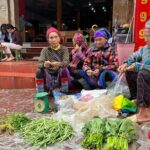
A small cultural reality check: you may get approached by kids and families selling handmade items like bags and key rings. That’s part of life around these areas, and it can be cute and also a little persistent.
My advice is simple: if you’re happy to support, choose one or two small items and agree on the moment you’re done. If you’re not shopping, a polite no usually works better than giving mixed signals while you’re still walking.
This is one of those times where your attitude matters as much as your wallet.
Who This Trek Suits Best (and Who Should Skip It)
Best fit:
- You want to see rice terrace fields without hiring a driver and doing everything solo.
- You like cultural learning during the walk: village life, customs, and farming work.
- You’re okay with a moderate day of hiking on uneven ground.
Not the best fit:
- You need a very easy stroll with minimal climbing.
- You have mobility limitations that make stairs and slippery paths tough.
- You hate being outdoors for a half day in changing weather.
If you’re in Sapa for a short visit and you want one “big day” that feels local, this is a strong choice. It’s also a good option if you want a guided route that keeps you from wandering into the wrong paths or missing key village areas.
Should You Book This Sapa Rice Terrace Trek?
I’d book it if you want the classic Sapa experience done in a way that feels human-sized. For $45, you get a guided day with rice terraces, village context across multiple ethnic groups, lunch, and the key logistics handled.
Skip or rethink it if you know your legs won’t handle steep or muddy ground. Also, if you’re hoping for very technical explanations of rice cultivation, make sure you ask questions. The guide quality can influence how much you get from the cultural content.
If you pick a day with decent visibility and you come prepared with grippy shoes, this trek has the ingredients for being the highlight of your Sapa trip.
FAQ
How long is the trekking tour?
The tour runs about 5 to 6 hours.
What is the price per person?
The price is $45.00 per person.
What time does the tour start?
Pickup and the start are around 9:30 am.
Where does the tour start and end?
It starts at Trekking Tour Sapa, 09 Thác Bạc, TT. Sa Pa, Sa Pa, Lào Cai 330000, Vietnam and ends back at the meeting point in Sapa.
How many villages and which ones are visited?
You visit three village areas: Y Linh Ho, Lao Chải, and Ta Van.
Does the tour include lunch?
Yes. Lunch is included and described as local foods with vegetables and meat, with a vegetarian option.
What else is included besides lunch?
Village entry fees, one small bottle of bottled water per person, and transport back to Sapa are included.
What fitness level is required?
You should have a moderate physical fitness level.
Is it suitable for people with mobility issues?
The tour notes indicate it is not suitable for travelers who cannot handle the walking route.
Is free cancellation available?
Yes, you can cancel up to 24 hours in advance for a full refund.
Is pickup available?
Yes, pickup is offered.