REVIEW · SAPA
1 day Fansipan Trekking
Book on Viator →Operated by Sapa Original Trek · Bookable on Viator
Fansipan does not do casual hiking.
This one-day trip from Sapa pushes you up to Indochina’s highest peak (3143m) with a professional English-speaking guide and the kind of early-morning pacing that keeps you moving without panic. You also get round-trip hotel transfers, so you’re not spending your morning hunting taxis.
I love how much is handled for you. You get entry fees included, plus a summit medal and certificate, and the plan includes bottled water and picnic lunch during the climb. That matters on a hard hike—less admin, more time for breathing.
One consideration: this is a serious day trek. Expect steep sections and big elevation gain (about 1600–1700m). If you’re not used to uphill hikes, you may feel it quickly.
In This Review
- Key highlights that make this trek feel worth the effort
- Fansipan on one day: the “hard hike with a purpose” feeling
- The 6:00am start and why the transfer saves your energy
- From Tram Ton pass through bamboo forest to lunch near 2800m
- Summit time: big views, cold air, and that last-steep effort
- The cable car option for the descent, or hike down the same way
- What you’re really paying for: value in the included pieces
- How hard is it, honestly? Pace, steep sections, and altitude reality
- Who should book this Fansipan day trek from Sapa
- A practical packing mindset for this steep summit day
- Should you book Sapa Original Trek for a one-day Fansipan summit?
- FAQ
- What time does the trek start?
- Where do I start hiking?
- How long is the trek?
- How difficult is the hike?
- Are transport and entry fees included?
- Is lunch and water provided?
- Do I need to pay for the cable car?
- Is the tour private?
- What is the cancellation window?
Key highlights that make this trek feel worth the effort
- English-speaking guiding so you’re not guessing the route or the timing
- Hotel pickup and drop-off included, plus car or scooter to Tram Ton pass at 6:00am
- Entry fees, medal, and certificate included, turning the summit into a real moment
- 1.5 liters of water + picnic lunch, planned into the day so you don’t run out of fuel
- A clear return choice: hike back down the same way or take the cable car for a fee
- Insurance included, which you’ll appreciate on long, steep trail days
Fansipan on one day: the “hard hike with a purpose” feeling
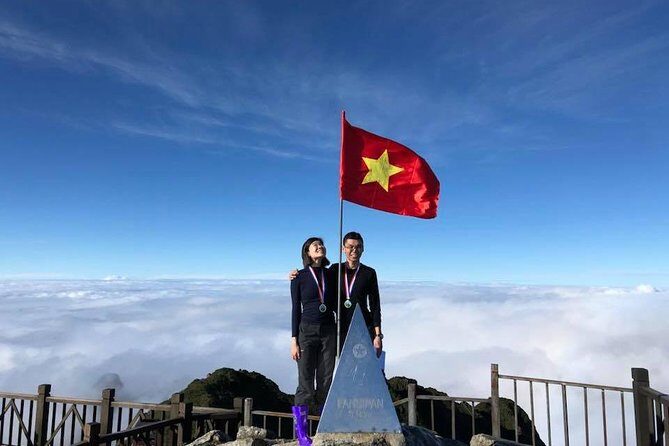
Fansipan is the highest peak in the Indochina peninsula. That alone turns it into a bucket-list climb for many people. But what makes this experience special is how it’s set up as a full day of forward motion, not a casual stroll.
You start early at Tram Ton pass (about 2000m). From there, you’re gaining up to the summit and back again in roughly 10–13 hours. The trek covers about 12 km each way (so think around 24–25 km total). That long distance plus the elevation gain (about 1600–1700m) is why this doesn’t work as a last-minute decision.
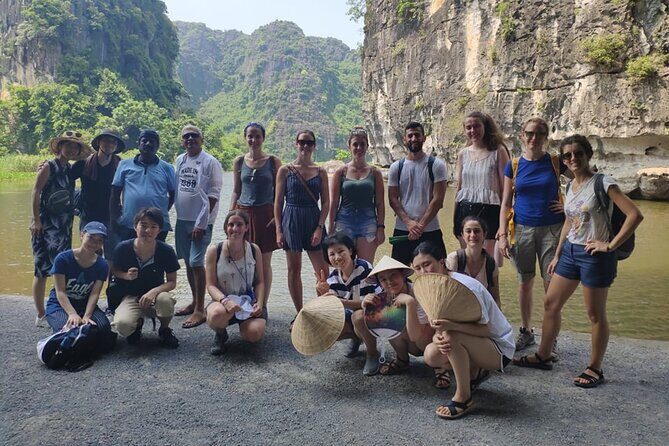
The good part: the day is structured. You’re not left alone with a map and a hope. An English-speaking guide keeps the group together, but also helps with pacing, safety, and knowing when to slow down. In past days, guides like Mr Tinh (organizer) and guides such as Mr Choo, Mr Cho, Chi, Sinh, Ser, and Ho have been mentioned for friendly, patient support.
You can also read our reviews of more hiking tours in Sapa
The 6:00am start and why the transfer saves your energy
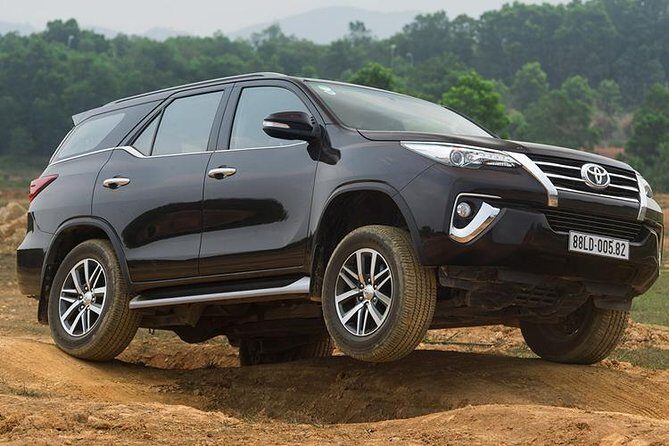
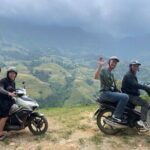
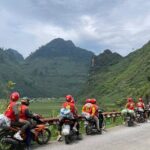
The meeting starts at 6:00am, with pickup from your hotel included. This is not a “find your own way to the trailhead” kind of outing. You’ll take a car, and if it’s just one person, you may go by scooter.
That matters more than it sounds. A steep hike punishes sloppy mornings. If you’re arriving stressed or rushed, you’ll burn energy before the first big uphill. With the included transfer, you can focus on the first job: getting to the start pass and settling in.
You’ll eat an early breakfast on your own before you go. Then you’re up and moving toward Tram Ton pass. The timing is early enough that you get into the forest and start climbing while the day is still fresh. And once you’re on the trail, you can stop thinking about logistics and start thinking about steps.
From Tram Ton pass through bamboo forest to lunch near 2800m
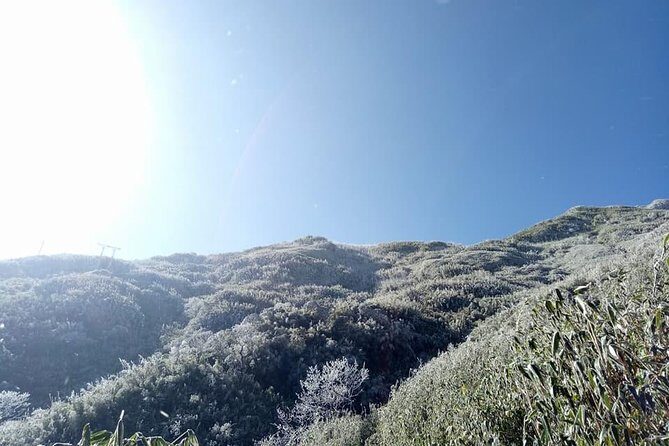
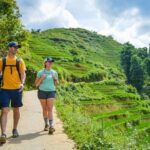
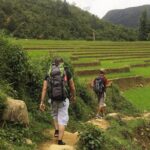
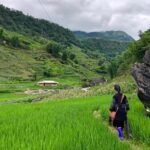
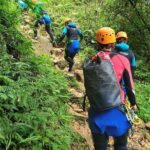
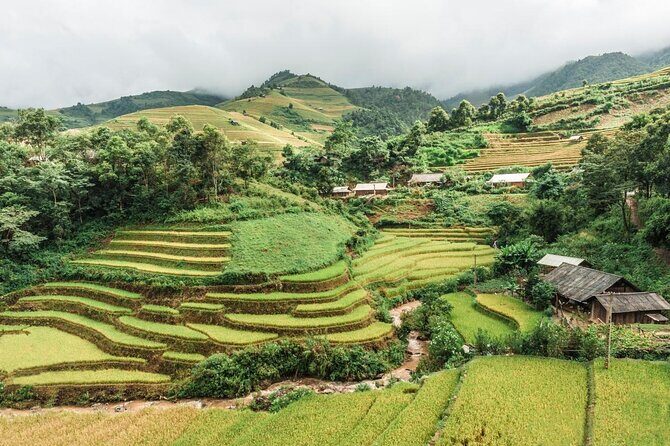
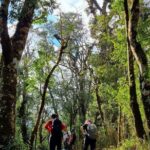
The trail begins at Tram Ton pass (about 2000m). From there, you’ll hike through sections described as bamboo, old trees, forest paths with colorful flowers, and streams. That mix is part of why the hike feels like more than just a vertical line. You’re not only grinding uphill—you’re also moving through changing scenery.
Still, the climb is the main event. Expect sustained uphill, with the biggest effort coming as the day wears on. The elevation gain is large, and a long day like this rewards a steady rhythm rather than a sprint.
Lunch is timed for the climb. You’ll have a picnic lunch on the way, around the camping site at about 2800m. You’re not dropping down to a restaurant halfway up. This is a break where you can refuel and reset. It’s also one of the psychological wins of the day: once you’ve eaten at 2800m, you’ve reached a point where the summit is still far, but the climb becomes more believable.
Practical note: the day can vary in pace based on weather and your fitness. Some people take closer to 7 hours to reach the top, while others need closer to the full 10–12 hours. Either way, the guide pacing matters. Guides like Choo/Cho and Sinh have been described as patient and attentive, including support for slower hikers.
Summit time: big views, cold air, and that last-steep effort
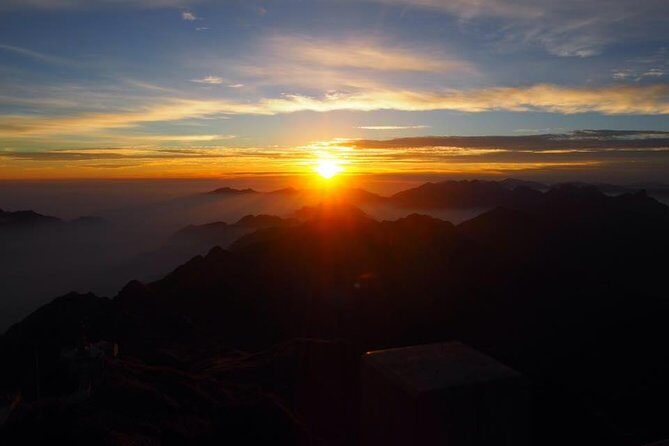
You should plan to reach the top around 12–13 hours after the 6:00am start, depending on your group pace. The summit isn’t just a dot on a map. It’s where the whole day clicks into place—especially because you’re climbing to 3143m in one push.
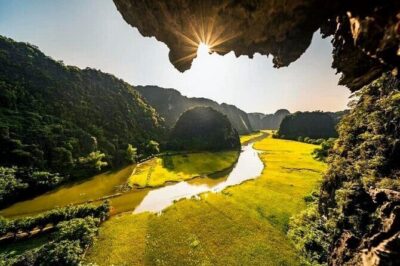
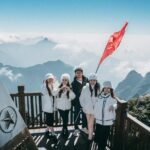
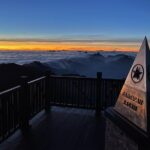
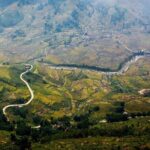
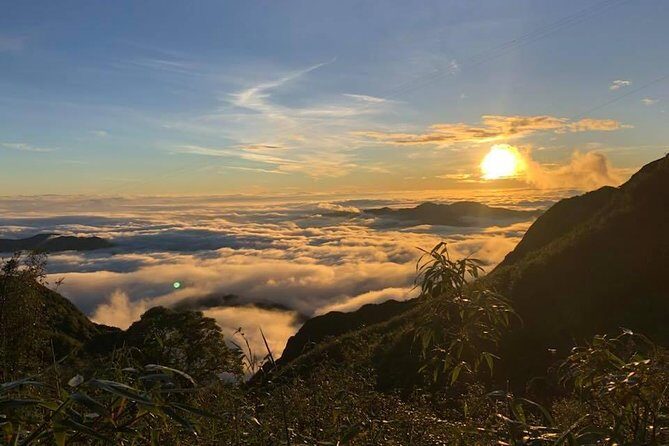
The views can be dramatic. The plan includes an amazing look over Sapa town from the top. If the weather is clear, you’ll see a wide sense of the valley and ridgelines that make this region so famous.
If the weather turns cloudy or foggy, you’ll still likely feel the payoff because you’ve earned it. One theme that comes up again and again: the hike is challenging, but the top makes it feel like money well spent.
Also, altitude can be a factor. One hiker mentioned experiencing altitude symptoms and said planning ahead helped them reach the summit. You don’t need to panic about it, but you should take the climb seriously. Slow breathing on the way up is a smart move, and don’t treat the last push like a race.
And yes—cold can happen. In one account, conditions were about 7°C at the top, so layers are not optional if you run warm at sea level.
The cable car option for the descent, or hike down the same way
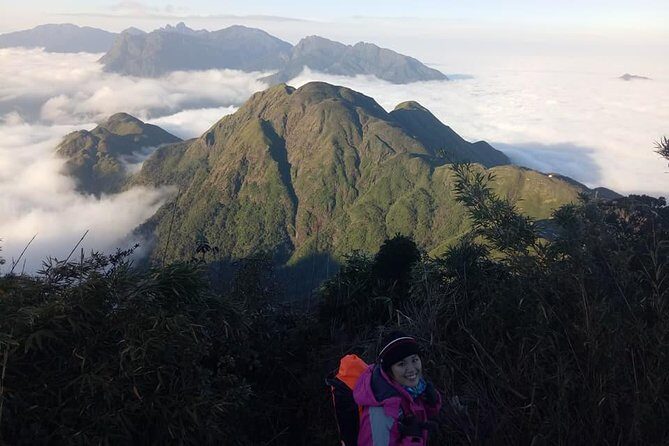
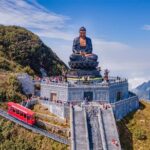
For the return, you have a choice. You can descend via the same route you used to get up, or take the cable car back down for a fee (cable car tickets are not included).
If you take the cable car, you reduce time and leg fatigue. That can be a big deal when your calves are already mad from steep uphill, and your knees are starting to remember the day. Several people have described taking the cable car down and getting back without trouble.
If you hike down, you keep the full trek experience and stay “in it” from start to finish. You’ll also likely feel more grounded because you’ll pass through the same forest features again—bamboo, trees, streams, and the in-between moments you didn’t fully notice on the climb.
Either way, the tour ends back at the meeting point, with transport back included. So you’re not stuck figuring out the final leg after the hike.
You can also read our reviews of more tours and experiences in Sapa

What you’re really paying for: value in the included pieces
At $80 per person, this tour can look like a bargain or a fair deal depending on what you compare it to. The real value is in the bundle of things that normally cost extra or add stress.
Here’s what you get that reduces your own workload:
- English-speaking guide
- Transport by car (or scooter if one person), with round-trip hotel transfers
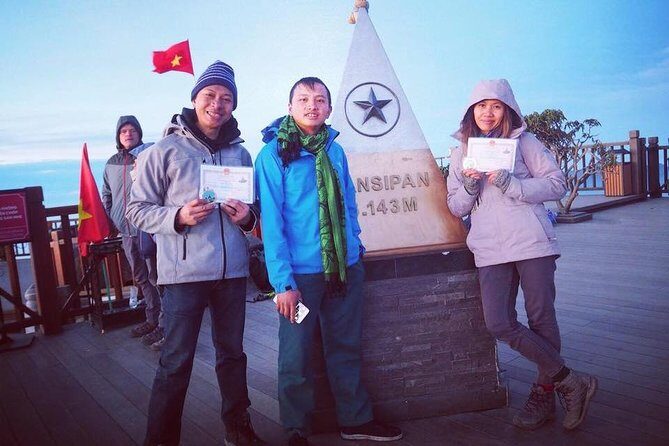
- Entrance fees included, plus a medal and certificate
- Picnic lunch
- 1.5 liters of water
- Insurance included
That combination is why people rate this so highly. A summit-day hike is expensive in time and energy. When transfers, admission, and food/water are handled, you can spend your mental effort on walking.
What’s not included is also clear:
- Tips for the guide (bring cash)
- Cable car tickets (if you choose that option)
One small but important point: group discounts and a mobile ticket are mentioned. Those details can help if you’re traveling as a couple or a small group, and they simplify entry-day logistics.
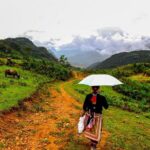
And there’s an extra service layer you may appreciate: one featured account said raincoats are provided and you keep them. Even if that isn’t the only day-to-day weather plan, it’s the kind of detail that helps you avoid turning a rainy hike into a miserable one.
How hard is it, honestly? Pace, steep sections, and altitude reality
This is described as a very hard and difficult day trek, best for experienced hikers. That doesn’t mean you need to be a mountain athlete. But you should come prepared for a long, steep climb.
A few specifics you can use to judge your readiness:
- About 12 km per direction
- Around 1600–1700m elevation gain
- Roughly 10–12 hours trekking (often up to 13 hours total)
- A difficult final stretch is common, with one person saying the last third gets real steep quickly
The guide can help with pace. People have mentioned guides being patient and calm, and even helping slower hikers without rushing. Still, the mountain sets the rules. You’ll get more out of this if you treat it like an endurance hike: steady steps, short rests, and consistent breathing.
If you’ve never done uphill hikes for several hours, consider practicing locally first. If you’ve got knee issues, plan carefully. Going down can be rough on joints even when the trail is manageable.
Who should book this Fansipan day trek from Sapa
This tour is a great match if you:
- Want an English-speaking guide and a summit-focused day plan
- Like having admission fees handled with a medal and certificate
- Prefer included transport so you can leave planning to the provider
- Are comfortable with a long day and steep climbs
It may be a tough fit if you:
- Are not used to big elevation gain or long hikes
- Expect a light, casual walk
- Have limited stamina and can’t do 10–13 hours total
If you’re flexible and you can slow down on the ascent, the guide support becomes a huge advantage. Past experiences highlight that guides like Mr Choo and Sinh were attentive and safety-focused, especially on slippery or muddy sections.
A practical packing mindset for this steep summit day
The tour info doesn’t list gear, so I’ll keep this to smart, non-guessy advice. Your goal is to show up ready for cold, rain, and long walking.
Bring clothing that layers. Morning starts can feel colder at altitude, and conditions can shift fast. If rain happens, you’ll want waterproof outerwear and good grip shoes. Also, keep cash for any optional cable car ride and a tip for your guide, since tips aren’t included.
One more small tip: plan to use your breaks well. The hike has a lunch stop around 2800m and multiple natural resting points along the way. Don’t just stop—reset. Eat, drink, and start walking again with calm feet.
Should you book Sapa Original Trek for a one-day Fansipan summit?
I’d book it if you want a guided, summit-day experience that’s organized end-to-end: hotel pickup, English guidance, water, picnic lunch, included entry fees with medal/certificate, and a clear return plan. The $80 price makes more sense when you add up what’s included and what could otherwise become a stressful scramble on your hiking day.
I’d skip it if you’re hoping for an easy walk, or if 10–13 hours of steep climbing sounds like a bad idea for your body. This is a serious day trek up to 3143m, and the mountain doesn’t negotiate.
If you’re fit enough and you want the summit moment with the least hassle, this is a strong choice.
FAQ
What time does the trek start?
The start time is 6:00am, heading to Tram Ton pass.
Where do I start hiking?
You begin at Tram Ton pass, about 2000m above sea level.
How long is the trek?
The trek is about 10–13 hours total (with trekking time often around 10–12 hours).
How difficult is the hike?
It’s described as very hard and difficult, intended for experienced hikers. You’ll face steep sections and about 1600–1700m elevation gain.
Are transport and entry fees included?
Yes. Round-trip hotel transfers are included, and entrance fees are included in the tour price.
Is lunch and water provided?
Yes. You get picnic lunch and 1.5 liters of bottled water.
Do I need to pay for the cable car?
The cable car is optional and tickets are not included, so you’d pay for it if you choose it.
Is the tour private?
Yes. It’s private, meaning only your group participates.
What is the cancellation window?
You can cancel up to 24 hours in advance for a full refund. Less than 24 hours before the start time is not refundable.