REVIEW · SAPA
1-day Authentik trek & Panorama valley views
Book on Viator →Operated by Vietnam Nomad Trails · Bookable on Viator
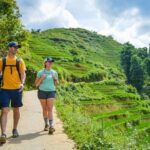
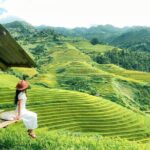
Hmong culture meets big views in Sapa. This 1-day trek in the Muong Hoa Valley mixes a steady hike with real conversations about Hmong life, textiles, and village routines. You also get a proper viewpoint ascent, so the day isn’t just walking through greenery—it’s built around panorama views toward Mount Fansipan and the surrounding terraces.
Two things I especially like: the way the route connects villages to what you can actually see and touch, and the quality of the guide time. Names like Su, Chai, and Nhu show up again and again, and their style is practical—clear English, plus stories about everyday plants, traditions, and how families live day to day.
One consideration: this trek needs good weather and a moderate fitness level. If fog rolls in or rain changes the trail, your plan may shift or be rescheduled, so go into it with flexibility.
In This Review
- Key highlights you’ll care about
- Muong Hoa Valley: where your trek actually starts to feel real
- The viewpoint ascent: rice terraces and Mount Fansipan in one hit
- Hmong villages and textile-making: the human part of the trek
- Lunch at a local restaurant: simple, and sometimes surprisingly good
- Descending toward Hau Thao Village and the Black Hmong connection
- Views, weather, and timing: how to get the best shot at clear skies
- Price and value: why $56.42 makes sense for this kind of day
- How to prepare: shoes, pace, and smart expectations
- Guide matters more than people think: what Su, Chai, and Nhu do well
- Who should book this trek?
- Should you book it?
- FAQ
- What time does the trek start?
- How long is the trek?
- Is it a private tour?
- What’s included in the price?
- Do I need good fitness to join?
- Will I get a mobile ticket?
- Is the tour dependent on weather?
- Can I cancel for a full refund?
Key highlights you’ll care about
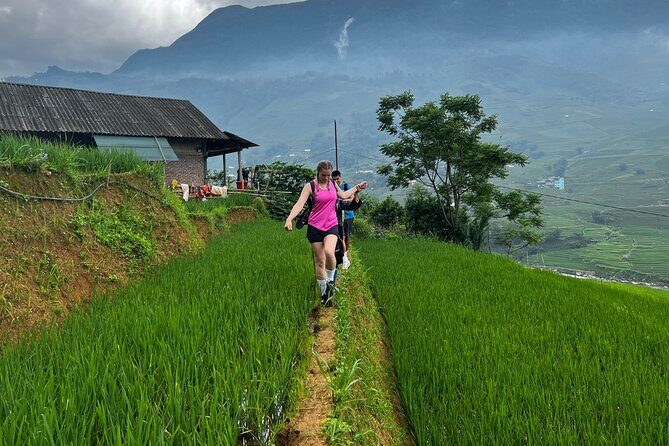
- Muong Hoa Valley rice-terrace panoramas with a hilltop viewpoint and wide mountain sightlines
- Hmong textile and daily-life learning through village visits and hands-on moments
- Small-group feel with a private setup (only your group participates)
- Lunch and bottled water included, so you can focus on the hike
- Guides like Su, Chai, and Nhu bring clear English and friendly, safety-first pacing
- Route includes a descent toward Hau Thao Village, home of the Black Hmong
Muong Hoa Valley: where your trek actually starts to feel real
Most Sapa hikes promise villages and then rush past them. This one feels more like a guided day in the region than a checklist. You’re picked up or meet the group in Sapa town area, then head into Muong Hoa Valley for the walk, with a start time listed as 9:30 a.m., and the trek portion noted as starting around 8:45 a.m. (so expect that window to depend on pickup timing).
Either way, you’ll have daylight and enough momentum to enjoy the views without feeling like you’re hiking in the dark. And because it’s designed as a 6-hour trek, you get a meaningful experience without burning your entire day to get in and out of the valley.
The best part is that the trail is paired with cultural context. The day isn’t only about scenery—your guide helps connect what you see (terrace patterns, valley paths, village settings) with how Hmong people make textiles and organize daily life.
You can also read our reviews of more hiking tours in Sapa

The viewpoint ascent: rice terraces and Mount Fansipan in one hit
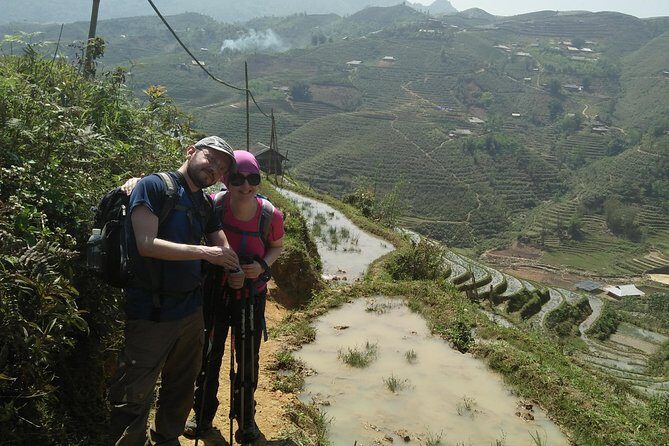
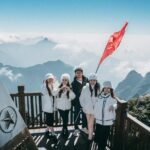
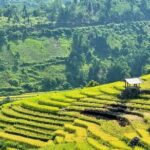
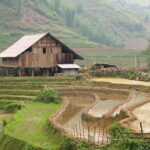
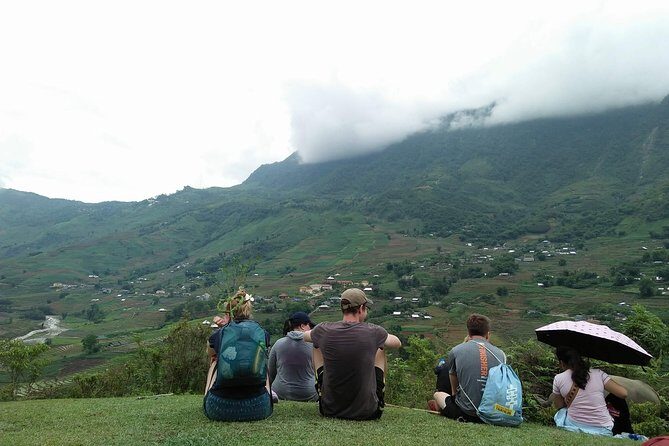
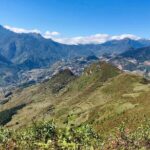
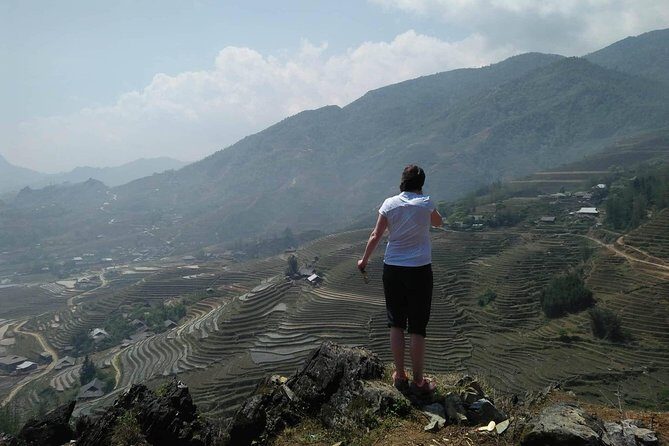
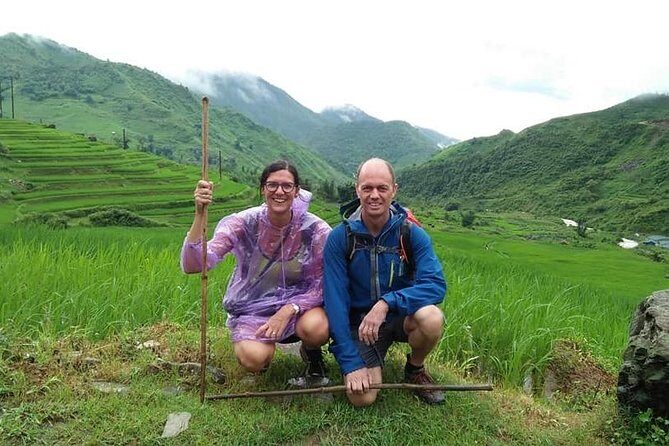
Your day begins with an ascent toward a mountain viewpoint, and that’s the moment this trek becomes memorable. You’ll gain elevation on a path that brings you to sweeping panoramic views over the rice terraces and the Muong Hoa Valley.
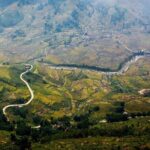
Even if you’ve seen pictures of Sapa, this kind of viewpoint hits differently. From up high, the terraces look structured and intentional—layers following the valley shape, with thin lines where water and paths cut through the hills. It’s also where Mount Fansipan often shows up in the bigger picture view, depending on cloud cover.
Practical note: Sapa weather can be moody. The tour is clear that it requires good weather, so your best chance for crisp views is a clearer morning. If you’re the type who hates surprises, it’s worth keeping an eye on conditions after you arrive in town, because fog can turn “panorama” into “soft outlines.”
Hmong villages and textile-making: the human part of the trek
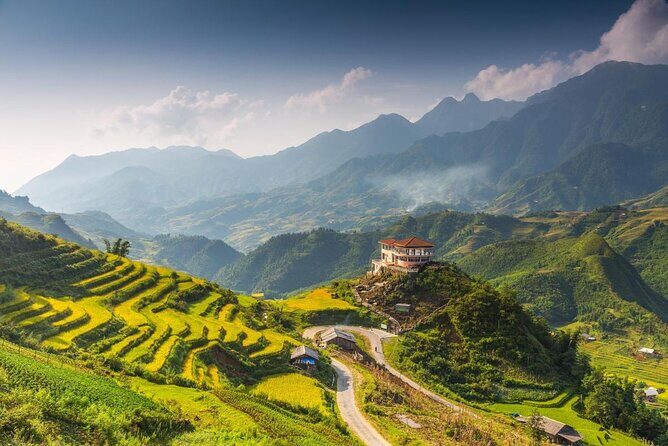
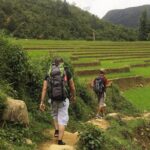
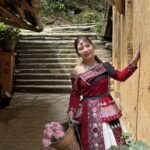
After the viewpoint, the route works its way down into the valley and toward Hmong village life. You’ll walk through villages and spend time meeting local families, with the focus on Hmong traditions and especially textile-making. That matters because it shifts the experience from photo-taking to understanding.
You’ll also get a simple, local welcome: a cup of green tea at a home as you continue the day. It’s not a staged performance. It’s a small break that slows you down at the right time, right after you’ve had time to look at terraces and village scenery from a distance.
One of the recurring strengths in guide feedback is the communication style. Guides such as Su and Chai are noted for clear English and being genuinely informative. You’ll often get more than a few facts—you get stories that connect daily activities, clothing, and the materials people work with.
And yes, you’ll get moments that feel hands-on. Some guides emphasize letting you touch and feel aspects of daily life, which can make textile talk click fast—because you’re not just hearing about it, you’re seeing how it fits into real routines.
Lunch at a local restaurant: simple, and sometimes surprisingly good
Lunch is included, along with bottled water, which is a big practical win for value and comfort. You won’t be hunting for food mid-trek, and you can keep your pacing steady without constantly stopping to negotiate snacks.
From experience patterns shared in feedback, the lunch can include standout items like fried spring rolls—so even though it’s “just lunch,” it’s often memorable. The key is that lunch comes at a planned point in the route, not at random once everyone gets tired.
What I’d plan for: you’ll be hungry by then. After a viewpoint ascent and village walking, this is one of those meals that tastes better because you worked for it. Bring a light appetite mindset, since you’ll likely have a full trek afterward too.
Descending toward Hau Thao Village and the Black Hmong connection
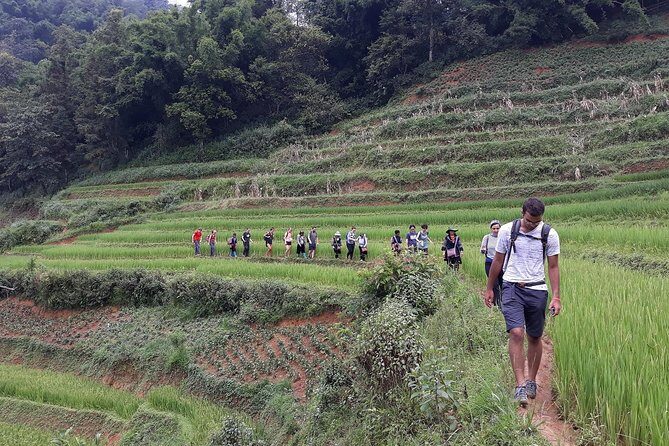
A major part of the route is the descent into the valley toward Hau Thao Village, which is described as home to the Black Hmong. This is where your walk shifts from general valley scenes into more specific community life.
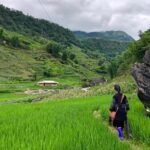
A descent changes how the day feels. The pace often becomes steadier, and you tend to notice details: footpaths, water channels, small plots around homes, and how people move between terrace levels. If you’ve only hiked in places where trails cut through forests, this can feel different because Sapa’s terraced world is shaped by people over long time periods.
This village segment is also where the “culture through conversation” approach matters most. You’re not only passing buildings—you’re learning how people structure work and family life around the land. When guides are strong, this part becomes the highlight because you’re seeing the village as something lived in, not just visited.
You can also read our reviews of more tours and experiences in Sapa

Views, weather, and timing: how to get the best shot at clear skies
The tour is transparent that it requires good weather. That’s not just legal wording—Sapa trekking lives or dies on visibility. If clouds sit low, viewpoints can get misted in. If it rains, paths can get slick, and your guide may adjust timing to keep things safe.
Here’s how I’d think about timing: you’re starting in the morning, which is typically your best chance for clearer visibility. Then you’ll reach a viewpoint early enough to enjoy it before the day’s weather changes.
Also remember the trek is listed as about 6 hours. That means the day is paced intentionally—there isn’t time for slow wandering for hours. If you want the best photos, it helps to trust your guide’s rhythm and take shots during natural stops rather than forcing extra detours.
Price and value: why $56.42 makes sense for this kind of day
At $56.42 per person for a guided 1-day trek, this one tends to price itself like an “activity package” rather than a premium private expedition. What makes it good value is that it includes key basics: lunch and bottled water, plus the guided route through multiple village areas.
You’re also paying for time and coordination. A guided trek in rural areas means someone is handling the path logic, community connections, and the cultural explanation so you don’t just walk blind.
And it’s described as a private tour/activity, meaning only your group participates. That’s important for comfort, questions, and pacing. On the trail, having a guide who can answer your questions matters more than whether you’re in a crowd.
One more value point: mobile ticket. That’s a small thing, but it reduces friction when you’re trying to enjoy your first days in Sapa rather than sorting paperwork.
How to prepare: shoes, pace, and smart expectations
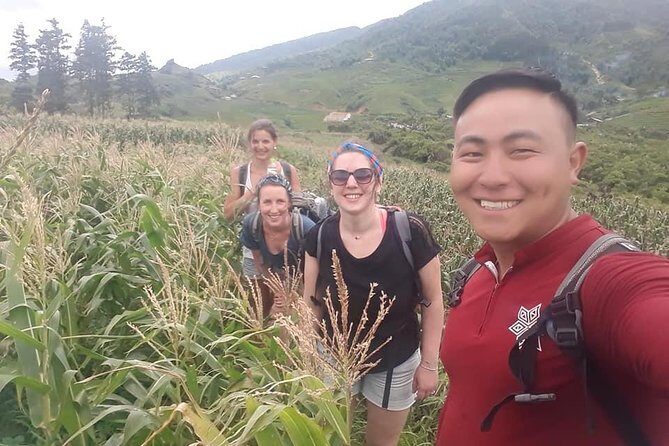
This trek calls for moderate physical fitness. Translation: you don’t need athletic training, but you do need to be comfortable walking for several hours with elevation changes.
I’d plan for:
- Sturdy shoes with grip (Sapa paths can be uneven)
- Water awareness even though bottled water is included
- A light layer system since mountain weather can change quickly
- A calm attitude about pace—descent days can still feel tiring in your legs
Packing tips based on the reality of village routes: bring modest clothing that’s practical for walking, and keep small cash/credit ready only for personal expenses since those aren’t included. Also, if you wear glasses or hats, secure them—moving through rural paths can get windy on exposed stretches.
Guide matters more than people think: what Su, Chai, and Nhu do well
The strongest signal in the feedback is not just friendliness. It’s how guides translate the day into something you can understand.
Guides like Su and Chai are described as informative and upbeat, with clear English. That matters because you’re getting context for what you see: textile-making, village routines, and even plant stories while you walk through the valley.
Nhu shows up in feedback with a safety-first approach and high care for guests. That’s exactly what you want on a trek where uneven paths and weather changes are realistic.
There’s also a style element: some guides focus on walking routes that feel quieter and less crowded. If you like the idea of hearing your own footsteps and talking naturally with your guide (instead of squeezing around other groups), a private setup like this helps.
Who should book this trek?
This is a great fit if you want:
- A Sapa trek that includes culture, not just views
- A guided day that explains Hmong life and textiles in real village settings
- A half-day format that still feels complete: around 6 hours
- A private experience where you can ask questions without worrying about pace
It may not be the best choice if you hate hiking at all, since you’ll be on your feet for hours and the route includes an ascent and descent. Also, if you’re traveling during a period when weather is often rainy, you might prefer to keep a backup plan for shifting dates.
Should you book it?
If you want a Sapa day that balances panoramic viewpoint time with meaningful Hmong village encounters, I’d say yes—this trek looks like a strong match for value and authenticity.
Book this if you:
- Like small, guided stops (tea at a home, village conversations, planned lunch)
- Want a guide who explains things clearly, like Su or Chai
- Can handle moderate walking and understand that visibility depends on conditions
Skip it (or choose a flexible plan) if:
- Your schedule can’t handle weather-based changes
- You’re expecting a long multi-day trek with lots of downtime—this is a focused 6-hour day
In Sapa, the best moments often happen when you’re walking with someone who knows the route and the people. This one is built for that kind of day.
FAQ
What time does the trek start?
The activity lists a start time of 9:30 a.m., and the trek portion is described as beginning around 8:45 a.m. (pickup can affect exact timing).
How long is the trek?
It’s listed as about 6 hours.
Is it a private tour?
Yes. It’s described as a private tour/activity, and only your group participates.
What’s included in the price?
Lunch and bottled water are included. You’ll want to budget for travel insurance, VAT, and personal expenses.
Do I need good fitness to join?
You should have a moderate physical fitness level.
Will I get a mobile ticket?
Yes. The experience includes a mobile ticket.
Is the tour dependent on weather?
Yes. The experience requires good weather. If it’s canceled due to poor weather, you’ll be offered another date or a full refund.
Can I cancel for a full refund?
You can cancel up to 24 hours in advance for a full refund. If you cancel less than 24 hours before the experience starts, the amount you paid won’t be refunded.