REVIEW · SAPA
Number one top rated ethical cultural trekking and homestay by ETHOS
Book on Viator →Operated by Ethos - Spirit of the Community · Bookable on Viator
Two days, one real village night. This private 2-day Sapa Valley trek pairs a host-family homestay with guide-led cultural context (I’d keep an eye out for guides like Cha, Hoa, Ker, My, and Kae, based on past trips). You’re not just walking through scenery; you’re eating, talking, and learning how everyday life works in the villages around the rice.
I also like the practical, human-sized setup: private transport, set meal coverage (dinner, breakfast, and two lunches), and a route that mixes rice terraces, traditional villages, and bamboo forest paths. The evening homestay is part of the point, not an add-on.
One consideration: the first day covers about 14 km, including a steep climb of around 2 km, so you’ll want moderate fitness and good shoes.
In This Review
- Key highlights to know before you go
- Why this Sapa Valley trek feels different than a standard walk
- The 14 km Day 1: rice terraces, villages, and that 2 km climb
- Day 2 freedom: choose distance and challenge, then head back to Sapa
- Homestay life: dinner, breakfast, and learning the rhythm of the village
- Meals and included costs: what you’re really paying for
- Guides, routes, and what to expect from the walking days
- Practical stuff that actually matters in Sapa trekking
- Who should book this and who should skip it
- Is it ethical? How the structure helps (and what you can do)
- Should you book this Sapa homestay trek?
- FAQ
- How long is the ETHOS Sapa cultural trek with homestay?
- What does the trek include?
- Where does the tour start?
- What time does the activity begin?
- Is it a group tour or private?
- How much hiking is there on day 1?
- How flexible is day 2?
- What fitness level do I need?
- What if the weather is bad?
- Is travel insurance included?
Key highlights to know before you go
- Private 2-day trek through Sapa Valley with your own group only
- Homestay with a host family for one night in the villages
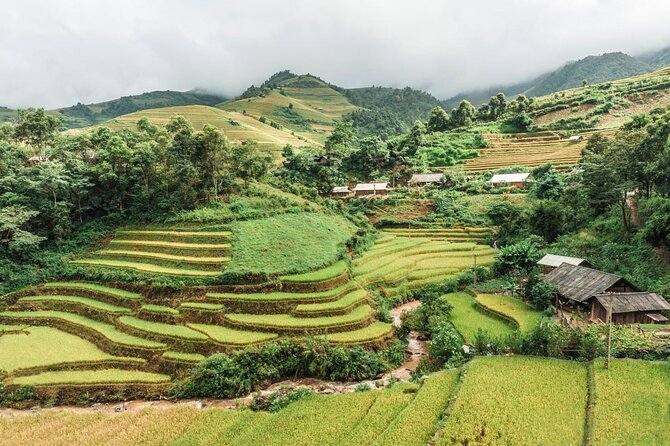
- Rice terraces, traditional villages, and bamboo forests on the route
- Built-in meals: dinner, breakfast, plus two lunches
- Day 2 flexibility, with a taxi bringing you back to Sapa in the afternoon
Why this Sapa Valley trek feels different than a standard walk
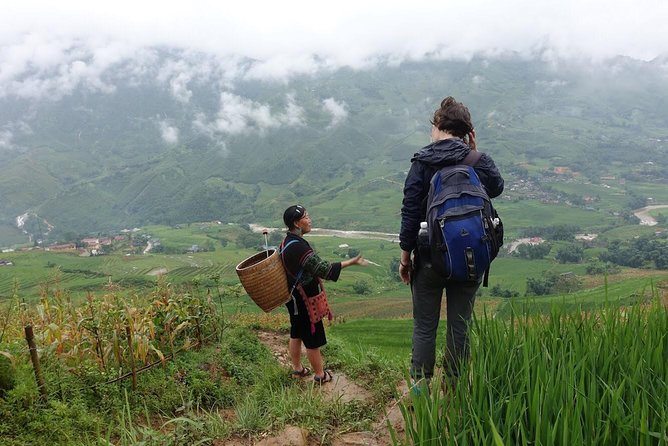
Sapa is famous for views. This ETHOS experience focuses on people and routine, not just photos. The big difference is that the trek is paired with a genuine village night: you spend the evening with a host family in their community, where the day’s walking turns into shared time.
The ethical angle shows up in how the program is structured. You’re not floating by on a bus-and-camera schedule. Instead, you meet a guide who can explain what you’re seeing while also connecting you to how families live, farm, cook, and plan around the seasons.
You’ll also get a private format, meaning there’s no “tour herd” feeling. With a minimum group size of two, it’s still not built for huge crowds. That matters in a place where narrow trails don’t really love bottlenecks.
You can also read our reviews of more tours and experiences in Sapa.
The 14 km Day 1: rice terraces, villages, and that 2 km climb
Day 1 starts at 8:30 am from ETHOS – Spirit of the Community (Số 79 đường Nguyễn Chí Thanh, TT. Sa Pa, Sa Pa, Lào Cai 333311). From there, you’re headed onto the trekking route where the terrain gently ramps up.
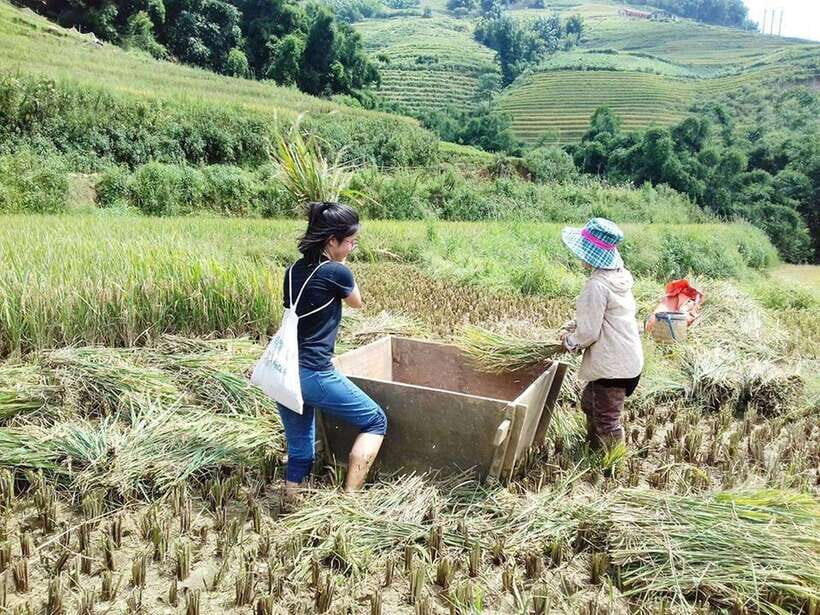
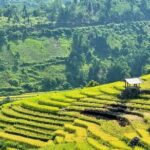
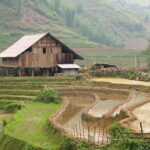
The first stretch is about six kilometers with relatively easy, undulating ground. This is a good phase for getting your rhythm, not pushing it. Expect to move through areas with rice terraces and traditional villages, where the path threads between farm life and the surrounding hills.
Then comes the steep part: a climb of around 2 km before you stop. This is the section that will test your legs, especially if you’re not used to uphill hiking or you’re arriving with city-day stiffness. If you’re thinking in terms of effort, day 1 is the one where you should plan to pace carefully.
What makes this day special isn’t only the walking. At the stop, you’ll cook and share lunch with your host family. That’s the cultural exchange piece that turns a trek into a memory you can’t just scroll past. It also explains why the meal is included twice over the two days; the program is built around time together, not just fueling tourists.
Day 2 freedom: choose distance and challenge, then head back to Sapa
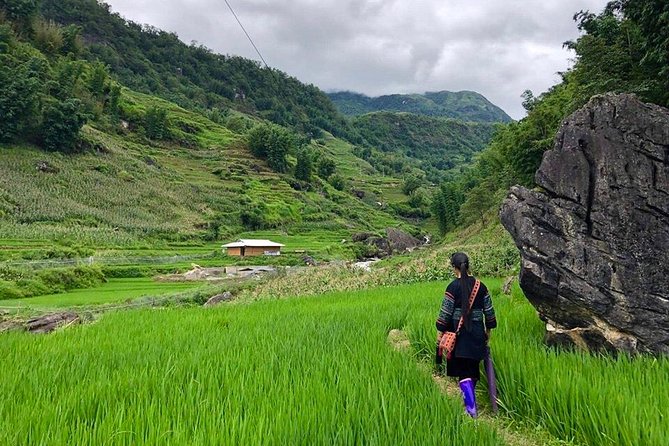
Day 2 keeps the same village-and-valley feel, but it’s designed with more flexibility. You’ll continue hiking in the morning, with options for distance and difficulty that fit what your group feels up for.
That flexibility is a real benefit in Sapa, where weather can change quickly and where bodies all handle altitude and hills differently. If you’re feeling good, you can stretch the morning. If you’re more cautious, you can keep it steady.
After the hike, you’ll take a taxi back to Sapa in the afternoon. That’s a practical touch. You get the hiking morning, and then you’re not stuck dragging your energy all the way back on foot. It’s also the reason this trek works well for people who want “away from town” time without losing the whole day.
Homestay life: dinner, breakfast, and learning the rhythm of the village
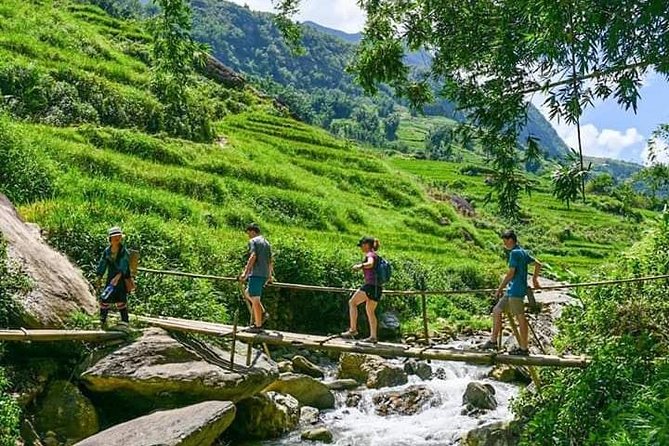
The homestay is the heart of this trip. You’re given one night with a host family, and your meals support the experience: dinner and breakfast are included, alongside the two lunches during the trekking day.
In real terms, what this means is you’re not only shown village life—you’re timed into it. After hiking, you’ll sit down for dinner in the home setting. In the morning, breakfast helps you start the second day without scrambling for food options.
Many past guides (like Cha, Hoa, Ker, My, and Kae) have been praised for their ability to explain what you’re seeing, from plants and daily routines to community details. That’s important because a trek can turn into a checklist. Here, you’re getting interpretation, so you understand why terraces look the way they do and how people organize the work behind them.
One more thoughtful detail: because you share lunch that’s prepared with your host family, you get a chance to ask questions in a low-pressure setting. Cooking-and-eating is a smoother way to connect than a formal Q&A.
Meals and included costs: what you’re really paying for
This experience costs $93.34 per person and is typically booked about 59 days in advance. The price isn’t just for a track and a view. You’re paying for private guidance, homestay accommodation, and a chunk of meals.
Included items cover dinner and breakfast plus two lunches, water and refreshments, and private transportation. In a lot of treks, you end up paying extra at the end of the day for food, local transport, and “guide time.” Here, those basics are handled for you, which keeps the total cost predictable.
You should still plan for one thing not covered: travel insurance isn’t included. If you’re going anywhere with trekking involved, it’s usually smart to have your own coverage for hiking-related disruptions, illness, or itinerary changes.


Guides, routes, and what to expect from the walking days
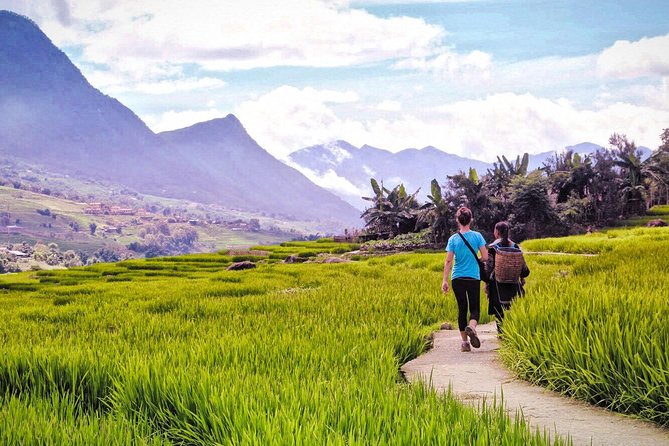
ETHOS runs this as a private activity, so you and your group go with your guide rather than merging with strangers. It also means the program can match the group’s pace—especially on day 2, where you’ll have flexibility in distance and challenge.
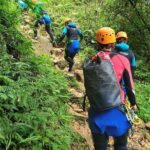
On day 1, the route is roughly 14 km overall. The structure is designed to build from easier walking into steeper effort, then reward you with the lunch-and-connection pause. The combination of rice terraces, traditional villages, and bamboo forest paths is part of how the valley shows itself: farmed slopes, inhabited pockets, and shaded trails.
On day 2, you’ll head out again in the morning and choose how much you want to push. If you’re the type who likes to walk first and think later, you’ll likely enjoy that structure. If you prefer tight itineraries, you might find the day 2 flexibility reassuring rather than annoying.
Practical stuff that actually matters in Sapa trekking
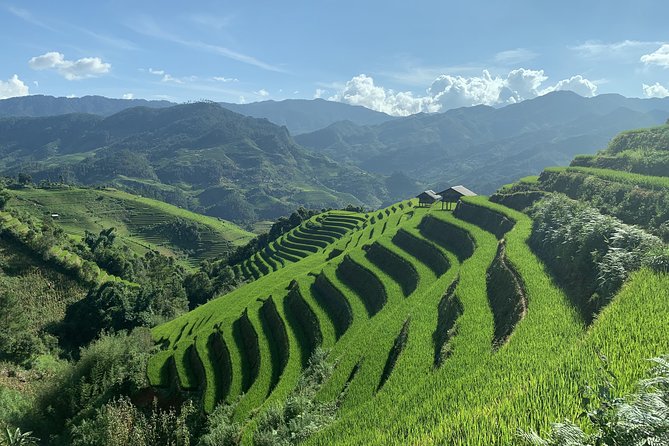
This trek is marked for moderate physical fitness. That’s not a vague label—it lines up with the fact you’ll be hiking about 14 km on day 1 plus a steep climb section.
So do your prep like a grown-up:
- Wear solid shoes with grip for uneven, possibly slick trail sections.
- Bring a water bottle, even though water and refreshments are included.
- Pack light layers. Morning can feel cooler than later in the day.
Starting at 8:30 am is also a cue to plan your sleep and breakfast timing in Sapa. You’ll want to be awake and ready rather than hustling out late.
The tour ends back at the meeting point area in Sapa, and day 2 includes a taxi back to town in the afternoon. That’s your “decompression window,” which helps if you plan to keep exploring after the trek.
One more practical note: confirmation is received at booking, and this is a mobile ticket. That makes it easier when you’re moving around Vietnam without carrying printed paperwork.
Who should book this and who should skip it
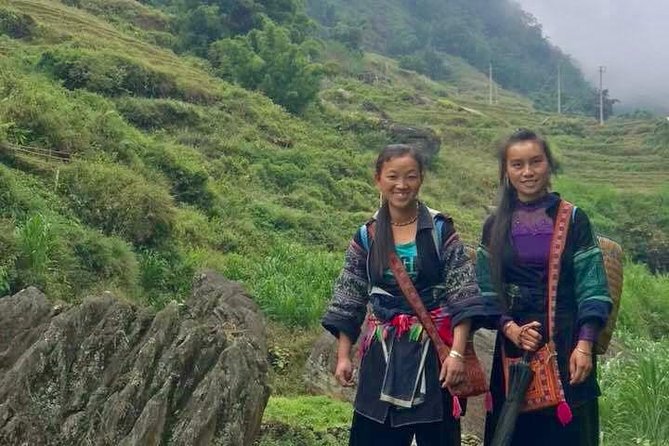
This is a strong fit if you want:
- A village homestay experience rather than a quick “see and go” stop
- Private guiding with time to ask questions
- A trek that mixes rice terraces and bamboo forest sections, not just one kind of scenery
- Meals included, so you’re not juggling lunch plans mid-hike
It may not be ideal if:
- You dislike uphill climbs. Day 1 includes an approximately 2 km steep ascent.
- You’re looking for an easy, flat stroll. This isn’t marketed as a gentle walk.
- Your priority is a purely sightseeing itinerary with no village stay. Here, the community night is the whole point.
Is it ethical? How the structure helps (and what you can do)
Ethical tourism isn’t a single policy line—it shows up in design. This trek builds ethical value through a community homestay, guide interpretation, and a slower pace that keeps interactions human-scale.
You can also support that spirit with your own behavior. Be respectful in the home setting. Ask questions with curiosity, not surprise. And remember that you’re a visitor in someone’s daily life, not an observer behind glass.
If you want a trek that feels like a respectful exchange rather than a photo mission, this format is built for that.
Should you book this Sapa homestay trek?
If you’re choosing between a basic day hike and something with a real village night, I’d lean toward booking this. The price makes sense when you count homestay accommodation, private transport, meals, and the fact that day 1 includes both trekking time and cooking-and-sharing lunch with the host family.
Book it if you want to understand village life around Sapa’s rice terraces and bamboo forest paths, and if you’re comfortable with moderate hiking and the steep climb on day 1. Skip it if you need flat, low-effort trails or you’re not up for a community homestay.
FAQ
How long is the ETHOS Sapa cultural trek with homestay?
It’s approximately 2 days.
What does the trek include?
It includes dinner, breakfast, and two lunches, plus private transportation, water and refreshments, homestay accommodation, and lunch during the trek days.
Where does the tour start?
It starts at ETHOS – Spirit of the Community, Số 79 đường Nguyễn Chí Thanh, TT. Sa Pa, Sa Pa, Lào Cai 333311, Vietnam.
What time does the activity begin?
The start time is 8:30 am.
Is it a group tour or private?
It’s private. Only your group participates, with a minimum group size of two required.
How much hiking is there on day 1?
Day 1 is approximately 14 km. The first six kilometers are relatively easy but undulating, followed by a steep climb of around 2 km before stopping.
How flexible is day 2?
Day 2 offers flexibility in both distance and challenge, and you’ll be picked up by taxi in the afternoon to return to Sapa.
What fitness level do I need?
You should have a moderate physical fitness level.
What if the weather is bad?
This experience requires good weather. If it’s canceled due to poor weather, you’ll be offered a different date or a full refund.
Is travel insurance included?
No. Travel insurance is not included.