REVIEW · SAPA
Amazing Bac Ha Market Sunday tour
Book on Viator →Operated by Wati Travel · Bookable on Viator
Bac Ha Market on a Sunday has momentum. This tour takes you into the world of ethnic local life in Sapa, where people come to trade handicrafts, cattle, and food, and even meet up with others from their community. I especially like how the market visit is guided, so you’re not just standing there wondering what to look at or what to ask for. My main caution: the animal-selling area can feel intense, especially in hot weather.
You’ll also get real downtime between shopping and sightseeing, with a local lunch stop plus time afterward for a quieter village visit at Ban Pho. The format is built for attention—small group size means the guide can help you navigate what’s worth browsing and when to move on. If you prefer a slower pace, plan for long standing/walking and some waiting times during peak market hours.
In This Review
- Key Things I’d Pay Attention To
- Why Bac Ha Market on Sunday Feels Worth the Trip
- Getting There: The Hmong Sapa Hotel Pickup and Timing
- Morning at Bac Ha Market: What You’ll See and How to Shop
- Lunch at a Local Restaurant: Fuel Without Detours
- Ban Pho Village Visit: Slower Pace After the Market
- Transfers and Small-Group Comfort on an Air-Conditioned Ride
- Price and Value: Is $30 a Fair Deal?
- Weather, Heat, and What to Bring
- Who This Tour Fits Best (and Who Might Skip It)
- Quick Booking Reality Check
- Should You Book the Amazing Bac Ha Market Sunday Tour?
- FAQ
- Is this tour available only on Sundays?
- How long is the tour?
- How much does it cost?
- Where do I need to meet for pickup?
- What if my hotel is outside Sapa Town?
- What’s included in the price?
- Are drinks included?
- What time do I return to Sapa Town?
- Is lunch vegetarian-friendly?
- What’s the dress code?
Key Things I’d Pay Attention To
- Sunday-only Bac Ha Market: this is the day locals actually gather to trade and socialize
- Small group feel: more help from your guide while you shop and ask questions
- Lunch at a local spot: included, so you’re not scrambling for food mid-tour
- Ban Pho village after market: a slower pace that balances the market energy
- Animal market considerations: prepare mentally if you’re sensitive to livestock being sold
- Pickup cutoff at Hmong Sapa Hotel: convenient if you’re in/near Sapa Town, not if you’re farther out
Why Bac Ha Market on Sunday Feels Worth the Trip

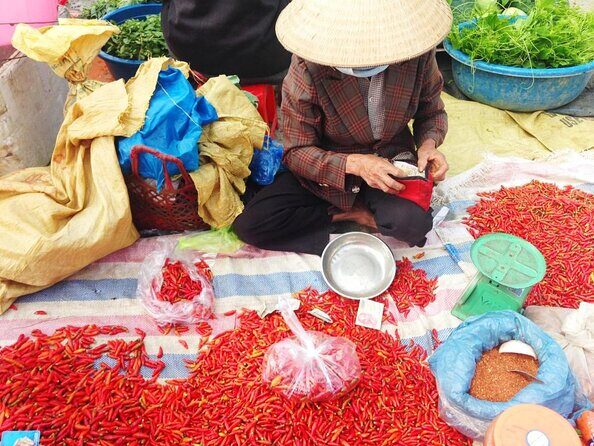
The big reason this tour works is timing. Bac Ha market happens on Sundays, which means you’re seeing the market at its fullest social rhythm—people show up not only to buy, but to recognize each other, share news, and do business. When a place is built around one weekly day, it shows. You feel it in how everyone moves, how sellers set up, and how conversations start around whatever’s for sale that week.
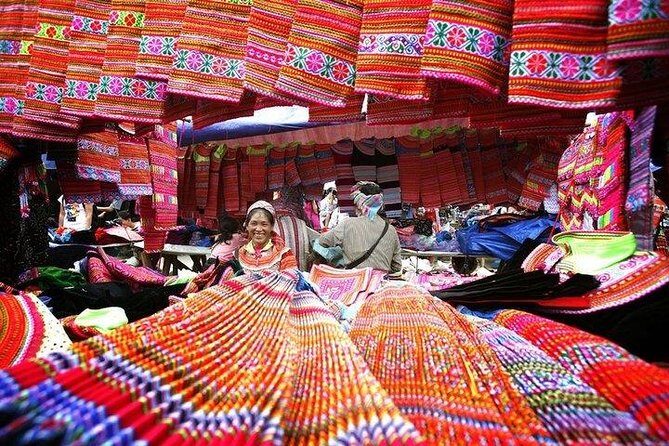
I also like that the market isn’t framed as a “look and leave” stop. You get time to actually browse and shop for souvenirs, including the type of items that usually take you longer to find if you’re just wandering on your own. That guidance matters because market layouts can be confusing fast, especially when stalls blend into one another.
One more point that can change your experience: the market is both practical and personal. It’s a trade hub for handcrafted goods and produce, but it’s also a place where community ties show. If you’re there with curiosity and patience, you’ll likely enjoy the human side of it as much as the shopping.
You can also read our reviews of more shopping tours in Sapa
Getting There: The Hmong Sapa Hotel Pickup and Timing
This is a long day (about 10 hours), so the schedule matters. Pickup starts in Sapa Town around 7:00–7:30 am, and the designated join point is Hmong Sapa Hotel. If your homestay or hotel sits outside the pickup range, you’ll need to get yourself to that meeting point at 7:00 am to join.
Why I think this is a smart detail: it makes the tour simpler for most people in Sapa Town. The downside is equally clear—if you’re staying farther out, you can’t count on someone coming to you. So before you book, check where you’re actually sleeping and plan your morning accordingly.
By late afternoon, you’re back in Sapa Town for drop-off around 5:00–5:30 pm. That’s a useful window if you want to keep a flexible evening plan—dinner, a walk through town, or just recovering from a full market day.
Morning at Bac Ha Market: What You’ll See and How to Shop
When the tour hits Bac Ha Market, you’ll be in the heart of a place that locals use to trade everything from crafts to food. You can expect a mix of stalls and sellers connected to market life, not just tourism. That’s a big part of the value here: you’re seeing a real weekly meeting point, where people come prepared to buy, sell, and socialize.
Here’s what to keep in mind while you’re there:
- Look beyond the first row. Some of the best souvenir finds take a little wandering. If you buy too quickly, you may miss better value.
- Ask what an item is for. At markets like this, a question like what it’s used for helps you understand quality and meaning.
- Bring small cash habits. Even when prices vary, having the ability to make quick payments helps the browsing flow.
You’ll also notice the market connects to family and community. The setting includes people coming together to meet others they know and to do business as couples and groups. If you enjoy people-watching, it’s one of the most interesting parts—less about “performing” and more about catching up and trading.
Now, the trade-off: the market includes livestock selling. That can be difficult if you’re sensitive to animal sales. One concern from past visitors is that the animal market part can feel disturbing, particularly when it’s hot and you’re stuck waiting among lots of activity. If that’s you, prepare yourself for that section of the market and decide in advance how long you want to spend there.
Lunch at a Local Restaurant: Fuel Without Detours
After shopping time, the tour stops for lunch at a local restaurant. Lunch is included, which is a quiet win for value. A lot of market tours either skip food or send you off to figure it out on your own, which can turn into a stressful scramble when you’re tired and hungry.
What’s nice here is pacing. You’ve spent the morning in active market spaces; lunch becomes your reset button before the next stop. And because the lunch is planned, you don’t have to worry about finding a place quickly while everyone is moving toward the next activity.
If you’re vegetarian, there’s an option available—you just need to advise at booking. That matters because market days can make meat-free meals harder to find without notice.
One simple practical tip: since drinks aren’t included, carry water if you can. Market heat can creep up, and you’ll feel it more if you’re standing in one place waiting for the group to regroup.
Ban Pho Village Visit: Slower Pace After the Market
After lunch, you’ll head to Ban Pho Village, described as peaceful and small. This part of the day works best as a contrast. The market is about trade and crowd energy; the village stop gives you a chance to shift into a calmer rhythm.
What to expect here is less about big “attraction stops” and more about culture you can actually see through everyday life. Even if you don’t speak the local language, you can still pick up a lot from how people live, what’s around them, and how daily routines look in a small village setting. This is where a guide adds value again—helping you understand what you’re seeing instead of just walking past it.
Time on this segment is about 3 hours, long enough to slow down, ask questions, and not feel rushed. If you like “watch and learn” travel, this is a good match.



Transfers and Small-Group Comfort on an Air-Conditioned Ride
You’ll travel in an air-conditioned vehicle, and the tour includes round-trip transfers from your pickup location in Sapa Town. This is especially helpful on a full day itinerary with a morning start and an afternoon return.
Also, the tour caps at 15 travelers, which is a meaningful detail. In markets, big groups move like one blob. Small groups move more like individuals. That means you can ask questions, compare items without feeling shoved along, and stay on track with less stress.
One caution: when you’re on a market day, you can’t avoid the physical part—standing, walking, and heat exposure. Moderate physical fitness is recommended. If your legs or back don’t like long standing, wear shoes you can handle and take advantage of any short stops the guide builds in.
Price and Value: Is $30 a Fair Deal?
At $30 per person for roughly 10 hours, this tour can be solid value if your goal is a guided market day rather than DIY wandering. You’re getting a local English-speaking guide, lunch, and an air-conditioned vehicle with pickup and drop-off.
What’s not included is also important to understand: drinks aren’t included, and souvenir photos are available for purchase. Your personal shopping is naturally on you, but budgeting a little extra for water and any photo add-ons will help.
Another value piece is the structure: the tour handles timing and routing so you don’t need to coordinate transport and logistics between the market and village. If you’ve ever tried to piece together a Sunday market plan from scratch, you know it can eat up time fast. Paying for a small group format basically buys you fewer decisions and less time wasted.
Weather, Heat, and What to Bring
This experience depends on good weather. If conditions are poor, you’ll be offered a different date or a full refund. That’s a practical detail because market visibility and comfort can change quickly with rain or heavy clouds.
Heat is a bigger day-to-day factor. One common concern is that it can get hot during the market visit. So don’t treat this like a light morning stroll. Go prepared:
- Light layers you can keep on or remove
- A hat or cap
- Sunglasses
- Sunscreen
- Water (since drinks aren’t included)
And if you’re sensitive to crowded spaces, plan to move with purpose. You don’t need to rush, but you do need to keep moving so you’re not stuck in one hot pocket for too long.
Who This Tour Fits Best (and Who Might Skip It)
This tour is a great fit if you want:
- A guided, Sunday-only market experience without the confusion of doing it alone
- A balance of market time plus a quieter village stop
- A small-group format that makes shopping and questions easier
- Included lunch and practical transfers
It may be less ideal if you:
- Don’t like animal markets or livestock selling scenes
- Struggle with long standing and heat
- Prefer deep, slow sightseeing with fewer moving parts (this is a day designed around market timing)
If you’re traveling with kids, note that children must be accompanied by an adult. And because there’s a formal dress code, pack something appropriate—even if you’re tempted to go casual for a market day.
Quick Booking Reality Check
This tour is offered by Wati Travel, with confirmation at booking time. It’s set up for small groups (maximum 15 travelers) and can require a minimum number of participants to operate. It also uses a mobile ticket, which is convenient if you like having everything on your phone.
If you’re booking close to your departure date, consider the weather requirement. When weather is the deciding factor, it’s smart to keep your schedule flexible.
Should You Book the Amazing Bac Ha Market Sunday Tour?
I’d book it if your main goal is a well-organized Sunday Bac Ha market visit with a guide, plus an included lunch and a calm break at Ban Pho village. For $30, the combination of transport, a small group size, and guided navigation makes it a practical choice for most people staying in Sapa Town.
I’d hesitate if you’re strongly uncomfortable with livestock selling or you know heat and crowds really wear you down. This tour doesn’t hide that market side, so you should go in with eyes open.
If you want my simple decision rule: if you can handle a full day, bring sun protection, and you’re curious about real weekly market life, this one is worth your time.
FAQ
Is this tour available only on Sundays?
Yes. The market experience is designed around Bac Ha Market, which happens on Sundays.
How long is the tour?
It runs for about 10 hours.
How much does it cost?
It’s $30 per person.
Where do I need to meet for pickup?
Pickup in Sapa Town starts around 7:00–7:30 am at Hmong Sapa Hotel.
What if my hotel is outside Sapa Town?
Hotels/homestays outside the pickup range are not picked up. You’ll need to go to Hmong Sapa Hotel at 7:00 am to join the tour.
What’s included in the price?
Included are the group tour, a local English-speaking guide, lunch, taxes/fees, and an air-conditioned vehicle.
Are drinks included?
No. Drinks are not included.
What time do I return to Sapa Town?
You return for drop-off around 5:00–5:30 pm.
Is lunch vegetarian-friendly?
A vegetarian option is available. You need to advise at booking if you want it.
What’s the dress code?
The dress code is formal.