REVIEW · SAPA
Bắc Hà Sunday Market Tour 2 days and 1 night
Book on Viator →Operated by comlam travel north Viet Nam adventures · Bookable on Viator
A real market day in the mountains. This Bac Ha Sunday Market tour turns a simple visit into two full days of walking, village culture, and a homestay experience, all wrapped in a private pickup from Sapa. What I like most is the mix: you get the famous Sunday market energy, but you also spend time with local households, including a stop where people are known for corn wine distilling. The second thing I really appreciate is how the timing works, with an early start on day 2 so you’re not just arriving when everyone’s already packing up.
One thing to consider: you’ll spend a good chunk of time on the move. Expect a private car ride for about 3 hours toward the China border, plus trekking and market time across both days. If you want a mostly seated sightseeing day, this one may feel a bit active.
In This Review
- Key highlights worth your attention
- Why Bac Ha Sunday Market feels different than a typical market
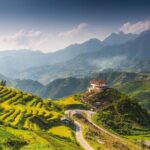
- The Sapa-to-Bac Ha transfer: private car, long ride, real scenery
- Day 1 in Bac Ha: lunch, village trekking, and corn wine culture
- Overnight homestay: dinner, comfort, and meeting real routines
- Day 2: breakfast early, trek to the Sunday market at 9 am
- The English guide and small-group size: where the real value shows
- Price and logistics: is $95 good value for this 2D/1N format?
- Who should book this tour (and who should think twice)
- Should you book the Bac Ha Ha Sunday Market Tour 2 days and 1 night?
- FAQ
- What is the duration of the tour?
- How much does the Bac Ha Sunday Market tour cost?
- Where does the tour start and where does it end?
- What time does pickup start?
- Is there a private vehicle?
- Is an English guide included?
- Is the Sunday market part of the experience?
- What meals are included?
- Do I need admission tickets for the stops?
- What is the cancellation policy?
- Is anything not included in the price?
Key highlights worth your attention
- Bac Ha’s Sunday market brings lots of ethnic minority groups together in one lively town setting
- Private transport from Sapa cuts down hassle and makes the long ride feel manageable
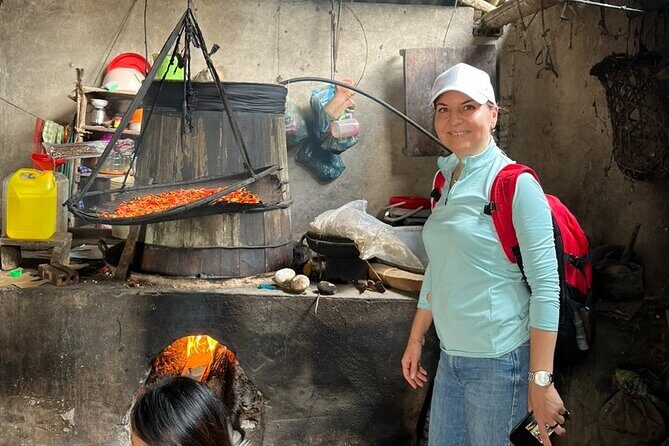
- Trekking to a village plus cultural stops, including corn wine distilling knowledge
- Homestay included for an overnight mountain view of daily life
- English guide on a small group (max 15) helps you understand what you’re seeing
- Bring cash for drinks along the way, just in case you want a cold one
Why Bac Ha Sunday Market feels different than a typical market
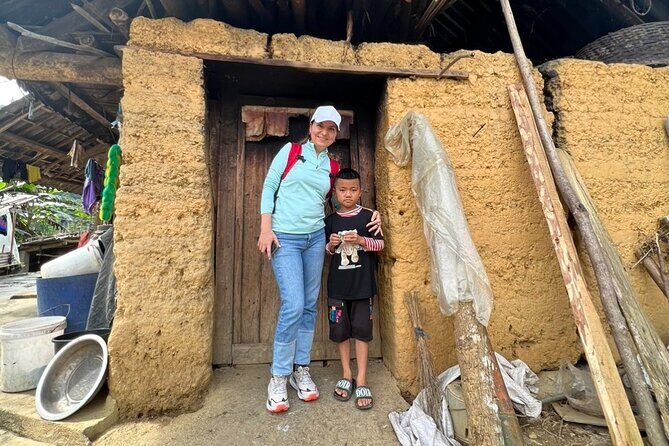
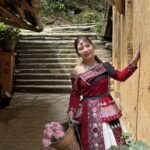
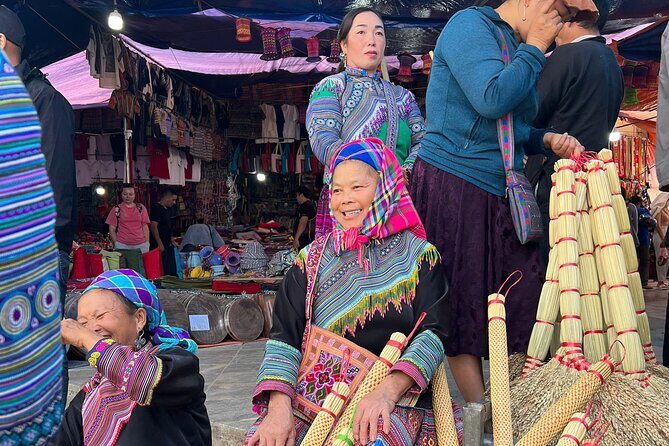
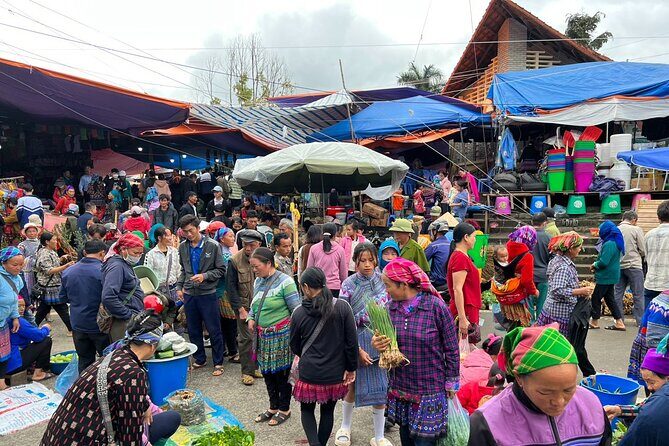
Bac Ha town hosts a big Sunday market in Northwest Vietnam, and it shows. On market days, you’ll see hundreds of people arrive from surrounding countryside, many dressed in traditional clothing. It’s not just a shopping stop. The whole place feels like a weekly gathering: people catching up, trading items, and showing up as they are.
What makes this tour work is that you don’t treat the market like a quick photo circuit. You build up to it. On day 1, you head into the area, eat well, and get a taste of local culture before you reach the market on day 2. That matters because once you understand a little about the communities around Bac Ha, the market becomes easier to read. You start noticing patterns in clothing, household goods, and the way people move through the space.
The other reason I like the setup: it’s small-group focused. With a maximum of 15 travelers, you’re less likely to get lost in the crowd or separated from your guide.
You can also read our reviews of more shopping tours in Sapa
The Sapa-to-Bac Ha transfer: private car, long ride, real scenery
Your day starts with pickup in Sapa, and the private car ride runs for about 3 hours toward the China border area. This is the part of the trip that can make or break expectations, so here’s how to think about it.
First, you’re not stuck on a random shared shuttle where you’re unsure who’s dropping where. Private transportation means the day stays smoother. You also get a real sense of getting into the mountainous region instead of just hopping out at one destination.
Second, the timing matters. The tour’s schedule is built around reaching Bac Ha around midday on day 1, then using the afternoon for lunch and trekking time. If you’re prone to travel fatigue, bring a little patience for the drive. You’re paying for comfort here, and it helps you enjoy the more active parts later.
Day 1 in Bac Ha: lunch, village trekking, and corn wine culture
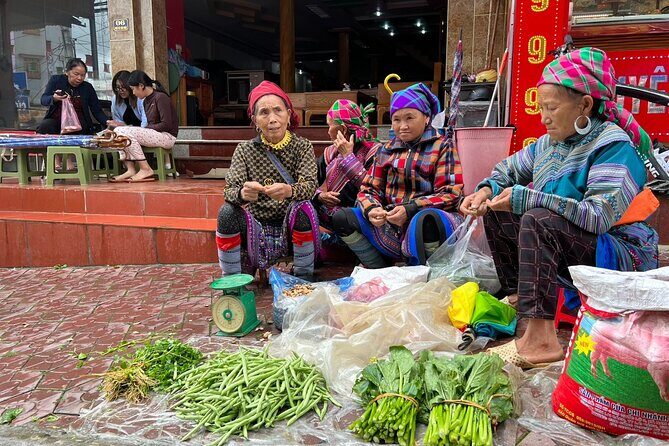
You arrive in Bac Ha around 12:30 pm and start with lunch. This is a good choice in a two-day tour because it resets your energy before the trekking portion. After lunch, you head out around 1:30 pm for trekking to a nearby village to see local people and local culture.
This is where the tour earns its cultural points. One detail I found especially memorable from the experience description is that in these villages, households know how to distill corn wine. Even if you’re not trying the drink, the fact that you can see and learn about the process adds context to daily life here. It moves the trip beyond surface-level market browsing.
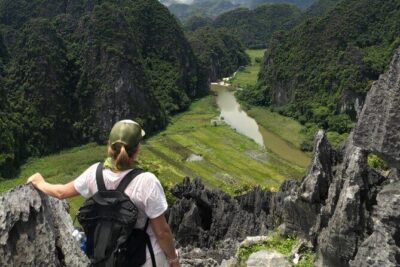
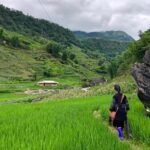
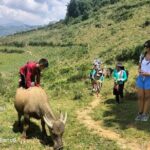
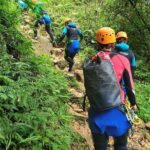
The day also includes about 5 hours of trekking time, and that’s not just a walk to a viewpoint. You’re spending real time in the village setting, and that’s the part that lets an English guide explain rituals and routines you might otherwise miss.
Practical consideration: trekking time plus a long ride means day 1 can be tiring. It’s worth bringing comfortable walking shoes and giving yourself permission to go slow when the ground gets uneven.
Overnight homestay: dinner, comfort, and meeting real routines
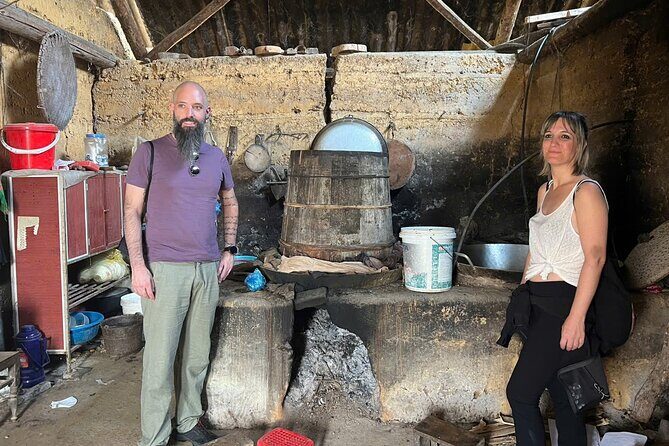
After trekking and a full day, you stay overnight at a homestay. Breakfast, dinner, and the homestay itself are included, so you’re not spending time hunting for meals or worrying about where you’ll sleep once you’re up in the mountains.
What stood out from the people who’ve done the experience is the homestay vibe: it feels genuinely connected to the local mountain life. The food gets praised, too. That’s a big deal on trips like this, because homestays can range from simple to truly special, and here the meals and the people seem to land well.
Also, you’re not doing the overnight part as an afterthought. It’s part of the design: trekking on day 1, then market on day 2. The homestay anchors you between those two halves.
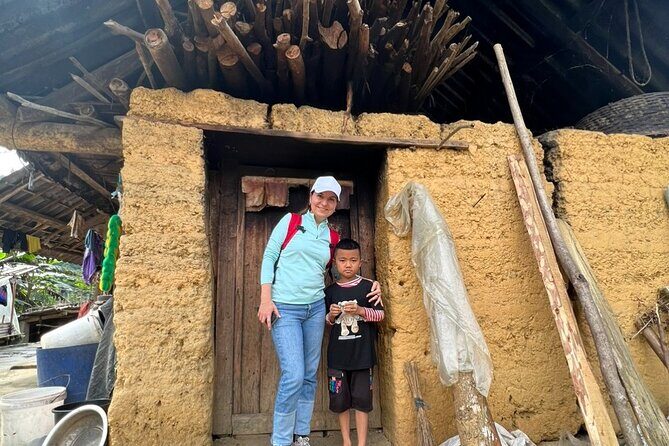
One more detail that matters for expectations: this isn’t a hotel-style experience with guaranteed amenities. If you’re expecting everything polished and predictable, you may feel slightly out of your comfort zone. If you like basic, human-scale travel, you’ll likely enjoy it more.
Day 2: breakfast early, trek to the Sunday market at 9 am
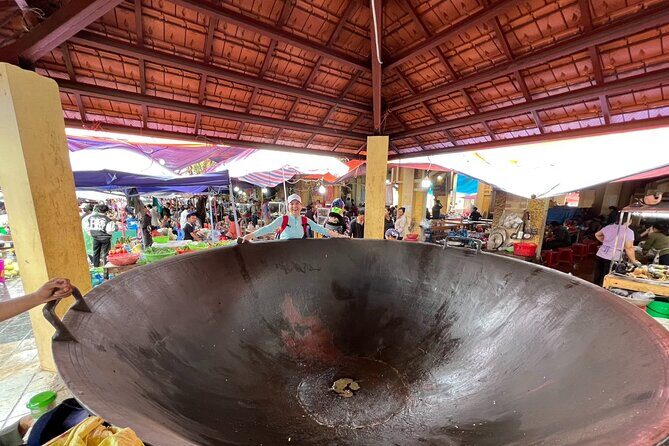
Day 2 starts with breakfast around 8:00 am. Then, at 9:00 am, you head from the homestay to the market. That early push is smart, because markets are at their most interesting when movement is still building, and you have a better chance to take your time with the sights.
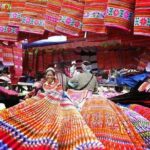
Bac Ha Sunday market is the main event: it’s large, bright, and full of color from the clothing and the crowd. You’ll see ethnic minority groups from the surrounding countryside, and the whole place feels like it’s doing its weekly job—meeting people, exchanging goods, and keeping traditions alive.
Here’s what I’d focus on when you get there:
- Look first, shop second. Give yourself a few minutes to understand what’s where.
- Pay attention to your guide’s explanations. The value of this tour is that you’re not walking through a market with no context.
- Don’t skip the small details. The best learning often happens at the edges—crafts, household items, and how people organize stalls.
One practical note from the experience feedback: bring cash for drinks on the way. That sounds minor, but when you’re working up a walk-and-market appetite, having money on hand saves you from the awkward moment of wanting something and not being able to get it.

The English guide and small-group size: where the real value shows
This tour includes an English guide, and the group stays small, with a maximum of 15 travelers. That combination matters more than people realize.
In an ethnic market setting, you can easily miss what’s important if you’re only focused on bargaining. With a guide, you get the stories and the meaning behind rituals and daily life. Even simple observations start making sense when someone can connect what you’re seeing to local culture.
This also helps on the trekking side. Your pace is steadier, and you’re less likely to feel like you’re just following a line of people through unfamiliar terrain. One of the nicest review-style takeaways from the experience is that the guide took care to include everyone. For many travelers, that’s the difference between a tiring day and a smooth one.
Price and logistics: is $95 good value for this 2D/1N format?
At $95 per person for about 2 days, this is positioned as a budget-friendly cultural trip—not a luxury add-on.
Here’s what you’re actually getting for the money:
- Private transportation from Sapa
- An English guide
- Homestay for 1 night
- Meals included: breakfast, dinner, and lunch
- A cultural day with village trekking time plus the market day
- A small group (max 15)
When you compare that to paying for transport, guiding, and meals separately, it starts to look like solid value. You’re also getting a structure that makes sense: day 1 is culture + trekking, day 2 is market + trekking flow.
Two small considerations to keep your math honest. Admission for the trekking/village stop is listed as free in the schedule, but the tour also notes that airport/departure tax isn’t included. And your timeline includes a fairly long transfer from Sapa, so you should be comfortable with a morning start.
Overall, for the included meals, guide, and overnight homestay, $95 feels like a fair deal—especially if you’re aiming for something real rather than just a photo tour.
Who should book this tour (and who should think twice)
I’d tell you to book this if you want:
- A Sunday market experience with actual context
- Village trekking time, not just sitting on a bus
- An overnight homestay that connects you to mountain life
- A small-group setup with English explanations
It may not be the best match if you:
- Prefer low-activity sightseeing
- Want a hotel-style experience with lots of comfort guarantees
- Don’t like early starts or long drive days
Should you book the Bac Ha Ha Sunday Market Tour 2 days and 1 night?
Yes, if you’re the kind of traveler who likes understanding how people live, not only what they sell. This tour is built around the parts that make Bac Ha special: Sunday market culture, a village trekking day, corn wine distilling context, and an overnight homestay with meals.
Book it if you want value. Book it if you like small groups and an English guide. And do one simple thing before you go: bring cash for drinks on the way so you don’t lose time or feel stuck during the walking parts.
If that sounds like your style, you’ll likely come away with more than photos. You’ll have stories you can explain.
FAQ
What is the duration of the tour?
The tour runs for about 2 days, with 1 night included.
How much does the Bac Ha Sunday Market tour cost?
It costs $95.00 per person.
Where does the tour start and where does it end?
It starts at 599 Đường Điện Biên Phủ, TT. Sa Pa, Sa Pa, Lào Cai 330000, Vietnam, and it ends back at the same meeting point.
What time does pickup start?
The activity has a start time listed at 8:00 am, and the trip description also notes pickup from Sapa starting around 9:00 am.
Is there a private vehicle?
Yes. Private transportation is included.
Is an English guide included?
Yes. An English guide is included.
Is the Sunday market part of the experience?
Yes. Bac Ha town’s Sunday market is the main focus, and you head to it on day 2 at 9:00 am.
What meals are included?
Breakfast and dinner are included, along with lunch (lunch is also provided on day 1).
Do I need admission tickets for the stops?
The schedule lists admission ticket as free for the village trekking portion.
What is the cancellation policy?
You can cancel for a full refund if you cancel up to 24 hours in advance of the experience’s start time.
Is anything not included in the price?
Airport/departure tax is not included.