REVIEW · SAPA
Half-Day Private Muong Hoa Valley Trek and Ethnic Tribes Tour
Book on Viator →Operated by Authentic Hanoi Homestay & Travel · Bookable on Viator
Sapa’s rice terraces feel best when you walk into them, not just look at them. This half-day Muong Hoa Valley trek mixes scenery with real village visits, including Black Hmong life around Y Linh Ho, plus a look at the Dzay community.
I especially like that you get a true local guide experience and a day plan that moves at a friendly pace for around 5 hours.
Two things I really enjoy here are the chance to meet villagers up close, and the built-in comfort of stopping for a local lunch rather than trekking on empty. The only real drawback to plan for is trail footing: some sections can be tricky and slippery, and conditions may be affected by on-the-ground work.
In This Review
- Key Things You’ll Notice on This Trek
- Muong Hoa Valley in Half a Day: The Real Value of a Private Plan
- Getting Started in Sapa: The Short Road Walk That Sets the Tone
- Stop at Y Linh Ho: Black Hmong Life Beyond the Photo Stops
- Lao Chai Rice Terraces: Views You Can Walk Toward
- Ta Van and the Dzay Contrast: Seeing How Cultures Diverge
- The Trek Itself: Slippery Spots and How to Handle Them
- Taxi/Car Down and Back: Why This Makes Sense in Sapa
- Price, Time, and What You’re Actually Paying For
- Who This Tour Fits Best
- Should You Book This Muong Hoa Valley Trek?
- FAQ
- FAQ
- How long is the Muong Hoa Valley trek?
- Is this tour private?
- Do I get pickup from Sapa?
- What villages and areas will we visit?
- What’s included in the price?
- What should I bring since beverages aren’t included?
- What fitness level do I need?
- Is the tour weather-dependent?
Key Things You’ll Notice on This Trek
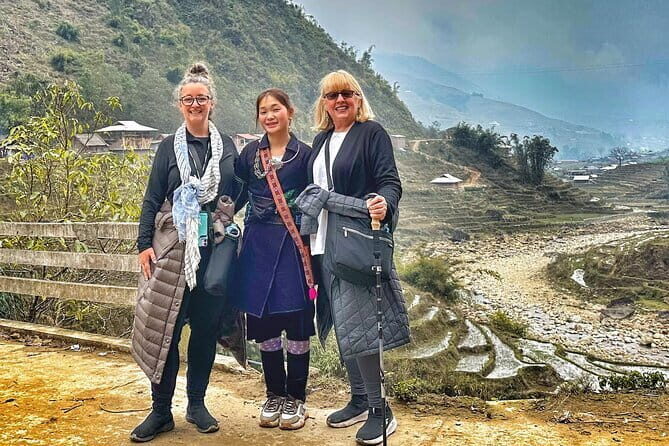
- English-speaking local Hmong guide who can explain what you’re seeing in plain language
- Y Linh Ho village visit with hands-on time with Black Hmong locals
- Rice terrace viewpoints around Lao Chai, timed for the best walking rhythm
- Local lunch with a chance to taste produce connected to the community
- Dzay tribe contrast that helps you see how costume and customs differ
- Taxi/car support for getting down and back so the day stays half-day
Muong Hoa Valley in Half a Day: The Real Value of a Private Plan
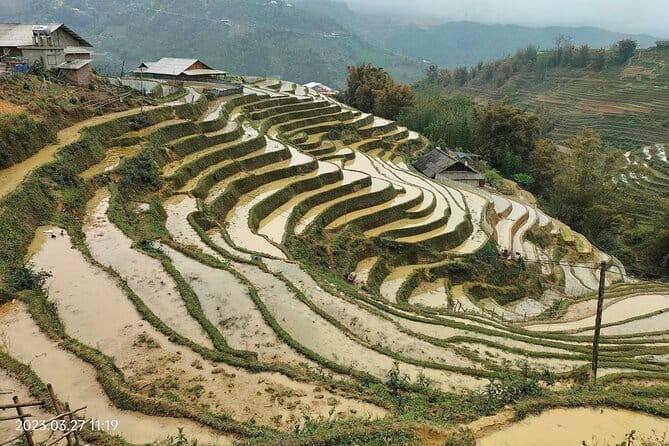
In Sapa, the big temptation is to pack in too much. This tour makes a smarter choice: it keeps the day short but still gives you walking time down into Muong Hoa Valley. The result is that you actually see terraces and villages without feeling like you’re racing a checklist.
Because it’s private, the pace can suit your group. You’re not stuck waiting on strangers at the edge of a terrace path or squeezed through a village space. That matters on foot in rural areas where the flow can be slow, narrow, and weather-sensitive.
Value-wise, the price lands at $35 per person, and it’s not just for someone to walk beside you. You also get an English-speaking local Hmong guide, entrance tickets to the sites involved, and lunch. In practice, those are the extras that often add up on “cheap” tours.
One more practical point: transport is part of the day. The trek includes getting down and back with taxi/car support, which helps you spend more energy on the sections that actually feel scenic and social.
You can also read our reviews of more private tours in Sapa


Getting Started in Sapa: The Short Road Walk That Sets the Tone
You depart from Sapa and head toward Muong Hoa Valley with a mix of transfer and walking. The day begins with a short 20-minute road walk toward the valley—long enough to get your legs moving and your first views, without tiring you out before you reach the villages.
This start also helps you shift from city mode. Sapa can feel busy, even when you’re in a good mood. That early push out toward the valley gradually makes the day feel quieter and more rural. It’s the kind of transition that makes the village stops feel less like “tour stops” and more like “you’re actually there.”
If you’re prone to getting cold, bring a light layer. In valley areas, temperature can change quickly as you descend, and shade can make paths feel damp even when the town looks fine.
Stop at Y Linh Ho: Black Hmong Life Beyond the Photo Stops
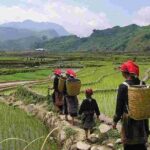
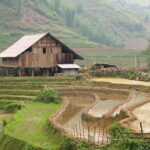
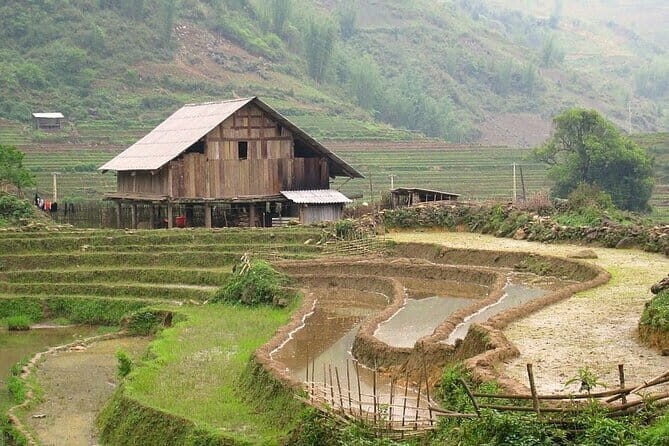
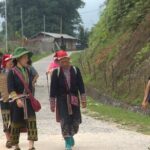
Your first major village connection is Y Linh Ho, associated with the Black Hmong community. This is where the tour leans hardest into culture, not just scenery. You walk into the village area and spend time interacting with locals—time to ask questions, watch daily routines, and learn what’s meaningful to the people who live there.
I like this part because it avoids the rigid “line up, wave, leave” rhythm. A village visit works best when you slow down and let conversation lead. With an English-speaking guide (often a guide named Sung in the past), you can ask practical questions about daily life and customs instead of only collecting visual impressions.
Two small notes that can improve your experience here:
- Wear shoes with good grip. Village paths can be uneven and slick depending on recent weather.
- Bring patience for slower pacing. Village life isn’t built around your itinerary, and that’s the point.
One more thing to know: your guide can help interpret what you’re seeing—costumes, household activity, and local routines—so the visit feels connected rather than confusing.
Lao Chai Rice Terraces: Views You Can Walk Toward
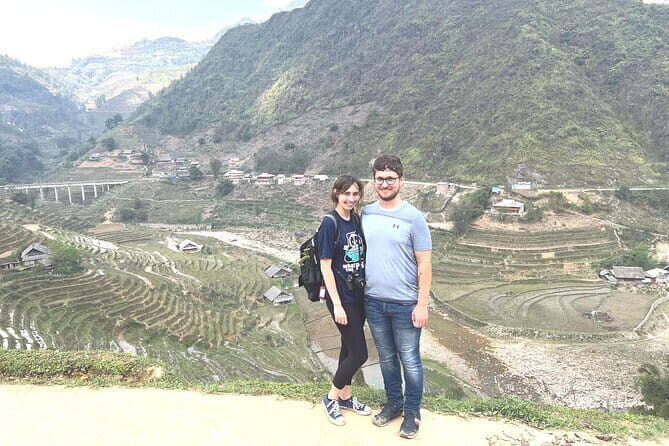
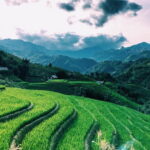
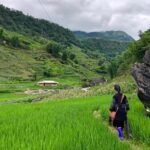
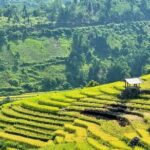
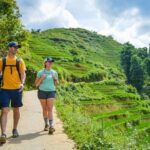
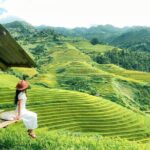
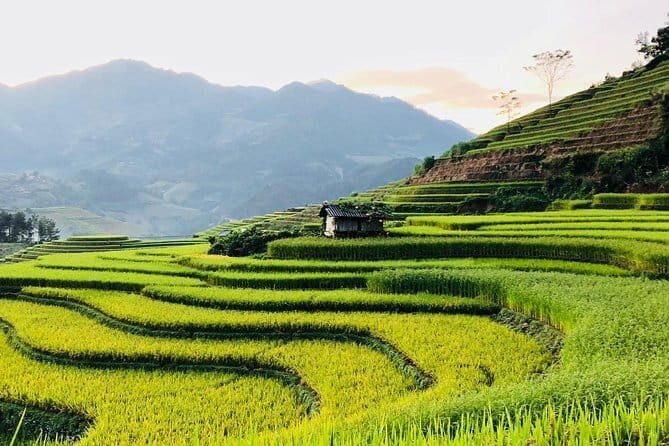
After Y Linh Ho, you move into the terrace landscape around Lao Chai. This is where you’ll get spectacular viewpoints—some of the most recognizable Sapa-style rice terrace views. But the value here is that you don’t just stand and stare. You walk through the area, so the terraces change perspective as you go.
The tour also sets you up with time for a break and a meal. You’ll enjoy lunch near the river, and you’ll get to taste local produce connected with the Black Hmong community. This is one of those “small” inclusions that ends up mattering a lot: a comfortable meal keeps the afternoon from feeling like a slog and helps you enjoy the cultural contrasts that come next.
While you eat, you’ll likely notice how terrace farming shapes the whole rhythm of life—paths, water routes, and where homes and workspaces sit relative to fields. Even without a lecture, you’ll start to connect the dots just by looking around.
If you care about photos, this is also where you’ll want to take your time. Terrace angles shift quickly with the weather and sun, and the walking route gives you more angles than you’d get from a single viewpoint.
Ta Van and the Dzay Contrast: Seeing How Cultures Diverge
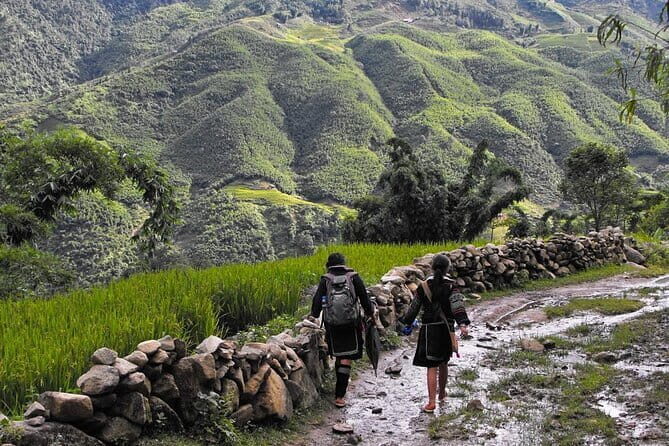
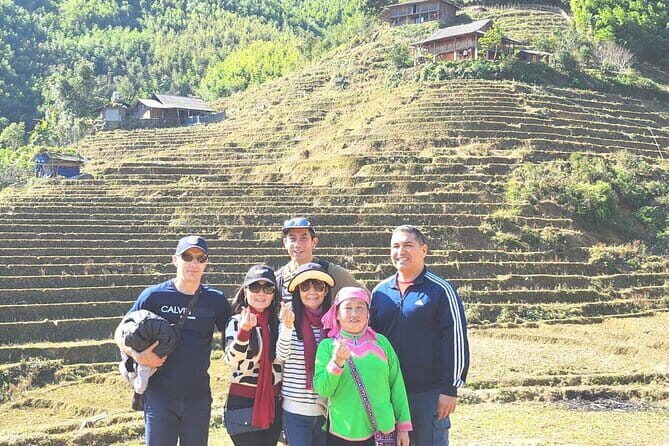
The tour then shifts from terrace views into a more direct cultural comparison. You’ll trek to additional ethnic village areas, and the day ends with time to meet members of the Dzay tribe—a strong contrast with the Black Hmong you encountered earlier.
That contrast is worth seeking out. In Sapa, many visitors focus only on one “type” of ethnic culture. Here, you see differences in customs and costumes, and you get help interpreting what those differences mean. The goal isn’t to rank cultures. It’s to notice: different groups adapt to the same mountain environment in different ways.
In the past, guests have described guides who speak strong English and share culture in a way that feels personal rather than scripted. If your guide is the same Sung mentioned in past feedback, you’re likely to get a warm, helpful experience with clear explanations and a friendly vibe.
One practical tip: when you meet people in villages, treat the interaction like a conversation, not an exhibit. If you’re curious, ask simple questions. If you’re unsure, follow your guide’s guidance on what’s appropriate.
You can also read our reviews of more hiking tours in Sapa


The Trek Itself: Slippery Spots and How to Handle Them
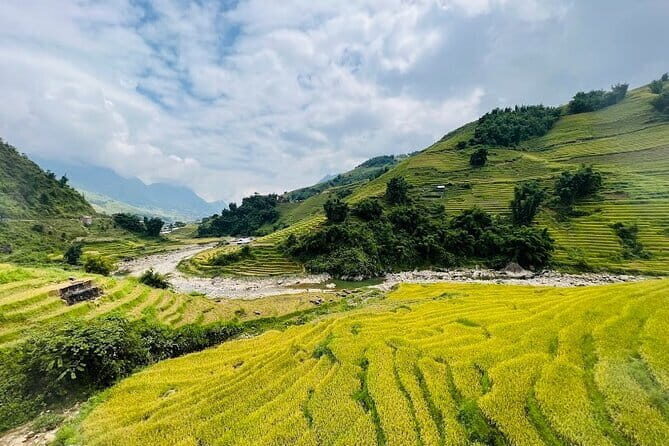
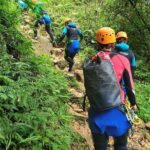
This is a trek with a moderate level of effort. The tour notes it’s best for travelers with moderate physical fitness, and that tracks with how these valley paths usually feel: downhill and uneven ground can be more tiring than it seems on paper.
The main thing to plan for is footing. One past guide-and-guest experience included a section that was tricky and slippery due to construction work and a steep bank while descending. You can’t assume every day is identical, but you should treat “slippery patches” as a normal possibility.
Here’s how to protect your comfort:
- Wear shoes with grip (no slippery soles).
- Bring a small cloth or towel if you tend to get muddy or damp.
- Walk slowly in the steep parts—short steps beat long strides.
If it’s wet or the weather looks uncertain, ask your guide what to expect on the day’s path. The better your stance and pace, the more you’ll enjoy the scenery and the village interaction instead of thinking about your footing.
Taxi/Car Down and Back: Why This Makes Sense in Sapa
A half-day trek is only fun if you can actually sustain it. This tour builds in taxi/car support for the down-and-back parts, which helps you avoid spending the whole day in transit or burning energy on non-scenic roads.
This is one of those choices that feels small until you compare it to longer full-day hikes. Here, you’re not trying to “do it all.” You’re getting the valley experience with a plan that respects time and energy.
You’ll return to Sapa by bus, then be dropped off at a local office on arrival. That means your day ends cleanly, without you having to navigate transport logistics when you’re tired.
Price, Time, and What You’re Actually Paying For
At $35 per person for a private, half-day experience, you’re paying for a mix of:
- Local guide time in English
- Entrance tickets to included sites (and one stop noted as free)
- Lunch
- A route that combines walking with vehicle support
- A structured day around village visits and rice terrace viewpoints
If you tried to replicate this on your own, you’d likely spend more money and time figuring out transport, guide coordination, and village access. The tour keeps those pieces together so you can focus on the actual experience.
The biggest “hidden cost,” honestly, is not money—it’s energy. If you know you get stressed when paths are slippery or steep, come prepared with proper shoes and a slower pace. Once you’re comfortable with the trekking style, it’s a good deal for what you get.
Who This Tour Fits Best
This trek works well if you want:
- A half-day in Muong Hoa Valley without committing to a full hike day
- A more structured way to visit Y Linh Ho, Lao Chai, and other village areas
- Cultural context for what you’re seeing—especially the Black Hmong and Dzay comparison
- An English-speaking local guide who can turn sights into understandable stories
It may be less ideal if you want an entirely flat, easy walk with no slipping risk. You’ll also want to be realistic about time: this is a short day, so you’ll have moments to interact, not hours and hours.
If you’re traveling as a couple, family, or small group and you want control over pacing and questions, the private format is a big plus.
Should You Book This Muong Hoa Valley Trek?
I’d book it if you want terraces and real village contact in a short window. The mix of rice terrace viewpoints, a village visit at Y Linh Ho, a local river-side lunch, and the chance to meet the Dzay community makes the day feel balanced rather than one-note.
Skip it or consider a different option if:
- You’re not comfortable with uneven, possibly slippery paths.
- You’d rather spend more time on your own exploring than following a set route.
If you do go, show up with the basics done right: grippy shoes, layers, and a relaxed mindset for village interactions. The payoff is a day that feels grounded in how people actually live and work in the valley—not just a quick scenic hit.
FAQ
FAQ
How long is the Muong Hoa Valley trek?
The tour runs for about 5 hours.
Is this tour private?
Yes. It’s private, meaning only your group participates.
Do I get pickup from Sapa?
Pickup is offered, and the day starts from Sa Pa and returns back to the local office in Sa Pa at the end.
What villages and areas will we visit?
You’ll visit Y Linh Ho (Black Hmong), and you’ll also spend time around Ta Van and Lao Chai, including a meeting with members of the Dzay tribe.
What’s included in the price?
Included items are an English-speaking local Hmong guide, entrance tickets to indicated sites, a local lunch, and trekking to village areas (with down/up support by taxi or car).
What should I bring since beverages aren’t included?
Beverages are not included, so plan to bring money for drinks if you need them, or plan around how you’ll handle hydration during the trek.
What fitness level do I need?
The tour is suitable for travelers with moderate physical fitness.
Is the tour weather-dependent?
Yes. The experience requires good weather, and if it’s canceled due to poor weather, you’ll be offered a different date or a full refund.