REVIEW · SAPA
Sapa 1 day trek with local guide to the village by Comlam
Book on Viator →Operated by comlam travel north Viet Nam adventures · Bookable on Viator
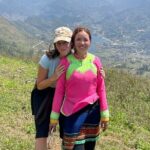
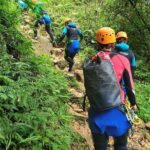
Sapa looks different on foot. This 1-day trek drops you from Sapa town into the Muong Hoa valley, through rice fields and a bamboo forest, then into local villages like ý Linh Hồ, Lao Chai, and Ta Van. I really like the English-speaking local guide and how the walk adds context to daily life, not just photos. One thing to consider: the paths can feel uneven and hilly, so comfortable shoes and a moderate fitness level matter.
Logistics are also refreshingly simple. You’re picked up around 9am in Sapa, you’re back by about 4:30pm, and the group stays capped at max 17 travelers, which usually helps the pace feel friendly rather than rushed. Lunch, entrance ticket, a bottle of water, and private transport are included, so the day feels like one planned package.
In This Review
- Key things that make this Sapa trek worth your time
- A One-Day Trek That Feels Like Village Time
- 9am Pickup to 4:30 Return: How the Day Really Flows
- What “private transportation” changes
- Sapa to Muong Hoa Valley: Rice Views and Bamboo Forest Walking
- Ta Van Village Lunch: A Break That Doesn’t Feel Like a Detour
- Around Ta Van After Lunch: Village Stops with a Leasurley Pace
- Lao Chai and ý Linh Hồ: Getting More Than One Side of Sapa
- Guide Power: Why English-Speaking Helps More Than You Think
- Price and Value: What $29 Really Covers
- What to Pack and How to Stay Comfortable
- Who This Trek Fits Best (and Who Might Want a Different Plan)
- Should You Book This Sapa 1-Day Trek with Comlam?
- FAQ
- What is the duration of the Sapa trek?
- Where does the tour start and end?
- What time will I be picked up?
- Is lunch included?
- What is included in the price?
- What is the group size limit?
- Is the trek suitable for beginners or only experienced hikers?
- Do I need to worry about getting from Hanoi?
- What is the cancellation policy?
Key things that make this Sapa trek worth your time
- Muong Hoa valley walking: a big valley in Sapa with wide views and rice-field scenery when the season is right
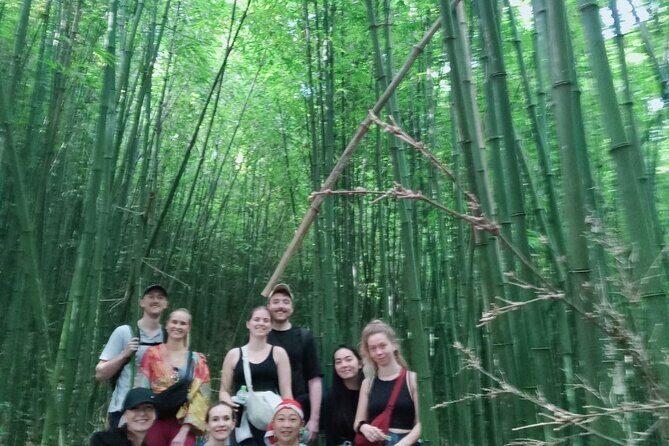
- Rice fields plus bamboo forest: you’re not just doing one type of landscape all day
- Ta Van lunch stop: a real break in a village setting, not just a quick snack
- Stops across Lao Chai and Ta Van: you see more than one community and how people live
- English-speaking guidance: guides like May/Mai and Di are described as warm, experienced, and good at explaining culture
- Small group size: capped at 17 travelers, which helps you get answers and keep a comfortable rhythm
A One-Day Trek That Feels Like Village Time
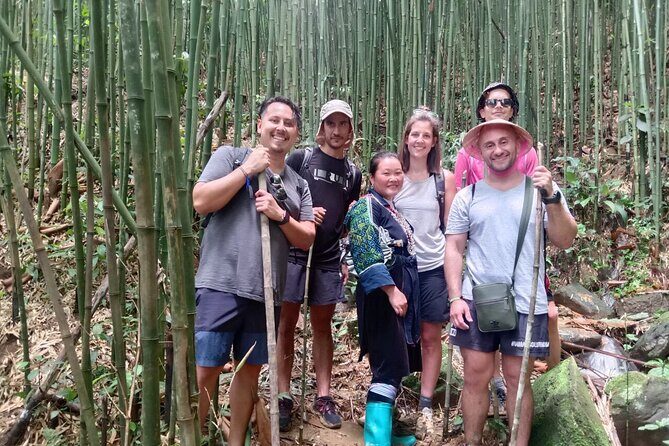
This is the kind of Sapa day trek that actually makes the place feel human. You start in town, then work your way down into the valley through mixed scenery: rice fields, forest sections, and village lanes. The goal is simple: walk, stop, learn, and return before your legs turn into drama.
What I like is that the day has a clear shape. You’re not wandering aimlessly, and you’re not stuck doing one long slog without breaks. You’ll also have a guide who can explain what you’re seeing, including local culture and daily routines, which makes a big difference when you’re in minority communities.
You can also read our reviews of more guided tours in Sapa

9am Pickup to 4:30 Return: How the Day Really Flows
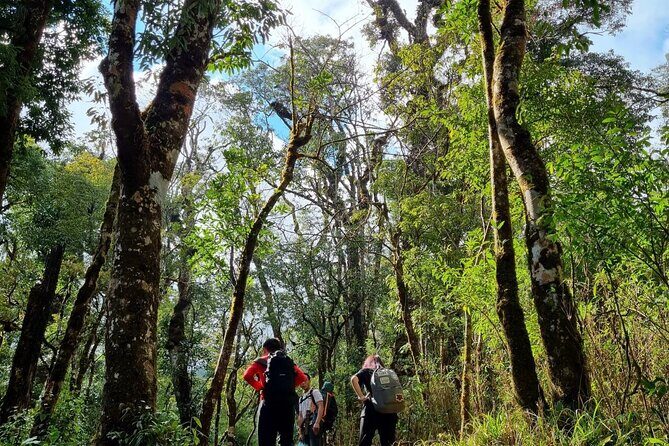
The trek runs on a straightforward schedule. Around 9am, your guide picks you up in Sapa, then you begin the descent from Sapa town toward the Muong Hoa valley. The day is structured with time to walk, time to understand what you’re looking at, and one main lunch break.
After lunch (around 1pm in Ta Van), you keep trekking and do more village exploring around Ta Van. By 4:30pm, the car comes back to pick you up and return you to your hotel area in Sapa or the Sapa bus station. That means you get the big “Sapa hills” experience without having to commit to a full multi-day trek.
What “private transportation” changes
You’re not juggling transfers like it’s a puzzle. The tour includes private transportation, and pickup is described as free around Sapa and also around Lao Chai and Ta Van village areas. Practically, it helps you lose less time and start hiking with less stress.
Sapa to Muong Hoa Valley: Rice Views and Bamboo Forest Walking
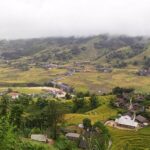
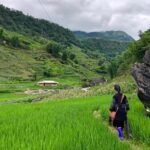
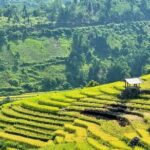
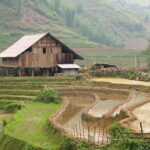
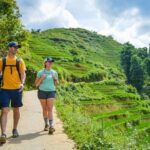
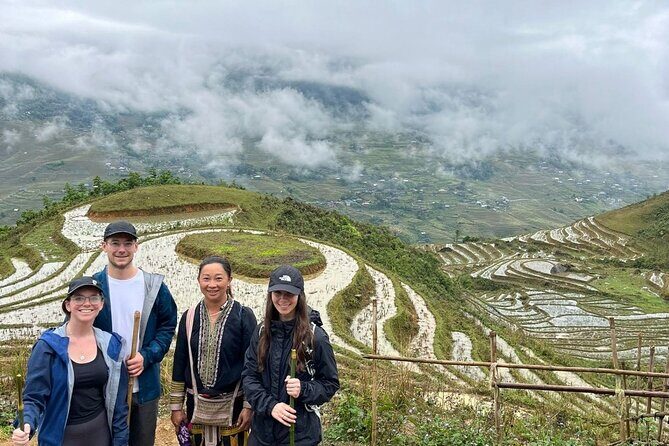
The route starts by leaving Sapa town and moving into the Muong Hoa valley, which is described as the biggest valley in Sapa and known for wide rice-field views. When rice season is on, those terraces can look dramatic and bright, and the valley setting makes the walking feel scenic even between stops.
Then you pass through forest sections, including a bamboo forest. That’s one of the reasons this trek stands out for me: it breaks up the day so it doesn’t feel repetitive. A bamboo stretch also creates that classic Northern Vietnam hillside mood—cooler, quieter, and very different from the open fields.
One review-style takeaway you should expect: there’s learning as you go. Your guide introduces local life and culture and points out plants or fruits along the way, turning a normal walk into something more like a guided introduction to the area. If you enjoy asking questions and getting real explanations, this part of the day is usually the highlight.
Ta Van Village Lunch: A Break That Doesn’t Feel Like a Detour
Lunch is built into the trek, timed at around 1pm in Ta Van village. This is a key detail. A lot of Sapa day hikes give you a quick stop that feels separate from the walk. Here, the lunch break sits inside the experience, so you pause in the right place—among the people and daily rhythm you’re actually there to see.
The lunch itself is included, and the portions are described as decent. That matters because you’re walking through hills and you’ll want energy that lasts past the meal. You also get a bottle of water, which is helpful since you’re outdoors for most of the day.
More than the food, I think Ta Van works because it gives your guide room to connect what you’re seeing with how people live. You’ll get a clearer sense of community life rather than just checking a box of viewpoints.
You can also read our reviews of more hiking tours in Sapa



Around Ta Van After Lunch: Village Stops with a Leasurley Pace
After lunch, you continue the trek around Ta Van village and do more village visiting. The itinerary keeps the day from feeling like nonstop walking by using a steady but not punishing rhythm.
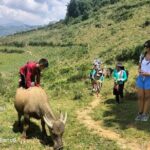
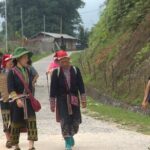
In the best-case moments, you’re not just following a trail—you’re meeting the village world at human speed. Some guide descriptions mention paths where it feels like you’re not sharing the route with lots of other people, which helps the atmosphere feel calmer. You’ll also be walking with a guide who can explain local culture and daily life in plain language, including how people live and what matters to them.
You should also be prepared for a bit of reality in the terrain. One note from experience descriptions is that the hike can be challenging at times due to footing and slope. It’s not a “sit and look” day. But the pace is described as leisurely, and that balance—some effort, but not rushed—fits many first-time hikers in Sapa.
Lao Chai and ý Linh Hồ: Getting More Than One Side of Sapa

This tour includes local village stops on the way, with the route described as going through ý Linh Hồ, then Lao Chai, and then Ta Van. If you only see one village in a day, it can feel like you barely scratched the surface. Here, the added stops help you understand that the valley is made of multiple communities with their own way of life.
Lao Chai gets a special mention in the pickup language too, which hints that the tour is set up to connect you with the village areas rather than keeping everything in the easiest tourist zones. It’s also why the private transport matters: you can get where you need to go without burning your day on logistics.
What to listen for from your guide in these village stops: local culture and life. Some descriptions mention learning about local plants and fruits, and even talking story-style about lives back home. That kind of conversation can turn a hike into something memorable, because you’re not just collecting scenery—you’re collecting understanding.
Guide Power: Why English-Speaking Helps More Than You Think
This trek is heavily built around the guide experience. The guide is described as very good English speaking and full of experience, and multiple guides are highlighted by name in the descriptions, including May/Mai and Di. When your guide is strong at both language and context, you get two benefits at once: clarity and comfort.
First, clarity. You can ask what something is, why people do things a certain way, and what you’re seeing in the fields or along the path. Second, comfort. Hills and village routes can feel intimidating if you don’t know what’s going on. A guide who explains ahead of time helps you move with confidence.
One reason this guide-led format wins for me: you’re not just watching. You’re participating in a conversation. Some experiences mention sharing stories and learning about local culture in a way that feels human, not like a lecture. If you enjoy meeting people and you like learning facts that make real places make sense, this is a great fit.
Price and Value: What $29 Really Covers
At $29 per person, the cost is positioned as a value day, and the “value” part isn’t vague. You’re getting a full package that includes lunch, a local guide, entrance ticket, private transportation, and a bottle of water. You also get free pickup around Sapa and Lao Chai and Ta Van village areas, which reduces extra costs you might otherwise pay separately.
Here’s how I’d think about it: $29 is easiest to justify when you’d otherwise pay for guide time and transport anyway. This day trek is essentially a guided day out with built-in food and access, which is often where budget days quietly lose money. With this format, fewer pieces are missing, so you get fewer surprises.
Also worth noting: booking demand is relatively steady, with an average booking window listed around 19 days in advance. That can be a sign the slot availability can move, especially if you’re traveling during busy periods.
What to Pack and How to Stay Comfortable
You’ll be walking through valley paths, village areas, and forest segments. Some descriptions also mention getting a bit damp, so bring weather-ready basics. Even if the day starts clear, Sapa’s hills can surprise you, and “a bit damp” is exactly the kind of small comfort issue that can ruin a long hike if you’re unprepared.
For footwear and comfort, rely on the obvious: the terrain can be uneven and challenging at times. If you bring shoes that handle slopes and grip well, you’ll enjoy the walking more and worry less about footing.
If you’re the type who hates carrying stuff, remember you do get water included, but you’ll still want a small plan for personal items like a phone, light layer, and any small essentials you prefer on walks.
Who This Trek Fits Best (and Who Might Want a Different Plan)
This tour is best for you if you want:
- a one-day Sapa experience without spending the whole trip on transportation
- scenery variety: rice fields, bamboo forest, and village routes
- an English-speaking guide who can explain local culture and daily life
- a manageable group size (max 17) so the day stays relaxed
It may be less ideal if you’re not comfortable with moderate hills or if you dislike uneven footing. The trek is not described as extreme, but it is described as challenging at times due to terrain, and the day involves multiple walking sections.
For first-timers to Sapa, it’s a smart choice because you leave with more context than just photos. For repeat visitors, it can still work because village stops and guide-led explanations help the area feel fresh again.
Should You Book This Sapa 1-Day Trek with Comlam?
If you like guided experiences and you want a real village walk in one day, I’d book this. The combination of English-speaking guidance, included Ta Van lunch, and a route that mixes rice fields and bamboo forest makes it a strong “value + authenticity” day. The small group size also helps the day feel personal rather than crowded.
I’d think twice only if you know you struggle with hilly, uneven terrain or you hate weather uncertainty. If that’s you, you might prefer a shorter, flatter outing. Otherwise, this trek is a very practical way to see Sapa’s valley side without losing the day to logistics.
FAQ
What is the duration of the Sapa trek?
The trek runs for 1 day, with the schedule described from about 9am to about 4:30pm.
Where does the tour start and end?
It starts at 599 Đường Điện Biên Phủ, TT. Sa Pa, Sa Pa, Lào Cai 330000, Vietnam, and it ends back at the same meeting point.
What time will I be picked up?
The guide picks you up around 9am in Sapa.
Is lunch included?
Yes. Lunch is included, and it’s taken at Ta Van village around 1pm.
What is included in the price?
Included are lunch, free pickup around Sapa and Lao Chai and Ta Van village areas, a bottle of water, a local guide, entrance ticket, and private transportation.
What is the group size limit?
The tour has a maximum of 17 travelers.
Is the trek suitable for beginners or only experienced hikers?
It’s recommended for travelers with moderate physical fitness.
Do I need to worry about getting from Hanoi?
Bus pickup from Hanoi is not included.
What is the cancellation policy?
You can cancel for a full refund up to 24 hours in advance. If you cancel less than 24 hours before the start time, the amount paid is not refunded.