REVIEW · SAPA
Sapa : 2-Day Trek & Heartwarming Homestay with an Ethnic Family
Book on Viator →Operated by Vietnam Nomad Trails · Bookable on Viator
Your first view of Sapa will hook you fast. This 2-day trek is designed to show you the real rhythm of the region without the stress of navigation, with hotel pickup and a small group guided through Muong Hoa valley and nearby villages. You get a mix of walking, culture, and meals that feel tied to daily life, not a sightseeing checklist.
Two things I like a lot: the hands-on cooking class with a local family, and the way guides explain what you’re seeing in plain English (names that come up often include Nhu, Chai, Thao nhu, Khu, and Sai). The overnight homestay is also the point, not a side add-on—dinner and breakfast are part of the experience, so you’re not just passing through.
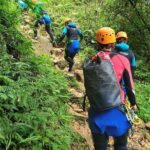
One drawback to plan for: the trek needs moderate fitness, and some routes can feel slippery, especially with rain or wet ground. You’ll also be in a homestay setting, so it’s not the kind of comfort you get from a city hotel room.
In This Review
- Key takeaways before you go
- Sapa in 2 days: Muong Hoa valley with fewer wrong turns
- Homestay dinner and a cooking class you’ll want to recreate
- Day two trekking: villages, bamboo, and waterfall time
- How the small-group size and guides change the experience
- Hotel pickup, air-conditioned transport, and the ride back to town
- Price and value: what $59 actually covers
- What to pack for Sapa trekking and night in a family home
- Culture etiquette: how to get the most from a homestay
- Who this tour is best for
- Should you book this 2-day Sapa trek with homestay?
- FAQ
- What meals are included in the 2-day Sapa trek and homestay?
- Does the tour include hotel pickup and drop-off?
- How physically demanding is this trek?
- What should I bring for the weather in Sapa?
- Are drinks like soda or coffee included?
- Can I cancel and get a refund?
Key takeaways before you go
- Muong Hoa valley walks at a comfortable pace, guided so you don’t have to figure things out
- Small-group feel (capped tightly) with hotel pickup and drop-off included
- Cooking class + family dinner as a real cultural moment, not a photo stop
- Homestay overnight where meals and daily life are part of the schedule
- Village variety on day two, including places like Ta Ta Phin and Lao Chai in common routes
Sapa in 2 days: Muong Hoa valley with fewer wrong turns
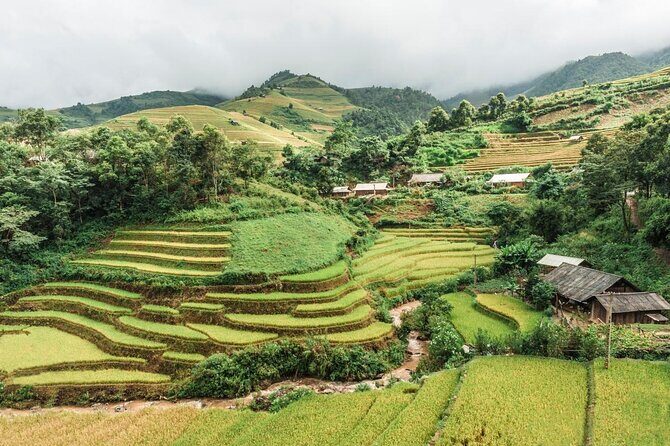
Sapa can overwhelm first-timers. Too many trails, too many viewpoints, and not enough time to learn what you’re actually looking at. This kind of trek works because you’re moving with a guide and a plan, so you spend your energy on the scenery and the villages, not on figuring out where the path goes next.
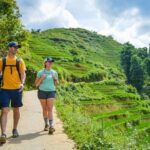
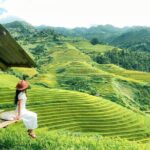
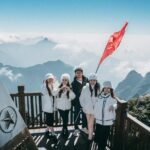
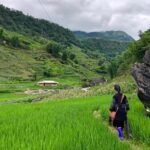
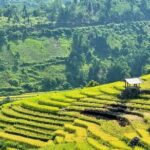
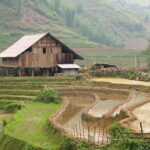
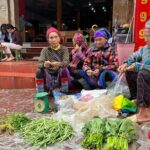
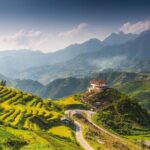
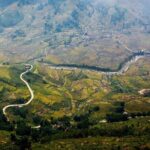
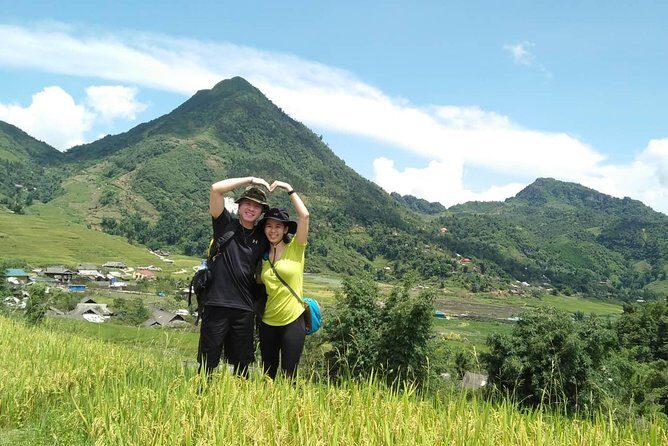
On day one, the walking centers around Muong Hoa valley and its rice terraces. Think long mountain views and stepped fields that change character as you walk through them. The pace is set so you can actually notice details—how people farm, how the trail connects small communities, and what daily life looks like just beyond the town.
If you’re worried about getting bored on a trek, you won’t. The rhythm here tends to mix gentle trekking stretches with village moments and then a big cultural payoff at night. It’s the kind of structure that keeps you from feeling rushed or stuck.
You can also read our reviews of more hiking tours in Sapa

Homestay dinner and a cooking class you’ll want to recreate
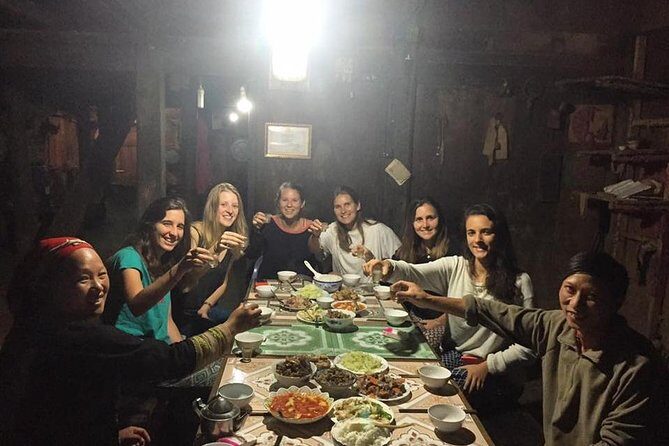
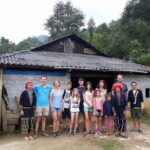
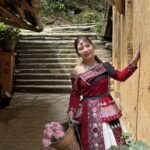
The best part of this trip isn’t just that you sleep in a traditional home. It’s that your day includes a hands-on cooking class led by a local family, followed by dinner shared with them.
That sequence matters. If the cooking only happens at the start, it feels like a workshop. If it happens after dinner, it can feel too late to be meaningful. Here, it becomes the bridge between what you learn and what you taste. You’re more likely to remember flavors and methods because you’re involved in the steps, not only watching.
The next piece is the overnight itself. Breakfast is included the following morning, which means you wake up in the same home context you visited the night before. Homestays vary by family and setup, so it helps to keep expectations realistic. This is about connection and local life, not hotel amenities.
One extra note from the guide style you’ll often see with this kind of tour: the better guides don’t just translate. They explain how ethnic communities organize daily life and what certain traditions mean for the family.
Day two trekking: villages, bamboo, and waterfall time
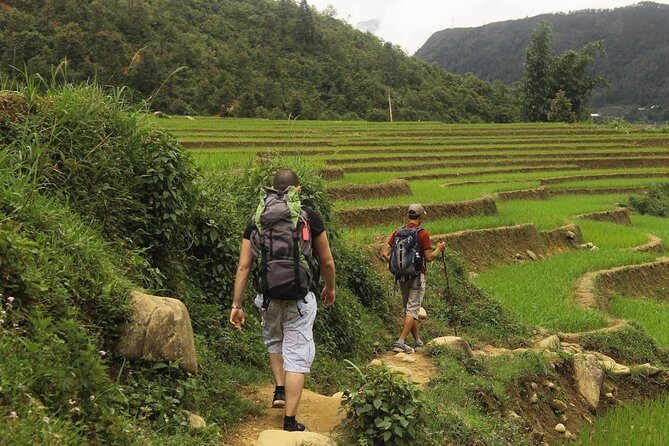
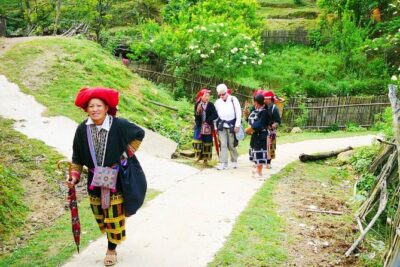
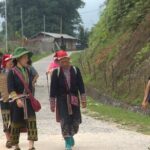
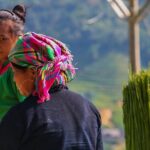
Day two is where the route often expands beyond Muong Hoa valley. In commonly reported routes, you can expect village visiting around places like Ta Ta Phin and Lao Chai. Those names matter because they’re tied to ethnic communities you’ll meet on the walk—not just distant viewpoints on a map.
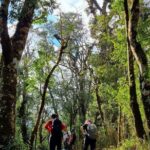
You may also see classic Sapa trek variety on this second day: bamboo forest sections, waterfalls, and open rice fields where farming stays central to the scenery. Some groups even mention getting water time, including swimming in a waterfall. If that’s something you like, pack like you might actually use it, not just look at it.
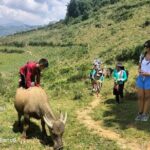
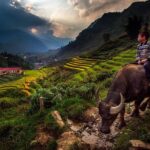
Even when the terrain isn’t dramatic, these walks are about variety of scenes and people. You’ll encounter everyday farm animals too—cows, chickens, ducks, and the slower presence of water buffalo that can make the area feel grounded and real.
How the small-group size and guides change the experience
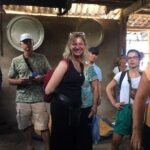
This is a small-group tour, and the cap is kept tight—listed as limited to 14, with a maximum of 10 noted for this activity. Either way, the group stays small enough that you’re not swallowed by a crowd. That makes a difference for two big reasons: questions don’t get lost, and the guide can adjust the pace to the group’s comfort level.
Guide quality is repeatedly part of the positive pattern. Names that show up often include Nhu, Chai, Thao nhu, Khu, and Sai. What connects these mentions is not fancy storytelling, but clear communication and friendliness. English is specifically praised in a few of the comments, which helps a lot when you’re learning what you’re seeing and why it matters locally.
You’ll also feel the benefit of guidance on the ground. Sapa trekking is pretty easy to mess up if you wander without local knowledge. Here, you’re hiking without the constant worry of getting lost, and you can focus on what you came for.
Hotel pickup, air-conditioned transport, and the ride back to town
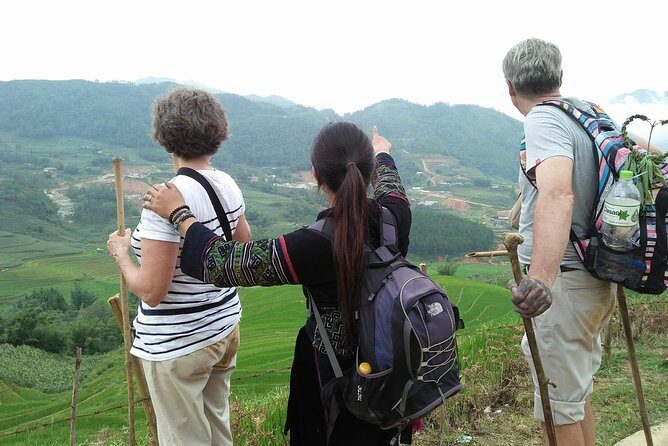
Logistics can make or break a short trek, and this one handles the basics for you.
You start at Nomadtrails Boutique Hotel on Tue Tinh in Sapa, with a 9:00 am start. The activity includes hotel pickup and drop-off, and you’ll use an air-conditioned vehicle as part of the moving-around pieces of the schedule. After the trek, you return to the Sapa center area by bus.
There’s one simple practical tip here: arrive about 15 minutes early at the meeting point. In mountain towns, drivers and schedules can shift, and early arrival keeps you from having to rush at the start.
You can also read our reviews of more tours and experiences in Sapa
Price and value: what $59 actually covers
At $59 per person, this tour isn’t priced like a minimalist walking day. It includes real “hard costs” that add up fast in Sapa: homestay lodging for one night, multiple meals, and transportation support.
Here’s what’s included:
- Lunch (2 times) at local restaurants
- Dinner with a local family
- Breakfast in the homestay
- Mineral water (a small bottle per person per day)
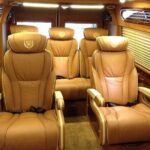
- Air-conditioned vehicle transport
- Bus back to the Sapa center
- Admission ticket listed as free
- 1 night homestay accommodation
What’s not included is also important:
- Beverages
- Travel insurance
- VAT
- Personal expenses
So the value angle is clear: you’re paying for a guided trek plus overnight cultural hosting plus meals, not just “walking time.” If you tend to spend extra on drinks and snacks during travel, you’ll want a little cash aside so you’re not stuck when you want a cold water, soda, or coffee.
What to pack for Sapa trekking and night in a family home
Sapa weather changes fast. Even if the trek is well planned, your comfort depends on what you bring.
Warm clothes are recommended from October to March. For footwear, don’t gamble with shoes that are fine on pavement. Bring trekking shoes with grip because some paths can feel slippery. The same goes for insects and sun: pack insect repellent and sun cream, plus sunglasses.
For clothing at night, bring a set you’re comfortable wearing in a homestay setting. Also bring clothes that match what you’ll do during the trek—light layers that you can adjust as you walk.
And yes, bring a current valid passport on the day of travel.
Culture etiquette: how to get the most from a homestay
The homestay part is the heart of the tour, so you’ll want to treat it that way. A respectful approach goes a long way: be calm, be polite, and follow cues from your guide and the family.
Practical mindset shift: you’re not touring a museum. You’re stepping into someone’s home rhythm. That means being flexible about timing, noise level, and where you sit or walk during shared moments.
If you approach it like that, the experience turns into something more personal than most short treks. And if you go in expecting hotel-style service, you’ll feel disappointed.
Who this tour is best for
This tour fits best if you want a guided introduction to Sapa that balances scenery with culture.
You’ll likely enjoy it if:
- You’re a first-time visitor and want a clear plan instead of trail decisions
- You like trekking but want a moderate, manageable level of effort
- You care about food and culture enough to do more than take pictures
- You’re comfortable spending one night in a homestay home setting
You might want a different option if:
- You want lots of downtime in a modern hotel
- You prefer very flat, low-risk walking only
- You hate the idea of basic overnight living arrangements, even if they’re warm and welcoming
Should you book this 2-day Sapa trek with homestay?
If you’re choosing between a plain day hike and a cultural trek with overnight hosting, I’d book this style of tour. The mix is strong: Muong Hoa valley trekking, a hands-on cooking class, family dinner, and a homestay night are a complete story arc in just two days.
It’s also a good bet because the small-group format and guide communication show up again and again in the feedback pattern. Names like Nhu, Chai, Thao nhu, Khu, and Sai are repeatedly linked with friendly guidance, and that matters when you’re trying to understand what you see on the trail.
Book it if you want a thoughtful first taste of Sapa rather than a rushed highlight reel. Just go prepared for moderate hiking effort and a simple, family-hosted night.
FAQ
What meals are included in the 2-day Sapa trek and homestay?
You’ll have lunch twice at local restaurants, dinner with a local family, and breakfast at the homestay. Mineral water is also included per person each day. Beverages are listed as not included.
Does the tour include hotel pickup and drop-off?
Yes. Hotel pickup and drop-off are included, and the tour starts at Nomadtrails Boutique Hotel on Tue Tinh, Sapa. It ends back at the meeting point.
How physically demanding is this trek?
It’s recommended for travelers with moderate physical fitness. Trekking shoes are advised, and you should be ready for conditions that can feel slippery.
What should I bring for the weather in Sapa?
Warm clothes are recommended for Sa Pa from October to March. You should also bring trekking shoes, sunglasses, sun cream, insect repellent, and clothes for the night.
Are drinks like soda or coffee included?
No. Beverages are listed as not included, so plan to cover those as personal expenses.
Can I cancel and get a refund?
Yes. You can cancel up to 24 hours in advance for a full refund. If you cancel less than 24 hours before the start time, the paid amount is not refunded.