REVIEW · SAPA
Sapa Mountain View and Villages Trek
Book on Viator →Operated by Sapa Trekking Hiking Tours · Bookable on Viator
Wooden houses, big views.
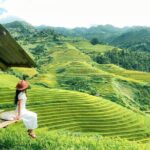
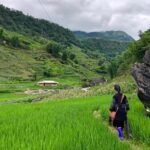
This Sapa Mountain View and Villages Trek pairs panoramic overlooks of Sapa town and the Muong Hoa valley with time in Hmong villages where you can see daily life up close. I like that the day is designed around walking downhill through terraces and fields, so the scenery changes fast. You’ll also get a better sense of why local homes and village life look the way they do when you’re standing on a mountainside.
I especially like the people-and-explanations part. The local guide (Gio is a great example from past guests) is patient with your pace, takes breaks when needed, and can explain things clearly in English. One consideration: the trek depends on good weather, and you’ll want a moderate fitness level since it involves downhill hiking on uneven ground.
In This Review
- Key highlights before you go
- Why this trek feels different from a basic sightseeing loop
- Sapa to the valley: what the walking day actually looks like
- Hau Thao and Hang Da: panoramic Muong Hoa views with village logic
- Giang Ta Chai Village: Hmong life by the Muong Hoa river
- Price and value: what $35 buys you in a 6-hour day
- The guide makes the tour: what you can expect from Gio-style pacing
- Pickup, mobile tickets, and how to plan your day
- Weather matters in Sapa: how it affects your comfort and photos
- Who should book this trek
- Tips to get the most from Hau Thao and the downhill sections
- Should you book the Sapa Mountain View and Villages Trek?
- FAQ
- FAQ
- Where does the tour start?
- What time does the trek begin?
- How long is the Sapa Mountain View and Villages Trek?
- Is pickup offered?
- What is included in the $35 price?
- What is not included?
- What fitness level do I need?
- What happens if the weather is bad?
- What if I need to cancel?
Key highlights before you go
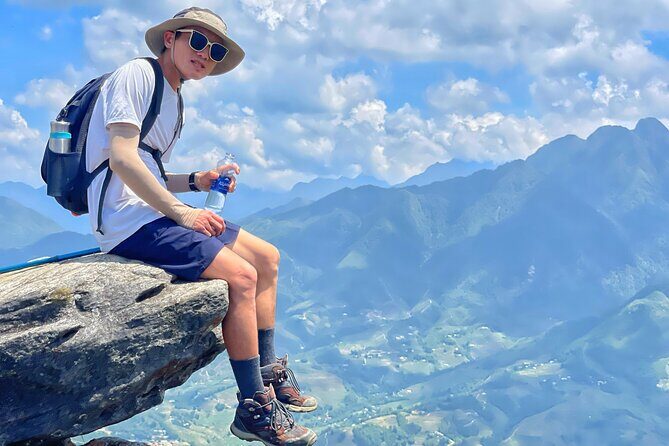
- Muong Hoa valley views from high ground with terraces and villages spread below
- Hmong villages with real daily-life context, not just quick photo stops
- A guide who works at your pace (Gio’s patient, break-friendly style has stood out)
- Lunch + transportation back to Sapa included, so you don’t manage logistics all day
- Small groups (max 15), which helps the tour feel easier to follow
Why this trek feels different from a basic sightseeing loop
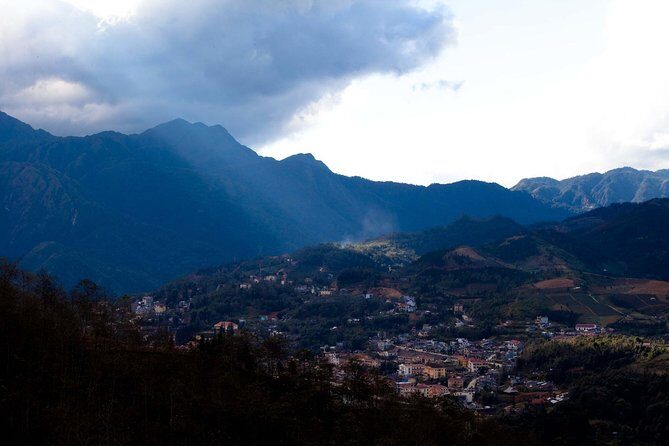
Sapa can be tour-heavy, with everyone rushing between viewpoints. This one feels more like a slow, purposeful descent: you start high, then you work your way down toward the Muong Hoa valley, with villages and fields along the way.
What makes it interesting is how the scenery connects to daily life. From the mountainside, rice fields, corn, and traditional houses appear in front of you. Then, as you move closer to the villages, you begin to understand the logic behind the look of the homes and how people live in this terrain. It’s the kind of “oh, that makes sense” moment you usually only get when you’re physically at the right height.
You also get multiple cultural stops tied to the land itself. The Hmong villages here aren’t just places to pass through. The tour’s structure builds toward viewpoints and then villages along the Muong Hoa river corridor, so you get both the view and the context.
You can also read our reviews of more hiking tours in Sapa


Sapa to the valley: what the walking day actually looks like
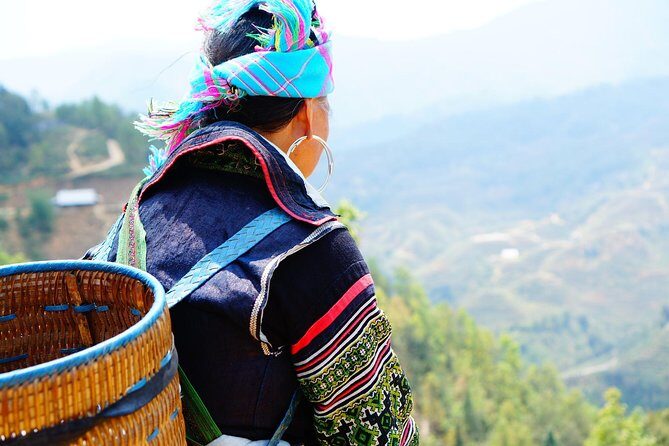
The day runs about 6 hours, starting at 9:00 am. You meet at Sapa Church (P. Hàm Rồng, TT. Sa Pa, Sa Pa, Lào Cai 333100). Pickup is offered, which can save you time if you’re staying around the town center.
In a schedule like this, timing matters. You’ll want to show up ready to move because the trek includes downhill sections. Downhill hiking can feel easier than uphill until you’re dealing with rocks, mud, or slippery paths after fog and mist. The tour is built for a moderate fitness level, so it’s not a power-hike, but you should still expect to walk steadily for much of the morning/afternoon.
Also, there’s a strong sense of progression: from high-mountain perspective to village life in the valley. If you like tours where the day has a rhythm instead of random stops, you’ll probably enjoy how this one flows.
Hau Thao and Hang Da: panoramic Muong Hoa views with village logic
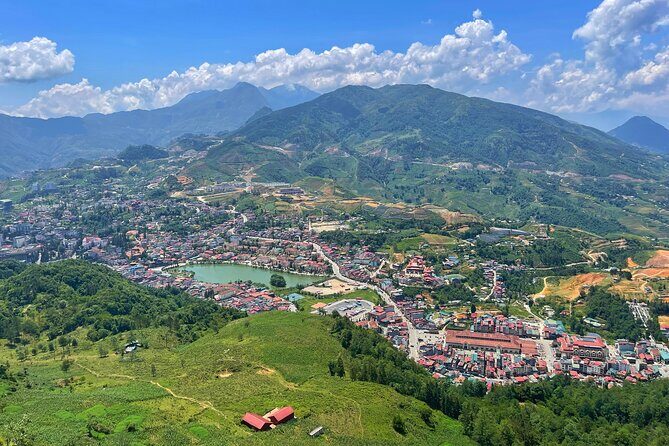
Your first major stop is Hau Thao, with a route that starts downhill into the Muong Hoa valley area. Before you head downhill, there’s lunch in the day’s flow, and then you visit Hang Da as part of that descent.
This is a good section for two reasons.
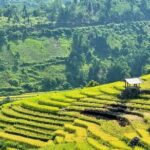
First, the views. From higher ground, Muong Hoa valley opens up with villages and terraced fields. When you can see the layers of farming and the scatter of homes below, you quickly grasp how the area is organized around slopes and water access.
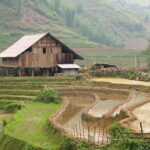
Second, the “why” behind the homes. You’ll notice how the terrain shapes daily life. The tour specifically points out how the height of the terrain helps you understand why houses are smaller and made of wood. Even if you’ve seen stilted or compact structures in other mountain regions, the explanation lands better when you’re standing above the village and looking down at how people built for the conditions.
A realistic drawback here: this segment is where downhill walking can feel most demanding. Even if you take it slow, downhill tends to stress knees and calves. If you’re prone to foot fatigue, wear shoes with good grip and plan on taking breaks when the guide suggests them.
Giang Ta Chai Village: Hmong life by the Muong Hoa river
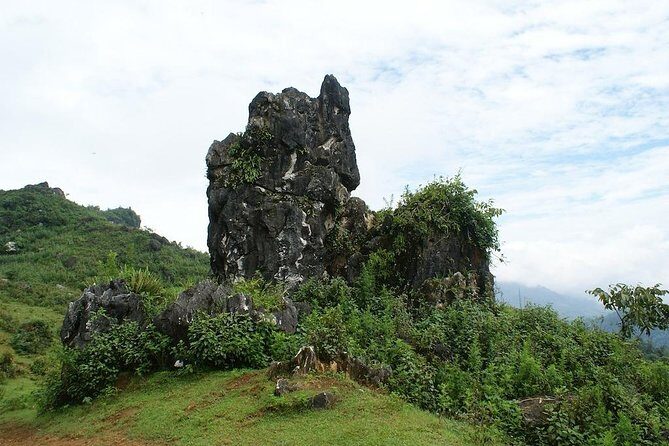
After Hang Da, you continue on to Giang Ta Chai village, a small Hmong settlement on the Muong Hoa river. This part is framed as both walking and learning.
The guide will explain topography and culture, and there’s also a specific discussion about the establishment of Sapa tourist resort. That’s a helpful piece of context because it shifts the conversation away from only traditions and scenery and toward how the modern Sapa tourism story grew in the same region.
The river location also matters for understanding the villages. When water runs through the route you’re traveling, you start to see how the land supports farming and settlement. The tour’s emphasis on fields and terraced farming earlier becomes more grounded here because you’re no longer only looking at the view from above—you’re moving through the same corridor that supports daily routines.
The other practical win: after this village stop, you head back to Sapa by car. So you get a genuine village experience without having to spend the whole day hiking back uphill.
Price and value: what $35 buys you in a 6-hour day
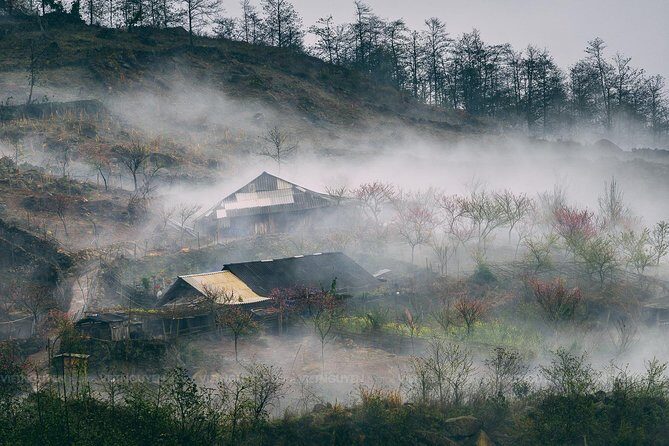
At $35 for about 6 hours, this tour competes well for value in Sapa. The big reason is what’s bundled in.
Included in the price:
- Village entry fees
- A local guide
- Lunch
- Transportation back to Sapa
- One small bottle of water
That package can save you money and stress versus piecing together transport, paying for entry separately, and figuring out lunch on the fly. It’s also a smarter use of time: with transport handled, you’re free to focus on the walking and the village stops instead of planning the return.
One more value note: group size is capped at 15 travelers, which tends to make the pacing feel more human. In small groups, you’re less likely to get swept along by a crowd, and breaks can happen naturally. If you care about not feeling rushed, that detail matters.

The guide makes the tour: what you can expect from Gio-style pacing
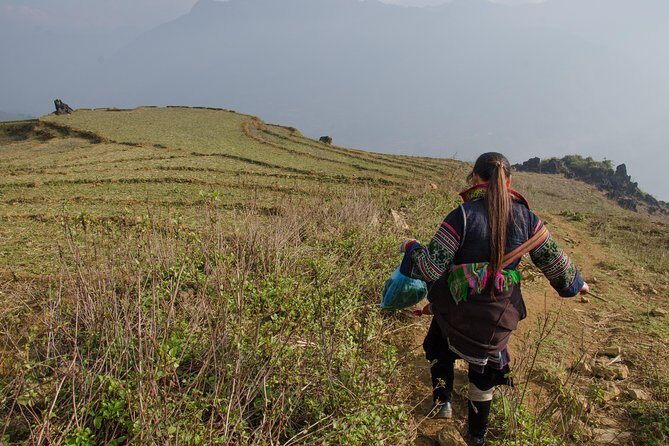
One of the most praised parts of this experience is the guide. Past guests have highlighted Gio’s English ability and his helpful, patient style, including being ready with multiple breaks and keeping the conversation going in a friendly way.
That matters more than it sounds. When you’re walking downhill, you often need short pauses just to steady yourself and catch breath. A guide who understands that pace beats pressure turns the trek from a slog into a steady walk where you can look around and actually absorb what you’re seeing.
So when you book, think of the guide not just as someone holding a map. Here, the guide is the interpreter for the whole day: the houses, the terrain, the village choices, and the way the valley supports life.
Pickup, mobile tickets, and how to plan your day
Pickup is offered, and the tour uses a mobile ticket. Those two details help if you want an easier start: you’re not scrambling at the last minute for paper tickets or hunting down the right bus.
You still want to plan around the start time. Meeting is at Sapa Church at 9:00 am. Even if pickup is available, arriving a little early reduces stress and helps you start walking on schedule.
The tour ends back at the meeting point, so you’re not navigating a long return route after you’re tired. That’s a quiet but real convenience for a day that combines walking and village visits.
Weather matters in Sapa: how it affects your comfort and photos
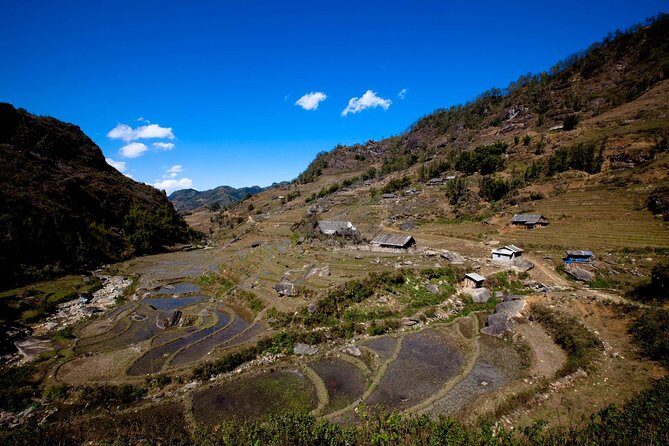
This experience requires good weather. In practice, that means fog and rain can reduce visibility and make paths more slippery. Since the trek includes panoramic valley viewpoints, you’ll want those breaks in the clouds to get the most out of the high-ground perspective.
It also means you should come prepared for quick changes. Even when it looks clear in town, mountain conditions can shift. Dress in layers, bring a rain shell if you have one, and consider grippy footwear.
If the operator cancels due to poor weather, you’ll be offered a different date or a full refund. That flexibility is worth something in Sapa, where conditions can turn quickly.
Who should book this trek
This trek is a strong match if you want:
- Mountain views plus village visits, in the same day
- A guided explanation of Hmong village life and the terrain
- A moderate level of walking without committing to an all-day strenuous hike
- A small-group experience (max 15) that doesn’t feel chaotic
It’s also good for people who like learning while moving, not just standing at a viewpoint with no context. The tour gives you both: the terraces and homes you can see, and the reasons behind what you’re looking at.
Tips to get the most from Hau Thao and the downhill sections
You’ll enjoy the day more if you’re comfortable on uneven paths, especially downhill. Here’s how to set yourself up:
- Wear shoes with solid traction for slippery ground
- Bring light layers for cool mountain air, then adjust as you move
- Plan to take breaks when needed. A patient guide style like Gio’s can help you keep a calm pace
- Keep some space in your day for lunch timing. The itinerary includes lunch before the Hau Thao/Hang Da descent section, so don’t assume you’ll eat only at the end
If you’re sensitive to knee strain, consider doing your own mini-routine: slower steps, shorter strides, and frequent pauses. It’s not about speed. It’s about staying steady and enjoying the view.
Should you book the Sapa Mountain View and Villages Trek?
If you want a value-packed, guided trek that connects Muong Hoa valley panoramas with Hmong village life, this is an easy yes. The combination of village entry fees, lunch, a local guide, and transport back to Sapa makes the $35 price feel grounded and practical, not pie-in-the-sky.
Book it if:
- You’re aiming for real cultural context while walking
- You like small groups and pacing that doesn’t bully you into rushing
- Weather is likely to cooperate during your Sapa stay
Skip or think twice if:
- You’re worried about downhill walking on uneven ground
- You’d be disappointed if fog or mist blocks the panoramic parts (this tour does require good weather)
FAQ
FAQ
Where does the tour start?
The tour starts at Sapa Church (P. Hàm Rồng, TT. Sa Pa, Sa Pa, Lào Cai 333100, Vietnam).
What time does the trek begin?
The start time is 9:00 am.
How long is the Sapa Mountain View and Villages Trek?
It’s approximately 6 hours.
Is pickup offered?
Yes, pickup is offered.
What is included in the $35 price?
The price includes village entry fees, a local guide, lunch, transportation back to Sapa, and 1 small bottle of water.
What is not included?
Not included are personal travel insurance, extra drinks (like bottled water or beer) at restaurants, and tips for the tour guide and driver.
What fitness level do I need?
You should have a moderate physical fitness level.
What happens if the weather is bad?
This experience requires good weather. If it’s canceled due to poor weather, you’ll be offered a different date or a full refund.
What if I need to cancel?
Cancellation is free. You can cancel up to 24 hours in advance for a full refund.