REVIEW · SAPA
A day Trek to Rice Field in LaoChai-Tavan village-MuongHoa valley
Book on Viator →Operated by Sapa Original Trek · Bookable on Viator
Rice terraces start right above town. This 6-hour Muong Hoa Valley day trek takes you from the Hmong villages around Y Linh Ho down through rice terraces and scenic viewpoints, then on to Lao Chai and Ta Van. You get the slow-travel feel without getting lost in the details.
I especially like the English-speaking local guides who handle the day with calm confidence (you may even meet guides like Sing, Zing, Ms May, Mo Mo, Ms Mo, or Mr Sinh, based on past bookings). Another big plus is the flexible walking style—pacing and route choices can adjust to weather and your comfort level. The one thing to consider: you still walk about 11–12 km with 200–300m of elevation, so good shoes matter, and rain can make the paths slick.
In This Review
- Key Highlights You Should Know
- A 6-Hour Muong Hoa Valley Day Trek: What You’re Getting
- Starting at 9:00 AM: Pickup, Time on Foot, and Difficulty
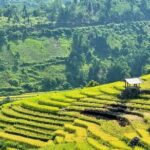
- The First Big Payoff: Y Linh Ho and the Flower Valley Rice Terraces
- Village Time That Feels Human: Visiting a Local House
- Lao Chai and Ta Van: Rice, Routes, and Ethnic Culture
- Lunch, Water, and Getting Back to Sapa Town
- Price and Value at $34 per Person
- What to Pack for This Easy-Medium Trek (Rain Included)
- Who This Trek Suits Best (and Who Might Want a Different Route)
- Should You Book This Muong Hoa Rice Terrace Trek?
- FAQ
- What time does the trek start, and how long is it?
- How far do we walk, and is it difficult?
- Are English-speaking guides provided?
- Is lunch included, and can dietary needs be handled?
- Which villages and areas will we visit?
- Do you offer pickup and transport back to Sapa?
- What’s the cancellation refund rule?
Key Highlights You Should Know
- English-speaking guides who adapt the pace and route to weather and your interests
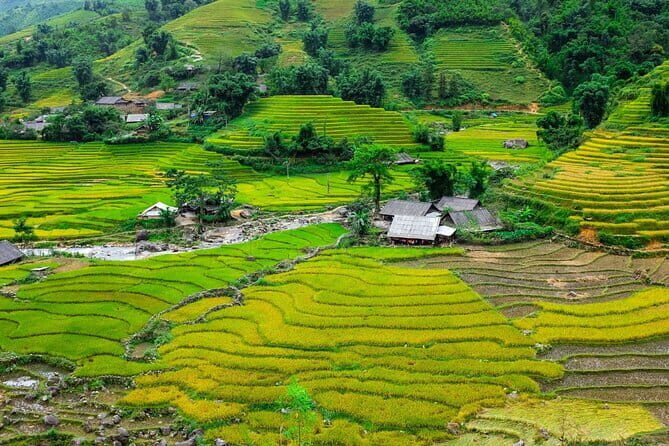
- Y Linh Ho rice terraces plus mountain-and-valley viewpoints that feel truly Sapa
- House visits and village time where you can see daily life up close
- Lao Chai and Ta Van stops that keep the trek varied, not just one long trail
- Lunch, water, and the ride back handled for you, so you can focus on walking and photos
A 6-Hour Muong Hoa Valley Day Trek: What You’re Getting
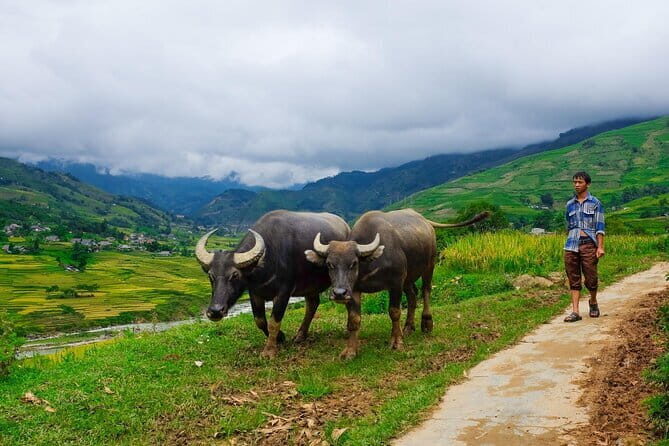
This is a straightforward Sapa trek day with a real focus: rice terraces, ethnic village life, and viewpoint walking in the Muong Hoa Valley. The format is simple. You start in the morning, spend most of the day on a walking route through the valley, eat lunch, then return to Sapa by car.
What makes it appealing is the balance. You get enough hiking to feel like a proper trek (not a token stroll), but the effort stays in the easy-to-medium range. The plan is also built for getting your bearings quickly. Once you’re moving, you spend less time figuring out where to go and more time enjoying what’s right next to you: terrace steps, mountain slopes, and village paths.
Another practical win: this is a private setup for your group only. That can mean a more relaxed pace and fewer mix-ups with strangers in tight village lanes.
You can also read our reviews of more hiking tours in Sapa


Starting at 9:00 AM: Pickup, Time on Foot, and Difficulty
The day kicks off at 9:00 AM. Your guide picks you up from your hotel area in Sapa or from the operator office, then you move to the starting area. Timing matters in Sapa because weather changes fast. A morning start helps you get good light and reduces the risk of losing the best views to later cloud cover.
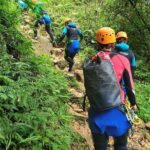
On paper, the trek is about 11–12 km with roughly 200–300m elevation. In plain language: it’s not flat. You’ll notice changes in slope, and you’ll feel the climb and descent in your legs. The pace is generally manageable, and the reviews reflect that guides will adjust the path based on your comfort and conditions.
If you want to plan your expectations, think of it like this: you’ll walk a full morning and part of the afternoon, with lunch in the middle and transport back afterward. You’re not racing to tick off villages. You’re doing a meaningful walk through the valley’s main highlights.
The First Big Payoff: Y Linh Ho and the Flower Valley Rice Terraces
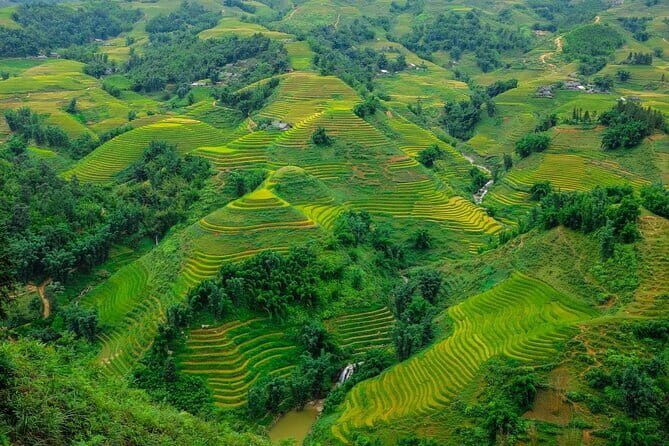
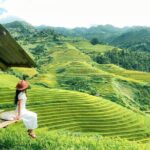
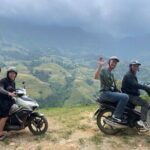
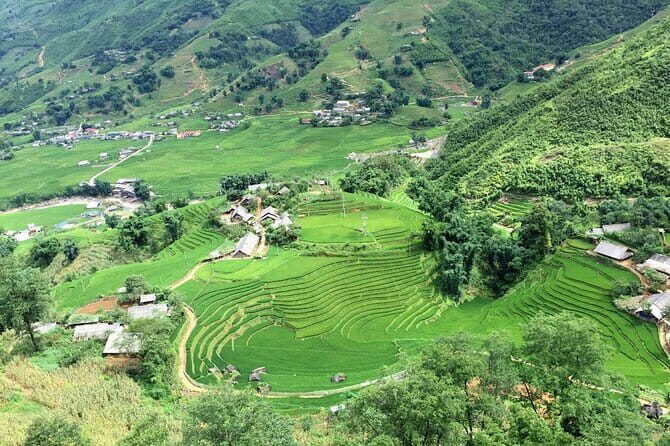
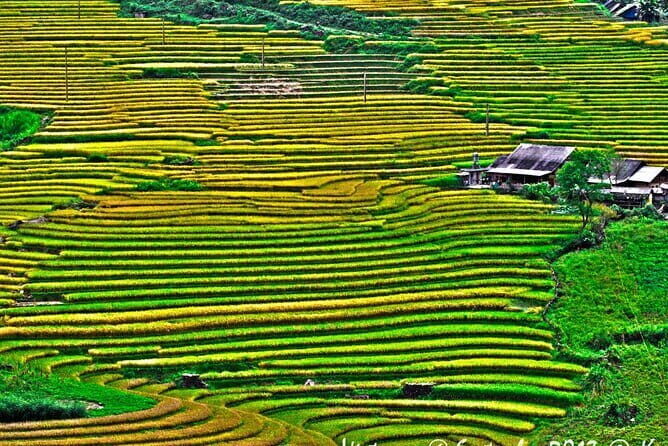
The core of the experience starts at Y Linh Ho in the Muong Hoa area. From here, you head through rice terrace scenery that many people rank among the best in the region. This is one of those places where the views don’t just sit at the end of the trail. You get them repeatedly—ridge lines, terrace angles, and the valley stretching out as you move.
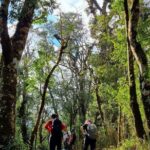
The walking route runs along mountains and valley edges. That means you get a lot of “change every few minutes” visuals. One minute you’re looking across terraces; the next you’re watching the terrain guide your feet downward. It’s the kind of hiking where you stop for photos without turning it into a photo contest.
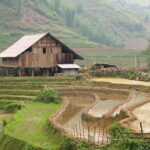
You’ll also get valley context through village life. Rice terraces here aren’t a backdrop—they’re part of how people live and work. Even if you don’t talk much, you can see how the terraces shape paths, houses, and daily routines.
If it’s foggy or rainy, the scenery can still be great, just different. The important point: you’ll be outside. So plan for weather and take footwear seriously.
Village Time That Feels Human: Visiting a Local House
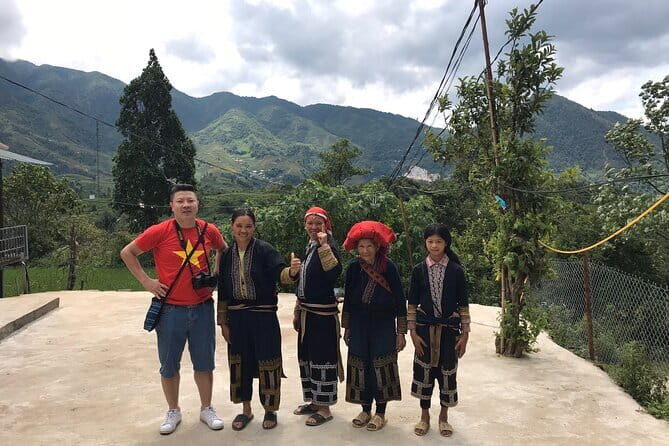
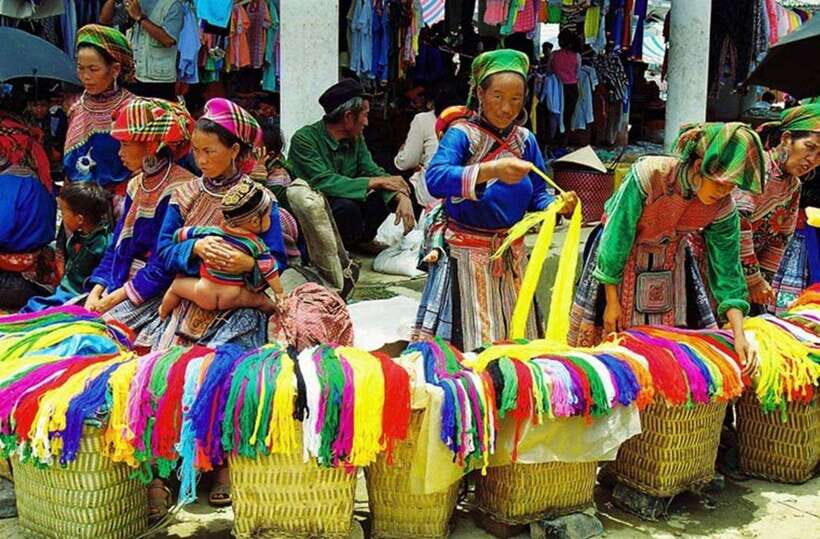
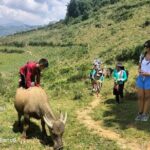
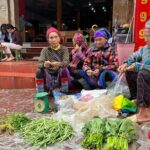
A big part of why this trek works is that you don’t just pass by villages like a bus window. You get a visit to a local house and time to meet villagers. This is where the day shifts from scenery to culture.
What you’re looking for here is daily life, not a staged show. Expect conversations to be guided by your local English-speaking host, with explanations that help you understand what you’re seeing—how homes connect to farming, how people move through terrace paths, and what everyday routines look like in the valley.
Past guests specifically praised guides for being caring and attentive, especially when weather turned wet. One review noted how the guide checked whether everyone was okay after rain and worried about catching colds. That’s a small detail, but it matters. It tells you the guide isn’t just leading; they’re watching out for the group.
Lao Chai and Ta Van: Rice, Routes, and Ethnic Culture

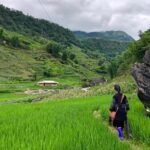
After the Y Linh Ho segment, the trek continues toward Lao Chai and Ta Van. These are well-known names in Sapa trekking because they represent the ethnic communities that shaped the valley’s farming landscape. The route also helps you see variety: terrace patterns change, village settings differ slightly, and the walking surfaces feel different as you move.
One reason this part gets recommended is that guides often keep the route flexible. In reviews, you’ll see mention of choosing paths based on interests and ability, and even deciding between road-like tracks and more natural hiking routes. That’s a real quality signal. It means you’re not stuck with one rigid schedule if conditions aren’t ideal.
Also, because this is a private tour, you can usually maintain your own pace more easily. If your group likes photos, you can slow down. If you want to get moving, you can keep the momentum. In a valley with lots of stepping stones and terrace crossings, that flexibility helps a lot.
Lunch, Water, and Getting Back to Sapa Town
This day trek is designed to keep logistics low-stress. Lunch is included, and you also get 0.5 liter of water per person. Entrance fees and the village-related costs are also covered, so you’re not constantly stopping to pay small add-ons.
You’ll also get transport back to Sapa town from the village area. That matters because after 11–12 km of walking, the last thing you want is scrambling for rides or trying to negotiate transport late in the afternoon. The plan keeps you on the trail longer and off the chaos shorter.
If you have dietary restrictions, the operator notes they can accommodate options if you tell them in advance (vegetarian, vegan, gluten-free, or other requirements). That’s important on a trek day because lunch is the one meal you can’t easily replace with a quick convenience stop.
Price and Value at $34 per Person
At $34 per person, this is priced like a serious guided day trip, not a budget-only walking tour. Here’s what you’re paying for, in practical terms:
- An English-speaking guide with local experience
- Lunch and water
- Entrance fees
- Transport back to Sapa town
- A route covering major valley sections and key village areas
When you add those up, $34 starts to make sense. In Sapa, a lot of “cheap treks” fail the reality check once you include guide time, village access, and a meal. This one is bundled. That’s usually better value for first-time visitors who don’t want to piece it together on their own.
Also, there’s group discount potential. If you’re traveling with friends, ask about options when booking. Private trekking is already a calmer setup, and discounts can make it even easier to justify.
What to Pack for This Easy-Medium Trek (Rain Included)
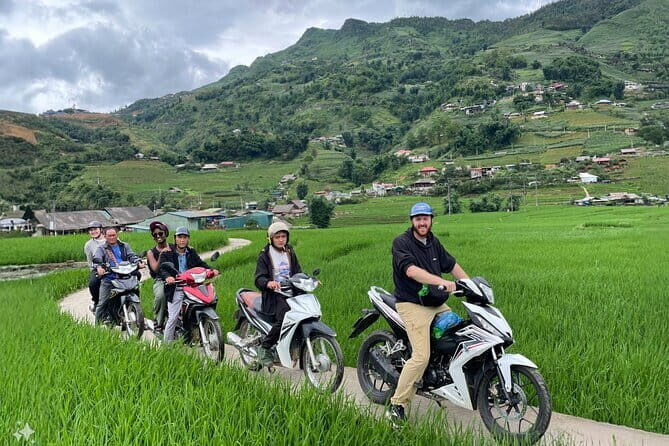
This is not a casual park walk. It’s a mountain valley trek with slopes and paths that can turn slick.
Based on real guest experiences, I’d treat footwear and rain gear like a non-negotiable:
- Waterproof shoes or boots (galoshes were specifically mentioned as needed)
- Rain protection (poncho or light rain jacket)
- A small daypack for essentials
- Sunscreen and sunglasses, if the morning is clear
If you’re sensitive to cool, damp weather, bring a layer you can throw on during breaks. One of the strongest guide stories here is how carefully guides look after guests when it rains. You’ll still feel better if you show up prepared.
One more small tip: bring a sense of timing. In rice terrace valleys, the best views often appear as you crest small rises or move toward a viewpoint. If you’re already running late or exhausted, you miss the “why” of the trek.
Who This Trek Suits Best (and Who Might Want a Different Route)
This trek suits you if you want:
- A guided rice terrace walk with village time
- A manageable day with real scenery and culture
- Flexibility in pacing based on comfort and weather
- Less hassle with transport and meals
It may be less ideal if:
- You hate uneven ground or slippery footing
- You want a zero-walking day (this is still 11–12 km)
- You need step-free routes. The itinerary includes walking down through valleys and between village areas, with natural trail conditions.
If you’re traveling as a couple, it can feel like a personal experience. If you’re traveling with a small group, the private setup helps keep everything smooth.
Should You Book This Muong Hoa Rice Terrace Trek?
Yes, you should book it if your goal is a full, scenic Sapa day without turning into an organized-chaos treadmill. The strong value is the bundle: guide + lunch + entrance + water + transport, all wrapped into one 6-hour schedule that hits the big Muong Hoa names—Y Linh Ho, Lao Chai, and Ta Van.
I’d only hesitate if you’re dealing with mobility issues, or if you know you struggle on wet, uneven paths. If that’s you, consider a shorter or more road-based option.
If you can handle an easy-to-medium hike, show up with waterproof shoes, and let the guide set a comfortable pace, this is the kind of Sapa trek that gives you both the terrace views and the village moments that make the day stick with you.
FAQ
What time does the trek start, and how long is it?
The experience starts at 9:00 AM and lasts about 6 hours (including walking, lunch, and transport).
How far do we walk, and is it difficult?
You’ll walk about 11–12 km with around 200–300m of elevation. The trek is rated easy to medium.
Are English-speaking guides provided?
Yes. The tour includes an English-speaking local guide.
Is lunch included, and can dietary needs be handled?
Lunch is included. If you’re vegetarian, vegan, gluten-free, or have other dietary requirements, you should let the operator know so they can try to accommodate.
Which villages and areas will we visit?
The route covers Muong Hoa Valley, including Y Linh Ho, Lao Chai, and Ta Van, plus a local house visit.
Do you offer pickup and transport back to Sapa?
Yes. The guide can pick you up from hotels around Sapa town or from the office area, and you get transport back to Sapa after the trek.
What’s the cancellation refund rule?
You can cancel for a full refund if you do it at least 24 hours before the experience’s start time. If you cancel less than 24 hours before, the amount you paid is not refunded.