REVIEW · SA PA
Sapa: Eco Adventure Terrace Fields and Local Villages Trek
Book on GetYourGuide →Operated by Da Nang Happy Tour · Bookable on GetYourGuide
Some days in Vietnam feel like a postcard.
This one feels like walking inside the postcard: Sapa’s rice terraces, streams, and village paths are the main event, and you also get real cultural context on Hmong and Dzay daily life. I especially like that it is guided by local ethnic guides such as Chai and Vu, who tend to bring crisp English plus practical details about what you are seeing. One consideration: this is a proper 10–12 km trek, and the first part can be muddy and slippery depending on recent rain.
I also like the timing and rhythm. You start at 9:00 AM with big valley views toward Fansipan Peak, then break up the day with village visits and a home-cooked lunch in Lao Chai Sang. Your biggest drawback is simply fit: the route is not designed for strollers, wheelchairs, or anyone who struggles on steep, uneven ground.
In This Review
- Key points worth knowing
- Why This Sapa Trek Feels More Real Than a Drive-By
- Meeting at Sapa Church and Setting the Day’s Pace
- Muong Hoa Valley Morning: Viewpoints Toward Fansipan Peak
- Y Linh Ho Village (Hmong): Crossing the Bridge Into Village Life
- Lunch in Lao Chai Sang: The Meal That Makes the Price Make Sense
- Lao Chai: Rice Work Depends on the Season, but the Rhythm Is the Same
- Ta Van Village (Dzay): Another Community, Another Side of Sapa
- Guides, Group Size, and Safety on Slippery Trails
- What to Bring for This 10–12 km Walk
- Timing and Weather: When Mist Helps and When It Frustrates
- Price and Value: Why This $27 Feels Fair
- Who Should Book This Trek (and Who Should Skip It)
- Should You Book This Sapa Trek?
- FAQ
- What time does the trek start?
- About how long is the tour?
- Where do I meet the guide?
- How far do we walk?
- Is lunch included?
- Does the tour include an English-speaking guide?
- Are entrance tickets included?
- What should I bring with me?
- Who is this trek not suitable for?
Key points worth knowing
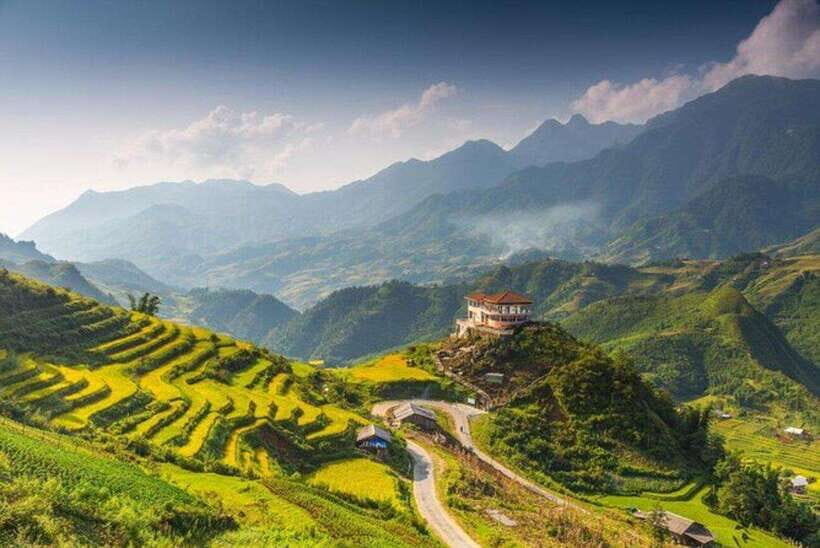
- Muong Hoa Valley rice-terrace walking, plus streams, wooden houses, and farmers in action
- Village stops including Y Linh Ho (Hmong) and Ta Van (Dzay)
- A real break at 12:30-ish: home-cooked lunch with a Hmong family in Lao Chai Sang
- Guides like Chai, Vu, Wu, Le, and others are frequently praised for English and keeping the group safe on slippery bits
- Plan for 10–12 km and bring the right shoes; some sections can be very muddy
Why This Sapa Trek Feels More Real Than a Drive-By
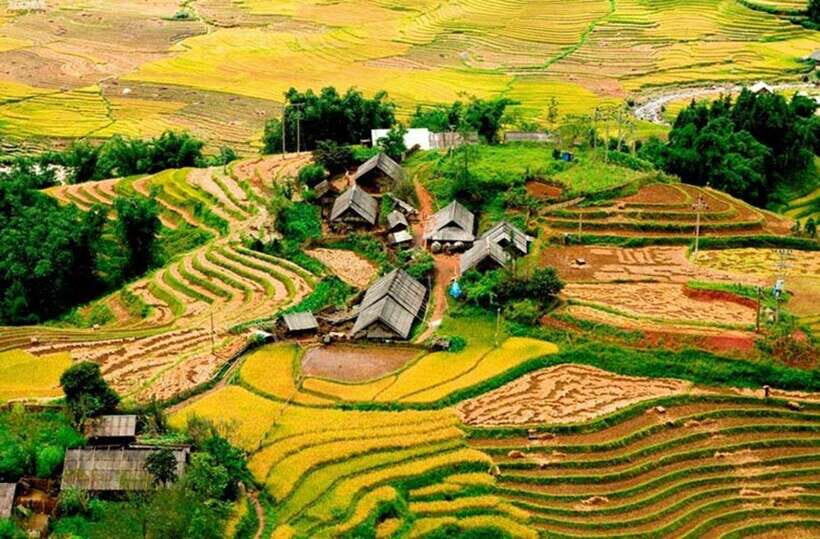
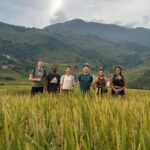
Sapa can be crowded fast. This trek is different because you move slowly, step by step, through the places locals actually work and live. You get morning views toward Fansipan Peak, then you keep walking through the Muong Hoa Valley where terrace layers stretch out around you and the sound of water shows up often. It is not just scenery; it is the working landscape behind the scenery.
Two things make this tour feel especially worth your time. First, you do not just pass through villages. You stop long enough to understand what matters to the Hmong and Dzay communities you meet. Second, the included meal is not a random set menu. You eat lunch with a local family in Lao Chai Sang, which gives the day a human center.
Now the fine print that matters: the trek is listed as about 10–12 kilometers. That does not automatically mean it is brutal. Reviews suggest it is often well-paced, but the terrain can be uneven, and the early trail can get slick. If you hate getting your shoes muddy, this may turn into a miserable day fast.
You can also read our reviews of more hiking tours in Sa Pa
Meeting at Sapa Church and Setting the Day’s Pace
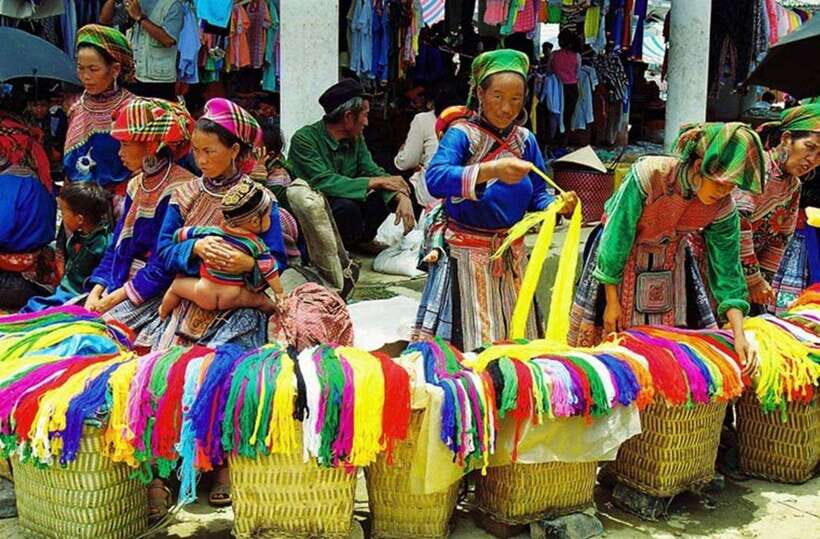
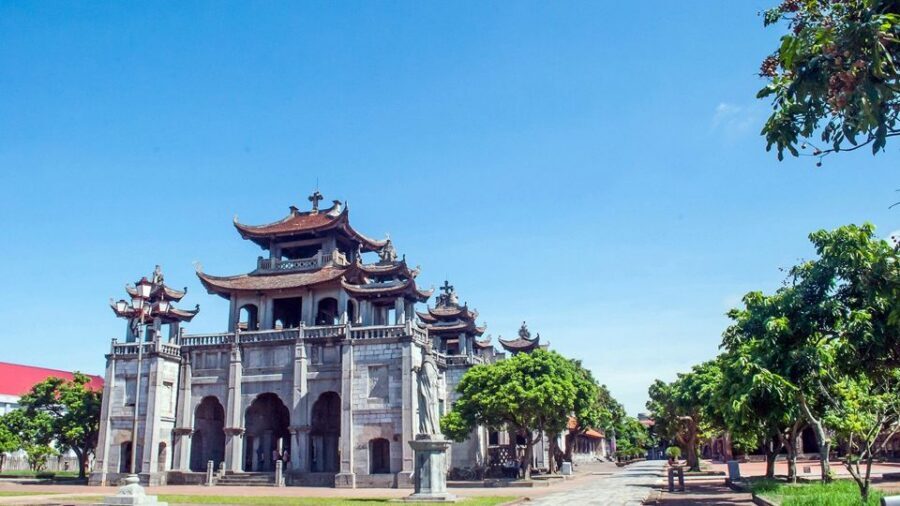
Your day begins at 9:00 AM. The meeting point is simple: in front of Sapa Church. If the operator asks you for a WhatsApp number, do it. For Sapa, that kind of quick contact helps you get lined up fast without hunting for the group.
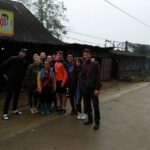
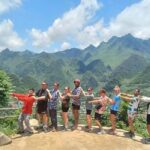
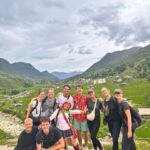
The group size is capped at 10 participants, which matters more than you might think. Smaller groups are easier to manage on uneven trails, and you typically get more time to ask questions without everyone standing in one long line. It also means the guide can adjust the pacing when someone needs a slower rhythm.
As for the day structure, it is built like a classic Sapa itinerary: start with views, walk into valley life, meet people, eat, then keep walking through more villages before heading back to town around 3:30 PM (approx.). You finish with enough daylight to feel like you actually got something done, not just a quick sightseeing loop.
Muong Hoa Valley Morning: Viewpoints Toward Fansipan Peak
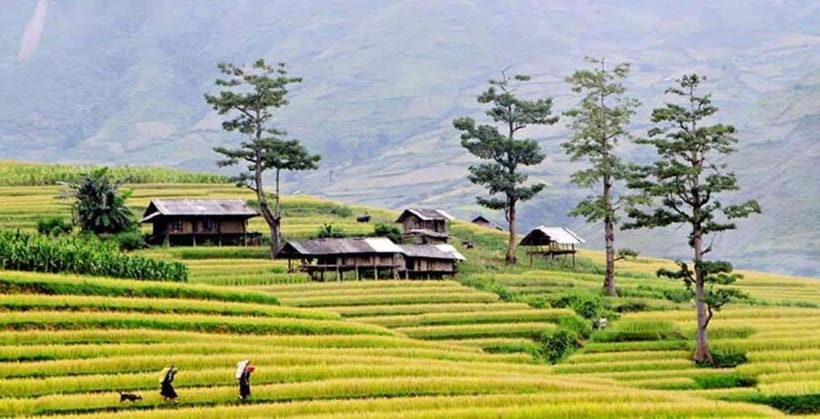
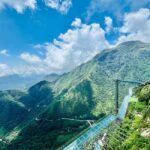
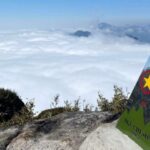
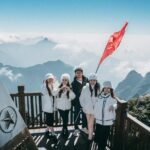
The trek’s first big payoff is the viewpoint early on. After meeting at Sapa Church, you head to a small hill outlook where you can admire sweeping valley views toward Fansipan Peak. Even if fog rolls in, this still helps you get oriented. Once you know where the mountains are, later views make more sense.
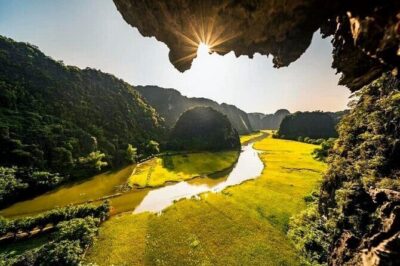
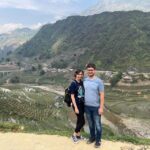
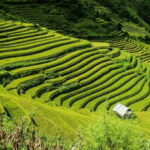
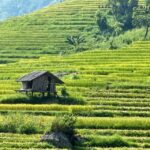
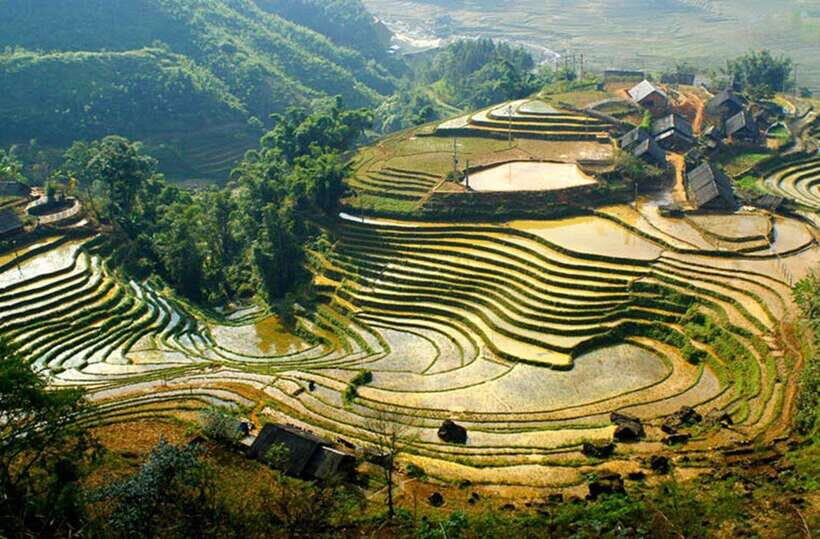
From there, you walk into the Muong Hoa Valley, described as famous for its layered rice terraces and dramatic mountain scenery. Practically, this means you are often walking along paths that curve with the terraces. You will see meandering streams, farmers working their fields, and the kind of wooden houses that look like they belong to a different tempo than the city.
A smart heads-up from real-world experience: in Sapa, weather can change by late morning. If it is misty in the morning, you might not see far at first. But the visibility can improve later, and the valley still delivers even when it feels wrapped in fog. Bring warm layers anyway; the morning air can feel sharper than you expect.
Y Linh Ho Village (Hmong): Crossing the Bridge Into Village Life
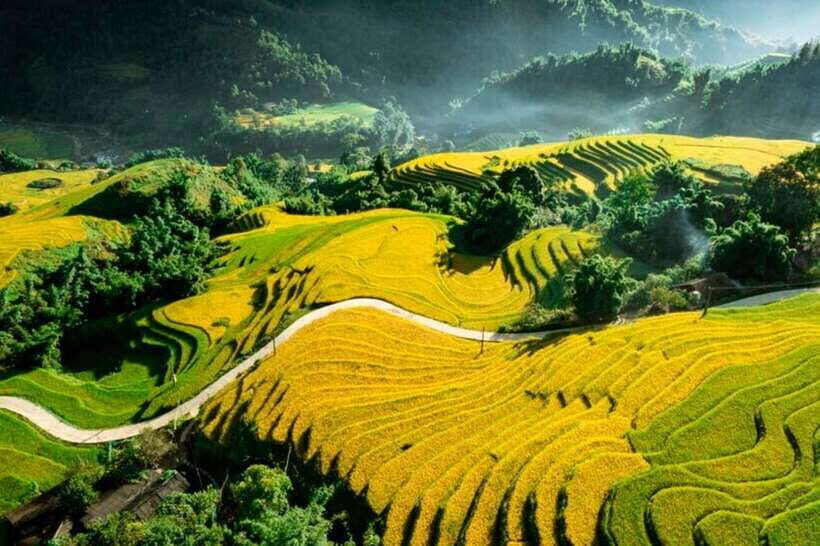
Around 11:00 AM, you reach Y Linh Ho Village, home to the Hmong ethnic minority. This stop is important because it moves the day from landscape viewing into culture understanding.
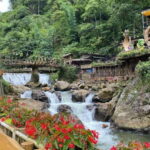
A notable detail here is the bridge crossing over a scenic river. It is not just a photo moment; it is a natural boundary between “walking around the valley” and “walking through people’s everyday spaces.” Once you cross, the village feels closer and more grounded.
You then continue on trails toward Lao Chai Sang, with rice fields and towering mountain backdrops. Depending on the season, you may see farmers working at different tasks. That seasonal rhythm is one of the best ways to understand Sapa beyond a single set of photos.
What you should expect from the guide during this stretch: explanations of what Hmong life looks like day-to-day, plus stories about local customs. Many English-speaking local guides in this program do a great job of linking what you see—house styles, fields, clothing—to why it exists.
Lunch in Lao Chai Sang: The Meal That Makes the Price Make Sense
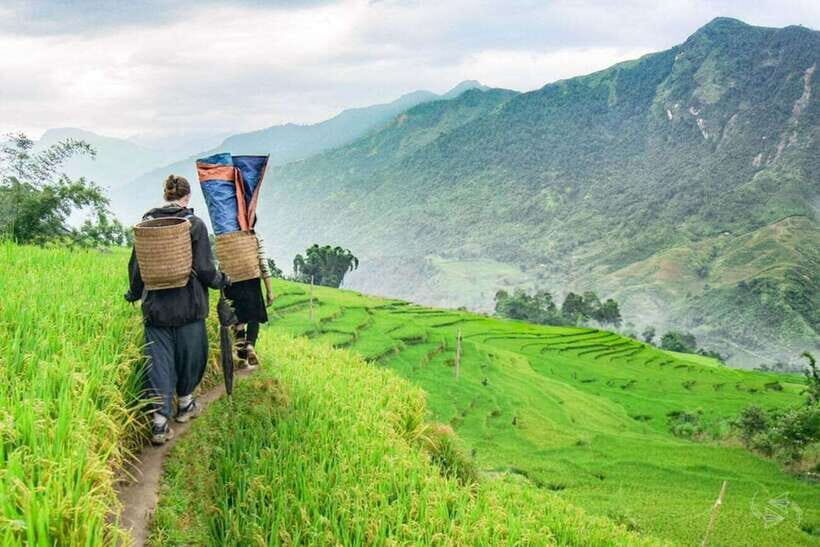
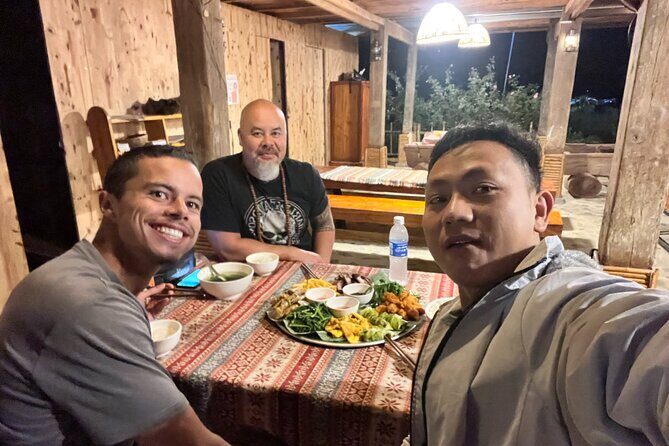
Around 12:30 PM, you eat lunch with a Hmong family in Lao Chai Sang. This is the heart stop of the itinerary. It is also the part that makes the low price feel believable.
The tour includes local lunch, so you are not scrambling for food after a long walk. And because it is described as home-cooked, you are more likely to taste dishes that reflect local habits rather than a generic tourist plate. Reviews also mention that options can be tailored, including vegetarian options in some cases, so if that matters to you, ask ahead when you book.
From a value standpoint, lunch like this does two things:
- It gives you energy without forcing you into a separate restaurant detour.
- It turns the culture stop into something you experience, not something you only watch.
One caution: you still have a trek after lunch. So try to eat at a comfortable pace. You want to feel satisfied, not heavy.

Lao Chai: Rice Work Depends on the Season, but the Rhythm Is the Same
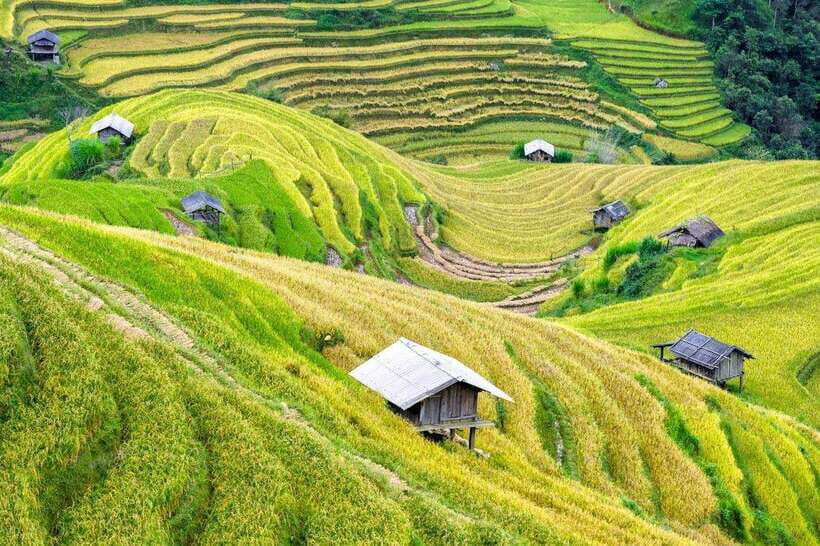
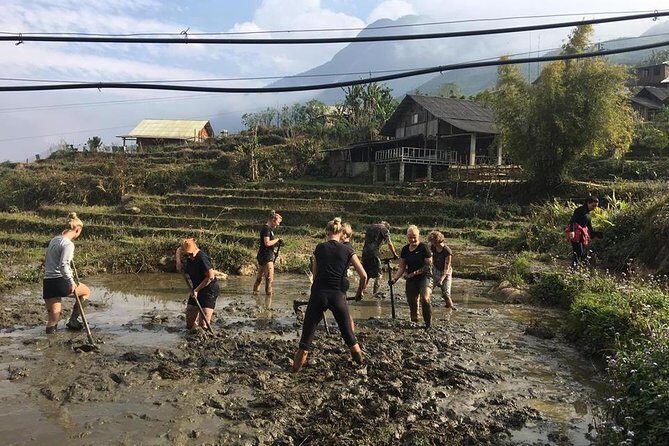
After lunch, the route continues to Lao Chai Village. This is where the walk often becomes more about daily life. You may see villagers planting or harvesting rice depending on when you visit. Either way, it shows you that terraces are not a “background.” They are a system that people manage all year.
This section also includes a cultural experience about Hmong daily life and traditional clothing-making. That matters because traditional clothing is not just aesthetics. It is tied to identity, skill, and local practice. When your guide explains how clothing is made and what it represents, the day stops feeling like a checklist.
If you are the type who likes understanding the why behind the what, this is your sweet spot.
Ta Van Village (Dzay): Another Community, Another Side of Sapa
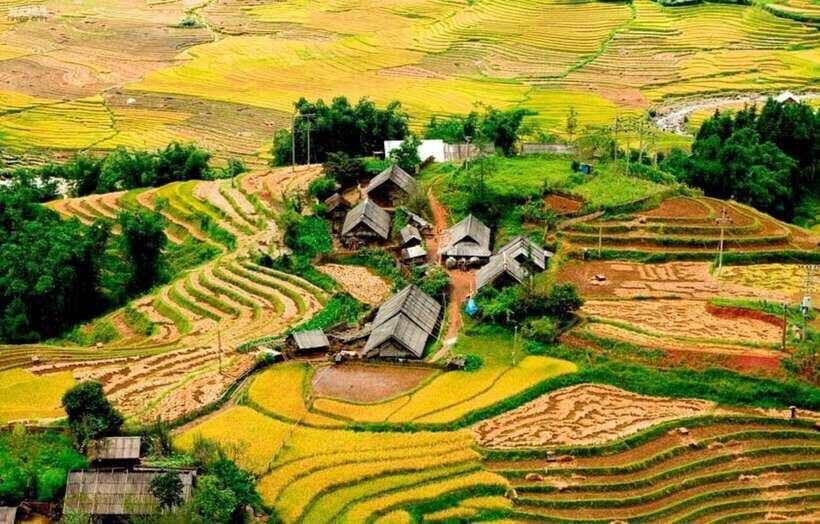
Later in the afternoon, you walk on to Ta Van Village, home to the Dzay minority. This part of the day is valuable because it broadens the story. Sapa is often discussed as one destination, but the ethnic groups here have distinct traditions and ways of living.
What you get in Ta Van tends to be a mix of village atmosphere and guided cultural context—how people live, what the environment shapes, and how daily routines differ from place to place.
Then you head back toward Sapa, with return to town around 3:30 PM (approx.). You will likely feel tired in a good way. If you have only one day in Sapa, this is a strong way to see more than one village and still end at a reasonable hour.
Guides, Group Size, and Safety on Slippery Trails
The guides are one of the biggest reasons this trek earns top ratings. Names that show up repeatedly include Chai and Vu, plus others like Wu, Le, Rou, Lien, and Si. While guides change, the common thread is how they run the day: clear English, organized pacing, and a lot of attention to safety.
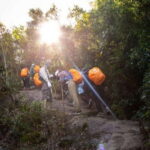
Here is what to know about trail conditions based on real experiences: the trek can get muddy and slippery, especially early on. Reviews mention gumboot rental being available in Sapa before the mud section (one person cited renting wellies for about 80p). That tip is practical: if you hate soggy socks, renting gumboots can save the day.
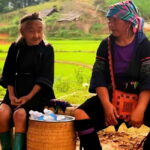
You may also get help from local women who assist the group on tricky sections. In at least some runs, children and village helpers have been mentioned as part of that support. That is another reason to consider this a guided cultural trek rather than a solo hike. You are not just following a map—you are moving through a living place with people who know the footing.
Also important: there is no vehicle support during the trek. You walk the full route, and transport is only at the end as you return to Sapa. That means you should plan mentally for continuous walking time.
What to Bring for This 10–12 km Walk
Your packing list is straightforward, and it is not optional:
- Warm clothing
- Hiking shoes
- Insect repellent
Add a reality check: if it has rained recently, your shoes will likely get dirty fast. Many people end up with clothes that need a wash later. Wear layers you can handle getting wet or muddy.
If you can, consider:
- A change of socks for after you return to town
- A small towel or wipe for muddy hands
- A light waterproof layer for misty weather
And if you want to maximize comfort, ask your guide about gumboots if mud is expected. Some groups manage the first muddy stretch that way, which can turn a stressful start into a manageable one.
Timing and Weather: When Mist Helps and When It Frustrates
The trek starts at 9:00 AM, when visibility can be hit-or-miss due to fog or mist. One person noted morning fog reduced views, but the afternoon cleared up. That pattern is common in Sapa valleys: low clouds can roll in, then lift later.
So what is the best approach? Accept that some of your early mountain views may be partially obscured. The trade-off is that you are still walking through the terraces and villages either way. In fog, the valley can look more atmospheric and less photo-posed, and the village interactions often feel even more intimate.
Still, if you strongly care about long-range mountain views at 9 AM, keep your expectations flexible and remember the day includes multiple village moments—not just one view.
Price and Value: Why This $27 Feels Fair
The price is listed as $27 per person for a day that includes:
- An English live guide
- Entrance tickets
- Local lunch
That is a lot of included value for a full half-day activity. The big thing you should factor in is what is not included:
- Drinks
- Hotel transfer service
So your real cost depends on how you get to the meeting point in time. If you already plan to be near central Sapa, you are fine. If you are staying farther out and need a taxi, that extra cost can chip away at the value.
But overall, the combination of a smaller group, a guided cultural focus, and a home lunch is what makes this feel like good value.
Who Should Book This Trek (and Who Should Skip It)
This trek fits best if you:
- Want more than a scenic drive
- Enjoy village life and culture questions
- Are comfortable walking 10–12 km on uneven ground
- Like guided support on changing trail conditions
It is not suitable for:
- Children under 5
- Pregnant women
- People with mobility impairments
- Wheelchair users
- People over 75
Also keep in mind the tone of the day. Some people treat it as a full hike with a bit of adventure. If you want a very gentle stroll, you might feel challenged, especially early in muddy stretches.
One more practical note: this is a small-group trek, but it is still a shared day. If you need frequent breaks, tell your guide early so they can pace you.
Should You Book This Sapa Trek?
If you want one Sapa activity that balances terraces, real village stops, and a proper meal, I think this is a strong choice. The guides tend to run the day with care, and the inclusion of lunch with a Hmong family is what turns it from sightseeing into experience.
Book it if you:
- are okay getting muddy in exchange for authentic valley walking
- want Hmong and Dzay culture explained as you go
- like small groups and a guided pace
Skip or pick a different style if you:
- hate uneven trails or steep, slippery descents
- need full accessibility support
- prefer short, flat walking with minimal weather exposure
If you do book it, do one thing that helps: wear shoes you trust on slippery ground, and plan for the first part of the trek to be the toughest.
FAQ
What time does the trek start?
The tour starts at 9:00 AM.
About how long is the tour?
The duration is listed as 390 minutes (about 6.5 hours).
Where do I meet the guide?
Meet your guide in front of Sapa Church.
How far do we walk?
The trek involves about 10–12 kilometers of walking and hiking.
Is lunch included?
Yes. Local lunch is included.
Does the tour include an English-speaking guide?
Yes. You’ll have a live tour guide in English.
Are entrance tickets included?
Yes. Entrance tickets are included.
What should I bring with me?
Bring warm clothing, hiking shoes, and insect repellent.
Who is this trek not suitable for?
It is not suitable for children under 5, pregnant women, people with mobility impairments, wheelchair users, and people over 75.