REVIEW · SA PA
Sapa 1 Day Long Trek: Trek to Hau Thao and Sa Seng Villages
Book on GetYourGuide →Operated by Cat ba memories · Bookable on GetYourGuide
If you like big views with real village life, this is it. This trek mixes a strong mountain climb with time in Black Hmong communities, plus a home-style lunch that feels like you’re eating with locals rather than being herded through a stop. I love the way the route treats the scenery like a moving story—summit views first, then rice fields and village paths later. I also like that your guide connects what you’re seeing to how people farm, build homes, and live day to day. The main drawback to plan for is weather: fog and rain can erase the far views, and slippery trail sections can turn a moderate trek into slow work.
You’ll start in Sapa town around 9:00 AM and be walking most of the day, finishing in the Giang Ta Chai area in time for a ride back. Guides bring the day to life—names you might hear include Mao/Mama Mao, Su, Zo Zo, Zozo, La, Vang, Pang, and Chau—each with a distinct style, but all focused on village explanation and pacing you safely.
In the right conditions, the payoff is huge: distant views of Mount Fansipan and the sweep of Muong Hoa Valley from above, then a calmer walk through fields where animals share the route. If you want a “hit the highlights in one day” trek without losing the human part, this checks the box.
In This Review
- Key things I’d circle before you go
- From Sapa pickup to village trails: what this day feels like
- Sa Seng Mountain: your first big payoff for Mount Fansipan and Muong Hoa
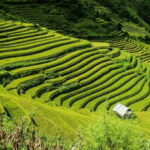
- Downhill to Hang Da: bamboo, rice fields, and Black Hmong daily life
- The family lunch stop: where the day slows and you eat like you mean it
- Hau Thao Village: farming seasons, house-building talk, and culture lessons
- Giang Ta Chai finish and the ride back to Sapa
- How hard is the trek, really: uphill burn and slippery descents
- Price and value: what $24 covers in real terms
- What to pack (and what to skip) for a smooth hike day
- Picking the right guide style: why names matter here
- Who this Sapa one-day trek fits best
- Should you book this trek to Sa Seng, Hang Da, and Hau Thao?
- FAQ
- How long is the trek from start to finish?
- Where do you get picked up and dropped off?
- Is lunch included?
- Do I need to bring cash?
- What’s the guide language?
- What should I bring for the day?
- Is this trek suitable for everyone?
Key things I’d circle before you go
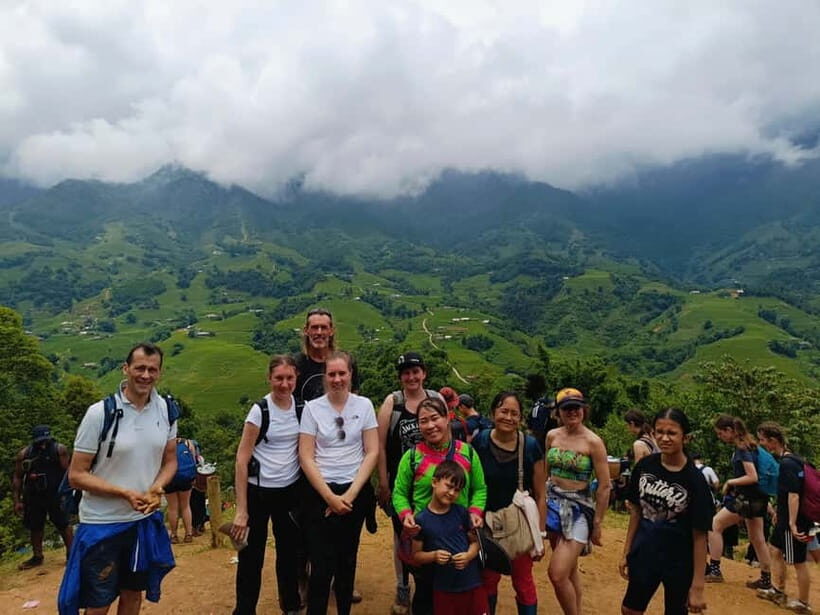
- Sa Seng summit views over Mount Fansipan and down into Muong Hoa Valley
- Black Hmong village visits in Hang Da and Hau Thao, with everyday-culture talk
- A long walking day (about 7–10 hours) that’s manageable but not a stroll
- Family-run lunch served during the trek, plus bottled water on the way
- Trail variety from uphill mountain paths to downhill village routes that can get muddy
From Sapa pickup to village trails: what this day feels like
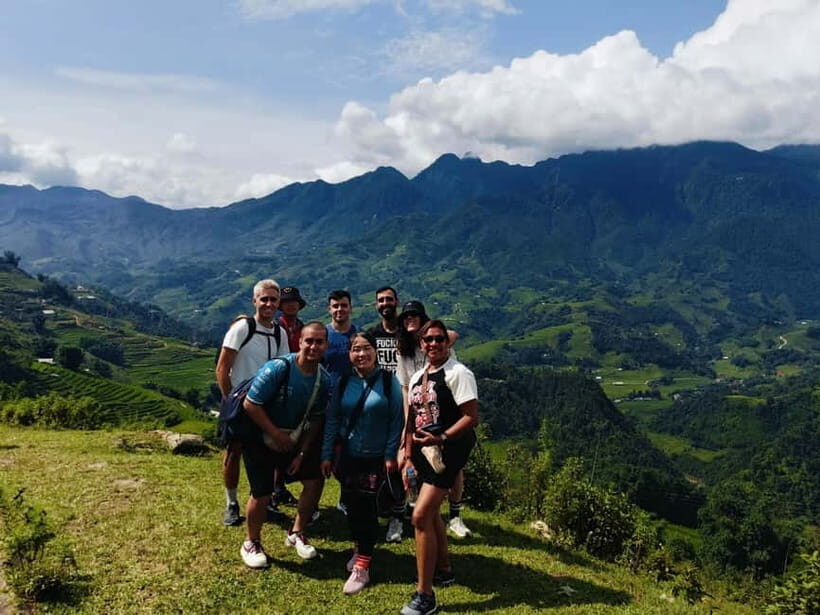
This trek is built for people who only have one day in Sapa but still want more than a viewpoint photo. You’ll get picked up in Sapa Town (if your hotel is there), get a quick briefing, and then hit the trail with an English-speaking local guide.
Expect a full-day rhythm: uphill first (to earn the views), downhill after (to meet people and see farming), plus a lunch stop that’s intentionally local. The day ends around 3:30 PM in the Giang Ta Chai area, when your vehicle brings you back to Sapa.
Group size is kept small, which matters here. On a muddy hillside path, a smaller group means less crowding, better pacing, and easier photo timing.
You can also read our reviews of more hiking tours in Sa Pa
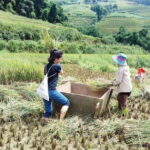
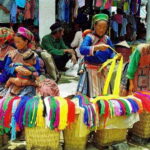

Sa Seng Mountain: your first big payoff for Mount Fansipan and Muong Hoa
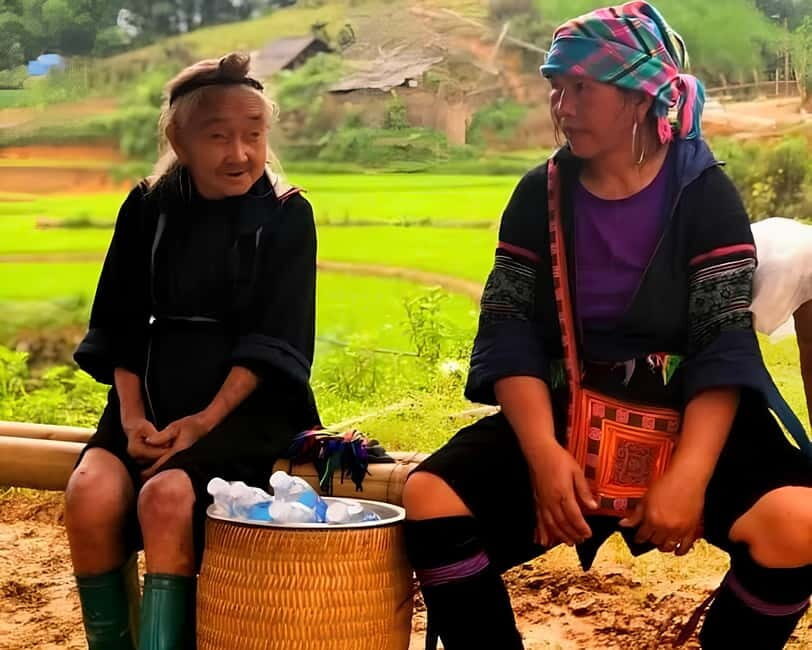
The trek starts with a short warm-up and then a real uphill push. You’ll begin with about a 1 km climb along a mountain trail, then after roughly an hour of moderate trekking you reach the top of Sa Seng Mountain.
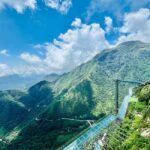
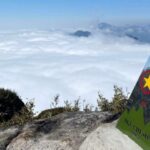
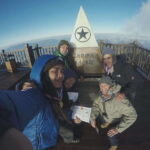
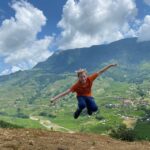
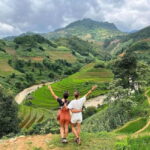
This is the “hold your breath and look” moment. On a clear day, you can take in distant Mount Fansipan (3,143m) and the broader Sapa valley below. From the summit area, your guide points out how the Muong Hoa Valley spreads out, and this helps the rest of your hike make sense once you’re walking through it.
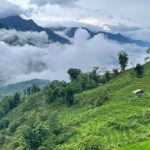
Weather is the wildcard. On foggy mornings (and even rainy days), you may see only bits and layers of the view. Still, the summit moment can be worth it even with limited visibility because it frames where the valley life sits and why people farm these slopes.
Downhill to Hang Da: bamboo, rice fields, and Black Hmong daily life
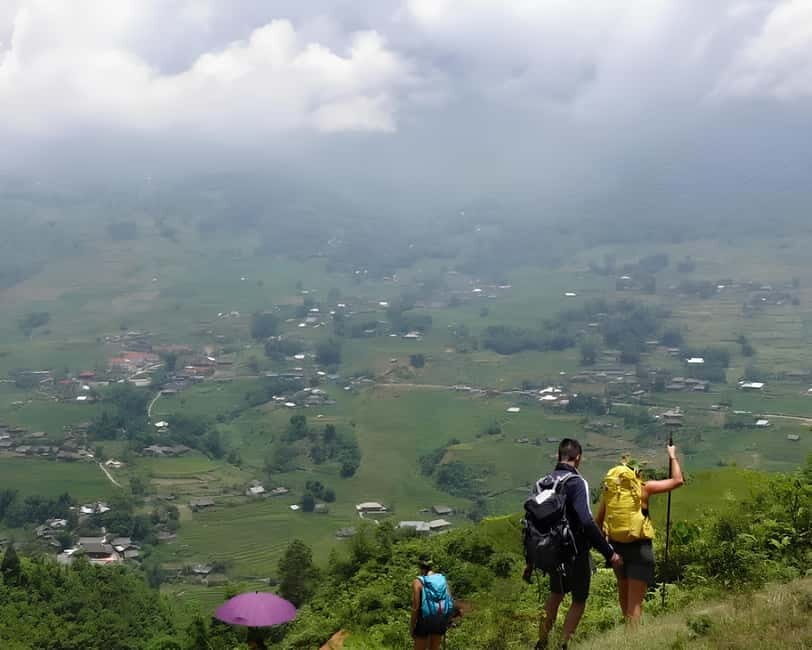
After Sa Seng, the route shifts downhill toward Hang Da Village. This part is where the trek starts feeling like a human-scale journey instead of a climb.
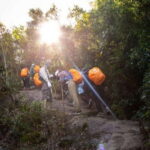
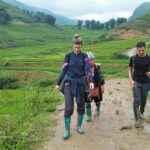
Along the way, you might spot local farm animals such as buffaloes, pigs, and horses, often roaming in a way that looks chaotic until you realize they’re part of normal village rhythms. It’s also the section where trail conditions can vary a lot—some routes go through bamboo and can be muddy and slippery, especially if it’s been wet.
When you reach Hang Da, you’re welcomed by the Black Hmong community. This matters because the goal isn’t just passing through a village; it’s seeing how daily routines connect to the landscape around them. Your guide shares cultural context as you walk and later talks more directly about traditions.
One practical point: if you’re sensitive to uneven footing, go slow downhill. Many people find the first climb challenging but manageable, while the descent requires more concentration because of wet ground and uneven paths.
The family lunch stop: where the day slows and you eat like you mean it
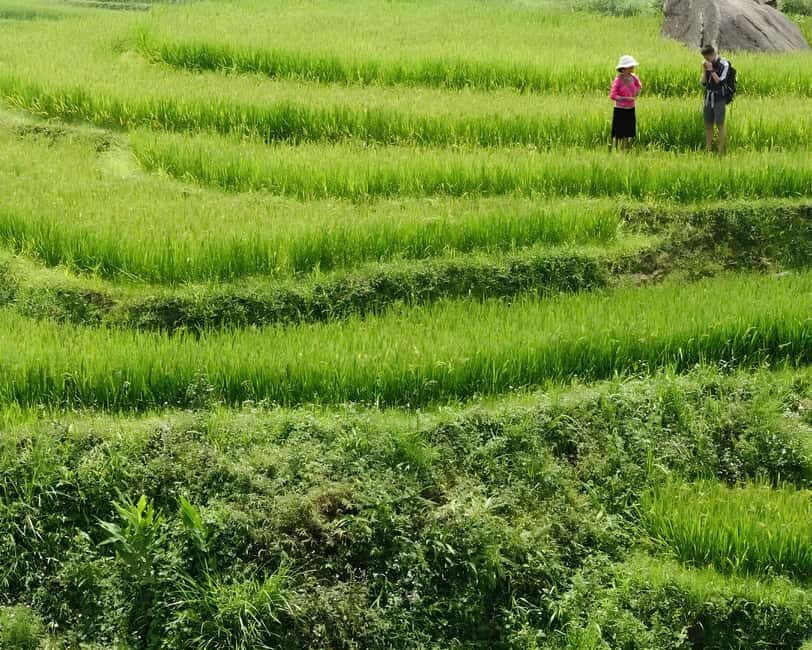
Around noon, the trek includes a traditional lunch at a family-run local restaurant. This is one of the best value parts of the whole day because you’re not eating a tourist meal on a timer. You’re eating within the rhythm of the trek itself, with the guide coordinating timing so you’re not rushing.
Lunch is included, and bottled water is provided during the trek. Some meals are described as generous in portions, which is important because you’re burning energy walking for most of the day.
If you’re the type who likes to buy a drink with your meal, keep expectations realistic: some food stops offer items that may not be included, so it’s smart to carry a bit of cash for small extras.
Hau Thao Village: farming seasons, house-building talk, and culture lessons
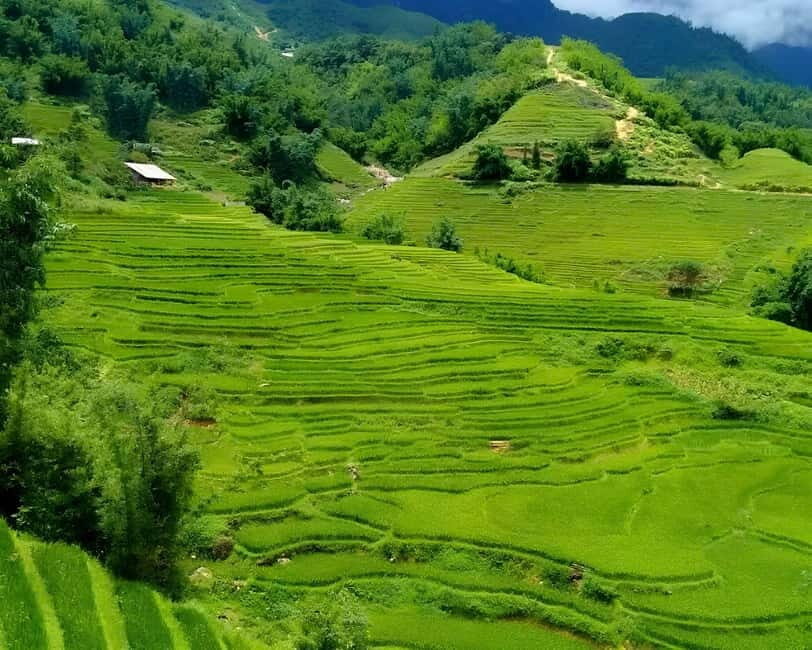
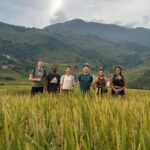
After lunch, the trek continues toward Hau Thao Village, another Black Hmong community in the mountains. The timing is set so you’ll likely see active farming, depending on the season—your guide may show you where planting or harvesting is happening.
This is where the cultural explanation becomes more than trivia. Your guide discusses traditional Hmong customs and daily life topics such as marriage rituals and house-building techniques, plus how rice cultivation fits into the year. Even if you’ve read about ethnic groups before, hearing it tied to what you see around the village makes it click.
You’ll also get time for walking, photo stops, and observation. This isn’t a museum-style visit. It’s more like learning to read what people do: why certain paths make sense, how fields connect to homes, and how materials and work shape the way buildings look.
One thing I appreciate: the guide can adjust your pace and focus. If your group is slower, the explanation still stays active without turning into a rushed lecture.
You can also read our reviews of more tours and experiences in Sa Pa
Giang Ta Chai finish and the ride back to Sapa
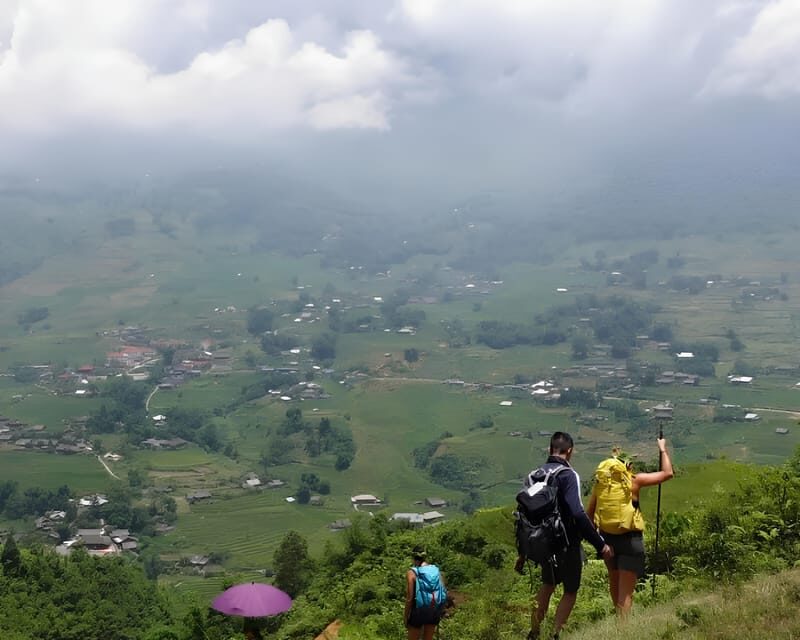
Your trek wraps up in the Giang Ta Chai village area around 3:30 PM. At that point, you’ll meet your vehicle for the private transfer back into Sapa town.
This “finish with a ride” detail is big. After long walking hours, the last thing you want is to add more stairs or bus confusion. The plan is straightforward: you hike, you eat, you learn, then you’re out and done.
Back in Sapa, you’ll likely want a low-key plan for dinner. You’re tired in a good way, the kind of tired where you’ll actually enjoy a simple meal and a warm shower.
How hard is the trek, really: uphill burn and slippery descents
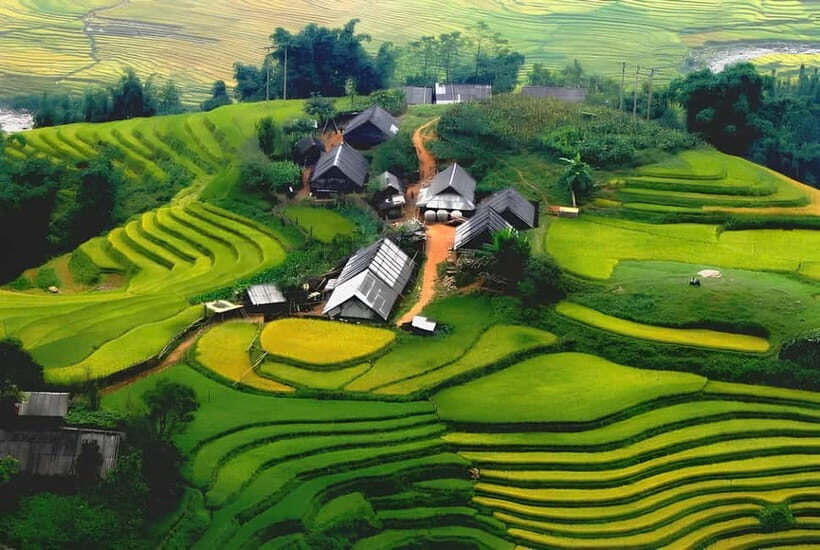
On paper, this is described as moderate trekking for parts of the day, but the real difficulty comes from two things: elevation gain early on and trail conditions later.
The start involves uphill walking soon after pickup. People often find the first stretch demanding because you’re climbing before you’ve warmed up your legs. Then, when the route turns downhill, it can get tricky if the trail is wet. Reviews frequently call out bamboo forest sections as muddy and slippery, and they also note that rain makes footwork more important.
If you’re planning for rain, don’t go into this with fragile footwear expectations. The tour doesn’t list specific shoes, but it does list what to bring (including a sun hat and sunglasses), and it’s clear you’ll be walking on uneven ground. A good grip sole matters.
Also, note who this is not for. It’s listed as not suitable for people with mobility impairments, wheelchair users, certain serious medical conditions (including heart problems and kidney problems), people with altitude sickness, and older age limits. If any of those apply to you, check your fit carefully before booking.
Price and value: what $24 covers in real terms
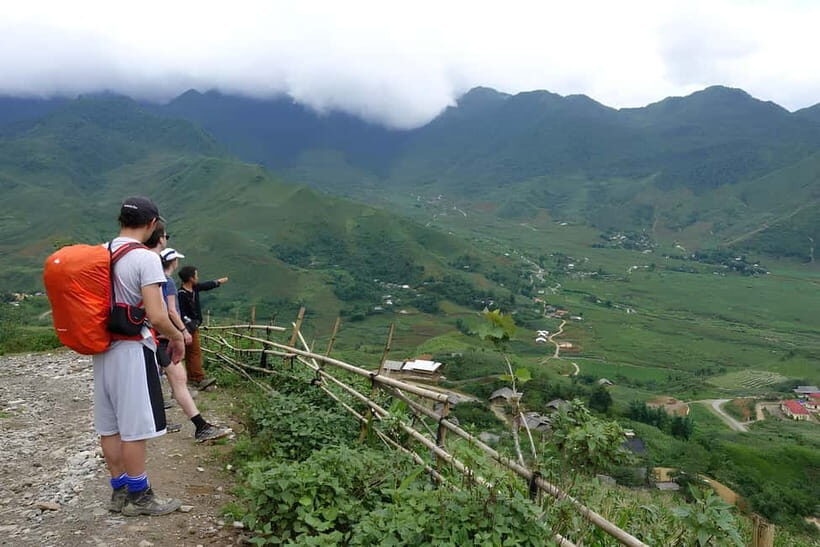
At $24 per person for a 1-day trek, the value comes from what’s bundled. You’re not only paying for a guide and a hike. You’re paying for:
- Pickup and drop-off in Sapa town
- Private transport back after the trek
- An English-speaking local trekking guide
- A guided route through Sa Seng, Hang Da, and Hau Thao
- Village entrance fees
- Traditional lunch during the day
- Bottled water during the trek
- Cultural explanation about Hmong traditions and daily life
- Support from the local operator
That combination is why this price can make sense for one-day visitors. If you tried to stitch together transport, a guide, and village entry fees yourself, you’d spend time and likely end up paying more for less structure.
The best part for many people isn’t the price itself. It’s that you get a real day plan with enough walking to feel like you left Sapa, but not so much that you need multiple days.
What to pack (and what to skip) for a smooth hike day
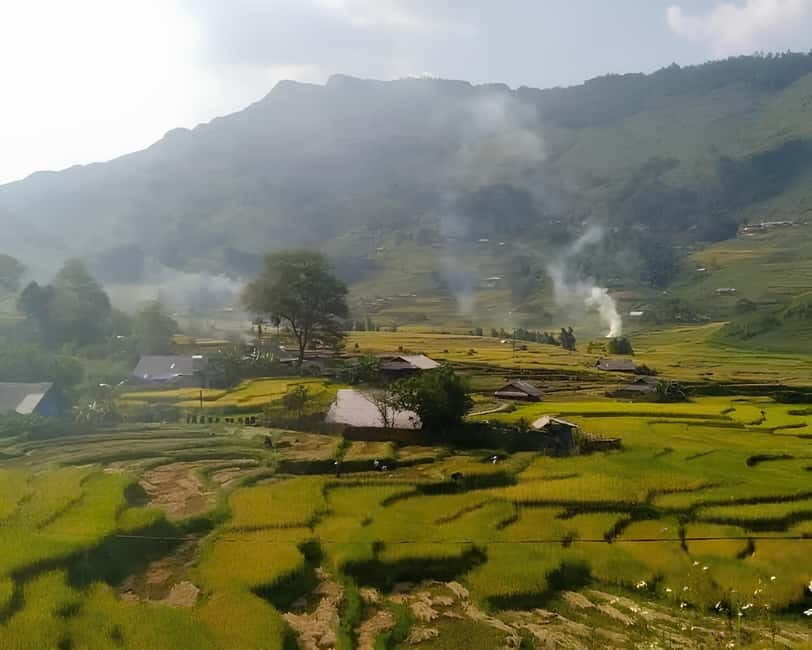
Bring:
- Sunglasses
- Sun hat
- A hat (extra sun protection is useful in open sections)
- Cash
The cash detail matters because village walking often includes opportunities to buy small items, and the tour rules mention cash without clarifying use cases. In real life, having some helps you avoid awkward last-minute decisions.
Don’t bring:
- Weapons or sharp objects
- Baby strollers
- Alcohol and drugs
- Fireworks or explosive substances
- Bare feet
Those rules keep the day focused on hiking and community visits.
One more smart move: keep your phone protected from moisture and mud. If the route is wet, you’ll be stepping through slippery ground, and it doesn’t take much for a bag to get splashed.
Picking the right guide style: why names matter here
This tour lives or dies by the guide’s voice and pacing. From the guide styles you might encounter—Mao/Mama Mao’s energetic humor, Su’s caring attention, Chau’s thoughtful options on climbing higher vs. staying lower in fog—you’ll see one common thread: they explain what you’re seeing in a way that makes the day feel purposeful.
If you’re hoping for more conversation, it helps to book when you can interact comfortably during stops. A good guide will keep the pace moving without turning the day into a silent line hike.
Because guide names can vary, don’t assume the day will be identical. But do expect a real focus on Hmong culture and farming life, not just scenery checks.
Who this Sapa one-day trek fits best
This trek is a great match if you:
- Have limited time in Sapa
- Want villages plus views, not just one or the other
- Like being guided through culture topics like farming and house-building
- Can handle a long walking day (about 7–10 hours)
It can be intense if you:
- Want an easy, flat walk
- Have knee issues or struggle with steep uneven paths
- Are likely to panic on slippery trails in rain
Also, altitude sickness is specifically listed as a reason it’s not suitable. If that’s a concern, talk with a medical professional before you go, and use that information to decide whether this trek is right for you.
Should you book this trek to Sa Seng, Hang Da, and Hau Thao?
I think you should book if your goal is simple: spend one day leaving Sapa town behind, get real village interactions, and still come back with a strong sense of where people farm and live in the mountains.
Skip it if you’re looking for low effort. Even with “moderate” labels, the uphill start and possible wet-trail slipperiness can make it harder than you expect. If weather is poor and you’re only chasing long-distance views, you might feel disappointed—though the village-life part can still make the day worth it.
If you’re the kind of traveler who likes a plan that feels human—summit, descent, lunch, then culture lessons—this is a smart use of a single day in Sapa.
FAQ
How long is the trek from start to finish?
The full experience runs about 7 to 10 hours, including pickup, trekking time, lunch, and the transfer back. It’s designed to finish around 3:30 PM in the final village area.
Where do you get picked up and dropped off?
Hotel pickup and drop-off are included for accommodations in Sapa Town. If you’re not staying in town, you can request pickup to the meeting point for an additional fee.
Is lunch included?
Yes. You’ll enjoy a traditional lunch at a family-run local restaurant during the trek.
Do I need to bring cash?
Yes, cash is listed as something to bring. It can be useful during village stops where small purchases may be an option.
What’s the guide language?
Your guide speaks English and Vietnamese.
What should I bring for the day?
Bring sunglasses, a sun hat (or hat), and cash. You’ll also be walking for most of the day, so plan for comfort on uneven ground.
Is this trek suitable for everyone?
No. It’s not suitable for children under 4, people with mobility impairments, wheelchair users, people with heart or kidney problems, and people with altitude sickness. It also has age limits (not for people over 80), and it does not suit situations like being visually impaired.