REVIEW · SA PA
Explore Sapa by TrekkingAdventures, Mountain,Rice fields
Book on GetYourGuide →Operated by Dinh Sapa Trekking Adventures · Bookable on GetYourGuide
Sapa turns up the drama fast. This trek with Dinh Sapa Trekking Adventures is built around Hmong village life—rice terraces, family stories, and guided walks from Sapa down toward Y Linh Ho, Lao Chai, and Ta Van.
I love that you’re not just watching the countryside from a viewpoint. You walk with local women guides who share real life context, including the uphill reality of schooling, early marriage, and why your ticket helps support women and children in their community.
The one thing to plan for: the trails can get muddy and slippery, especially in cool, wet months. You’ll want good grip shoes and the confidence to choose an easier route if conditions are bad or your legs aren’t feeling great.
In This Review
- Key things that make this trek special
- Hmong Sisters + Rice Terraces: The real reason this feels different
- The Route: Sapa down through Y Linh Ho, Lao Chai, and Ta Van
- Sapa Town start: where the day actually begins
- Y Linh Ho: Black Hmong village terraces and daily life
- Lao Chai: one of the larger, older Hmong communities
- Traditional house visit and culture talk
- Ta Van: Dzay village and the end-of-day feel
- Choosing easy vs hard: how to pick the right day for your legs
- What you’ll actually see (beyond rice photos)
- Animals on the trail
- Rice planting or harvesting season changes the look
- Cultural storytelling: Hmong women’s real context
- Lunch in Lao Chai: included, local, and usually satisfying
- Weather: fog, mud, and the packing list that keeps you comfortable
- Money and value: why this often feels like a bargain at about $23
- Group tour pacing: meeting others without losing the local feel
- Who should book this, and who should skip it
- Should you book this Sapa rice-terrace trek?
- FAQ
- How long is the trek and when does it start?
- How far do I walk?
- What’s included in the price?
- What should I bring?
- Does the tour help if it rains?
- Is this a group tour or private?
- Is lunch suitable for different diets?
Key things that make this trek special
- Local women guides (often sisters) with personal stories, not generic facts
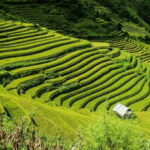
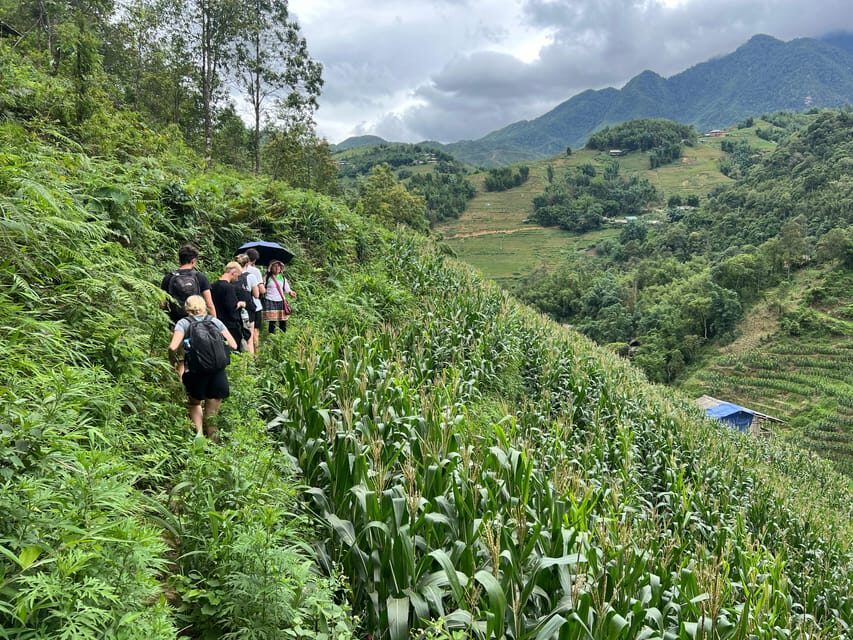
- Big rice-terrace scenery on a classic Sapa down-valley route
- Three-village day structure with Black Hmong and Dzay community visits
- Easy-to-hard trekking choice (including a rockier, slip-prone option)
- Included lunch in Lao Chai plus water to keep you moving
- Rain support: boots and trekking sticks provided when the weather flips
Hmong Sisters + Rice Terraces: The real reason this feels different
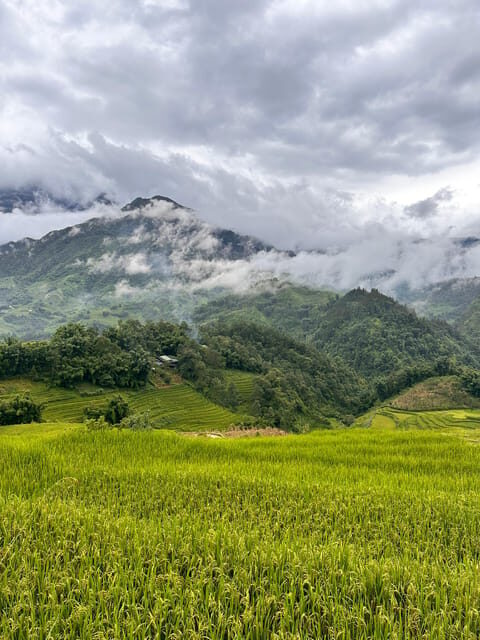
If you’re coming to Sapa for pretty pictures, you’ll get them. But the reason this trek stays memorable is the human layer. The guiding team is led by Dinh Sapa Trekking Adventures and supported by local Hmong women from the mountains—including sisters who talk openly about what life was like growing up in a small village with limited access to schooling and electricity.
In the tour’s own words, girls in their culture are often expected to marry early (around age 13–14), which shapes what opportunities exist later. Listening to those stories while you walk through rice terraces makes the views hit harder. It’s not sad-dad drama. It’s context. And it turns your day into something more meaningful than a checkbox.
You can also read our reviews of more tours and experiences in Sa Pa.
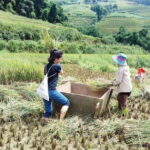
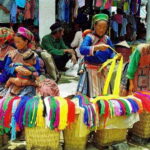
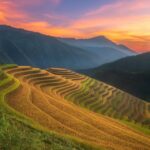
The Route: Sapa down through Y Linh Ho, Lao Chai, and Ta Van
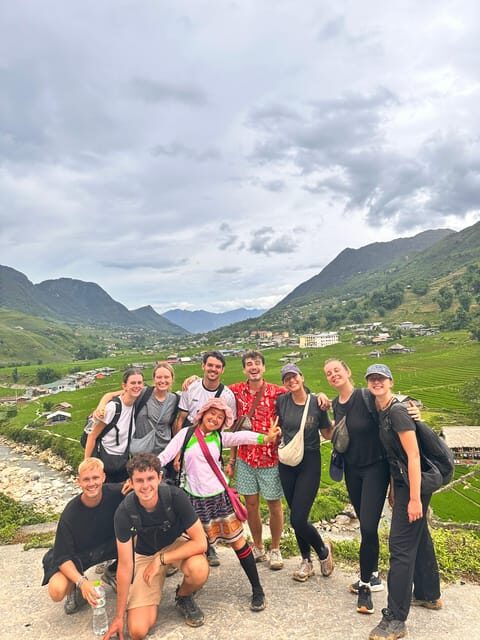
This is a classic “down and out” Sapa itinerary: you meet in Sapa Town (either at your hotel or in front of the main church), then start trekking around 9:00 AM or at a time that works for your schedule.
You can pick your distance in the day—from about 5 km up to 11 km—and you’ll see the best of Sapa’s valley system as you lose elevation, re-enter small paths, and cross village edges where rice fields and homes overlap.
Sapa Town start: where the day actually begins
The morning kickoff matters here. In practice, you’ll spend time getting organized with your group and setting expectations for pace. If your guide offers options for the route level, this is the moment to decide. The tour runs as a group trek, so knowing whether you want “easy” or “hard” early keeps everyone happy later.
Y Linh Ho: Black Hmong village terraces and daily life
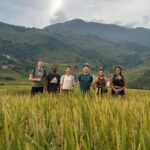
Your first big village stop is Y Linh Ho, described as a Black Hmong village with stunning rice terraces. This is where you start seeing the mountain farming pattern clearly: fields layered into slopes, paths that cut across terraces, and small moments where animals show up—buffalo, pigs, and chickens are specifically mentioned along the way.
Even if you’ve read about ethnic minority groups in Sapa, walking beside a local guide who can explain the differences you’re seeing is the point. You’re not trying to memorize terms. You’re watching daily life, then hearing what each village means.
Lao Chai: one of the larger, older Hmong communities
Next comes Lao Chai, one of the oldest and largest Hmong communities in the area. This is also where the day gets social again—more people along routes, more chance to see how homes work within the landscape, and a lunch stop that’s timed so you aren’t starving or dragging.
Lunch is included, and it’s meant to be local. From guide stories and the way the day is structured, Lao Chai functions like the midpoint reset: you refuel, then keep trekking toward Ta Van.


Traditional house visit and culture talk
You’ll also visit a traditional Black Hmong house during the trek. That’s an important stop because it moves the day from “look at houses” to “understand how people live.” Expect daily-life explanations: how space is used, what matters inside the community, and why some customs and routines are different from what you’re used to.
Ta Van: Dzay village and the end-of-day feel
Your trek finishes around 3:00 PM in Ta Van Village, home of the Dzay people. The timing works well: you still get daylight for photos and village atmosphere, but you’re not stuck hiking until late afternoon.
After the walk ends, a private car brings you back to Sapa Town.
Choosing easy vs hard: how to pick the right day for your legs
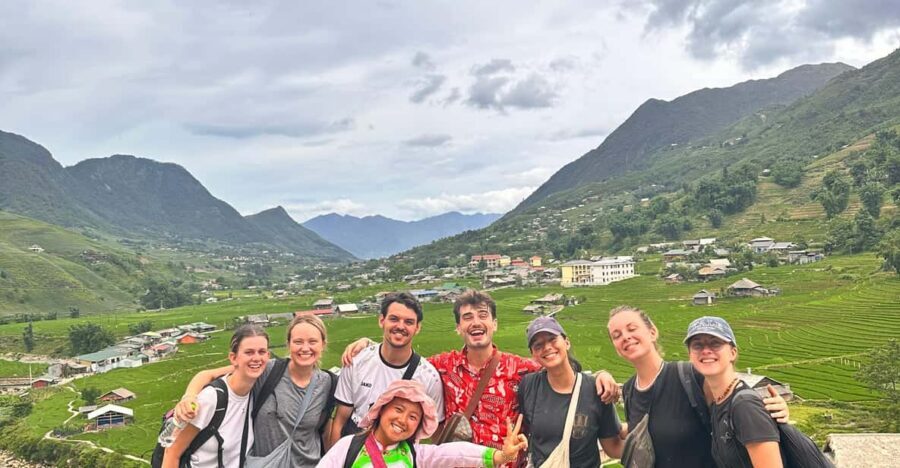
This trek includes route options, and that choice is more than a label. You can do something like an easy/more straightforward route or a harder route that gets slippery and rocky near the terraces.
In the field, the “hard then easy” style pacing is real: you may start with more challenging terrain and then find flatter or easier sections later. One review-style detail that matters for planning is that downhill can be the trickiest part. Mud and wet rock can make even a moderate walk feel like a balancing test.
Here’s my practical advice:
- Choose easy if weather is rainy, visibility is poor, or you’re unsure about footing.
- Choose hard if you want more challenge and you’re comfortable with uneven ground, narrow paths, and stream crossings.
- If you’re traveling with kids or you want fewer stress points, pick the easier route. The day is still long enough to feel like you did something real.
What you’ll actually see (beyond rice photos)
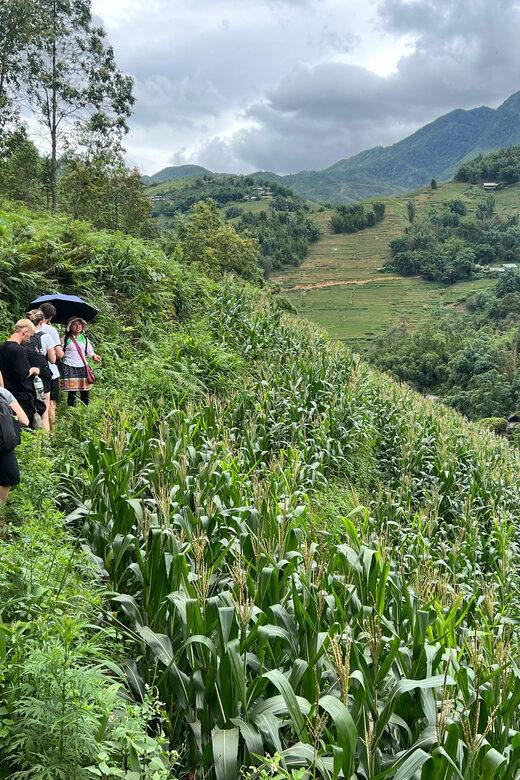
This trek isn’t just “rice terraces plus scenery.” You’re walking through village edges where daily life keeps happening around you.
Animals on the trail
Animals are specifically part of the experience—buffalo, pigs, and chickens. That’s a detail worth taking seriously. It means your route isn’t a paved sightseeing lane. Expect small changes in path conditions, and expect people and animals to coexist near your walking line.
Rice planting or harvesting season changes the look
The tour notes that if it’s the right season, you can see rice planting or harvesting. Even if you don’t get the exact farming moment, you’re still walking through terraces that make sense only in a seasonal farming calendar.
So don’t judge the trek purely by how lush it looks from the street. The “why” is in the timing.
Cultural storytelling: Hmong women’s real context
One of the most praised parts of this trek is the chance to ask questions while walking beside guides who share their life stories. In practice, that means you’ll hear about:
- why schooling was limited in their earlier life
- how arranged marriage affects choices and futures
- why supporting local jobs for women matters
- how different villages relate to each other in Sapa
Guides I’ve seen highlighted include Sun, Mu, Khu, Ko, Chuchu, Sung, and others from the team. The common thread is that they bring energy, humor, and clear explanations, so even longer stretches don’t feel like dead time.
Lunch in Lao Chai: included, local, and usually satisfying
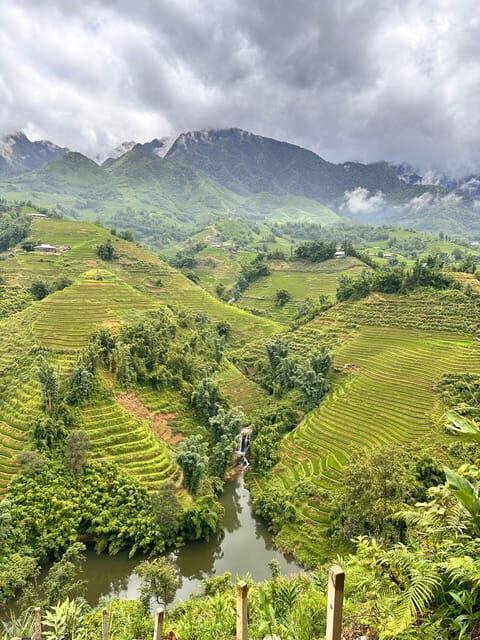
Lunch is included and happens in Lao Chai. This isn’t a light snack break either—you’re getting enough food to make it through the afternoon trek without running out of gas.
A couple practical notes from the tour info and described experiences:
- You’ll likely have a chance at vegetarian or vegan-friendly options (not guaranteed for every day, but it has been offered).
- It’s a local restaurant lunch, meaning you’re not stuck eating something imported just because you’re a visitor.
If you’re the type who plans trips around food, this is one of the better set-ups in Sapa. You get fed before you finish, so Ta Van doesn’t feel like punishment.
Weather: fog, mud, and the packing list that keeps you comfortable
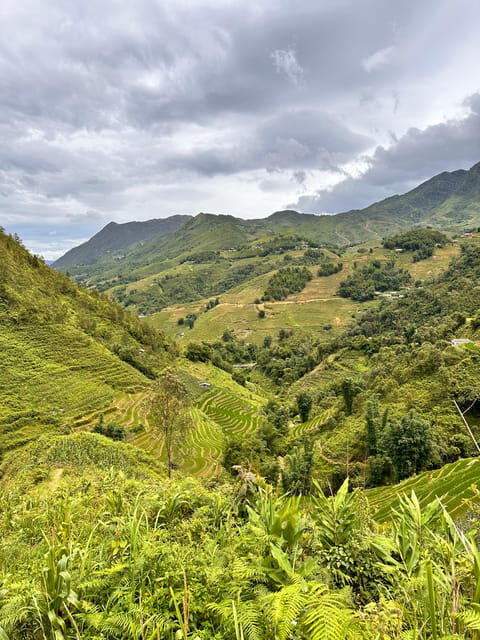
Sapa weather can move like a mood swing. Even in winter, you can get heavy fog that hides views. Rain and mud are also common enough that the tour plans for it.
The tour provides rain boots and trekking sticks when it rains, which is genuinely helpful. But don’t treat that as permission to show up unprepared.
Bring:
- Sunglasses
- Sun hat
- Sunscreen
- Camera
- Cash (you’ll likely want it for small purchases or village crafts)
- Comfortable walking shoes and clothes that can handle cooler mountain air
- If you’re sensitive to insects, bring insect repellent (it’s specifically recommended)
If it’s foggy, shift your mindset. You may not get dramatic valley panoramas, but you’ll still get the village walking experience and the rice-terrace setting close up.
Money and value: why this often feels like a bargain at about $23
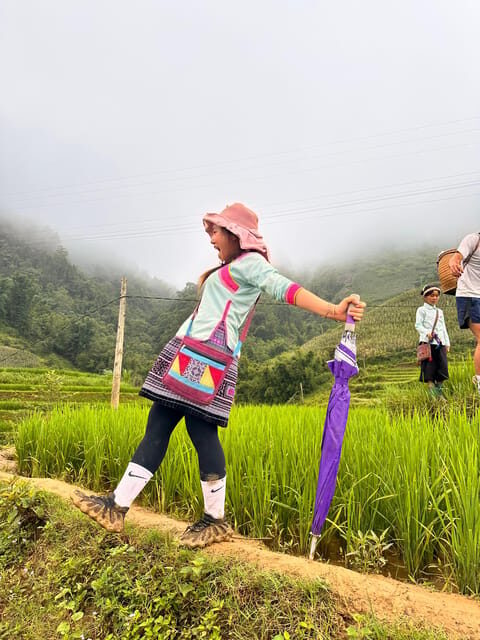
At around $23 per person for roughly 5 hours, this trek’s value comes from what you get included. You’re paying for:
- a local English-speaking guide (English and Vietnamese are used)
- lunch
- water
- village entry fees
- transport back to Sapa after you finish in Ta Van
Not included: personal travel insurance and extra drinks during hiking.
The “value” isn’t only the price. It’s also how much human time you’re buying. Many similar experiences in Vietnam cost more and still feel like a drive-by. Here, you’re spending hours walking with people who live in the villages you visit, and your ticket directly supports their work—especially since the guiding team is connected to community employment and school support.
If you’re on a tight budget, this is one of the easiest ways to get a high-impact Sapa day without paying for a private driver and private guide.
Group tour pacing: meeting others without losing the local feel
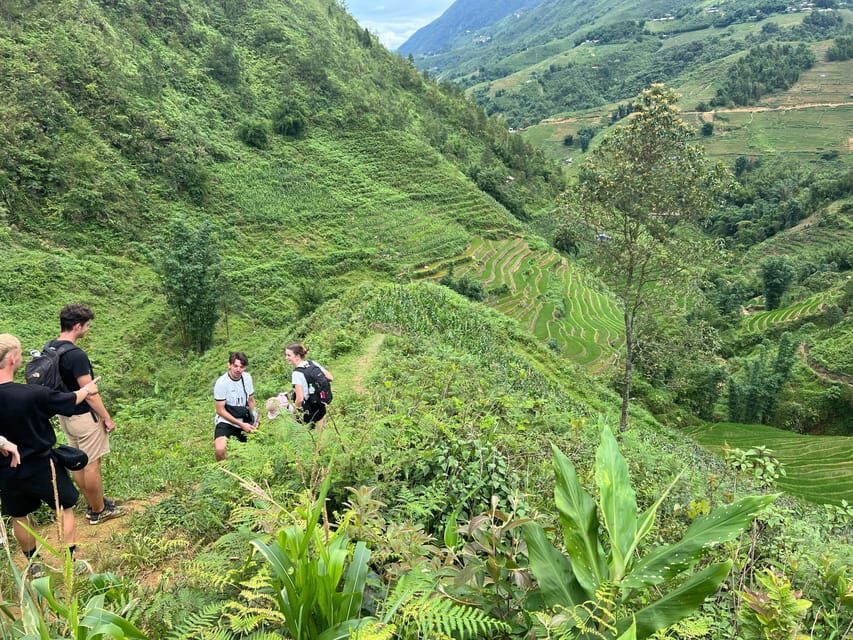
This is a group tour, so you’ll trek with other travelers. The benefit is a social vibe: it’s easier to meet people while you hike, and you’ll often get quick help from guides and village women if terrain gets tricky.
The tradeoff is that you’ll move at a group pace. If you want full control over your stopping times, private is an option with an extra fee—just ask ahead if you care about a slower rhythm or extra photo breaks.
In real-world terms, the route still feels like a village walk more than a packaged bus tour. Guides use humor and explanations to keep the day moving and friendly.
Who should book this, and who should skip it
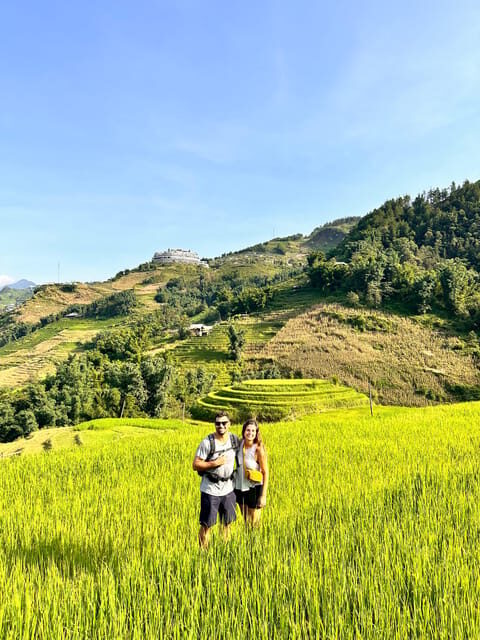
This trek is a strong fit if you want:
- genuine village contact with Hmong and Dzay communities
- big rice terrace walking time
- included lunch in a local setting
- a price that doesn’t explode your Vietnam budget
It may not be a good fit if:
- you have limited mobility or trouble with uneven ground
- you don’t handle slippery downhill well
- you’re very risk-averse about stream crossings and narrow paths
Also, the tour states it’s not suitable for people over 95 years. That’s worth respecting, given how uneven the terrain can be.
Should you book this Sapa rice-terrace trek?
Yes, if you want one day in Sapa that feels real—less “theme park town” and more “mountain life.” I’d book it for the combo of local women guides, rice terraces on a down-valley route, and the fact that your money is tied to community work, not just ticket revenue.
Pick your route level honestly. If weather looks rough, choose the easier option and prioritize comfort over bragging rights. And pack for cool, wet conditions even if the sky is clear—Sapa weather can change fast.
If you’re short on time but still want a meaningful Sapa experience, this is one of the best ways to spend it.
FAQ
How long is the trek and when does it start?
The experience lasts about 5 hours and starts around 9:00 AM. You can also choose a starting time that suits you, as long as you coordinate with the operator.
How far do I walk?
The distance is flexible based on your chosen route level, ranging from about 5 km to 11 km.
What’s included in the price?
The price includes a local English-speaking guide, lunch, water, village entry fees, and transportation back to Sapa after the tour ends.
What should I bring?
Bring sunglasses, a sun hat, sunscreen, a camera, and cash. Comfortable walking shoes and appropriate clothes for cool weather are important too.
Does the tour help if it rains?
Yes. If it rains, the guide team has boots and trekking sticks ready.
Is this a group tour or private?
It’s a group tour by default. If you want a private tour, you can request it for an extra cost.
Is lunch suitable for different diets?
Lunch is included, and vegan or vegetarian options have been mentioned in the experience details. If you have dietary needs, you should communicate them in advance.