REVIEW · SA PA
Sa Pa: 6-Hours Muong Hoa Valley Trek with Local Ethnic guide
Book on GetYourGuide →Operated by Vietnam Nomadtrails · Bookable on GetYourGuide
Ten kilometers of rice and village life.
This trek through Muong Hoa Valley is a hands-on way to see how people actually live in the mountains—walking from Sapa into terraced fields, meeting ethnic groups along the way, and getting real context for what you’re seeing (not just photos). You’ll spend the morning among Black Hmong villages and stop for small cultural moments that make the scenery feel personal.
I especially liked two things: the views of the rice terraces at Lao Chai, and the chance to learn about cloth and plant-based crafts like indigo dyeing and hemp weaving. And because it’s led by an English-speaking local guide, you usually get names, meaning, and practical explanations—not vague generalities. In particular, guides like Sang (also seen as Sàng), Sai, Su, Bao, and Dong show up in past group experiences.
The main drawback is the ground. Expect steep, uneven paths and—if it’s wet—slippery mud and slick steps. The trek is sometimes described as a 10 km route, so if you’re not steady on your feet (or it’s rainy), you’ll want to think twice.
In This Review
- Key things I’d plan around
- From Sapa Town to the Muong Hoa Valley: how the day really moves
- Y Linh Ho and the Black Hmong village rhythm
- Lao Chai rice terraces and craft-making stops that connect to daily work
- Ta Van homes: weaving, rice cultivation, and real family spaces
- The Dzay tribe encounter and costume contrast
- What the 10 km trek feels like in real life (and why wet weather matters)
- Packing checklist: shoes, sun protection, and not losing your day to mud
- Guide quality: why local English-speaking guidance changes the day
- Price, value, and the not-so-hidden costs
- Should you book this Muong Hoa Valley trek?
- FAQ
- How long is the Muong Hoa Valley trek?
- What is included in the price?
- Is lunch included?
- Where is the pickup, and is it included?
- How big is the group?
- Is this trek suitable for children and mobility needs?
- Is it suitable for pregnant women?
- What should I bring?
- Are there any extra surcharges?
- Is it a loop?
Key things I’d plan around
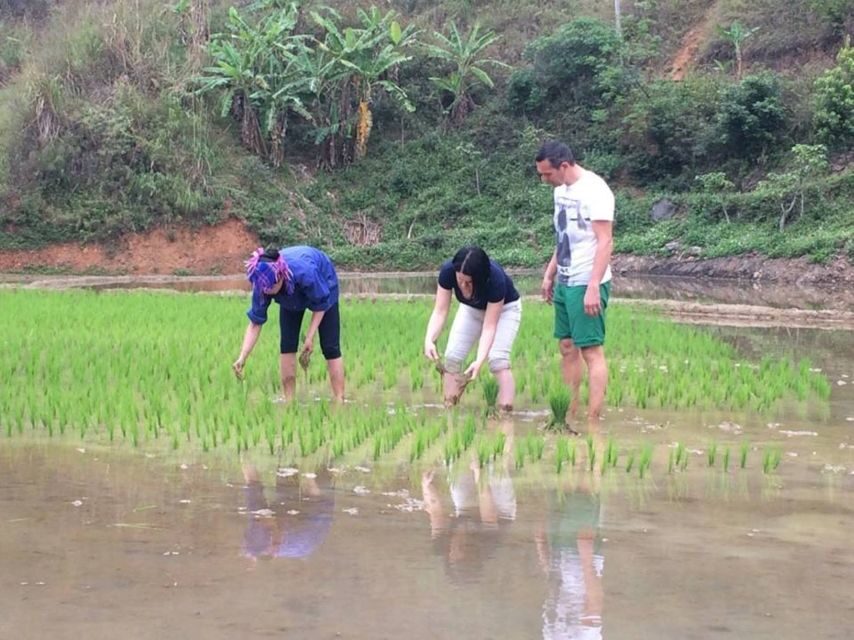
- Muong Hoa Valley, not just a viewpoint: you’re walking through working villages and rice fields
- Black Hmong + Dzay encounters: you’ll see different customs and clothing, not one single culture stop
- Craft stops you can actually connect to: indigo dyeing, batik making, and hemp weaving show up during the day
- Local helpers on the tricky parts: guides and local women often give hand and footing support on muddy descents
- Short time, full feel: 6 hours is quick, but it still includes multiple villages and a comfort bus back
From Sapa Town to the Muong Hoa Valley: how the day really moves
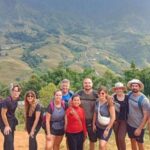
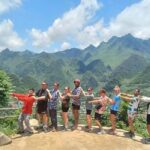
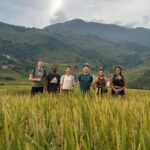
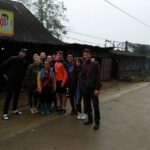
This is a 6-hour trip that starts in Sapa and uses a bus to get you into the valley. The group is small—up to 11 people—which matters here, because the walking can get spread out on narrow paths. If you like your mornings organized (and your photos not taken through a crowd), this setup helps.
Pickup is included, but only from hotels in Sa Pa town. If your hotel is outside that area, you’ll need to go to the meeting point. That’s one of the first practical things to confirm when you book.
You also get a bottle of water (500 ml). It sounds small, but in the heat and on steep dirt paths, you’ll drink it faster than you expect. And you’ll be walking downhill for parts of the route, which means your legs do the work even if your brain feels like you’re just going “down into the valley.”
The big takeaway: this isn’t a long multi-day trek. It’s a focused, half-day-style hike where you cover real ground and still return comfortably by bus.
You can also read our reviews of more guided tours in Sa Pa

Y Linh Ho and the Black Hmong village rhythm
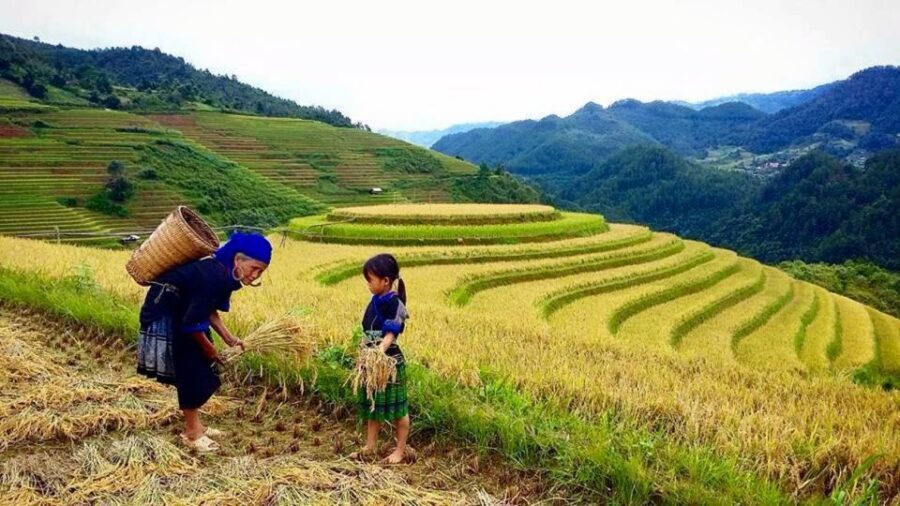
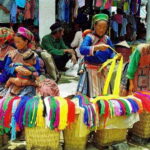
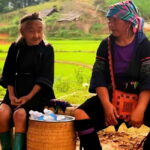
Your day kicks off with a short walk along a road before reaching Y Linh Ho village, known for its Black Hmong community. You’ll have time to walk through the village area and interact with locals—especially at the village center—where you can get a sense of everyday life rather than only seeing staged performances.
This stop is valuable because it sets the tone. Instead of jumping straight to terraces and leaving culture as an afterthought, you meet people early. It also helps you understand later craft stops: when you already heard about daily routines, indigo dyeing and weaving don’t feel like random tourist activities.
A quick reminder that actually makes the experience better: don’t take photos of children without getting permission from their parents, and please don’t touch children’s heads. These rules aren’t there to be annoying. They’re there because you’re entering someone’s home space and community norms.
If you’re sensitive to crowds or prefer a calmer pace, this village stage tends to feel more grounded because it’s part of normal life.
Lao Chai rice terraces and craft-making stops that connect to daily work
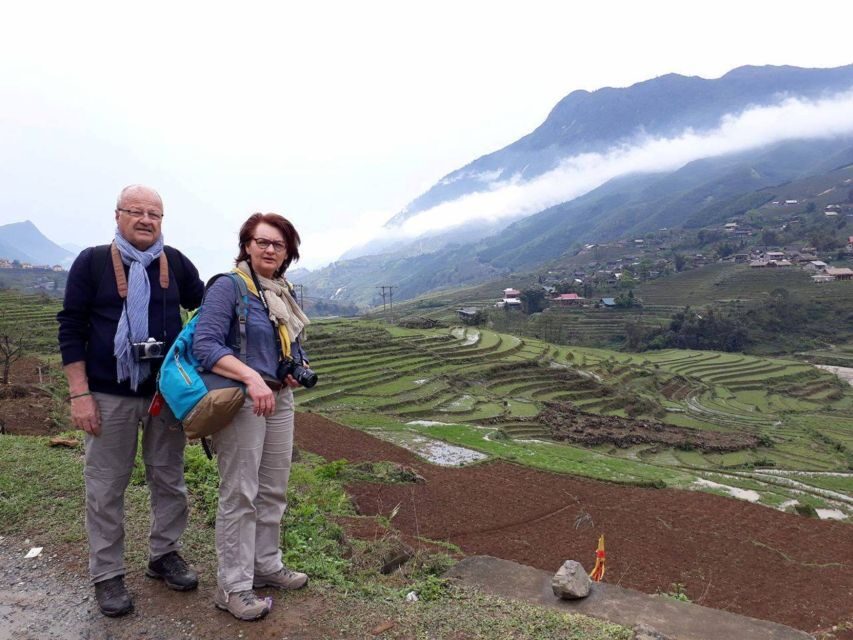
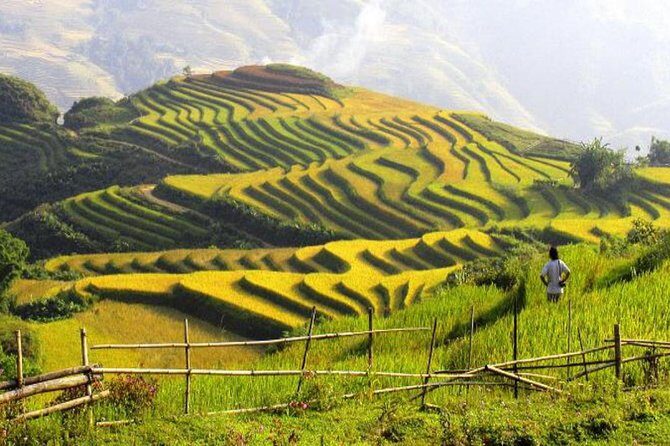
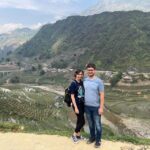
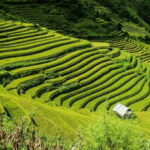
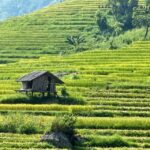
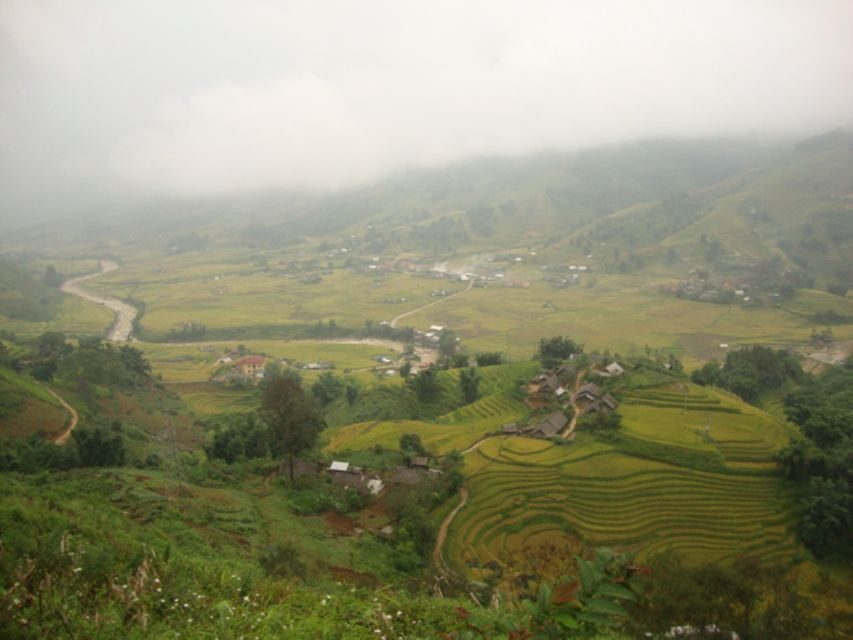
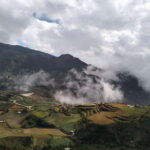
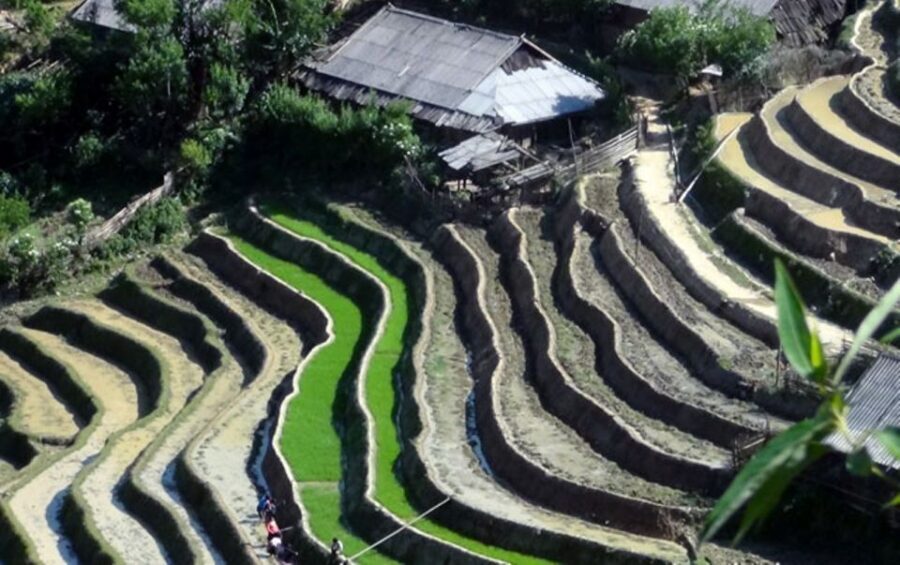
Next comes Lao Chai, where the views open up into panoramic terraced rice fields. This is usually the moment people remember later: the layered mountainsides, the geometry of irrigation, and the way the terraces track with the valley contours. In wet weather, the terrain can look dramatic in a different way—muddy, glossy paths with strong footing needed.
Lao Chai is also where the day turns educational through craft. You’ll get a chance to learn about indigo dyeing, plus batik making and hemp weaving. Even if you don’t buy anything, you’ll likely come away with better context for what you’ve seen: dyeing and textiles here aren’t just crafts; they’re work built on local materials and skills passed through generations.
Here’s the practical part: craft demonstrations often involve people offering handmade items. Some guides and communities do this in a friendly, non-pushy way. Other times it can feel more sales-driven, especially around lunch. My advice: treat it like a conversation. If you want something, buy directly from the maker. If you don’t, a polite no is enough—move on, keep your respect, and stay focused on the walk.
One more note: the best views aren’t only about being at the terrace. You’ll see terraces from a moving route with changing angles, which makes the morning feel like a slow-moving photo lesson without standing still too long.
Ta Van homes: weaving, rice cultivation, and real family spaces
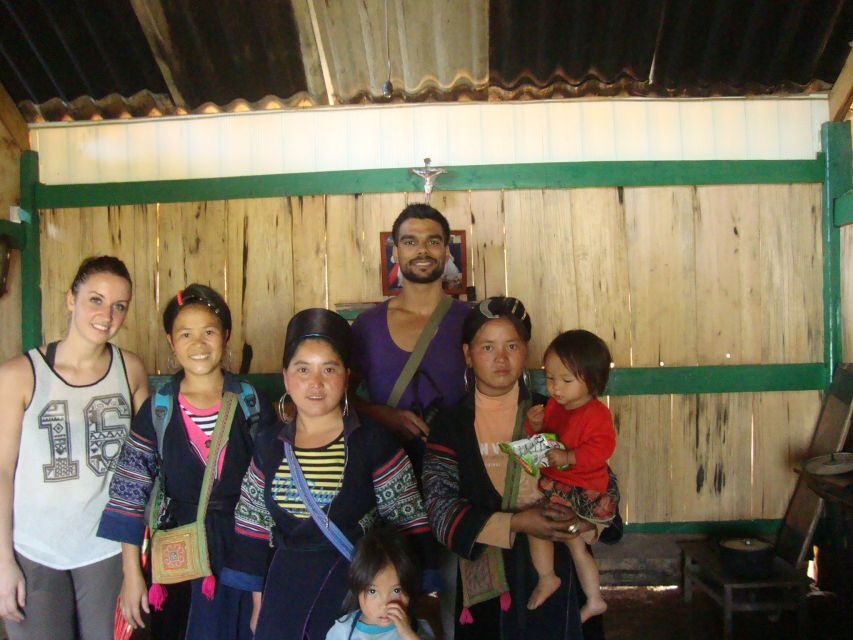
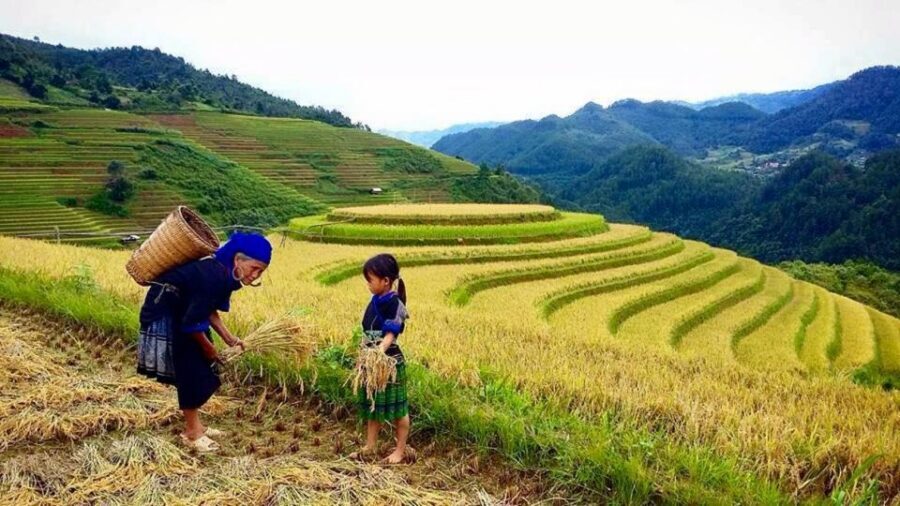
After the Lao Chai stage, the trek continues toward Ta Van village. This part tends to feel more intimate because you visit traditional homes and learn about household skills—especially weaving and rice cultivation.
Why I like this segment: it turns crafts into something you can picture in context. Instead of seeing textiles as objects behind glass, you connect them to daily production inside a home setting, where families work around weather, seasons, and planting cycles.
This is also where you’ll likely notice contrasts in customs and routines. Some villages emphasize different patterns of interaction with visitors, and the experience depends on the day and the people you meet. Either way, you’ll come away with a clearer mental map of how terrace farming and textiles fit together as a livelihood.
As you go, keep your expectations realistic. Even with a guide, you’re still moving through uneven, outdoor paths. Think of it as a walking day with cultural stops, not a museum-style schedule.
The Dzay tribe encounter and costume contrast
Towards the end of the route, you meet members of the Dzay tribe. This is one of those “oh, right” moments. Clothing choices, customs, and how people present themselves can be strikingly different from the Black Hmong encounters earlier in the day.
This stage is valuable because it gives you contrast. You’re not learning one story. You’re learning that the region is home to multiple groups with different traditions—and they coexist in the same valley ecosystems.
If you care about cultural details, bring a little patience. The guide will connect the dots, but you’ll still need to slow down and watch small things: how people talk, how they move, and how everyday items show up in different ways across villages.
And again: keep your photo behavior respectful. Ask before you shoot, and don’t assume it’s okay just because you’re outdoors in a village lane.
You can also read our reviews of more hiking tours in Sa Pa

What the 10 km trek feels like in real life (and why wet weather matters)
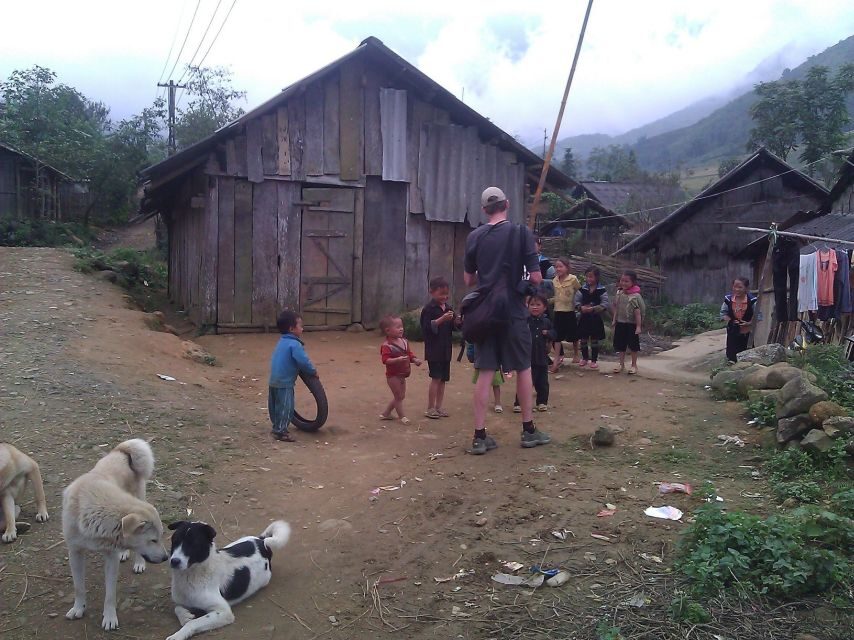
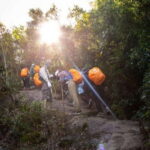
This experience is often described around 10 km of walking, even though it stays within a 6-hour tour window because of the bus rides and village stops. That means you’re not just strolling. You’ll cover distance on paths that can be steep and uneven.
What to expect from the ground under your feet:
- dirt paths with occasional stone or concrete segments
- steep parts, sometimes in heat
- muddy, slippery patches after rain
- a downhill feel for sections, which is hard on knees
Local helpers can make a major difference. Many past participants noted that local women and guides offered steady support on tricky descents—fast enough to prevent slips, calm enough to keep everyone moving.
Weather is the other big variable. In winter you might hit fog in the morning. In rainy periods, the “scenery” and “safety” balance shifts fast, and you’ll want boots that grip.
This is where the tour’s own guidance really matters:
- Seniors are advised not to do this if wet conditions make it unsafe
- it’s not suitable for pregnant women
- it’s not suitable for disabled people or wheelchair users
- it’s not suitable for children under 6
If you’re unsure about your balance, don’t guess. Choose gear that feels confident, and plan for slower pace than you’d use on flat ground.
Packing checklist: shoes, sun protection, and not losing your day to mud
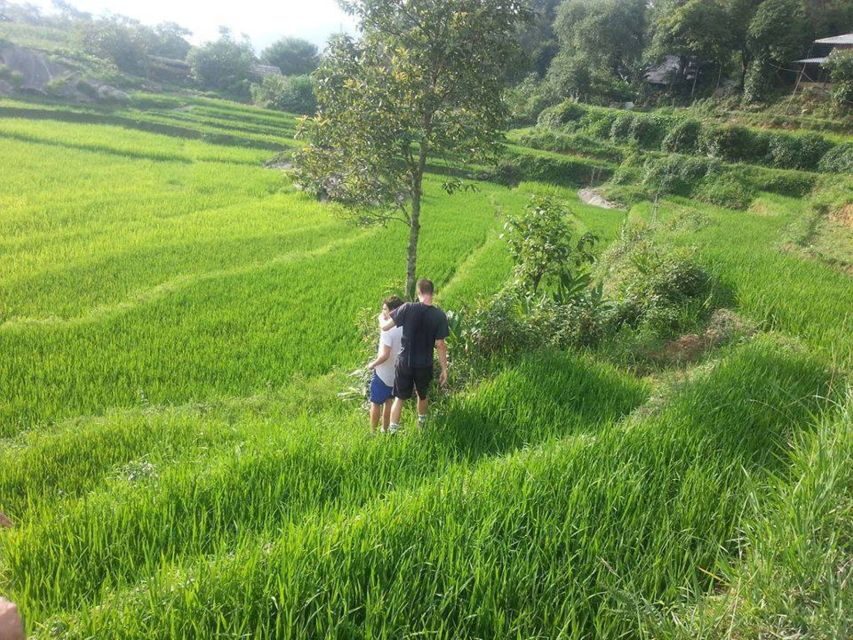
If you do this tour, pack like the weather will try to prank you. Trekking shoes are strongly recommended, and in rainy conditions people suggest having a backup plan because your footwear can get covered in thick mud.
Bring:
- trekking shoes (real grip, not smooth sneakers)
- sunglasses
- sun cream
- insect repellent
- warm clothes if you’re going between October and March
A slightly humorous but true tip from experience: the trek can be wet enough that you’ll wish you’d brought an extra layer and something to change into after. That’s not about comfort for fun—it’s about avoiding getting cold once you’re back at the cooler valley-to-Sapa shift.
Also, treat personal interactions like part of the hiking. Good manners go a long way when you’re walking through someone’s daily space. A simple pause before photos can change the tone of your whole visit.
Guide quality: why local English-speaking guidance changes the day
The tour is guided in English, and small groups mean you can actually hear explanations without shouting over other hikers. People have highlighted guides like Sang/Sàng, Sai, Su, Bao, and Dong for being attentive, friendly, and good at keeping the group together.
English skill varies person to person (some have very understandable English even if grammar isn’t perfect). But the consistent theme is that you’ll get practical explanations: names of villages, what crafts are made of, and what you’re seeing in the terraces.
Local women helpers are also part of the experience. You might see them stepping in on difficult sections, offering balance and guidance on muddy ground. That support is one reason this trek can feel more manageable than it looks on paper.
One small caution: craft areas and lunch can be where selling ramps up. Buying handmade items is a respectful way to support the people you’re visiting. If you’re not shopping, keep your boundaries kind and move along when you’re ready.
Price, value, and the not-so-hidden costs
At $18 per person for a 6-hour experience, the value is strong on paper. You’re getting:
- bus transport
- an English-speaking guide
- entrance tickets to the indicated stops
- one bottle of water
That’s a solid bundle for a short time in Sapa, especially if you want a mix of culture and walking without committing to a full-day trek that starts early and runs late.
Two costs to plan around:
- Food and soft drinks aren’t included. Lunch happens at a local restaurant, and you should expect to pay for your meal. Some participants describe the lunch as tasty and plentiful, but the cost is not listed as included.
- Lunar New Year surcharges. The data shows a $20 per person surcharge during Lunar New Year dates in 2025, and a $30 per person surcharge in the note for Lunar New Year dates in 2024.
There’s also a $20 surcharge if you get a French-speaking guide. That’s not typical for an English tour, but it’s listed as an option.
My bottom-line take: the price makes sense if you arrive prepared for the walking and you’re okay paying for lunch. If you want a fully packaged meal and minimal extra payments, look closely at the meal situation when you book.
Should you book this Muong Hoa Valley trek?
Book it if:
- you want real village contact and not just a quick photo stop
- you’re comfortable with a moderate walking day on uneven paths
- you like rice terraces and want more context than scenery alone
- you want a short timeline option from Sapa (6 hours is a good fit)
Skip or rethink it if:
- your feet aren’t steady on slopes, especially after rain
- you’re traveling with pregnancy, mobility limitations, or wheelchair use
- you’re bringing a child under 6
- you’re a senior and conditions could be wet or slippery
If you book, show up with good shoes and a respectful attitude about photos and kids. Do that, and this trek becomes one of those Sapa experiences that feels earned—like you learned something while you walked, not just while you stood.
Provider name shown for this experience: Vietnam Nomadtrails.
FAQ
How long is the Muong Hoa Valley trek?
The duration is listed as 6 hours.
What is included in the price?
Included items are bus transportation, an English-speaking guide, entrance tickets to indicated sites, and 1 bottle of water (500ml per person).
Is lunch included?
Food and soft drinks are not listed as included. Lunch is described as being at a local restaurant at your own expense.
Where is the pickup, and is it included?
Pickup is included, but only from hotels in Sa Pa town. If your hotel is outside that area, you may need to go to the meeting point.
How big is the group?
This is a small group with a limit of 11 participants.
Is this trek suitable for children and mobility needs?
It is not suitable for children under 6 years old, and it is not suitable for disabled people, wheelchair users, or people with mobility impairments.
Is it suitable for pregnant women?
No. It is not suitable for pregnant women.
What should I bring?
Warm clothes between October and March are recommended, plus trekking shoes, sunglasses, sun cream, and insect repellent.
Are there any extra surcharges?
Yes. A Lunar New Year surcharge may apply (listed as $20 per person for dates in 2025). There is also a $20 per person surcharge if a French-speaking guide is used.
Is it a loop?
It is not a loop. You return to Sapa by bus at the end of the trek.