REVIEW · SA PA
Sa Pa: Muong Hoa Valley Trek and Local Ethnic Villages
Book on GetYourGuide →Operated by Vietnam Nomadtrails · Bookable on GetYourGuide
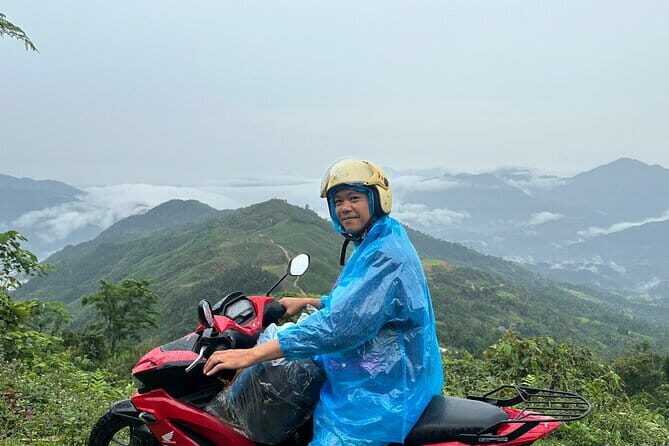
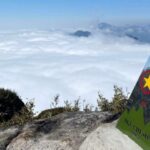
Fog can make Sa Pa look like a dream. This Muong Hoa Valley trek turns that mist into a real walking route, mixing rice terraces, river crossings, and village life over a 10-kilometer day. I love how the path keeps you moving through everyday scenes, from Black Hmong fields to riverside trails. One thing to plan for: in wet weather the ground can get very slippery and muddy, so sturdy shoes matter.
What makes it feel worth the time is the human side of the villages. I like the chance to pause for lunch at a local house, and the way guides like Chai or Su use clear English to explain what you’re seeing as you walk. If you’re lucky (as some diners were during Tet), you might even get a family-style lunch moment inside a home, not just a quick meal stop.
The main drawback is simple: it’s a real trek, not a stroll. Expect uneven footing, a suspension bridge area, and uphill returns to the main road, with the tour finishing around 3:30 PM. It’s also not suitable for people with mobility impairments or children under 6.
Key highlights to know before you go
- 10 km of real trail through rice terraces and village footpaths
- Lunch at a local house with practical cultural context, not just a picnic stop
- Muong Hoa River crossings plus a suspension bridge segment about 2 km from Ta Van Giay
- Ancient rock carvings you can actually see on the route
- Bamboo forest trekking with frequent slick patches in damp conditions
- Small-group format limited to 11 for a more manageable pace
In This Review
- Muong Hoa Valley on foot: where the day actually feels local
- Your 6-hour plan: 10 km, a small group, and a steady pace
- From hotel pickup to Lao Chai: Black Hmong terraces and morning mist
- Ta Van Giay, a suspension bridge, and ancient rock carvings
- Lunch at a local house, then bamboo forest to Giang Ta Chai
- Waterfall pause and the uphill return to Sa Pa road
- Why the guide makes or breaks the trek (and you’ll notice)
- Mud-proofing your day: shoes, sun, insects, and cash etiquette
- Price and value: what $23 really covers in a 6-hour cultural hike
- Who should book this trek, and who should skip it
- Should you book this Muong Hoa Valley trek with Vietnam Nomadtrails?
- FAQ
- How long is the Muong Hoa Valley trek, and how long does the full tour last?
- Is hotel pickup included, and where does it work?
- Will I have an English-speaking guide, and how big is the group?
- Is lunch included, and what drinks are provided?
- What should I bring for the trek?
- Is this trek suitable for children or people with mobility impairments?
- What type of weather and terrain should I expect?
- Is there a cancellation policy or pay-later option?
Muong Hoa Valley on foot: where the day actually feels local
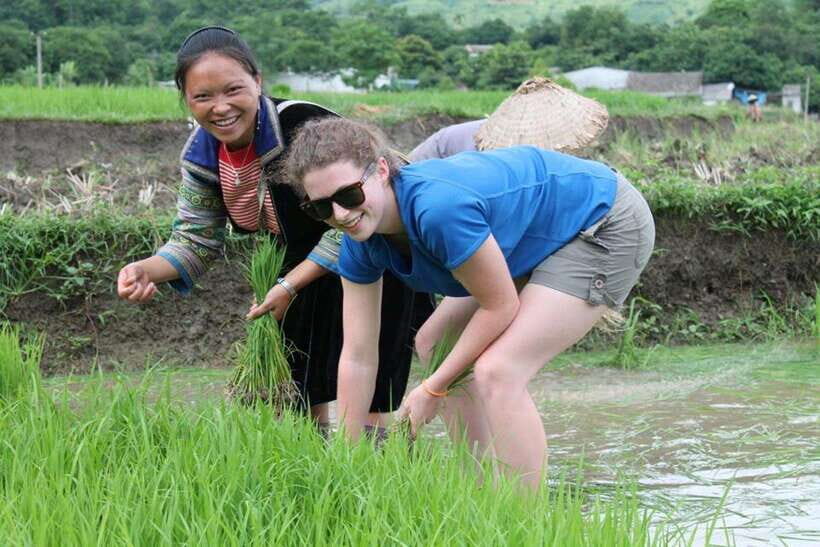
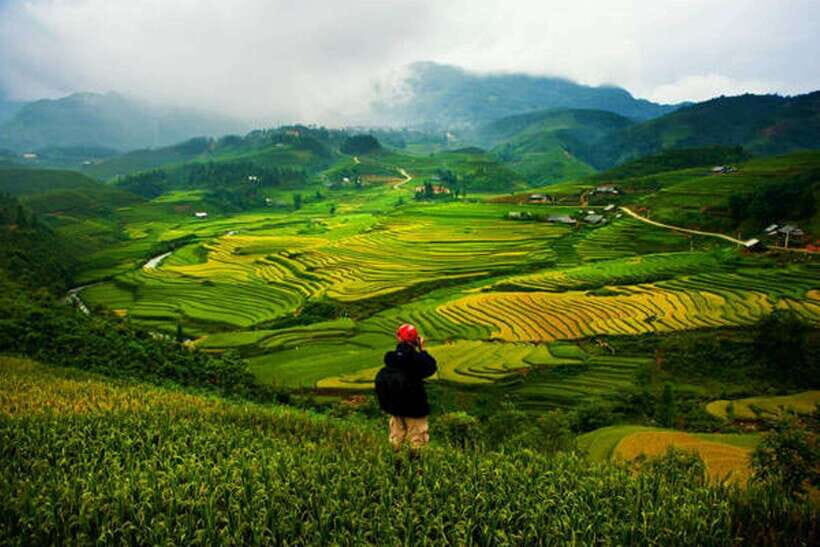
Sa Pa’s hills can look postcard-perfect from a viewpoint. This is better because you move through the working valley—rice paddies, river edges, and foot trails that connect villages more than tourist spots.
You’ll start in Sa Pa with pickup, then hike into the Muong Hoa Valley using a route designed to follow the terrain rather than fighting it. The scenery isn’t just for photos. It’s tied to how people farm, cross water, and live year to year. Even the misty starts you might get in cooler months matter here: the terraces look softer and more hidden, but they also show why mornings can get slippery once the trail warms up.
I also like that this trek balances “pretty” with “useful.” You’re not just walking past fields—you’re learning the rhythm of the area: terrace plots, village paths, riverside sections, and forest segments.
Your 6-hour plan: 10 km, a small group, and a steady pace
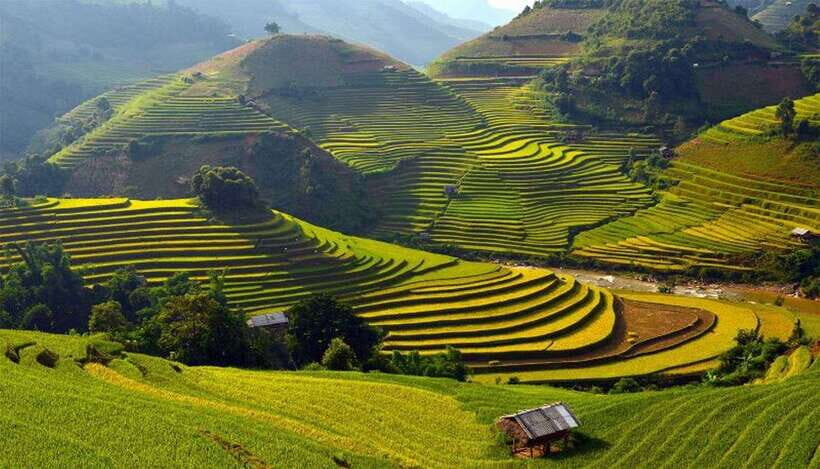
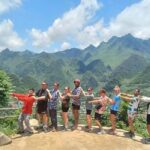
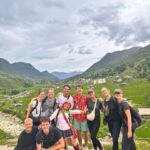
This tour runs about 6 hours and ends around 3:30 PM. You’ll cover roughly 10 kilometers on foot. The group is capped at 11 participants, which makes a big difference on muddy sections where you don’t want to feel bunched up.
The terrain changes across the day:
- terrace edges and well-tended paddies early on
- village-to-village paths that can be rocky or uneven
- bamboo-forest stretches that can turn slick after rain
- a bridge crossing segment tied to the Muong Hoa River route
The practical takeaway: wear hiking shoes with real grip. One review story line repeats across many guides—when the ground turns wet, trainers can fail fast on steep, muddy bits.
You can also read our reviews of more hiking tours in Sa Pa

From hotel pickup to Lao Chai: Black Hmong terraces and morning mist
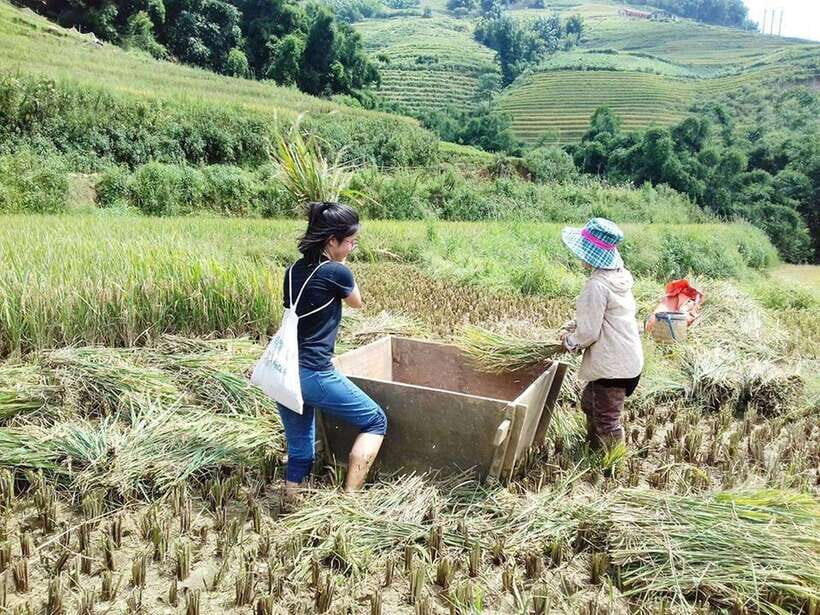
Your day kicks off with pickup from your hotel in Sa Pa center (or from the provider’s office in town). From there you head into the Muong Hoa Valley and begin the walking loop.
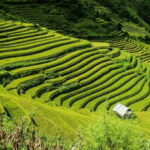
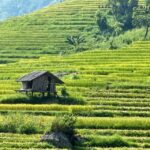
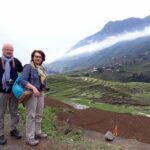
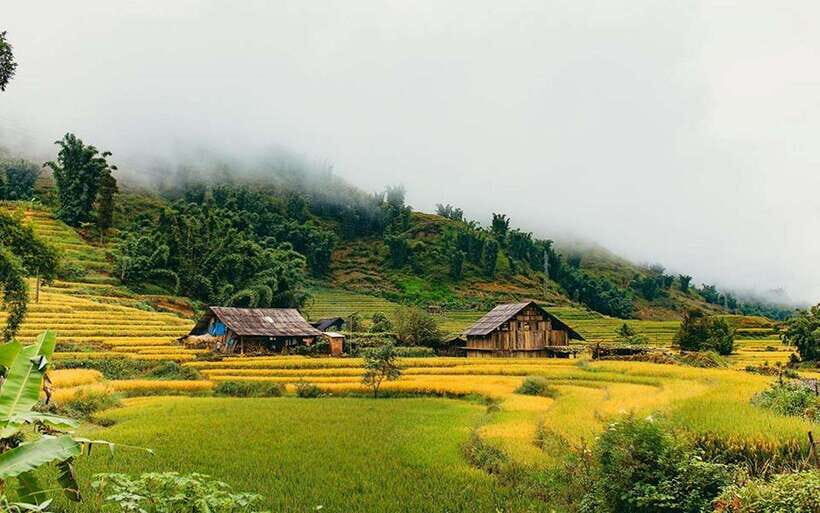
The early segment is often the “wow” part. You follow a small trail that leads you to cross the Muong Hoa River, with rice terraces hidden behind morning mist. As you keep going, you’ll pass well-tended terraced fields that feel quieter and more intimate than the busier viewpoints.
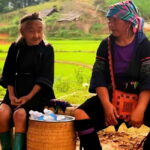
Then you arrive at Lao Chai, where the Black Hmong community lives. This is the first village anchor of the trek. Instead of just stopping for a photo, the walk is structured so you see daily life as part of the route—paths between homes, work areas near the fields, and the way people move around the terrain.
A small caution: early in the morning, mist plus damp trail surfaces can make descents and narrow track edges slick. If you’re the type who likes to go fast, slow down and let the locals’ stepping style guide you.
Ta Van Giay, a suspension bridge, and ancient rock carvings
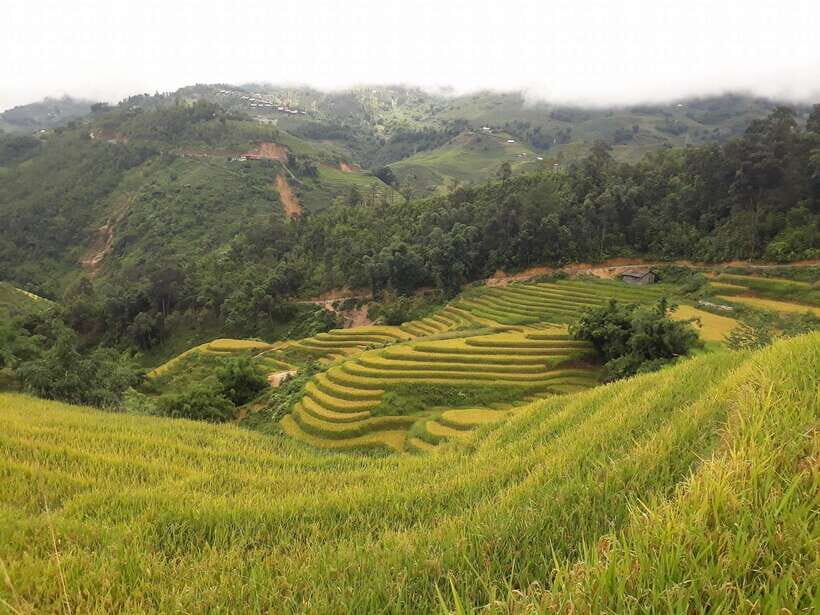
After Lao Chai, the hike continues toward Ta Van Giay. This section shifts you from terrace-focused walking to a more river-and-path feel, where the Muong Hoa River becomes part of your route.
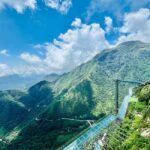
There’s also a small suspension bridge about 2 kilometers from the settlement. It’s short, but it’s one of those moments that makes the day feel more like travel and less like just sightseeing. You’ll feel the valley’s layout immediately: water, ridges, and narrow connections that communities use year-round.
Then the day adds something most Sa Pa tours skip: ancient rock carvings. You’ll see carvings depicting images of men, stilt houses, and different decorative patterns. The carvings add meaning to the walk. They remind you the valley isn’t just scenic now—it has been culturally important for a long time, with symbols tied to how people built and lived.
In damp weather, this kind of segment can be a bit harder because the ground near river routes can get slippery. If you’re worried, take your time. This is one of those walks where “careful” still feels exciting.
Lunch at a local house, then bamboo forest to Giang Ta Chai
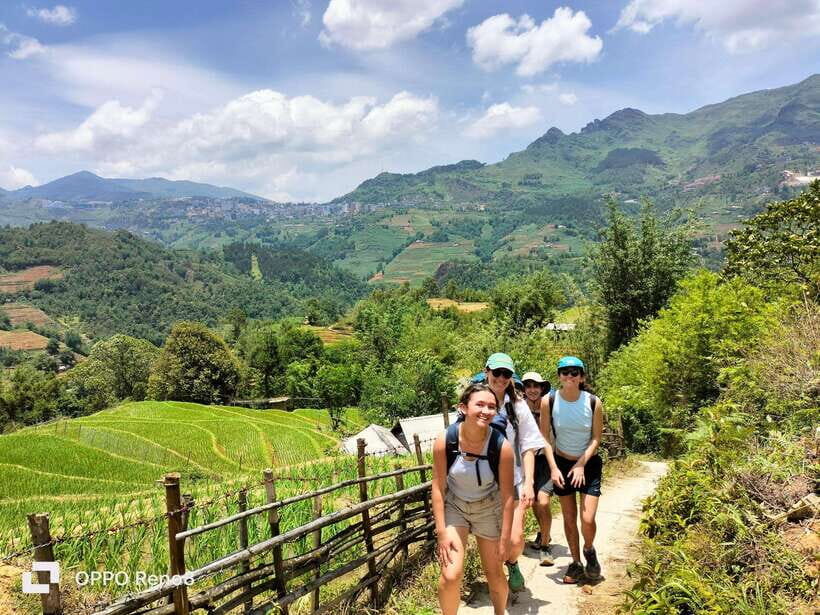
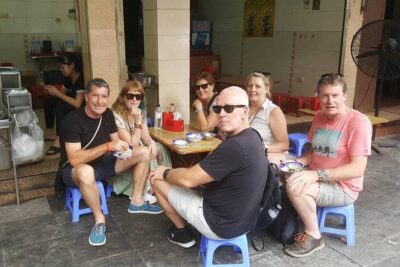
Lunch is one of the biggest reasons this trek gets such high scores. You stop for a meal at a local house in the village, and it functions as a real break, not a rushed handoff.
People often remember the lunch for two reasons:
- it’s genuinely filling after 10 km of walking
- it’s tied to village life, not a tourist restaurant routine
One strong detail from the feedback: some guides handled dietary needs, including vegan options. That doesn’t mean every meal will match your diet automatically, so tell your guide your needs when you start—but it’s reassuring to know it’s been done.
After lunch, you head through a bamboo forest. Reviews describe this part as beautiful, but also potentially slippery. Bamboo-forest paths can be shaded and damp, so expect wet patches if the weather hasn’t been dry.
Eventually you reach the Red Dao ethnic minority village of Giang Ta Chai. This is another village shift, and it’s valuable because you’re not stuck in a single community lens. You get to compare how different groups interact with the same valley terrain.
Waterfall pause and the uphill return to Sa Pa road
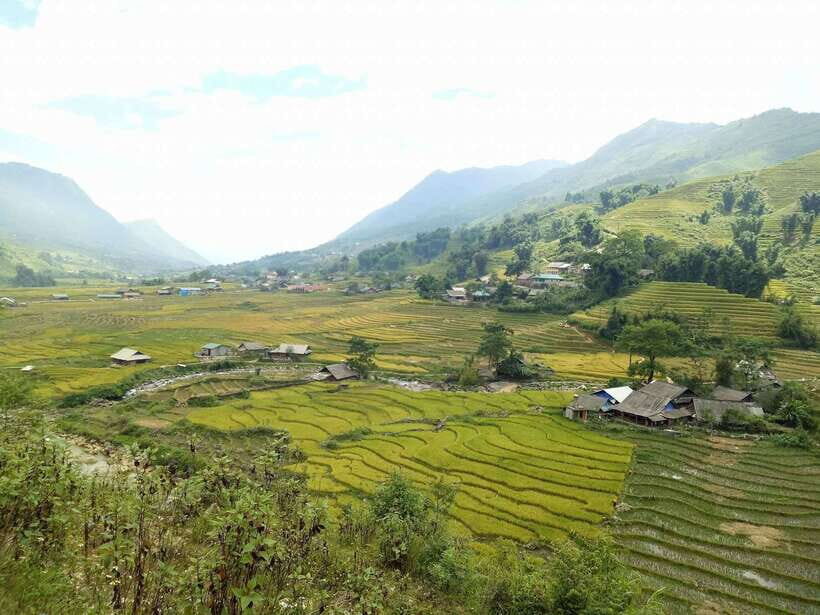
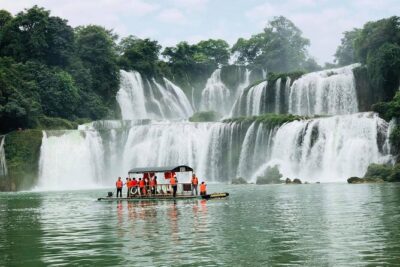
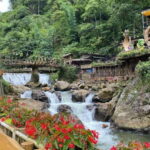
Near the end of the trek, you’ll get a short rest at a nearby waterfall. It’s not a long sightseeing stop; think of it as a breath break after the forest and village walking.
Then comes the part that turns the day from scenic into physical: a climb uphill toward the main road, where the driver waits to take you back to Sa Pa.
This final push is usually manageable for average hikers, but it’s worth respecting. Even fit people can get tired late in the day when the trail has been muddy or uneven earlier. If you’re traveling with anyone who gets winded uphill, remind them this is where the pacing needs to stay steady.


Why the guide makes or breaks the trek (and you’ll notice)

With a walk like this, a great guide isn’t just a translator. They’re your pace manager, safety monitor, and cultural interpreter.
In the guides you might meet, you’ll see a few themes:
- They constantly check unstable ground and point out safer steps
- They coordinate local support when footing gets bad
- They explain village life in plain language, tied to what you’re seeing
For example, some days you might hike with guides such as Khu or Su, who are described as careful about safety and very attentive when rocks look unstable. Others—like Chai, Sunny, or Minh—are remembered for friendly energy and strong context about local culture.
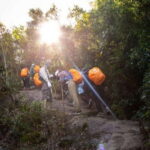
There’s also a human logistics detail that matters: local women from the villages may join to help with slippery sections. One review described help practically hand-to-hand through heavy mud. Another noted that this kind of support often appears at the toughest moments (and then fades as the trail improves). Either way, the practical move is to accept their help without being embarrassed. It keeps you moving and reduces slips, which can happen fast on steep, wet ground.
Mud-proofing your day: shoes, sun, insects, and cash etiquette
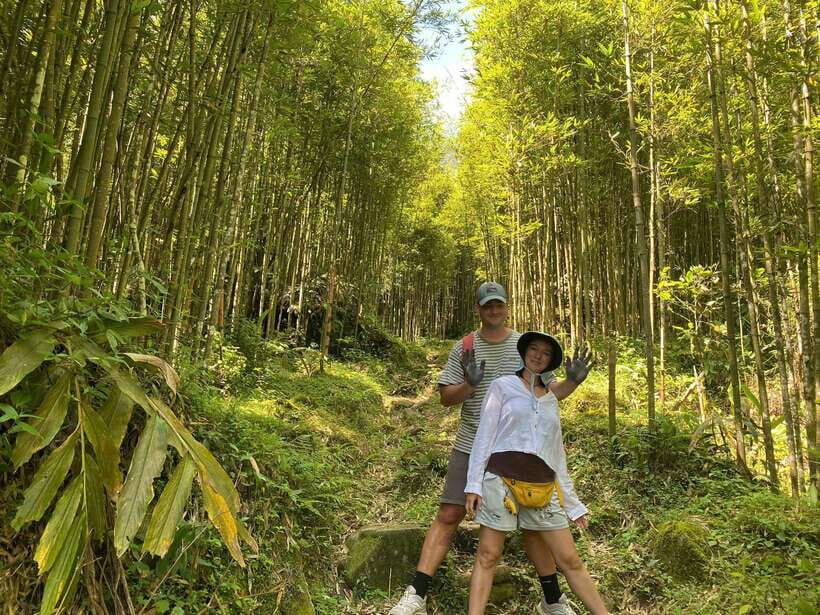
This trek is absolutely doable—but you have to gear up for the valley’s reality.
Bring:
- hiking shoes with grip
- sunglasses
- sunscreen
- insect repellent
- warm clothes from October to March
Even if the sky looks clear in Sa Pa, the valley can still be damp. Several experiences note foggy, wet days and very muddy trails, especially on steep parts and in bamboo areas. If you show up in sneakers, you’ll feel it quickly when traction drops.
Also plan for the social side of village visits. Some feedback explicitly calls out the expectation to buy something small from local ladies after the hike as a thank-you. The tour includes lunch, water, and entry tickets—but personal purchases aren’t included. Carry a bit of cash for this, just in case the moment comes when you pass stalls or goods along the way.
One more practical detail: oversize luggage isn’t allowed. Travel light.
Price and value: what $23 really covers in a 6-hour cultural hike
At around $23 per person, this can feel like a bargain—if you focus on what’s included.
You get:
- hotel pickup in Sa Pa center town
- an English-speaking guide
- entry tickets
- lunch at a local home
- mineral water (500ml per person)
- transportation back to Sa Pa as mentioned in the plan
Not included is the rest of your day’s drinks and personal spending. But the big value is that you’re paying for guided time in a specific valley route, plus the village meal component that would be harder to arrange on your own safely.
There are a couple of optional extras noted for specific situations:
- If you want a French-speaking guide, it costs 19 USD per person.
- There’s a Lunar New Year surcharge from 14 Feb to 21 Feb 2026 of 30 USD per person.
For planning, the best way to see value here is to compare it to the cost of a guided day with transport, guide time, and a real village lunch. This is the kind of tour where the included meal is part of the experience, not just a bonus.
Who should book this trek, and who should skip it
This is a great fit if:
- you can handle uneven outdoor terrain
- you like real village routes more than viewpoint circuits
- you want a day that blends rice terraces, riverside walking, bamboo forest, and village visits
It’s not a fit if:
- you have mobility impairments, since the tour is not suitable for disabled people
- you’re traveling with children under 6
- you want a low-effort walk or a guaranteed dry path (the trek can get challenging in wet weather)
One more honest note: if you hate mud, you might have a rough mental day even when the scenery is stunning. The valley is part of the texture of the trek. Bring the right shoes and shift your mindset to careful steps and short breaks.
Should you book this Muong Hoa Valley trek with Vietnam Nomadtrails?
I’d book it if you want the Sa Pa valley experience that feels tied to real life. The strongest reasons are the same ones that come up again and again: the village-based lunch, the route that actually moves through the valley, and the way guides manage safety on rough ground.
You should book it with extra caution if you’re hiking during rainy weeks or you’re unsure about your balance on steep, muddy tracks. In that case, upgrade your footwear and plan to go slower than your normal walking speed.
If you want a single-day way to see multiple ethnic village areas—plus rice terraces, river crossings, rock carvings, bamboo forest, and a waterfall break—this is a solid choice. Just show up prepared, and you’ll get a day that feels much more than a standard tour.
FAQ
How long is the Muong Hoa Valley trek, and how long does the full tour last?
The trek covers about 10 kilometers and the full experience lasts around 6 hours. The tour ends at approximately 3:30 PM.
Is hotel pickup included, and where does it work?
Hotel pickup is included if your hotel is located in Sa Pa center town. Pickup is also available from the provider’s office in Sa Pa town, but pickup outside the Sa Pa area is not available.
Will I have an English-speaking guide, and how big is the group?
Yes, the tour includes an English-speaking guide. It’s a small group limited to 11 participants.
Is lunch included, and what drinks are provided?
Lunch is included, served at a local home. Mineral water (500ml per person) is included. Beverages and soft drinks are not included.
What should I bring for the trek?
You should bring hiking shoes. It’s also recommended to bring sunglasses, sunscreen, and insect repellent. Warm clothes are recommended from October to March.
Is this trek suitable for children or people with mobility impairments?
No. The tour is not suitable for disabled people and children under 6 years old.
What type of weather and terrain should I expect?
The trek can be challenging, especially in wet weather. Plan for potentially slippery, muddy trails, including sections with uneven ground.
Is there a cancellation policy or pay-later option?
You can cancel up to 24 hours in advance for a full refund. You can reserve now and pay later, keeping your travel plans flexible.