REVIEW · SA PA
From Sapa: 1-Day Guided Trek to Lao Chai & Ta Van with Lunch
Book on GetYourGuide →Operated by Sapa Northern Trekking · Bookable on GetYourGuide
One day in Sapa can feel like three. This Lao Chai and Ta Van trek mixes rice-terrace hiking with hands-on village culture, from daily life in the Black Hmong community to an herb-based incense lesson in Ta Van. You’ll walk along the Muong Hoa–Y Linh Ho stream and keep an eye out for the Hoang Lien Son mountain backdrop.
I especially like the small-group setup (limited to 12), because the guide can actually answer questions as you go. And if you end up with a guide like Giang or Toan, the stories feel like they come from living in the region, not memorizing facts.
The main trade-off is effort. This is a moderate-high hike (about 12 km / 7.5 miles), and rain can make sections slippery, so you’ll want proper footwear and rain gear.
In This Review
- Key Things That Make This Trek Worth Your Time
- From Sapa Town to the Villages: How the Day Actually Flows
- The Hike Route: Muong Hoa–Y Linh Ho and the Hoang Lien Son Views
- What to expect underfoot
- Lao Chai Black Hmong Village: Lunch, Daily Life, and Terraces That Feel Real
- What I like about the Lao Chai stop
- A practical note on village selling
- The Second Half to Ta Van: After Lunch, Your Pace Changes
- Why this mid-day shift is valuable
- Ta Van Incense-Making: A Simple Lesson With Real Character
- How to get the most from it
- How Hard Is This Trek, Really?
- Fitness and safety tips that actually matter
- Small Group, English-Speaking Guides, and the Value of Real Explanations
- What you should expect from a strong guide
- Price and Value: Is $34 a Good Deal for This Day?
- What to Bring to Avoid a Miserable Day in Sapa
- Who Should Book This Trek, and Who Should Skip It
- Should You Book This Lao Chai and Ta Van Trek?
- FAQ
- How long is the trek?
- How far will I walk?
- Which villages will we visit?
- Is lunch included?
- What happens at Ta Van besides trekking?
- What languages are available for the guide?
- What time does pickup happen in Sapa?
- What should I bring for the hike?
- Is this trek suitable for everyone?
Key Things That Make This Trek Worth Your Time
- Lao Chai lunch with locals: you’re eating as part of village life, not just grabbing food on the move
- Muong Hoa–Y Linh Ho stream walking: a gentler rhythm that still delivers huge mountain views
- Black Hmong village time: see how daily routines connect to the hills
- Ta Van incense-making with local herbs: a specific cultural activity, not a quick photo stop
- Guides who look out for footing: on muddy days, I’d plan to move slowly and use whatever help they suggest
From Sapa Town to the Villages: How the Day Actually Flows
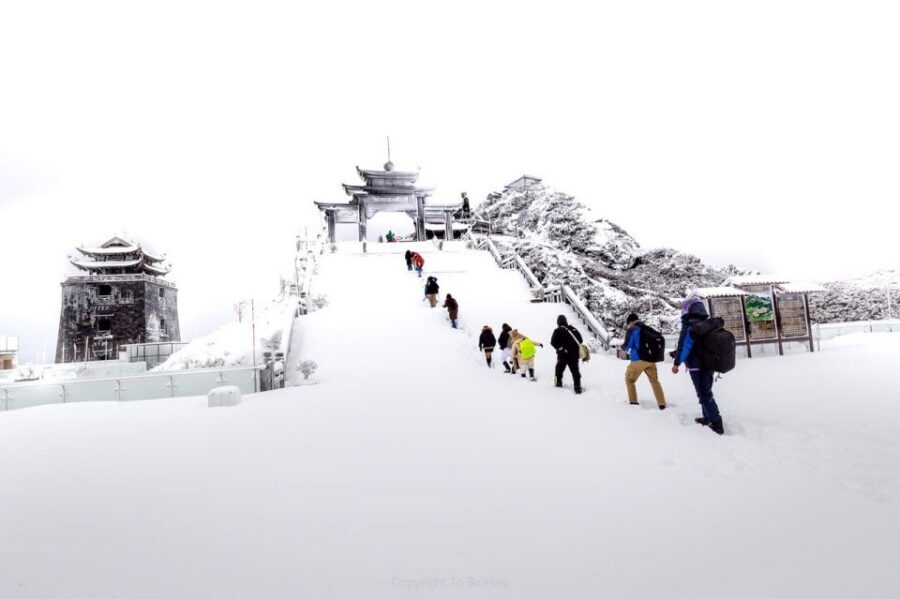
This trek is built for a full, satisfying day without rushing. You start in Sapa Town and meet your guide in the hotel lobby from 9:00 AM to 9:30 AM, then get going with a small group. With pickup included in the price, you’re not wasting morning energy figuring out transport or where to meet people.
Once you’re underway, the route links three things you’ll care about in Sapa: scenery, culture, and walking rhythm. The walk is not just one long line on a trail. It’s a sequence of paths by streams, rice terraces, and village edges, with breaks that make the day feel human-sized.
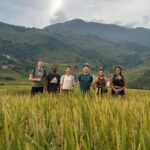
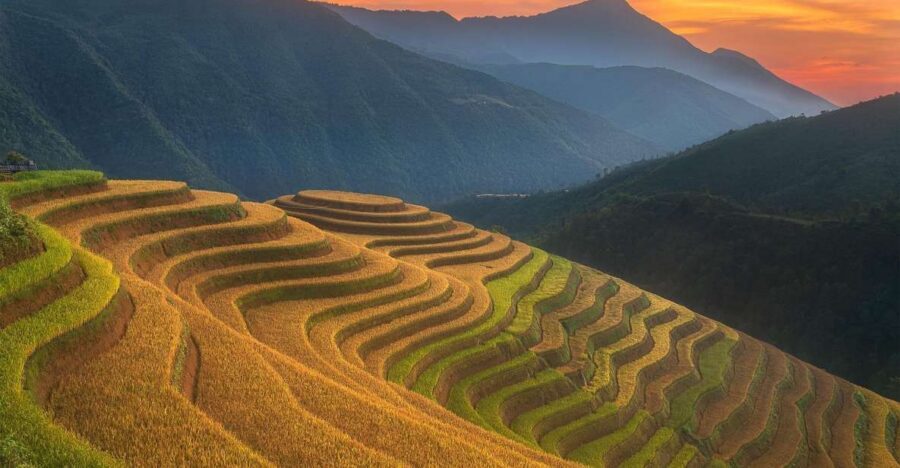
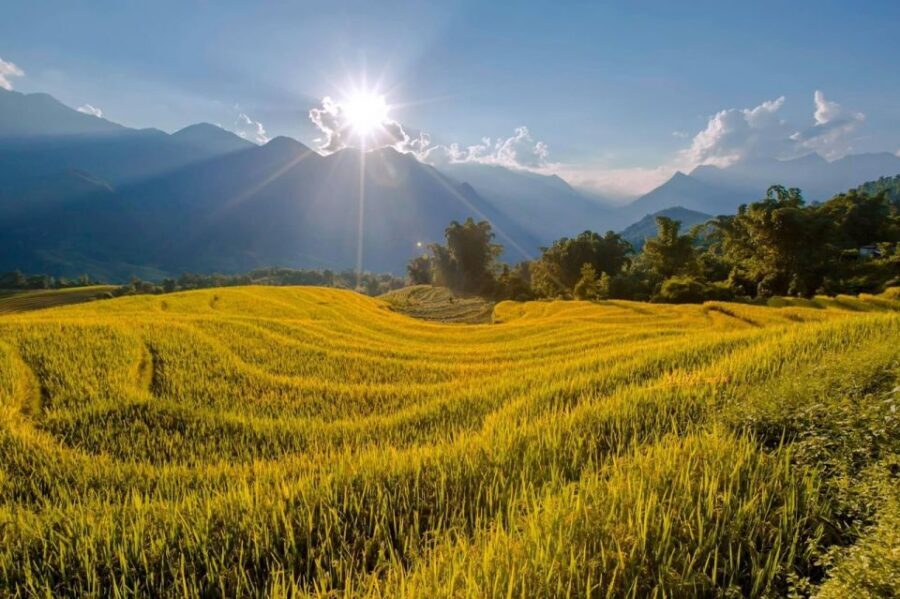
And yes, the views matter here. You’ll keep seeing towering mountains and terraced fields that change as you move. It’s the kind of place where even a few minutes at a viewpoint feel earned.
You can also read our reviews of more guided tours in Sa Pa

The Hike Route: Muong Hoa–Y Linh Ho and the Hoang Lien Son Views
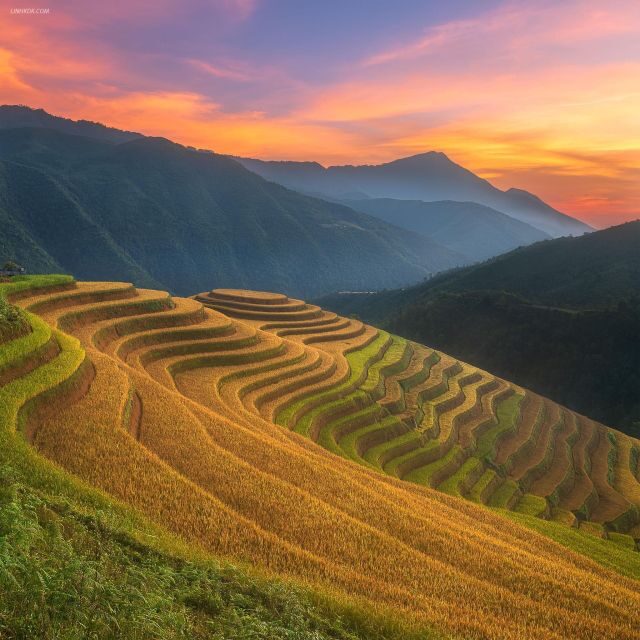
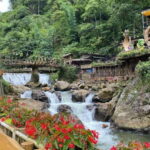
The trek route centers on the Muong Hoa–Y Linh Ho stream area, which helps break the day into sections your body can handle. Stream-side walking often feels more natural than trekking up and down constantly, even when the path still gets muddy.
Along the way, you’ll have repeated chances to spot the Hoang Lien Son mountain in the background. The mountain is why Sapa looks dramatic on clear days and moody on rainy ones. Either way, it’s a visual anchor for your photos, your pacing, and your sense of place.
What to expect underfoot
In dry weather, you’ll still find uneven ground. In wet weather, you’ll find it slippery. Several guides handle this with practical safety tactics, and you should too: keep your steps short on slick bits, don’t rush downhill, and treat mud like it’s ice.
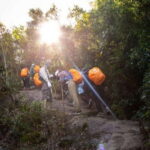
If the conditions are bad, some guides have helped group members navigate by making bamboo trekking sticks on the spot, and even turning parts of them into souvenirs. That’s the kind of small, thoughtful support that makes a difference when the trail turns challenging.
Lao Chai Black Hmong Village: Lunch, Daily Life, and Terraces That Feel Real
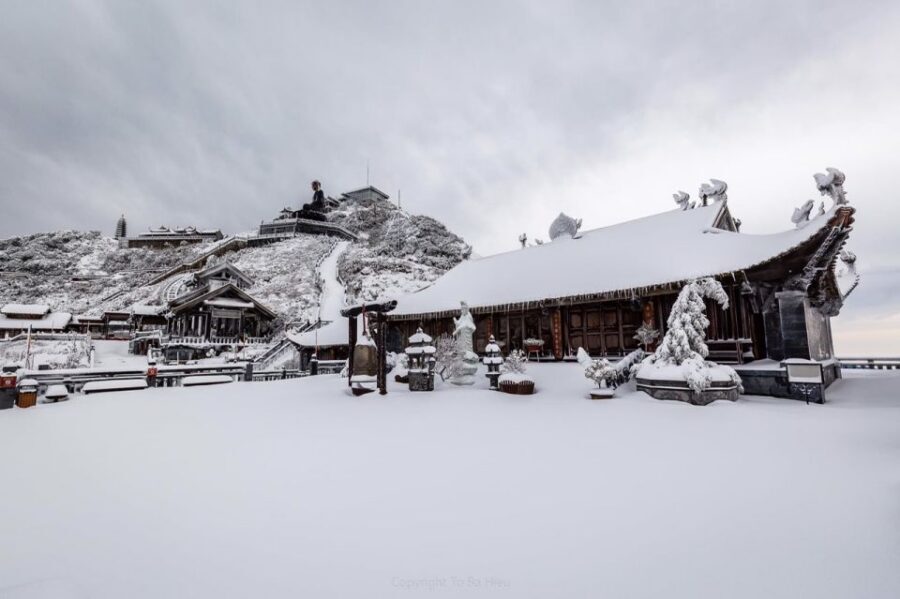
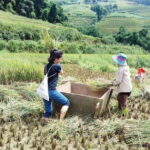
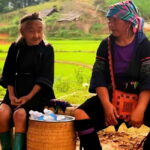
Lao Chai is where the day turns from walking to living. You’ll head to this Black Hmong village area after the morning trek, and you’ll get time to see daily life up close. This is the part that usually makes people remember the tour, not because it’s staged, but because it’s grounded.
You’ll also enjoy lunch in the village. The key point isn’t just that food is included. It’s that the meal feels tied to the setting. You’re eating as part of a home visit, which usually means you slow down for a proper reset.
What I like about the Lao Chai stop
- Culture isn’t a lecture. You learn by seeing routines and asking questions.
- Lunch is a real energy boost. You’re not just snacking; you’re fueling the second half of the trek.
You can also read our reviews of more tours and experiences in Sa Pa


A practical note on village selling
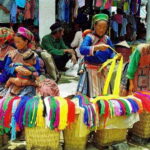
One real-world thing to understand: some villagers can be very persistent about selling goods. It can happen on longer trail stretches too, not just in towns. You don’t have to negotiate or feel trapped. Calm, consistent no thanks works best, and then keep moving with your group. If you want souvenirs, buy with intention. If you don’t, protect your pace.
The Second Half to Ta Van: After Lunch, Your Pace Changes
After lunch, you continue to Ta Van village, home to the Zay Tribe. This is the phase where the day often feels like a mini-adventure: your legs have warmed up, you’ve got fuel in you, and the terrain keeps shifting.
This isn’t just scenic drift. You’re still trekking through countryside with mountains nearby, plus the atmosphere of village life around you. Ta Van feels different from Lao Chai, and the change helps your brain separate “hiking day” from “cultural day.”
Why this mid-day shift is valuable
Lunch places you in a mental reset. When you resume, you’re more present. That matters for cultural learning, because you’re not trying to absorb stories while you’re hungry, tired, and out of breath.
Ta Van Incense-Making: A Simple Lesson With Real Character
Ta Van includes a hands-on incense-making experience using local herbs. This is a standout part of the day because it’s specific. You’re not just watching a cultural artifact. You’re learning the process and the idea behind it.
Incense has an easy way of becoming symbolic here. You’ll likely connect it to everyday life, traditions, and how people use resources from their environment. It’s also one of the few activities that gives you a break from walking while still feeling like part of the culture.
How to get the most from it
Ask practical questions. How it’s made. What herbs are used. Why it matters in daily routines. If your guide is someone like Giang, Toan, or Lam, you’ll probably get answers that go beyond what’s on a brochure.
How Hard Is This Trek, Really?
On paper, it’s about 12 km (7.5 miles) for the full hike. The effort level is listed as moderate-high, and the ground conditions can push it higher. This isn’t a flat stroll. You’re dealing with hills, uneven steps, and sometimes slippery surfaces.
Some days feel manageable because weather helps and the path is firm. Other days feel like a workout because rain makes the trail slick and unpredictable. I’d plan your expectations around that reality.
Fitness and safety tips that actually matter
- Wear proper hiking shoes with grip. Trainers can work in dry conditions, but mud changes everything.
- Bring rain gear even when skies look okay. In Sapa, conditions can shift.
- Warm clothing helps because the hills and altitude can cool you down, especially in the morning.
- Go slow on descents. Many falls happen when people rush downhill.
In muddy conditions, guides may offer extra support like trekking sticks, and that can help you stay steady. If you’re worried, ask your guide what they recommend based on the day’s weather.
Small Group, English-Speaking Guides, and the Value of Real Explanations
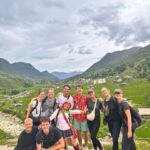
This tour runs with a small group limited to 12 participants, which is a big deal in a place where trails are narrow and villagers are close by. It makes it easier for your guide to check in and for you to ask questions without shouting.
Your guide is English-speaking, and the experience can also include English audio support. You may hear different languages depending on your group setup, but English is part of the plan. That’s why names like Giang, Toan, Lam, Antoine, and others show up so often in people’s memories: you’re not just walking—you’re interpreting what you see.
What you should expect from a strong guide
A great guide doesn’t just point things out. They explain how villages work, how ethnic groups live across the hills, and why people choose certain practices. Based on the consistent feedback, the best guides here are friendly, attentive, and quick to answer questions while still keeping the group moving.
Price and Value: Is $34 a Good Deal for This Day?
At $34 per person for a 1-day guided trek, this is priced like a serious bargain if you take what’s included seriously. You get:
- pickup in Sapa town center
- an English-speaking guide
- entrance tickets
- lunch
- small mineral water
What you’re paying for is not just a walk. You’re paying for local guidance, village time, and a cultural activity (incense making) that would be harder to arrange on your own without knowing who to ask.
The main thing that can change the real cost is what you bring for yourself. Water beyond the small bottle, extra drinks, and any purchases along the way are on you. So if you want to spend money for souvenirs or snacks, budget for that. If you keep it simple, the core tour value is strong.
What to Bring to Avoid a Miserable Day in Sapa
This is a trekking day in northern Vietnam, and the weather can be a curveball. Here’s what you should bring based on the tour guidance and what people found helpful in real conditions.
Packing essentials
- Warm clothing (layers beat one bulky item)
- Hiking shoes (grip matters)
- Sunglasses and a camera
- Biodegradable sunscreen
- Rain gear
- Biodegradable insect repellent
Smart add-ons
- If you hate wet surprises, consider waterproofing your bag.
- If you’re prone to cold, a hat or light gloves can make mornings less unpleasant.
- Keep luggage small. You don’t want to wrestle bulky bags while moving along village paths.
Some people have mentioned the possibility of wellington boots rental when it’s muddy. That’s not something to rely on blindly, but it’s worth asking about if conditions look bad.
Who Should Book This Trek, and Who Should Skip It
This tour fits best if you:
- enjoy village culture alongside outdoor time
- can handle a 12 km hike with uneven, sometimes slippery sections
- want a guide who can explain Hmong and Zay daily life in plain language
It’s not suitable for wheelchair users, and it isn’t meant for people over 70 years. If you’re in that range, you’ll probably struggle with the terrain and pace.
If you’re the type who thinks a “moderate” hike still sounds fine, you’ll likely do well. If you’re nursing an injury or you know slippery ground is a problem for you, consider a gentler route.
Should You Book This Lao Chai and Ta Van Trek?
I’d book it if you want one day in Sapa that balances real walking with real people time. The Lao Chai lunch in a home setting and the Ta Van incense-making lesson are exactly the kind of moments that make Sapa feel specific, not generic.
You should also book it if you like small groups and prefer guides who treat questions seriously. From what I see in the feedback, the best guides here do two things well: they keep you safe, and they give context so the day doesn’t just pass as scenery.
Skip it if you’re expecting a low-effort stroll, or if you’re uncomfortable with muddy trails. This route rewards preparedness. When you show up with the right shoes and a calm pace, it turns into a day you’ll talk about long after the hills fade from view.
FAQ
How long is the trek?
It’s a 1-day experience. The walk plus lunch typically takes around half the day, and you’ll return to Sapa afterward.
How far will I walk?
The hike is listed as about 7.5 miles (12 kilometers). The exact distance can feel longer depending on the route taken that day.
Which villages will we visit?
You’ll visit Lao Chai village and then continue to Ta Van village.
Is lunch included?
Yes. Lunch is included, and there are mentions of vegetarian options.
What happens at Ta Van besides trekking?
You’ll spend time learning about local culture and see how incense is made with local herbs.
What languages are available for the guide?
You can get an English-speaking guide, and the tour information also includes audio guides in English (as well as Vietnamese).
What time does pickup happen in Sapa?
Pickup in Sapa town center is scheduled from 9:00 AM to 9:30 AM. You’ll meet your guide in your hotel lobby during that window.
What should I bring for the hike?
Bring warm clothing, sunglasses, a camera, hiking shoes, biodegradable sunscreen, rain gear, and biodegradable insect repellent.
Is this trek suitable for everyone?
It’s not suitable for wheelchair users, and it’s not recommended for people over 70. It also involves a moderate-high level of fitness due to the hiking distance and terrain.