REVIEW · SA PA
EXPLORE SAPA: 2D1N TREKKING & HMONG CULTURE WITH DINH
Book on GetYourGuide →Operated by Dinh Sapa Trekking Adventures · Bookable on GetYourGuide
Sapa feels real on this trek. I love how Dinh’s storytelling turns the rice fields and village paths into something you can actually understand, not just see. You’ll walk from Sapa down through Y Linh Ho and Lao Chai, then finish in Ta Van with time to relax, eat well, and hear what life is like for the Giay and Hmong communities up close.
My second big plus is the home-cooked Hmong meals plus the homestay rhythm: hot shower, simple cozy rooms, and a casual cooking class with the family. One thing to plan for: if conditions are damp, the trails can be muddy and soggy, and you should expect to get covered in mud even if you pack your best intentions.
You also get a small but thoughtful send-off with a free T-shirt at the end, so the trip doesn’t feel like a quick drop-and-go. It’s a group trek with a moderate fitness level, but it’s built for people who want nature, culture, and a real night with a local family.
In This Review
- Key highlights worth planning around
- Why Dinh’s 2D1N trek feels personal in Ta Van
- Day 1: The Sapa descent through Y Linh Ho and Lao Chai to Ta Van
- Sapa to Y Linh Ho: walking the first farming trails
- Lunch and the village rhythm at Lao Chai
- The Ta Van arrival: Giay and Hmong village life
- Homestay night in Ta Van: cooking class, kids, and a real welcome
- Your comfort basics for the homestay
- Day 2: Bamboo forests, Giang Ta Chai waterfall, and the Red Dao area
- Bamboo forest trek + terraced rice fields
- Optional swim at Giang Ta Chai waterfall
- Into the Red Dao ethnic area, then back to town
- Price and value: why $43 can work better than you expect
- Food, drinks, and what to expect with meals
- Trekking realities: distance, group pace, and how to pack for mud
- What to bring (don’t overthink it)
- Your bags: save your shoulders
- Who this trek suits best (and who should reconsider)
- Should you book this Dinh Sapa trekking and homestay trek?
- FAQ
- How long is the trek?
- Where does the tour start and where does it end?
- What is included in the price?
- Is the homestay private or shared?
- Can you accommodate vegetarian meals?
- What should I bring for the trek?
Key highlights worth planning around
- Dinh guides you through four villages with cultural notes you can use right away while you’re walking
- Ta Van homestay options include a private room or a bungalow with a mountain view over the rice terraces
- Bamboo forest morning to Giang Ta Chai waterfall, with an optional swim if you want it
- Meals are included all the way through (2 lunches, 1 dinner, 1 breakfast), with vegetarian options available
- Community connection is part of the program, including Dinh’s story about supporting children’s education
- You get practical trekking help with bags, so you don’t have to lug big luggage on steep, uneven paths
Why Dinh’s 2D1N trek feels personal in Ta Van
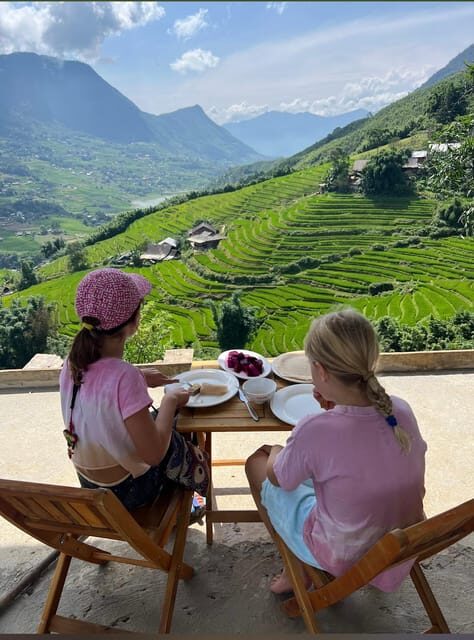
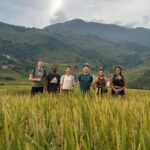
This is the kind of Sapa experience that makes sense for real life. You don’t just pass through viewpoints. You move on foot between villages where farming is daily work, and Dinh uses the walk time to explain what you’re seeing—rice planting or harvesting depending on the season, the differences between ethnic groups, and how daily village routines shape everything around you.
I also like that the experience is clearly structured: start in Sapa Town, trek down through specific villages, sleep in Ta Van, and return by late afternoon on Day 2. That keeps the trip from feeling chaotic. The group format also matters. You’re not hiking alone, and you have a local guide with you for route choices and safety on uneven ground.
One more detail I really appreciate: Dinh’s homestay setup isn’t presented as a hotel. It’s simple and authentic, with basic amenities, and you have a hot shower when you arrive. That combo—authentic but comfortable enough to reset—makes the whole trip easier to enjoy.
You can also read our reviews of more hiking tours in Sa Pa
Day 1: The Sapa descent through Y Linh Ho and Lao Chai to Ta Van
Your Day 1 starts at 9:00 AM, and you’ll meet Dinh either at your hotel in Sapa Town or in front of the local main church. That start time helps because you’re moving while the valley is calmer and the light is easier for photos.
Sapa to Y Linh Ho: walking the first farming trails
After a brief introduction, you head out of Sapa and begin trekking down toward Y Linh Ho village. You’ll pass scenic spots on the way, then stop for lunch at a small traditional restaurant run by a Hmong family. This is one of those stops that feels small but important: you get a proper sit-down break rather than a rushed snack, and you eat in a way that matches the region.
Lunch and the village rhythm at Lao Chai
In the afternoon, you continue on to Lao Chai, described as one of the oldest and largest Hmong villages in the area. As you move through and between villages, Dinh shares insights into cultural differences between ethnic groups. For you, that’s the difference between taking pictures and actually understanding what those pictures show.
The Ta Van arrival: Giay and Hmong village life
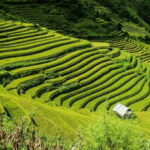
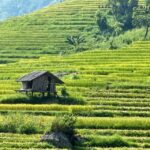
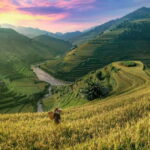
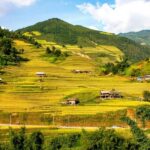
From Lao Chai, you trek to Ta Van Village, home to Giay and Hmong communities. Depending on the season, you may see locals planting or harvesting rice. Even if you’ve seen rice terraces in other places, this is different because you’re walking through the working areas, not only the tourist-facing views.
When you arrive at Dinh’s family homestay, you get time to rest and reset. There’s a hot shower, plus space to relax—one of those underrated “value” parts of a trek.
You can also read our reviews of more tours and experiences in Sa Pa


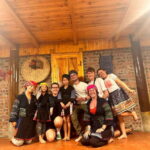
Homestay night in Ta Van: cooking class, kids, and a real welcome
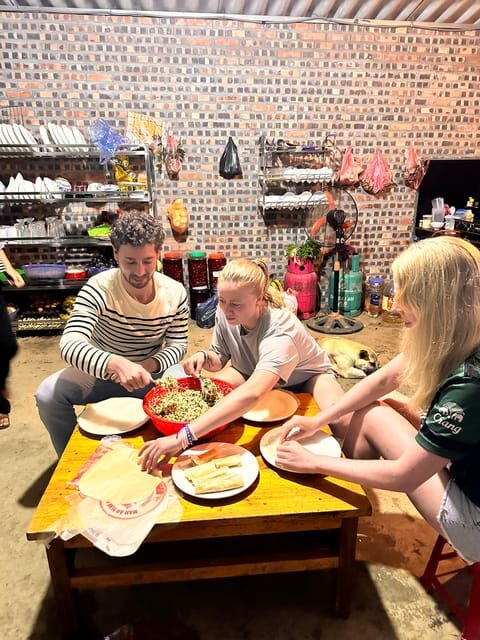
The evening program is where this trek turns from outdoor activity into a cultural exchange that feels more lived-in. After you settle in, the experience includes an informal cooking class with Dinh’s family to prepare a traditional dinner.
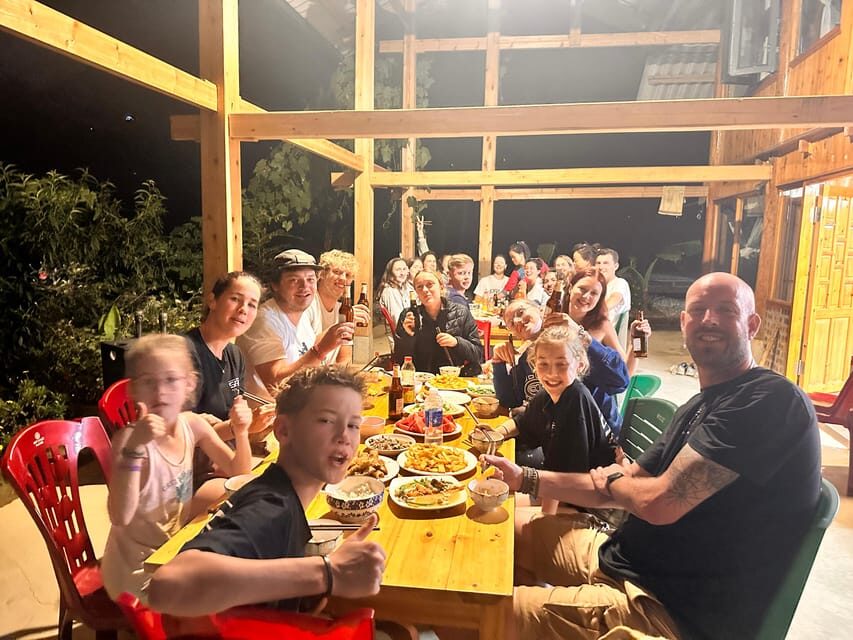
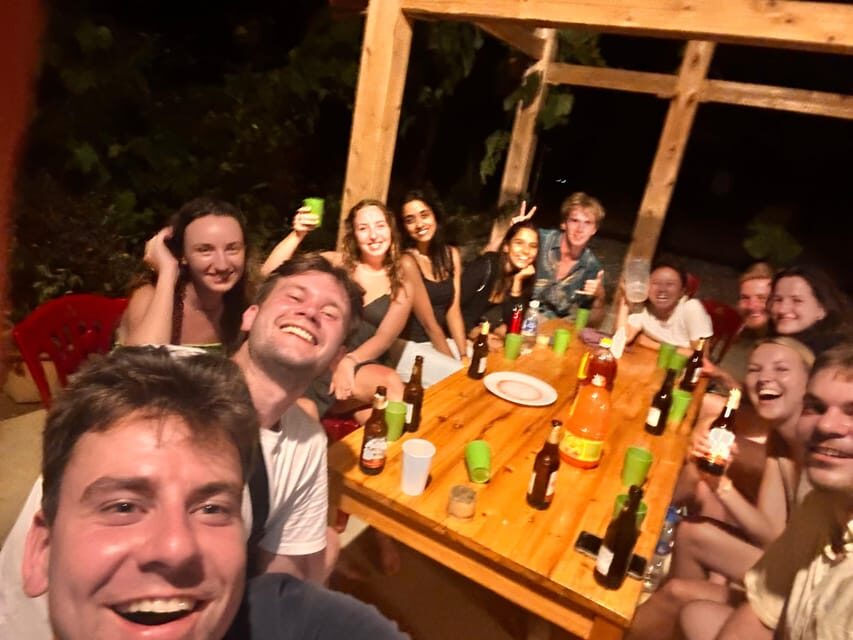
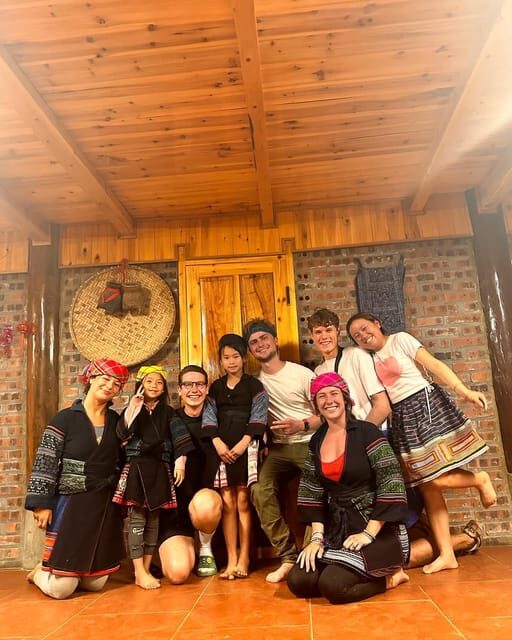
During dinner, Dinh shares her story about supporting 10 local children’s education, and the pace stays friendly rather than staged. You’ll also see a traditional dance performance to welcome you. Then it shifts into social time: you can play with the kids, and if you’re up for it, there are fun drinking games with Happy Water, which is local rice wine.
Your comfort basics for the homestay
Accommodation is simple and cozy with basic amenities, and you can choose between:
- a shared or private room option, or
- a bungalow with a mountain view (often the best view over the rice terraces)
The homestay experience is exactly what makes this itinerary worth it at this price: you’re paying for the guide and trekking, but you’re also paying for an evening that happens inside a family’s daily life.
Day 2: Bamboo forests, Giang Ta Chai waterfall, and the Red Dao area
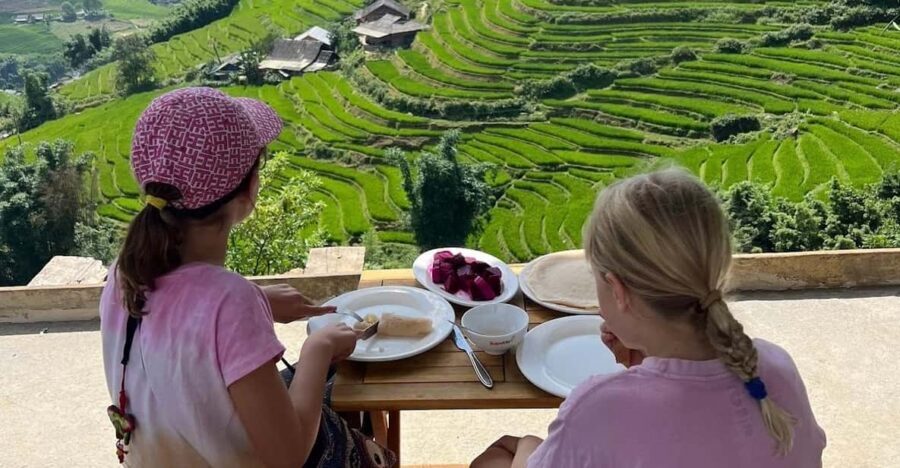
Day 2 starts with something small but helpful: a cup of hot coffee or tea at the homestay while the surroundings are quiet. Then you’ll head out after breakfast.
Bamboo forest trek + terraced rice fields
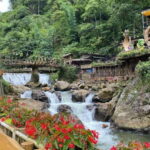
The morning route takes you through bamboo forests and terraced rice fields, leading toward Giang Ta Chai. This section tends to feel like a reward for the first day. You’re walking on paths that stay close to the water and far from the usual Sapa bustle.
Optional swim at Giang Ta Chai waterfall
When you reach Giang Ta Chai, you’ll have the option to swim in the cool waterfall. This isn’t forced, so you can treat it like a choice: if you’re feeling it, you go in. If not, you enjoy the break and then continue.
Into the Red Dao ethnic area, then back to town
After the waterfall stop, you enter the Red Dao ethnic area before making your way back to the main road. You’ll enjoy a final lunch, and then you return to Sapa by taxi. The tour ends between 2:00 and 3:30 PM, so you’ll have a reasonable window for planning the rest of your day.
Price and value: why $43 can work better than you expect
At $43 per person, the value comes from what’s actually bundled in. You’re not just buying a walking guide. You’re getting:
- a local guide for 2 days
- village entry fees for 4 villages
- 2 lunches + 1 dinner + 1 breakfast
- 1-night homestay (simple, cozy, and family-run)
- 1 big water per person per day
- transport back to Sapa after you finish Day 2
That’s a lot of “hidden costs” you don’t notice until you try to DIY it. When you add food, entry fees, and a real homestay into a trek itinerary, the price stops looking like a bargain and starts looking like a fair deal.
There’s also a direct human value that matters: Dinh explains how proceeds support children’s education. When your money is tied to a specific local goal, it changes how you think about the trip while you’re on it—not just after you’ve left.
And yes, you also get a free T-shirt at the end.
Food, drinks, and what to expect with meals
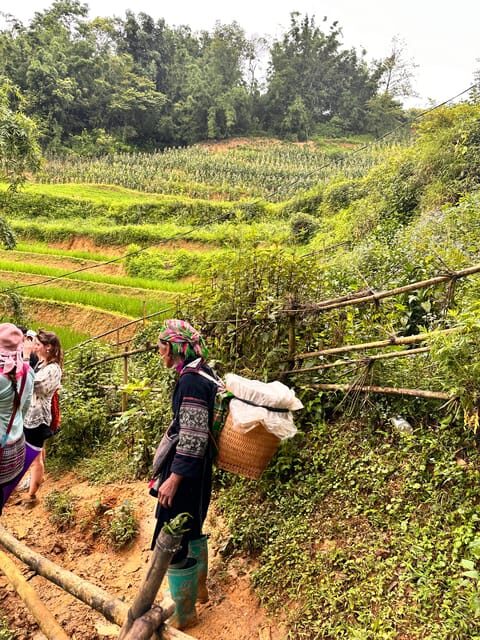
Meals are included at key points, and the goal is clearly to keep you fueled for hiking and village walking.
- Day 1 includes lunch at a traditional Hmong-family restaurant, then dinner at the homestay after a cooking class
- Day 2 includes breakfast at the homestay and a final lunch before returning to Sapa
Vegetarian options are available, which is a real help if your food preferences limit you. In the homestay, meals are described as abundant and delicious, and the cooking class adds a lot to the experience because you’re not just eating—you’re seeing how the meal comes together.
About Happy Water: it’s included as part of the evening fun through local rice wine games, but you’re not required to be a fan to enjoy the night. You can play games, laugh, and still keep it light.
Trekking realities: distance, group pace, and how to pack for mud
This trek covers about 18 km over 2 days, with uneven and steep sections. Day 1 is 9–11 km for about 5.5 hours. Day 2 is 7–8 km for about 4 hours.
That “moderate fitness” label is accurate in the real-world sense: you should be comfortable walking for hours on changing footing. Some sections can get muddy and soggy after rain, so plan your expectations for traction and cleanliness.
What to bring (don’t overthink it)
Pack like you’re hiking in the real North Vietnam weather:
- Comfortable shoes / hiking shoes (traction matters)
- a sun hat
- water
- biodegradable sunscreen
- mosquito spray
- daypack
- cash (useful for buying small items from locals along the way, if you want)
- climbing gear is listed in the packing guidance
Your bags: save your shoulders
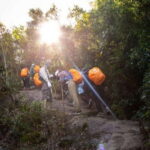
Here’s a practical detail that makes a big difference. For big bags, ask your hostel if you can leave them behind and bring only essentials for the homestay night. If you can’t store luggage, the team can help transport them to where you’ll stay after the trek, so you’re not carrying heavy items during the hike.
Who this trek suits best (and who should reconsider)
This is a strong fit if you want:
- nature + culture together, not one or the other
- a real homestay night with a family in Ta Van
- a guided route through rice terraces, bamboo paths, and village areas like Red Dao
- an English-speaking option (Dinh’s tours list English and Vietnamese)
It’s also a good choice if you like the idea of a group trek with family hospitality afterward. Many details are designed around making you comfortable enough to enjoy the evening, not just survive the hike.
Things to reconsider:
- it’s not suitable for people over 95 years
- you should be okay with mud risk and uneven steps if weather turns damp
- it’s not a quiet private tour; it’s shared with other travelers
Should you book this Dinh Sapa trekking and homestay trek?
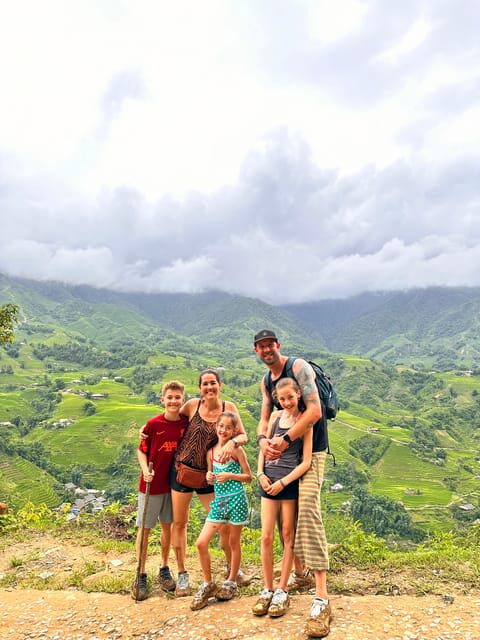
If you’re choosing between a quick Sapa sightseeing loop and something more personal, I’d steer you toward this one. The combination of a structured 2D1N walking route, a genuine family homestay in Ta Van, and meals that come with stories and shared time is exactly what makes it feel worth the money.
Book it if you’re the type who likes earning your views on foot, wants to learn what daily rice work and village life look like, and doesn’t mind getting a little dirty when the trail is wet.
Skip it if you need guaranteed clean trails, prefer a fully private itinerary, or if your fitness level won’t handle steep, uneven ground for two days.
FAQ
How long is the trek?
You’ll do 2 days of trekking with 1 night homestay. Day 1 is about 9–11 km (around 5.5 hours), and Day 2 is about 7–8 km (around 4 hours).
Where does the tour start and where does it end?
Day 1 starts at 9:00 AM meeting at your Sapa hotel or in front of the local main church. Day 2 ends by 2:00–3:30 PM, with a taxi back to Sapa after your final lunch.
What is included in the price?
Included are: a local guide for 2 days, village entry fees for 4 villages, 2 lunches, 1 dinner, and 1 breakfast, a 1-night homestay, 1 big water per person per day, and transport back to Sapa.
Is the homestay private or shared?
It’s described as simple and authentic, with options for a shared/private room or a bungalow with a mountain view (best rice terraces view). You can choose your preference when booking.
Can you accommodate vegetarian meals?
Yes. Vegetarian options are mentioned as available for breakfast, lunch, and dinner.
What should I bring for the trek?
Bring comfortable shoes/hiking shoes, a sun hat, water, biodegradable sunscreen, climbing gear (as listed), mosquito spray, cash, and a daypack.