REVIEW · HANOI
Hanoi Cooking Class: Culture, Local Market & Meaning CSR Impact
Book on Viator →Operated by Rose Kitchen Cooking Class · Bookable on Viator
A market and a kitchen in one.
I love the way this experience gives you a clear before-and-after story: you shop with an English-speaking guide, then you cook Vietnamese comfort food step-by-step in a garden villa kitchen. The two things I really like are the Old Quarter hotel pickup/drop-off that removes hassles, and the market-to-meal flow that makes ingredients make sense. One thing to consider: it’s scheduled for about 4.5 hours, so plan your day with some breathing room after.
I also like that the class doesn’t feel like a box-checking food show. Rose Kitchen’s CSR work runs in the background: monthly charity meals for cancer patients, education support for disadvantaged children in remote regions, and sustainable employment for ethnic minority women working as butlers. If you’re the type who likes your fun to do some good, this matters.
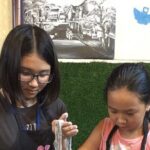
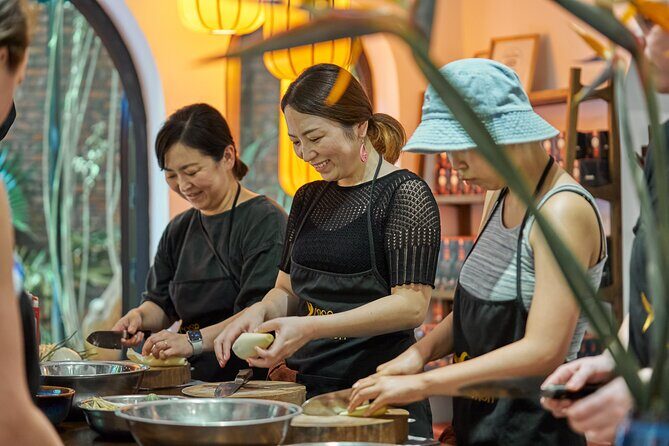
The cooking side is friendly and hands-on. You’ll be guided to make classic dishes (spring rolls, stir-fried vegetables, noodle dishes show up often), then you sit down for a full lunch or dinner depending on your session, plus a welcome herbal tea and a tasting of the kitchen’s homemade fruit wine.
In This Review
- Key things that make Rose Kitchen worth your time
- Why this cooking class works better than a typical food tour
- Market walk: the shopping lesson that makes cooking click
- The garden villa kitchen: how your cooking session is structured
- What you’ll cook: classic Vietnamese dishes you can take home
- Lunch or dinner plus fruit wine: the meal is part of the lesson
- CSR impact: what your ticket supports in Hanoi’s community
- Pickup, timing, and how to plan your Hanoi day
- Price and value: what $39 gets you (and what you’d otherwise pay for)
- Diet needs, weather, and practical tips that actually help
- Should you book Rose Kitchen in Hanoi?
- FAQ
- How long is the Hanoi cooking class?
- Is pickup and drop-off included?
- What does the price include?
- Do I get to cook and eat the food?
- What kinds of dishes will I learn?
- Is there a vegetarian option?
- Is the class offered in the morning and afternoon?
- Do they provide drinks and water?
- Is there luggage storage?
- How many people can be in a session?
- Where do I meet the tour?
Key things that make Rose Kitchen worth your time
- Old Quarter pickup makes the class easy to fit into a Hanoi itinerary
- Local market walk first so you learn what you’re buying and why
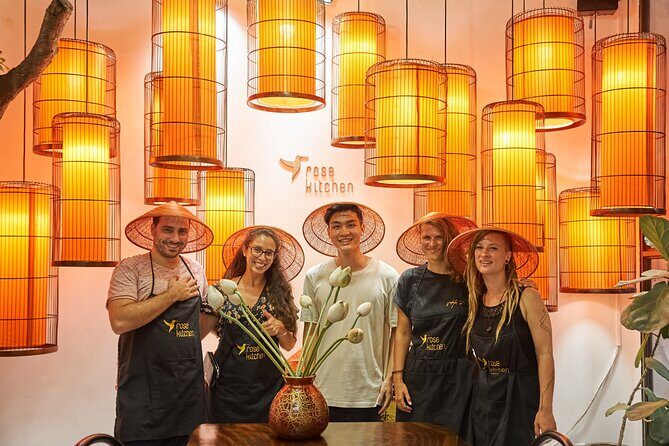
- Garden villa cooking space with step-by-step instruction and equipment provided
- Full meal included after you cook, plus herbal tea and fruit wine tasting
- CSR impact built into the ticket (charity meals, education, and jobs for butlers)
- Vegetarian option available if you plan ahead and share dietary needs
Why this cooking class works better than a typical food tour
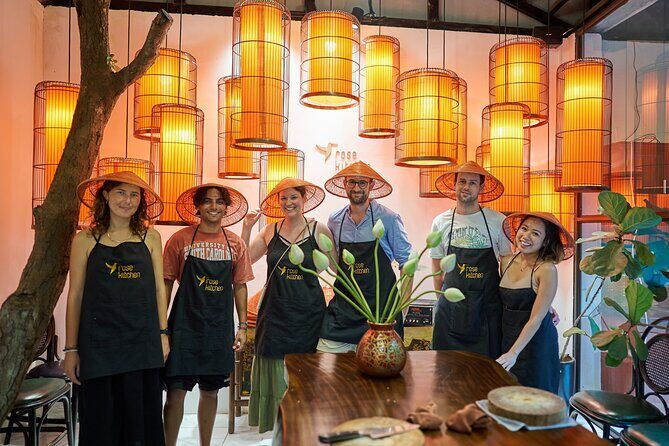
Rose Kitchen is the kind of activity that teaches you habits, not just recipes. You start outdoors with a market walk, where ingredients are seasonal and practical. Then you move indoors (an air-conditioned space) and learn how to turn those ingredients into Vietnamese dishes you can actually recreate later.
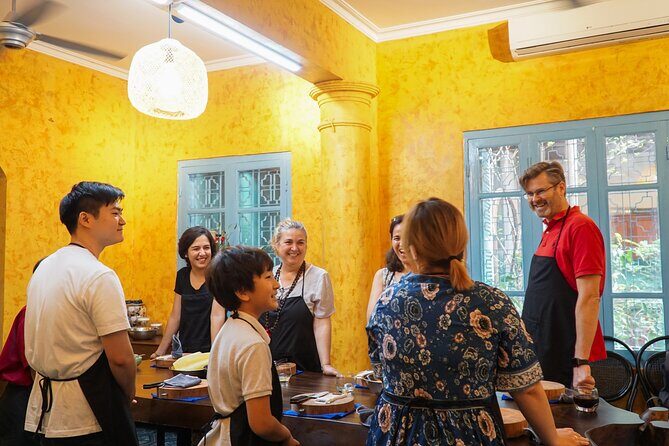
That combination is why I think it’s a strong pick for food lovers and families. It’s not only about tasting. It’s about making, with a guide who explains what you’re doing and what flavors each ingredient brings. Many reviews highlight hosts like Maxie, Aroma, Alex (Trung), and Simon for mixing ingredient guidance with a warm, energetic atmosphere. Even if you don’t get the exact same instructor, the overall style shows up again and again: talk while you cook, and make sure everyone participates.
A small practical note: because it’s a group class, the pace can depend on who’s in your session and how many people need extra help. The experience is still well organized, but your timing might vary a little.
You can also read our reviews of more shopping tours in Hanoi
Market walk: the shopping lesson that makes cooking click
The market portion is where you get your bearings fast. You’ll explore seasonal ingredients and learn how Vietnamese culinary culture shows up in everyday shopping. This isn’t just a photo stop. You’re picking items you’ll later cook with, so every question you ask pays off twice.
What to expect in the market:
- You walk through stalls with an English-speaking guide and cultural storyteller.
- You learn how different vegetables, herbs, proteins, and staple foods are used.
- You understand the logic behind flavor choices, not just the name of a dish.
One review highlight that fits this: people praise guides for explaining fruits, veggies, meats, and customs while purchasing ingredients. That’s the difference between memorizing a recipe and understanding how to build a dish.
A possible consideration: markets can feel intense if you’re sensitive to crowds or noise. This is normal for a local market experience in Hanoi, and the benefit is that you get to see real daily life rather than a staged version of it.
The garden villa kitchen: how your cooking session is structured
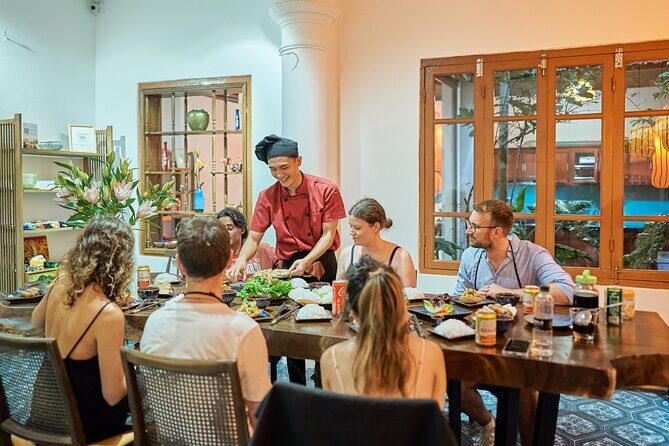
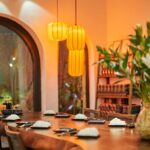
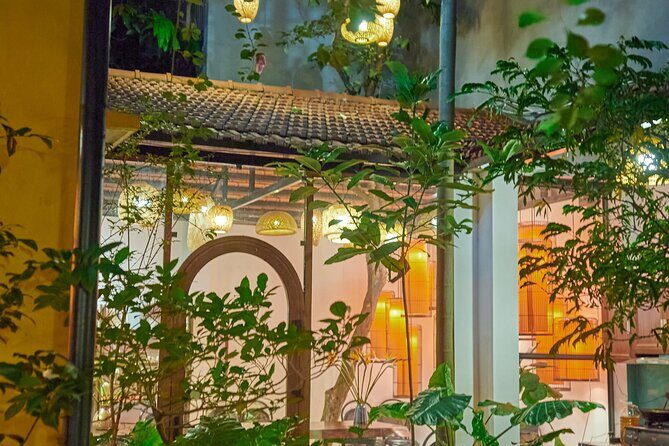
After the market, you head to a cozy garden villa setup. This is where the class feels less like a school and more like hosting. The space is described as comfortable and air-conditioned, with cooking and dining space designed for guests to work at stations without chaos.
Here’s the flow you should expect:
- You’re shown ingredients and taught the steps for each dish.
- You cook in teams with guidance from the chef and host.
- You’ll often use basic tools and utensils supplied by the kitchen.
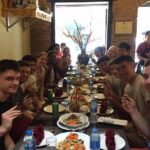
- You taste as you go, and you eat the final multi-course meal together.
A detail that comes up in reviews: some groups use gloves for certain tasks. If you prefer extra hygiene support, that’s worth knowing. Also, the staff typically handles prep so you’re focused on cooking rather than running around sourcing tools.
Why the villa setup matters for you: Hanoi cooking classes can become either too formal or too rushed. This one aims for warm and practical—organized enough to keep things moving, friendly enough that beginners feel comfortable.
What you’ll cook: classic Vietnamese dishes you can take home

The class is built around signature Vietnamese dishes and a full meal. Based on the information provided, expect dishes such as:
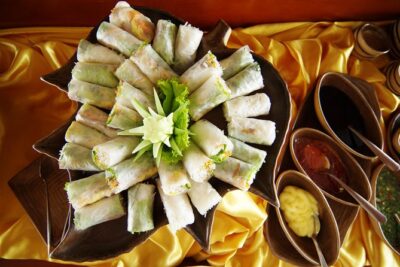
- Spring rolls
- Stir-fried vegetables
- Traditional noodle dishes
Reviews add useful color on what different sessions can include, like bun cha, mango salad, and fresh summer rolls. Some people also mention favorites like egg coffee during their session, but that may vary by class day and course selection.
The real value isn’t only which dishes you make—it’s why you’ll understand the pattern behind them:
- How fresh herbs change a dish
- How sauces and seasonings balance salty, sweet, and tangy notes
- How stir-frying and noodle cooking timing works in Vietnamese kitchens
That’s why you’re given a way to reproduce the meal later. The tour offers a digital guidebook (must-try local eats and favorite hangouts), and multiple reviews mention receiving recipes after the class (one person specifically notes within 24 hours). Even if you don’t cook every dish immediately at home, you’ll have the blueprint.
Lunch or dinner plus fruit wine: the meal is part of the lesson
You don’t just taste a sample and leave. You’re provided a full Vietnamese lunch or dinner depending on whether you book the morning or afternoon session. In addition, you get:
- A welcome drink of herbal tea
- Unlimited free mineral water during the experience
- Homemade fruit wine tasting
- Fresh seasonal fruits served after the meal
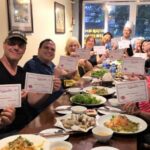
This matters because so many cooking classes leave you hungry or rushed. Here, the meal is the finish line and also the confirmation that your work worked. You’ll sit down together in the cooking/dining area, and you can compare what you expected with what it actually tastes like.
Practical tip: don’t plan an extra meal right afterward. A multi-course Vietnamese meal plus tasting can be filling, and the class runs about 4 hours 30 minutes overall.
You can also read our reviews of more tours and experiences in Hanoi

CSR impact: what your ticket supports in Hanoi’s community
If you care about responsible travel, Rose Kitchen is one of the clearer concepts. The experience is explicitly tied to CSR projects:
- Monthly charity meals for cancer patients
- Educational programs for disadvantaged children in remote regions
- Sustainable employment for ethnic minority women serving as butlers
What this means for you on the day you cook: you’re not only paying for food instruction. You’re supporting employment and education efforts, which can feel more meaningful than purely symbolic donation add-ons.
Also, the way the kitchen team shows up seems to reinforce that mission. Reviews frequently praise hosts and chefs for warmth, energy, and making families feel safe and included. That connection between people and purpose is the point, not the marketing.
Pickup, timing, and how to plan your Hanoi day
This is where the tour makes your life easier. You get hotel pickup and drop-off within Hanoi’s Old Quarter. The meeting point is listed at 52 P. Sơn Tây, Kim Mã, Hoàn Kiếm, Hà Nội and the activity ends back there.
The practical schedule:
- Choose a morning or afternoon class to match your energy and plans.
- Expect around 4 hours 30 minutes for the full experience.
A planning suggestion: if you’re staying outside the Old Quarter, double-check whether pickup is available for your exact hotel. The tour is designed around Old Quarter pickup, and you’ll want to avoid last-minute scrambling.
What about group size? The experience lists a maximum of 100 travelers, but reviews describe a small, friendly feel. In real life, even within a larger maximum, most sessions tend to feel manageable because you’re working in cooking teams and rotating tasks.
Price and value: what $39 gets you (and what you’d otherwise pay for)
At $39 per person, the value is strong because the basics are included, not nickel-and-dimed:
- Pickup/drop-off in Old Quarter
- Market walk with an English-speaking local guide and cultural storyteller
- Cooking equipment and utensils
- Full lunch or dinner
- Welcome herbal tea, fruit wine tasting, and unlimited mineral water
- Digital certificate on request and a digital guidebook
- Free luggage storage (up to 3 days)
- A 20% discount on other hands-on cultural experiences
If you were to recreate this on your own, you’d likely spend money on market shopping, kitchen space, a local instructor, and a meal experience—plus you’d lose the guided translation of ingredients and technique. This class compresses it into one clean package.
One more value angle: you’re not only leaving with full bellies. You’ll likely leave with recipes and a set of practical skills, which turns the experience into something you use later.
Diet needs, weather, and practical tips that actually help
This is not a tour you should book without thinking about food needs—unless you’re flexible. The class says vegetarian options are available, and you should advise specific dietary requirements at booking.
For weather: the experience operates in all weather conditions, but the cancellation rules also mention possible cancellation due to poor weather. So your best move is simple—if you’re traveling in the rainy season and you really want this day, plan a little buffer. If weather shifts, you’ll be grateful you didn’t stack a must-do plan right after.
Other practical notes:
- You can store luggage for up to 3 days, which helps if you’re in Hanoi for only part of your trip.
- The tour accepts service animals.
- It’s described as near public transportation, but pickup is the easiest route inside the Old Quarter.
- If you have excess luggage, ask the operator in advance about whether it’s acceptable.
Should you book Rose Kitchen in Hanoi?
I’d book this if you want three things in one afternoon: a real ingredient-shopping walk, hands-on cooking instruction, and a full meal that ends the lesson. The market-to-villa format is the key. If you like learning what’s behind Vietnamese flavor choices, this is a smart use of time.
You might think twice if:
- You’re not comfortable with market environments and want a purely classroom-style cooking lesson.
- You need a very strict timetable (the class is about 4.5 hours and can flex a bit by session).
- Your dietary requirements are complex and you don’t want to communicate them ahead of time.
If you fall in the middle—curious, hungry, and ready to cook—this is one of the best ways to spend a morning or afternoon in Hanoi without feeling like you rushed your food education.
FAQ
How long is the Hanoi cooking class?
The experience runs about 4 hours 30 minutes (approx.).
Is pickup and drop-off included?
Yes. Hotel pickup and drop-off within Hanoi’s Old Quarter are included, and the tour ends back at the meeting point.
What does the price include?
The price includes market walk guidance, cooking equipment, full lunch or dinner (depending on session), herbal tea, fruit wine tasting, unlimited mineral water, and fruit after the meal, plus a digital guidebook and digital certificate on request.
Do I get to cook and eat the food?
Yes. You prepare dishes during the class and then have a full Vietnamese lunch or dinner as part of the experience.
What kinds of dishes will I learn?
The class description specifically mentions dishes like spring rolls, stir-fried vegetables, and traditional noodles. Reviews also mention items like bun cha, mango salad, and fresh summer rolls.
Is there a vegetarian option?
Yes. Vegetarian is available if you advise dietary requirements at booking.
Is the class offered in the morning and afternoon?
Yes. You can choose a morning or afternoon class to fit your schedule.
Do they provide drinks and water?
Yes. You get a welcome herbal tea, unlimited free mineral water, and a complimentary tasting of the kitchen’s homemade fruit wine.
Is there luggage storage?
Yes. Free luggage storage is available upon request, and it’s listed as up to 3 days.
How many people can be in a session?
The experience lists a maximum of 100 travelers.
Where do I meet the tour?
The start meeting point is listed at 52 P. Sơn Tây, Kim Mã, Hoàn Kiếm, Hà Nội.