REVIEW · SAPA
3-Day Trek in Amazing Muong Hoa Valley & ethnic Homestay
Book on Viator →Operated by Vietnam Nomad Trails · Bookable on Viator
Amazing Muong Hoa Valley starts here. This 3-day trek in Sapa is a practical way to see the rice terraces, walk real trails through Muong Hoa Valley, and spend time with Hmong and Red Dzao communities. I especially like the small group size (max 14) for a calmer pace, and the fact that you get an English-speaking guide plus meals built into the schedule. One thing to consider: it’s not a casual stroll. You’ll need moderate fitness for several hours of trekking each day, and the route is weather-dependent.
On Day 1 you’ll head toward Lao Chai and the Hmong area, then Day 2 moves into bamboo forest and Red Dzao villages. Day 3 includes a sunrise option in Ban Ho valley and ends back in Ban Ho for lunch, before returning you to the meeting point. There’s real cultural value here, not just photo stops, but you should go in with patience and respect since homestay life is part of the experience—not a hotel setup.
In This Review
- Key points to know before you go
- Why Muong Hoa Valley Trek Works Better Than a Day Trip
- The group size bonus
- Price and Value: What You’re Actually Paying For
- Day 1: Lao Chai and Y Li—Start in Hmong Territory
- What to watch for on Day 1
- Day 2: Ta Van to Giang Ta Chai—Bamboo Forest and Red Dzao Life
- Day 2 pacing note
- Day 3: Ban Ho Sunrise to Nam Tong—Short Trek, Big Feel
- Weather affects the sunrise part
- Homestay Part: Cultural Time Without the Tourist Script
- Getting There, Timing, and How the Trek Fits a Real Vacation
- Group size keeps the day smoother
- What I’d Pack and How I’d Prepare (Without Overcomplicating It)
- Is This Tour Right for You?
- Should You Book It?
- FAQ
- How long is the trek?
- What does it cost?
- Where does the tour start and when?
- Is there an English-speaking guide?
- Are meals included?
- Is there an admission ticket cost?
- How many people are in the group?
- What’s the cancellation policy?
Key points to know before you go
- Muong Hoa Valley focus: rice-terrace scenery and villages you can actually walk between
- Max 14 people: easier conversation with your guide and less crowding on trails
- English-speaking guide: helps you understand what you’re seeing as you go
- Ethnic village routing: Hmong on Day 1, Red Dzao on Days 2 and 3
- Meals included: 2 breakfasts, 3 lunches, 2 dinners so you’re not budgeting food mid-trek
- Weather matters: the tour requires good weather, with options if it’s canceled for that reason
Why Muong Hoa Valley Trek Works Better Than a Day Trip
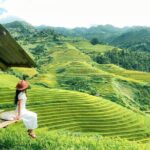
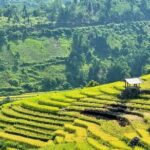
If you’ve only done a one-day trek in Sapa, this is the fix. A 3-day route gives you time to slow down and actually notice details: how terraces step down the hills, how paths connect villages, and how daily life shapes the landscape you’re walking through.
You’re in Muong Hoa Valley for multiple days, not just a quick drive-and-walk loop. That matters because the views change as you move between Lao Chai, Ta Van, Giang Ta Chai, Ban Ho, and Nam Tong. Even when the itinerary is similar in length, the feeling shifts as you get farther from town and closer to the rhythm of village life.
I also appreciate that this is built around a real trek schedule with proper guide support. Your plan isn’t vague. It starts around 9:15 AM after hotel pickup in Sapa Town (or meets at the starting point), then you trek, eat, and regroup day by day. You’ll have an English-speaking guide throughout, so you’re not just collecting scenery—you’re learning what you’re seeing as you pass through Hmong and Red Dzao communities.
You can also read our reviews of more hiking tours in Sapa


The group size bonus
With up to 14 travelers, you get that sweet spot: small enough for questions and photos without constant traffic jams, but big enough to keep the group energy fun. In one group, the guide was Lang, which is a good reminder that you’ll often get a real personality at the front of the line, not a random rotating staff member.
Price and Value: What You’re Actually Paying For
At $109 per person for 3 days, the price is largely about what’s included, not just the trekking portion. This isn’t a bare-bones hike where you handle everything yourself. You get:
- Air-conditioned vehicle support
- English-speaking guide
- Breakfast (2), lunch (3), dinner (2)
- The trekking route with free admission ticket included
That meal coverage is a big part of the value. When you’re walking for hours in the countryside, food stops being a small inconvenience and becomes part of the logistics. Here, you’re not hunting for meals between trails. You’re getting local meals as scheduled, including a local breakfast on Day 2.
Also, it’s commonly booked about 25 days in advance, which suggests there’s consistent demand. If you’re flexible, booking earlier can help you lock in a spot without scrambling at the last minute. And yes, there can be group discounts and a mobile ticket option, which makes the whole thing smoother.
Day 1: Lao Chai and Y Li—Start in Hmong Territory
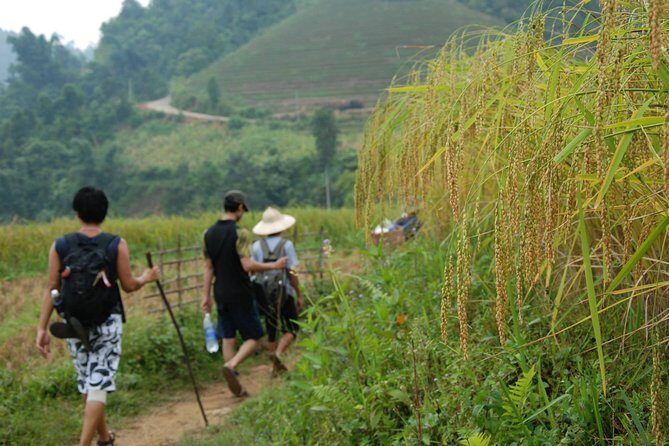
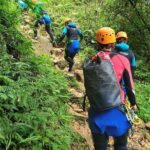
Day 1 is your entry point into Muong Hoa Valley. You meet around the morning start—either at the meeting point in Sapa (15 Tuệ Tĩnh) or by hotel pickup in Sapa Town around 9:15 AM—then you begin trekking toward Lao Chai, an area inhabited by the Hmong ethnic minority.
This is where the tour earns its reputation as a must-do. The first big reason: you’re not waiting until halfway through to start seeing what Sapa is famous for. You start walking early enough that you’ll likely catch strong daylight over terraces and valley slopes.
You’ll also pass through Y Li, which helps break up the trail and keeps it from feeling like one long grind. The route is paced for trekking—not just sightseeing. That means you’ll spend time moving between viewpoints and village areas, and your guide can explain what you’re looking at instead of rushing you past everything.
What to watch for on Day 1
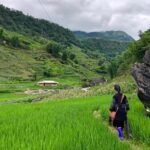
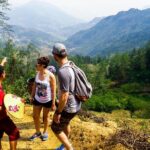
This is a longer day (about 6 hours of trekking). If you’ve been sitting around Sapa all morning, you’ll want to warm up mentally. I’d treat Day 1 as the day to find your rhythm: steady steps, frequent small breaks, and keeping your focus on footing. Trails in this region can be uneven, and the best experience comes from walking comfortably, not powering through.
You can also read our reviews of more tours and experiences in Sapa
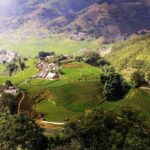
Day 2: Ta Van to Giang Ta Chai—Bamboo Forest and Red Dzao Life
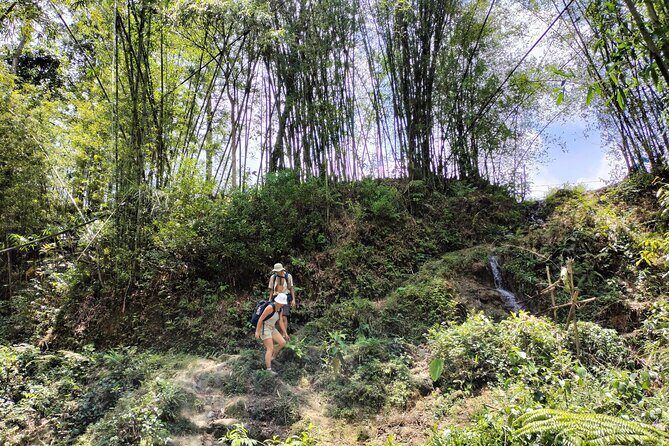
Day 2 is where the experience starts to feel more personal. After a local breakfast, you leave Ta Van village and head into a bamboo forest trekking section toward Giang Ta Chai, where people from the Red Dzao ethnic minority live.
If you’re thinking about what makes this tour different from a simple “rice terraces” checklist, Day 2 is the evidence. Bamboo forest isn’t just scenic—it changes the walking mood. It’s cooler, quieter, and more enclosed. That can make the trek feel like a slow transition into the countryside rather than a straight line from one viewpoint to another.
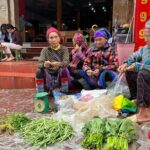
Then, once you reach Giang Ta Chai, you’re stepping into a community context. The goal isn’t to turn people into photo props. It’s to get a sense of how the Red Dzao communities live, and what their traditions mean in daily life. Your guide plays a key role here, because they can translate the “what” and the “why” as you move through areas inhabited by different groups.
Day 2 pacing note
Day 2 is about 7 hours trekking, the longest day listed. If you’re booking this, plan to keep energy for the long walk. Bring a bottle of water and keep snacks simple if you need them—but remember meals are included, so don’t overthink it.
Also, the day is long enough that you’ll want to be comfortable with physical effort. The tour expects moderate physical fitness, which fits this kind of trekking schedule.
Day 3: Ban Ho Sunrise to Nam Tong—Short Trek, Big Feel
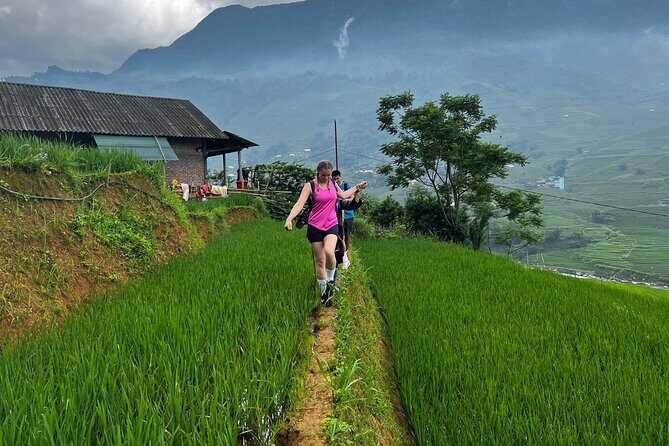
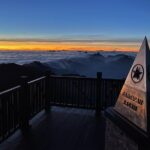
Day 3 starts with something you don’t usually get on shorter treks: sunrise time in Ban Ho valley. After breakfast, you can enjoy the amazing sunrise (depending on timing and weather conditions), then you start a short trek to Nam Tong village, inhabited by the Red Dzao tribe.
This is the day for payoff. After two more intense days, the short trek can feel like a breather while still giving you movement, viewpoints, and village context. Nam Tong is another Red Dzao community, so you get continuity with Day 2 rather than feeling like you’re bouncing randomly between places.
Then you return to Ban Ho village for lunch. That’s a smart structure because it gives you a real endpoint while you’re still in the flow of the day, rather than dragging you out with an extra long push at the end.
Weather affects the sunrise part
The experience requires good weather. That’s especially important for sunrise. If conditions aren’t right, the tour may shift dates or offer an alternative plan. When you book, keep your schedule flexible enough to accept a weather adjustment.
Homestay Part: Cultural Time Without the Tourist Script
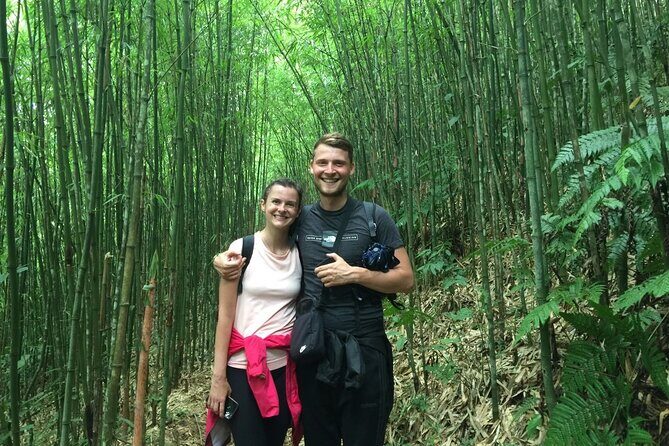
This trek is labeled as a 3-day trek plus ethnic homestay, so you’re not just day-hiking and heading back to town. You’re spending time in an environment where community life is part of the experience.
The value here is simple: you get to see how people structure their day around the valley and the seasons. Rice terraces and mountain trails aren’t separate from culture in Sapa—they’re part of the same system. When you’re staying in a homestay setting linked to the ethnic communities you’re trekking through, you’re more likely to understand how traditions connect to where people live and work.
I’d also go in with respectful expectations. This isn’t a luxury hotel. It’s about connection, conversation, and learning. If you’re the type who values real human time over polished amenities, you’ll enjoy this part a lot.
Getting There, Timing, and How the Trek Fits a Real Vacation
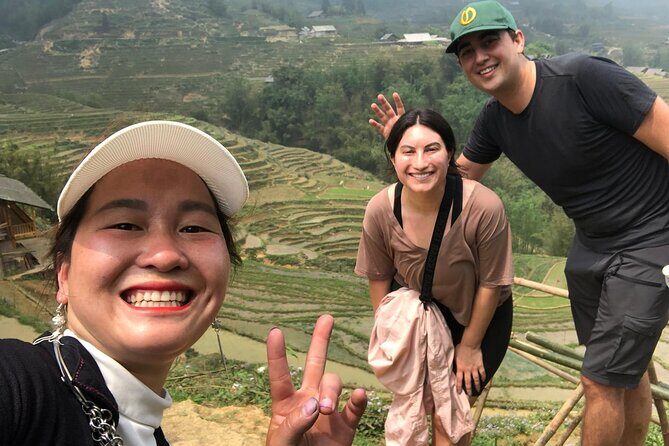
This tour starts at 15 Tuệ Tĩnh, Vietnam, Sa Pa, Lào Cai, Vietnam, with a start time listed as 9:00 AM. In practice, you may be picked up from hotels around 9:15 AM in Sapa Town, depending on where you’re staying.
The tour ends back at the meeting point, so it’s easy to plan your last-day logistics in Sapa without worrying about being dropped somewhere remote.
One practical plus: it’s listed as near public transportation, which helps if you’re coordinating around other Sapa activities before or after the trek.
Group size keeps the day smoother
With a cap of 14 travelers, the logistics tend to feel manageable. In big groups, it’s hard to hear your guide and hard to move naturally through villages. In a smaller group, you can pause more often for photos and questions without feeling like you’re holding everyone up.
What I’d Pack and How I’d Prepare (Without Overcomplicating It)
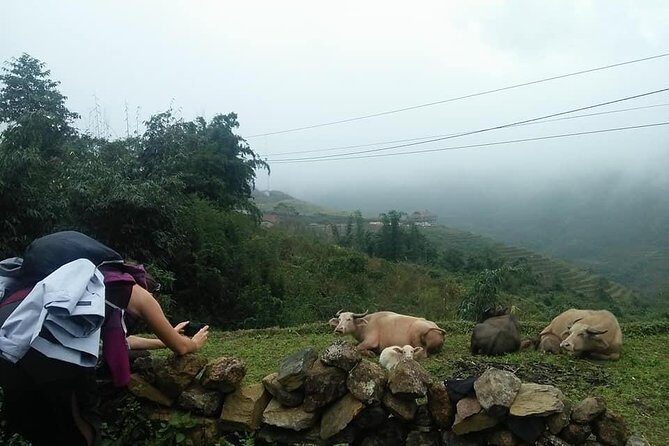
Even though the details here focus on the route and included meals, you can still prepare smartly so the trek feels easier.
- Wear shoes you trust for uneven ground.
- Pack layers. Morning can feel cooler, and trekking warms you up fast.
- Bring a light rain layer. Since the experience depends on good weather, weather changes can happen even when conditions look fine.
- Power bank or extra battery for photos. You’ll want to capture terrace views and village scenes during the walk.
And because this is about cultural encounters, bring your best behavior. Smile, ask questions through your guide, and keep your phone use respectful around people’s homes.
Is This Tour Right for You?
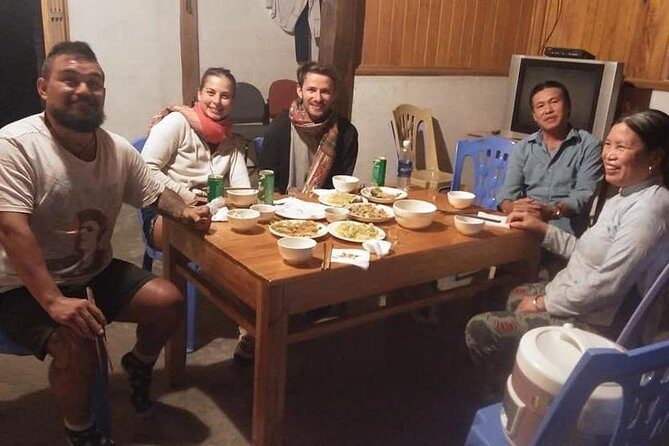
This trek is best if you want more than a quick look at Sapa. It’s a strong match for:
- People who like walking and want a structured route with a guide
- Anyone interested in ethnic culture across Hmong and Red Dzao communities
- Travelers who prefer small groups (max 14) and included meals
It might not be ideal if you want low-effort walking. Day 1 is about 6 hours, Day 2 about 7 hours, and even Day 3 has a sunrise start plus trekking time. You also need to accept that good weather matters, especially for sunrise.
Also, if you’re traveling solo and hope for instant social energy, this tour can still work well because groups are small and daily schedules bring you together. Just don’t assume a fast-moving party vibe—this is a walk-and-learn experience, not a nightlife tour.
Should You Book It?
Yes, I think you should book it if you want a genuine 3-day Sapa countryside experience with Muong Hoa Valley, ethnic villages, and meals handled for you. The combo of an English-speaking guide, small group size, and built-in homestay experience makes it good value for the effort you’re putting in.
If you’re unsure, use this simple checklist:
- You’re okay with moderate fitness and multiple hours of trekking.
- You care more about villages and culture than just Instagram terrace shots.
- You can be flexible with timing if weather doesn’t cooperate.
If those fit, this is a strong way to see Sapa beyond the town center.
FAQ
How long is the trek?
The tour runs for 3 days (approx.).
What does it cost?
It’s listed at $109.00 per person.
Where does the tour start and when?
It starts at 15 Tuệ Tĩnh, Sa Pa, Lào Cai, Vietnam. Start time is listed as 9:00 AM, and hotel pickup in Sapa Town is around 9:15 AM.
Is there an English-speaking guide?
Yes. The tour includes an English-speaking tour guide.
Are meals included?
Yes. The package includes 2 breakfasts, 3 lunches, and 2 dinners.
Is there an admission ticket cost?
Admission tickets are listed as free.
How many people are in the group?
The tour has a maximum of 14 travelers.
What’s the cancellation policy?
You can cancel for a full refund up to 24 hours before the experience’s start time. The experience also requires good weather, and if it’s canceled due to poor weather you’ll be offered a different date or a full refund.