
REVIEW · HANOI
All-in-One Hanoi Walking Tour Through a Train Street
Book on Viator →Operated by Hanoi Day Trips · Bookable on Viator
Trains and temples in one walk. This Hanoi walking tour strings together several of the city’s most memorable stops, with stories and practical tips along the way, including Train Street and the Old Quarter’s older lanes. I especially liked the way the guide keeps things structured and easy to follow, and one guide you might meet is Nathan, praised for clear, well-presented explanations. One drawback to plan around: trains on Train Street run only during the day on Saturday and Sunday.
I also love that you get a coffee break without making it a whole mission. You’ll choose either Egg Coffee or Salted Coffee (included), and the tour stays small (up to 15 people), so it feels more like a focused stroll than a crowded march.
You start at Ly Thai To Garden in the French Quarter and end back at the same meeting point, which makes it simple to plug into the rest of your day.
In This Review
- Key highlights you’ll actually feel
- What this Hanoi walking tour covers, stop by stop
- Ngoc Son Temple: the culture anchor (and the only big paid stop)
- A coffee break that keeps the pace human
- Long Bien Bridge: a major landmark moment on foot
- Ma May Ancient House: when the Old Quarter feels real
- Thanh Ha Local Market: daily life instead of just set pieces
- Train Street: plan your day around the schedule
- Price and value: what you’re really paying for
- Who should book this (and who should skip it)
- FAQ
- How long is the Hanoi walking tour?
- What’s included in the price?
- Is Ngoc Son Temple entrance fee included?
- When do trains run on Train Street?
- Where does the tour start and end?
- How large is the group?
- What’s the cancellation policy if plans change?
- Should you book this Train Street walking tour?
Key highlights you’ll actually feel
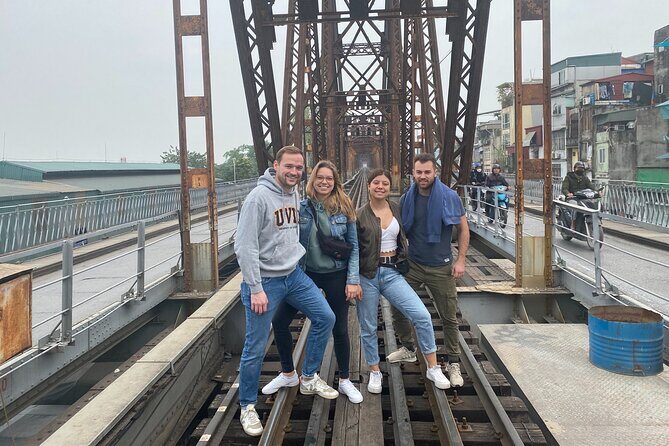
- A tight route through Hanoi’s big hitters: Ngoc Son Temple, Long Bien Bridge, Ma May Ancient House, Thanh Hà Local Market, and Train Street
- Coffee is part of the plan: Egg Coffee or Salted Coffee included, plus tea/coffee options depending on the stop
- Stories that connect the dots: guides are known for clear, organized explanations (with Nathan specifically called out)
- Train Street has a strict schedule: daytime trains only on Saturday and Sunday
- A smaller group size: maximum of 15 people keeps the walk manageable
- Easy start point: meets at Ly Thai To Garden and loops back there at the end
What this Hanoi walking tour covers, stop by stop
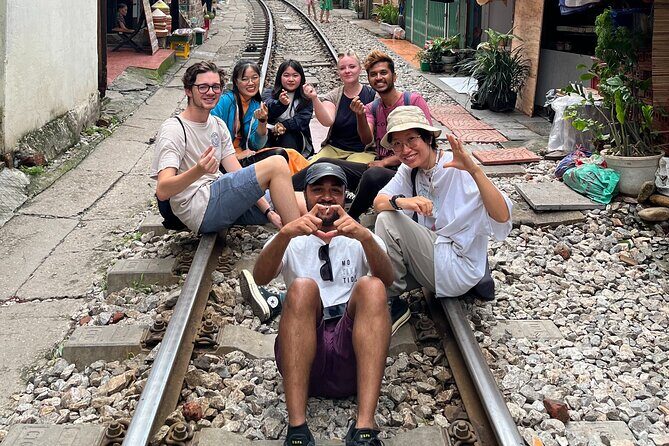
This is a full-on walking route through central Hanoi—designed for people who want to see a lot without juggling tickets, maps, or long transfers. The tour mixes well-known sights with a couple of less-typical stops, then tops it off with Train Street (on the days it’s active).
If you like tours that explain what you’re looking at while you’re looking at it, you’re in the right place. The guide doesn’t just recite names. Expect stories, fun facts, and on-the-ground do’s and don’ts for getting around and spending your time well in Hanoi—plus recommendations on where and what to eat and drink during the walk.
Here’s how the route plays out conceptually:
- You begin with classic Hanoi culture at Ngọc Sơn Temple
- Then you move into “old Hanoi” streets and architecture, including Mã Mây Ancient House
- You cross into big landmarks like Long Biên Bridge
- You shift gears toward daily life with Thanh Hà Local Market
- Finally, you aim for the headline moment: Train Street, with timing that’s crucial
And yes, you’ll stop for coffee. That matters more than it sounds, because it breaks up the walking and gives you something tangible to enjoy while the guide talks.
You can also read our reviews of more walking tours in Hanoi



Ngoc Son Temple: the culture anchor (and the only big paid stop)
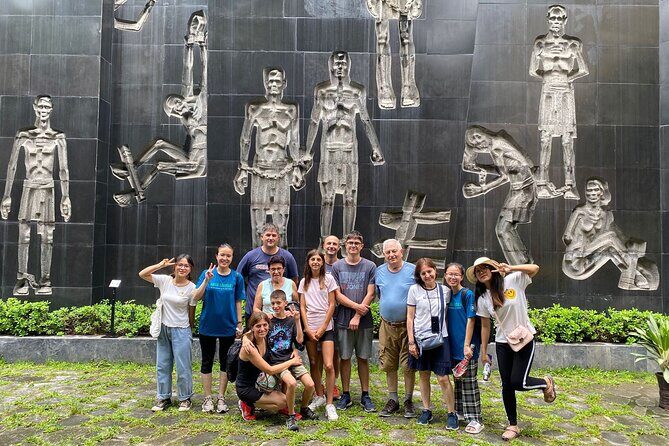
Ngọc Sơn Temple is one of the most important sights on the route, and the tour uses it as a cultural anchor before you head into busier, more street-level parts of the Old Quarter.
Important detail: entrance isn’t included. The adult ticket is 30,000 VND, and students pay 15,000 VND. That means you’ll want to plan for a quick on-site payment and have some cash ready.
Why it’s worth it on this specific tour: it gives context. When you move from temple to streets to bridges, you’ll understand better how Hanoi’s story connects—rather than just collecting photo stops.
Quick consideration: if you’re the type who hates paying small fees during a tour, this is the one you’ll likely notice most.
A coffee break that keeps the pace human
Half the challenge of sightseeing is staying awake and upbeat. That’s where the included coffee/tea comes in.
You’ll get Egg Coffee OR Salted Coffee as part of the experience, and the tour includes coffee and/or tea overall. You’re not paying separately for that stop, which is good value at this price point.
Even if you’re not a huge coffee person, the coffee stop helps in two ways:
- it gives you a breather before the walking gets denser again
- it turns the tour into something you taste, not only something you look at
One practical note: bring a bit of patience. Hanoi coffee spots can be quick or slow depending on time of day, so treat the coffee stop as part of the experience rhythm.
Long Bien Bridge: a major landmark moment on foot
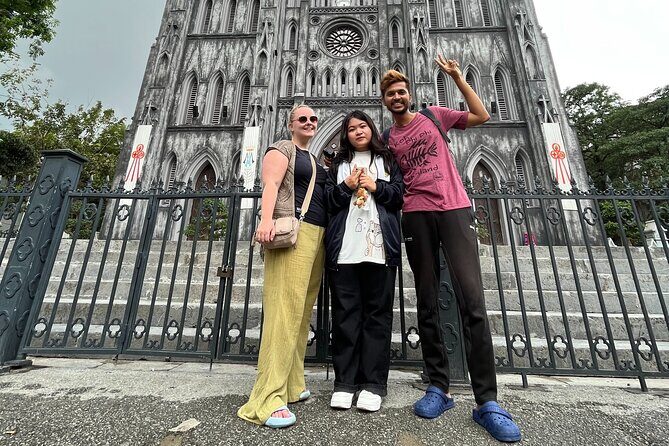
Long Biên Bridge is on the itinerary, and it works well as a visual “reset.” After temple and old-street elements, a big, landmark-scale sight helps you reorient the city in your head.
This isn’t just a photo stop. The guide is there to give the fun facts and stories that connect what you’re seeing to Hanoi’s wider background. The value here is the explanation—so you walk away with something more than a single picture.
If you’re sensitive to heat, start hydrating early. Bridge walking can add sun time, and the tour is designed as a continuous stroll.
Ma May Ancient House: when the Old Quarter feels real
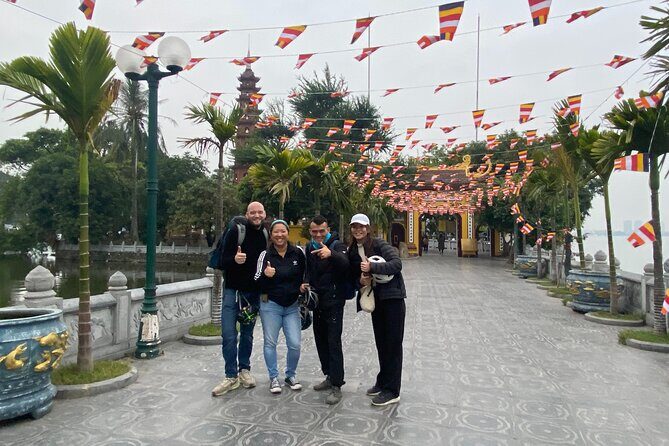
Mã Mây Ancient House is the kind of stop that makes a walking tour feel different from a bus tour. It’s tied to older Hanoi street character, and the guide uses it for stories and fun facts that add meaning to the architecture and the neighborhood.
What I like about including a place like this: it slows you down just enough to notice details you’d likely miss on your own. You get to see the city through someone else’s lens, then you take those cues and apply them while you keep walking.
Drawback to consider: if you’re in a hurry and only want big skyline views, an “ancient house” stop might feel more like a short cultural lesson than a scenic payoff. But if you enjoy history-in-the-streets, it’s a good match.






Thanh Ha Local Market: daily life instead of just set pieces
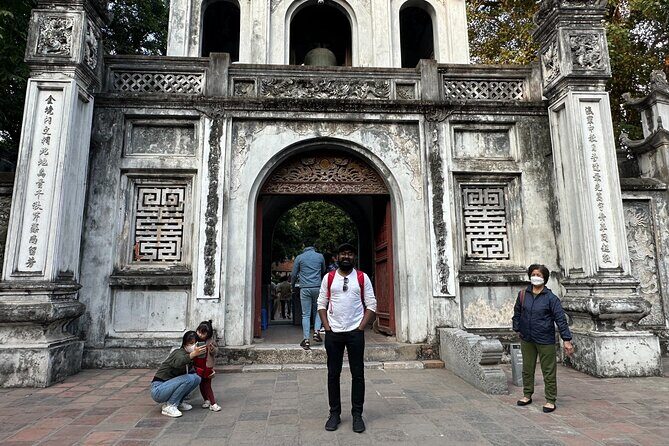
Thanh Hà Local Market is one of the highlights, and the tour positions it as a lesser-seen, street-level experience. This is where Hanoi feels most lived-in—less about monuments and more about everyday routines.
On a tour like this, a market stop is valuable because it gives you a sense of the city’s tempo. You’ll get guided context and recommendations on what and what to eat or drink, even though meals themselves aren’t included.
Practical tip: markets can be crowded and visually loud. If you prefer quieter sightseeing, don’t force extra time here. Spend what feels good, then let the guide bring you back into the flow.
Train Street: plan your day around the schedule
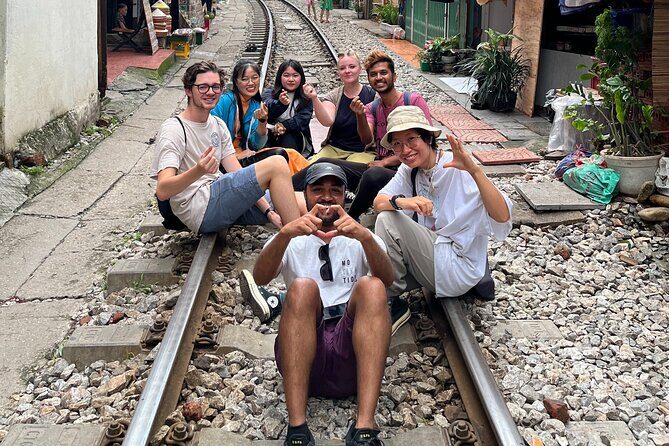
Train Street is the star of the show, but it comes with a big reality check: trains only run during the day on Saturday and Sunday. That’s not a minor detail. It’s the difference between seeing the street as a moment in motion versus just seeing an unusual street setup.
So before you book (or before you pick your date), ask yourself one question: are you in Hanoi on a Saturday or Sunday during daytime? If not, you may need to adjust expectations—or your itinerary—because that centerpiece depends on the schedule.
Why this tour still makes sense even with the constraint: the guide doesn’t treat Train Street like a random roadside photo. They fold it into the route with context, stories, and what to look for so you understand the significance when the moment happens.
Price and value: what you’re really paying for

The tour is listed at $29.00 per person and is scheduled for about 10 minutes (approx.). That time estimate is unusually short for the number of stops mentioned, so I’d treat it as a “compact walk” and confirm the actual duration with the provider when you book.
Here’s what you do get for the set price:
- A tour guide
- Coffee and/or tea
- A route that hits multiple major sights (temple, bridge, ancient house, market, and Train Street)
What you don’t get:
- Meals
- Temple entrance (Ngọc Sơn Temple has its own entrance fee)
That means your main extra costs are likely the temple ticket and whatever you choose to add beyond coffee. Still, at $29, you’re paying mostly for guide-led value—time saved, context provided, and a path that makes central Hanoi easier to handle.
About tips: even when a tour is priced, this operator’s description includes tip-based language typical of free tours. In their framing, amounts often range from €10 to $50 depending on satisfaction. If you’re the type who likes to reward great guiding, have a little extra ready.
Who should book this (and who should skip it)
This tour is a strong fit if you:
- want a walking route that packs several central highlights into one outing
- like guides who tell stories and add meaning, not just directions
- enjoy coffee breaks that are built into the schedule
- visit Hanoi on Saturday or Sunday, when Train Street is actually active during daytime
You might skip it (or choose a different time/date) if:
- Train Street is your absolute priority and you’re not there Saturday or Sunday daytime
- you prefer long, unhurried experiences rather than a compact, structured route
- you dislike paying small extra fees during tours (Ngọc Sơn Temple has a listed entrance cost)
FAQ
How long is the Hanoi walking tour?
It’s listed as about 10 minutes (approx.), so confirm the timing with the provider when you book.
What’s included in the price?
The tour includes a tour guide and coffee and/or tea.
Is Ngoc Son Temple entrance fee included?
No. The entrance fee is 30,000 VND for adults and 15,000 VND for students.
When do trains run on Train Street?
Trains only run during the day on Saturday and Sunday.
Where does the tour start and end?
It starts at Ly Thai To Garden in the French Quarter and ends back at the same meeting point.
How large is the group?
The tour has a maximum of 15 travelers.
What’s the cancellation policy if plans change?
You can cancel for a full refund up to 24 hours in advance. If it’s canceled due to poor weather, you’ll be offered a different date or a full refund.
Should you book this Train Street walking tour?
If you’re in Hanoi on a Saturday or Sunday daytime, this is an efficient way to get oriented fast. You’ll hit major sights, add a market stop for everyday life, and include coffee without turning the day into a scavenger hunt.
I’d book it if you like your sightseeing paired with clear explanations and practical tips—and if you’re comfortable with one key constraint: Train Street depends on the schedule.
On the fence? The only real deal-breaker is timing. Make sure your visit lines up with Train Street’s Saturday/Sunday daytime window, and you’ll get far more out of the walk.


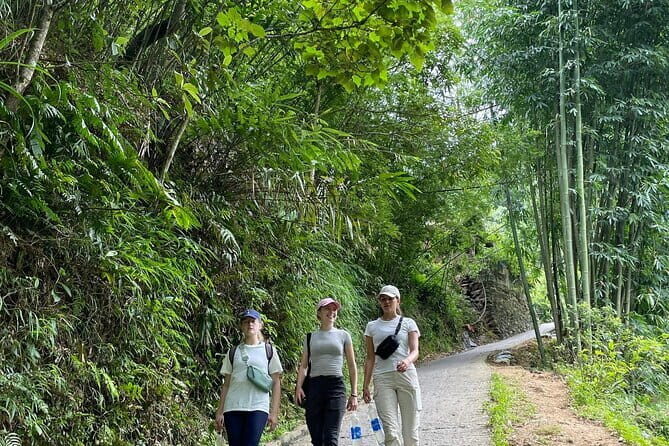
More Walking Tours in Hanoi



More Tours in Hanoi
- Ninh Binh Full-Day Tour from Hanoi to Hoa Lu, Tam Coc & Mua Cave Via Boat & Bike
★ 5.0 · 4,384 reviews