REVIEW · SAPA
Sapa hard trekking villages homestay 3days/ 2nights tour – amazing culture
Book on Viator →Operated by David Tran Travel - Day Tours · Bookable on Viator
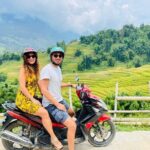
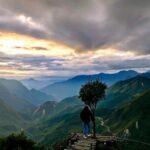
Rooftops of rice terraces await. This Sapa 3-day / 2-night villages homestay trek is a hands-on way to see how hill-tribe communities live day to day, not just pose for photos. I love the rice-terrace views and I also love the morning-with-the-family vibe, from rooster wake-ups to tea and pancakes out in the open. If you’re lucky with your guide, names you’ll often see praised include Ha and Tran, plus others like Hung, Dinh, Lu, and Jack for friendly, sharp English and a good sense of humor.
One thing to plan around: this is real hiking, and the homestays are basic. Expect sharing bathrooms, simple rooms, and long walking days—plus weather can change fast in northern Vietnam.
In This Review
- Key takeaways before you go
- Why the 1:00 pm start in Sapa feels like a local day
- Ta Van, Y Linh Ho, and Lao Chai: Hmong terraces and Giay hospitality
- Homestay dinner and what basic rooms really look like
- Day 2 through bamboo forest and the silk waterfall to Giang Ta Chai
- Ban Ho village and a Tay welcome at dinner
- Day 3: Red Dao Nam Toong, a river walk, and a Lavie waterfall dip
- Meals on the trail: what’s included and what you still need
- How hard is this trek and what to pack
- English-speaking guides and small-group comfort (max 15)
- Value math: is $110 good for Sapa village trekking?
- Should you book this Sapa villages homestay trek?
- FAQ
- Where does the tour start and what time?
- How long is the trekking tour?
- What’s included in the price?
- Are drinks included?
- Is there extra cost for Lunar New Year?
- What happens if weather is bad or you need to cancel?
Key takeaways before you go
- Max 15 people with an English-speaking guide, so questions don’t vanish in the back row.
- Terrace walking tied to villages like Y Linh Ho, Lao Chai, Ta Van, Giang Ta Chai, Ban Ho, and Nam Toong.
- Homestays with dinner and conversation, including cooking and family time rather than a quick stop-and-go.
- Two full days of trekking scenery: bamboo forest time, a silk waterfall section, and a river walk with a Lavie waterfall dip.
- Meals are covered (breakfasts, lunches, dinners), but drinks are not.
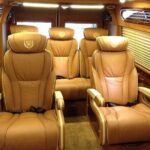
- Easy logistics for a trek: pickup offered, an AC vehicle, and a shuttle back to the bus office at the end.
Why the 1:00 pm start in Sapa feels like a local day
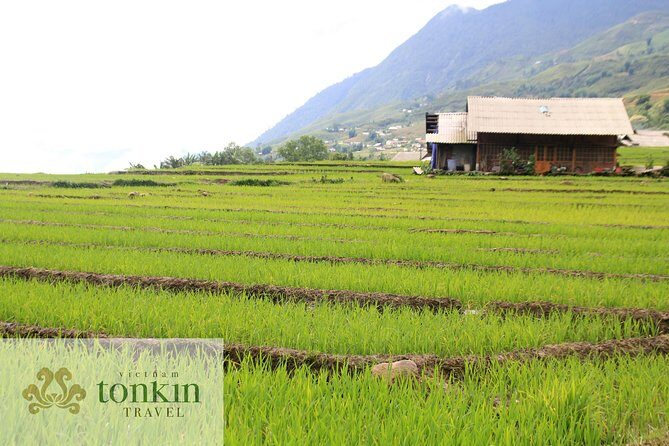
Starting around 1:00 pm gives you that mid-day rhythm that many Sapa hikes miss. Instead of racing out at sunrise, you ease into the route with lunch first, then start walking in good daylight while the valley is still lively.
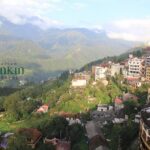
Pickup is available from Sapa hotels or the bus station, and you’ll meet at Delta Sapa Hotel (Ngõ Cầu Mây). The small-group size (up to 15) matters here. You’re not getting herded; you’re moving at a shared pace that still leaves room for photos, short breaks, and asking the guide what you’re actually seeing.
Also, the tour uses a mobile ticket, which is handy on travel days when your brain is already full.
You can also read our reviews of more hiking tours in Sapa

Ta Van, Y Linh Ho, and Lao Chai: Hmong terraces and Giay hospitality
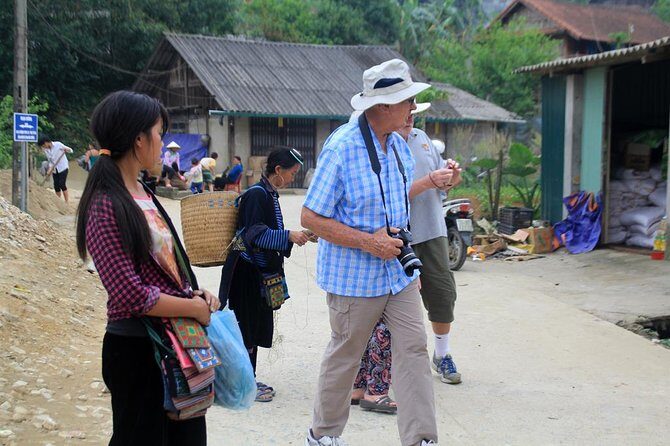
Day 1 is built around a classic Sapa sequence: start near Ta Van, walk through Hmong areas, then end in a homestay where you sleep as part of the family setup.
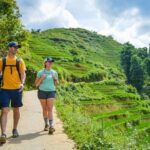
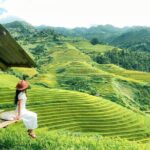
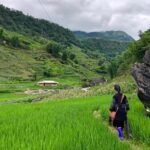
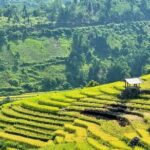
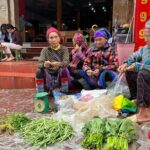
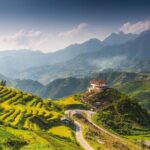
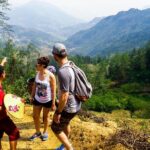
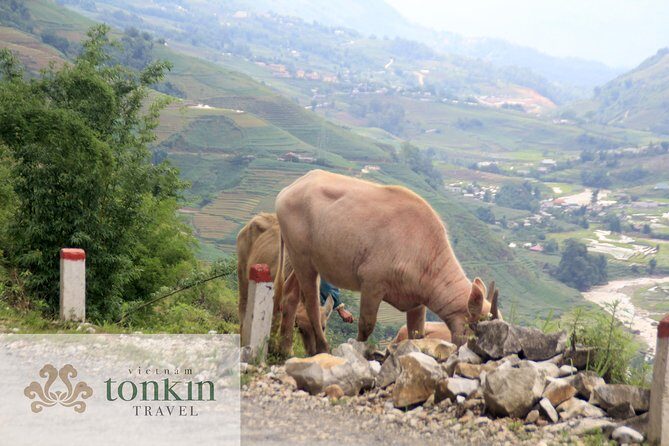
You’ll begin with a walk down to Y Linh Ho, a village tied to the Hmong minority. One of the most memorable parts is the view of terraces estimated to be around 100 years old. These aren’t “Instagram terraces” from a brochure; you see the work that shapes them—step by step—while the villages sit below you in layers.
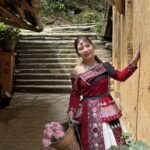
Next is Lao Chai, described as the Hmong home town in the route. You’ll stop for a breather with drinks and scenery, then keep going toward Ta Van, connected to both Hmong and Giay communities. The real payoff is the end of the day: you arrive to a Giay family welcome and settle into a homestay night.
If you’re wondering what the “culture” piece means in practice, Day 1 is where you feel it most. You don’t just look at village life—you get folded into it, including cooking and having dinner with the family.
Homestay dinner and what basic rooms really look like
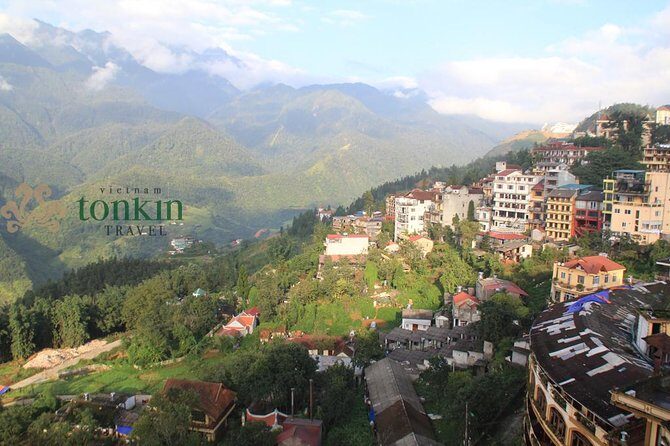
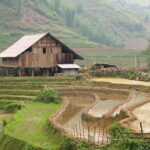
This tour gives you two nights in local houses with basic rooms and sharing bathrooms. That’s not a complaint; it’s the deal. Homestay life is simple, and that simplicity is often the point: you see how the household works when you’re not the focus.
Dinner is typically part of the experience, and Day 1 specifically includes cooking and eating with your host family. That means you’ll likely spend time talking, sharing a meal, and seeing how food and family rhythms connect—way more than a quick cultural show.
Comfort notes you should take seriously:
- Bring an open mind about the bathroom setup.
- Plan for cold or changeable weather with layers.
- Expect that your room is meant for living, not hotel perfection.
One practical upside: the group is small, so you get more attention if you need help with anything basic during the stay.
Day 2 through bamboo forest and the silk waterfall to Giang Ta Chai
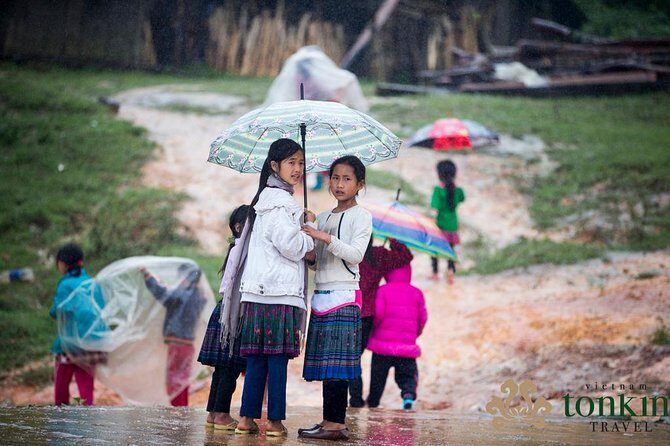
Day 2 starts with an early wake-up energy that you’ll feel fast—people mention waking to a rooster and even pigs. Breakfast is included and may include pancakes plus hot tea or hot coffee, served outdoors with the terraced views as your backdrop.
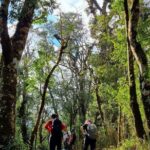
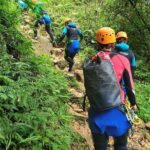
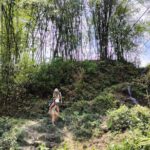
Then comes the hike through what the route describes as an enchanting bamboo forest and a silk waterfall section on the way to Giang Ta Chai. This is the day when the scenery shifts from village-to-village looks into a more nature-driven walk. You’re moving through textures—bamboo, water sounds, and narrow paths—while the guide explains what you’re passing.
You’ll stop for a picnic lunch mid-trek with scenic views, then continue onward to Ban Ho. That “keep trekking” phase matters because it’s where you see the route as a system: people live where the paths lead, and the trails connect real daily movement.
The walking time on this day is longer than Day 1, so pace yourself after breakfast. Start steady, not excited.
Ban Ho village and a Tay welcome at dinner
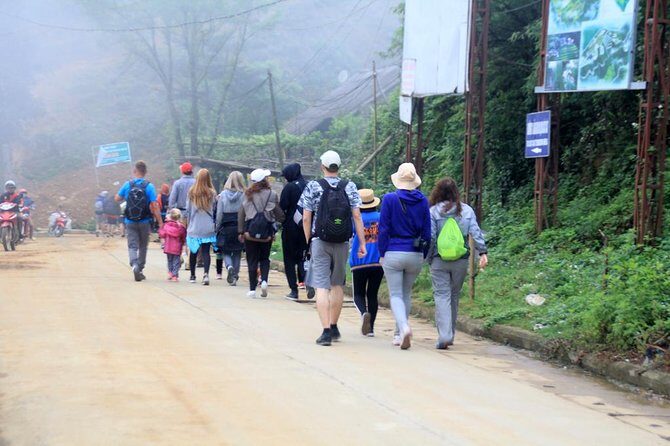
By the time you reach Ban Ho village, the vibe turns social again. You’ll get a welcome from the Tay minority community, then settle into the homestay setup for the second night.
Dinner with the local family is included, and this is often when the conversations happen more naturally. You’ll be tired from the trek, but that tiredness makes you more open to the simple rhythms—sharing food, hearing stories, watching household life.
This day also helps you understand why homestays are more valuable than hotel nights on a trekking route. You’re not using the village as a backdrop. You’re part of the household’s evening, even if just for a short while.
A small caution: long walking days can make you cranky. If you’re prone to travel grumpiness, remember the payoff is the shared meal and the calm time afterward.
You can also read our reviews of more tours and experiences in Sapa
Day 3: Red Dao Nam Toong, a river walk, and a Lavie waterfall dip
Day 3 is shorter than the biggest Day 2 effort, and it’s designed to end with nature + village culture, not just a final sprint.
You wake, have breakfast at the homestay, then do a short walk along the river toward Nam Toong village, which is tied to the Red Dao minority. The river stretch is the gentle reset part of the itinerary—breathe, look around, and enjoy the scenery without feeling like you’re constantly climbing.
After that, you walk back toward Ban Ho and you may get the chance to dip in fresh water near the Lavie waterfall. That’s one of those practical “yes, do it” moments if you’re comfortable with cool water and simple conditions.
Then you’ll return for lunch and head back to Sapa by car around 2:00 pm. You can shower at the hotel, then there’s a shuttle at 3:00 pm to the bus office for your ride onward to Hanoi. Before you leave, sandwiches are prepared for the road.
Ending this way is smart. You finish the trek, reset your body, and still have food for the next leg.
Meals on the trail: what’s included and what you still need
Food is one of the biggest value drivers on this tour. You get:
- Breakfast (2)
- Lunch (3)
- Dinner (2)
You’ll also have drinks mentioned at stops on the route, but the tour specifically notes that beverages and drinks are not included. So if you want bottled water, soda, or other extras beyond what’s served, you’ll need to budget.
How this usually plays out in the real world: included meals keep the trek from turning into constant snack hunting. It also means you’re eating what the household and local setup makes sense for, which tends to be more satisfying than packaged “trail food.”
One more perk: when you cook with a family on Day 1, you learn faster than you would with any lecture. Even small details like ingredients and cooking rhythm can teach you how everyday life works here.
How hard is this trek and what to pack
The tour markets itself as a harder trekking experience, and the day walking times reinforce that:
- Day 1: about 7 hours
- Day 2: about 15 hours
- Day 3: about 8 hours
Day 2 is the real test. That long stretch includes bamboo forest and waterfall-area paths, plus it’s usually a full day of hiking before you reach Ban Ho.
Pack for uneven ground and changing weather:
- Sturdy shoes with grip
- A rain layer or light waterproof jacket (Sapa weather can switch fast)
- Layers, since mornings and evenings can feel colder than midday
- A small daypack with water and snacks for personal pace (since drinks aren’t included)
Don’t over-pack. Your legs will thank you.
And if you hate being rushed, you’ll like this more than typical “see-everything” tours. The pacing is described as small-group and your own pace, without feeling chased.
English-speaking guides and small-group comfort (max 15)
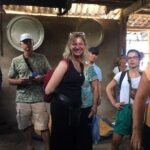
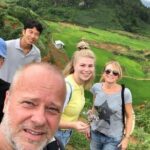
A key reason this tour scores so well is the human factor: guides help you connect dots. Names that show up in praised experiences include Ha, Tran, Hung, Dinh, Lu, and Jack. People highlight English that makes the villages understandable, plus guides who bring energy and humor instead of dry facts.
That matters for value because you’ll be walking through areas that don’t come with signage explaining why terraces look the way they do. A good guide turns a difficult hike into a story you can actually follow.
Small-group size is part of this. With up to 15 travelers, you’re less likely to get stuck at the back, and you can stop for photos without everyone growing impatient.
Value math: is $110 good for Sapa village trekking?
At $110 per person, you’re paying for more than “a walk in the hills.” The tour includes:
- English-speaking guide
- Entrance and sightseeing fees & trekking trip
- Two nights accommodation in local houses
- All meals (breakfasts, lunches, dinners)
- Air-conditioned vehicle
- Pickup offered and shuttle back at the end
When you compare that to booking homestay nights plus guide plus meals plus local transport separately, it often becomes a bargain.
The main extra cost note: there’s a $50 USD per person surcharge during Lunar New Year holiday dates in February 2026 (Feb 14–23). If your trip overlaps those dates, treat it as an expected bump, not a surprise fee.
Also, the itinerary depends on good weather. If conditions are poor, you’ll be offered a different date or a full refund.
Should you book this Sapa villages homestay trek?
Book it if you want real village contact, not just views from a car window. You’ll get rice-terrace walking, homestay nights with family meals, and a guide who helps you understand what you’re passing. The route also fits people who like a physical challenge without needing it to be a full-on endurance event.
Pass or choose something gentler if you’re sensitive to basic accommodations, sharing bathrooms, or long walking days—especially the long Day 2. If you also dislike changing weather, this tour needs the weather to cooperate.
My take: this is a strong value trek because your money supports guides, meals, and the homestay experience, not only sightseeing. If you’re ready to trade hotel comfort for something more human and more real, this is the kind of Sapa trip you’ll talk about long after the trek dust settles.
FAQ
Where does the tour start and what time?
The meeting point is Delta Sapa Hotel at 1:00 pm. Pickup is also offered from Sapa hotels or the bus station around noon time, depending on your location.
How long is the trekking tour?
It runs for 3 days and includes 2 nights of accommodation.
What’s included in the price?
The tour includes an English-speaking guide, entrance and sightseeing fees & trekking trip, 2 nights accommodation in local houses (basic rooms, sharing bathroom), all meals (2 breakfasts, 3 lunches, 2 dinners), and transport by air-conditioned vehicle.
Are drinks included?
No. Beverages and drinks are not included.
Is there extra cost for Lunar New Year?
Yes. There is a $50 USD per person surcharge on Lunar New Year holiday dates in February 2026 (Feb 14–23).
What happens if weather is bad or you need to cancel?
The experience requires good weather. If it’s canceled due to poor weather, you’ll be offered a different date or a full refund. You can also cancel for a full refund up to 24 hours before the start time.