REVIEW · SAPA
Sapa Villages trekking and homestay 2 Days/ 1 night package tour: best selling
Book on Viator →Operated by David Tran Travel - Day Tours · Bookable on Viator
Two days, real village life in Sa Pa. I love the 100-year rice terraces around Y Linh Ho and Lao Chai, where the paths and viewpoints make photos easy. I also like the Giay homestay dinner at Ta Van, because you’re eating and talking with a family, not just passing through a photo stop.
One thing to plan for: your room is private, but the homestay uses a shared bathroom. It’s totally doable, just pack for that reality and don’t expect a hotel-style setup.
In This Review
- Key highlights worth your time
- Sa Pa for two days: what $70 really buys you
- The route, in plain terms: Ta Van, rice terraces, then Giang Ta Chai
- Day 1 from the hotel to Ta Van: terraces, Hmong homes, and dinner with a Giay family
- Day 2 early wake-up and the bamboo forest-to-silk-waterfall trek
- Homestay basics: private room, shared bathroom, and what to expect
- Guides, pacing, and why the small group size matters
- Price and extra costs: when $70 is a bargain and when it isn’t
- Timing and weather: how to avoid the usual Sa Pa disappointment
- Who this Sa Pa 2D/1N homestay trek is best for
- Should you book this Sapa villages trekking and homestay tour
- FAQ
- How much does the Sapa villages trekking and homestay package cost?
- How long is the tour?
- When does the tour start and where is the meeting point?
- Is pickup from Sapa hotels included?
- What meals are included?
- Do I get a private room at the homestay?
- Is the bathroom private?
- What villages are visited during the trek?
- How do you get back to Hanoi?
- Are there extra charges or weather-related changes?
Key highlights worth your time
- Small group size (max 15 people) keeps the pace human and questions actually get answered.
- Day 1 terraces + village walks connect Y Linh Ho, Lao Chai, and Ta Van without rushing.
- Homestay with a Giay family in Ta Van includes cooking and dinner, not just a bed.
- Day 2 bamboo forest to the silk waterfall adds variety after the first day’s village lanes.
- All meals included (breakfast, dinner, and two lunches) so you can focus on walking and views.
Sa Pa for two days: what $70 really buys you
This is the kind of Sa Pa trip that makes sense if you have limited time from Hanoi. You’re paying for more than a “walk and return” day. In one package you get a guide, village visits, a real homestay night in Ta Van, and full meals. That’s why the price feels fair: you’re not cobbling together separate tours, food, and lodging on your own.
The walking days are long enough to feel like you did something, but not so long that it turns into a self-inflicted endurance test. Day 1 runs about 7 hours. Day 2 is listed at about 8 hours. That timing matters because it shapes how the villages feel. You’ll have time to look, stop, take photos, and still make it to the next point without feeling like a sprint.
I also like the structure. Day 1 starts mid-afternoon, when light is often more forgiving for photos. Day 2 starts with breakfast at the homestay, then moves into the quieter walking sections like the bamboo forest.
You can also read our reviews of more evening experiences in Sapa
The route, in plain terms: Ta Van, rice terraces, then Giang Ta Chai
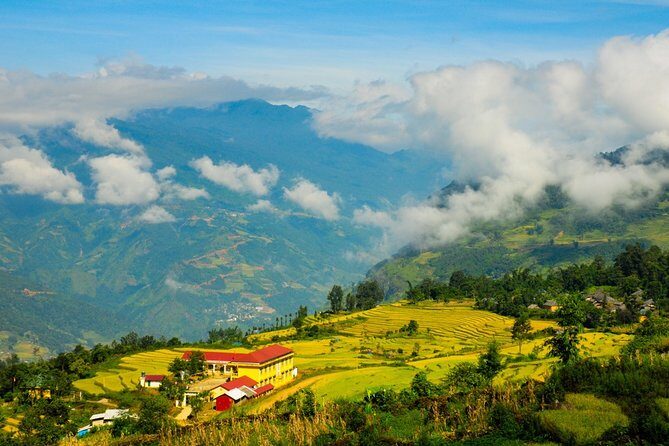
Here’s the basic shape of the experience. It’s a mix of village life and scenic walking, with transport connecting the walking segments.
- Day 1: You get picked up in Sapa, eat lunch at the base, then hike through Hmong-inhabited villages like Y Linh Ho and Lao Chai before reaching Ta Van, where you stay overnight with a Giay family.
- Day 2: You wake up early, breakfast outdoors, then hike through a bamboo forest toward the silk waterfall area and continue to Giang Ta Chai. You eat a picnic lunch with views, then return to Sapa and onward to your Hanoi bus check-in.
This flow is important. It keeps the “best parts” from feeling split up across too many transfers. You’re not bouncing around all day. You’re building a connection: terrace villages first, then a homestay night, then a morning trek that shifts into a greener, quieter section.
Day 1 from the hotel to Ta Van: terraces, Hmong homes, and dinner with a Giay family
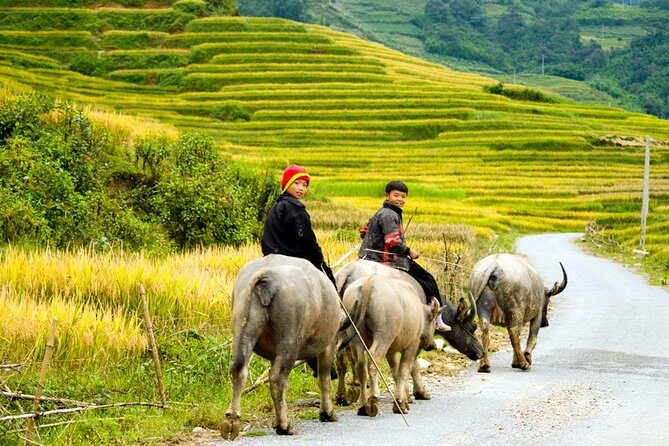
Your day starts at 1:00 pm with pickup from the Sapa area (and the meeting point is Delta Sapa Hotel, 031 Ng. Cầu Mây, TT. Sa Pa, Lào Cai). From there, you’ll head to the hotel area, get lunch, and depart around 2:30 pm.
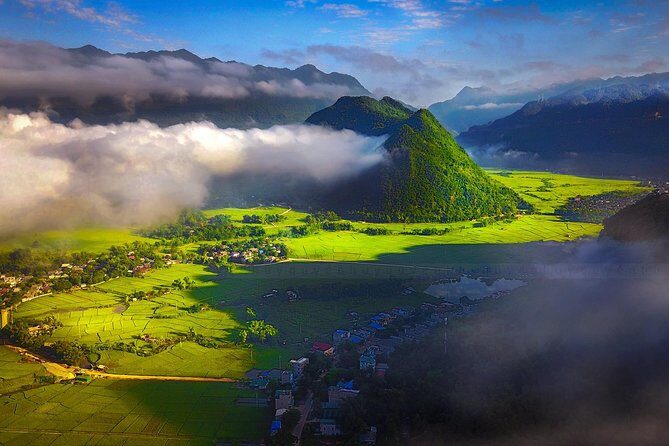
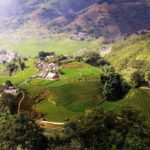
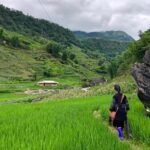
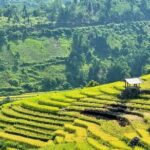
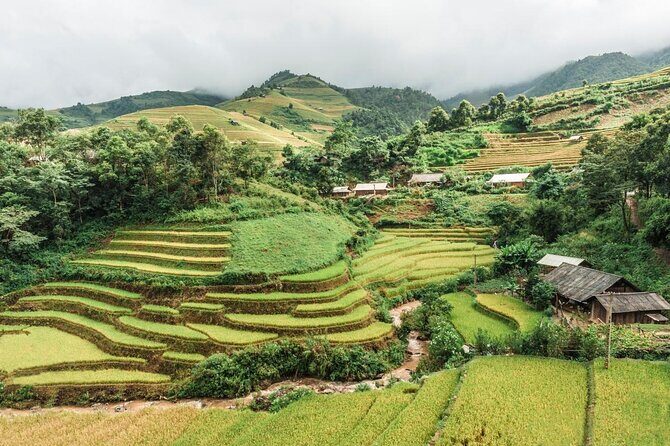
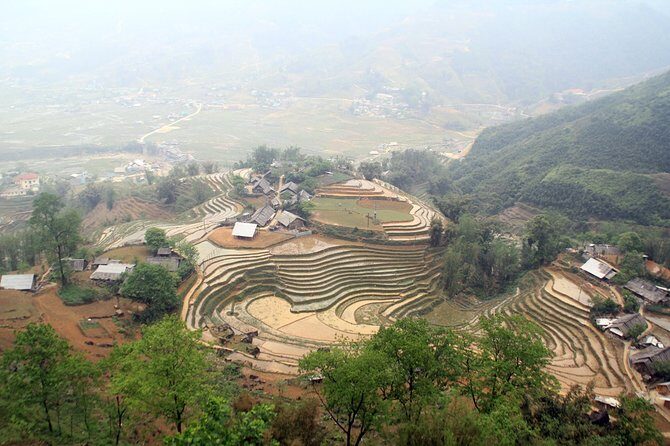
The first big stop is Y Linh Ho, home to the Hmong minority. This is where you get that classic Sa Pa look: long rows of terraced fields. The tour notes these terraces are estimated around 100 years old. That means you’re not just seeing scenery. You’re seeing an agricultural system people have maintained through generations. When you walk past these terraces, it helps to slow down and notice the shape of the paths and the way the fields contour the hills.
From Y Linh Ho you continue to Lao Chai, described as a Hmong home town. You’ll take a short break there to enjoy the scenery and have time to reset. It’s one of those pauses that makes the hike feel more like a journey than a checklist.
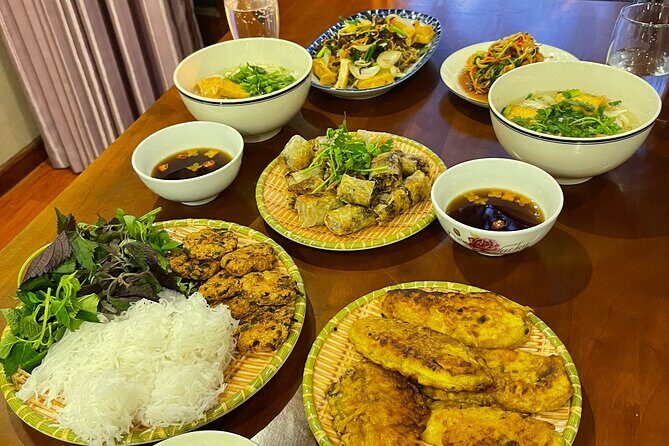
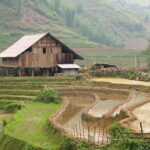
Then you move to Ta Van, described as an established Hmong and Giay village. This is the core of the homestay part. You’ll be warmly welcomed by a local Giay family, and you’ll stay in their home. The package includes cooking and having dinner with the local family, which is the moment most people remember. Even if your Vietnamese is limited, meal time brings the conversation down to daily life: food, routines, family, and what the landscape means to their work.
Practical note: Day 1 is about 7 hours total, and it’s arranged so the walking is mostly daylight. Still, you’ll want shoes with decent grip and socks you don’t mind getting a bit dusty.
Day 2 early wake-up and the bamboo forest-to-silk-waterfall trek
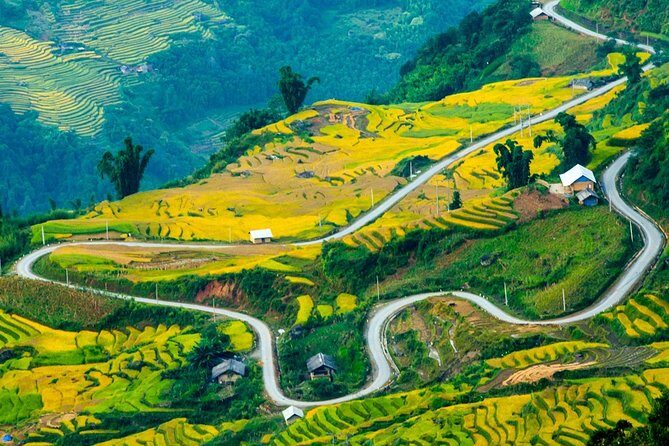
Day 2 starts with the homestay morning rhythm. You’ll wake up naturally, with the experience described as being from a rooster or pigs, then eat breakfast like pancakes, plus hot tea or hot coffee outdoors. That outdoor breakfast is more than a cute detail. It’s a quick way to understand the village setting before you start hiking again.
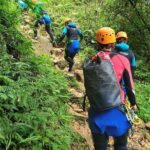
After breakfast, you say goodbye to the family, then begin the trek. The route shifts from terraces and homes into more wooded, walking-forward sections. You’ll pass through an enchanting bamboo forest and reach silk waterfall on the way to Giang Ta Chai.
The key here is variety. Day 1 is village lanes and terraced fields. Day 2 adds a different texture: bamboo, water, and a calmer feel before you reach the next village stop.
After a few hours of trekking, you stop for a picnic lunch with scenic views. Then the pace becomes practical again. You walk back to the main road, catch a car or mini van back to Sapa around 2:00 pm, and then get a shower at your hotel. At 3:00 pm, you’ll have a shuttle to the bus office. The tour includes help with bus check-in, and you’ll also receive sandwiches to take away before you head back to Hanoi.
If you’re planning your Hanoi connection, build in a little buffer. The schedule is specific, but bus timing can always drift.
Homestay basics: private room, shared bathroom, and what to expect
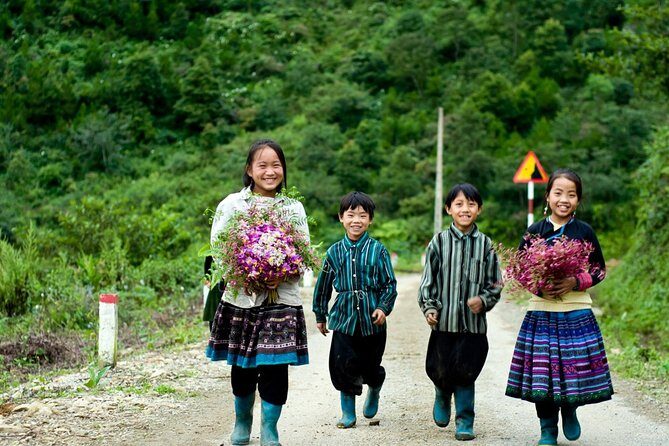
Let’s talk about the lodging setup without sugarcoating it. You get a private room at the local house. It’s listed for 2–3 people, with either a double or twin bed room. That’s a comfort win compared to staying in a dorm-style homestay.
The trade-off is the bathroom. It’s public (sharing bathroom). That’s the main difference from a regular hotel. You’ll want to keep a small bag for essentials (quick hygiene items, slippers/flip-flops, maybe a small towel). The good part is you also get a shower at the hotel on Day 2, so you’re not stuck with only homestay facilities all the way through.
Food is handled for you. The package includes dinner on Day 1, breakfast on Day 2, and two lunches (one includes lunch at the hotel on Day 1; the other is the picnic lunch on Day 2). Drinks are not listed as included, so don’t count on free bottled water or sodas.
One more realism note: this is a homestay. That means you should be flexible about room conditions and meal pace. If you go in expecting hotel convenience, you’ll be disappointed. If you go in expecting a local family’s home rhythm, it feels meaningful.
You can also read our reviews of more hiking tours in Sapa

Guides, pacing, and why the small group size matters
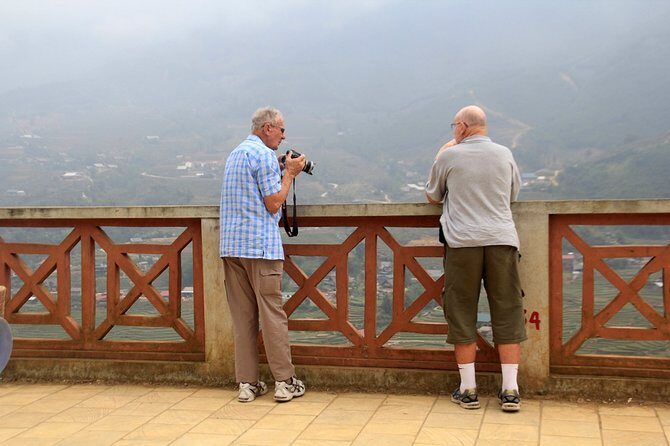
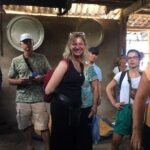
This tour runs as a small group with a maximum of 15 travelers (the tour cap). That number matters more than it sounds. In a bigger group, guides get stuck managing logistics and translation. In a small group, you can actually ask follow-up questions and the hike doesn’t feel like you’re being herded.
The tour also lists local guides and includes trekking village tours & entrance fees with the guide. That’s a big deal for value. Entrance fees and guided access can add up when you book each part separately.
You may have different guides depending on dates. Recent experiences highlight that guides like Tran and Thang can make the history and culture feel practical, not lecture-style. Even if your language skills are limited, a good guide adds structure to what you’re seeing: why terraces look the way they do, what daily routines revolve around, and how villages connect to the hills.
Pacing wise, you’re not hiking nonstop all day. Day 1 has the terrace sequence plus breaks like the Lao Chai stop. Day 2 includes bamboo/water walking, then the picnic lunch reset. These pauses prevent the “constant uphill fatigue” feeling and keep you fresh for photo moments.
Price and extra costs: when $70 is a bargain and when it isn’t
At $70 per person, this package is priced like a value deal, but only because it bundles several expensive-feeling items:
- Homestay room for 1 night
- All meals: dinner + breakfast + 2 lunches
- Guided village trek and entrance fees
- Transport links: back to Sapa and then shuttle toward Hanoi bus check-in
- Pickup offered and a defined meeting point
Where people can get surprised is the extras. Beverages & drinks are not included. That’s normal for many trekking packages, but it affects your final spending. Also, there’s a surcharge of $30 per person during Lunar New Year dates (Feb 14–23, 2026). If your trip overlaps those dates, your planning should include the extra cost.
Finally, good-weather dependency is real. The tour states it requires good weather. If it’s canceled because of poor weather, you’ll be offered a different date or a full refund. That’s not something you can control, so keep a flexible mindset.
Timing and weather: how to avoid the usual Sa Pa disappointment
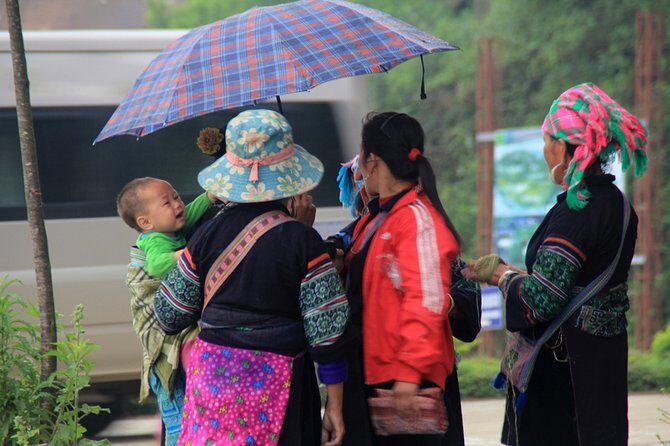
Sa Pa can change fast. The tour’s own note that it requires good weather is your clue. Even when you’re excited, conditions like heavy rain can change trails and how comfortable walking feels.
For you, the “best move” is basic prep: bring rain protection and dress in layers. Keep your daypack light but ready for quick weather changes. Also, because the homestay room has a shared bathroom, pack items you can use comfortably in that setup.
Timing wise, remember you start at 1:00 pm in Sapa. If you’re arriving from Hanoi earlier in the day, you’ll likely have time for check-in and a short rest. If your schedule is tight, double-check how you’ll get to Delta Sapa Hotel without rushing.
Who this Sa Pa 2D/1N homestay trek is best for
This fits best if you want authentic village access without buying a multi-day trek.
Good match if you:
- Want a 1-night homestay with real family meals
- Like walking with guided context (rice terraces, village life, and local routines)
- Prefer a small group (max 15)
- Don’t have the time or desire for a longer multi-night trek
Less ideal if you:
- Want a purely fitness-style, uninterrupted hike for two full days
- Expect hotel-style bathroom privacy at the homestay (it’s shared)
- Need a strict schedule with no weather risk (the tour depends on good weather)
The sweet spot is that “middle ground” trip: active enough to feel like you’re in the mountains, structured enough that you don’t have to figure out logistics on your own.
Should you book this Sapa villages trekking and homestay tour
If you want one strong experience in Sa Pa that mixes terraces, village walks, and a true homestay night, I’d say this is worth serious consideration. The value is driven by what’s included: room, meals, guide, and entrance fees, all tied to a route that makes sense for a 2-day window.
Book it if you’re okay with the homestay reality (especially the shared bathroom) and you’re flexible about weather. Skip it if you’re chasing a hardcore trek vibe or you need fully predictable conditions no matter what the mountains decide.
If you do book, arrive ready to walk, go with a curious mindset, and treat the meal at Ta Van as the main event. That’s where the trip becomes more than photos of rice terraces.
FAQ
How much does the Sapa villages trekking and homestay package cost?
It costs $70.00 per person.
How long is the tour?
The tour is about 2 days (1 night).
When does the tour start and where is the meeting point?
Pickup starts at 1:00 pm. The meeting point is Delta Sapa Hotel, 031 Ng. Cầu Mây, TT. Sa Pa, Sa Pa, Lào Cai, Vietnam.
Is pickup from Sapa hotels included?
Yes, pickup from hotels in Sapa town centre is offered.
What meals are included?
Dinner is included on Day 1, breakfast is included on Day 2, and lunch is included twice (including lunch at the hotel on Day 1 and a picnic lunch on Day 2).
Do I get a private room at the homestay?
Yes. You stay in your own private room at the local house (2–3 people, double or twin bed room).
Is the bathroom private?
No. The homestay has a public bathroom shared with others.
What villages are visited during the trek?
Day 1 includes Ta Van, Y Linh Ho, and Lao Chai. Day 2 includes the trek to Giang Ta Chai after the bamboo forest and silk waterfall area.
How do you get back to Hanoi?
After returning to Sapa around 2:00 pm, there is a shuttle at 3:00 pm to the bus office for your Hanoi bus check-in. Sandwiches are also prepared to take away.
Are there extra charges or weather-related changes?
Beverages are not included, and there is a $30 per person surcharge during Lunar New Year dates (Feb 14–23, 2026). The tour requires good weather; if canceled due to poor weather, you’ll be offered another date or a full refund.