REVIEW · SAPA
From Sapa: 2 Days 1 Night Trek Over Night At Homestay
Book on Viator →Operated by Sapa May Travel · Bookable on Viator
Two days in Sapa feel like a week.
This 2D/1N trek connects you with the Muong Hoa Valley scenery and several ethnic villages, then slows down for an overnight in a Ta Van homestay. I like that it’s guided end to end, with time for real village life, not just quick photo stops.
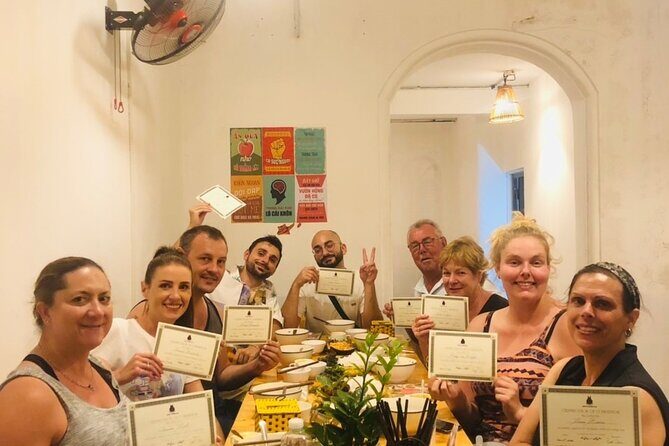
I love the hands-on food moment: you’ll help make fried spring rolls at the homestay before dinner. I also love the human side when you get a guide like Mao Cô (the English is sharp, and the village stories actually make sense). One consideration: the road/transfer can feel bumpy, so if you’re sensitive to that, it’s worth planning for a slightly uncomfortable ride day-one.
In This Review
- Key highlights you’ll feel right away
- Why this Sapa 2 days 1 night trek works as a “first Sapa” plan
- Day 1: Y Linh Ho terraced views, Lao Chai culture, then 8 km toward Ta Van
- Y Linh Ho Village (8:30 am, about 2 hours)
- Lao Chai (around 10:30 am, about 3 hours)
- Ta Van arrival and the homestay setup (late afternoon, around 5:30 pm)
- Dinner at Ta Van isn’t an add-on—it’s the experience
- Cooking class: fried spring rolls
- Dinner and local rice wine
- Day 2: the 6 km walk to Red Dao villages and lunch in Supan
- Giang Ta Chai Village and a 6 km trek (9:15 to 9:30 start, about 4 hours)
- Supan for lunch and the finish back in Sapa
- Price and what $55 really covers for your Sapa time
- Guide, group size, and pacing: how it should feel in real life
- What you’ll likely love most (based on what people remember)
- Who this Sapa trek suits best
- Should you book this 2 Days 1 Night trek with homestay?
- FAQ
- How long is the Sapa 2 days 1 night trek?
- How much does it cost?
- Where is the overnight homestay?
- What meals are included?
- Does the tour include a cooking class?
- How does pickup work?
- What villages are visited?
- How much walking is on Day 2?
- Is the group size limited?
- What is the cancellation policy?
Key highlights you’ll feel right away
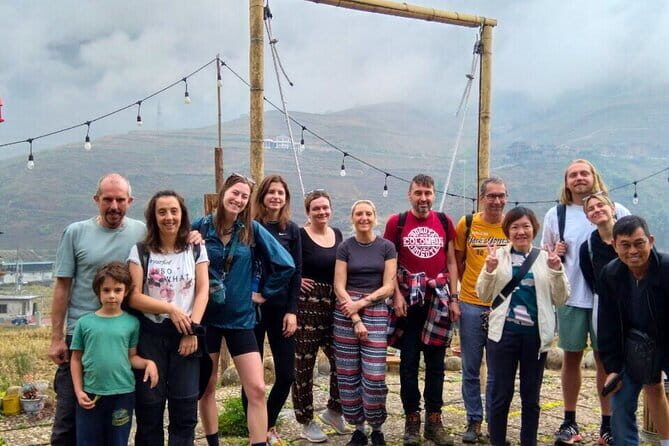
- Small-group trek (up to 15 people), so the pace stays workable on village paths
- Ta Van homestay with Hmong and Zay community life, plus a private room
- Cooking class at arrival, including spring-roll prep before dinner
- Village time in Y Linh Ho and Lao Chai, with terraced fields and multiple ethnic groups
- A real walking day on Day 2, including a 6 km trek toward Red Dao villages
- Meals included (breakfast, dinner, and lunch), which makes the $55 price easier to justify
Why this Sapa 2 days 1 night trek works as a “first Sapa” plan
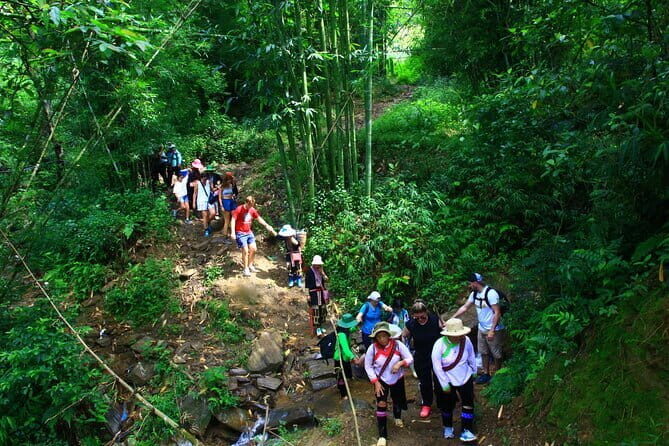
Sapa can be hit-or-miss if you try to cram too much into one day. This trip is built for comfort and clarity: pickup, guided village walking, one overnight, and a return to Sapa town. You’re not left guessing where to go next, and you’re not doing the entire region in a single sprint.
The big win is that you get both sides of Sapa. Day 1 leans toward terraced scenery and village introductions. Day 2 keeps the hike simple but real, with a long enough walk to feel like you actually left Sapa town behind. And the homestay part matters more than it sounds. When the itinerary includes dinner and a cooking class, you’re not just passing through a village—you’re part of the evening routine.
You can also read our reviews of more evening experiences in Sapa

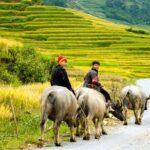
Day 1: Y Linh Ho terraced views, Lao Chai culture, then 8 km toward Ta Van
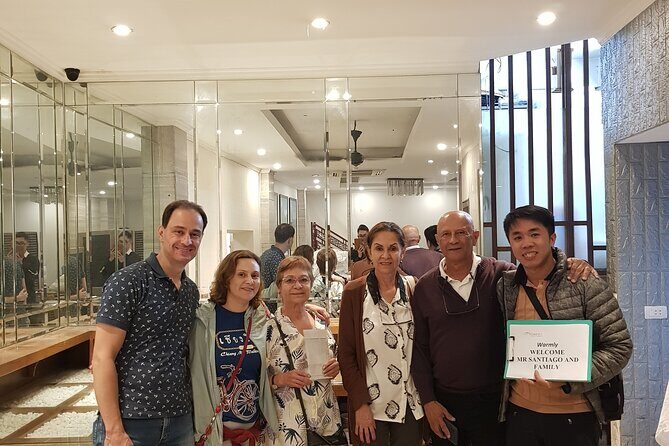
Your morning begins with an 8:00–8:30 pickup in Sapa town (or at the pre-arranged meeting point at Sa Pa Retreat Condotel). The start is practical: you’re grouped, you’re routed, and you can relax because you don’t have to sort out transfers on your own. The tour is designed around an early start, which helps you spend the day moving while the light is still friendly.
Y Linh Ho Village (8:30 am, about 2 hours)
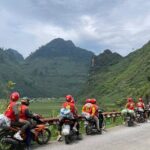
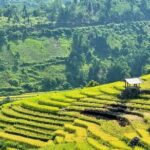
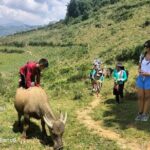
Y Linh Ho is positioned along Muong Hoa Valley and set against the Hoàng Liên Sơn mountain range. You’ll walk through areas known for terraced fields, streams, and mountain-side views. What I like about this stop is the “slow intro” feel. Two hours is enough time to take in the setting, understand how village life connects to the valley, and get comfortable with the walking paths before you commit to the overnight.
A drawback to keep in mind: it’s still a village walk. Expect uneven ground and stairs in places where people have built around the terrain.
Lao Chai (around 10:30 am, about 3 hours)
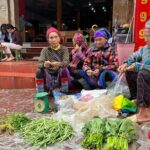
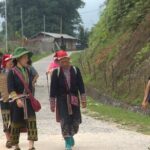
Next comes Lao Chai, a village tied to several ethnic communities, including Black Hmong, Red Dao, and Giay. The itinerary gives you about three hours here, which is long enough to stop thinking of it as a “viewpoint” and start seeing it as a place where people actually live.
This is also where you’ll notice how the trek shapes your timing. The day is paced so you can go from one village stop to another without feeling like every hour is a rushed bus ride. You’ll be outside, walking, then meeting your guide’s explanations along the route.
Ta Van arrival and the homestay setup (late afternoon, around 5:30 pm)
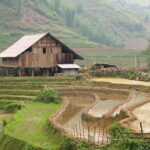
Ta Van village is about 8 km from Sapa town, and it sits with its back against the Hoàng Liên Sơn range and its front bordered by the winding Muong Hoa stream. Practically, this matters because the village feels like it’s tucked into the terrain rather than sitting on a road you can just drive past.
You’ll reach the homestay in time for the evening routine. By 5:30 pm, it’s homestay time: you’ll freshen up as best you can, then shift into the cooking activity. This part is smart because it resets the day. After walking and village stops, you get something concrete to do.
You can also read our reviews of more hiking tours in Sapa



Dinner at Ta Van isn’t an add-on—it’s the experience
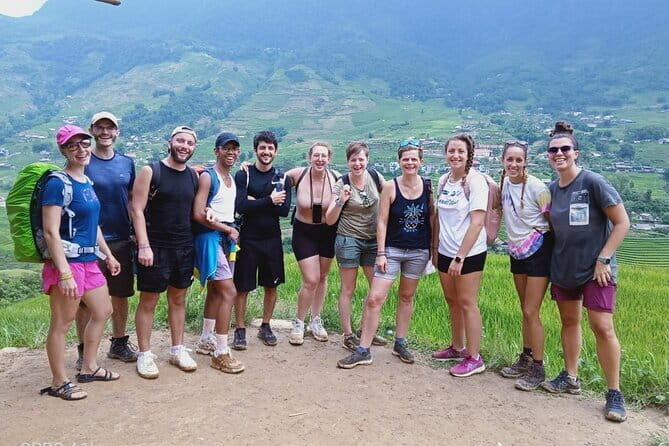
A lot of treks include food. This one builds the food into the story.
Cooking class: fried spring rolls
When you arrive, you’ll prepare fried spring rolls during a cooking class. The value here is simple: it’s a short, guided activity that doesn’t require special skills. Even if you’ve never cooked Vietnamese food before, you’ll have a clear role and the steps are the kind you can follow with help.
This also sets expectations for the homestay itself. The overnight is meant to feel lived-in, not like a hotel room with a view. You’re joining the rhythm of the household.
Dinner and local rice wine
Later, you’ll have dinner at the homestay and try local rice wine. Drinks during meals aren’t listed as included, but the rice wine trial is part of the experience. If you’re curious, this is usually the kind of moment that becomes a highlight because it’s low-pressure and cultural in a practical way.
One more thing I’d keep in mind: homestays are not hotels. Your room is described as a private room, which is great for comfort, but the setting is still rural village life.
Day 2: the 6 km walk to Red Dao villages and lunch in Supan
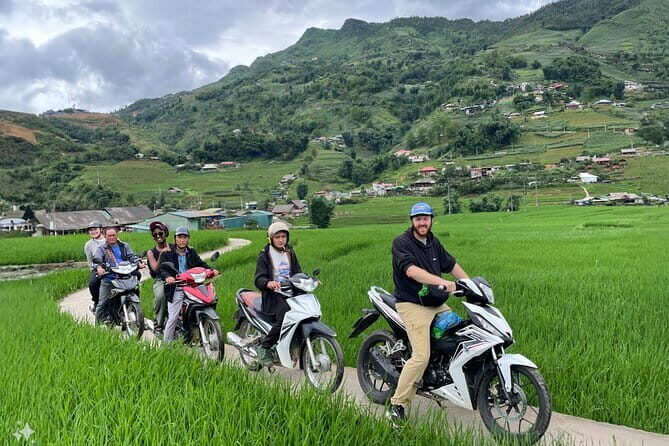
Day 2 starts with breakfast at the homestay from 8:00 to 9:00 am, then a check-out period. This pacing is gentle compared to treks that start immediately after waking. It gives you time to slow down, pack, and feel ready for walking again.
Giang Ta Chai Village and a 6 km trek (9:15 to 9:30 start, about 4 hours)
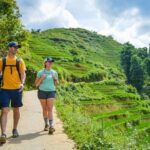
After breakfast, you’ll head toward Giang Ta Chai Village. The program then includes a walk of about 6 km to visit two villages of the Red Dao community (the itinerary frames it as 2 villages on the trek). This is the most “work” you’ll do on the second day, and it’s also the part that tends to stick in your memory.
Why it’s worth it: a 6 km walk in this region isn’t just distance. It’s time moving through village edges, paths shaped by the terrain, and places where people’s daily life is visible along the way.
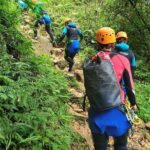
A consideration: you’re on foot for hours. Wear shoes that can handle uneven ground. If your last big hike was years ago, treat this as a moderate challenge, not a stroll.
Supan for lunch and the finish back in Sapa
Around 12:00, you’ll reach Supan village for lunch at a local restaurant. Lunch being included is a big deal here because it prevents the trek day from turning into an expensive, time-consuming hunt for food.
Then at 1:00 pm, a bus picks you up from the local restaurant back to Sapa town. You’re back around 1:30–2:00 pm, which is early enough to still enjoy the rest of your afternoon in town.
Price and what $55 really covers for your Sapa time
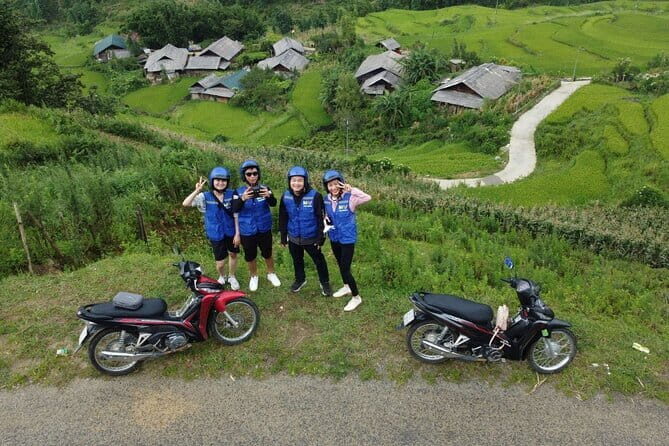
At $55 per person for about 2 days, the price looks like a bargain once you map it to what’s actually included. This isn’t just a guided walk with no extras.
You’re covered for:
- Local English tour guide
- Homestay private room in Ta Van
- Dinner and breakfast
- Lunch (listed as two lunches in the included section)
- Entrance tickets (the stops list admission tickets as free)
- Pickup offered and a return to the meeting point
Not included:
- Drinks with meals
So where does the value come from? Mainly from two things: the guide and the overnight structure. A homestay with dinner and breakfast handled means you don’t need to coordinate food and sleeping arrangements. And having a local English guide reduces the stress of village logistics, since the itinerary flows from place to place.
If you’d otherwise pay separately for a guide, transportation, and an overnight, this price usually lands close to what you’d spend anyway—without the planning headache.
Guide, group size, and pacing: how it should feel in real life
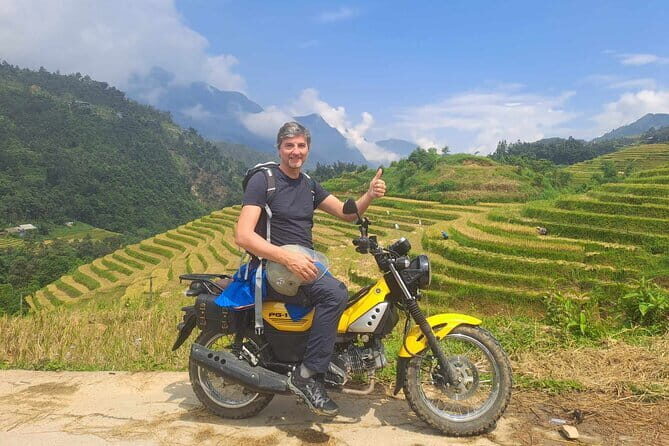
The tour runs with a maximum of 15 travelers, which is a comfortable size. Small enough for questions and easy regrouping, large enough that you won’t feel awkward if you’re traveling solo or on a short schedule.
Pickup is offered, and the start is set for 8:00 am from the Sa Pa Retreat Condotel meeting point in Sapa town. That helps you avoid the classic Sapa problem: everyone starts at different times and you spend your day waiting.
One practical note from real-world feedback: the bus journey and transfers can feel bumpy. It doesn’t change the quality of the trek, but it’s a good reminder to plan for that kind of ride—especially if you’re prone to motion discomfort. Pack water if you’re the type who likes to control your own hydration between meal times, since drinks aren’t listed as included.
What you’ll likely love most (based on what people remember)

Even when itineraries look similar on paper, certain parts decide if a trek becomes memorable. In this one, I’d prioritize three moments:
- The time spent in villages like Y Linh Ho and Lao Chai, where terraced fields and multi-ethnic community life are part of the walking experience.
- The homestay evening: spring-roll cooking plus dinner and rice wine.
- The guide’s explanations, especially when you’re assigned a standout English speaker like Mao Cô / Mae Co. Clear English makes a huge difference when you’re trying to connect what you see with what it means.
Who this Sapa trek suits best

This works best if you want:
- A guided trek with clear day-by-day structure
- An overnight in a Ta Van homestay with meals included
- Village visits across several communities (not only one)
- A moderate level of walking, including a 6 km segment on Day 2
It may be less ideal if:
- You want a luxury, low-transfer experience
- You strongly dislike uneven walking terrain
- You need a completely flexible schedule (this is a set itinerary with set times)
Good news: it says service animals are allowed, and the meeting point is near public transportation—so you’re not signing up for something that feels isolated from the town.
Should you book this 2 Days 1 Night trek with homestay?
I’d book it if you want the classic Sapa mix—terraced views, guided village walking, and a real overnight—without having to plan every part yourself. The homestay dinner and spring-roll cooking class make the $55 feel grounded in real value, not just a price tag for hiking.
I’d think twice if you’re very sensitive to rough rides, or if you want more free time in Sapa town and less time moving between villages. This tour is about the villages first, town second.
If your goal is to experience Sapa in a way that feels personal and practical, this is a strong match.
FAQ
How long is the Sapa 2 days 1 night trek?
It’s about 2 days total, with a schedule starting around 8:00 am and ending back in Sapa town around 1:30–2:00 pm on Day 2.
How much does it cost?
The price is $55.00 per person.
Where is the overnight homestay?
You sleep overnight at a homestay in Ta Van village.
What meals are included?
Dinner and breakfast are included, and lunch is listed as included as well.
Does the tour include a cooking class?
Yes. In the afternoon at the homestay, you’ll prepare fried spring rolls.
How does pickup work?
Pickup is offered. The meeting point listed is Sa Pa Retreat Condotel in Sapa, and the tour starts at 8:00 am.
What villages are visited?
The route includes Y Linh Ho, Lao Chai, Ta Van, Giang Ta Chai (for Red Dao villages), and Supan.
How much walking is on Day 2?
Day 2 includes a 6 km walk to visit two Red Dao villages.
Is the group size limited?
Yes. The maximum group size is 15 travelers.
What is the cancellation policy?
Free cancellation is available. You can cancel up to 24 hours in advance for a full refund. If you cancel less than 24 hours before the start time, it won’t be refunded.