REVIEW · SAPA
Sapa vacation 3 days 2 night
Book on Viator →Operated by Sapa Vacation Tour · Bookable on Viator
Three days, one good mountain rhythm.
This Sapa homestay trip mixes village life with guided trekking, plus a real evening with locals. You’ll also get a hands-on cooking class moment that makes the trip feel personal, not just photo stops.
I especially like the way the tour is run by English-speaking guidance, with Huy (Bob) specifically noted for being organized and accommodating. I also like that you’re fed well along the way, with multiple included meals that keep you from spending your time (and appetite) hunting food mid-trek.
One thing to consider: this is for people with moderate fitness, since you’ll hike on dirt trails and spend hours walking each day. If you hate uneven ground or pace changes, you might want an easier option.
In This Review
- Key highlights to know before you go
- How 3 Days in Sapa Keeps The Pace Friendly
- Day 1: Sapa To Y Linh Ho, Ta Phin Stop, And A Cooking Night
- Day 2: Cat Cat, Muong Hoa Valley, And The Trail Toward Ta Van
- Day 3: Bamboo Forest Walks And Giang Ta Chai’s Red Dao Village
- Homestay, Meals, And Why This Trip Feels Less Touristy
- Transportation And Included Entrance Fees: The Hidden Convenience
- Hike Time, Fitness Level, And Packing For Real Dirt Trails
- Price And Value: What $131 Covers (And Why That’s Reasonable)
- Who Should Book This Private Sapa 3D/2N Tour
- Should You Book? A Simple Decision Guide
- FAQ
- How long is the Sapa 3 days 2 nights tour?
- What’s included in the price?
- Is pickup included?
- Is it a private tour?
- Do I need a moderate fitness level?
- What stops are included during the trip?
- How are the hikes during the days?
- What’s the cancellation policy?
Key highlights to know before you go

- Private group: it’s only your group for the duration.
- Homestay nights (2): you stay local, not in a hotel bubble.
- English-speaking guide: helpful explanations and smoother logistics.
- Included meals: 2 breakfasts, 3 lunches, and 2 dinners mean less planning.
- Village visits plus trekking: you get both culture time and walking time.
How 3 Days in Sapa Keeps The Pace Friendly

Sapa can feel like a lot when you try to do everything on a tight schedule. This trip works because it strings together a simple rhythm: travel in, village and cooking time, then day-by-day walking routes toward Ta Van and back to town.
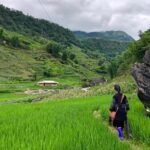
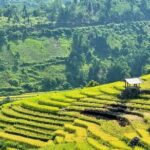
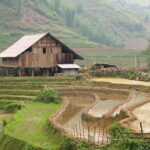
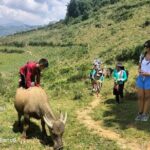
You’re not just watching the hills from the roadside. You’ll walk dirt trails, pause for breaks, and move through villages in a way that feels more like a slow day with friends than a rushed checklist. The group size is private, so you’re less likely to get swept along by crowds.
The best part is that the structure reduces stress. Transportation, entrance fees, lodging, and meals are bundled, so you spend your energy on the hiking and the local moments, not on logistics.
You can also read our reviews of more evening experiences in Sapa

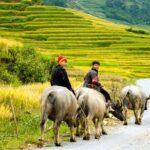
Day 1: Sapa To Y Linh Ho, Ta Phin Stop, And A Cooking Night
Day 1 starts in Sapa with a morning departure around 09:00, then lunch before you head out to the village area. You’ll reach the homestay late afternoon, around 17:00, with time to reset before the evening activities.
There’s also a quick Ta Phin stop on the way—just a short trekking segment (about 10 minutes) with free admission listed. This is a good way to get your legs moving early without exhausting yourself before the main homestay experience.
Once you arrive, the day becomes about village connection. You’ll get a cooking class with your guide in the homestay setting, then dinner with a local family. That dinner is not framed as a show. It’s part of how homestays typically work here: you eat what’s available, you talk when you can, and you learn through the day’s simple flow.
This is also a smart first-day setup for people who are newer to Sapa trekking. You’re walking, but you’re not thrown into a long hike right away.
Practical tip: ask your guide what the evening meal timing is and what the shared space is like, so you don’t feel rushed when you arrive. With Huy (Bob) known for being organized, you should get clear guidance.
Day 2: Cat Cat, Muong Hoa Valley, And The Trail Toward Ta Van

Day 2 is where the trip starts feeling like a trek. You begin at 09:00 and head into the village route area, including stops that are part cultural and part scenic.
First up is Cat Cat village for about 1 hour (with admission included). Cat Cat is often associated with traditional life and water-related scenery. Even if you don’t obsess over every detail, this stop helps you understand where the trekking routes come from and why people live where they do.
Next you visit Muong Hoa Valley for about 45 minutes (also included). This is a shorter scenic break before you move into longer walking. It’s useful because it breaks up the day and gives you a chance to adjust before you hit the dirt trails.
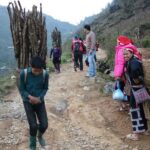
After those stops, you move onto the trek line with the route heading through Y Linh Ho, then onward toward Lao Chai and ultimately Ta Van. The walking is listed with a dirt-trail start around 10:45, lunch around 13:30, and arrival in Ta Van around 15:30, followed by dinner later in the evening.
What I like about this day is that it balances viewpoints with actual movement. The walking isn’t just “go from A to B.” It’s paced with breaks and meal timing built in. In fact, the guidance you get should include rest stops when needed, and that matters on uneven ground.
Practical tip: plan for foot comfort. Even if each day’s hike is not extremely long, the surface can be uneven and your energy will go into stability.
Day 3: Bamboo Forest Walks And Giang Ta Chai’s Red Dao Village

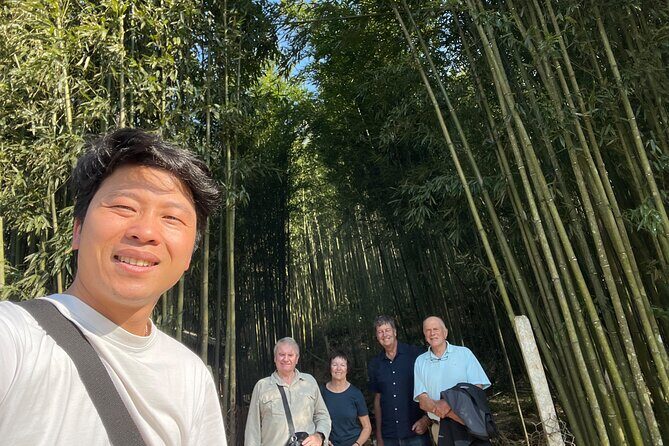
Day 3 begins with breakfast at the homestay around 08:00. Then you get the morning portion that many people remember most: a visit through bamboo forests starting around 09:30.
This isn’t a long city-style “walk.” It’s a slower, shaded-feeling route that changes how you experience Sapa. Bamboo areas tend to make sound carry differently, light softer, and the whole trek feel calmer. Even if you’re not into forests, this segment is a nice break from the more open village trails.
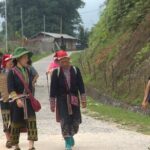
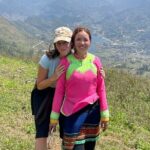
Next comes the cultural stop: Giang Ta Chai, where you visit the Red Dao village around 11:30. This is the part of the itinerary focused on community identity—what people wear, how they live, and the village setting you can only really understand by being there.
Lunch follows at around 12:30, then you’re picked up by car around 13:30 and returned to Sapa. That timing is a big deal. It means you get a full morning experience without feeling like you’re rushing out of your last meal and packing your day bag in a hurry.
If you’re thinking about photography, morning is often easier. Light tends to be friendlier before clouds thicken, and your body also tends to be less stiff before the final transfer day.
Homestay, Meals, And Why This Trip Feels Less Touristy
The homestays are built into the value of this tour. You’re not only paying for walking; you’re paying for a 2-night stay in a local setting and structured meals along the way.
Food is included as:
- 2 breakfasts
- 3 lunches
- 2 dinners
That’s a lot of included meals for a trip at this price point. It also protects the experience from the most common failure mode of trekking trips: running out of time to eat well. When meals are planned, your guide can keep pacing realistic and you don’t end up skipping lunch or settling for something that doesn’t agree with you after a hike.
Dinner with a local family on Day 1 adds a social layer. It’s where you learn faster than from photos. You might not understand every word, but you’ll pick up routines quickly: how people serve, how the evening conversation works, and how day-to-day life in this region actually looks.
Also, the homestay experience tends to come with comfort details you don’t always get in basic tours. A review praised sleeping accommodations as beautiful and food as great, which matters after a day of walking.
Practical tip: bring a small bottle of water you can sip during breaks. Even with meals included, hydration during trekking is still on you.
You can also read our reviews of more tours and experiences in Sapa


Transportation And Included Entrance Fees: The Hidden Convenience
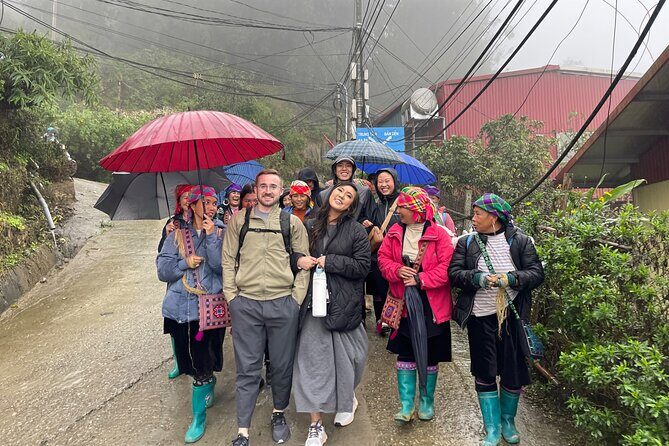
This tour includes transportation and entrance fees, and that’s not a minor detail. In Sapa, ticket lines and separate payments can steal time from the day you actually came for.
The itinerary uses car transfers between the starting point in Sapa and the village areas, then shifts into trekking on dirt paths. At the end, a car pick-up brings you back to Sapa on Day 3 around 13:30.
There’s also a mobile ticket, which usually means fewer paper hassles. Add in the fact that the tour offers pickup, and you reduce the “where do I meet?” stress that can otherwise ruin a first day.
The result is that your schedule stays predictable: depart Sapa, lunch en route, arrive, then activities and trekking in a planned order. Predictability may sound boring, but on mountain days it’s a real quality-of-life upgrade.
Hike Time, Fitness Level, And Packing For Real Dirt Trails
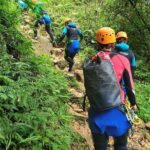
This experience is listed for moderate physical fitness. That’s the right wording for Sapa: you’re not scaling peaks, but you are walking, stepping, and adjusting constantly to the ground.
The trek times are described as roughly 1.5 to 3 hours of hiking each day. That range is helpful. It suggests you can still enjoy the day even if you’re not a hardcore hiker, as long as you take your breaks seriously.
A review also mentioned plenty of rest stops and breaks if needed. That’s a big confidence factor. On uneven trails, the smartest move is to follow your guide’s pacing rather than forcing a fast stride.
For packing, stick to the basics that work in most mountain trekking settings, without overcomplicating it:
- Comfortable shoes for dirt and uneven steps
- A light layer for morning and evening
- Rain protection if the weather looks questionable
- A small day bag so you’re not constantly juggling items
Practical tip: wear footwear you trust. New shoes plus wet or rocky dirt is a fast way to end your day early.
Price And Value: What $131 Covers (And Why That’s Reasonable)

At $131 for a 3-day / 2-night private experience, the value comes from what’s bundled.
You get:
- Accommodation for 2 nights at homestays
- Meals (2 breakfasts, 3 lunches, 2 dinners)
- Transportation
- Entrance fees
- English speaking guide
- A private group format (your group only)
For many Sapa itineraries, prices climb fast once you add lodging and meals. Here, your budget is controlled because the plan already covers the big cost buckets: sleep, food, and getting around.
Also, the day structure reduces extra spending. When you don’t need to buy tickets at each stop, and you don’t need to chase meals, you can focus on the actual experience.
In plain terms: if you’d otherwise pay for a homestay, a guide, and meals separately, this price looks fair. If you only want effortless sightseeing and no trekking, you might find the value less compelling, but for the right match, it’s a solid deal.
Who Should Book This Private Sapa 3D/2N Tour
This is a strong fit if you want the real Sapa mix: village life plus walking, with guidance that keeps things smooth.
You’ll likely enjoy it if:
- You want homestay time (not only hotel base-camp sightseeing)
- You’re okay with moderate walking and dirt trails
- You like cultural stops like Cat Cat, Muong Hoa Valley, and Red Dao village visits
- You want an English-speaking guide who can explain what you’re seeing
It’s also a good match for couples, small groups, and anyone who prefers private pacing. Since it’s only your group, you can move at a more comfortable rhythm instead of being jostled into a crowd schedule.
If you’re very sensitive to physical effort, or you want mostly flat walking, then this might feel like too much. The daily hiking blocks are part of what makes the trip worth it, so skipping them defeats the point.
Should You Book? A Simple Decision Guide
Book this tour if you want an organized, value-focused Sapa experience with homestays, included meals, and guided trekking that fits moderate fitness. The mention of Huy (Bob) being accommodating and organized is a strong signal that the human side of the trip is handled well, not just the route on paper.
Don’t book it if you hate walking on dirt trails or you’re looking for a low-effort day-trip style experience. The itinerary is designed around movement and village time, not just short roadside stops.
If you’re the “I want to go beyond photos” type of traveler, this is a practical way to do Sapa in 3 days and 2 nights without turning your schedule into chaos.
FAQ
How long is the Sapa 3 days 2 nights tour?
The tour runs for about 3 days, with 2 nights at a homestay.
What’s included in the price?
It includes transportation, entrance fees, accommodation for 2 nights, meals (2 breakfasts, 3 lunches, 2 dinners), and an English-speaking guide.
Is pickup included?
Yes, pickup is offered.
Is it a private tour?
Yes, it’s private, and only your group will participate.
Do I need a moderate fitness level?
Yes. The tour is listed for people with a moderate physical fitness level.
What stops are included during the trip?
You’ll have stops such as Ta Phin, Cat Cat village, Muong Hoa Valley, bamboo forest visiting, and Giang Ta Chai (Red Dao village).
How are the hikes during the days?
You should expect hiking time each day, roughly around 1.5 to 3 hours, depending on pace and breaks.
What’s the cancellation policy?
Free cancellation is available up to 24 hours in advance for a full refund.