REVIEW · SAPA
Sapa trekking 2 days small group
Book on Viator →Operated by Saparis Horizon Travel · Bookable on Viator
Two days in Sapa feels like a real world. You’ll trek along Muong Hoa valley and visit minority villages, including Black H’mong and Red Dzao, then sleep in a local homestay and share meals at the source. What I like most here is the human side: guides such as Lily or Lulu are praised for being careful, energetic, and good at answering questions while you’re walking.
The only catch is physical reality. It’s proper hiking on paths that include climbs and uneven ground, so your legs should be ready even if the route works for most people.
In This Review
- Key highlights you’ll actually care about
- Why a Sapa homestay trek feels different from a standard tour
- The route: Muong Hoa valley and three village cultures on foot
- Day 1 from Sapa to Ta Van: villages, bridges, lunch by the river, and homestay night
- Village walk to Y Linh Ho
- To Lao Chai: crossing into deeper valley views
- Lunch in Lao Chai
- Ta Van: rice terraces, a second ethnic community, and an easier evening
- Day 2 from Ta Van to Su Pan: viewpoint hike, Red Dzao lunch, and car pickup
- Giang Ta Chai: Red Dzao village time and a local lunch
- Finish near Su Pan and return to Sapa town
- Homestay reality: what’s included, what varies, and what to expect
- Price and logistics: why $80 can be a strong value
- Who this Sapa 2-day homestay trek is best for
- Trekking comfort checklist for Sapa’s two-day rhythm
- Should you book this Sapa Trekking 2 days Homestay?
- FAQ
- What’s included in the $80 price?
- How big is the group?
- Where does pickup happen?
- Do I need to pay extra admission fees for the village stops?
- What time does the trek finish on the second day?
- What if I need to cancel?
Key highlights you’ll actually care about
- Up to 15 people in the group: it stays personal enough for questions and slower moments when the views pop open
- Guides like Lily or Lulu: you get a careful, Q&A-friendly guide who keeps the group together
- Homestay night with real village life: you sleep in the community, share meals, and get a different angle on how Sapa works day to day
- Muong Hoa valley walking time: long enough to feel like a trek, not just a photo walk
- Food and basics included: breakfast, dinner, and lunch (two lunches), plus water (1.5L/day)
Why a Sapa homestay trek feels different from a standard tour
This is the kind of Sapa experience that doesn’t stop at scenery. The value isn’t only the trails. It’s the daily rhythm: waking up, eating together, walking between villages, and talking to your hosts in Ta Van and beyond.
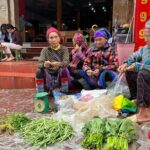
That homestay piece matters. You’re not “watching culture” from behind a bus window. You’re living inside a family home for a night, sharing space and food, and learning how people plan a day around farming, seasons, and community. You also get context for what you see on the walk—why rice terraces sit where they do, how villages are organized, and what daily life feels like when the valley is your backyard.
You can also read our reviews of more hiking tours in Sapa


The route: Muong Hoa valley and three village cultures on foot
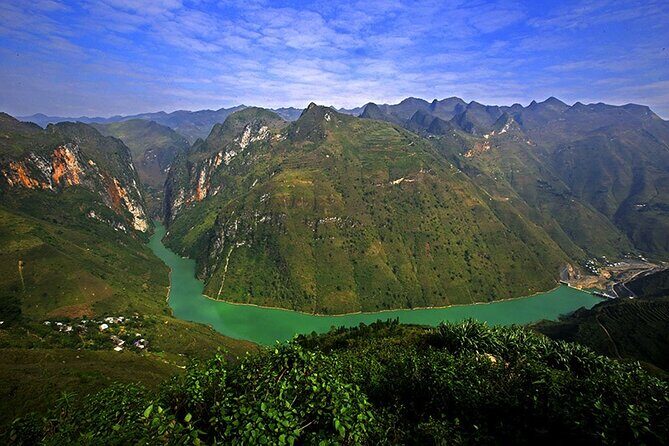
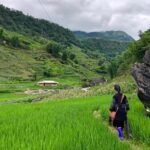
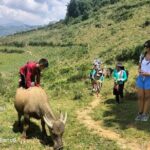
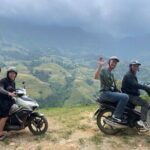
This trek links several villages in a way that makes geography easy to understand. You start near Sapa town and move through the Muong Hoa valley, which is where the scenery stays impressive for hours at a time—fields, slopes, and that layered mountain backdrop.
You’ll spend time in:
- Y Linh Ho (Black H’mong): the first village stop sets the tone, with a chance to learn about daily life and culture
- Lao Chai (Black H’mong): another community visit with valley views and a walk that feels like you’re moving through the region, not around it
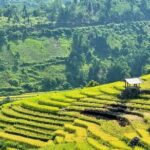
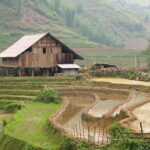
- Ta Van (Giáy): rice terraces and village life, plus time to interact with the people here
- Giang Ta Chai (Red Dzao): a second-day shift in culture that keeps the experience from becoming repetitive
One practical benefit: the route is paced by walking legs and village stops, not a racing schedule. You’ll have chances to pause, ask questions, and regroup without the tour feeling like a sprint.
Day 1 from Sapa to Ta Van: villages, bridges, lunch by the river, and homestay night
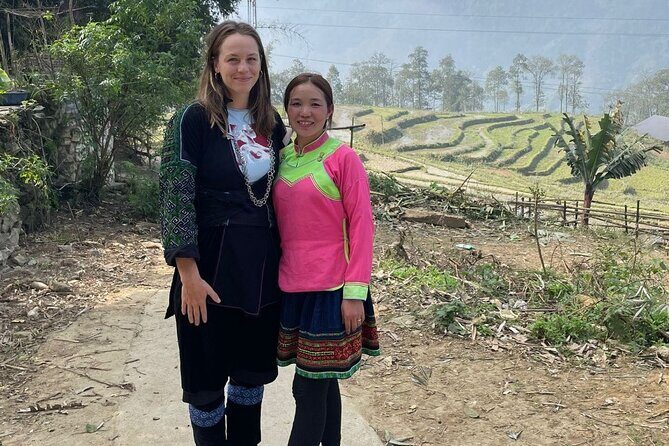
Your day starts with pickup in Sapa town around 08:00–08:30. The guide meets you at the meeting point, and you get a quick intro so you know what’s coming. That early start matters in Sapa because weather can change fast and walking feels better earlier.
Village walk to Y Linh Ho
From Sapa, you begin trekking along Muong Hoa valley. The first highlight is Y Linh Ho, home to the Black H’mong community. This isn’t just a stop for photos. You’ll learn about local life and culture as you walk, then move on with the group. It’s a good way to get your brain into “village mode” before the bigger scenery hours.
To Lao Chai: crossing into deeper valley views
You continue trekking toward Lao Chai. Along the way, you cross a small bridge to enter the Muong Hoa valley area. That bridge moment is small, but it helps you feel the change in terrain and viewpoint. Lao Chai is a larger village, and you’ll get more time to take it in while walking toward lunch.
You can also read our reviews of more tours and experiences in Sapa


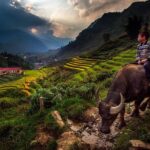

Lunch in Lao Chai
Lunch happens around 12:00–12:30 near the river in Lao Chai. The tour includes lunch, and it’s the kind of meal that makes the day feel grounded: you’re eating where the walk connects. The plan also gives you the option for a picnic-style lunch on the uphill to enjoy the countryside atmosphere, depending on how the day unfolds.
Ta Van: rice terraces, a second ethnic community, and an easier evening
Late afternoon brings Ta Van. You’ll walk to see rice terraces and interact with the Giày people. After that, you trek onward to reach the homestay around 15:30.
Here’s where the day becomes memorable for reasons beyond hiking:
- You can relax after a long day’s walking
- There’s time for conversation and learning
- You’ll have dinner at the homestay
A useful reality check: homestays can vary in space. One experience in the mix was described as smaller than expected, but it still did the job, and the food was considered good. That tells me to manage expectations: you’re signing up for family hospitality, not a hotel-sized room.
Day 2 from Ta Van to Su Pan: viewpoint hike, Red Dzao lunch, and car pickup
Day 2 starts with breakfast and a morning walk from Ta Van around 08:30–09:00. You’ll follow a local trail to see Muong Hoa valley from higher up. This is a smart move. Morning light makes the terraces and folds of valley stand out, and walking uphill early is usually easier on timing than later in the day.
Giang Ta Chai: Red Dzao village time and a local lunch
You continue trekking toward Giang Ta Chai village of the Red Dzao people. Lunch is at a local home around 12:00. Like day 1, the focus is on food and conversation, not a high-speed stop. You’ll also enjoy the surrounding mountain scenery and terraced fields from the area where you eat.
After lunch, you’ll keep walking (the plan shows continuing uphill around 13:00). The exact “what you’ll see” depends on the trail and pace, but the main point is that day 2 continues the pattern: hike, pause, eat, then hike again with a viewpoint mindset.
Finish near Su Pan and return to Sapa town
The trek wraps up at the main road near Su Pan around 14:30, and the car picks you up to return to your accommodation in Sapa town. This timing is nice. You get a full hiking day without feeling like you’ll be walking until dark.
Homestay reality: what’s included, what varies, and what to expect
This tour includes accommodation for 1 night and covers meals: dinner, breakfast, and lunch (2). It also includes water at 1.5L/day. That’s a big part of the value. You’re not juggling food logistics on the trail, and you’re not paying for lodging separately.
What can vary is the room size and the feel of the home. One note you should keep in mind: a homestay may be more modest than your comfort zone. If you’re traveling with the idea that everything will look like a clean modern guesthouse, you might feel a little disappointed. If you’re comfortable with simple, family-run spaces, you’ll likely find the experience meaningful.
The best way to make the homestay work for you is to keep your expectations aligned:
- Think community lodging, not hotel lodging
- Be ready to eat what’s prepared locally
- Bring a calm attitude for conversation and shared time
Price and logistics: why $80 can be a strong value
At $80 per person for about two days, this isn’t just a “walk and go” deal. It bundles the guide, the route between villages, the homestay night, meals, and water.
Here’s how to think about value:
- You’re paying less for separate tickets and more for coordination between villages
- Meals are included for two full walking days (breakfast + dinner + two lunches)
- Accommodation is included, which usually costs extra on trekking styles like this
- The group size cap (max 15) helps keep the experience from turning into a crowded shuffle
Pickup is offered, and you’ll likely have a mobile ticket for the experience. One practical upside of that combo: you avoid wasting time guessing where to go once you reach Sapa.
Also, those village stops are marked as admission free in the plan. That matters when other tours suddenly add fees for village entry or viewpoints.
Who this Sapa 2-day homestay trek is best for
This fits best if you want:
- A guided trek that’s more about people than only pictures
- A homestay night in Ta Van rather than just changing buses
- A small group experience that stays manageable
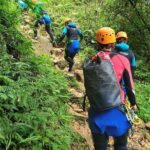
It’s also described as working for most travelers, and at least one experience in the mix highlighted that the hike wasn’t overly challenging. Still, don’t assume it’s effortless. Sapa trails can be steep or slippery, and you’ll feel it in your calves if you don’t walk often at home.
If you’re happiest with a steady pace, and you like asking questions when you reach a village, you’ll enjoy this route. If you hate walking on uneven ground or you need long breaks every hour, you might find it tiring.
Trekking comfort checklist for Sapa’s two-day rhythm
You can’t control the weather, but you can control how prepared you feel. For this type of trek, I’d plan for:
- Comfortable shoes with good grip
- A light rain layer or poncho (Sapa conditions can shift)
- A small daypack for water and layers
- Sunscreen and a hat, even when it’s cool
- Cash for tips and personal expenses (tips aren’t included)
Also, bring a good attitude about the homestay basics. If you’re flexible, the night becomes part of the story rather than an obstacle.
Should you book this Sapa Trekking 2 days Homestay?
I’d book it if you want a real Sapa experience built around the villages of Muong Hoa valley and a homestay night in Ta Van, with meals and water handled for you. The guide quality seems to be a strong point, especially with guides like Lily or Lulu being described as careful and great for questions. Add the small-group size (up to 15) and you’ve got a good setup for meaningful interaction without chaos.
I wouldn’t book it if you need a fully cushy, hotel-style stay or if long walking on uneven trails isn’t your thing. This is a trek with a homestay, not a comfort-first day trip.
If you’re somewhere in the middle, book with a simple mindset: bring decent hiking footwear, expect modest lodging, and treat the meals and conversations as part of the value.
FAQ
What’s included in the $80 price?
The tour includes accommodation, dinner, breakfast, lunch (2), and water (1.5L/day). It also includes pickup and a mobile ticket. Tips and personal expenses are not included.
How big is the group?
This experience has a maximum of 15 travelers, which helps keep the trek organized and the experience more personal.
Where does pickup happen?
Pickup is offered in Sapa town, starting around 08:00–08:30 on day 1.
Do I need to pay extra admission fees for the village stops?
The listed village stops show admission ticket free entries, so you shouldn’t face extra ticket costs for those specific stops.
What time does the trek finish on the second day?
Day 2 finishes around 14:30 near the main road near Su Pan, when the car picks you up to return to your accommodation in Sapa town.
What if I need to cancel?
You can cancel for a full refund up to 24 hours before the experience starts. If you cancel less than 24 hours before, the amount paid isn’t refunded.