REVIEW · SAPA
Mountain views & Rice Terraced Fields Hiking – 2D 1N
Book on Viator →Operated by Trekking Tour Sapa · Bookable on Viator
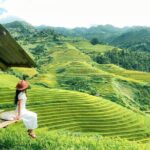
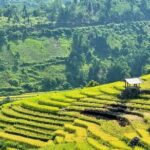
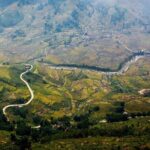
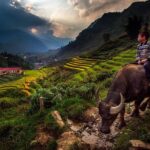
Rice terraces and village trails start your day. This 2-day hike around Sapa mixes mountain viewpoints with walking between ethnic-minority villages, including the famous rice terrace scenery and Sapa’s big river/valley views. I especially like the rice terrace fields paired with real village encounters, plus the culture talk—think Hmong marriage traditions and how people work the land.
The second thing I really like is the small-group feel (max 10). I find it helps you ask questions, understand what you’re seeing, and keep the pace from turning into a photo sprint. The main thing to consider first: this is moderate fitness trekking with uphill and downhill, and the tour is weather-dependent, so you’ll want to pack for rain and changing conditions.
In This Review
- Key highlights worth knowing
- Day 1 in Sapa: meeting at the church and heading uphill
- Hang Da Village: the quick climb that makes the rest make sense
- Hau Thao and Black Hmong daily life after lunch
- Giang Ta Chai: going downhill, spotting the waterfall, and meeting the valley
- Ta Van Village: where Giay and Black Hmong meet
- Homestay dinner and breakfast: included, but expect simple comfort
- The culture angle: Hmong marriage traditions and how people work the land
- Transport back to Sapa: how the day ends
- Price and value: $90 for two days of guided village trekking
- Group size and timing: why max 10 feels better
- What to pack for Sapa rice terraces and village trails
- Who this trek fits best
- Should you book this Sapa rice terrace trek?
- FAQ
- How long is the Mountain views & Rice Terraced Fields Hiking tour (2D 1N)?
- Where do I meet, and what time does the tour start?
- Is pickup offered?
- What villages and ethnic groups does the tour focus on?
- What’s included in the homestay?
- What meals are included overall?
- Are village entry fees included?
- What’s the walking level and fitness requirement?
- What happens if weather is poor?
Key highlights worth knowing
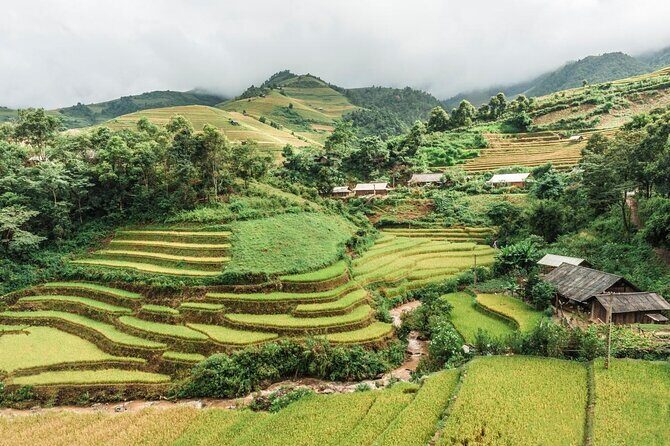
- Rice terraces + valley viewpoints on a trek that’s more than just a viewpoint stop
- Five village visits with Hmong, Giay, and Red Dao community life and traditions
- Overnight homestay included with dinner and breakfast
- Small group size (max 10), which makes the cultural explanations land better
- Guiding that goes beyond walking, including Hmong marriage traditions and daily work
- Waterfall scenery on the way to Giang Ta Chai village
Day 1 in Sapa: meeting at the church and heading uphill
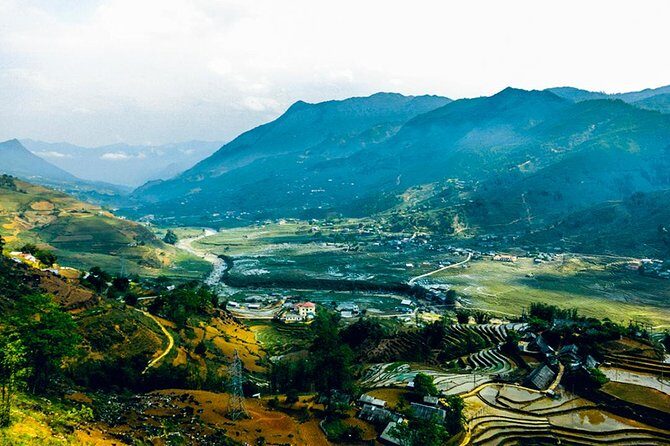
Your day starts near Sapa Church at 9:00 am. If you’re staying in town, you may also have pickup offered, which makes it easier to avoid the hassle of getting to the start point with a tired day ahead. Either way, I like that this is a clear start time—less guessing, more time on the trail.
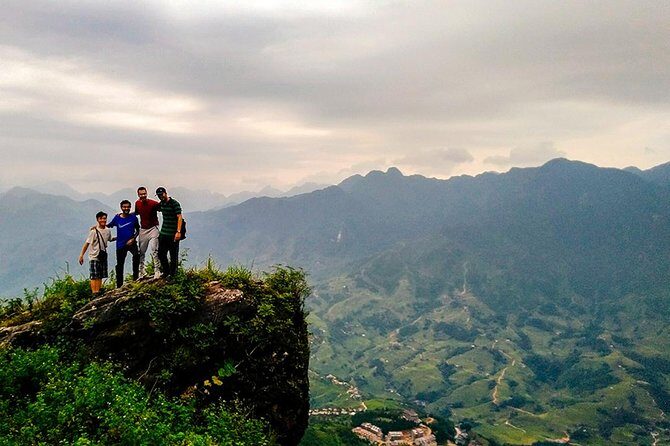
The first walking push is short but real: you’ll head up about 1 km on a small trail toward mountain viewpoints. This matters because it sets the tone for the rest of the experience. You’re not just trudging between villages; you’re earning the views, then using those vistas as context for what you’ll learn about the area.
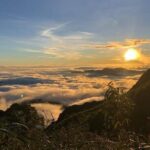
You should also know the trek begins in the morning, when clouds can still shift quickly over Sapa. That’s not a problem, but it does mean you should dress in layers so you’re comfortable for both cool air and sudden warm spells.
You can also read our reviews of more hiking tours in Sapa

Hang Da Village: the quick climb that makes the rest make sense
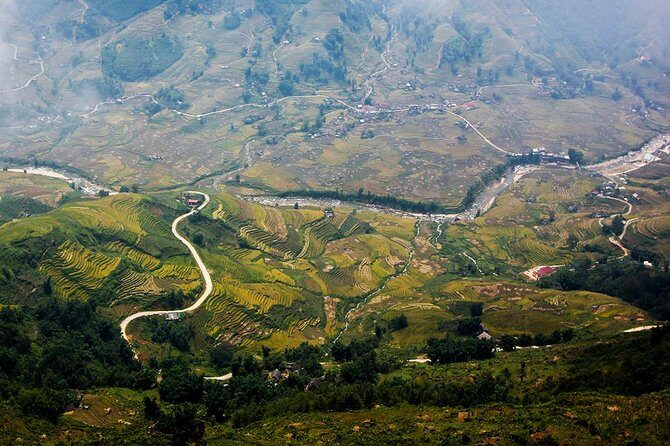
Hang Da Village is your first village stop, and it’s built around viewpoint time. After a short introduction, you’ll hike uphill along a small trail to reach the mountain views area. This is the part where your brain starts mapping the region: valleys, ridges, and the way villages fit into the terrain.
What I like here is the balance between effort and reward. It’s not a long grind, but it’s enough to get you warmed up and ready for the cultural stops that follow. If you’re the type who gets impatient on treks, this first segment is a good calibration—it shows you the pace right away.
Possible drawback: because you climb early, this part may feel tougher if you’re not used to steep steps or if you arrive late and rushed. Give yourself a bit of buffer so you can start steady, not stressed.
Hau Thao and Black Hmong daily life after lunch
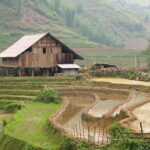
After lunch, the route changes. You head down to Hau Thao, a village connected to the Black Hmong community. This section is less about grand views and more about everyday life—what people do, how communities work, and how houses and rice work relate to the terrain.
This is one of the key reasons this tour feels authentic: the focus is not just on costumes for photos. The tour includes explanations around culture and daily routines, and that’s where you’ll likely understand how practical knowledge—building techniques, rice field work, and local customs—shapes life here.
If you’re hoping for a lot of time “wandering alone,” you may find this section more structured than you expect. But in my opinion, that’s a good trade-off. You’ll get context, and the village visit won’t feel like a drive-by.
Giang Ta Chai: going downhill, spotting the waterfall, and meeting the valley
Breakfast in the homestay fuels Day 2, then the trek resumes with a downhill-to-village rhythm. From Hau Thao, you’ll walk toward Giang Ta Chai Village, with a highlight that’s easy to remember: you’ll get to see a waterfall along the way.
Waterfalls are often the kind of thing you spot from a road and forget. Here, the waterfall is part of the walking route. That changes how you experience it—you slow down because you’re moving on foot, and you notice the sounds and the feel of the place instead of just passing by.
This is also a good time to slow your own pace. Your legs may feel different on the second day, especially with downhill. If you’ve got knee issues, take it carefully on steps and wet patches. Trekking in Sapa can be slippery after misty weather.
Ta Van Village: where Giay and Black Hmong meet
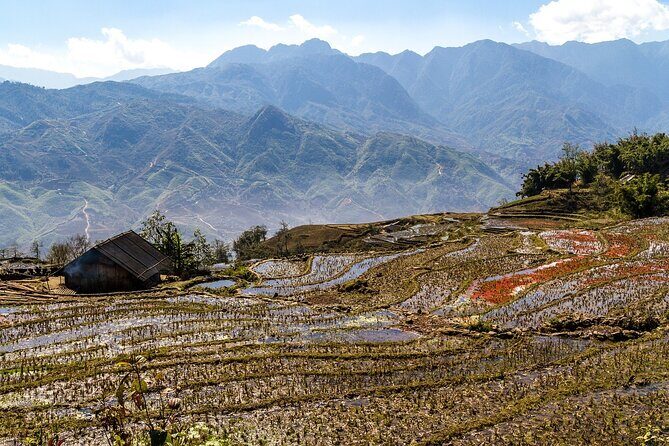
After enjoying the photos and scenery around Giang Ta Chai, you’ll continue downhill to Ta Van Village. This is where the tour brings together the mix of communities—Giay and Black Hmong—so you can compare how different groups live in the same broader Sapa region.
I like the way the itinerary flows into “comparison mode.” You’re not just collecting stops; you’re seeing how cultural patterns adapt across villages. Even if you’re short on time in each place, the different community presence helps you notice details rather than just snap pictures.
One practical consideration: Ta Van is a downhill finish for the day’s trekking. That can feel like a relief after day 1, but it also means you’ll still be using your muscles for careful footing. Save your energy for walking well, not for rushing.
You can also read our reviews of more tours and experiences in Sapa
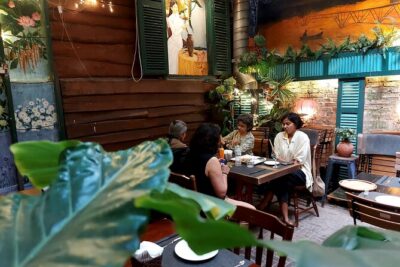
Homestay dinner and breakfast: included, but expect simple comfort
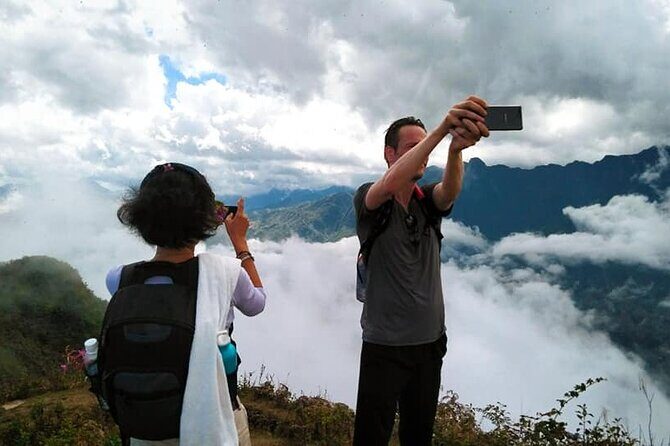
The tour includes homestay accommodation for one night, plus dinner and breakfast. It’s also village entry fees are part of the deal. This is a meaningful value point because homestays in Sapa aren’t just a bed—they’re where the cultural exchange happens.
That said, “homestay included” doesn’t mean hotel-level comfort. I’d treat this as an experience where you’re sleeping close to village life. In a practical sense, bring what you need for basic comfort (like any toiletries you prefer), because the tour doesn’t list extras beyond the included meals and a big bottle of water per person.
One tip that matters: if you get cold easily at night, plan for it. Sapa’s mountain weather can shift fast, and even if the day feels mild, evenings may feel cooler.
The culture angle: Hmong marriage traditions and how people work the land
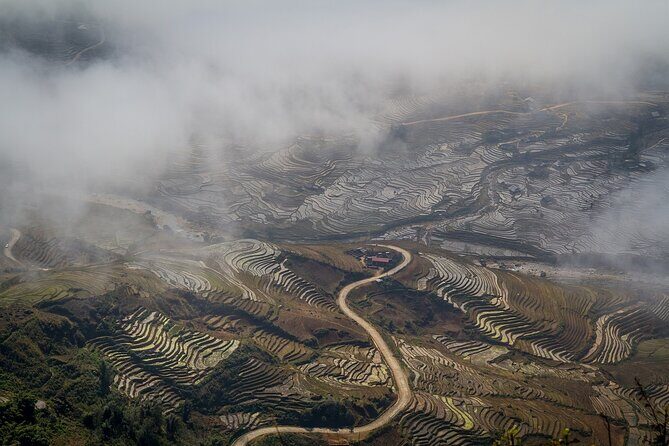
The tour is designed to go beyond surface-level viewing. The guide introduces you to customs and traditions of the main ethnic groups (Hmong, Giay, and Red Dao), with specific attention to topics like Hmong marriage traditions, rice fields, and house building techniques.
I appreciate this because it answers the question you should have while trekking: what you’re seeing isn’t decoration. It’s a system—how people use the land, organize daily work, and pass down knowledge. When the guide explains how rice terraces connect to livelihoods, the terraces stop being just a pretty view and become part of a living economy.
A helpful detail from traveler feedback is that the guide can be especially strong at explanation. One review specifically praised the guide San for being very good at telling stories and explaining what’s going on. That kind of guiding makes the difference between a photo walk and a learning walk.
Transport back to Sapa: how the day ends
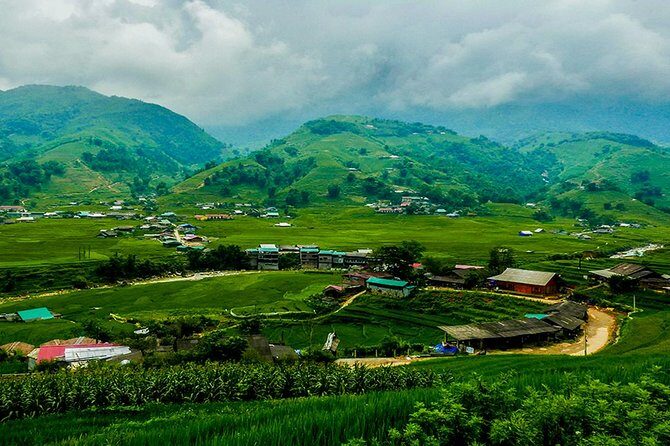
At the end of the experience, you get transport back to Sapa. I like that this is included, because a common pain point in trekking areas is figuring out your ride after you’ve finished hiking. It also helps you avoid losing time to last-minute logistics while your legs are tired.
Because the tour ends back at the meeting point area, you also get a predictable finish. That’s useful if you want to plan dinner or grab a rest afterward without needing extra arrangements.
Price and value: $90 for two days of guided village trekking
The price is $90 per person for approximately 2 days, and on average it’s booked about 5 days in advance. To judge value, I look at what’s already covered versus what you’d likely pay separately.
Here, the big value pieces are:
- Homestay (1 night) included
- Dinner and breakfast included
- Lunch (2) included
- Village entry fees included
- Local guide
- Transport back to Sapa
When you add those together, $90 starts to look like a solid deal, especially for a small group experience. The only “hidden cost” risk is not money—it’s energy. You’ll want a moderate fitness level, and you’ll want to be ready for walking on uneven ground.
If you’re comparing options, a useful approach is to find tours that bundle the homestay and meals instead of making you pay separately for every piece.
Group size and timing: why max 10 feels better
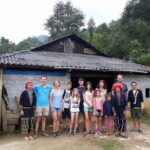
This tour runs with a maximum of 10 travelers. I’m a fan of small groups for hikes like this because the guide can keep explanations clear, and you’re less likely to get separated inside villages.
Timing also helps. Starting at 9:00 am gives you daylight to work with, and the two-day structure means you get both sunrise/morning trekking energy and a full second day of cultural stops.
If you like tight schedules, you’ll probably appreciate the clarity. If you hate waking up early for anything, that 9:00 am start might be your main friction point.
What to pack for Sapa rice terraces and village trails
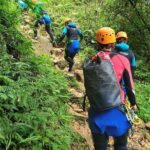
The tour info stresses a moderate fitness level, which usually means mixed surfaces and some slope. To keep it comfortable, plan for:
- A rain layer (Sapa weather can turn)
- Good grip shoes for wet steps and dirt paths
- Layers (cool mornings, changeable conditions)
- A small day bag for essentials
Also, remember you’re included a big bottle of water per person, but you’ll still want to pace yourself and drink steadily while walking. Don’t save all your hydration for the end of a village stop.
Who this trek fits best
This is a great fit if you want:
- Village culture (not just scenery)
- An overnight homestay experience
- Guided explanations about Hmong, Giay, and Red Dao traditions
- A trek with manageable length but meaningful stops
It may be less ideal if:
- You want very minimal walking or flat terrain only
- You’re uncomfortable with simple homestay basics
- You expect a totally weather-proof schedule (the tour requires good weather)
Should you book this Sapa rice terrace trek?
I’d book it if you want a small-group hike that mixes rice terrace views, a waterfall moment, and guided village visits with actual cultural explanations. The inclusion of homestay plus dinner/breakfast and meals makes the price feel fair, not nickel-and-dimed.
Skip it or think twice if you have weak knees or you need zero flexibility due to weather. Also be honest about your comfort level with basic homestay settings. If you’re ready for walking and open to learning, this tour is a strong way to see Sapa that feels human, not just scenic.
FAQ
How long is the Mountain views & Rice Terraced Fields Hiking tour (2D 1N)?
It’s listed as approximately 2 days (2D 1N).
Where do I meet, and what time does the tour start?
The meeting point is Sapa Church, and the start time is 9:00 am.
Is pickup offered?
Pickup is offered.
What villages and ethnic groups does the tour focus on?
The tour visits five villages and includes ethnic minority communities such as Hmong, Giay, and Red Dao. Specific stops include Hang Da, Hau Thao (Black Hmong), Giang Ta Chai, and Ta Van (Giay and Black Hmong).
What’s included in the homestay?
You get one night of homestay accommodation, plus dinner and breakfast.
What meals are included overall?
Dinner is included, and breakfast is included. Lunch is also included (listed as Lunch (2)).
Are village entry fees included?
Yes, village entry fees are included.
What’s the walking level and fitness requirement?
The tour is for travelers with a moderate physical fitness level.
What happens if weather is poor?
This experience requires good weather. If it’s canceled due to poor weather, you’ll be offered a different date or a full refund.