REVIEW · HANOI
Hanoi: Salt Coffee Workshop Awake Your Senses With 6 Brews
Book on GetYourGuide →Operated by Sondax Travel Agency - Hoa Binh company · Bookable on GetYourGuide
Hanoi coffee culture turns odd combos into comfort. This 3-hour salt coffee workshop is built around tasting and making classic Vietnamese drinks, with explanations that connect each cup to how Vietnam learned to drink coffee. You’ll be led by English-speaking instructors praised for clear teaching, including names like Val and Phil.
What I like most is that you don’t just watch—you work. You’ll use local tools and techniques to make several brews, then taste your own results in a relaxed café setting. I also love the variety: you’ll cover salt coffee, egg coffee, coconut coffee, pour-over, plus other iconic options like espresso martini.
One thing to consider: between strong coffee, sweet additions, and the coffee cocktails with local wine, you may feel a caffeine-and-sugar hit for the rest of the day. Plan a slower afternoon after your session.
In This Review
- Quick hits before you go
- Hanoi coffee culture: why salt coffee and egg coffee belong together
- The 3-hour structure: welcome drinks, then real brewing practice
- Where you start in Hoàn Kiếm: Alley 75 and the big yellow sign
- Coffee history, beans, and roasting: what you learn before the first sip
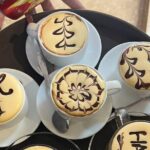
- Your six-brew lineup: what each cup teaches your palate
- Vietnamese Salt Coffee
- Vietnamese Egg Coffee
- Original Vietnamese Brown Coffee
- Coconut Coffee
- Pour-over Coffee
- Espresso Martini (coffee cocktail option)
- Hands-on time with local tools: how you go from bean to cup
- Cocktails, jam, and local wine: a Hanoi coffee twist
- Take-home materials: recipe book, digital coffee books, and optional certificate
- Price and value: is $23 for Hanoi coffee a fair deal?
- Who this workshop suits (and who might skip it)
- Should you book this Hanoi Salt Coffee Workshop?
- FAQ
- How long is the Hanoi salt coffee workshop?
- Where is the meeting point?
- Do they offer hotel pick-up in Hanoi?
- What coffee drinks are included?
- Is the workshop taught in English?
- Can the menu be adjusted for dietary requirements?
- Will I get anything to take home?
- Is this activity suitable for beginners?
Quick hits before you go
- Six brews to taste (and multiple brews you make) so you can compare flavors side by side
- Hands-on equipment time with filters, grinders, and local brewing tools
- Coffee deep background, not just recipes: cultivation, roasting, and how to spot bad coffee
- Salt and egg coffee plus familiar classics like pour-over and dark Vietnamese brown coffee
- Signature cocktails with jam and local wine, including an espresso martini option
- Take-home support: a recipe book plus free digital copies of coffee books
Hanoi coffee culture: why salt coffee and egg coffee belong together
If you only know coffee as one universal taste, Hanoi is a wake-up call—in the best way. Vietnamese coffee often leans on robusta, strong roasting, and brewing styles that squeeze out bold flavor fast. Then the drinks get creative: dairy or foam gets added, sweetness shows up, and salt turns out to be less weird than it sounds.
Salt coffee works because it’s balancing act: the salt sharpens flavor and helps the salted cream foam taste less flat. Egg coffee is another smart trick—egg yolk froth brings softness and richness that makes dark coffee feel smoother. And coconut coffee? It’s strong coffee meeting a creamy, cooling ingredient that makes the drink feel like a dessert you can sip.
In this workshop, the point isn’t just tasting famous names. You learn what ingredients and techniques do to the cup, so you understand why these drinks are popular and how you can recreate the style later.
You can also read our reviews of more tours and experiences in Hanoi



The 3-hour structure: welcome drinks, then real brewing practice
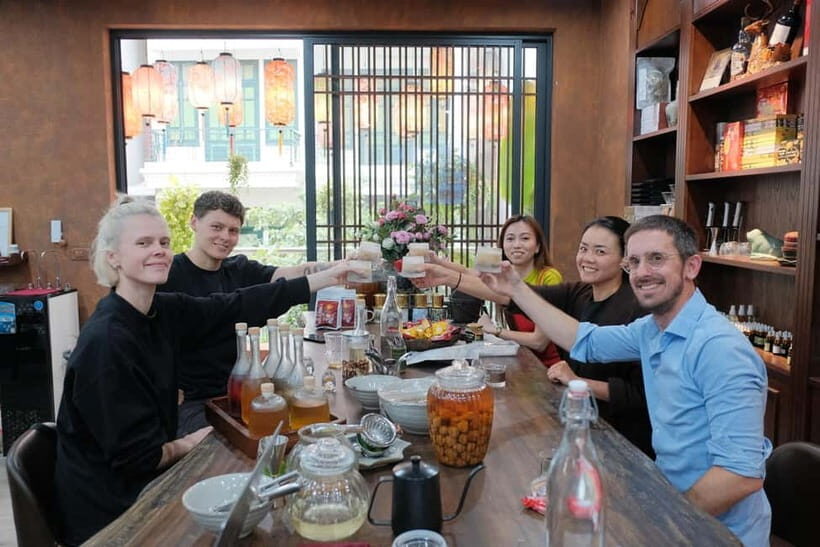
The schedule is straightforward. You start with welcome refreshments for about 15 minutes, then you move into the main workshop for roughly 2.75 hours. The tempo is designed so you’re tasting and building skills without feeling stuck in a long lecture.
You’ll rotate through the essentials:
- Coffee background: how coffee became popular in Vietnam (and globally)
- Cultivation and roasting: what happens before the beans reach your cup
- Brewing technique: how to hit a good result consistently
- Guided tasting: learning what to look for in each brew
This format is great for both coffee lovers and total beginners. If you already know coffee, you’ll still pick up Vietnamese-specific details—especially around brewing style and the ingredient choices that define the classics.
Where you start in Hoàn Kiếm: Alley 75 and the big yellow sign
You meet at Alley 75, Lane 173, Hoang Hoa Tham Street. The reliable landmark is the intersection with the big yellow sign that says Bia Hoi Mau Dich. From there, the team guides you to the venue.
If you’re staying in Hanoi’s Old Quarter area, hotel pick-up and drop-off is available. If you’re outside that area (or you’re staying just beyond the French Old Quarter zone), pick-up may cost extra, but it can be requested. For private groups, complimentary pick-ups are included both inside and outside the Old Quarter area within 10 km from the Hanoi Post Office.
The practical takeaway: plan to arrive a few minutes early, especially if you’re meeting at a narrow alley. Hanoi streets can be deceptively tricky even when you think you’ve got it.
Coffee history, beans, and roasting: what you learn before the first sip
This workshop starts with coffee context—because Vietnamese coffee isn’t random. You’ll get an overview of:
- How coffee spread and became popular in Vietnam and the wider world
- The coffee tree basics and the growing process
- Roasting basics, including green coffee beans
- The equipment used in Vietnamese coffee culture
You also learn how to make sense of coffee quality. The program includes tips to tell the difference between authentic coffee and counterfeit or bad coffee, plus guidance on what it takes technically to make a great cup.
I like this part because it gives you a mental checklist. Instead of only chasing a flavor you like, you start learning how the process shapes the taste—so when you buy coffee later, you know what questions to ask and what problems to avoid.
Your six-brew lineup: what each cup teaches your palate
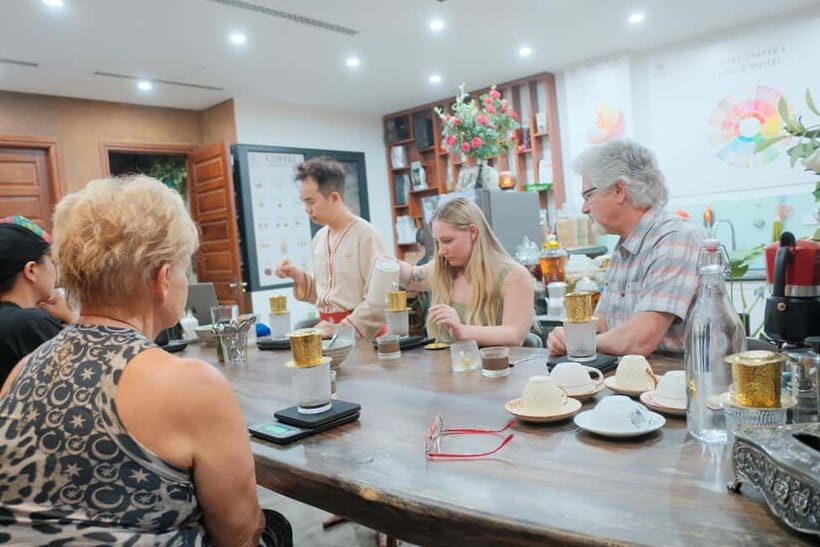
The workshop centers on tasting six distinctive Vietnamese brews. Some are hands-on for you, and some are served as part of the tasting and guided comparison. Either way, you’ll get the “why” behind what you’re drinking.
Here’s what’s on your menu, based on the workshop’s sample options:
You can also read our reviews of more tours and experiences in Hanoi


Vietnamese Salt Coffee
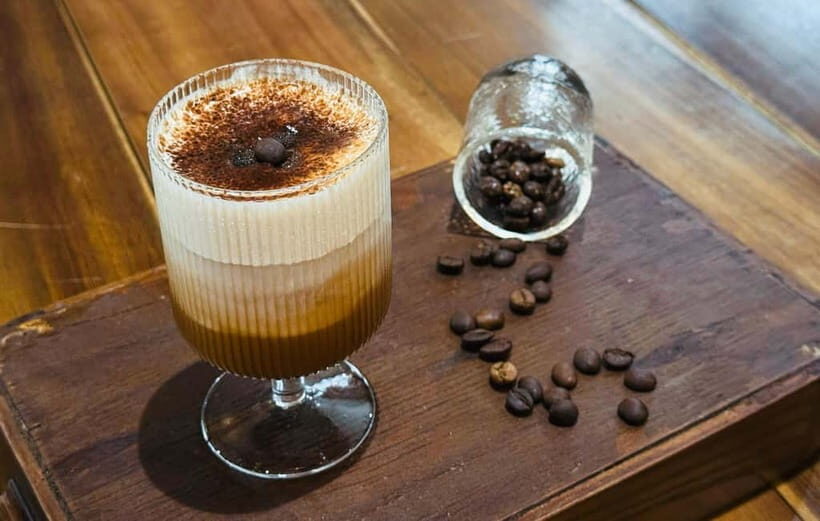
This is the headline drink. It combines strong robusta coffee with a salted cream foam. The goal is a balance: strong flavor up front, smooth foam on top, and salt that keeps everything from tasting one-note.
Vietnamese Egg Coffee
Egg coffee is dark coffee crowned with silky egg yolk froth—light, creamy, and airy. Texture matters here. You’ll notice how the froth changes the drink from harsh to rounded without muting the coffee character.
Original Vietnamese Brown Coffee
This is dark roasted Vietnamese beans brewed for a bold, intense cup. It’s a good baseline brew because it lets you taste what the coffee is like before the “fun extras” show up in other drinks.
Coconut Coffee
Coconut coffee is strong coffee balanced with coconut milk. It’s a refreshing contrast, and it helps you understand how creamy ingredients shift the perception of bitterness.
Pour-over Coffee
Pour-over helps the natural sweetness and subtle fruit notes come through more than harsher brewing methods might. In the workshop, it’s a useful counterpoint to the heavier styles—so you can compare how brewing method changes the flavor curve.
Espresso Martini (coffee cocktail option)
You’ll also try signature coffee cocktails. Espresso martini is listed as an included option: espresso mixed with coffee liqueur and vodka for a creamy, energizing drink. This isn’t just a treat; it shows how Vietnamese coffee flavors can stretch into cocktails without losing their identity.
One more note: the program includes signature coffee cocktails with jam and local wine. If you’re someone who likes coffee but doesn’t love alcohol, tell the instructor beforehand so you can plan around it.
Hands-on time with local tools: how you go from bean to cup
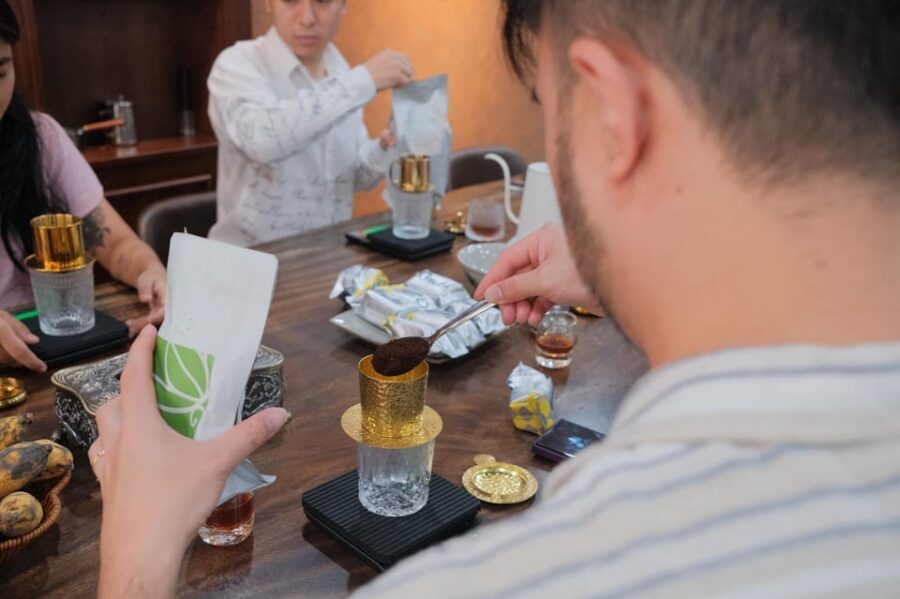
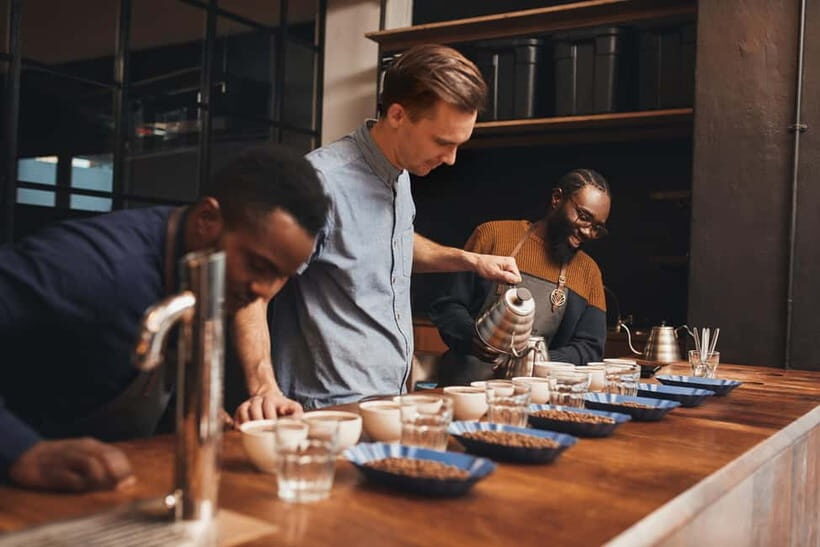
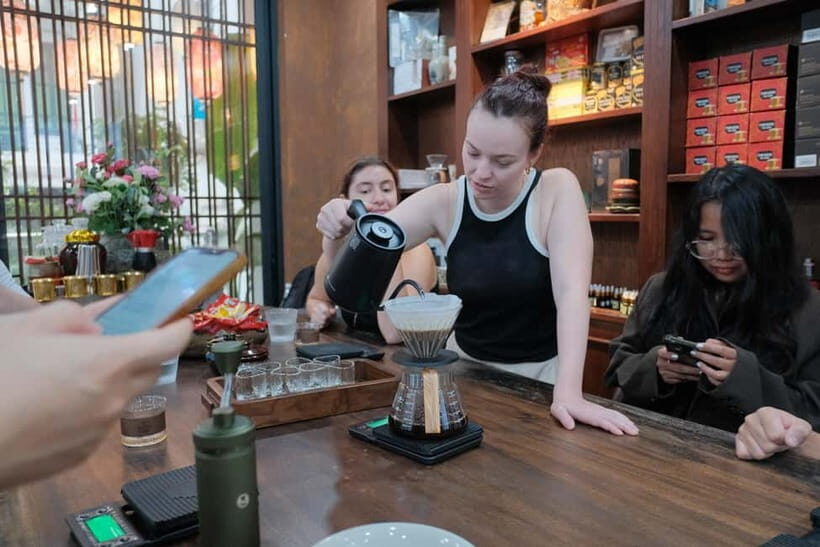
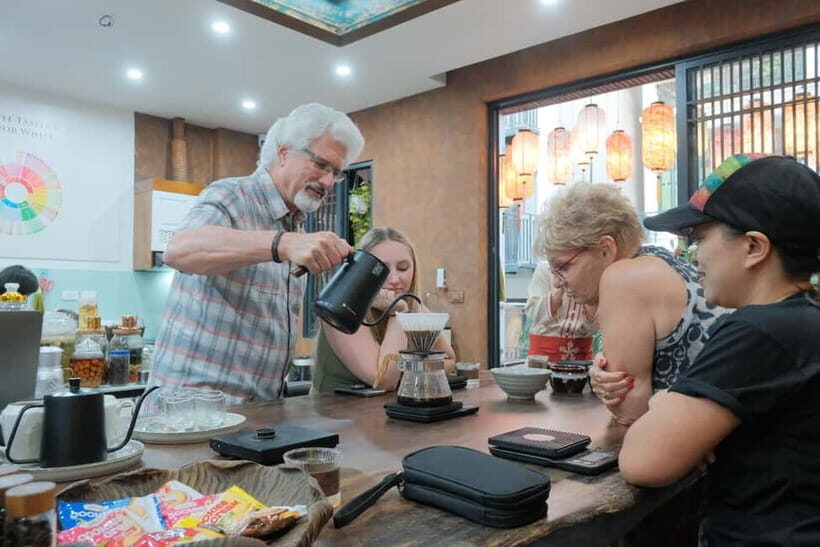
This is the part that makes the workshop worth your time, especially if you’re the type who learns by doing. You’ll work with special coffee-making equipment—things like grinders and filters—and you’ll learn the technique requirements for a great cup.
You’ll practice the steps that matter most for the Vietnamese style:
- Grinding and setup for consistent extraction
- Brewing method choices that affect bitterness vs sweetness
- Timing and serving approach, since these drinks often rely on foam, toppings, or specific textures
Even if you’ve made coffee at home, Vietnamese coffee tools and ingredient choices are a different game. The workshop is designed so you can replicate what you learn later, which is why you get a recipe book at the end.
Cocktails, jam, and local wine: a Hanoi coffee twist
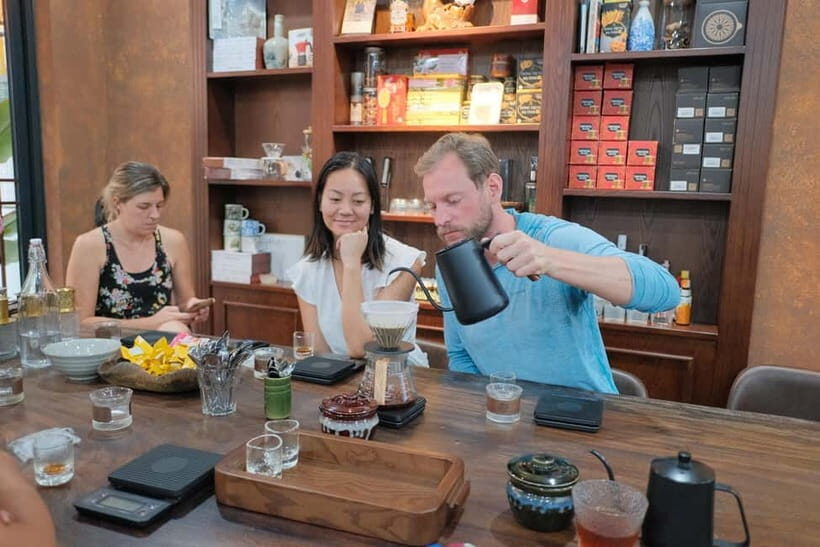
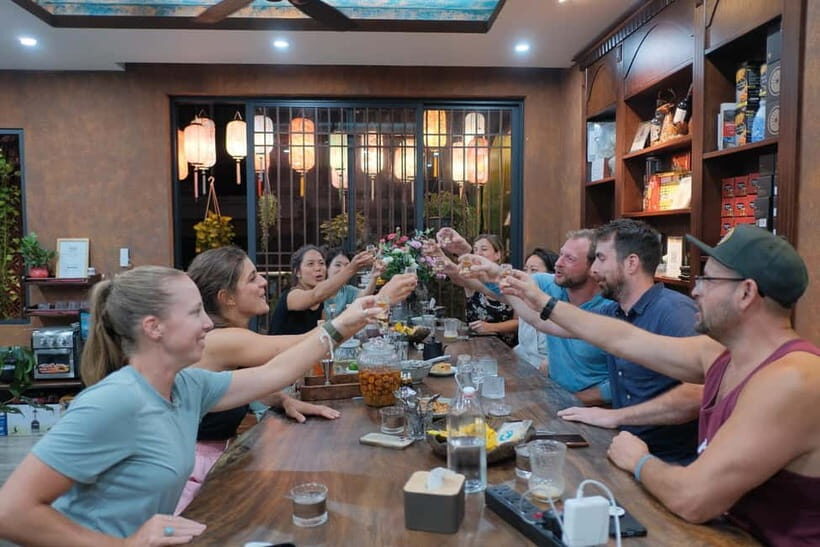
Coffee in Hanoi doesn’t only mean café-style cups. This workshop includes a cocktail side, with options that incorporate jam and local wine along with coffee. The espresso martini option is one example.
Why this matters: it helps you understand that Vietnamese coffee is already part of daily social life. The workshop doesn’t keep coffee in a lab. It treats coffee as a flavor base that can carry sweetness, texture, and even an adult kick—while still staying anchored in the coffee itself.
Just plan your day accordingly. One of the clearest “heads up” from prior participants is that you may end up with a lot of coffee, sugar, and alcohol effects if you keep sipping throughout.
Take-home materials: recipe book, digital coffee books, and optional certificate
You leave with more than memories. The included take-home list is practical:
- A recipe book with the brews you learned so you can recreate them anywhere
- Free digital copies of coffee books related to your workshop
- A professional certificate if requested
That matters for value. A cooking class that gives you nothing but photos is fun for a day. This one gives you a reference you can actually use next time you want egg coffee or pour-over that tastes like the real thing.
If you like gifts, sharing homemade versions with friends is an easy move—especially once you have the recipe details written down.
Price and value: is $23 for Hanoi coffee a fair deal?
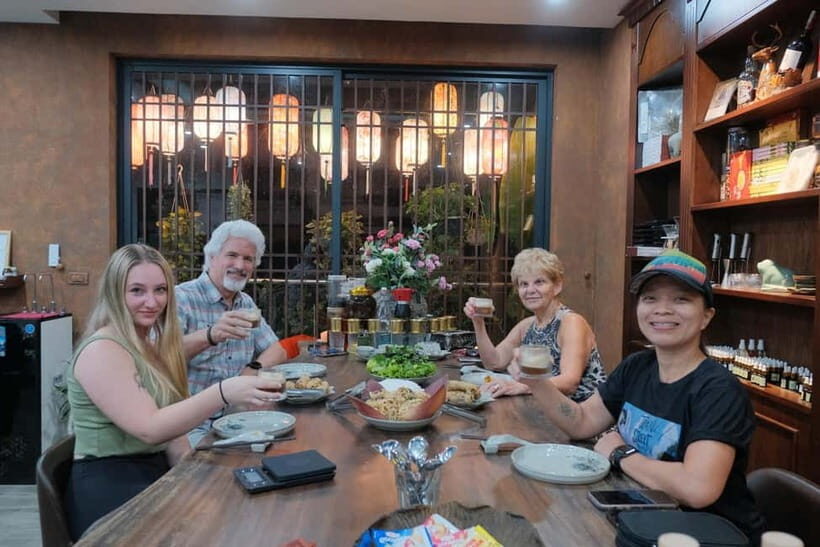
At $23 per person for about three hours, this workshop is priced like you’re paying for instruction plus real ingredients and equipment time. You get:
- Coffee history and culture context
- Hands-on brewing practice
- Tasting multiple iconic Vietnamese drinks, not just one gimmick
- Signature coffee cocktails and a selection of local Vietnamese wines
- Recipe materials to take home
In plain terms: you’re not just buying a drink. You’re buying a structured learning experience plus enough variety that you can actually compare flavors.
It’s also a good deal if you’re balancing time in Hanoi. Three hours is long enough to learn something real, but short enough that you can still do other city plans afterward—especially if you build in time to rest after the caffeine.
Who this workshop suits (and who might skip it)
This is a great fit if you:
- Like hands-on classes and want skills you can repeat
- Enjoy Vietnamese coffee classics like salt coffee and egg coffee
- Want more than a tasting—something that explains how roasting, brewing, and ingredients connect
- Travel with a friend and want a fun shared activity in Hanoi’s Old Quarter area
You might think twice if you:
- Are sensitive to caffeine or don’t want strong coffee
- Prefer alcohol-free experiences (even though the program includes wines and coffee cocktails)
- Want only one drink with no instruction time (this is an actual workshop)
Should you book this Hanoi Salt Coffee Workshop?
I’d book it if you want an authentic Hanoi coffee education that’s both practical and fun. The best reason is the mix: hands-on tools plus a guided tasting of multiple iconic brews, including salt coffee and egg coffee, with take-home recipes so you don’t forget it next week.
Book it sooner rather than later if you’re visiting during peak times, because classes can fill up. And if you’re cautious about alcohol or sugar, message your preferences ahead of time so you can enjoy the workshop without turning the rest of your day into a caffeine blur.
FAQ
How long is the Hanoi salt coffee workshop?
It runs for about 3 hours total, including welcome refreshments.
Where is the meeting point?
You meet at Alley 75, Lane 173, Hoang Hoa Tham Street, at the intersection with a big yellow sign that says Bia Hoi Mau Dich.
Do they offer hotel pick-up in Hanoi?
Hotel pick-up and drop-off is included only for locations within the Old Quarter area. If you stay outside the French Old Quarter area, you can request pick-up for an additional fee. Private groups get complimentary pick-ups within 10 km of the Hanoi Post Office.
What coffee drinks are included?
The hands-on menu includes Vietnamese salt coffee, Vietnamese egg coffee, original Vietnamese brown coffee, coconut coffee, and pour-over coffee. You’ll also enjoy signature coffee cocktails with jam and local wine, including an espresso martini option.
Is the workshop taught in English?
Yes, the instructor speaks English.
Can the menu be adjusted for dietary requirements?
The menu can be changed upon request if you have special dietary requirements.
Will I get anything to take home?
Yes. You receive a recipe book for the brews you learned, plus free digital copies of coffee books related to the workshop. A professional certificate is available if requested.
Is this activity suitable for beginners?
Yes. It’s designed to be hands-on and includes practical instruction, which works well even if you’re new to coffee brewing.