REVIEW · HANOI
Hanoi Coffee Workshop: Taste Salt, Coconut and Egg Coffee
Book on Viator →Operated by Local Beans Roastery · Bookable on Viator
Egg, salt, and phin coffee in one class. At Local Beans Roastery in Hanoi, you’ll sample and brew egg, salt, and coconut-style coffee while learning classic Vietnamese methods, with filters and grinders already set up for you.
I also like the Old Quarter pickup and drop-off, which keeps a 3.5-hour activity from turning into extra wandering. And I appreciate that vegan options and dietary restrictions can be accommodated. One consideration: the tasting includes homemade rice wine and a coffee cocktail, so if you avoid alcohol (or prefer lighter coffee), go in with that in mind.
In This Review
- Key highlights at a glance
- Local Beans Roastery: a 3.5-hour coffee lab in Hanoi
- What you’ll brew: phin coffee, salt, egg, coconut, and a cocktail
- Learning to taste: roast levels, brewing steps, and what makes coffee better
- Pickup, timing, and group vibe in Hanoi
- Snacks, rice wine, and the extra tastings you’ll either love or skip
- What you take home: recipe book, digital coffee books, and certificate
- Value and price: is $16 for coffee class actually worth it?
- Who should book this Hanoi coffee workshop (and who should think twice)
- Should you book this Hanoi coffee workshop?
- FAQ
- How long is the Hanoi coffee workshop?
- How much does it cost?
- Where does the workshop start and end?
- Is hotel pickup and drop-off available?
- What coffee drinks will I sample or brew?
- Does the workshop accommodate vegan travelers or dietary restrictions?
- What’s included in the price?
- Are tips included?
- Is there a group size limit?
- Can I cancel for a full refund?
Key highlights at a glance
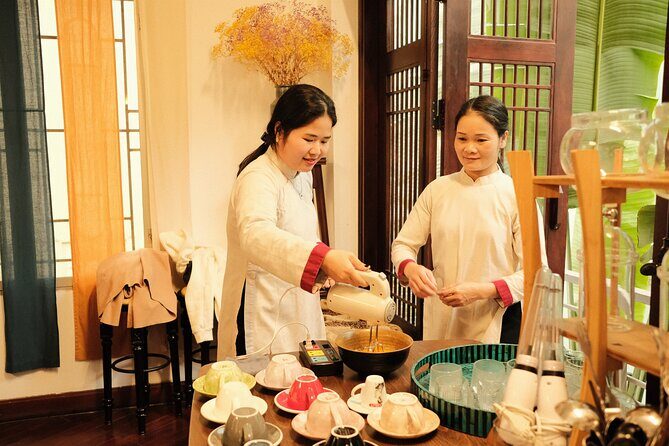
- Six brews you’ll make yourself: Phin coffee plus Brown, Salt, Egg, Coconut, and a Coffee Cocktail
- All equipment is included: filters, grinders, and the gear you need to actually brew
- Friendly for dietary needs: vegan travelers and other restrictions can be accommodated
- Old Quarter convenience: hotel pickup and drop-off available within the Old Quarter area
- Take-home tools: recipe book printed for you, plus free digital copies and optional certificate
Local Beans Roastery: a 3.5-hour coffee lab in Hanoi
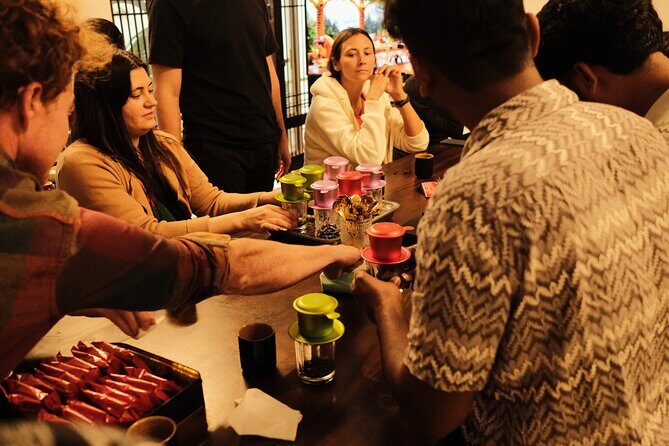
This is the kind of Hanoi experience that turns a casual interest in coffee into real skill. The workshop runs about 3 hours 30 minutes, and it’s set at Local Beans Roastery (No. 75/173 Hoang Hoa Tham Street, Ngoc Ha Ward, Ba Đình, Hà Nội). You start and end back at the roastery, so you’re not stitching together a bunch of stops.
The workshop’s structure is built for hands-on learning. You don’t just taste and nod. You learn how Vietnamese coffee is prepared, then brew multiple styles yourself while a host talks through what’s happening in the cup. That matters because Vietnamese coffee is a little different from what many people expect: the brewing device, grind, and roast all affect strength, aroma, and texture.
If you’re watching your time in Hanoi, this is also workable. Hotel pickup and drop-off within the Old Quarter means you can plan around your mornings or afternoons instead of figuring out transit each way. And with a maximum of 100 travelers, it’s not likely to feel like a chaotic crowd scene.
One more practical plus: you’ll get a mobile ticket, and confirmation happens at booking. And the site is near public transportation, in case you don’t want pickup.
You can also read our reviews of more tours and experiences in Hanoi


What you’ll brew: phin coffee, salt, egg, coconut, and a cocktail
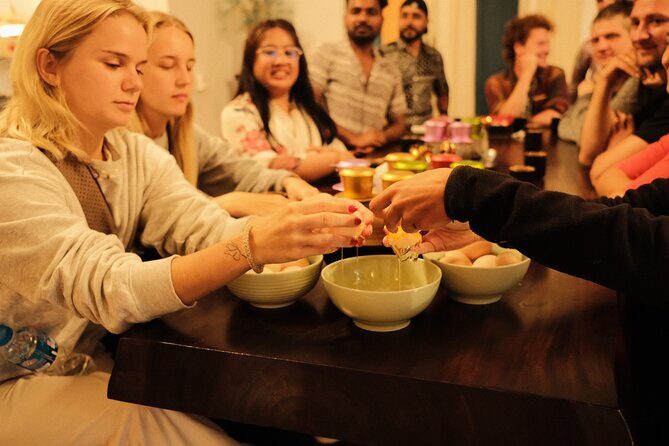
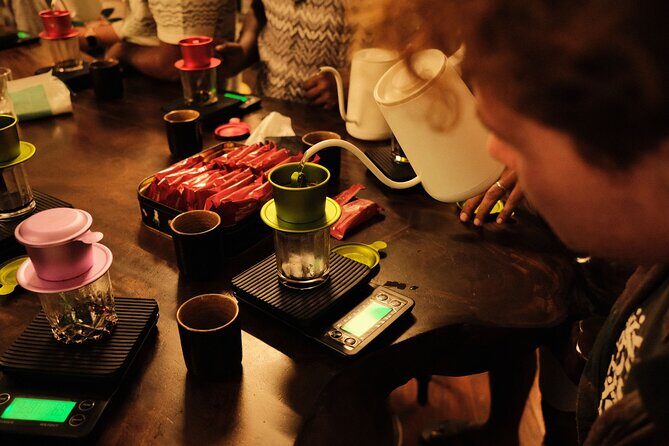
The core of the class is learning to brew six signature Vietnamese coffees with guidance. The line-up is the fun part, especially if you’re curious about the famous egg coffee and the less-standard styles like salt and coconut.
Here are the brews you’ll work on:
- Classic Phin-brewed Coffee (the traditional filter approach)
- Brown coffee
- Salt coffee
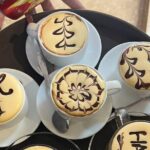
- Egg coffee
- Coconut coffee
- Coffee Cocktail made with local jam and wine
You’ll notice the workshop isn’t treating these as random “flavors.” Each one is explained in terms of method and ingredients—why it tastes the way it does, and what to watch for when you recreate it later.
For example, Phin brewing is the foundation. Once you understand the filter brew basics, the rest of the styles make more sense because you’re no longer guessing how the strength and aroma got there. Then the workshop moves into the signature twists:
- Salt coffee teaches you how a small ingredient can change how sweetness and bitterness land.
- Egg coffee shows the classic foam texture and how the drink should look and taste.
- Coconut coffee highlights how creamy coconut changes the profile without needing to “hide” the coffee.
- The Coffee Cocktail adds a creative edge using local jam and wine, so you get the sense of how Vietnamese coffee shows up beyond the usual hot cup.
I like that this approach lets you go beyond tasting. When you can brew the drink yourself, you learn what “good” looks and tastes like, not just what it’s supposed to be.
Learning to taste: roast levels, brewing steps, and what makes coffee better
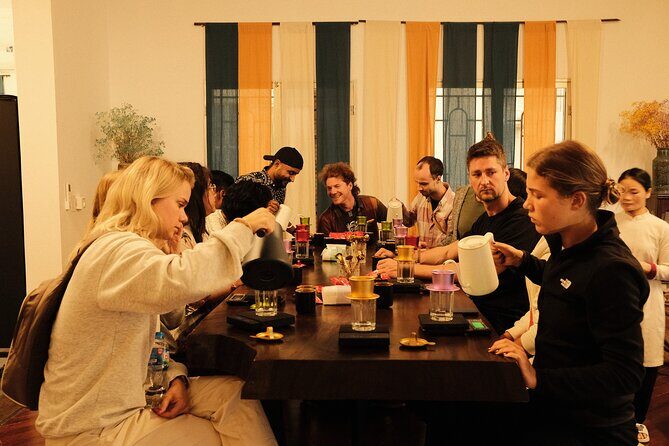
One reason this workshop gets glowing feedback is that it teaches you how to judge coffee. You’re not left with a vague stamp of approval. You learn how different roast levels influence aroma and taste, and you get a framework for discerning a well-brewed cup versus an ordinary one.
In practical terms, you’ll be paying attention to things like:
- How roast affects the smell and flavor you notice first
- How brewing changes strength and texture
- What balance should feel like across different styles (classic phin versus Salt, Egg, Coconut, and the cocktail)
That’s also why it’s useful even if you think you already know coffee. Vietnamese coffee can be strong, sweet, and textured in ways many people aren’t used to. Learning the brewing method turns that from a surprise into something you can control.
You’ll also hear the story behind coffee’s place in Vietnam—how it became part of daily life and how the popular drinks fit that culture. One of the best “how does this help me” parts is that the host doesn’t just list facts. They connect method to outcome, so your next cup at home is less of a guessing game.
If you care about coffee quality at a nerdy level, here’s a consideration to keep in mind. One written comment raised a concern about how robusta is presented in some contexts. You don’t need to treat that as a deal-breaker, but if you’re sensitive to bean types or you want to understand what’s being used and why, it’s smart to ask questions while you’re there. The workshop is set up for that kind of interaction.
Pickup, timing, and group vibe in Hanoi

Logistics are simple, which is a big deal for a short trip. Pickup is available in the Old Quarter area, and you’re brought to the roastery for the start time. The session then returns you back at the same meeting point when it ends.
The length—about 3 hours 30 minutes—means you can usually fit it between other Hanoi plans without wrecking your schedule. It’s also long enough to learn multiple brews properly. This isn’t a quick demo where you watch while someone else handles everything.
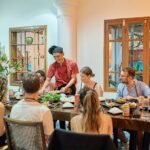
As for the group feel, it’s designed to include people rather than isolate them. You’ll be guided through steps and encouraged to participate. Written experiences from solo travelers also point to hosts who make the room feel comfortable and open to questions. You may hear different host names depending on the day and time. For example, Val has been described as funny and strong on coffee growth stories and history, Lin has been praised for involving everyone and making it easy to ask questions, Luka for organization and bringing in local wines, and Giang/Valerie for helpful support.
I wouldn’t treat those as guarantees for every session, but they do hint at the overall approach: clear structure, hands-on participation, and a teaching style that doesn’t talk down to people.
If you’re traveling with friends, this class can be a fun shared project. If you’re solo, it’s also a social activity that gives you something to do with your hands, which tends to break the awkward ice faster than purely listening tours.
Snacks, rice wine, and the extra tastings you’ll either love or skip
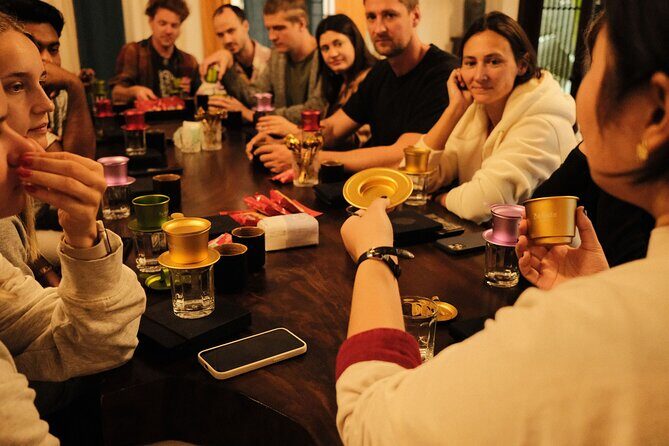
Beyond brewing, you’ll get food and drink that round out the experience. You start with snacks and a welcome drink of herbal ginger root and peach tea. That’s a nice touch because Vietnamese coffee can be intense, and this gives you something lighter to settle in.
Then the workshop adds flavor variety through a couple of extras:
- A bonus tasting of homemade rice wine
- The Coffee Cocktail (which uses local jam and wine)
These additions matter for two reasons. First, they show how coffee flavors fit into the broader idea of Vietnamese drinks and pairings. Second, they make the session feel like more than a one-track caffeine lesson.
The only catch is the same consideration as before: if you avoid alcohol, you should plan around that. The data clearly says rice wine tasting and wine-based elements are part of the experience, so it’s not just a coffee-only event.
You can also read our reviews of more tours and experiences in Hanoi


What you take home: recipe book, digital coffee books, and certificate
This workshop is smart about the take-home value. You’ll get a recipe book so you can make the brews you learned anywhere you go. That’s where the class pays off after the fun part fades. Instead of remembering only what egg coffee looked like, you can recreate the process.
You also receive free digital copies of coffee books related to the workshop. This is helpful if you’re the type who wants to keep learning after you return home, or if you’re bringing friends later and want to explain the differences between phin-brewed coffee and the Salt/Egg/Coconut styles.
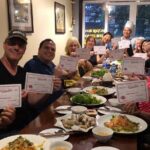
And if you want documentation, you can request a professional certificate. That won’t change the flavor in your cup, but it’s a nice extra for travelers who like having proof of skills learned.
One more practical note: the workshop includes all coffee-making equipment such as filters and grinders. That lowers the barrier for beginners. You don’t have to bring anything, and you get a realistic idea of the exact tools used.
In other words, your money isn’t only paying for tasting. It’s paying for the full loop: learn, brew, taste, and then reproduce.
Value and price: is $16 for coffee class actually worth it?
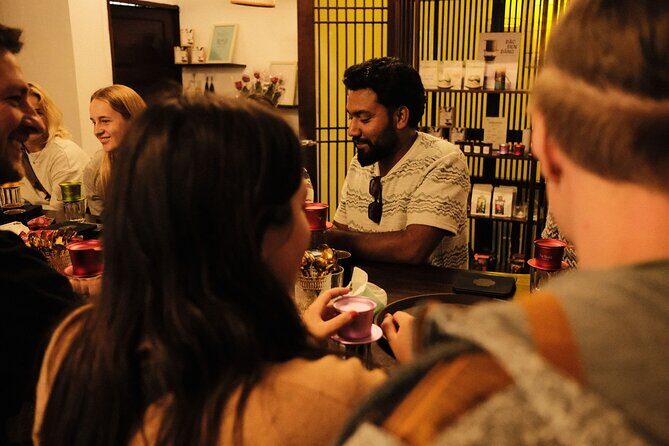
At $16 per person, this is priced in the sweet spot for a Hanoi activity. It’s not just a flavor tour; it’s a teaching session that includes:
- Multiple drinks you brew yourself
- Equipment (filters, grinders, and other setup)
- Snacks and welcome drinks
- A guided explanation of roasting and brewing differences
- A recipe book plus digital reading material
- Optional certificate
For that kind of structure, the cost starts to make sense fast. Many coffee experiences end when you finish one drink. Here, you get several styles, plus guidance on what to aim for when the coffee is “right.”
Also, you’ll often save time by using the pickup and drop-off within the Old Quarter. In Hanoi, time saved can be real money saved too, because it reduces the need for extra transport and late schedule fixes.
And it’s clearly popular. The experience is showing strong demand (it’s been booked repeatedly), which usually indicates people find it consistently satisfying.
The only “value risk” I see is if you’re expecting a coffee tasting with zero alcohol and zero coffee experimentation. This is an active brewing class with tastings like rice wine baked in. If you’re on the fence, just confirm your preferences in advance.
Who should book this Hanoi coffee workshop (and who should think twice)
This workshop is a strong match if:
- You want to understand Vietnamese coffee beyond the photos
- You enjoy hands-on activities more than passive sightseeing
- You want to brew styles like egg coffee and salt coffee yourself
- You like taking a skill home, not only collecting memories
It’s also a good fit for vegan travelers because the class can accommodate dietary restrictions. That’s a meaningful quality-of-life detail in a food-focused country where hidden ingredients can sometimes trip you up.
On the other hand, think twice if:
- You don’t want your schedule to include tastings with wine or rice wine
- You hate strong, coffee-forward flavors and don’t want to sample multiple styles
- You’re looking for a strict, classroom-style coffee seminar with no food and drink variety
For many people, though, this hits the best middle: playful drinks plus serious brewing technique.
Should you book this Hanoi coffee workshop?
Book it if you want a practical Hanoi memory you can repeat. You’ll leave knowing how Phin-brewed coffee works, how roast level changes the cup, and how to approach the famous Hanoi styles like egg, salt, and coconut. The included equipment, recipe book, and digital materials make the value feel real even after you’re back home.
Skip it or ask questions first if you avoid alcohol or if you only want coffee in a very narrow style. This class includes rice wine tasting and a wine-based cocktail element, so align that with your preferences before you go.
If you’re excited by the idea of learning, tasting, and brewing multiple Vietnamese drinks in one session, this is one of the easiest “yes” decisions in Hanoi.
FAQ
How long is the Hanoi coffee workshop?
The experience lasts about 3 hours 30 minutes.
How much does it cost?
It costs $16.00 per person.
Where does the workshop start and end?
It starts at Local Beans Roastery at No. 75/173 Hoang Hoa Tham Street, Ngoc Ha Ward, Ba Đình, Hanoi, and it ends back at the same meeting point.
Is hotel pickup and drop-off available?
Yes, pickup and drop-off are available within the Old Quarter area.
What coffee drinks will I sample or brew?
You’ll brew and taste drinks including Phin-brewed coffee plus Brown, Salt, Egg, and Coconut styles, and a coffee cocktail made with local jam and wine.
Does the workshop accommodate vegan travelers or dietary restrictions?
Yes, vegan travelers and those with dietary restrictions can be accommodated.
What’s included in the price?
Snacks, welcome herbal ginger root and peach tea, coffee-making equipment (filters, grinders, etc.), guidance from hosts, a recipe book, free digital copies of related coffee books, and a professional certificate if requested.
Are tips included?
No, tips and other personal expenses are not included.
Is there a group size limit?
Yes, the experience has a maximum of 100 travelers.
Can I cancel for a full refund?
Yes. You can cancel up to 24 hours in advance for a full refund.