REVIEW · HANOI
Hanoi: Vegan Street Food & Stories
Book on GetYourGuide →Operated by ONETRIP WITH LOCAL TRAVEL CO., LTD · Bookable on GetYourGuide
If you like food with a plot, this works. This Hanoi Old Quarter walk pairs plant-based street snacks with short, human stories about daily life, language, and the city itself. The food route is the hook, but the context is what makes it stick.
I love that you get a real spread of dishes, not just one theme. I also like the way the guides—people like Pinky, Min, Huong, and Thea—keep it relaxed while still packing in plenty of stops and explanations.
One thing to plan for: you’ll likely end the tour very full, and the streets are still streets. Come wearing comfy shoes, and don’t show up starving and thinking you’ll leave hungry.
In This Review
- Key highlights to look for
- Hanoi vegan street food: why the Old Quarter is the right starting point
- Where you start: 72 Hàng Bạc and the fast-orientation trick
- Stop 1: Old Quarter snacks, tea, dessert, and bia hoi timing
- A local restaurant hour: when you slow down and taste more fully
- Đền Tiên Hạ Phất Lộc: the quick sightseeing pause that resets your brain
- Phố Hàng Bè market time: seeing how food and commerce connect
- Beer break and alley talk: the part you remember later
- Dessert finale at Hoa Quả Dầm Hoa Béo: the last sweet piece
- What you actually eat: the dishes and the logic behind the variety
- Price and value: $37 for a 3-hour food-and-stories sampler
- Guides make the difference: what the best ones do
- What to bring (and what can trip you up)
- Should you book this Hanoi vegan street food tour?
- FAQ
- Where does the tour start?
- How long is the experience?
- What kind of food will I try?
- Is this tour suitable for vegans?
- What language is the guide?
- Does the tour run in bad weather?
- What should I wear or bring?
- What’s included in the price?
- Where does the tour end?
- What are the cancellation and payment options?
Key highlights to look for
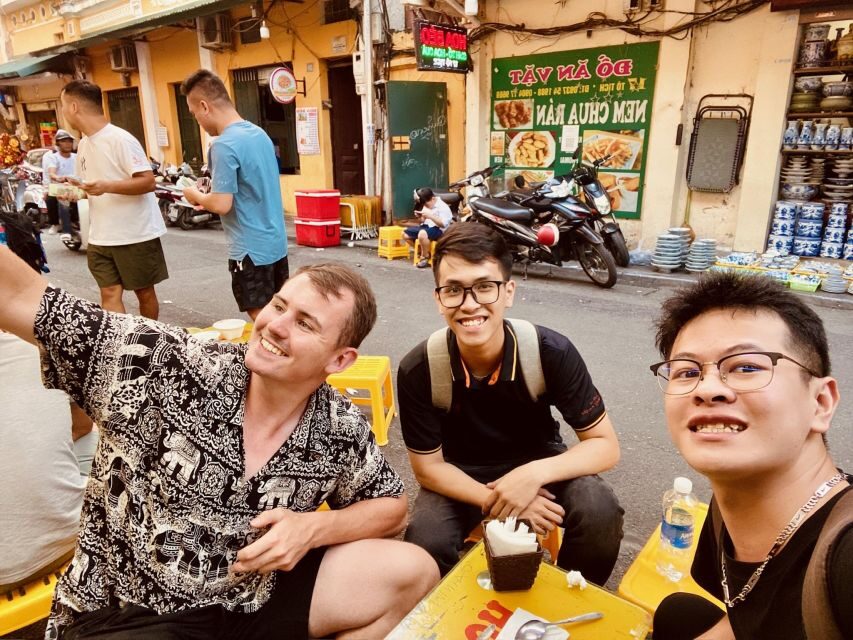
- A tightly timed 3-hour route through the Old Quarter with multiple eating moments, plus a couple short sights.
- Vegan and vegetarian-friendly ordering built into the stops, with guides checking needs and coordinating with vendors.
- Old Quarter alley stories, including a mention of the smallest and longest alley and what they say about how Hanoi grew.
- Market + temple time: a quick visit around Đền Tiên Hạ Phất Lộc and a food-market stop on Phố Hàng Bè.
- Beer-to-dessert rhythm using Hanoi’s own snacks-and-drinks style, including bia hoi (fresh beer) and sweet endings.
Hanoi vegan street food: why the Old Quarter is the right starting point
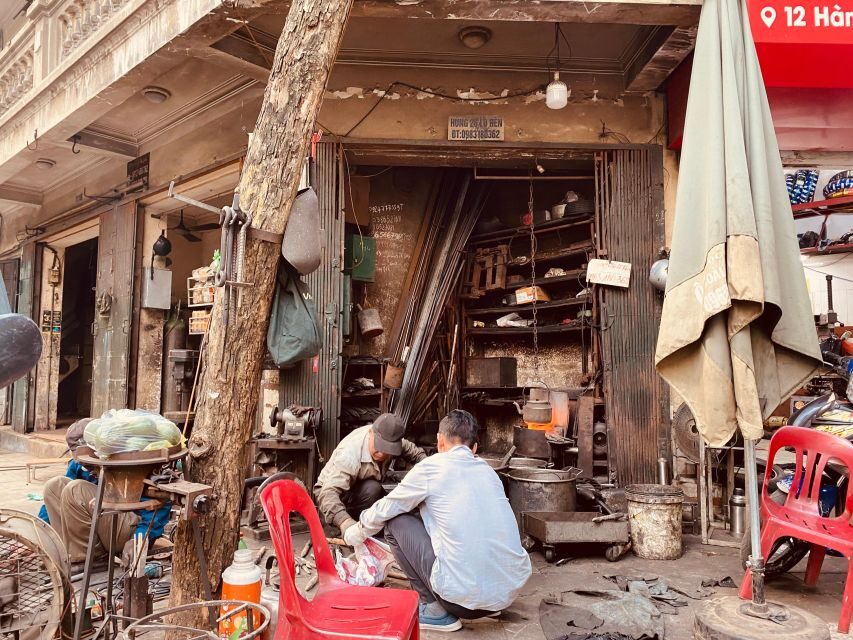
Hanoi’s Old Quarter is perfect for a food walk because the city was built around neighborhoods that trade goods and ideas street by street. That’s why a walking tour works better here than a sit-in meal. You’re not just eating; you’re watching how people live and buy things.
What makes this tour especially useful is its focus on vegan and vegetarian Vietnamese street food. Hanoi is full of food stalls and tiny restaurants, but figuring out what’s vegan on your own can be a guessing game. This route removes the guesswork by taking you to spots that offer vegan/vegetarian options and by building the pacing around tastings.
The best part for me is the balance: you’ll snack, you’ll pause, and you’ll get short stories in between bites. Guides (including the ones guests have named: Pinky, Min, Vy, Jasmine, Trang, and others) tend to explain not only what you’re eating, but why it shows up in Hanoi food culture.
You can also read our reviews of more food & drink experiences in Hanoi



Where you start: 72 Hàng Bạc and the fast-orientation trick
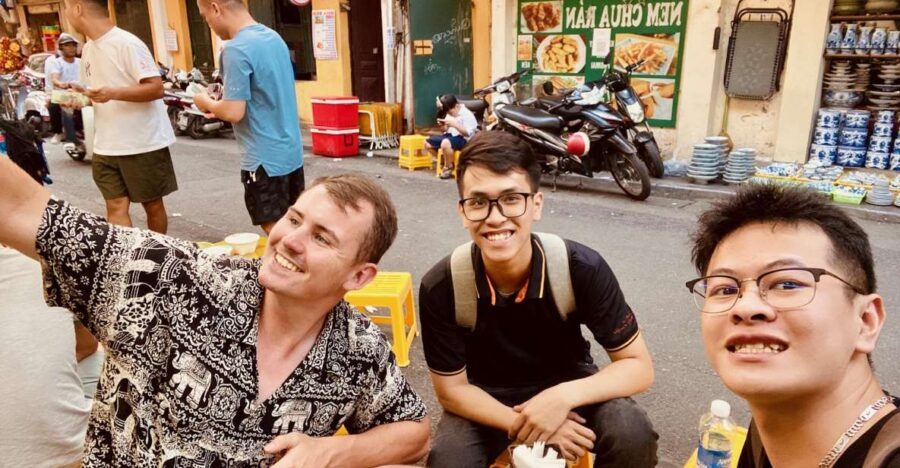
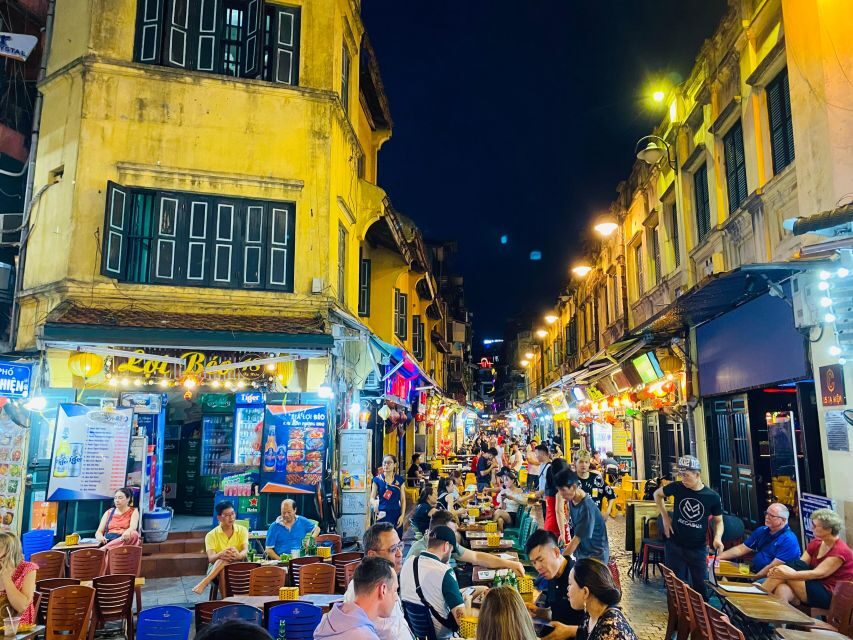
Your meeting point is at 72 Hàng Bạc in the Old Quarter (a yellow building that’s easy to spot). This matters more than it sounds. In Hanoi, small streets can feel like the same street after 10 minutes, so starting at a clear landmark helps you get your bearings fast.
From there, the tour moves through the Old Quarter in a way that feels like you’re walking with someone who knows how to read the area: what to look for, where the flow of food happens, and which stalls are built for quick meals.
Also, the guides are friendly with English, and some go beyond food facts—one guest even mentioned help with Vietnamese pronunciation. That little extra support can turn a tour from I ate things into I learned how to order and what to look for.
Stop 1: Old Quarter snacks, tea, dessert, and bia hoi timing
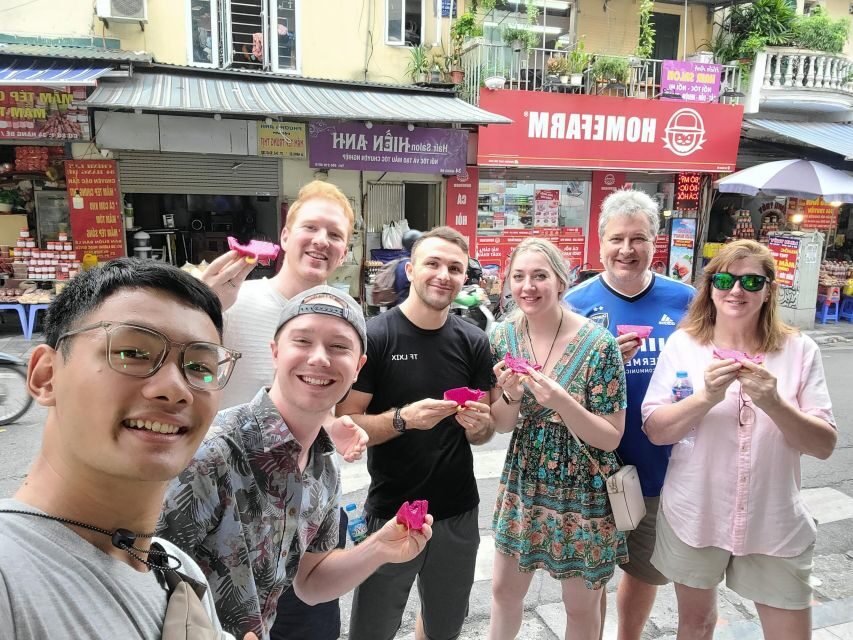
The first chunk of the walk is about getting you fed and grounded. You’ll spend about an hour in the Old Quarter with a mix of street food tastings plus drinks and dessert, and you’ll hear stories along the way.
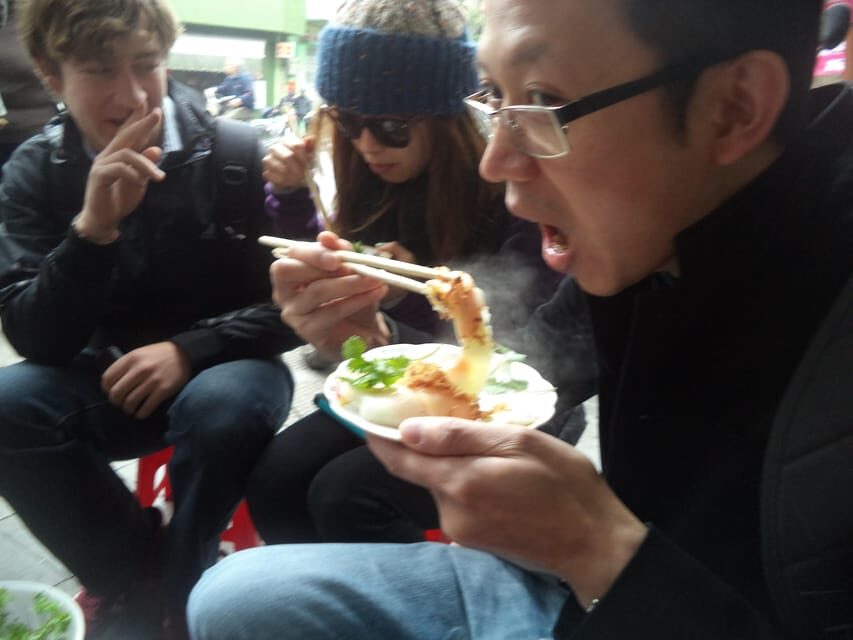
Expect a menu style that feels like Hanoi itself: small items, frequent choices, and the kind of variety that keeps you interested. Dishes mentioned for this tour include Bánh da chay (vegetarian version), sugarcane juice, noodle salad, local doughnuts, papaya salad, and dessert. Many routes like this do one or two standouts; this one stacks several.
If you want the Hanoi experience, look out for the bia hoi moment (fresh beer). It’s a classic part of Hanoi street culture, but it’s also a good “tone-setter” for the tour. You get to taste something local while the guide keeps the pace moving.
Practical consideration: street food gets busy, and you’ll be standing or walking between stalls. This is why they suggest sunscreen, breathable clothing, and comfortable shoes. If you’re the type who gets impatient in lines, you’ll still be okay—your guide is coordinating the stops—but you should expect a city-food atmosphere.
A local restaurant hour: when you slow down and taste more fully
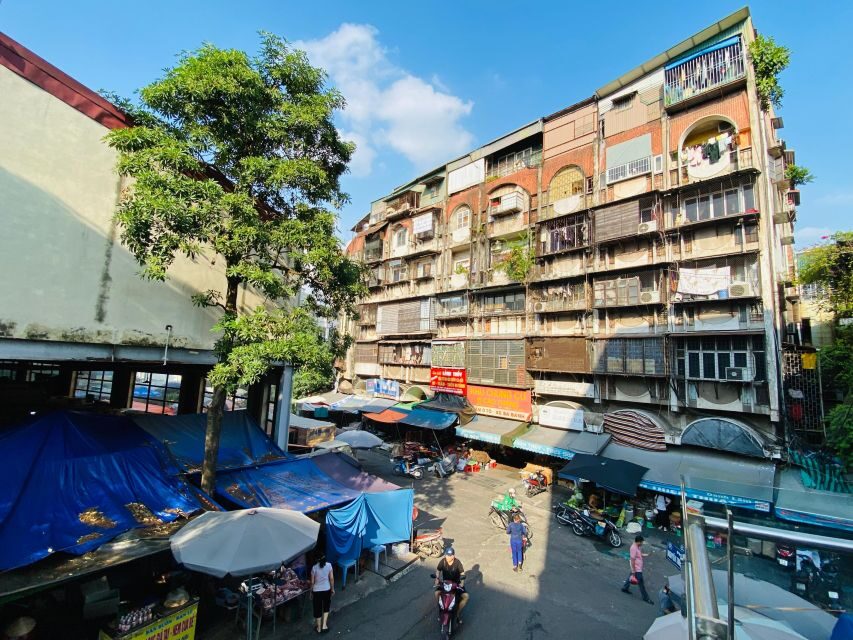
After the first Old Quarter hour, the tour shifts into a local restaurant experience for another about hour. This is where the tour becomes more than a snack crawl.
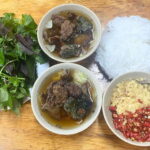
The itinerary includes food tasting plus lunch/dinner style bites, and this is usually where dishes get explained more clearly: what ingredient names mean, how flavors balance in Vietnamese cooking, and how vegan/vegetarian versions are made to fit local habits rather than just copying Western meals.
You might see more variation here than in street-only routes. The tour description also points to vegetarian Vietnamese bread and other items that tend to show up in restaurant settings (or at least in slightly more structured eateries). That helps if you want vegan food that feels like Hanoi, not like a vegan imitation.
One of the biggest strengths noted by guests is that the guides pay attention to needs. Some guides are not vegan themselves, but they’ve worked with places on the tour to create vegan options. So if you’re vegan and not just vegetarian, this structure is a big deal: it reduces the risk that you’ll accidentally order something that isn’t right for your diet.
Đền Tiên Hạ Phất Lộc: the quick sightseeing pause that resets your brain
Then comes a short sightseeing stop at Đền Tiên Hạ Phất Lộc, about 15 minutes. It’s not a long museum-style detour. It’s more like a pause to give your brain context.
This kind of stop matters because it turns the Old Quarter from a “food zone” into a place with layers. Even in a short break, you get a sense of how spiritual and everyday life can sit side by side in Hanoi. For me, these mini pauses prevent the tour from turning into only eating, no meaning.
Also, it helps the pacing. After several tastings, your body needs a reset anyway. You’ll walk, eat, then stand still for a moment—repeat. That rhythm is part of why so many people finish feeling satisfied rather than wrecked.
You can also read our reviews of more tours and experiences in Hanoi


Phố Hàng Bè market time: seeing how food and commerce connect
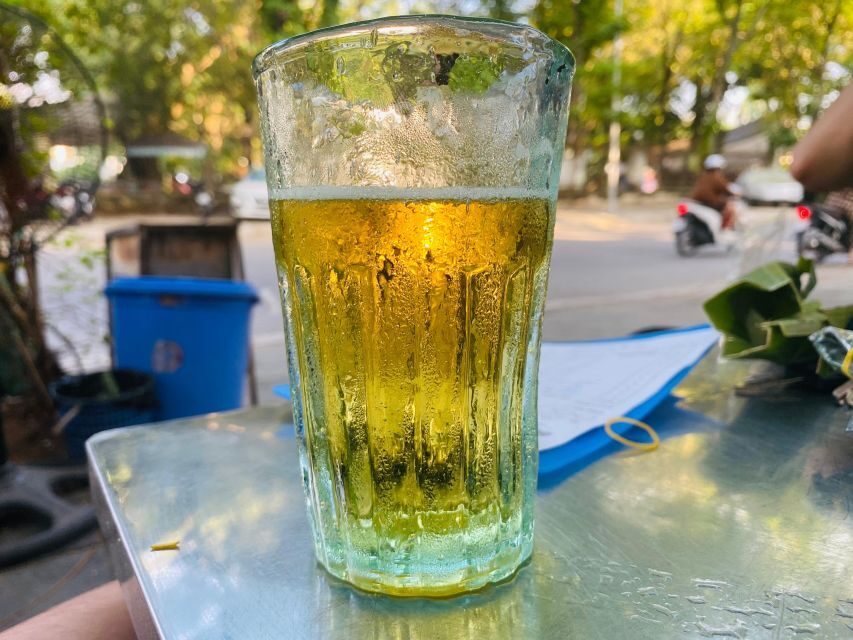
Next is a visit to Phố Hàng Bè, again around 15 minutes, focused on the local market. This is one of those “short but useful” stops.
Why it’s worth it: a market isn’t just for shopping. It’s where you understand how the food system in Hanoi works—what ingredients get moved fast, what vendors bring out for daily demand, and what kinds of foods are part of regular meals. Even if you never buy anything, a market stop teaches you what to notice later when you’re on your own.
If you’re vegetarian or vegan, this is especially helpful. The market stop can help you recognize foods and words that show up again at restaurants and stalls.
One practical note: market areas can be crowded, and lighting can be uneven. Wear clothes you’re comfortable moving in. You’ll be there briefly, but you’ll still feel like you’re inside local routine.
Beer break and alley talk: the part you remember later
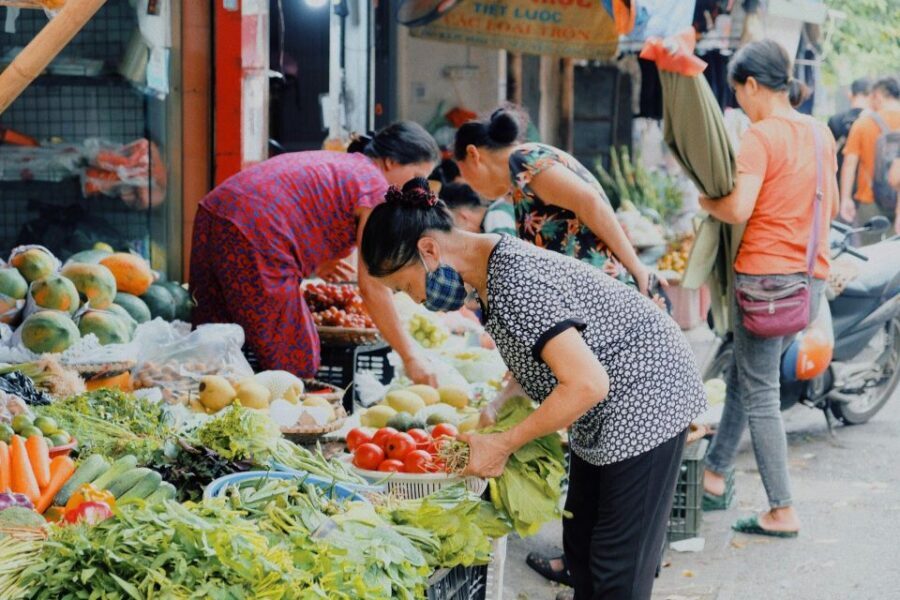
After the market, there’s another quick visit tied to a lesser-known stop and beer (about 15 minutes). This is where the tour leans into “small street life” rather than just famous sights.
You’ll also hear more stories linked to the Old Quarter’s shape—things like alley layout and how the city developed. The tour description specifically points to stories around the smallest and longest alley, and that kind of detail sticks because it makes the streets feel intentional, not random.
This stage also gives you something useful beyond sightseeing: it shows you how Hanoi uses food and drink as a social rhythm. People grab small items quickly, then chat, then move on. It’s not a formal dining culture. It’s a street culture with breaks.
If you don’t drink alcohol, you can still enjoy this portion for the food and the vibe. But if you do drink, keep an eye on pace. Between sugarcane juice, possible bia hoi, and multiple tastings, your stomach will be doing a lot of work.
Dessert finale at Hoa Quả Dầm Hoa Béo: the last sweet piece
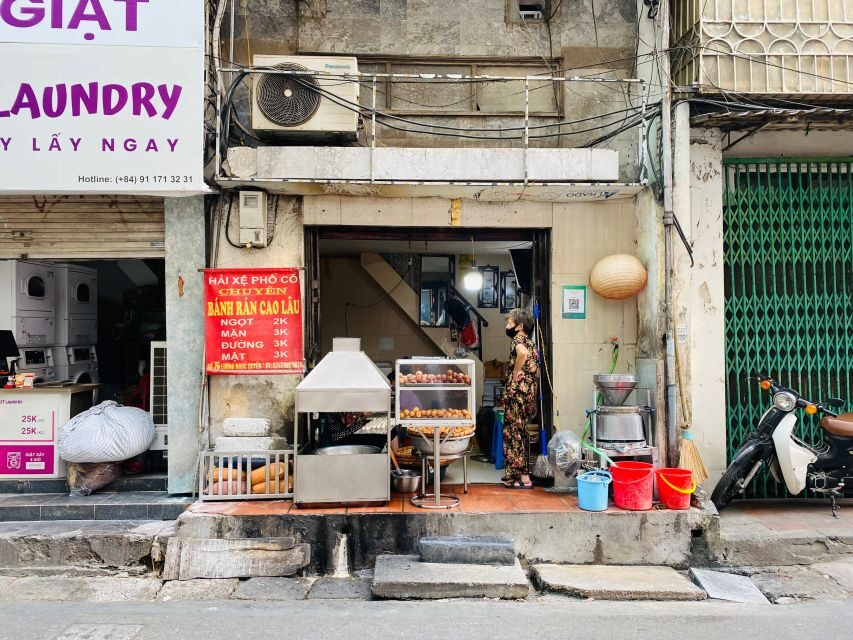
The tour ends at Hoa Quả Dầm Hoa Béo. That final dessert stop is around 15 minutes, and it’s a fitting close because you finish on Hanoi sweetness rather than trying to power through one last savory item.
Dessert is mentioned in several parts of the tour plan, so the expectation is consistent: you’re getting a full arc. You start with savory snacks, then you move through the structure of the city (Old Quarter street life, restaurant tasting, market + small sight), and then you close with sweet.
The benefit for you is practical: leaving the tour knowing where that ending spot is means you can go back later if you want more. Ending with a named location gives your future self an address to remember.
What you actually eat: the dishes and the logic behind the variety
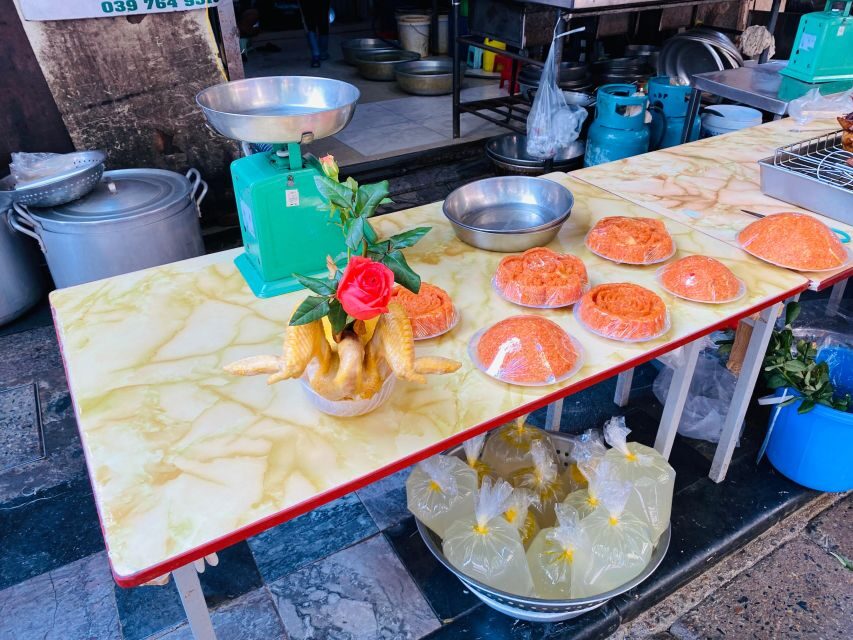
The tour lists a mix of items, and the variety is there for a reason. You’re not just trying to eat as much as possible. You’re tasting different textures and flavor directions so you learn what Vietnamese vegetarian food can be.
Here are the dishes and categories highlighted in the tour plan:
- Bánh da chay: a classic vegetarian street option.
- Vegetarian Vietnamese bread: a comfort-style snack angle.
- Sugarcane juice: a sweet, cooling drink between bites.
- Noodle salad: fresher, lighter, and good for changing pace.
- Local doughnuts: fried or pastry-style snack energy.
- Papaya salad: tangy, crunchy, and very Vietnamese in feel.
- Bia hoi (fresh beer) when offered.
- Dessert plus other items at stops.
You’ll also get “more and more” items as the tour moves from stall to restaurant to market, but those named foods are the core anchors. If you’re trying to plan what to search for later, those dish names are gold.
Price and value: $37 for a 3-hour food-and-stories sampler
At $37 per person for about 3 hours, this tour is priced like a mid-range experience—and it can feel like good value if you treat it as a meal plan.
Why: you’re not paying just for walking. You’re paying for a guided route that stacks multiple eating moments (street snacks, restaurant tastings, drinks, dessert) and wraps them in cultural explanations. The guide time matters, and so does the access to places you’d likely miss on your own.
Also, the plan gives you something you can use after the tour: a list of food ideas and restaurant types to return to later. One common regret in cities is wasting your first days eating whatever looks easiest. This tour helps you build a better shortcut.
One extra note: there’s an early bird discount if you book in advance. If you know you’ll do a food tour in Hanoi, timing the booking is one of the simplest ways to squeeze more value.
Guides make the difference: what the best ones do
The reviews you can find for this tour focus hard on the guides, and that’s not noise. In a food walking tour, the guide is the difference between chaotic eating and a smooth, satisfying route.
You’ll hear names like Pinky, Min, Huong, Duong, Thea, Vy, Jasmine, Trang, Mea, and Angelina. The consistent pattern is friendly energy, good pacing, and lots of back-and-forth. Some guides even tailor vegan options at partner spots if the vendor needs coordination.
A few standout details that can help you decide:
- Guides tend to answer questions about Hanoi and food culture beyond the plate.
- Some offer extra language help, including pronunciation tips.
- People mention feeling included and comfortable, including one guest who specifically called the tour queer/trans friendly.
- Small-group energy shows up in multiple comments, so you’re less likely to feel lost in a crowd.
What to bring (and what can trip you up)
This tour is active, mostly outdoors, and it runs rain or shine. So keep it practical:
- Comfortable shoes (non-negotiable).
- Sunscreen plus breathable clothing and a hat.
- If rain’s possible, bring an umbrella or raincoat.
Also, plan for hunger. The tour plan practically begs for an empty stomach, and many people report leaving full in the best way. If you eat a heavy breakfast before, you may not enjoy the later tastings as much.
If you have allergies or a strict vegan diet, tell the guide clearly at the start. The tour is built for vegan/vegetarian options, and guides have coordinated with vendors to keep things vegan, but you still want to be specific so nobody has to guess.
Should you book this Hanoi vegan street food tour?
Book it if you want:
- A guided route through Hanoi’s Old Quarter with vegan/vegetarian street food you can trust.
- A mix of food and city stories, not just eating.
- A first-night or first-few-days plan, so you leave with dishes and names you can revisit.
Consider skipping or switching tours if:
- You hate walking and standing around a bit in busy food areas.
- You want a longer, sit-down meal with fewer stops.
If you’re vegan or vegetarian and you’d rather spend your time eating real Hanoi food instead of figuring out what’s safe street-by-street, this is one of the simplest ways to do it.
FAQ
Where does the tour start?
The meeting point is at 72 Hang Bar Street / 72 Hàng Bạc in Hanoi’s Old Quarter. It’s a yellow building and easy to find.
How long is the experience?
The tour lasts about 3 hours.
What kind of food will I try?
You’ll sample a mix of vegan and vegetarian street foods and drinks, including items like bánh da chay, vegetarian Vietnamese bread, sugarcane juice, noodle salad, local doughnuts, papaya salad, bia hoi (fresh beer), and dessert.
Is this tour suitable for vegans?
The tour focuses on vegan and vegetarian options, and it includes guidance and stops that offer vegan/vegetarian choices. If you’re vegan, make sure to communicate your needs so the guide can help you order correctly.
What language is the guide?
The tour has an English-speaking live guide.
Does the tour run in bad weather?
Yes. It operates rain or shine, so you may want an umbrella or raincoat if rain is in the forecast.
What should I wear or bring?
Bring sunscreen, breathable clothing, comfortable shoes, and a hat. An umbrella or raincoat can help if rain is expected.
What’s included in the price?
Included are vegan and vegetarian street foods and drinks, plus time to discover hidden local spots.
Where does the tour end?
The tour finishes at Hoa Quả Dầm Hoa Béo.
What are the cancellation and payment options?
There’s free cancellation up to 24 hours in advance for a full refund. You can also reserve now & pay later.