REVIEW · SAPA
2D1N Buffalo trek by Hmong Sister House and Trekking
Book on Viator →Operated by Hmong Sister House and Trekking · Bookable on Viator
Some treks feel like tourism. This one feels local.
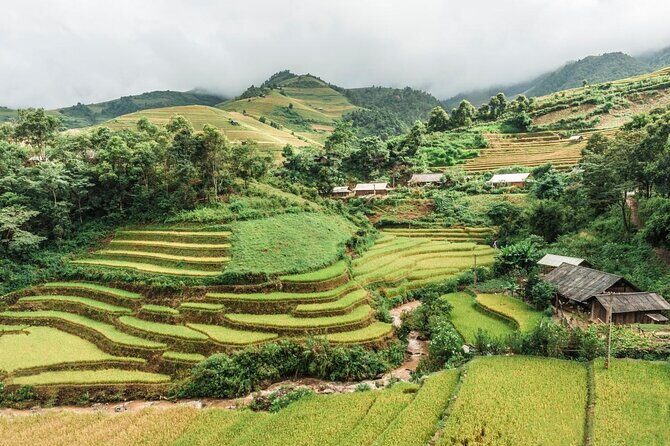
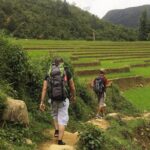
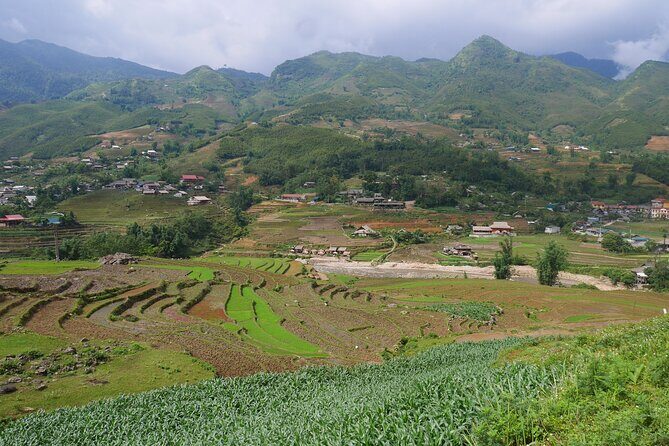
In the Sapa mountains, this 2D1N buffalo trek follows Hmong routes used for daily life and livestock care. You walk through forest paths, terraced rice paddies, and ethnic villages, then stay with a family at the buffalo house connected to Zizi’s story.
I especially like that you’re not just walking for views. You start with a warm home base at Zizi homestay, then spend the night in an authentic family setting linked to how Hmong households actually live. I also like the mix of daytime scenery with real community moments, from meeting villages to seeing early farming activity.
One drawback to consider: this is a walking trek with a moderate physical fitness level needed, so you’ll want comfortable shoes and a realistic pace plan for two full days on uneven mountain paths.
In This Review
- Key highlights to know before you go
- Why this buffalo trek feels like a real Sapa connection
- Day 1: pickup, Zizi homestay, and Hau Thao village life
- The buffalo house night: why this stop matters more than a bed
- Day 2: sunrise rice fields, Red Dao village, and the trek toward a waterfall
- Your guide and the private-group setup
- Price and value: what $110 buys in Sapa
- What to pack and how to plan for moderate trekking
- Weather, timing, and when to expect the trip rhythm
- Should you book this buffalo trek?
- FAQ
- How long is the buffalo trek?
- What time does pickup happen?
- Is this a group tour or private?
- What fitness level do I need?
- Are meals included?
- What if the weather is poor?
- Can I cancel and get a refund?
Key highlights to know before you go
- English-speaking Hmong guide who explains everyday life, not just facts
- Zizi homestay for breakfast and a place to reset before the trek
- Buffalo house night tied to Hmong livestock care and family life
- Hau Thao to new villages via forest, rice terraces, and shared spaces
- Red Dao village stop during the morning descent
- Waterfall trek-down on Day 2 after sunrise and rice-field moments
Why this buffalo trek feels like a real Sapa connection
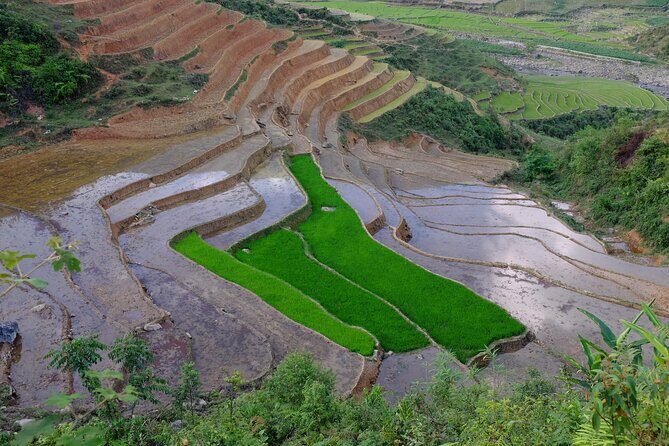
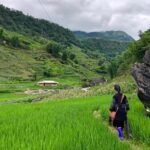
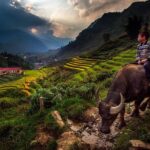
This trek is built around the Hmong way of moving through the mountains: walking between villages, working with farmland, and managing livestock. That focus changes the whole feel of the trip. Instead of being a checklist of sights, it becomes a slow understanding of why people live where they live.
A big part of the charm is the buffalo house connection. The overnight stay isn’t just a place to sleep while you chase photos. It’s described as a family buffalo-house setting, connected to Zizi’s mother and the daily rhythms of care and household life. That gives the experience a grounded reason for being there.
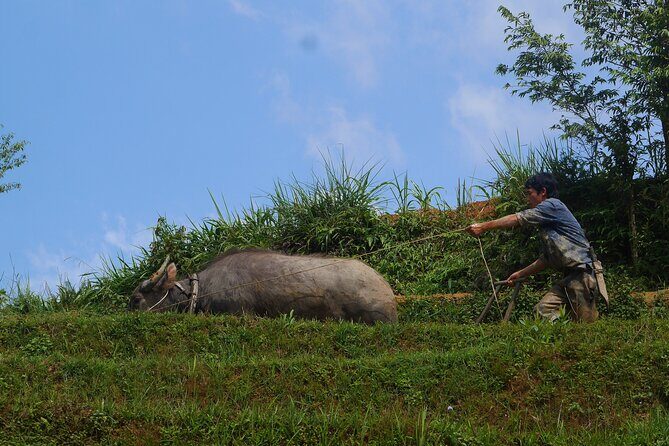
And the daytime route keeps pulling you forward through lived-in scenes. You’ll pass through mountainous areas where animals and people share space, and you’ll also see farmers working early in the rice fields. Even when you’re tired from hiking, those small details help the trek feel meaningful instead of just scenic.
You can also read our reviews of more hiking tours in Sapa
Day 1: pickup, Zizi homestay, and Hau Thao village life
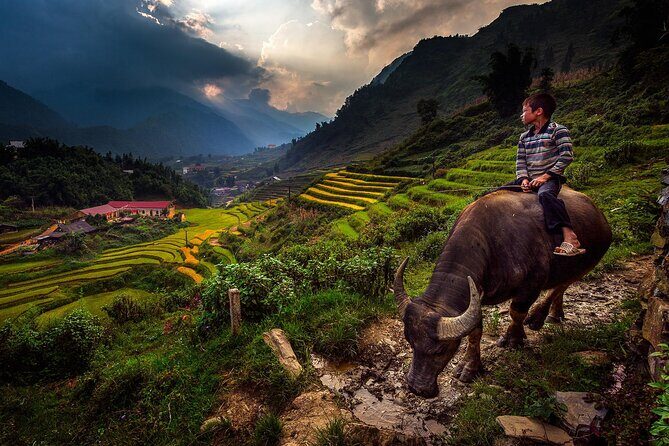
You’ll start with pickup from the bus station around 7am, then transfer to Zizi homestay where you can leave your luggage. The morning setup matters. You’re not starting your hike frantically carrying everything, and you get a reset point before heading into the mountains.
At Zizi’s place, you’ll have time to gain strength with a hot shower and a delicious breakfast cooked by Zizi. That’s a practical advantage in Sapa, where weather and temperature can shift. Even before you walk, you’ll feel like the trip is organized around comfort, not just departure.
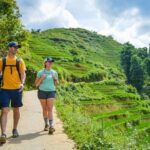
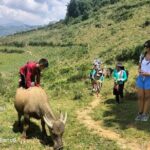
Once you’re fueled, you head out from Hau Thao village. The walk focuses on traditional life of Hmong minorities in this mountainous area. You can expect lots of animals co-existing with inhabitants. That’s not a zoo stop. It’s part of how homes function in the landscape you’re walking through, and your guide helps you understand what you’re seeing.
You’ll also get lunch prepared by the guide during Day 1. That’s one of those small details that makes mountain trekking easier. You don’t have to stop and hunt for food, and you get to keep your energy for the walking hours ahead.
A quick consideration: Day 1 can feel like it moves from home comfort straight into mountain routine. If you’re sensitive to temperature swings or hills, plan on dressing in layers and keeping your pace steady.
The buffalo house night: why this stop matters more than a bed
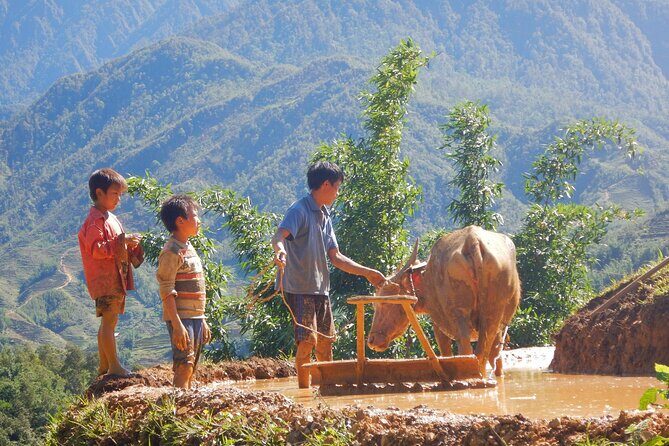
The best part of the overnight isn’t the word buffalo. It’s what the buffalo-house setup represents: family life tied to livestock care. This trek spends the night in an authentic family Hmong house, and the idea is that you’re staying as part of their world for a short time, not just using their property.
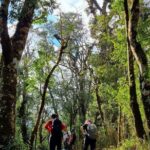
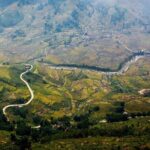
You also get the experience of being off the main tourist path. The route is described as an off-beat path, taking you through ethnic villages, terraced rice paddies, and forest. When people say they want something authentic, this is what they usually mean: you’re not only seeing places, you’re moving along routes that connect daily work.
For your planning, remember this is a two-day trek in the Sapa mountains. Your night stop is part of that pacing. It’s not a spa hotel experience, and it’s not built for people who want constant comforts. Instead, it’s built for travelers who value connection, simplicity, and conversation.
If you’re the type who likes meeting families, asking questions, and listening to stories, this overnight will likely land well. If you prefer quiet, private space with minimal interaction, you might want to temper expectations and focus on the trek itself.
Day 2: sunrise rice fields, Red Dao village, and the trek toward a waterfall
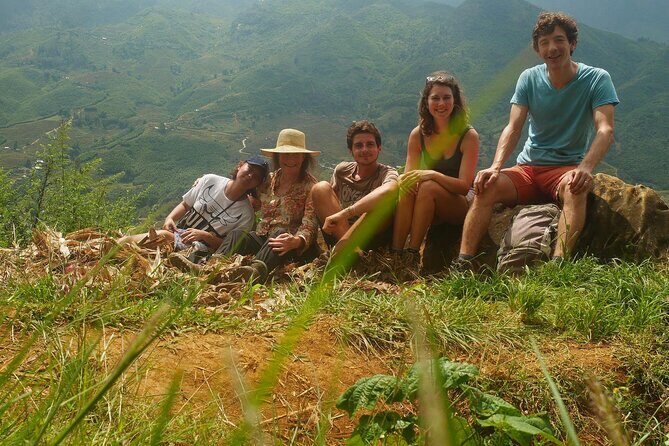
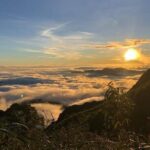
Day 2 starts at a slower rhythm: wake up with sunrise and enjoy breakfast. Then you say goodbye to the family and begin your descent.
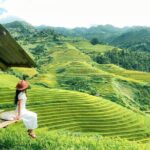
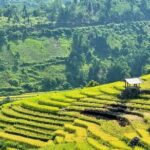
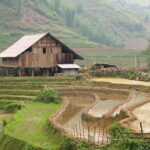
Right away, you’ll see farmers working early on beautiful rice fields. That early timing is valuable because it adds purpose to what you’re seeing. Rice terraces aren’t just photo backdrops; you’re watching the start of a workday, which makes the whole area feel more alive.
As you continue, you reach a Red Dao village, described as the second village stop on the way. This matters because the trek isn’t just a single-village story. You’re moving through different community spaces, and your guide can point out what’s similar and what’s distinct.
The day also includes new villages along the way and ends with a waterfall stop. A waterfall finish is a nice payoff after a morning of rice fields and village movement. It helps the second day feel like more than just returning to where you started.
One practical point: the second day is a “downhill” style trek, but downhill can still be tough on knees and ankles. If you’ve got any joint sensitivities, go slow on uneven footing and use trekking poles if you’re comfortable with them.
Your guide and the private-group setup
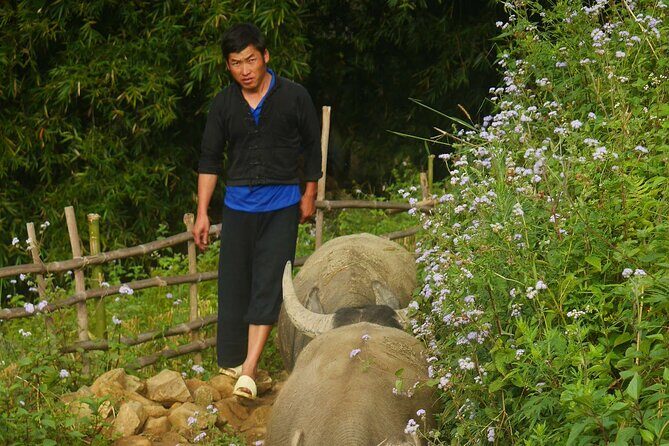
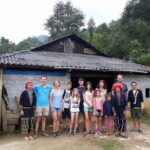
This trek is private. That means only your group will participate, which is a real quality-of-life upgrade compared with crowded tours. In a place where conversations and walking pace matter, having your own group helps you move without constant interruptions.
The guide is a local Hmong guide who speaks English. That’s crucial for Sapa treks, where a lot of what you see is tied to daily life rather than “tourist explanations.” When you can ask questions and get clear answers, the experience becomes easier to understand.
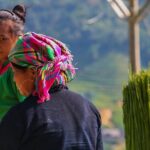
The reviews highlight a standout guide named Li, with guests praising how she shared stories from her childhood and how her community lives in both the past and today. That kind of guided storytelling is often the difference between walking past villages and really learning why people do things the way they do.
Tip: go into the trek with a curious mindset. Ask simple questions about daily life, how families manage livestock, and what changes over time. Your guide is there to make the hike understandable.
You can also read our reviews of more tours and experiences in Sapa
Price and value: what $110 buys in Sapa
At $110 per person for about 2 days, this trek sits in the “serious experience” category, not a budget day trip. The value comes from what’s included and what’s built into the route.
From the information provided, your trip includes pickup around 7am, meals (breakfast cooked by Zizi and lunch prepared by the guide, plus breakfast on Day 2), and an overnight stay in an authentic family setting. That combination adds up quickly if you tried to build it yourself: a local guide, transport, coordinated food stops, and the overnight arrangement.
It also includes group discounts, which can reduce the per-person cost if you’re traveling with friends. And you’ll get a mobile ticket, which makes logistics easier on the ground.
One more value factor: the trek’s “why.” This isn’t only about collecting scenery. It’s about following Hmong footsteps through villages and rice paddies, with the buffalo house night as a core element. If that’s the type of experience you want, the price makes sense because you’re paying for time with a guide and for access to a family-based stay.
What to pack and how to plan for moderate trekking
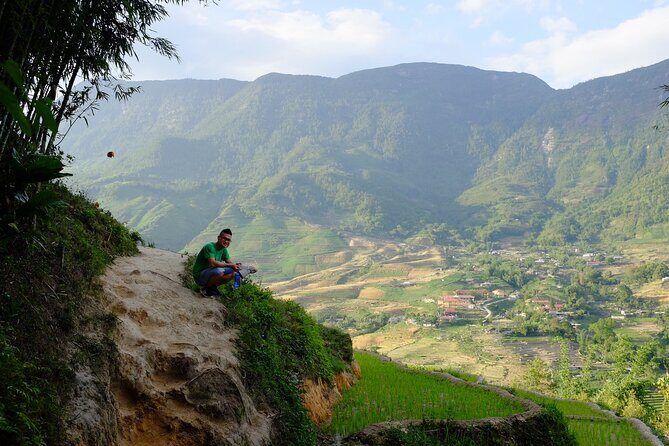
This experience asks for moderate physical fitness. That doesn’t mean you need to be an athlete, but it does mean you should expect sustained walking over mountain terrain and uneven paths.
Here’s what I’d plan for:
- Comfortable, grippy shoes for rocky or muddy ground
- Layered clothing, since mountain weather can change quickly
- A small day bag for water and essentials during the walk
- Rain protection in case conditions aren’t friendly (this trek is described as requiring good weather)
Also, service animals are allowed. If you’re traveling with one, plan to follow the guide’s direction on where it can move during stops and transfers.
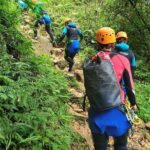
Remember that you’re walking through forest, terraced rice paddies, and village areas. That means the ground isn’t always flat. Pace matters more than speed. If you keep a steady rhythm, Day 1 and Day 2 feel manageable.
Weather, timing, and when to expect the trip rhythm
This activity runs with opening hours shown as 6:00 AM to 2:00 PM, seven days a week, across the listed date range. In practice, your day starts early with that pickup around 7am, and the trek includes a sunrise start on Day 2.
One key planning point: the experience is described as requiring good weather. If weather forces a change, you’ll be offered a different date or a full refund. That’s important in Sapa, where rain or fog can alter trekking conditions.
If you want the best shot at a smooth trek, build flexibility into your schedule. Book a date when you can adjust plans if the operator needs to reschedule.
Should you book this buffalo trek?
Book it if you want a two-day Sapa experience that’s about real village routes, livestock life, and conversation—not only big sightseeing. The buffalo house night plus the village-to-village feel makes it a strong choice for people who like culture travel with a walking pace.
Skip it or think twice if you want a luxury hotel stay, easy walking all the way, or zero interaction with local life. This is a moderate trek, with early starts and mountain conditions shaping the day.
If you’re traveling soon: choose the guide style you’ll enjoy. The names and stories shared by guides like Li are a big part of why people love this trek. If that kind of guided storytelling is your thing, this 2D1N buffalo trek is a solid bet.
FAQ
How long is the buffalo trek?
It runs for 2 days (about 2D1N).
What time does pickup happen?
Your car picks you up at the bus station around 7am on Day 1, bringing you to Zizi homestay.
Is this a group tour or private?
It’s a private tour/activity, so only your group participates.
What fitness level do I need?
You should have a moderate physical fitness level.
Are meals included?
Breakfast is included (cooked by Zizi), lunch is included (prepared by the guide), and breakfast is also included on Day 2.
What if the weather is poor?
The experience requires good weather. If it’s canceled due to poor weather, you’ll be offered a different date or a full refund.
Can I cancel and get a refund?
Free cancellation is available. You can cancel up to 24 hours in advance for a full refund; within 24 hours, the amount paid is not refunded.