REVIEW · SA PA
Half Day Sapa Trekking to Visit Lao Chai – Ta Van
Book on GetYourGuide →Operated by VN CHARM TOURISM CO,LTD · Bookable on GetYourGuide
Rice terraces, villages, and a real mountain walk.
This half-day trek in northern Vietnam strings together Lao Chai and Ta Van with breaks for photos, village chats, and classic Sapa views on the way down and back up. It’s timed so you’re out early, moving through the valley on foot, then back in Sapa Town by lunchtime.
What I love most is how the route keeps things human-scale: you cover around 9 km and still get time to stop, look, and talk. I also like the culture mix—Black Hmong life in Lao Chai and Dzay community in Ta Van—so the walk feels more than just scenery.
One consideration: the ground can be uneven and slippery when it rains. If you’re not used to hiking shoes, plan on it being a bit of a slog, especially on muddy days.
In This Review
- Key things to know before you go
- Entering Lao Chai and Ta Van: why this short trek hits hard
- Timing and route flow: how the day stays organized
- Bản Ý Linh Hồ photo stop: the moment the scenery starts making sense
- Lao Chai village: Black Hmong culture with real village energy
- Walking through terraces and the Muong Hoa Stream
- Ta Van village and the Dzay community: break time plus culture
- The bus ride: comfort that matters on a short timetable
- Price and value: why $22 can be a smart deal in Sapa
- What to bring: the essentials that save you from a miserable morning
- Terrain and fitness: how hard is the 9 km trek really
- Handling village visits and souvenir pressure without ruining your day
- Who should book this trek
- Should you book this Sapa half-day trek to Lao Chai and Ta Van?
- FAQ
- How long is the half-day trek to Lao Chai and Ta Van?
- What villages will I visit on this tour?
- How far will I walk?
- What time does the tour start?
- What time does the tour end?
- Is transport included?
- Is an English-speaking guide included?
- Are entrance tickets included?
- What should I bring for the hike?
- What’s not included in the price?
- Can I cancel for a full refund?
Key things to know before you go
- A 9 km trek in half a day: roughly 4 hours of walking, plus time for stops and bus transfers
- Two village worlds: Lao Chai for Black Hmong culture, Ta Van for the Dzay community
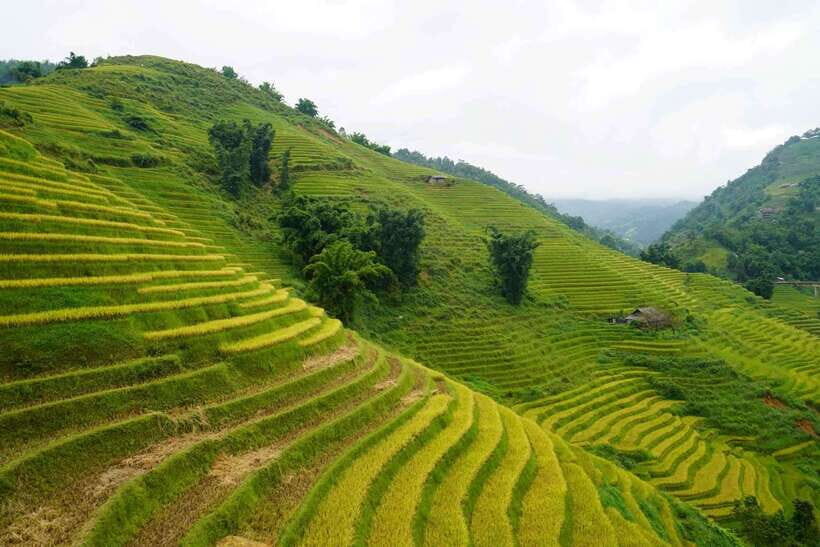
- Rice terraces + Muong Hoa Stream: you’ll walk through the Sapa valley with constant changes in view
- Guides make the difference: English-speaking local guides explain daily life and traditions as you go
- Photo stops that don’t feel rushed: including Bản Ý Linh Hồ and the village viewpoints along the way
- Bring cash mindset: local people may offer crafts during the trek, and you should expect some friendly pressure
Entering Lao Chai and Ta Van: why this short trek hits hard
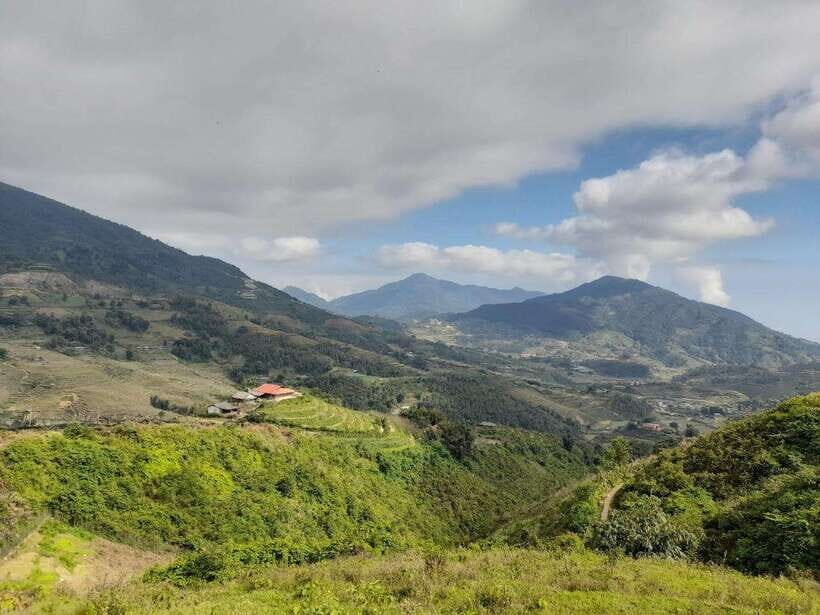
This is the kind of Sapa outing that makes sense even if you only have a day or two. You get a real walking loop through the valley—rice terraces, stream edges, and paths that feel like they belong to locals, not tour buses. And because it’s half-day, you’re not crushed by a full-day grind just to see two villages.
What makes it especially good value is the balance of hiking and “human stops.” You’re not just walking past places; you’re guided into understanding what you’re seeing—costume details, village life, and farming rhythms—without turning the day into a lecture. Many guides also do a great job keeping the pace friendly, with enough time to take photos when the light is right.
For families and short-stay visitors, it’s also a practical sweet spot. It’s challenging enough to feel like you earned the views, but not so long that you lose the day to fatigue.
You can also read our reviews of more hiking tours in Sa Pa

Timing and route flow: how the day stays organized
The day runs tight, with a very clear sequence.
You’ll usually be picked up from your Sapa hotel around 8:10–8:20. That’s time to grab water, use the bathroom, and pull on the right shoes before you start walking. Then the trek begins at about 8:20.
On foot, the day is built like this:
- Start walking toward Y Linh Ho, with a guided photo stop and visit
- Continue through terrace areas and along the Muong Hoa Stream
- Head into Lao Chai (Black Hmong village) for another guided visit
- Walk on to Ta Van (Dzay village) where you get break time plus more guiding and photos
By 11:30, a bus collects you at Ta Van Bridge. The tour wraps around 12:00 in Sapa Town, so you can actually have lunch without racing the clock.
That schedule matters. In Sapa, weather can shift fast. Starting early helps you catch clearer skies and better visibility, especially in the valley.
Bản Ý Linh Hồ photo stop: the moment the scenery starts making sense
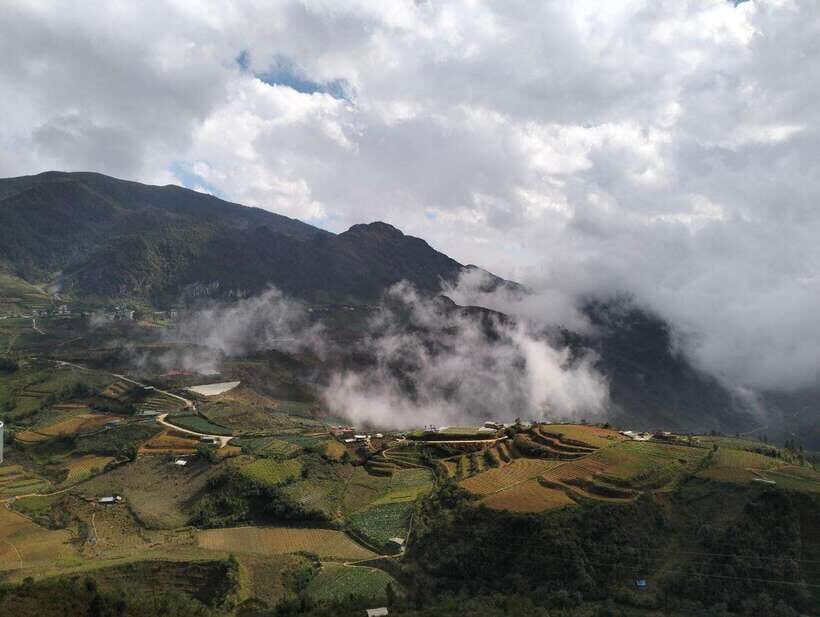
The walk kicks off with Bản Ý Linh Hồ—a first photo stop and guided visit that lasts about 1 hour. This part is more than a quick snapshot. It’s your warm-up into the terrain and your introduction to how people live in the Sapa hills.
Why this stop works: it helps you orient fast. Once you’ve seen the valley angle and how the terraces stack up, the rest of the trek feels easier to read. You’re also more likely to notice details later—like where paths funnel, how villages sit in the slopes, and how water channels shape farming.
Practical tip: use this first stop to check your footing. If you’re going to slip anywhere, you’ll feel it early. Also, take a few photos before you get too warm—morning light can make the terraces look crisp even when clouds move in.
Lao Chai village: Black Hmong culture with real village energy
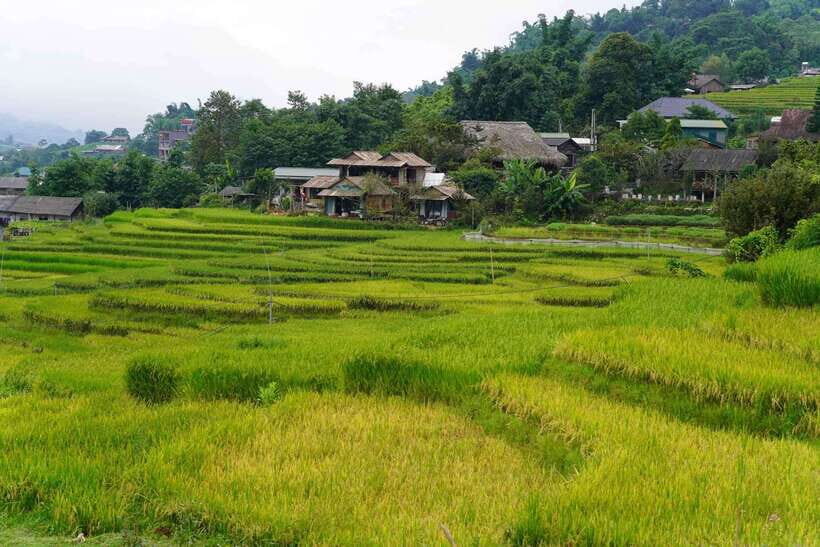
After walking through the valley edges and terrace areas, you reach Lao Chai, a Black Hmong village. This stop includes another photo stop and guided visit of about 1 hour.
Here’s what tends to make Lao Chai special on this route: you experience it as a living place, not a staged stop. The guide helps connect what you’re seeing to everyday life—how people dress, how they explain their community, and what day-to-day rhythms look like in the hills.
You’ll also have a chance to browse local crafts. If that’s your thing, it’s a good moment. If you’d rather keep things focused on walking and photos, it helps to have a clear plan: you can politely decline without turning it into a negotiation.
A couple guide names stand out in this experience style—people have mentioned English skills and friendly explanations from guides such as Tung, Soso, Somg, and Song. If you get a guide like that, the cultural parts feel like conversations instead of checkboxes.
Walking through terraces and the Muong Hoa Stream
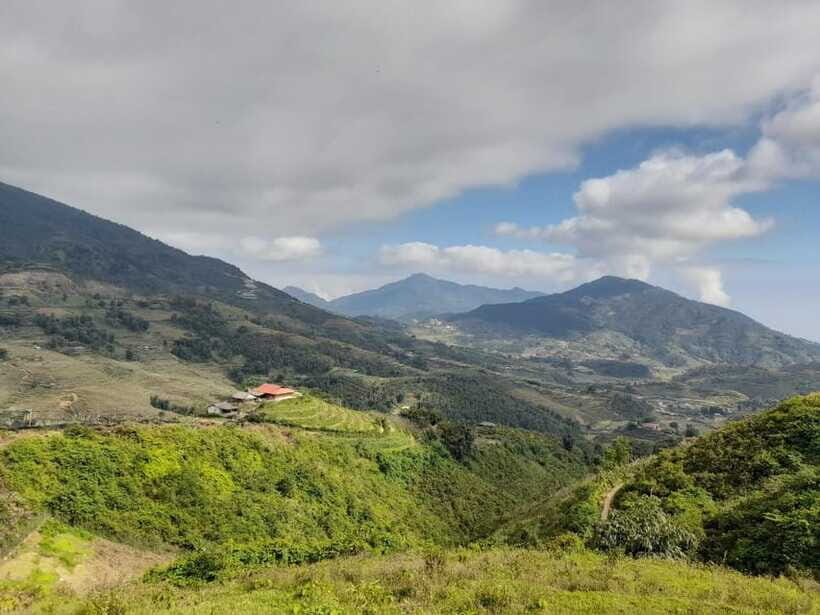
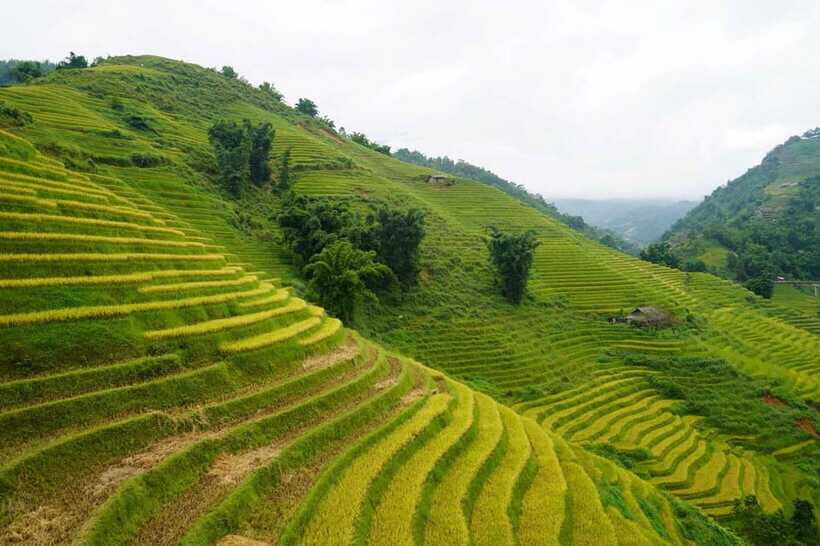
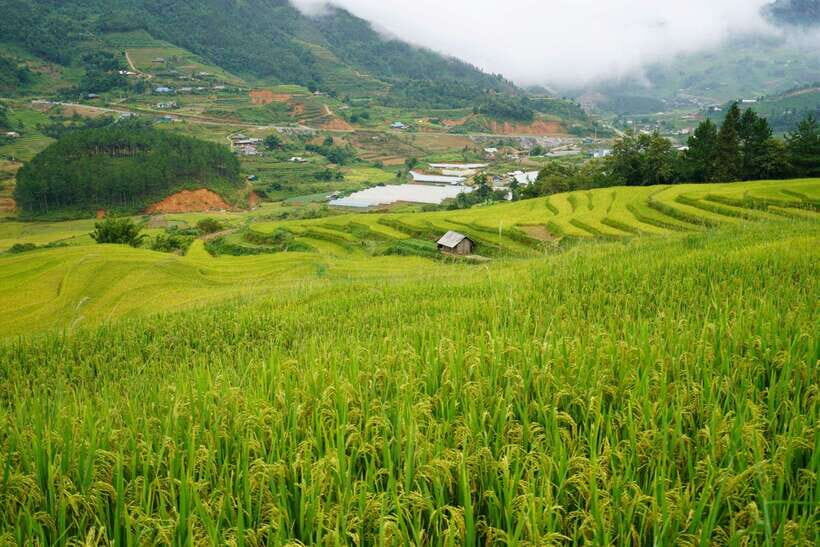
Between villages, you’ll move along paths that often follow terrace edges and stretch toward the Muong Hoa Stream. The day also frames views of the Hoang Lien Son Mountain area, so even when you’re focused on footing, you’re still getting that big northern Vietnam backdrop.
This is the core “why” of the trek. Rice terraces are not just a picture. While you’re walking through them, you understand how the slopes are divided into usable land, and how water and footpaths connect everything. And the stream edge adds a different soundscape—less wind, more steady movement.
What to watch for:
- Uneven, sometimes slippery footing
- Mud after rain (and Sapa rain can be sneaky)
- Heat and sweat on warmer mornings, even in half-day format
If you get lucky with weather, clouds can clear enough to make the valley look dramatic. If you don’t, you still get a genuine walk—just with a more slippery version of it.




Ta Van village and the Dzay community: break time plus culture
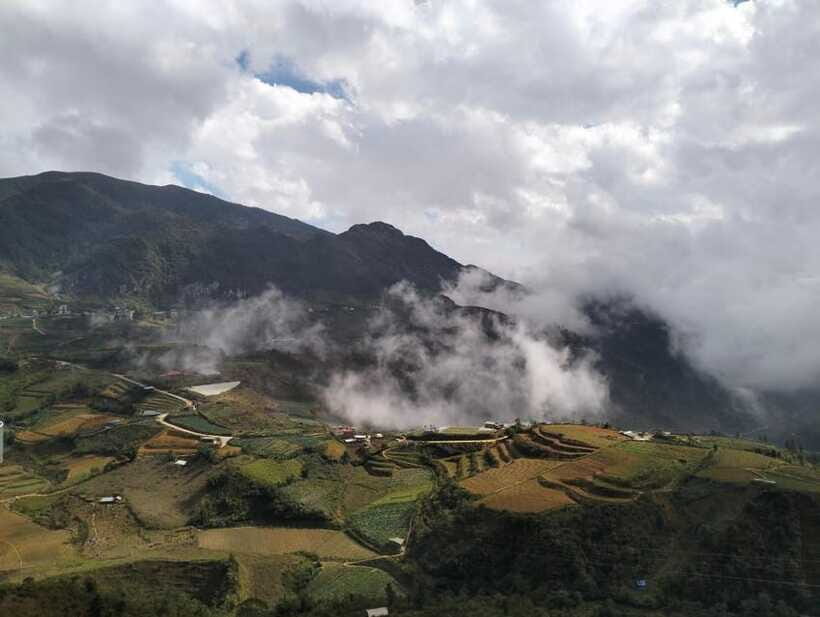
You’ll reach Ta Van, home of the Dzay ethnic people. This is your longer village block, with about 1.5 hours for a break, photos, and guided visit.
Ta Van tends to feel slightly more grounded and community-centered. You’ll get time to pause, look around, and talk with your guide about what you’re seeing—costumes, daily work, and how people relate to visitors. This is also where craft shopping is most likely, because village life is close to where you stop.
This is also the point in the day where you should listen to your body. The trek is only about 270 minutes total, but half of that is walking. A break here helps you finish strong without rushing the last steps.
Practical note: the path down in the valley is often easier than the climb back up. At Ta Van, keep your energy for the transition. You want to arrive at Ta Van Bridge ready for pickup at about 11:30, not dragging.
The bus ride: comfort that matters on a short timetable
One smart part of this tour is that the walking segment is supported by a modern air-conditioned bus for the transfer loop (from Sapa toward the trekking start area, then from Ta Van Bridge back to Sapa Town).
Even in cool Sapa weather, the bus helps you recover fast after muddy or steep sections. Drivers are experienced, and the routing keeps the half-day schedule workable—especially important because the trek ends around noon.
In other words: this isn’t a “walk all day, good luck” setup. It’s a controlled, short outing designed for people who still want lunch and a relaxed afternoon.
Price and value: why $22 can be a smart deal in Sapa
At $22 per person for a half-day format, the value comes from what’s included:
- Air-conditioned transport
- An English-speaking local guide in Sapa
- Entrance tickets to the indicated stops
For Sapa, guides can make or break a trek. Without a guide, you’d still get views, but you’d likely miss what those villages represent and what the terraces and stream mean for daily life. With a guide, even a short trek becomes a story.
Also, the schedule is efficient. You’re paying for a morning window that ends by 12:00, which means less hotel-time waste and more time to explore Sapa on your own.
If you’re choosing between a very short walk and a full-day trek, this sits in a smart middle: enough walking to feel like you did something real, enough structure to avoid turning it into a stressful hike.
What to bring: the essentials that save you from a miserable morning
The packing list for this trek is straightforward—and I agree with all of it. Bring:
- Hiking shoes (or sturdy shoes with grip)
- Sun hat and sunglasses
- Sunscreen
- Camera (this route has repeated photo opportunities)
- Sportswear and hiking pants
- A small first aid kit
One extra practical move: if you’ve got access to lightweight waterproof layers, bring them. Rain makes the ground muddy, and grip becomes your best friend.
Some hikers have noted that rubber boots can be a comfort upgrade on wet days. You don’t have to go that far, but it’s a strong idea if your footwear gets slick easily.
Terrain and fitness: how hard is the 9 km trek really
This is a 9 km trekking day that lasts about 4 hours on foot. That sounds simple on paper. On the ground, the key factor is not distance—it’s steep, uneven paths and slippery patches.
So, you should think in terms of “comfort with rough walking,” not athletic performance. If you hike regularly, you’ll probably feel fine. If you usually do flat city walking, you’ll want to slow down and watch your step.
If you’re traveling with older kids, the experience can work well, but keep expectations realistic. A few spots can feel tough in heat, and muddy paths can slow everyone down.
Also, the itinerary includes village stops that affect pacing. The best approach is to hike steadily, stop when your guide calls it, and don’t try to force a photo sprint.
Handling village visits and souvenir pressure without ruining your day
Village stops are a big part of the experience, and so is shopping. You may see local people join the hike and offer handmade items. Sometimes the sales energy can be more intense than you want.
Here’s what helps:
- Decide in advance if you want to buy. If yes, set a small budget and enjoy it.
- If no, be polite and consistent. Don’t over-explain.
- Focus on the guide and the walking. If you’re scanning for the next photo stop, you’re less likely to get pulled into a long exchange.
One traveler-style note that’s worth taking seriously: kids may approach repeatedly for small purchases. This can feel awkward or sad, but it’s also part of how people earn income. If you’re sensitive to it, go slowly and mentally prepare for it before you start the trek.
The good news: even with sales around you, the guided route still gives you plenty of moments to enjoy the scenery and the village conversations.
Who should book this trek
I think this half-day option is ideal if you:
- Have limited time in Sapa and want a meaningful walking experience
- Want to see both Black Hmong and Dzay communities in one morning
- Prefer a guided route with enough structure to keep things comfortable
- Like photography, especially during terrace and valley views
It’s also a great pick for people who don’t want to commit to a full-day trek but still want the feel of being “in” the Sapa region, not just at viewpoints.
It may be less ideal if you:
- Have mobility limitations (it’s not suitable for wheelchair users)
- Get stressed by mud, steep steps, or uneven footing
- Hate any shopping interaction at all (village crafts are part of the experience)
Should you book this Sapa half-day trek to Lao Chai and Ta Van?
Yes, I’d book it if you want a short, structured trek that actually teaches you what you’re walking through. The combination of 9 km, bilingual local guidance, and visits to Lao Chai and Ta Van makes it feel like a genuine slice of Sapa rather than a rushed highlight tour.
If you do book, go in with the right mindset: wear grippy shoes, expect uneven ground, and treat craft offers with calm boundaries. Then you’ll get the best of what this day is built for—morning valley views, terrace walks, and village conversations you can remember long after the photos fade.
FAQ
How long is the half-day trek to Lao Chai and Ta Van?
The total duration is about 270 minutes, with roughly 4 hours of trekking.
What villages will I visit on this tour?
You’ll visit Lao Chai (Black Hmong village) and Ta Van (Dzay ethnic people).
How far will I walk?
The trekking distance is about 9 km.
What time does the tour start?
Pickup is typically around 8:10–8:20, and the trek begins at about 8:20.
What time does the tour end?
You return to Sapa Town at about 12:00.
Is transport included?
Yes. You get a modern air-conditioned bus from Sapa to the trekking start area (Y Linh Ho area) and back from Ta Van Bridge to Sapa.
Is an English-speaking guide included?
Yes. The tour includes an English-speaking local guide in Sapa, and you may also hear Vietnamese.
Are entrance tickets included?
Yes, entrance tickets to the indicated sites are included.
What should I bring for the hike?
Bring sunglasses, a sun hat, camera, hiking shoes, sunscreen, sports shoes, sportswear, hiking pants, and a first aid kit.
What’s not included in the price?
Beverages, travel insurance, VAT, and personal expenses are not included.
Can I cancel for a full refund?
You can cancel up to 24 hours in advance for a full refund.