REVIEW · SA PA
1 DAY Trek the Most Beautiful Villages of Sapa & Local Guide
Book on GetYourGuide →Operated by Do Sung Sapa Trekking and Homestay · Bookable on GetYourGuide
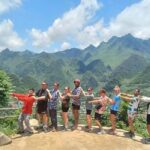
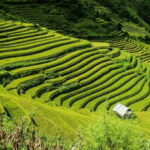
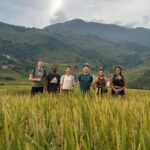
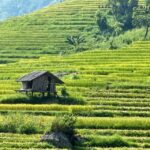
Rice terraces have a way of grabbing you fast. This 1-day Sapa trek pairs spectacular rice fields with hands-on village encounters led by an English-speaking local Hmong guide. I like that you’re walking real trails, not just hopping between viewpoints, and I also like that lunch happens in the community. The main thing to consider is that it’s a group hike with a moving pace, and the timing can stretch a bit when people want extra stops or the weather slows the walk.
You’ll start at the church in Sapa (the meeting point matters because you begin trekking right away), then head downhill into the villages. Guides—often sisters and cousins working as a family network—bring plenty of warmth and humor, and I’d expect you’ll hear personal stories along with practical details about farming and daily life. One more thing: you’re walking roughly 12 km over about 5–6 hours, so comfortable footwear is not optional.
By the time you finish, you’ll have seen several village faces of the Sapa region—Y Linh Ho, Lao Chai, and Ta Van—plus a car pickup back to your hotel area. I especially like that the tour is framed around supporting local Hmong women with tour work, so it isn’t just a “see it and leave” day. Still, it’s worth noting you need to bring what you need for the trail day, because only a small water portion is included.
In This Review
- Key things that make this trek worth your time
- Meeting at Sapa Church: the day really starts on foot
- Y Linh Ho: the “slow start” that turns into scenery
- Lao Chai: lunch with local rhythm and a traditional house visit
- Ta Van village: walking between Giay and Hmong communities
- Timing and distance: what 12 km feels like in real life
- Price and value: $18 for a real guide day, not just photos
- How to pack for Sapa trail walking (and not suffer)
- Trail etiquette that keeps the day comfortable and respectful
- When this trek fits you best
- Should you book this 1-day Sapa villages trek?
- FAQ
- Where do we start the trek?
- How long is the trek and how far do you walk?
- What’s included in the $18 price?
- What time does the tour usually end?
- What should I bring for this day hike?
- Is alcohol allowed on the tour?
Key things that make this trek worth your time
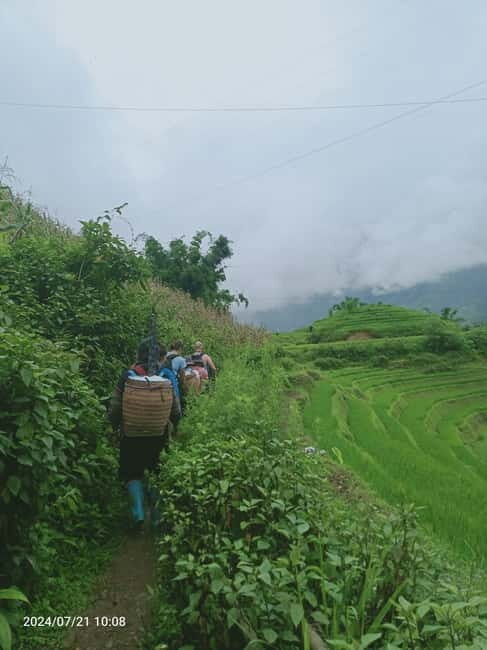
- Rice terrace views with a harvest-season feel: the timing is often at its best in greener-to-gold seasonal colors.
- A local family guide team: Hmong sisters and cousins work together, sharing life stories as you walk.
- Village lunch included: you eat within the community you just walked through, not at a generic stop.
- Multiple villages, one route: Y Linh Ho, Lao Chai, then Ta Van for a clear day arc.
- English support plus trail explanations: you’ll get stories and farming context, often with plant and crop talk.
- Group tour reality: expect shared pacing and a bit of extra time depending on the day.
Meeting at Sapa Church: the day really starts on foot
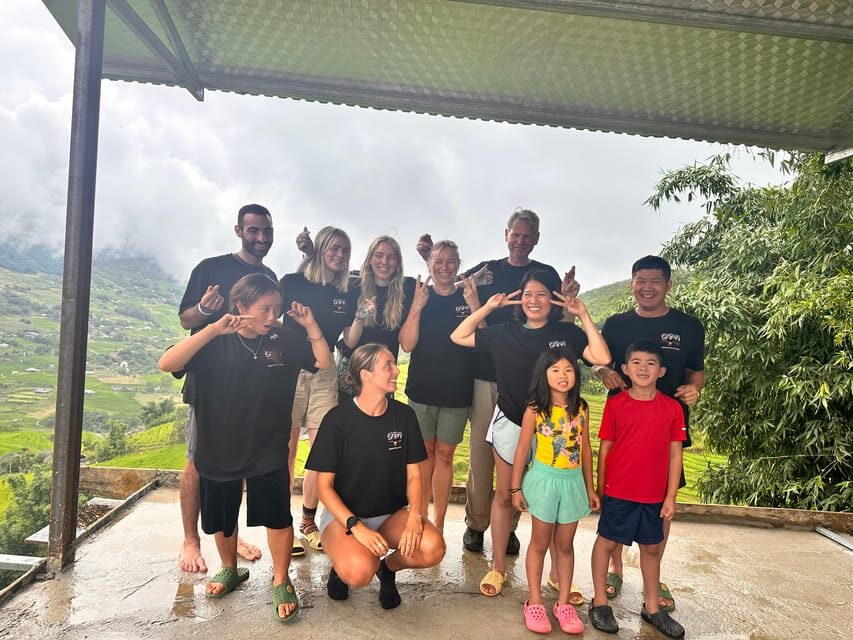
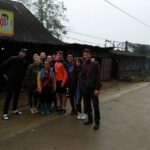
This tour begins at the church in Sapa. If you’re doing a bus schedule, tell the guide when you meet so they can plan around your timing—some days you might finish in the early afternoon, other days later.
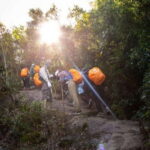
Right after a short introduction, you leave town and start walking down toward the first village area. That matters because the trek isn’t just a scenic loop; it’s a gradual shift from Sapa’s center into the rice terrace world.
You can also read our reviews of more guided tours in Sa Pa

Y Linh Ho: the “slow start” that turns into scenery
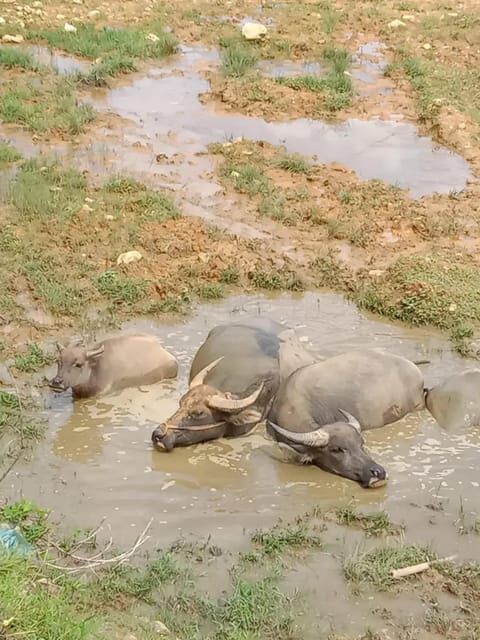
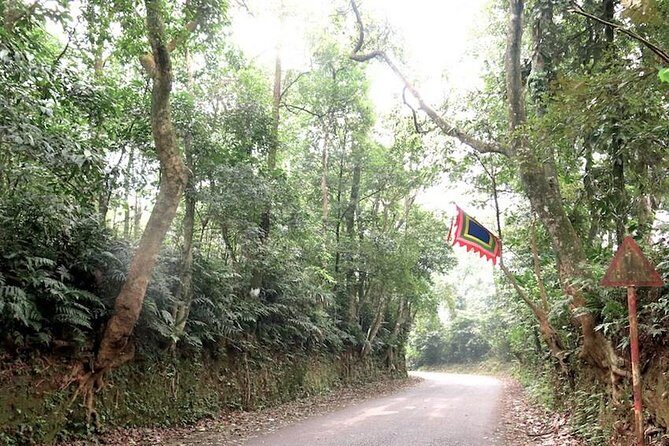
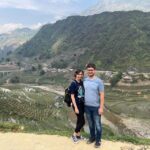
The first leg takes you through about an hour of walking toward Bản Ý Linh Hồ (Y Linh Ho village). You may start on roads at first, but the route turns into real trail walking as you get farther from the main town.
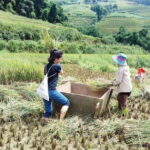
In Y Linh Ho, you’ll spend time looking around the rice terraces and the farming patterns on the hills. After about two hours of trekking, there’s a rest break (about 20 minutes). It’s a good moment to hydrate and reset your legs before the next stretch.
This is also where the farming context starts to make more sense. You’re not just seeing terraces—you’re watching the working landscape and learning how people fit planting and daily life into steep slopes.
Lao Chai: lunch with local rhythm and a traditional house visit
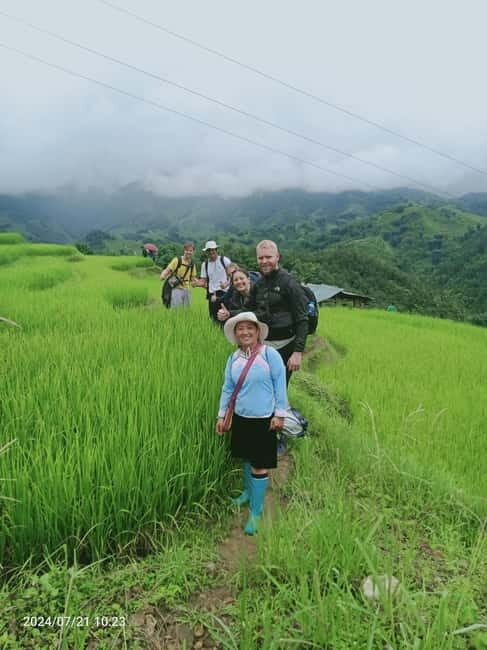
From Y Linh Ho, you continue to Lao Chai, with time built in for a pause and then lunch at a Hmong village. Lunch is included, and the quality tends to surprise people who expect a basic meal. It’s not a restaurant-style stop; you eat as part of village routine.
After lunch, you visit a Hmong traditional house. This is the kind of stop that works best if you stay curious and ask questions. You’ll likely hear about how families live, how rooms are used, and what daily work looks like in the mountains.
One useful detail: in the cooler mountain air, the sun still hits. I’d plan on sunscreen even if it’s cloudy, because you can end up with a face-and-shoulder burn faster than you think on a long outdoor day.
Ta Van village: walking between Giay and Hmong communities
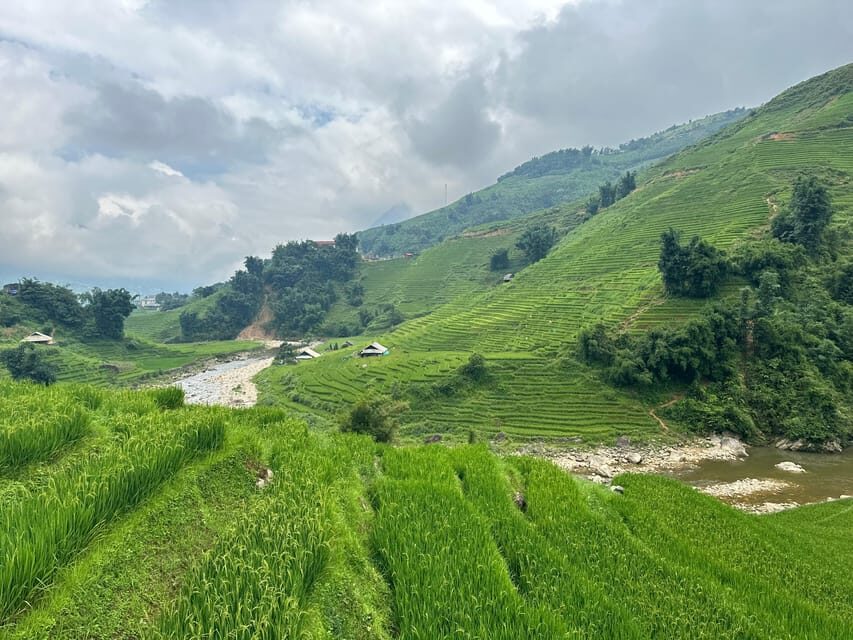
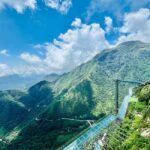
Next comes the walk to Ta Van Village. Ta Van is mostly inhabited by Giay and Hmong ethnic minorities, so you’re getting another cultural lens rather than repeating the same scenery and stories.
Expect scenic walking segments on the way in and around Ta Van. The route finishes here in the sense that the walking portion ends, and you’ll be met for pickup.
The handoff is practical: the tour ends around 2–4 pm, depending on timing and how the group moves. From Ta Van, you return to Sapa by car or motorbike pickup, and then the transportation included is designed to get you back to your hotel area.
Timing and distance: what 12 km feels like in real life
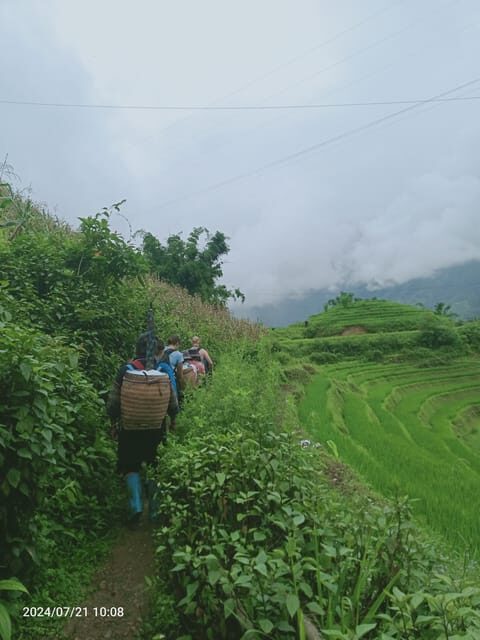
The tour runs about 5–6 hours total, and the walking distance is around 12 km. That’s not an extreme trek, but it is enough that you should dress like you’re doing a day hike, not a casual stroll.
Because it’s a group tour, the pace is shared. That can be relaxing—if someone is feeling slow, the whole group pauses—but it can also mean your day doesn’t match your plan to the minute. In at least some cases, I’ve seen days run longer than the strict “about 5 hours” expectation, especially when people want more explanations or extra photo time.
If you want a very precise schedule, consider asking about a private tour. Private pricing is listed as 700,000 VND per person (around $28), and that option can give you more control over stop length.
You can also read our reviews of more hiking tours in Sa Pa

Price and value: $18 for a real guide day, not just photos
At $18 per person, this is priced like a budget-friendly day, but you’re getting several things bundled together. You get an English-speaking local guide, lunch at the village, and a small water portion. You also get transportation back to Sapa after the trek, which is one less thing to figure out.
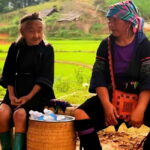
The value gets even stronger when you look at the social setup. The tour is tied to Hmong women working through their family network, and the guide sharing her story includes the idea that booking supports local women who may struggle to find other work. That doesn’t make the trek “charity tourism,” but it does mean your money connects to real livelihoods in the area.
What’s not included is also clear: you’ll need money for extra drinks (beer or soft drinks, for example) and you should plan a tip if you feel the guide earned it. For budgeting, think: entrance fees aren’t the issue here—your cash and trail comfort are.
How to pack for Sapa trail walking (and not suffer)
You’ll want a simple packing list that matches a hilly day.
Bring:
- Hiking shoes (or sturdy shoes with grip)
- Wide-leg pants or comfortable hiking clothes
- Sunglasses and a sun hat
- Sunscreen (even if it’s cloudy)
- Insect repellent
- A light raincoat or outerwear
- Cash
- Optional but smart: extra water if you run hot, since only a small amount is included
Not allowed: alcohol and drugs. That’s normal for community-based trekking and keeps the day safe and respectful.
Also, plan for weather shifts. Sapa can move from bright to misty, and a rain layer can save your day when the trail gets slick.
Trail etiquette that keeps the day comfortable and respectful
You’ll be walking through active community spaces, not empty scenic zones. I like tours like this when they encourage respectful behavior without making it feel heavy.
A few practical rules that help:
- Dress comfortably and modestly for village areas.
- Don’t rush families who are mid-work or mid-conversation.
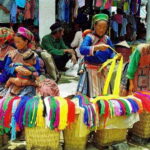
- Ask before photographing people whenever you can.
- If your guide is explaining farming or village routines, let them finish before you wander for photos.
If you’re the type who likes facts, you’re in luck. Guides often explain what you’re seeing—rice and other crops, plus indigo cultivation came up in past conversations with guides on similar routes. Even if you don’t know the terms, you’ll understand the logic of the farming process from the way it’s explained.
When this trek fits you best
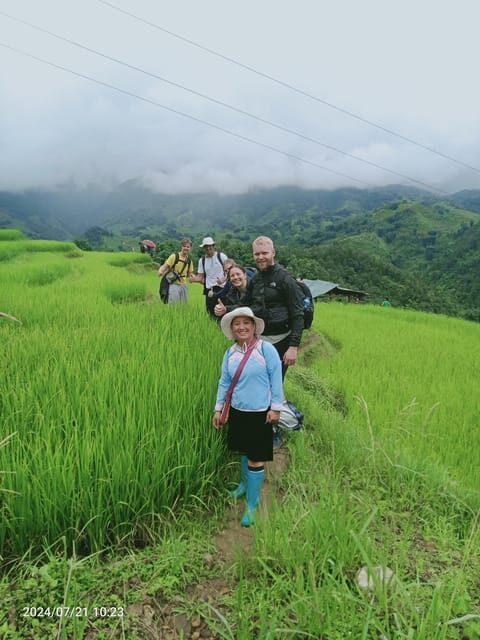
This is a strong match if you want:
- Authentic village interaction without spending an entire day transferring between places
- A day outdoors that’s active but not technical
- A guide who can explain culture in clear English
- A lunch that feels part of the journey, not an afterthought
It’s less ideal if you hate walking in a group, need a very strict schedule, or are sensitive to terrain on long downhill/uphill sections. Also, the activity notes it’s not suitable for people over 95 years.
If you’re visiting Sapa in a season when fields look extra good, you’re likely to get the best colors and atmosphere. One of the most common “this hit hardest” moments happens during harvest-season shades of green and yellow.
Should you book this 1-day Sapa villages trek?
If you want a high-value day—rice terraces, village life, English guide support, and lunch included—this is an easy yes. The price makes sense when you count the guide time and the transport back to your hotel area, and the local family structure adds real meaning to the walking.
Book it if:
- You’re comfortable with about 12 km of walking in 5–6 hours
- You want multiple villages in one go (Y Linh Ho, Lao Chai, Ta Van)
- You care about learning from local women and not just collecting photos
Skip or choose something else if:
- You need a strict departure/arrival time
- You don’t like group pacing
- You’re not set up with hiking shoes, sunscreen, and rain protection
FAQ
Where do we start the trek?
You meet at the church in Sapa. After a brief introduction, you start trekking right from there.
How long is the trek and how far do you walk?
The tour runs about 5–6 hours and is listed as around 12 km total walking.
What’s included in the $18 price?
The price includes an English-speaking local Hmong guide, lunch at the village, one small water per person, and transportation back to Sapa after the trek.
What time does the tour usually end?
The tour ends around 2–3 pm to 4 pm, depending on how the day goes and group pace.
What should I bring for this day hike?
Bring hiking shoes, comfortable clothes (wide-leg pants are suggested), sunglasses, sun hat, sunscreen, and insect repellent. A light raincoat and cash are also recommended.
Is alcohol allowed on the tour?
No. Alcohol and drugs are not allowed during the activity.