REVIEW · SA PA
Sapa: Private Muong Hoa Valley and Homestay Trekking 2-Day
Book on GetYourGuide →Operated by Sapa Trekking Hiking Tours · Bookable on GetYourGuide
Few places in Sapa feel this lived-in. This Muong Hoa Valley trek walks you through terraced rice views and into daily village life across 6 ethnic communities, including Black Hmong and Giay. You also get a real homestay night, plus meals cooked and served in local homes, not a tourist lunch spot.
The main thing to plan for is the walking. This is a true 2-day trek with uneven paths and hills, so you’ll want solid footwear and legs that can handle a slow grind, especially if the weather turns wet (though you do get a raincoat).
In This Review
- Key things worth knowing before you go
- Why Muong Hoa Valley trekking feels more real than a photo tour
- Pickup, private format, and the included details that save you hassle
- Day 1: Y Linh Ho terraces, Black Hmong houses, and lunch at a local home
- Lao Chai and the best terrace segments near the forest
- The Giay homestay night: culture time after the hiking stops
- Day 2: Ta Van, bamboo-and-water rhythm, and the Giang Ta Chai waterfall/lake
- Black Hmong lunch in a house setting: why it hits differently
- Hau Thau village: indigo, wedding stories, and the trumpet moment
- Getting back to Sapa and using the rest of your day
- Price and value: what $78 really covers
- Who should book this trek (and who should think twice)
- Should you book the Sapa Private Muong Hoa Valley and Homestay Trekking (2-Day)?
- FAQ
- What does the tour include for meals?
- Where do you get picked up in Sapa?
- What time does day 1 start?
- Which ethnic groups and villages does the tour cover?
- What happens on day 2?
- Are the guides available in English?
- What gear is provided for the trek?
- Is water included?
- How do you return to Sapa after the last village?
- Is travel insurance included, and do I need to tip?
- Is there an option to pay later?
Key things worth knowing before you go
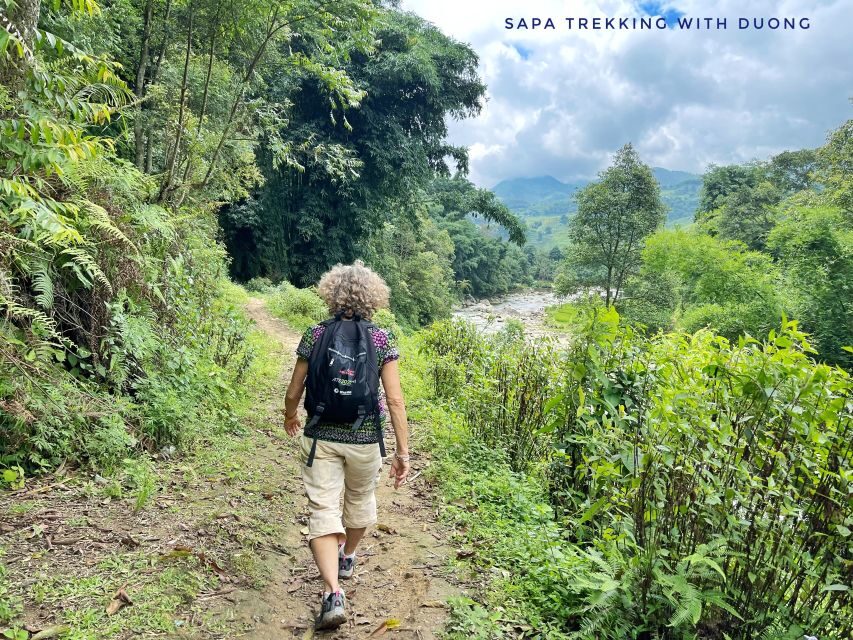
- Muong Hoa terraces plus village visits: rice fields on the way, with time to meet people, not just pose for photos.
- Two guided days, one homestay night: you sleep with the Giay community and get culture time after the hike.
- Groups you’ll see: Black Hmong, Red Dao, and Giay, with comparisons built into the route.
- English guidance that focuses on culture: guides like Du (Zu) and Pang Chou are known for friendly, clear explanations.
- Stops built around views: including a waterfall and lake break on day 2 at Giang Ta Chai.
Why Muong Hoa Valley trekking feels more real than a photo tour
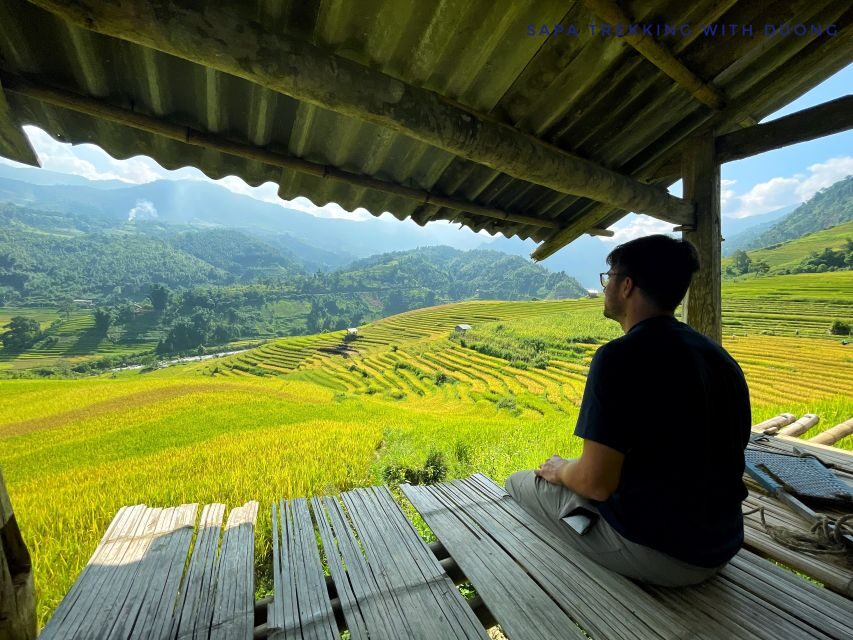
If you’ve done Sapa before, you may remember viewpoints and buses. This route changes the feel fast. The valley is treated like a chain of connected places: villages with traditions, terraces with work you can watch, and small breaks that turn scenery into stories.
I like that the plan is built around actual village flow. Day 1 includes time in Y Linh Ho, Lao Chai, and Ta Van areas, then it ends at a Giay homestay. Day 2 keeps moving through more terraces and adds a Giang Ta Chai waterfall and lake stop before reaching Hau Thau. That mix matters because you see how the land shapes daily life.
The cultural side is not just a talk. You get chances to visit traditional houses, see clothing details tied to indigo dye, and sit down to eat with families. It’s exactly the kind of small, human pacing that makes ethnic village experiences feel respectful instead of rushed.
You can also read our reviews of more private tours in Sa Pa
Pickup, private format, and the included details that save you hassle
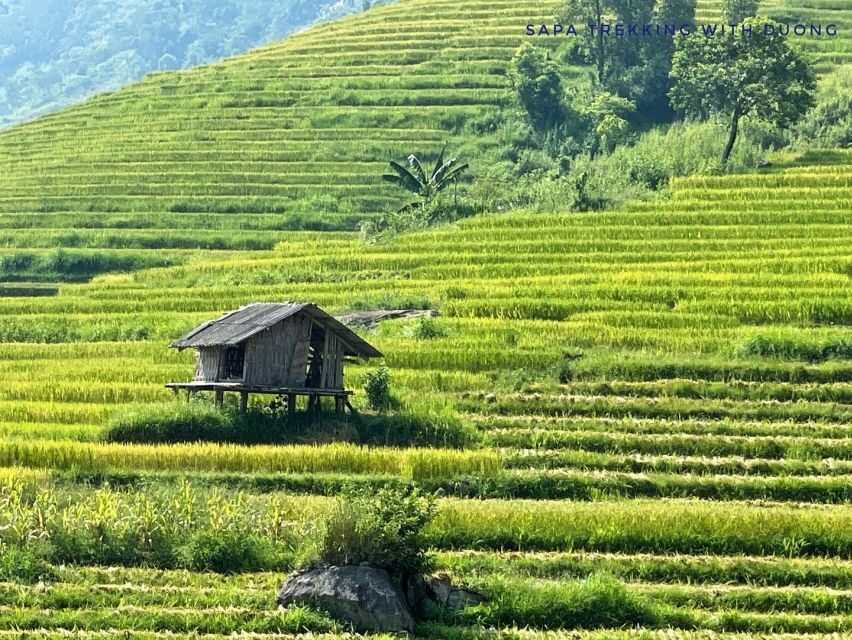
This is a private group tour, with pickup from your hotel in Sapa center (or Sapa Church). That matters in Sapa because you don’t want to spend your morning hunting meeting points while everyone else streams onto the same trail.
You also get practical gear and coverage that helps the trek stay comfortable:
- Trekking stick per person
- Raincoat per person
- Water (1.5L/day per person)
- Local English-speaking guide
Meals are largely handled too: one breakfast, two lunches, and one dinner are included, with lunches served at local houses during the village segments. And there’s basic logistics support at the end of the second day: you ride back to Sapa by private taxi from the last village.
One note: extra drinks are not included, and tips for guide/driver are not included. So if you want to keep things smooth, bring a little cash and plan ahead.
Day 1: Y Linh Ho terraces, Black Hmong houses, and lunch at a local home
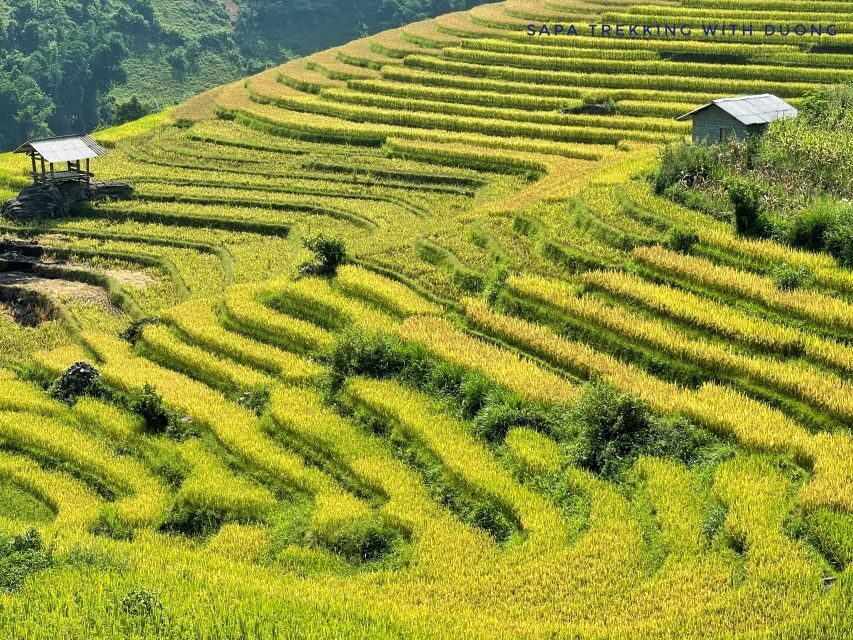
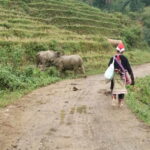
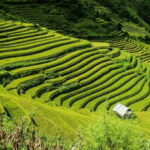
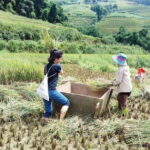
Day 1 starts at 9:30 AM with pickup in Sapa center, then you move straight into hiking mode. The first major stop is Y Linh Ho, where the terraced rice fields dominate the view. This is where the trek earns its keep: you walk through working farmland and watch people planting rice, framed by the contours of the valley.
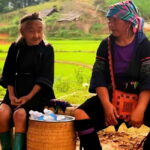
You’ll also spend time meeting Black Hmong culture more directly. The route includes a visit to a traditional Black Hmong house, with explanations of cultural practices and what everyday life looks like. This is the kind of stop that doesn’t require a museum label. It’s built into the neighborhood you’re walking through.
Lunch happens at a local home, and it’s a big part of why this tour feels different. You’re not just eating in the right area; you’re eating in a home setting, and the pace gives time to chat with people. In the stories guides share, it’s clear that guides like Du (Zu) aim for friendly, energetic explanations, so you’re not stuck guessing what you’re looking at.
At this point, you should expect a steady walk, plus breaks for viewing and house visits. If it’s wet, terraces can get slippery—your raincoat helps, but trekking shoes with grip still matter.
Lao Chai and the best terrace segments near the forest
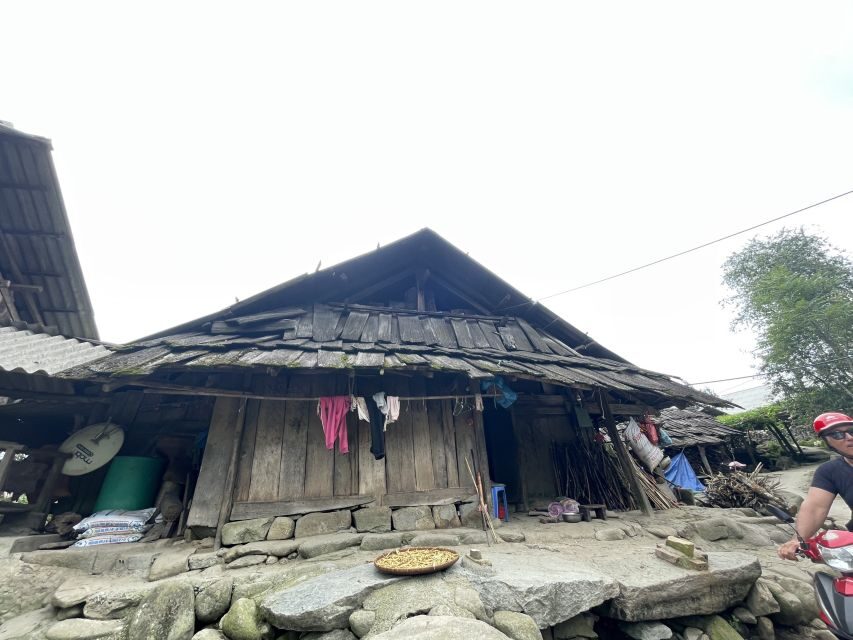
After Y Linh Ho, you hike onward toward the Lao Chai area. The schedule gives you a midday rhythm: around 1:00 PM you start toward Lao Chai San, and then you reach Lao Chai by about 2:00 PM.
The key value here is the terrace experience. The route is built so you see some of the most dramatic rice-field views on the way. And the walk is described as moving toward areas near forest, which can change the feel from open terrace views to slightly cooler, shaded sections.
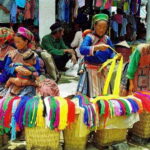
In Lao Chai, you’ll learn more about Black Hmong traditions again, including traditional clothing and the look of wooden houses. If you like seeing how material culture reflects daily life—how homes are built, what people wear, and how those choices link to identity—this is one of the better parts of the day.
This is also a good moment to slow down and watch how your guide paces the group. With a private format, you should have more flexibility to stop for photos or questions without derailing the entire schedule.
The Giay homestay night: culture time after the hiking stops
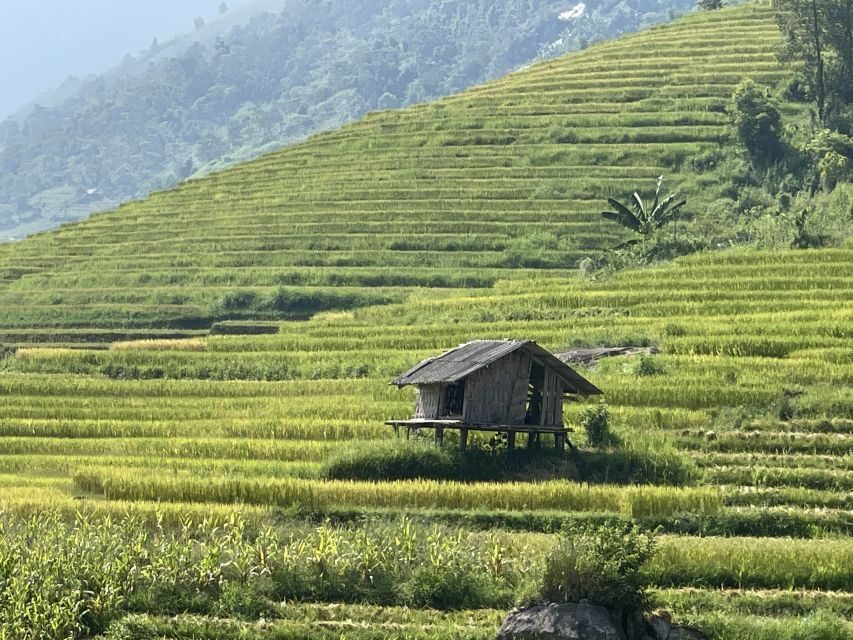
The day ends by 4:30 PM with arrival at a Giay homestay. This is where the tour shifts from sightseeing to staying-in-life.
You get time to learn about Giay culture, food, and traditional life. The intent is also to help you compare groups—especially the differences between Black Hmong and Giay—so the overnight doesn’t feel disconnected from what you learned on day 1.
What makes this stage valuable is timing. After hours of walking, you’re ready to listen. You’re not trying to cram culture into a one-hour stop. You can ask questions, watch how people live, and eat dinner in the flow of an evening.
A couple of guide-host style details are worth keeping in mind. In the experiences shared about this tour, hosts are often described as welcoming and making visitors feel at home, and guides like Pang Chou are noted for giving a firsthand sense of community life. That matches the structure here: homestay is not just a bed; it’s part of the learning plan.
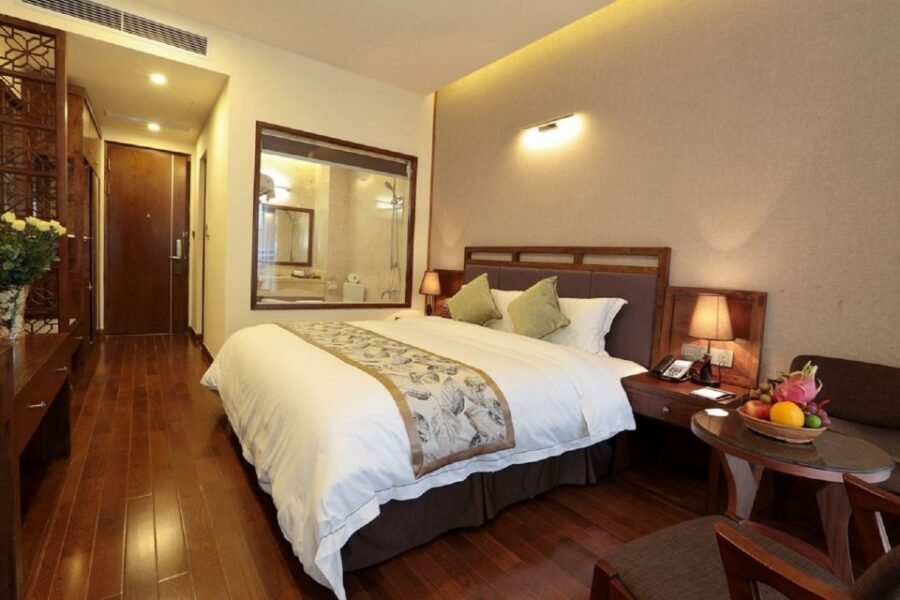
Expect the homestay to be simple and local. If you want the comfort of a hotel bed and predictable amenities, consider that a homestay is meant to be different.
You can also read our reviews of more hiking tours in Sa Pa

Day 2: Ta Van, bamboo-and-water rhythm, and the Giang Ta Chai waterfall/lake
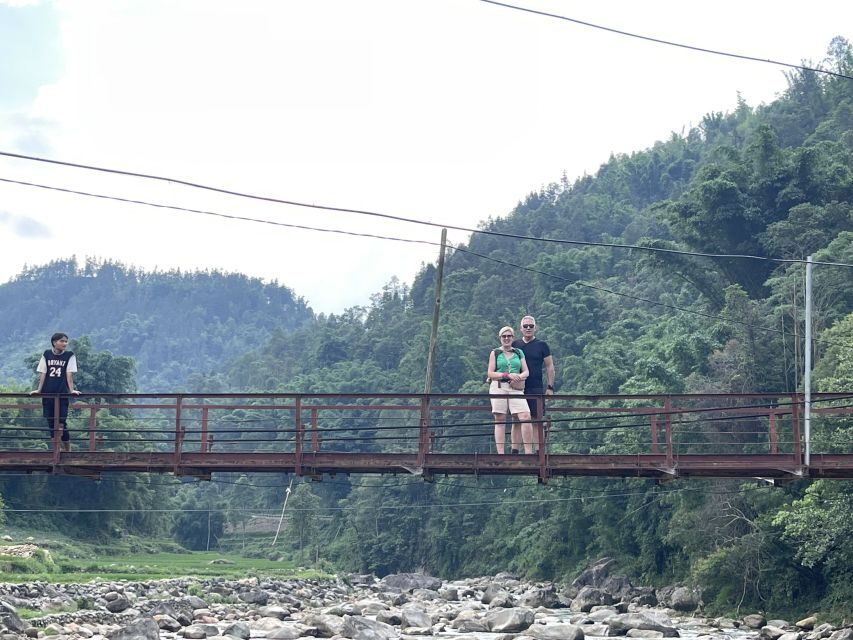
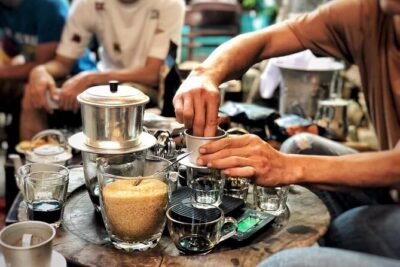
Day 2 starts early. You’ll wake up around 7:00 AM for washing and breakfast, then coffee or tea is included with the morning meal. The second day trekking begins at 9:30 AM.
The route keeps the focus on scenery tied to daily movement. It’s described as hiking through terraces, bamboo forest, and toward waterfalls. If you like a variety of “texture” in a walk—open terraces, shaded bamboo, and sudden water sound—this day delivers that rhythm.
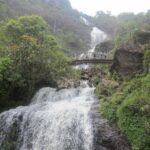
The first big landscape moment is hiking to Giang Ta Chai waterfall and lake. You’ll stop there, take a break, and hear stories from Black Hmong life tied to the area. That break is more than rest time. It turns a scenic stop into something you can interpret.
From a practical standpoint, this section is where your guide matters. A strong guide helps you connect what you see with what people do. The plan also keeps pace reasonable: lunch comes after this stop, and then you continue toward the final village.
Black Hmong lunch in a house setting: why it hits differently
Lunch on day 2 is at a Black Hmong house around 11:30 AM. The meals are described as made by local people and served as traditional food, not a generic menu.
This is one of those moments where the value is partly “what you eat” and partly “how you eat.” Sitting down in a home setting changes the feel. You’re more likely to taste what’s typical there, and you’re more likely to understand why ingredients and cooking styles matter to that community’s routines.
If you’re the kind of traveler who remembers flavors and small conversations more than you remembers souvenir scenes, this lunch is a highlight. And because the schedule is built around it, you’re not hunting food, paying extra, or rushing between activities.
One small consideration: if you have strong dietary restrictions, the only thing you can count on from the info given is that lunch is local and traditional. It’s worth communicating needs to your operator in advance, since the tour data doesn’t mention special meal options.
Hau Thau village: indigo, wedding stories, and the trumpet moment
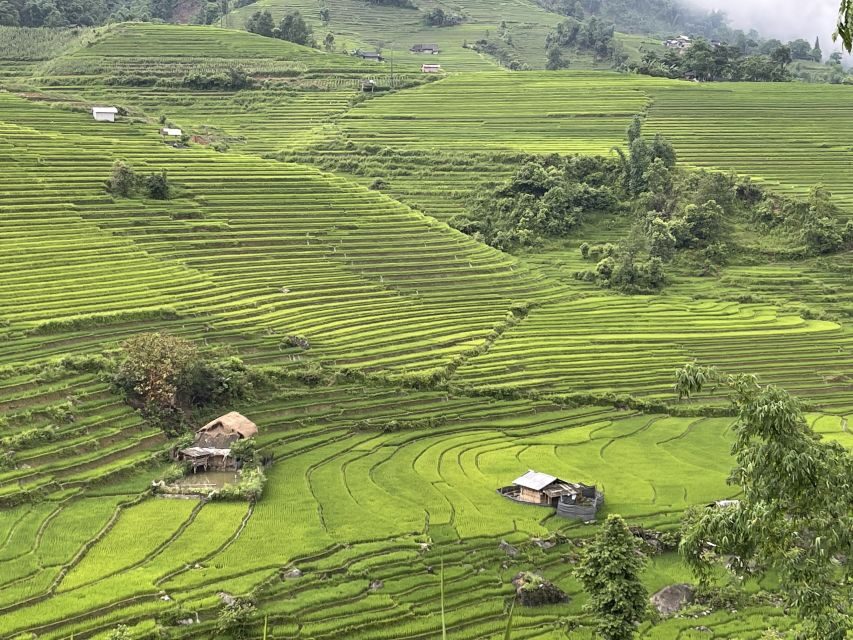
After lunch, you continue hiking to Hau Thao village, listed as the last village stop on day 2, around 1:00 PM.
This portion of the tour is about learning the details that make culture feel specific. You’ll see everyday life and hear about how Hmong people raise things and use indigo tree material to create unique clothing. Clothing here isn’t treated like a costume. It’s presented as craft tied to identity.
You’ll also hear about Hmong wedding traditions. And there’s a very distinctive cultural moment included in the schedule: you’ll listen to the oldest men of Black Hmong blow the trumpet.
That trumpet detail is the kind of experience you don’t get from a quick viewpoint stop. It only works if the timing is right and if the guide helps you understand what you’re hearing. With a private group and an English-speaking guide, you’re more likely to catch the meaning instead of just noticing the sound.
Then it’s back toward Sapa by 3:00 PM, so you don’t lose your whole afternoon to transit.
Getting back to Sapa and using the rest of your day
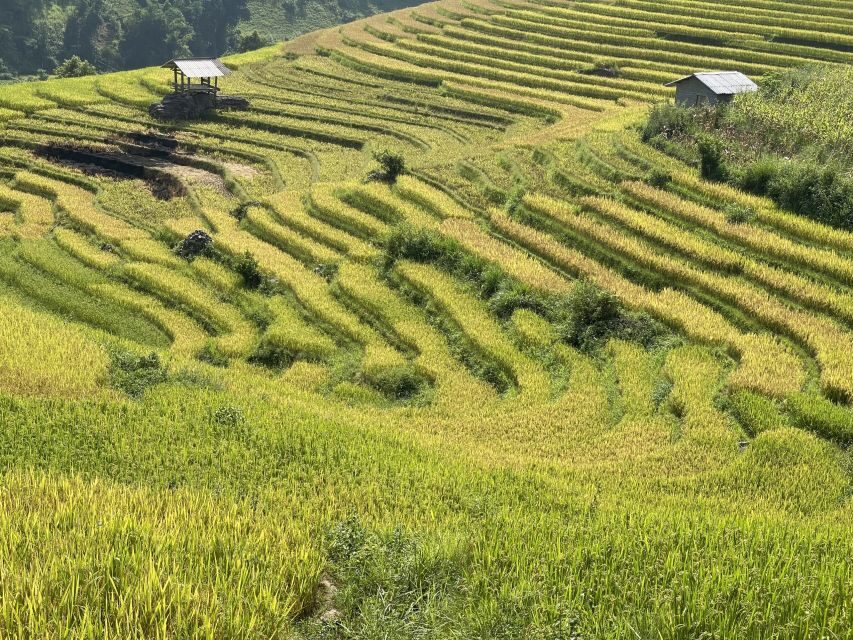
You’re back to Sapa around 3:00 PM on day 2, using a private taxi from the last village. That’s a helpful cutoff time because it gives you options after the trek: a long shower, a calm coffee, or just time to wander Sapa center without racing the clock.
Also, because pickup and drop-off are handled, you’re not trying to reorganize transport while your legs are still protesting. It sounds minor, but it’s one of those travel conveniences that makes the whole tour feel smoother.
If you’re planning dinner the night of day 2, you’re in a good spot. The route is structured so you finish with enough daylight and time to decide what you feel like doing instead of being stuck waiting for nightfall.
Price and value: what $78 really covers
At $78 per person for 2 days, the value comes from what you’re not paying separately. This price includes:
- hotel pickup/drop-off in Sapa center
- village entry fees
- an English guide
- 1 night homestay
- meals: 1 breakfast, 2 lunches, 1 dinner
- water (1.5L/day)
- raincoat and trekking stick
- transport back to Sapa from the final village
What that adds up to is less logistically painful travel. If you were to assemble these pieces yourself—guide + homestay arrangements + transport between villages + meals—you’d likely spend more and still risk a less coordinated experience.
The only costs to expect are the ones not included: extra drinks, travel insurance, and tips. Insurance isn’t listed, which is common for many tours, but it’s still smart to have your own coverage.
Bottom line: you’re paying for a guide-led cultural trek with food and a homestay night, plus the basics that keep the hike from becoming a gear scramble.
Who should book this trek (and who should think twice)
This tour fits best if you want a private, guided walk that focuses on village life, not just mountain views. You’ll likely enjoy it if you’re curious about Black Hmong, Red Dao, and Giay traditions and you like learning in real settings: houses, homestay evenings, and lunch tables.
I’d also call out the guide style. Du (Zu) is described as friendly and energetic with explanations, and Pang Chou is described as giving a first-hand feel for culture and landscapes. If you value a guide who talks as you go, this route aims that way.
Think twice if you:
- hate early starts and prefer fully relaxed days
- want only flat walking paths
- need predictable hotel-style comfort (homestay is part of the point here)
If you’re comfortable with hills and can handle basic rural conditions, you’ll probably find the pacing rewarding.
Should you book the Sapa Private Muong Hoa Valley and Homestay Trekking (2-Day)?
Yes, if you want your Sapa visit to feel grounded in people’s routines. The combination of terraced rice viewing, village house visits, and a Giay homestay night makes this more than a checklist trek. The day 2 mix of waterfall and lake plus the Hau Thau culture details (including indigo and the trumpet moment) adds meaning to the walking.
I’d book it especially if you like learning directly from guides and hosts—Du (Zu) and Pang Chou are names you may meet, and the overall focus on friendly explanations comes through in how this tour is structured.
If you’re mainly chasing luxury comfort or you want a low-effort day, you’ll probably be happier with a lighter walking option. But for most travelers who come to Sapa to understand the living culture, this is a strong value.
FAQ
What does the tour include for meals?
It includes 1 breakfast, 2 lunches, and 1 dinner, with meals included during the village portions of the trek. Water is also provided.
Where do you get picked up in Sapa?
Pickup is included from your hotel in Sapa center or from Sapa Church.
What time does day 1 start?
Day 1 starts with pickup and the trek beginning around 9:30 AM.
Which ethnic groups and villages does the tour cover?
You’ll explore 6 villages and experience culture from Black Hmong, Red Dao, and Giay.
What happens on day 2?
Day 2 includes trekking through terraces and bamboo forest, a stop at Giang Ta Chai waterfall and lake, lunch at a Black Hmong house, and a final village visit at Hau Thao, before returning to Sapa.
Are the guides available in English?
Yes. The tour includes a local English-speaking guide.
What gear is provided for the trek?
The tour includes a raincoat and a trekking stick per person.
Is water included?
Yes. 1.5 liters per person per day is included.
How do you return to Sapa after the last village?
You return to Sapa by private taxi from the last village.
Is travel insurance included, and do I need to tip?
Travel insurance is not included, and tips for the guide/driver are not included. Extra drinks along the way are also not included.
Is there an option to pay later?
Yes. The tour offers a reserve now & pay later option, and free cancellation is available up to 24 hours in advance.