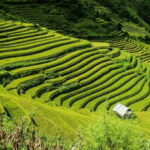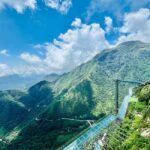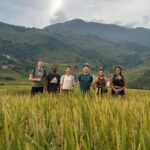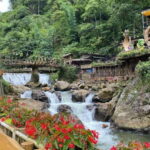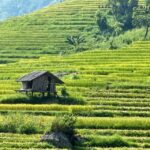
Rice terraces hit different in Sapa. This 5-hour trek takes you from Sa Pa Church into terraced fields and mountain valleys with an authentic Hmong guide and real village stops, not just photo breaks. You’ll also catch big views toward Hoang Lien Son Mountain as you walk the Muong Hoa river area, where the walking paths feel lived-in and calm.
I especially love how the day mixes amazing terrace viewpoints with hands-on cultural moments. You’re not only looking at the hills—you’re learning as you go, including traditional clothing worn by different ethnic groups, and you may even hear explanations from the guide’s family (one guide’s mother was noted for speaking solid English). One thing to plan for: transport can be a bit inconsistent in practice. Pickup is included, but in at least one case the return ride required an extra taxi cost—so I’d confirm exactly how they handle the trip back to your lodging.
In This Review
- Key things I’d circle before you go
- Why This 5-Hour Sapa Trek Feels Local
- Meeting at Sa Pa Church: Your Day Starts with a Real Sapa Reference Point
- Y Linh Ho Village: The Terraces Look Better When You Eat Here
- Trekking Through Rice Terraces to the Muong Hoa River
- Lao Chai: Panoramas and Real-Time Hmong Traditions
- Ta Van Village: The Final Stretch Through Rolling Terraces
- Price and Value: What You Really Pay for at $24
- What to Pack for Sapa Terraces (No Guessing)
- Who This Trek Suits (and Who Should Rethink It)
- Should You Book This Sapa 1-Day Terraced Fields Trek?
- FAQ
- How long is the trekking tour?
- Where does the tour meet?
- What’s included in the price?
- Is vegetarian lunch available?
- What languages does the guide speak?
- Is pickup included?
- What should I wear or bring?
Key things I’d circle before you go
- Small-group pace (up to 10 people) keeps the experience personal and flexible.
- Y Linh Ho village lunch is family-style with vegetarian options.
- Muong Hoa river route gives long, steady views as you hike.
- Hmong clothing education covers multiple groups you can spot in the villages.
- Final walk to Ta Van shows where communities live close together on the slopes.
- Route can be adjusted based on weather and abilities.
Why This 5-Hour Sapa Trek Feels Local
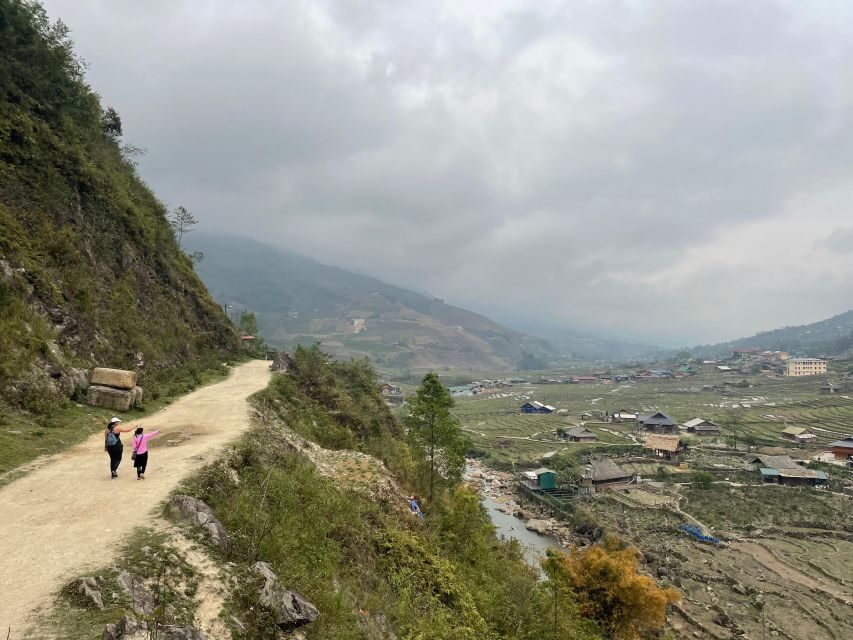
Sapa hikes can turn into a conveyor belt if you pick the wrong one. This one aims for the opposite: a shorter day that still feels like you’re moving through real neighborhoods—rice terraces, river valleys, and small villages where you’ll see how people live on the mountain.
You’ll start in Sapa town and end in the hills with a route that makes sense for first-timers: enough time for big scenery, but not so long that you spend the whole day exhausted. The small-group size (limited to 10) also matters. With fewer people, your guide can slow down for questions, adjust for the weather, and keep the walking rhythm comfortable.
And yes, the views are the headline. But what makes this trek worth the money is the blend: terraced fields plus a guided cultural explanation, plus a proper village lunch you actually eat at the source.
You can also read our reviews of more hiking tours in Sa Pa
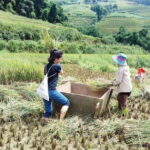
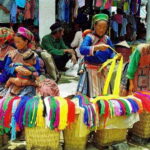

Meeting at Sa Pa Church: Your Day Starts with a Real Sapa Reference Point
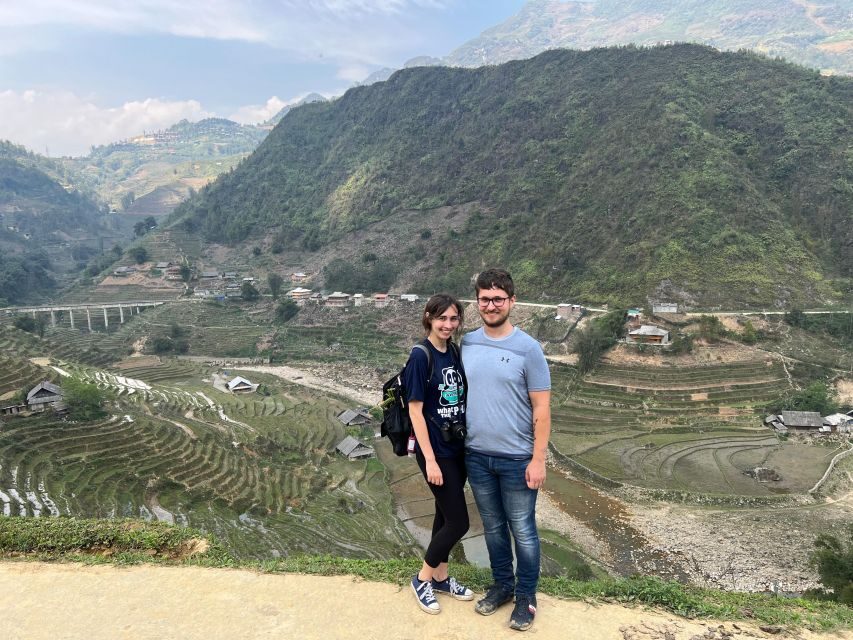
The meeting point is Sa Pa Church in Sapa town at 9:00am. Using a clear town landmark helps you get oriented fast, especially if you’re staying somewhere in the wider area.
From the start, the day’s structure is built around one key idea: walk out of town and into terrace-and-valley country early, so you’re not stuck with the long downhill shuffle later. As you head toward Y Linh Ho, you’ll move through rice terraces and mountain valleys—enough variety that you’re rarely bored, but still mostly on paths meant for day trekkers.
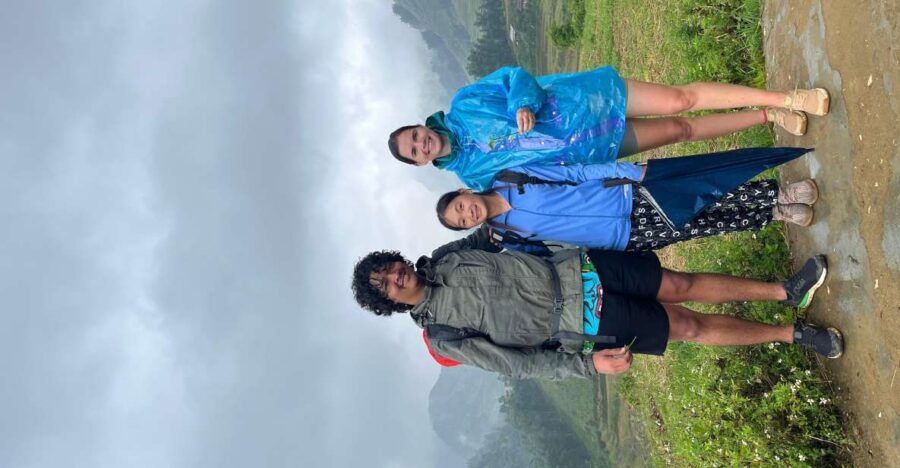
Practical note: you’ll want to be ready for weather swings. Sapa can shift quickly, so bring rain gear and sunscreen. A light drizzle doesn’t ruin the hike, but it can make trails slick if you’re wearing the wrong footwear.
Y Linh Ho Village: The Terraces Look Better When You Eat Here
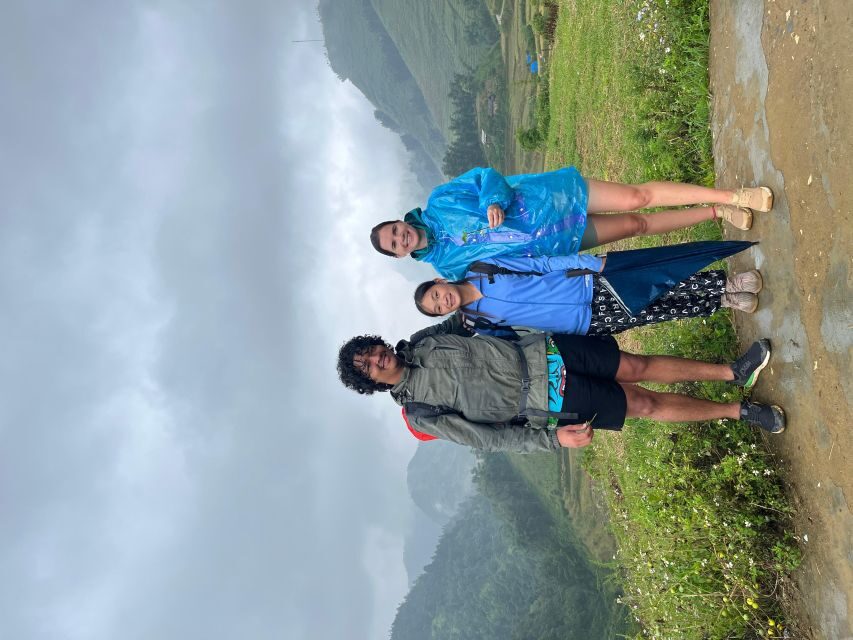
Your first major stop is Y Linh Ho village, where you’ll take a break for a family-style lunch. This is one of the best parts of the day because it turns the trek into a full cultural experience, not just a walk and leave.
The lunch is cooked in the village using local food, and vegetarian options are available. Even if you eat meat, I like this stop because it forces you to slow down. You’ll get a breather, then head back out with better energy to enjoy the next stretch of terraces.
What to watch for: family-style meals can mean shared dishes and slower eating while you settle in. If you like to move quickly, don’t fight the pace here. It’s part of why the experience feels genuine.
Trekking Through Rice Terraces to the Muong Hoa River
After lunch, the route pushes deeper into the valley and terraces. You’ll trek from Y Linh Ho through rice fields and incredible mountain valleys along the Muong Hoa river area toward Lao Chai.
This section is where the walking feels scenic in a sustained way. Instead of one or two big view moments, you tend to get repeated sightlines: terrace lines stretching across slopes, the river valley guiding your direction, and mountain backdrops that change as you move.
The guide is also important here. In a well-run trek, the guide helps you understand what you’re seeing—like why terraces exist in this geography and how villages fit into the slopes. You’ll also get a clearer sense of the region as you approach Hoang Lien Son Mountain views.
Lao Chai: Panoramas and Real-Time Hmong Traditions
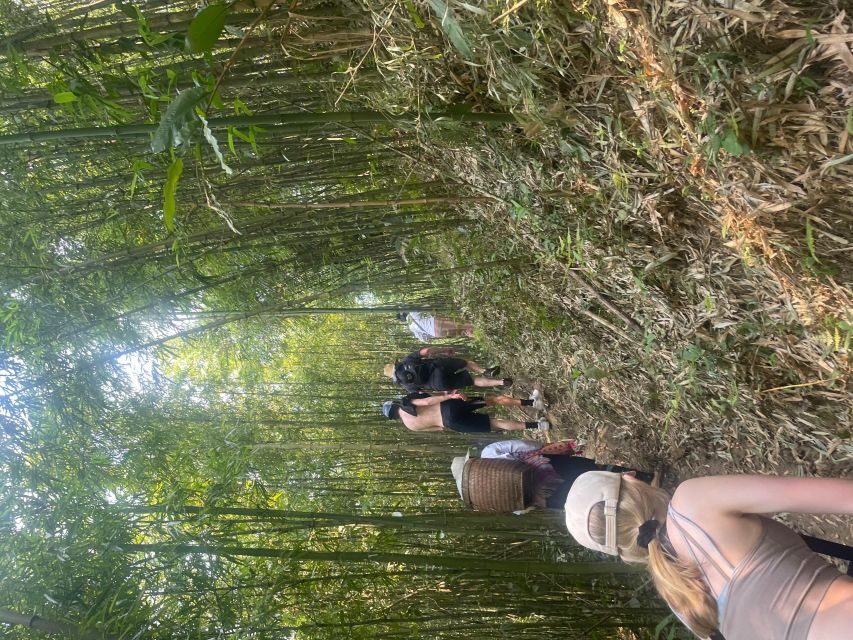
When you reach Lao Chai, the reward is the panorama: you’ll see the village layout, the river, and mountains stretching out as far as you can see. This is one of those moments where you’ll want to pause and actually look for a few minutes instead of just snapping photos.
Lao Chai is also where the cultural learning kicks in more directly. You’ll learn about and see traditional clothing worn by multiple groups, including Black Hmong, Flower Hmong, Red Hmong, Tay, and Dzay ethnic tribes. This kind of cultural info is strongest when your guide ties it to what you notice in the villages—colors, patterns, and how communities represent themselves.
One practical tip: take your time with this section. If you rush through the clothing explanation, you miss the context that makes it interesting. If you’re curious and ask questions, this part often becomes the memory you keep.
You can also read our reviews of more tours and experiences in Sa Pa
Ta Van Village: The Final Stretch Through Rolling Terraces
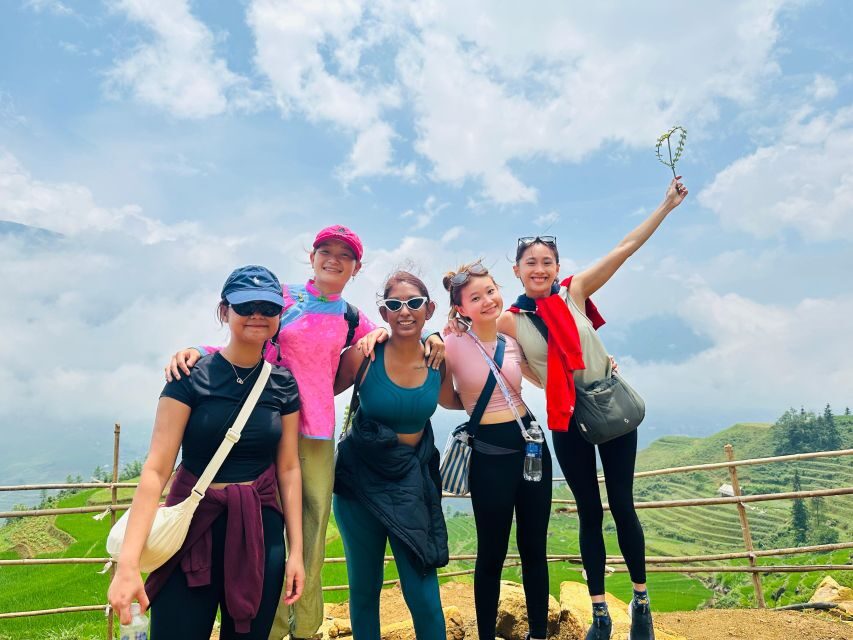
The last leg of the trek leads to Ta Van village. You’ll move through mountain valleys and rolling, iconic rice terraces as you head toward Ta Van, where the Dzay and Hmong ethnic groups have merged to live together in the mountains.
This end section feels like a slow landing: the walking continues, but the scenery and community vibe shift as you approach the final village. It’s a good moment to absorb what you’ve already learned earlier in the day—because by now you can start seeing patterns in how villages sit along terraces and river routes.
If the weather turns, Ta Van is also the kind of place where your guide can adjust the pace and route. The tour notes that the trek can be amended depending on weather and abilities, which helps if you’re not sure how your legs will handle the stairs-and-slopes style trekking.
Price and Value: What You Really Pay for at $24
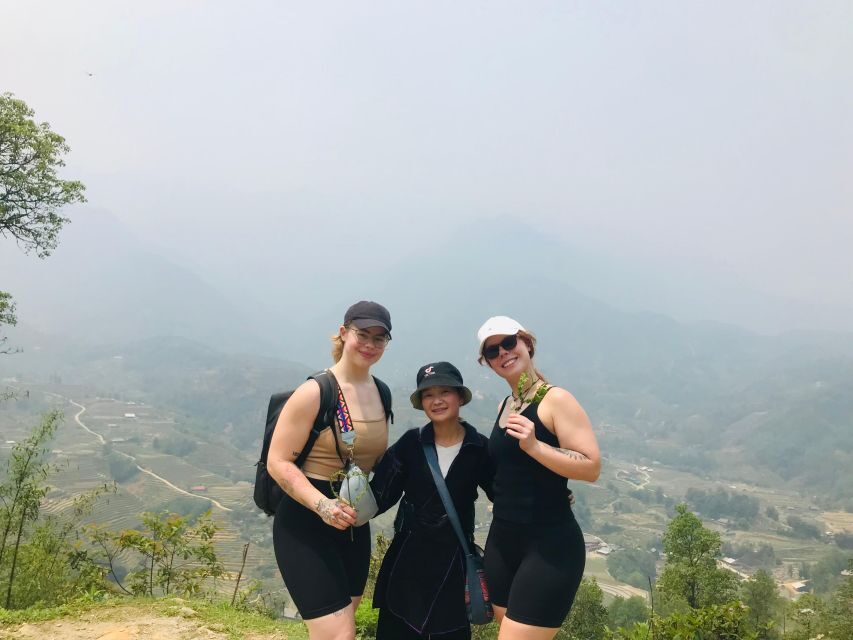
At $24 per person, this trek is priced like a practical half-day tour, but you’re paying for more than just walking.
Here’s what you get in a compact time window:
- A live English/Vietnamese guide
- Lunch cooked locally in the village (vegetarian options available)
- Water
- A small group capped at 10 participants
- Pickup included anywhere in Sapa
Value-wise, the best comparison isn’t another hike listing—it’s the cost of doing this yourself. If you try to replicate it solo, you’d still need a guide for cultural context, transport into the area, and a plan for a village lunch. This tour packages those pieces into one smooth day.
One caution on value: because you’re paying for pickup but return transport has been inconsistent in at least one real situation, I’d treat this as a “confirm the details” item before you book. Ask how the return to your hotel works in your exact case. That one question can save you money and frustration.
What to Pack for Sapa Terraces (No Guessing)
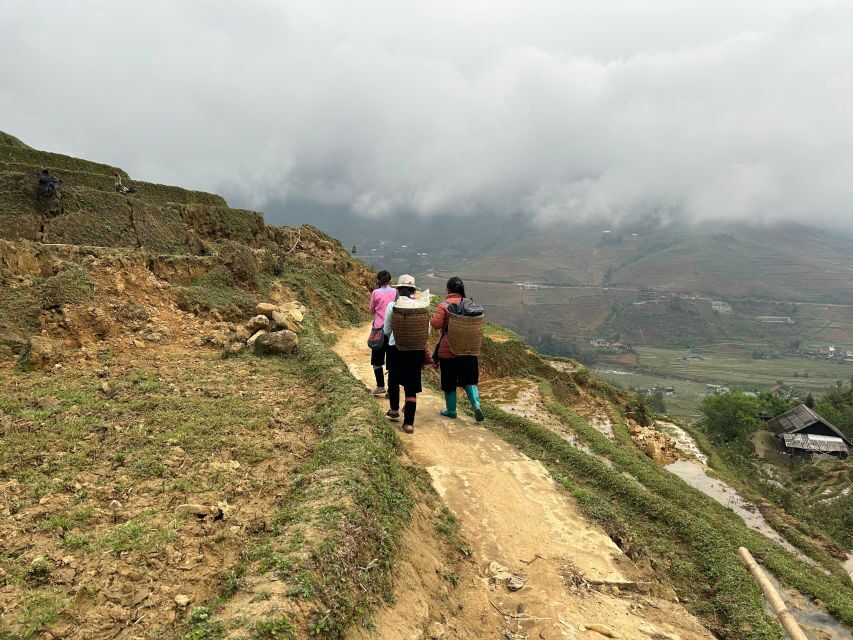
You’ll be on foot the whole time, so packing well matters. The tour recommends:
Bring:
- Insect repellent
- Trekking gear
- Sunscreen
- Rain gear
- Sports shoes (proper grip)
Not allowed:
- Oversize luggage
- Open-toed shoes, sandals, or flip-flops
Why this matters: Sapa trails can be uneven and can get muddy after rain. The wrong shoes turn a scenic walk into a painful one. If you only pack one thing beyond “normal day clothes,” pack good footwear.
Also, keep your hands free if you can. A small daypack makes the walking section easier, especially when you’re stopping for views.
Who This Trek Suits (and Who Should Rethink It)
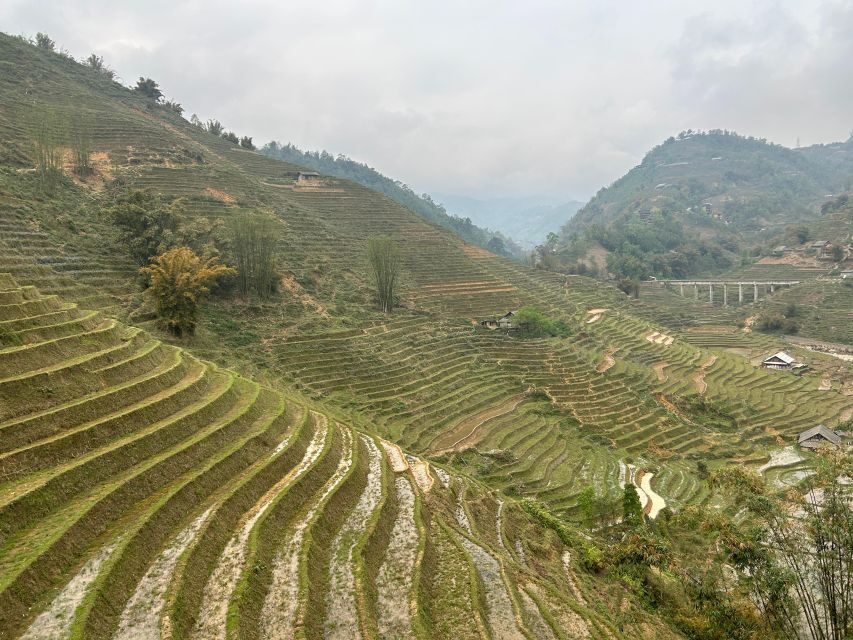
This is a great match if you want:
- A short trek (about 5 hours) with morning timing
- Terraced-field views plus village culture
- A guide who explains what you’re seeing and keeps it manageable in a small group
It’s also a practical option if you like flexibility. The trek can be amended for different abilities and weather.
But it’s not for everyone. The tour states it isn’t suitable for:
- Children under 2
- Pregnant women
- People with mobility impairments
- Wheelchair users
- People over 70
If you’re in any borderline category, ask questions before you go. With steep terrain and uneven paths, it’s better to be honest upfront than surprised later.
Should You Book This Sapa 1-Day Terraced Fields Trek?
I’d book it if you want a focused half-day that hits three things well: rice terrace scenery, authentic village lunch, and cultural learning with a local guide. The small group size and the route through Y Linh Ho, Lao Chai, and Ta Van make it feel like more than a quick sightseeing loop.
I’d hesitate only if you’re the type who hates dealing with transport details. Since pickup is included but the return taxi situation can vary, spend a minute confirming the return plan for your lodging in Sapa. Do that, and this becomes a strong value trek for a first Sapa experience.
FAQ
How long is the trekking tour?
The duration is listed as 5 hours.
Where does the tour meet?
You meet at Sa Pa Church in Sa Pa town at 9:00am.
What’s included in the price?
Lunch and water are included.
Is vegetarian lunch available?
Yes, vegetarian options are available.
What languages does the guide speak?
The live tour guide speaks English and Vietnamese.
Is pickup included?
Yes, pickup is included, and the provider says they can pick you up anywhere in Sapa.
What should I wear or bring?
Bring insect repellent, trekking gear, sunscreen, rain gear, and sports shoes. Open-toed shoes and sandals/flip-flops aren’t allowed.