REVIEW · SA PA
1-Day Sapa Long Trek – Rice Field Terrace, Ethnic Culture
Book on GetYourGuide →Operated by Cat ba memories · Bookable on GetYourGuide
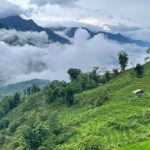
Foggy mountain mornings set the mood fast. This long day trek pairs terraced rice-field walks with real village life in Hmong and Giay communities. I like that it is organized enough to relax about logistics, but still feels like you are walking with locals, not just being transported between photo stops.
My favorite parts are the family-style lunch in Lao Chai Sang and the cultural lessons in Ta Van, including incense-making. The one drawback to consider is the footing: expect uneven, sometimes slippery trails, so it is not the best fit if you want an easy, flat stroll.
In This Review
- Key points before you go
- Why this Sapa long trek feels worth the effort
- Starting at 9:00 AM in Sapa and aiming for the Fansipan ridge
- Muong Hoa Valley walking and the Y Linh Ho river bridge moment
- Lao Chai Sang lunch: eating like a guest, not a customer
- A short cultural stop on Hmong clothing and natural dyes
- Ta Van Dzay village at mid-afternoon: incense-making and walks
- How long treks really feel: distance, mud, and pace
- Guides, English support, and the small-group advantage
- Price and value: what $24 includes and what might cost extra
- Who should book this trek (and who should choose something shorter)
- Should you book this Sapa long trek?
- FAQ
- What time does the trek start and how long is it?
- How big is the group and what languages will the guide speak?
- Is lunch included, and does it count as a traditional meal?
- Are village and national park fees included?
- What rain gear and drinks are provided?
- Do I need passport photos for Fansipan, and can I descend by cable car?
- Is this trek suitable for people with health or mobility issues?
Key points before you go
- Small group (up to 10): you move at a human pace and can ask questions along the way
- Village time, not just views: Lao Chai Sang lunch with a Hmong family and visits through Ta Van
- Hands-on cultural moments: you learn about incense-making, plus traditional clothing work with handwoven fabric and natural dyes
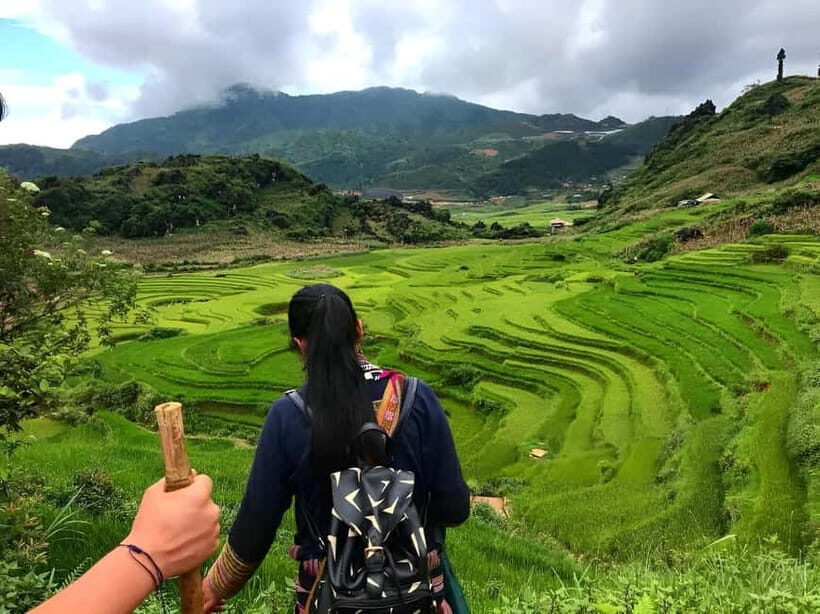
- Muong Hoa Valley walking: rice terraces, river crossings, and quieter paths away from main roads
- Rain-ready setup: ponchos/rain coats provided, but you still need grippy shoes
Why this Sapa long trek feels worth the effort
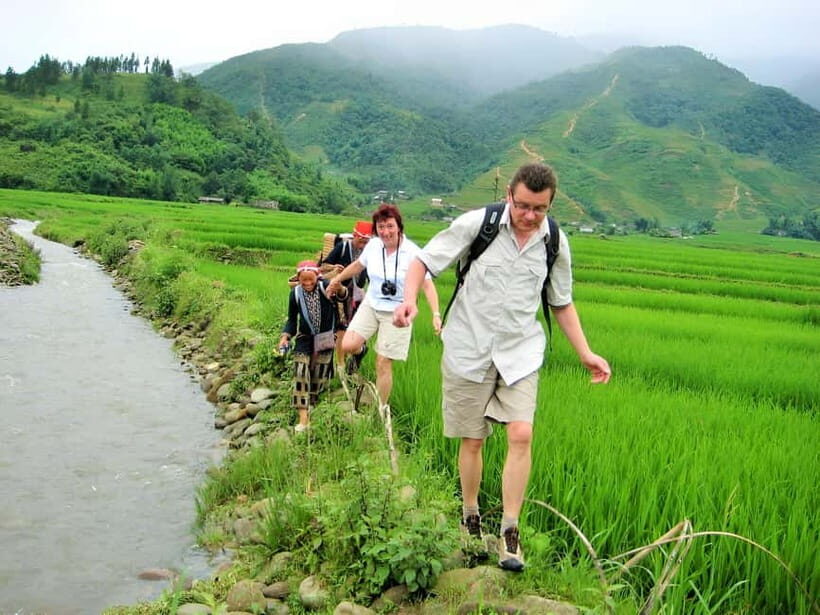
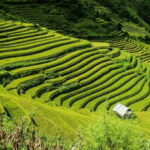
This is a full-on Sapa day: trail time, valley views, and several human encounters. You do not just look at the hills from a distance. You walk through the places where the rice terraces and daily work happen, then you sit down to eat with local families.
The biggest value is the mix: scenery plus culture plus food. That matters because Sapa can turn into a checklist fast. Here, your day has rhythm—walk, pause, learn, eat, walk again.
Also, the day is guided by local Hmong guides who speak English and Vietnamese. That is a practical advantage. You get translation for everyday details you would otherwise miss, like how village life connects to the hills and the seasons.
You can also read our reviews of more hiking tours in Sa Pa
Starting at 9:00 AM in Sapa and aiming for the Fansipan ridge
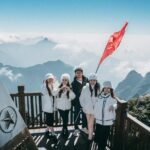
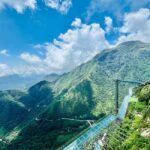
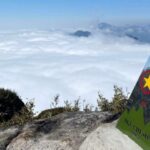
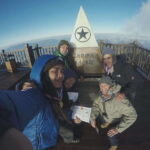
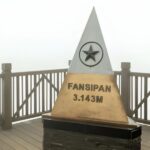
Your day begins at 9:00 AM in Sapa town, with hotel pickup (inside Sapa town). From there, you head upward toward a quiet ridge where you get a panoramic look toward Fansipan, known as the Roof of Indochina.
What you should expect here is not just a view stop. That early climb sets your mindset. The air often feels cooler the higher you go, and the mountains start to look less like a postcard and more like the full space your trek sits inside.
Possible drawback: if you are sensitive to heights or steep drop-offs, the ridge sections can feel a little exposed. The tour is also not listed as suitable for people afraid of heights, so be honest with yourself about that early uphill.
Muong Hoa Valley walking and the Y Linh Ho river bridge moment
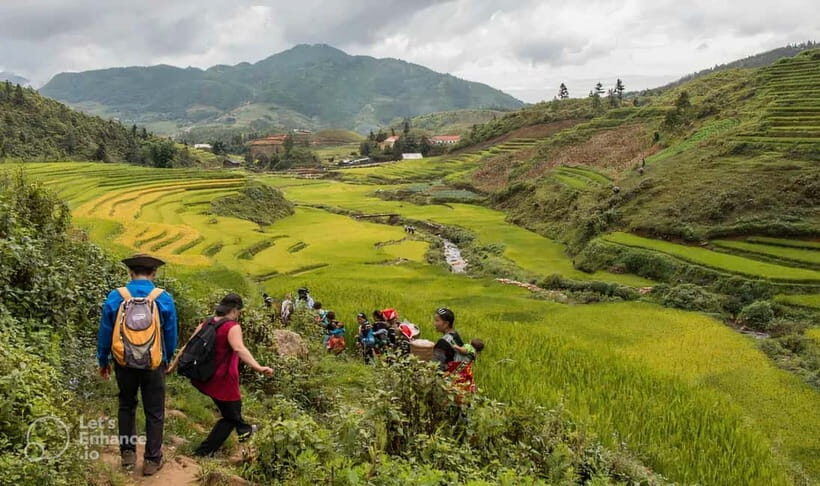
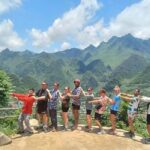
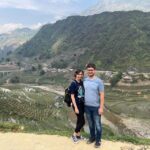
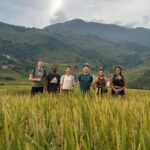
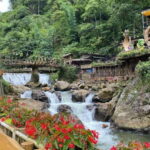
Around 11:00 AM, you reach Y Linh Ho, a peaceful Hmong village by a river. You cross a wooden bridge, then keep walking deeper through open rice fields with towering peaks around you.
This is where the trek stops being a sequence of waypoints and starts feeling like a real walk through the valley. You will likely hear the rhythm of rural life—birds, water, and the low ongoing sounds of fieldwork—more than you will hear traffic or crowds.
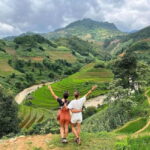
What I like about this part: the trail gives you little payoffs along the way. You get angles on terraces, river scenes, and mountain silhouettes that change as you descend.
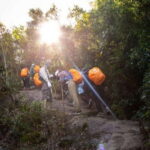
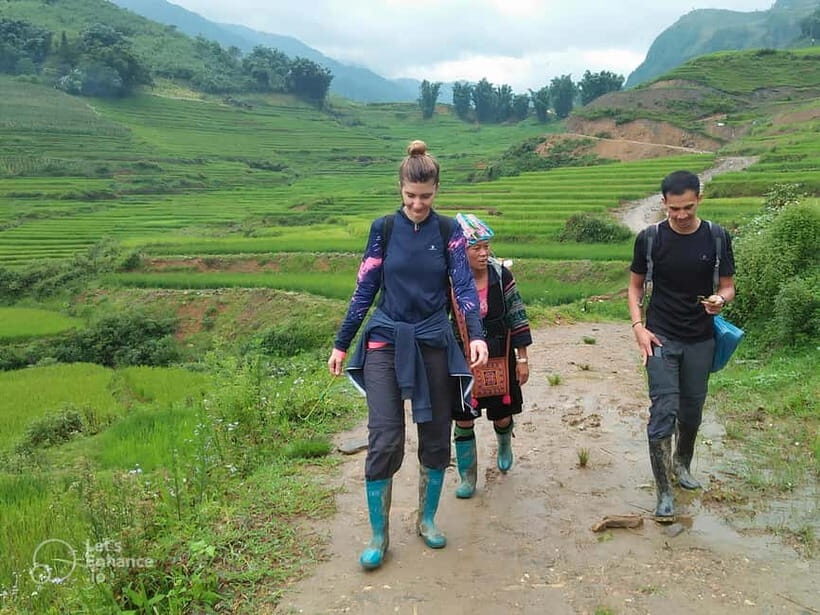
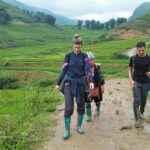
One consideration: if the weather has been wet, the trails can get slippery, especially in forested or muddy sections. Bring shoes with good grip. This is not the time for smooth-soled city sneakers.
Lao Chai Sang lunch: eating like a guest, not a customer
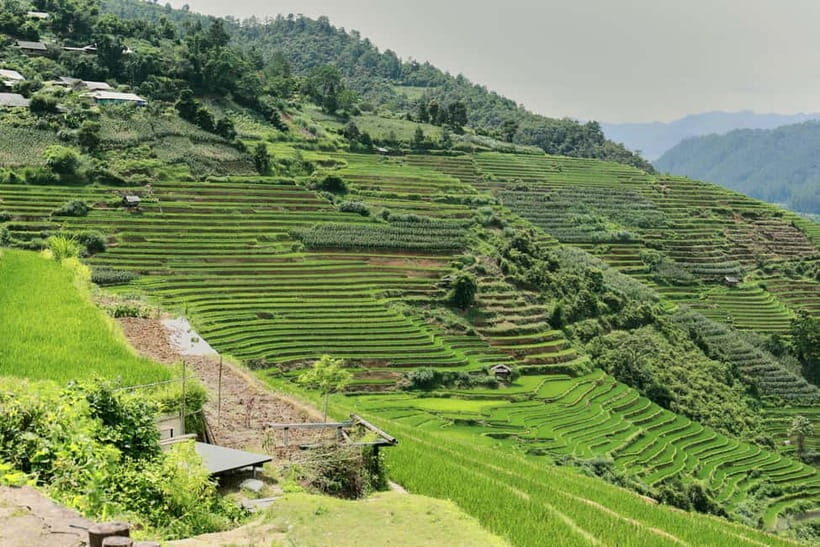
You arrive around 12:30 PM for lunch with a welcoming Hmong family in Lao Chai Sang. The meal is home-cooked and shared in a simple mountain home. Expect family-style dishes that feel like someone’s real everyday food, not a performance for tourists.
This stop is a big reason to book this trek instead of doing a short loop. A village lunch slows the day down just enough to make the walk feel meaningful. It also gives you context. After hours outside, food becomes part of the story: the valley provides, the families cook, and you get to experience that connection.
Practical tip: if you have dietary needs, tell the operator in advance so you can be catered for. The tour notes that dietary restrictions can be accommodated.
Also, bring a calm mindset. Village meals are not set up like a restaurant timeline. If you treat it like a sit-down lunch break rather than a quick lunch stop, you’ll get more out of it.
A short cultural stop on Hmong clothing and natural dyes
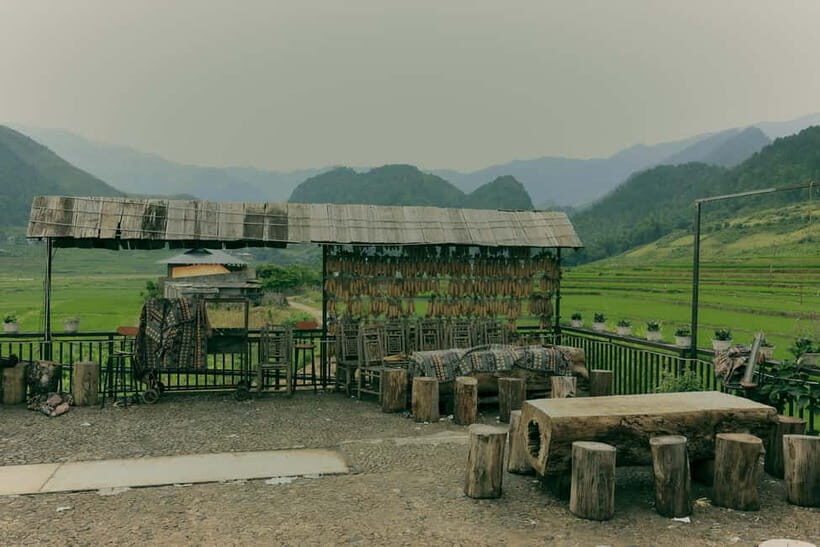
Around 2:00 PM, you visit a local stop focused on traditional clothing. You will see how Hmong people create beautiful garments using handwoven fabrics and natural dyes—a craft that takes time and skill.
This is one of those moments where you can learn without needing a classroom. You watch processes tied to daily materials and local knowledge, and you understand why patterns and colors matter in identity and tradition.
One thing to keep in mind: after craft demonstrations, you may have chances to buy items. Some people find this friendly; others find it a little pushy depending on the situation. If you do not want to shop, you can still enjoy the learning part—just be clear with your boundaries.
You can also read our reviews of more tours and experiences in Sa Pa
Ta Van Dzay village at mid-afternoon: incense-making and walks
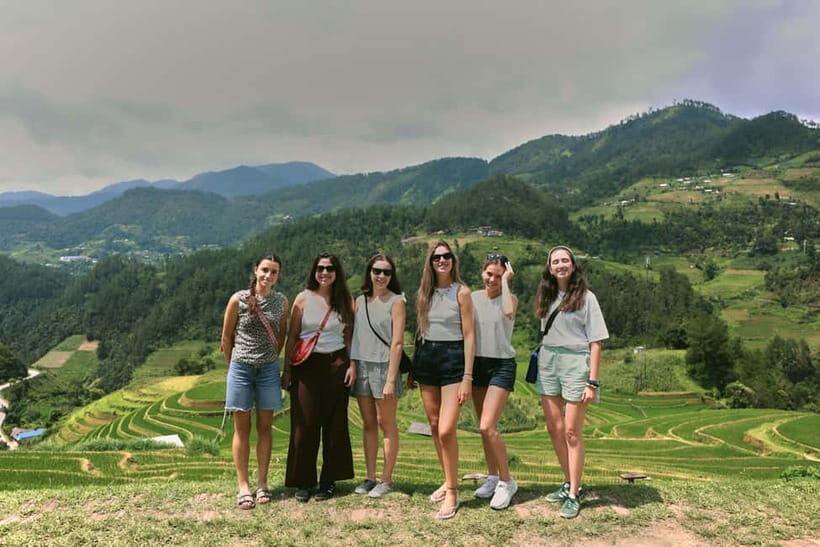
You reach Ta Van (a Dzay village area) around 3:00 PM. The program includes photo stops, visits, and a walk, plus a highlight listed as learning the traditional art of incense making.
This is a strong late-day segment because it shifts the focus from fields to village craft and daily spiritual life. Incense-making can be a quietly fascinating lesson. It is detailed, hands-on, and usually more grounded than a simple talk.
What I love here is the pace. By mid-afternoon, you have already built the day’s context with terraces, rivers, and lunch. Ta Van feels like the emotional landing: what people do inside their homes and community spaces.
How long treks really feel: distance, mud, and pace
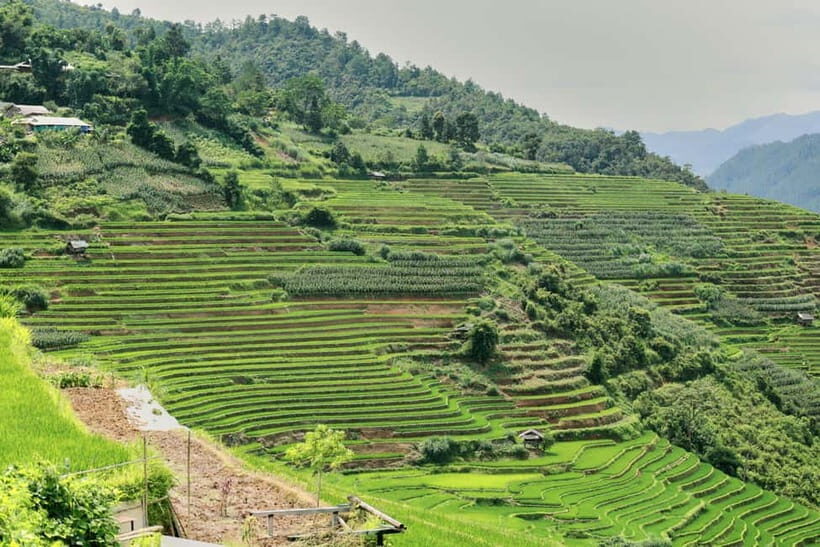
Even though this is listed as a 7-hour day, the walking load varies with route choices and conditions. Based on recent feedback, it can work out to roughly 12–15 km, with uneven, sometimes steep sections.
The trekking is not marketed as an easy hike. Some paths can be tricky, especially with wet ground. If it rained, expect mud. If it is dry, you will still feel the climbs and descents on your legs.
My practical advice:
- Wear hiking shoes with grippy soles.
- Pack insect repellent and consider a hat for sun or drizzle.
- Bring water and pace yourself on the uphills.
- If your guide asks about easier vs steeper paths, take the option that matches your comfort. You can still get great views.
Important note: the tour is not suitable for people with back problems, mobility impairments, heart problems, wheelchair users, fear of heights, visually impaired people, or pre-existing medical conditions. If any of those apply, skip this one.
Guides, English support, and the small-group advantage
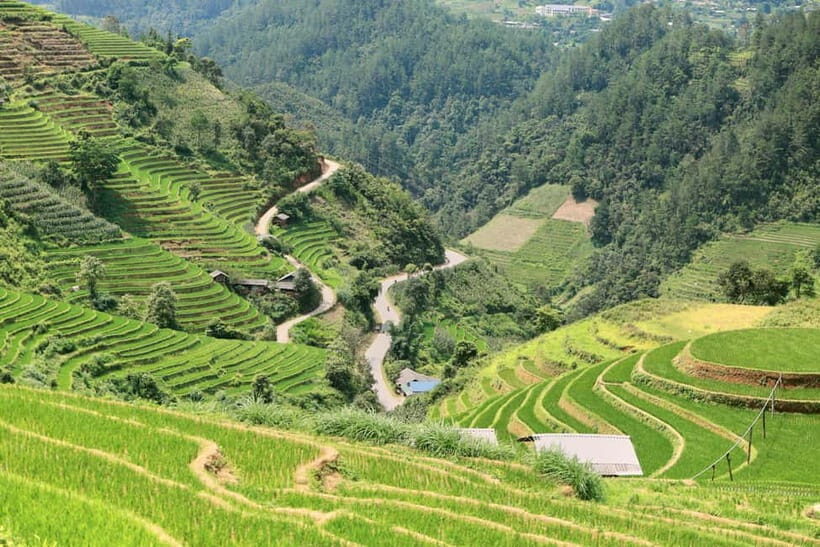
You get a friendly local Hmong guide who speaks English and Vietnamese, in a small group limited to 10 participants. That size matters. It makes it easier to stop for photos without holding everyone back, and it lets you ask questions in real time.
In practice, the best guides do two things well: they explain what you are looking at, and they adjust pace to the group. Many experiences with this kind of trek highlight guides who keep things organized while still going at a human speed.
If you want a quick gut check on fit, ask yourself this: do you enjoy talking with locals and asking questions? If yes, this format will feel natural.
Price and value: what $24 includes and what might cost extra
At $24 per person for a 7-hour guided trek, the value is mostly in the built-in structure. You are paying for:
- hotel pickup and drop-off within Sapa town
- a local guide (English/Vietnamese)
- entrance fees to villages
- home-cook lunch
- rain ponchos/rain coats and a small bottled water
- guidance that connects scenery to daily life
There are a few items to understand before you show up:
- Fansipan park entrance fees and a picnic lunch at a mid-mountain rest stop are included only for the Fansipan trekking part (if your exact option includes that).
- For Fansipan descent, you can choose descending by foot or cable car, and the cable car can carry an extra fee.
- Anything not listed in inclusions is on you.
Is it a bargain? Yes, mostly because food, guide time, and entry logistics are folded into the price. Most cheaper options either lack an involved guide or cut corners on meal support and rain readiness.
Who should book this trek (and who should choose something shorter)
This tour is a great match if you want:
- a guided day in the rice-terrace valleys
- village visits with cultural lessons, not only viewpoint hopping
- enough time to feel like you saw more than the main tourist circuit
- a moderate challenge as part of the fun
It might not be your best choice if you:
- need flat, low-effort walking
- get nervous on uneven ground
- have health or mobility limits listed as not suitable for this trek
- hate the idea that parts of the trail can be muddy in wet conditions
If you only have one morning in Sapa or you want low strain, a shorter trek could fit better. But if you want a full story with food and craft, this long trek delivers.
Should you book this Sapa long trek?
I would book this if your ideal Sapa day looks like walking through working countryside, eating a real village lunch, and learning something specific like incense-making or how clothing gets dyed and woven. The small-group setup and English support help you get answers without feeling rushed.
I would skip it if you want easy paths, have mobility or back/heart concerns, or you are strongly uncomfortable with steep or exposed sections. This is a mountain trek first, culture second, and both are worth it.
FAQ
What time does the trek start and how long is it?
The tour starts at 9:00 AM in Sapa town and runs for about 7 hours.
How big is the group and what languages will the guide speak?
It is a small group limited to 10 participants. The live guide speaks English and Vietnamese.
Is lunch included, and does it count as a traditional meal?
Yes. A home-cook lunch is included. The tour also notes they can cater for dietary restrictions if you let them know in advance.
Are village and national park fees included?
Entrance fees to villages are included. Fansipan national park entrance fees are included for the Fansipan trekking only, and a picnic lunch at a rest stop on Fansipan is included for Fansipan trekking only.
What rain gear and drinks are provided?
You receive rain ponchos/rain coats and a small bottled water.
Do I need passport photos for Fansipan, and can I descend by cable car?
For Fansipan trekking, you are supposed to send photos of your passport for national park registration. You can choose to descend by foot or cable car, and the cable car may involve an extra fee.
Is this trek suitable for people with health or mobility issues?
No. It is not suitable for people with back problems, mobility impairments, heart problems, wheelchair users, people afraid of heights, visually impaired people, or people with pre-existing medical conditions.