REVIEW · SA PA
From Sa Pa: One Day Fansipan Mountain Trek
Book on GetYourGuide →Operated by Vietnam Nomadtrails · Bookable on GetYourGuide
Fansipan Peak has a way of changing your day. You’ll hike Vietnam’s highest summit, also called the Roof of Indochina, through bamboo and rainforest, then earn big panoramic views around midday. I like the early start and the way the trip handles the logistics with pickup, an English-speaking guide, and permits/park fees taken care of. I also love the payoff at the top—on clear days you can even catch distant mountain lines toward China. The main drawback: this is genuinely hard, and heavy rain can cancel or delay the trek, so you need a solid fitness level and a bit of weather flexibility.
You’ll start around 6:00 AM in Sa Pa, transfer to Tram Ton Pass (1,994m), and cover about 28 km round-trip in roughly 9 to 10 hours. Expect steep sections with stairs in places, plus muddy or slippery moments depending on conditions. Plan your pace, bring the right shoes, and treat this like a proper hike, not a scenic stroll.
In This Review
- Key Things to Know Before You Go
- Fansipan Peak: What You’re Really Signing Up For
- From Sa Pa to Tram Ton Pass at 1,994m
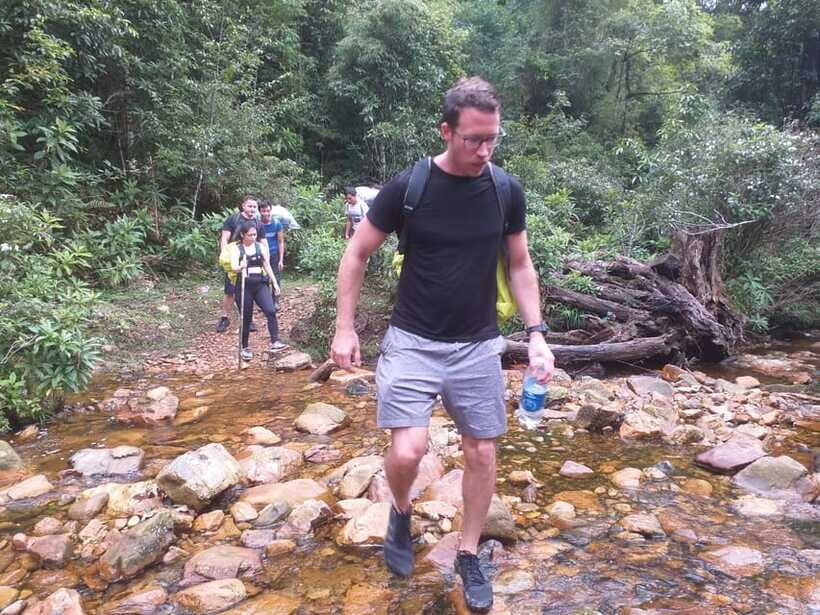
- The Climb Through Bamboo, Rainforest, and Stream Crossings
- Lunch Stop and the Slow Shift Toward the Summit
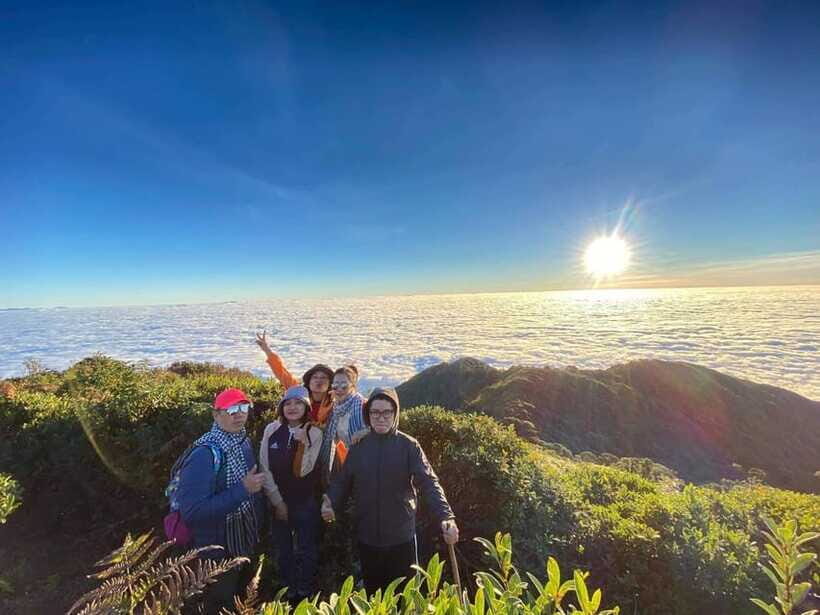
- Summit Timing, Views, and When Clouds Win
- Descent Choices: Cable Car Down or Hike Back to Tram Ton
- Price and Value: Is 79 USD a Good Deal?
- Gear, Safety, and Who Should Skip This Trek
- Should You Book This One-Day Fansipan Trek?
- FAQ
- What time does the one-day trek to Fansipan start?
- How long is the hike and what distance should I expect?
- Where does the trek start?
- What time do you reach the summit?
- Is lunch included, and can I get a vegetarian option?
- Are cable car tickets included in the price?
- What is included in the $79 per person price?
- What do I need to bring, and what should I avoid?
Key Things to Know Before You Go
- Roof of Indochina summit goal: Fansipan is 3,143m, with a target summit time around 11:30 AM to 12:00 PM
- Real trail effort: about 28 km round-trip and typically 9–10 hours, with challenging climbs
- Jungle-to-panorama route: bamboo, rainforest, and stream crossings make the day feel varied
- Lunch is included: a normal or vegetarian meal is provided, but bring a flexible mindset
- Descent is your choice: cable car down (extra cost) or hike back to Tram Ton Pass
- Weather matters: heavy rain can cause the trek to be canceled or delayed
Fansipan Peak: What You’re Really Signing Up For
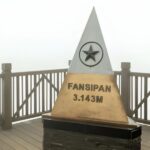
Fansipan is the kind of challenge that feels straightforward on paper and very physical on your legs. The goal is the summit of Vietnam’s highest peak—3,143 meters—starting from Tram Ton Pass at 1,994 meters. That vertical difference, plus long distance (about 28 km), is why this isn’t an easy “one-day adventure.”
What makes this trek special is the blend of ecosystems you experience while you climb. You start in cooler, forested terrain and work your way through dense bamboo and rainforest conditions. As you gain elevation, the day shifts from green, wet jungle textures toward open mountain views at the top. If you’re the type who likes earning the view, this fits.
The other reality check: this is demanding and should be reserved for strong hikers. The operator explicitly notes it’s not suitable for people with altitude sickness concerns, those afraid of heights, low fitness, children under 16, pregnant women, and people over 70. If you’re unsure, be honest with yourself—this route can test you before you even reach the big reward.
You can also read our reviews of more hiking tours in Sa Pa

From Sa Pa to Tram Ton Pass at 1,994m
Most days begin around 6:00 AM. After early breakfast (at your own expense), you’ll transfer by car or van to Tram Ton Pass, which sits at 1,994 meters above sea level. This transfer matters because it “starts the climb” at elevation, so you’re not wasting daylight on a slow build-up from town.
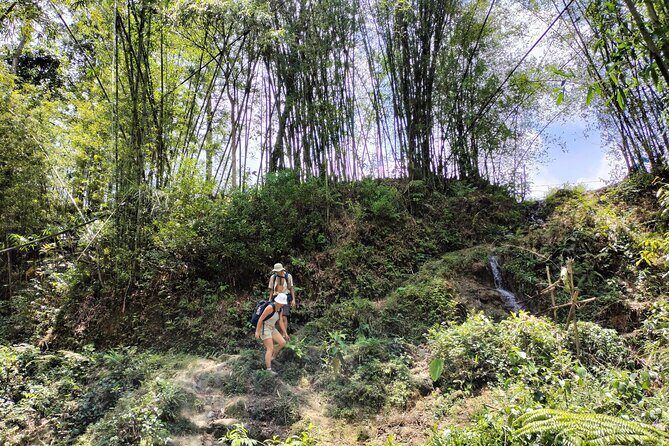
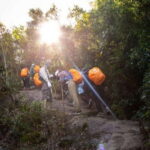
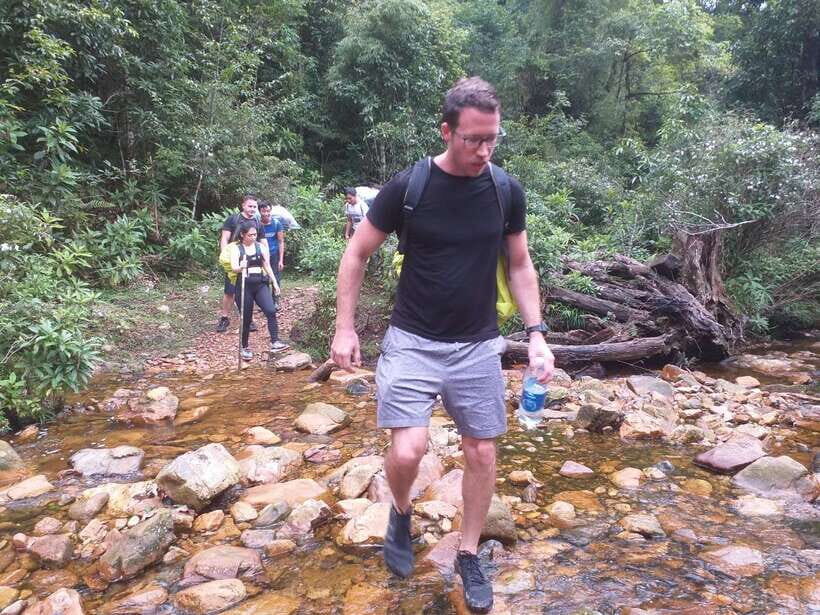
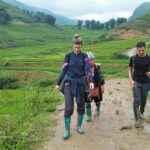
From there, the trek turns into a true hike right away. You’ll move through bamboo and lush rainforest, crossing streams along the way. Even if you’re an experienced trekker, the opening stretch can feel busy on your body—because you’re adjusting to altitude and working uphill from the first hours.
A practical point: you’re provided bottled water (2 liters per person per day). Still, don’t treat that as permission to ignore your hydration. If it’s warm or humid, you’ll go through it faster, especially with a steady climb.
The Climb Through Bamboo, Rainforest, and Stream Crossings
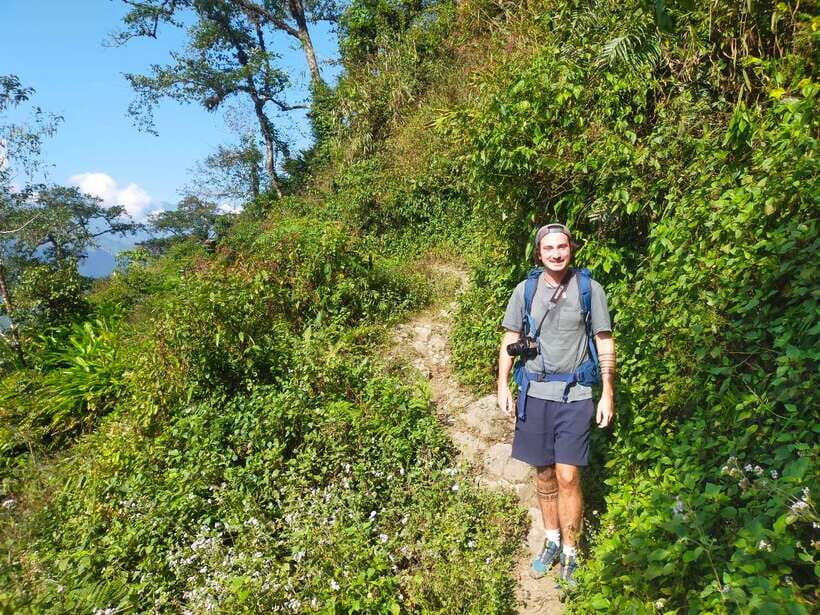
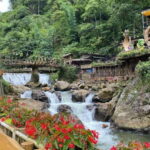
The middle of the trek is where the day earns its reputation. The trail is full of jungle moments—dense vegetation, damp air, and the constant sound of water nearby as you cross streams. This is one reason the day doesn’t feel monotonous. Even when your legs are burning, your surroundings keep changing.
There are also sections that can be physically tricky. Expect slippery spots depending on conditions, and in some places you’ll deal with rock faces and metal ladders. That combination means you’ll want more than just decent shoes—you’ll want grip, good socks, and careful footwork. If you rush, it gets harder for no reason.
On pacing: a strong part of the experience is that your guide can adapt to your rhythm. In particular, the trip is run with an English-speaking guide, and at least one named guide you may encounter—Hezikiah—was praised for taking good care of the group. Even if your guide isn’t a nonstop talker, the best guides focus on safety and timing. You’ll notice it when the hike stays manageable rather than chaotic.
Lunch Stop and the Slow Shift Toward the Summit
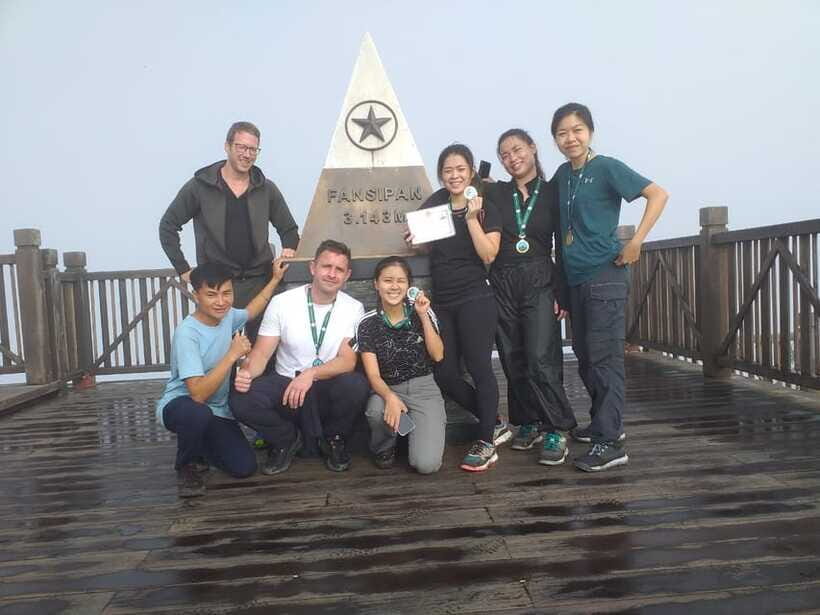
You’ll pause for lunch after you’ve been on the trail for a while. Lunch is included, and you can request a normal meal or vegetarian food (it’s described as possible). In an ideal world, you’ll be energized and ready for the final push. In a less-than-ideal world, lunch can arrive cool, which disappointed at least one person doing the hike. So don’t build your whole mood around the food temperature. Build it around the fact that you’re already earning the summit.
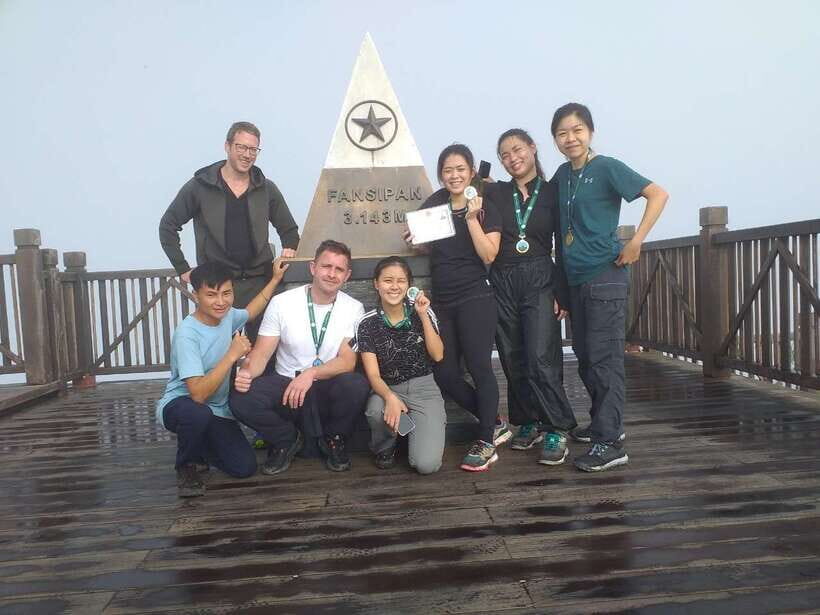
After lunch, the day gets more focused. The climb is still working your legs, but your mind starts counting toward the summit window. The schedule target is reaching the top around 11:30 AM to 12:00 PM—time enough to rest, take photos, and enjoy the views before you start descending.
If the weather is clear, this is the period when the mountain feel turns dramatic. You might even catch a glimpse of high mountains toward China on clear days. That’s not guaranteed, but it’s exactly why morning-to-midday timing helps. You’re more likely to see something than if the top happens at the hour when cloud cover rolls in.
Summit Timing, Views, and When Clouds Win
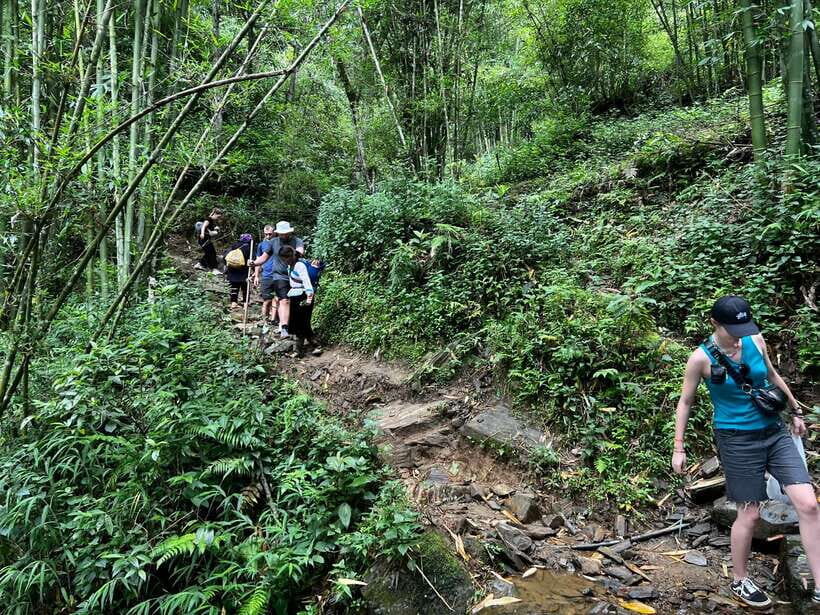
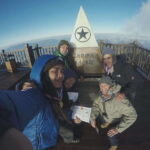
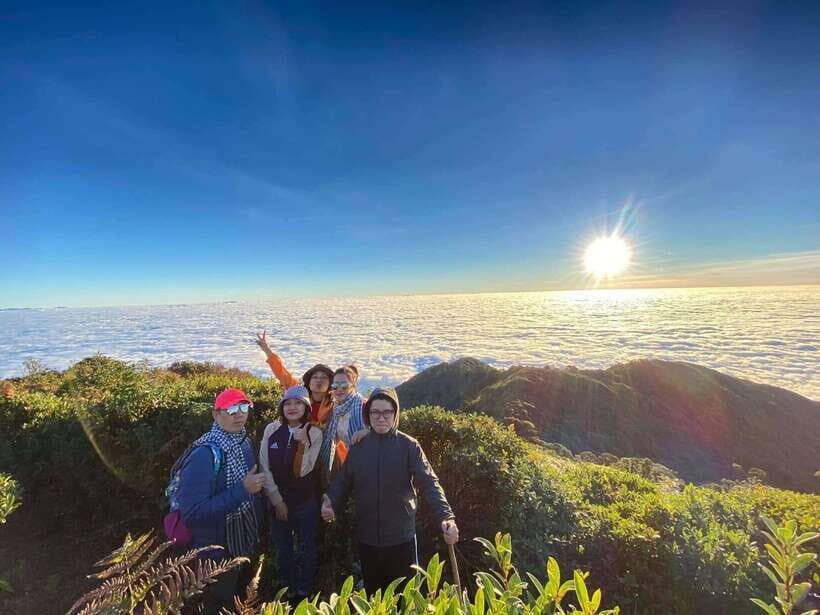
Reaching Fansipan’s summit is the big moment. The trek is designed so you’re at the top before the afternoon fatigue gets too heavy. When you arrive, you’ll have time to rest and take in the panoramic mountain views around Sa Pa.
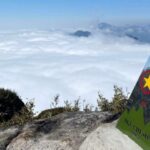
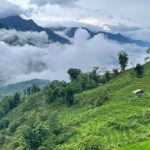
Here’s the honest part: visibility can be a coin toss. If clouds roll in, you may get mostly cloud at the top. That happened to some hikers, and it can make the summit feel more like a cold room than a postcard. Still, you’ll likely appreciate the climb more once you see how the effort pays off later in the day and how steep terrain builds toward a real high point.
If clear weather shows up, don’t just snap photos and sprint back. Sit for a few minutes, take in the scale, and let your brain catch up with your legs. This is where the “Roof of Indochina” idea makes sense. You’re standing on the highest peak in Vietnam, and the geography around Sa Pa looks totally different from above tree level.
You can also read our reviews of more tours and experiences in Sa Pa
Descent Choices: Cable Car Down or Hike Back to Tram Ton
The descent gives you flexibility, and that flexibility is worth thinking about before you start. After the summit, you have two options:
1) Take the cable car down to Sa Pa
Cable car tickets are not included, so you pay separately. People sometimes find the cable car cost hard to swallow, especially when they feel like the pricing doesn’t line up with what they assumed for a round-trip mindset. Still, if your legs are already cooked, cable car can save you from turning a tough day into a miserable one.
2) Hike back down the same route to Tram Ton Pass
This keeps the experience consistent: you’re retracing your steps with fewer decisions, just more time on your feet. Your driver will pick you up at Tram Ton Pass afterward and return you to Sa Pa.
In one common “happy compromise” approach, hikers who were concerned about stamina did the steep climb up and then used the cable car to come down. That turns the day into a challenge you manage rather than an endurance test you suffer through.
One caution either way: if you take the cable car, don’t assume it’s the easy button. The hike up still requires strong legs and steady balance, especially in slippery sections with ladders or rock faces.
Price and Value: Is 79 USD a Good Deal?
The price is listed at $79 per person. At this level, the value comes from what’s included, not from fancy extras.
What you do get:
- Hotel or homestay pickup in Sa Pa center (or meeting point at 013 Tue Tinh street) and return to the same spot
- An English-speaking guide
- National park entrance fee, plus Vietnamese insurance of the national park day tour
- Permission/authorization for the trek
- Lunch (normal or vegetarian)
- Water: 2 liters per person per day (bottled mineral water)
- A certificate honored by the National park Department
What you don’t get:
- Cable car tickets (if you use them), monorail, funicular
- Trekking gear (raincoat, backpack, trekking sticks, trekking shoes, and more)
- Soft drinks
- Personal travel insurance
- Tips for guide/driver
- Lunar New Year surcharge (not always relevant, but it can apply from late Jan to early Feb depending on the year)
So is $79 good value? For a day that covers roughly 28 km, includes guide, permits, park fees, lunch, and a big chunk of logistics, it can be a solid deal—especially if you don’t want to organize permits and transfers yourself. The “gotcha” cost is mostly the descent choice. If you take the cable car, budget for it. If you hike down, you trade money for more leg work.
Gear, Safety, and Who Should Skip This Trek
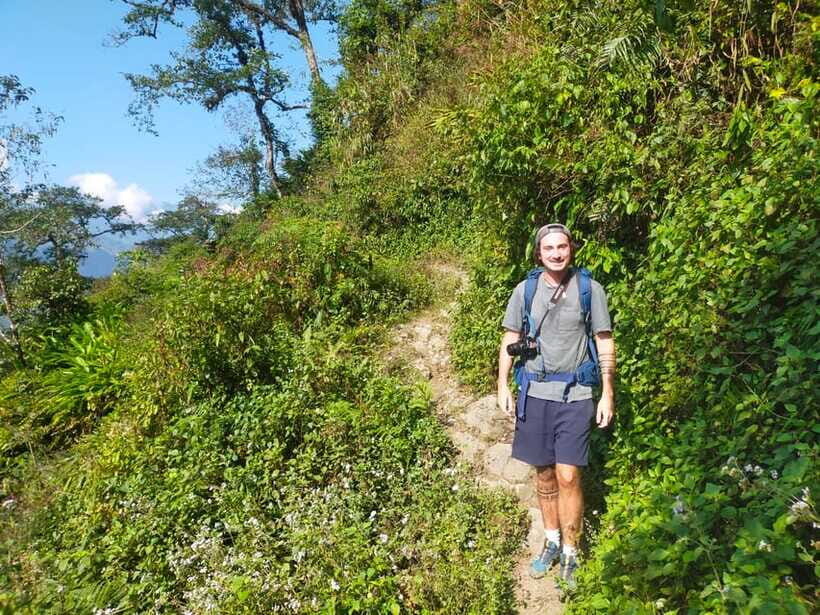
Fansipan is not the place for vague shoe choices. The trek starts with a transfer to high elevation and then asks your legs to climb for hours. You should bring hiking shoes, comfortable clothes, long pants, sunscreen, and an insect repellent that’s biodegradable. The trek also notes passport or ID card.
You should also pack for conditions that change fast. Even without heavy rain, the trail can be slippery in places. The climb can include rock faces and metal ladders, so footwear grip is not optional. Trekking sticks can help too, even if they aren’t included.
Safety-wise, the operator is clear about limits. This trek isn’t suitable for:
- Children under 16
- Pregnant women
- People with fear of heights
- People with altitude sickness concerns
- People with low fitness level
- People over 70
Also, the trek may be canceled or delayed during heavy rain.
If any of those points feel too close to your own situation, it’s smarter to choose a different trek. I know it’s tempting to chase the summit in a day, but a safer plan beats a risky one.
Should You Book This One-Day Fansipan Trek?
Book it if you want one long, physical day with a real destination: the highest peak in Vietnam. You’ll get a structured trip with pickup, guide, permits, park fees, lunch, and 2 liters of water, and you’ll spend your day hiking through bamboo and rainforest before stepping out for panoramic views around midday. If you’re comfortable with steep terrain and can handle slippery spots, the challenge feels worth it.
Don’t book it if:
- You’re not confident with steep stairs and long distance
- You’re afraid of heights or you’ve struggled with altitude before
- You’re traveling with a tight schedule and can’t deal with possible rain delays
- You’re hoping for an easy scenic walk
If you’re trying to decide between “cable car down” and “hike both ways,” pick based on your leg stamina. Doing only the climb up and taking the cable car down is a practical way to enjoy the summit without turning the descent into a second ordeal.
FAQ
What time does the one-day trek to Fansipan start?
The trek typically begins around 6:00 AM, after an early breakfast that you pay for yourself.
How long is the hike and what distance should I expect?
It’s about 28 km round-trip and usually takes between 9 and 10 hours.
Where does the trek start?
You transfer to Tram Ton Pass at an altitude of 1,994 meters, and that’s the starting point for the trek.
What time do you reach the summit?
The schedule target is around 11:30 AM to 12:00 PM.
Is lunch included, and can I get a vegetarian option?
Yes. Lunch is included, and the tour says it’s possible to choose normal or vegetarian food.
Are cable car tickets included in the price?
No. Cable car tickets are not included, and if you choose the cable car for the descent, you pay for it separately.
What is included in the $79 per person price?
Pickup and drop-off in Sa Pa, an English-speaking guide, national park entrance fee and national park day-tour insurance, permits, lunch, 2 liters of bottled water per person, and a certificate honored by the National park Department.
What do I need to bring, and what should I avoid?
Bring a passport or ID card, hiking shoes, sunscreen, comfortable clothes (long pants), biodegradable insect repellent, and trekking gear. The tour also lists rules like no pets, no electric wheelchairs, and no firework/explosive substances or nudity.