REVIEW · SA PA
In Sapa: 1 Day Mountain Trek, Visit beautiful villages
Book on GetYourGuide →Operated by Viet Nam Explore Travel · Bookable on GetYourGuide
One steep ridge away from big-time views. This Sapa 1 Day Mountain Trek mixes hard walking with village time, so you get both the scenery and the people of the Black Hmong communities around Muong Hoa Valley.
What I like most is the combo of views and context. From Sa Seng mountain, you’ll look out toward Fansipan and down over the rice terraces in Muong Hoa Valley, then spend the rest of the day meeting families and hearing how daily work fits into traditions taught by guides like Moa and Mao.
The main consideration: it’s not a lazy stroll. You’ll do a hard climb, then steady descents, and if the weather turns wet the trail can get muddy or slippery. And like any popular village route, you may run into some shop-sellers along the way.
In This Review
- Key highlights you should care about
- Sa Seng Mountain: the climb with payoff built in
- Fansipan and Muong Hoa Valley: seeing rice terraces from above
- Hang Da: the Black Hmong village stop that shifts the day’s tempo
- Muong Hoa Valley villages plus animals and a real lunch
- Hau Thao Village: where daily work meets cultural stories
- Giang Ta Chai: the walk that ends near transport
- Pace, group size, and what to wear so the trek feels fair
- Meeting at Sapa TT Homestay and starting the day smoothly
- Price and value: why $24 can be a good deal here
- Who should book the Hau Thao 1-day trek
- Should you book this Sapa 1 Day Mountain Trek?
- FAQ
- How long is the Sapa 1 Day Mountain Trek?
- What villages are visited on this trek?
- How difficult is the hike?
- Is lunch included?
- Does the tour include a guide, and what language do they speak?
- Is the group size small?
- What is included in the price besides the guide and lunch?
- What should I bring?
- Is the trek suitable for people with mobility impairments or wheelchair users?
- What is the cancellation policy?
Key highlights you should care about
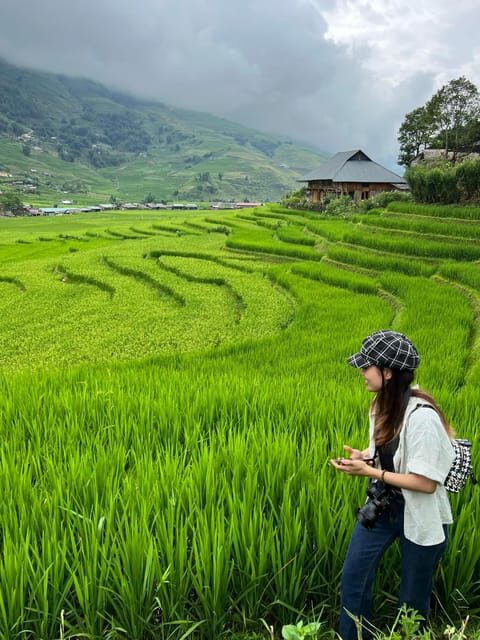
- Sa Seng top views of Fansipan and sweeping Muong Hoa Valley rice terraces
- Hang Da and Hau Thao villages with real day-to-day farming scenes
- Black Hmong culture lessons through stories on marriage traditions, rice work, and house building
- Family-run lunch stop where the food is local and the pace slows down
- Small group size (up to 10) so the guide can keep your walking pace realistic
- Trek includes a tough-but-doable section with steep parts and potential mud after rain
Sa Seng Mountain: the climb with payoff built in
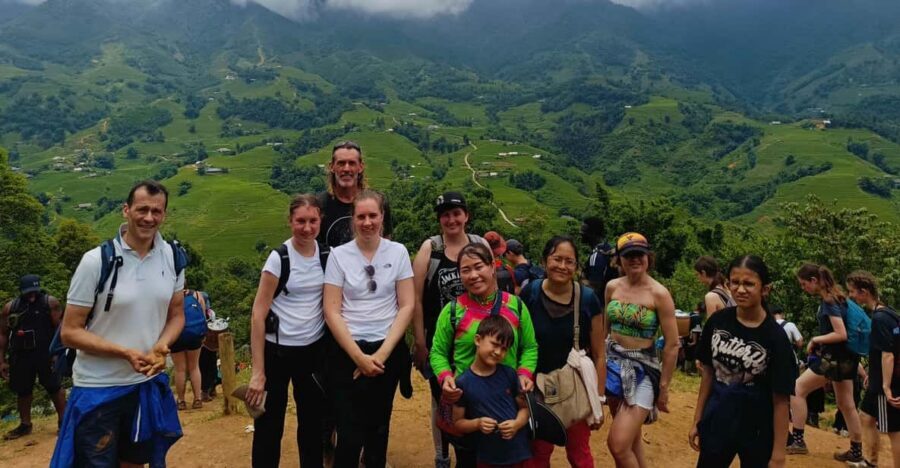
Your day starts early, with a van pick-up that connects you to the trail route. If you’re using Sapa TT Homestay as your starting point, plan to arrive around 30 minutes early so you can check in, store luggage, and get a pre-trek briefing before heading out. The homestay setting is quieter than the center of Sapa, and the location makes it easy to meet your group and settle in.
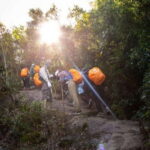
After a short intro, the hike begins with a small uphill stretch on a trail that slowly becomes a proper uphill workout. The itinerary calls it about a 1-hour hard trek after the initial approach, and that matches what makes this tour feel like a mountain walk rather than a casual village stroll. You’ll be going up toward Sa Seng mountain, where the reward is a wide, high viewpoint over the region.
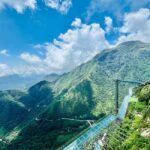
From the top, the route is designed around the big sights: Fansipan (3143m) on a clear day, the view back toward Sapa town, and the famous rice terraces stretching through Muong Hoa Valley. You also get a sense of scale from the valley and the main river cutting through the area. It’s the kind of viewpoint that helps you understand why people come to Sapa in the first place: the mountains aren’t just pretty backdrops here. They shape where farming happens and how villages are placed.
You can also read our reviews of more hiking tours in Sa Pa

Fansipan and Muong Hoa Valley: seeing rice terraces from above
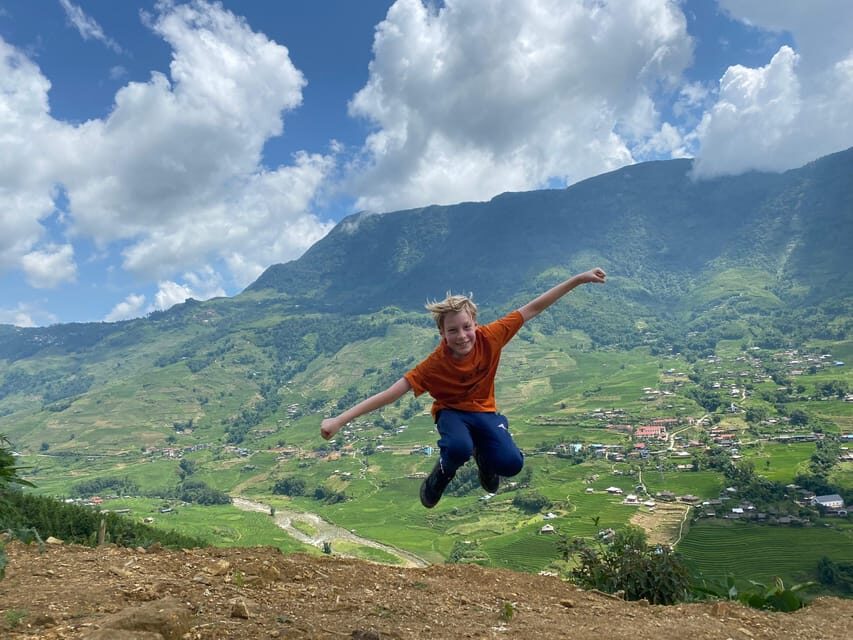
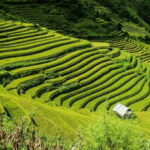
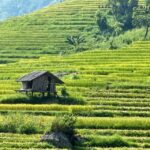
Most Sapa days include rice terraces, but this trek helps you see them with depth. From Sa Seng mountain, you’re not just photographing a field at ground level. You’re looking down across terraces that feel layered, with the valley floor and waterway pattern making the whole area make sense.
This matters because rice terraces are more than scenery here. They’re the result of careful labor, and that shows up later when you step into village life. The tour uses the viewpoint as a kind of map for the rest of the day: you look down now, then you walk toward the villages later, so you can connect the terraces you saw with the work people do every season.
If you’re traveling in harvest season, you’ll likely catch terraces at their most striking color. The tour runs year-round, but the timing of your visit can change what the fields look like. Either way, going up first tends to be a smart move: you get the clearest shot before the later village sections where the trail and weather can make views shorter and more framed.
Hang Da: the Black Hmong village stop that shifts the day’s tempo
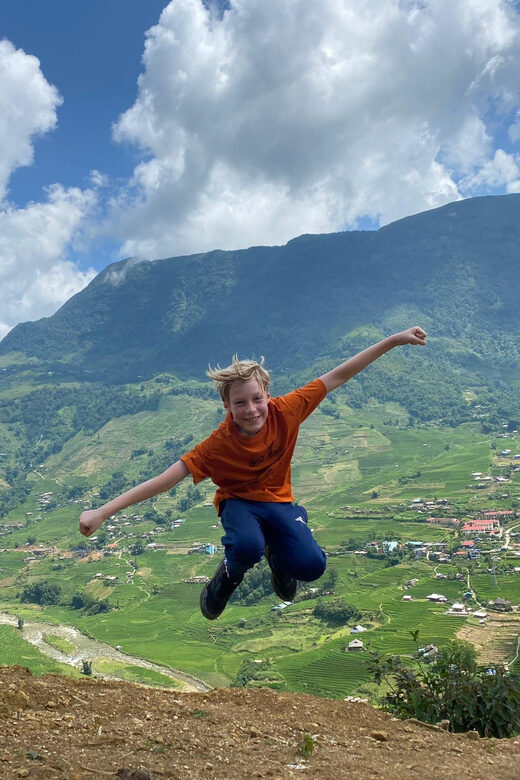
After the top viewpoint, you start moving downhill along the mountainside. The next stop is Hang Da, a village of the Black Hmong minority. This is where the tour slows down from “climb and look” to “walk and understand.”
You’ll also get a peek at local farm animals as the route passes through areas where they’re part of everyday life. The tour specifically includes chances to see water buffalo and other farm animals like pigs. It’s not a zoo stop. It’s just a reminder that farming is the foundation of the community economy and rhythm.
One practical benefit of this part of the day: the route gives you a chance to regroup after the main climb. If your legs are feeling it, the downhill sections still require care, but the walking pace is part of how your guide keeps the group together. Small-group trekking matters here. With a maximum of 10 participants, it’s easier for your guide to adjust pace and waiting points so nobody gets left behind.
Muong Hoa Valley villages plus animals and a real lunch
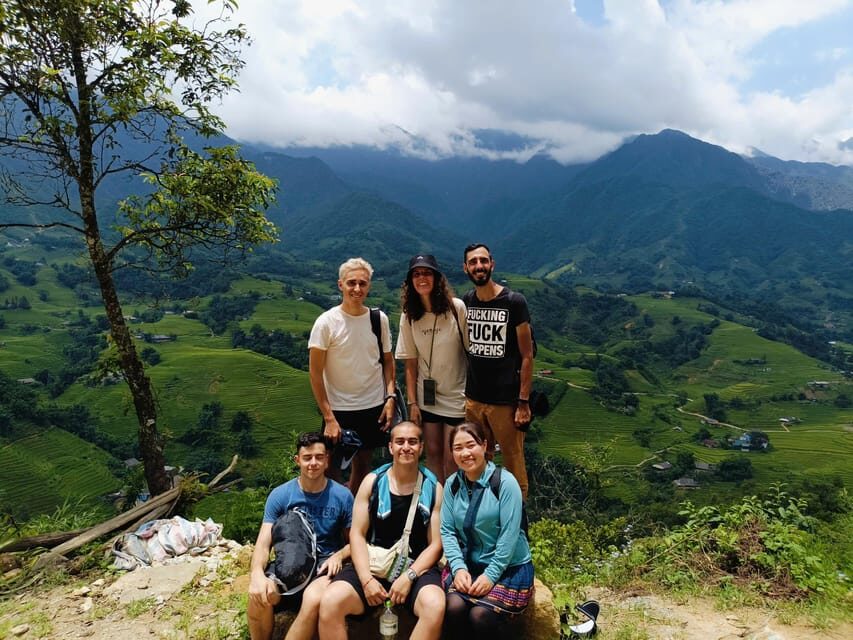
Next comes lunch at a small restaurant run by a local family. This is one of those stops that often decides whether a trek feels like an ordeal or a pleasure. Here, you get a traditional lunch included in the price, so you’re not scrambling for food while trying to keep hiking.
The best part is the setting. Eating with locals rather than at a generic tourist spot gives you a chance to refuel while staying in the day’s story: farming, village life, and the practical routines that keep people fed and busy. Even when you’re focused on photos, you’ll likely appreciate that the lunch break is planned with timing in mind, not tacked on at random.
After lunch, the route transitions again, shifting you from Hang Da toward Hau Thao by way of smaller roads and continuing trail sections. This is when the day starts to feel more like a village walk than a viewpoint-and-go tour.
Hau Thao Village: where daily work meets cultural stories
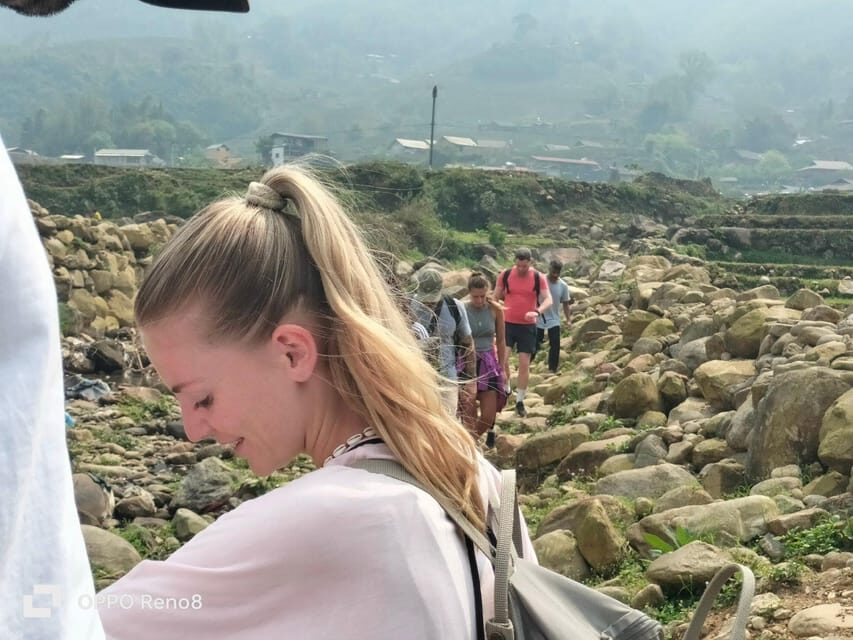
Hau Thao is the big village focus of this itinerary. Once you arrive, you’re in a place where you can actually see the day’s rhythm, especially if timing lines up with field work. The tour describes village moments like people working on rice fields, including harvesting and planting.
That’s why this stop matters. You’re not just hearing about culture through a guide’s script. You’re seeing the setting where the culture lives: houses, fields, and the daily schedule that shapes everything from meals to family roles.
Your English-speaking guide explains Hmong marriage traditions and also shares how rice-field work and house building techniques fit into community life. This kind of interpretation is more useful than it sounds, because it connects what you see with why people do it. And guides such as Sung, Soso, and Moa show up in experiences like this by putting stories into context rather than throwing facts at you.
One note to keep expectations realistic: village routes sometimes include small selling moments. The tour doesn’t advertise this as a central feature, but it can happen naturally when you pass through homes and roadside areas. If you’re trying to keep your attention on the fields and families, a polite but firm approach helps. You don’t have to engage every time someone offers something.
You can also read our reviews of more tours and experiences in Sa Pa
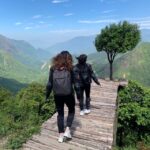
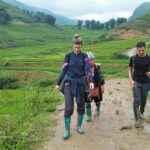
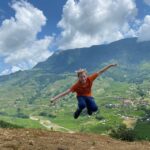
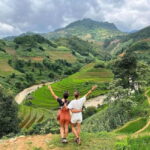
Giang Ta Chai: the walk that ends near transport
By mid-afternoon, the plan moves toward Giang Ta Chai. Around 15:30, you walk to this village area where transport waits on the main road, and then you head back toward Sapa.
This is a nice way to end: you get one last stretch of walking time without needing to cram in extra “must-see” stops. It also tends to make the logistics simpler. Instead of a confusing scramble at the end of a long day, you’re walking to a known pick-up spot.
It’s also a good moment to pay attention to how your body feels. Many people find the climb the hardest part, but the descent can be just as exhausting if your feet get tired or the trail is slippery. Trekking sticks are included for a reason. Use them on uneven sections. Your knees will appreciate it.
Pace, group size, and what to wear so the trek feels fair
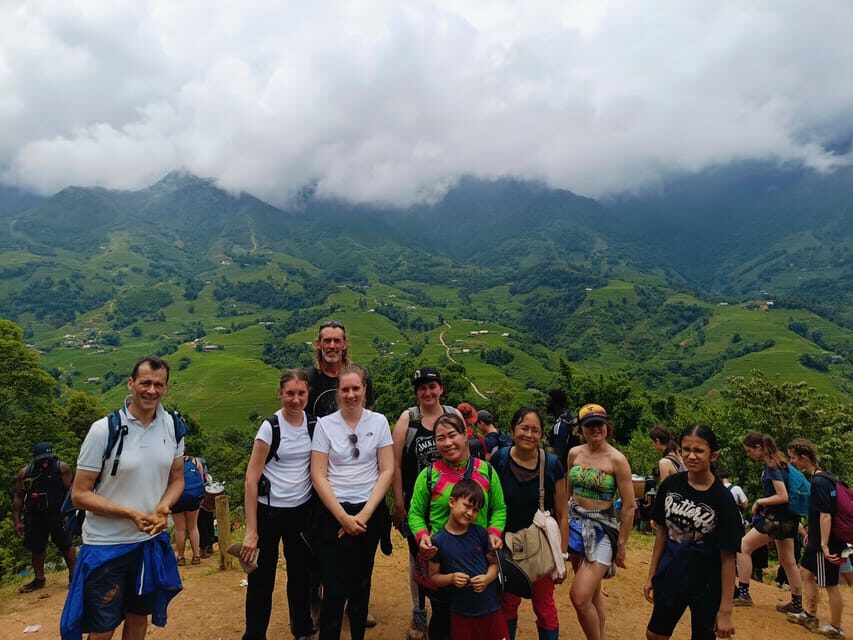
The tour is described as an easy long trek, but that wording shouldn’t fool you. The itinerary includes a hard hour climb, plus steep and potentially slick walking when conditions are wet. In practice, you should treat it as a moderately challenging hike that rewards steady effort.
Here’s how it usually feels: you’ll be walking for several hours across mixed terrain, and the day totals about 10 hours from pickup to drop-off. Some hikers report the walking portion feeling like a long stretch, roughly around six hours, and others mention distances in the 12–14 km range depending on route and conditions. Your best strategy is to walk slower than you think you need to, especially on the first uphill push to Sa Seng.
What to wear:
- Sturdy hiking shoes with grip. Mud and slippery dirt are the usual problem.
- Long pants you don’t mind getting dirty.
- A light rain layer if you’re hiking in the wet season or on cloudy days.
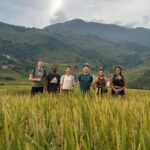
Small-group hiking is one of the tour’s quiet advantages. Limited to 10 participants, the guide can keep a manageable pace and handle timing. People also mention that the schedule includes planned stops, even down to bathroom breaks, which makes a big difference when you’re out for most of the day.
Meeting at Sapa TT Homestay and starting the day smoothly
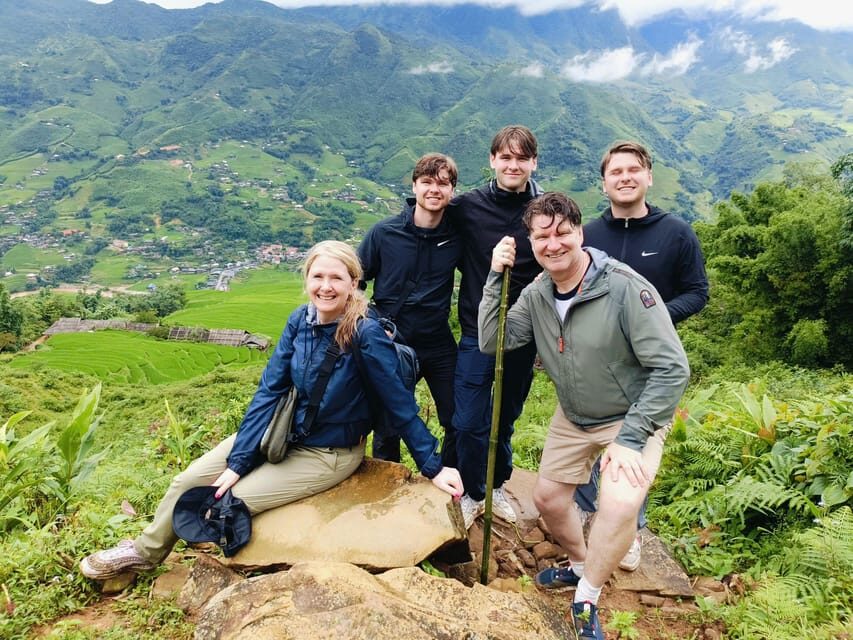
The day’s start is designed to be straightforward. Sapa TT Homestay (about 2.3 km from the center of Sapa) is listed as the meeting point for these trekking experiences. Arrive at least 30 minutes early for check-in, luggage storage, and a short briefing.
From there, your tour connects you to the trail route. Some days may also include pick-up from your accommodation at around 9:00, but either way, the core idea is the same: you want a calm start, not a rush. Keep your essentials ready, especially since cash is recommended for this tour.
Also note the simple rules: weapons or sharp objects aren’t allowed. It’s a small, sensible safety policy that keeps the hiking setting orderly.
Price and value: why $24 can be a good deal here
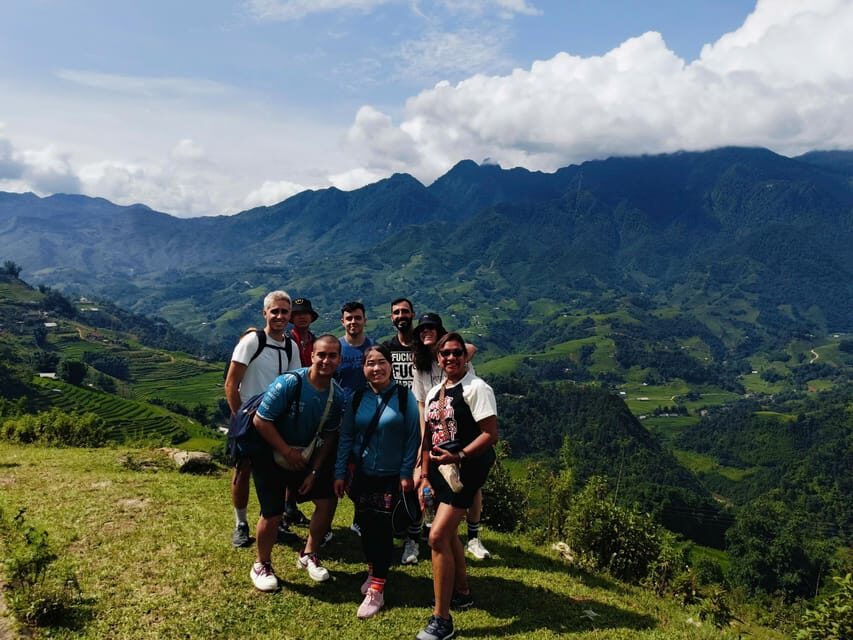
At $24 per person for a 10-hour full-day trek, this is priced like a budget-friendly way to do both mountains and villages. What you get at this price isn’t just a guide and a viewpoint.
Included basics:
- English-speaking guide
- Traditional lunch
- Village entry fees
- A small bottle of water per person
- Trekking stick
- Transport back to Sapa after the trek
What’s not included is left open-ended, meaning you’ll cover anything extra you choose to buy or snack on during the day. But the core hiking experience is covered. For many hikers, the biggest value drivers are the combination of (1) the Sa Seng viewpoint and (2) the village time in Hau Thao and Hang Da, with cultural explanation that helps the places feel more than Instagram stops.
In other words, you’re paying for a full-day route with interpretation, not just a walk. If that’s what you want in Sapa, this price feels fair.
Who should book the Hau Thao 1-day trek
This tour fits you best if you want:
- Real village interaction with Black Hmong communities
- Strong views from Sa Seng mountain and understanding of Muong Hoa Valley
- A guide who explains the meaning behind what you see, not just the route
- A small-group pace, not a crowded tourist conveyor belt
It might not be the right match if you:
- Have mobility limitations or use a wheelchair (this isn’t suitable)
- Prefer very flat, easy walking (this includes steep and hard sections)
- Are traveling with very limited hiking stamina
If you’re the type who likes steady effort followed by good pay-off, you’ll probably end the day tired in a good way. Your legs will remember it.
Should you book this Sapa 1 Day Mountain Trek?
Book it if you want a one-day Sapa plan that balances mountain views with actual village life. The structure is smart: climb early for the best chance at clear views, then keep walking into the rice terraces world where the cultural lessons make sense. The included lunch and village entry fees also help keep your day uncomplicated.
Skip it if you know you won’t handle steep, muddy, or slippery trail sections. This is not a sit-and-snap outing.
If you’re deciding, ask yourself one simple question: do you want Sapa as a living place, not just a postcard? If yes, this Hau Thao + Sa Seng trek is exactly the kind of day that earns its time.
FAQ
How long is the Sapa 1 Day Mountain Trek?
The duration is 10 hours.
What villages are visited on this trek?
You’ll visit Hang Da (Black Hmong village) and Hau Thao (Black Hmong village), and you’ll also walk to Giang Ta Chai village near the end.
How difficult is the hike?
It includes a hard trekking section (about 1 hour) to reach the top of Sa Seng mountain, plus downhill walking afterward. It’s best treated as moderately challenging, especially if the trail is wet.
Is lunch included?
Yes. A traditional lunch is included at a small family-run restaurant.
Does the tour include a guide, and what language do they speak?
Yes. You’ll have a live guide who speaks English and Vietnamese.
Is the group size small?
Yes. It’s limited to 10 participants.
What is included in the price besides the guide and lunch?
Village entry fees, 1 small bottle of water per person, a trekking stick, and transport back to Sapa after the trek are included.
What should I bring?
You should bring cash.
Is the trek suitable for people with mobility impairments or wheelchair users?
No. It is not suitable for people with mobility impairments or wheelchair users, and it is also not suitable for people over 95 years.
What is the cancellation policy?
You can cancel up to 24 hours in advance for a full refund.