REVIEW · HANOI
From Hanoi: Sapa 2D1N Homestay overnight by Morning bus
Book on GetYourGuide →Operated by Mountain Light Homestay · Bookable on GetYourGuide
Sapa starts before breakfast. This two-day hike-and-homestay trip gives you real contact with Northern Vietnam village life, from ethnic markets-style streets to spring roll class nights.
I like how the day is structured: you get a clear plan, comfortable sleeping bus transport, and an English-speaking guide on the ground in Sapa. You’ll love the mix of guided trekking and free time in Sapa town. One thing to think about first: the walking is serious enough that fitness matters, and you might also run into some persistent selling during village stops.
In This Review
- Key Things That Matter Most in This Trip
- Why This Hanoi–Sapa Plan Works So Well
- Getting From Hanoi to Sapa: Pickup, Highway, and Arrival Window
- The First Trek: Y Linh Ho, Lao Chai, and Ta Van by Late Afternoon
- A note on what you’ll see (and what to expect)
- Sapa Town Time: A Small Break That Helps
- Mountain Light Homestay in Ta Van: Check-In, Cooking Class, Dinner
- The Second Trek: Giang Ta Chai, Supan Village, and Red Dao Traditions
- Going Back to Sapa and Then on to Hanoi
- Price and Value: Is $60 Actually Fair?
- The Real-Life Pros and Cons (Based on Common Experiences)
- What people get most excited about
- The drawbacks you should plan for
- What to Pack and How to Pace Yourself
- Who This Trip Fits Best
- Should You Book This Hanoi–Sapa Homestay Trek?
- FAQ
- What time do they pick you up in Hanoi?
- How long does it take to reach Sapa after the pickup?
- How much trekking is there on day one?
- How much trekking is there on day two?
- What is included in the meals?
- Who provides the English support during the trip?
- Is a private room included at the homestay?
Key Things That Matter Most in This Trip
- English-speaking guides who actually explain what you’re seeing and how to walk the route (including Phinh and Chin in recent experiences)
- Village treks with practical timing, reaching Ta Van by mid-afternoon on day one
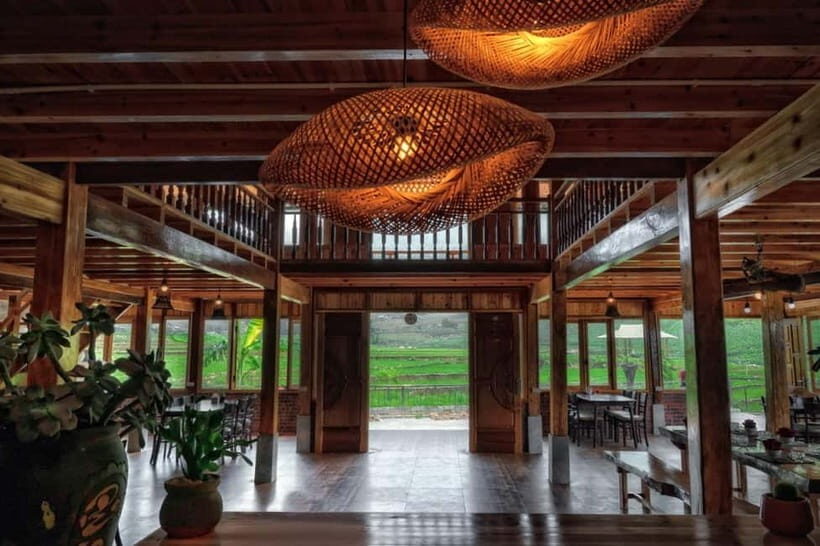
- A homestay experience at Mountain Light Homestay in Ta Van, plus a cooking class for traditional spring rolls
- Meals are built in (2 lunches, 1 dinner, 1 breakfast), so you’re not hunting food all day
- Cold, foggy weather can happen, so pack warm layers for comfort and safer pacing
Why This Hanoi–Sapa Plan Works So Well

This is the kind of Sapa trip that feels efficient without feeling rushed. You start with an early pickup from Hanoi, then you move into the villages by the afternoon, when the light often makes the paths more enjoyable and the tea-house stops more welcoming.
What I like most is the rhythm. You get trekking blocks (with real distances) and then you get human breaks: lunch, village time, and the homestay evening. That balance matters in Sapa, because weather can shift fast and your energy can disappear quickly if you only hike all day.
The other win is that the guide is there for more than pointing. In recent experiences, guides like Phinh and Chin stood out for being helpful and informative, and they kept the route feeling manageable even when conditions were cold or foggy.
You can also read our reviews of more tours and experiences in Hanoi


Getting From Hanoi to Sapa: Pickup, Highway, and Arrival Window
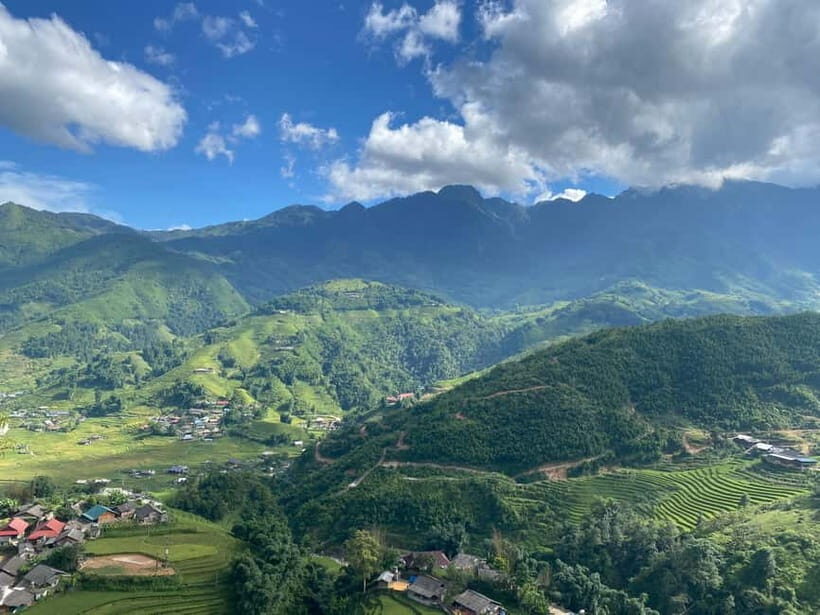
Your day starts with a pickup from your Hanoi hotel around 6:00–6:30 AM. The transfer heads to Sapa via a new highway, with a pit stop so you can stretch and reset before the mountain air changes everything.
You arrive in Sapa around 13:00–13:30. That timing is smart. It gives you enough hours to get oriented and fed before your first hike day begins, and it also means you’re not trying to trek right after a long morning on the road.
Once you reach Sapa town, you’ll typically get welcome drinks, an itinerary briefing, and a local Vietnamese lunch. It’s a practical setup: you’re not guessing what comes next, and you can ask questions in plain English with the group guide before you step onto the trails.
The First Trek: Y Linh Ho, Lao Chai, and Ta Van by Late Afternoon
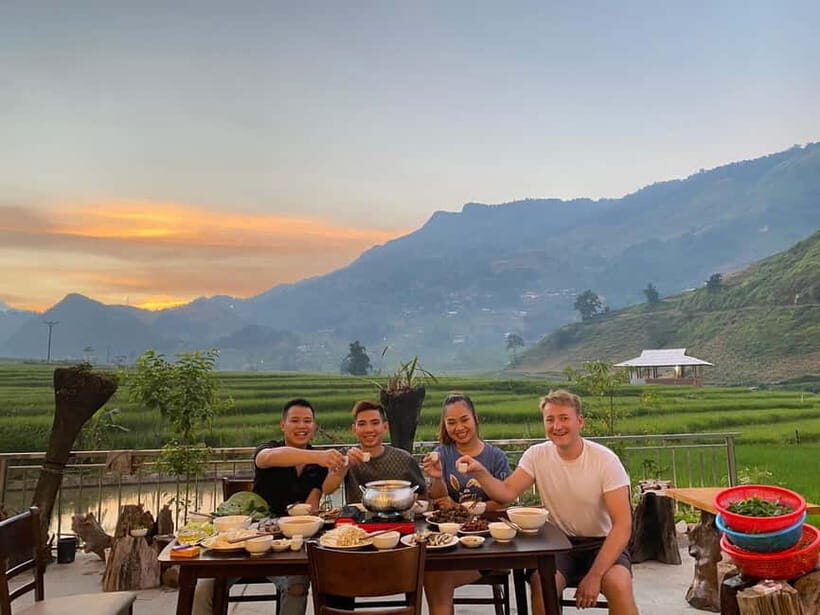
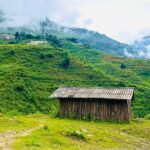
Day one is about moving through the valley paths and getting a feel for how village life is laid out across the hills. After lunch in Sapa town, you begin a trek of about 6 km to Y Linh Ho village, then continue roughly 3 km onward to Lao Chai.
This part matters for value. Those distances mean you’re not just walking a short loop for photos—you’re actually seeing the structure of the communities as the route shifts. You also learn how terrain changes as you move between stops, which helps you understand why locals build homes and fields the way they do.
The route also includes a crossing element: you’ll go through a small tunnel or bridge to enter the Muong Hoa valley. Then you hike on until you reach Ta Van village by around 16:00.
That arrival time is key. It means you can still check in, get settled, and enjoy the evening without feeling like the whole day is only trekking. If you’re worried about pacing, this schedule helps: you have a defined finish line.
A note on what you’ll see (and what to expect)
As you travel and move through village areas, you’ll meet people wearing traditional clothing such as H’mong, Dzao, and Tay styles in Sapa town. Those first encounters set the tone: this trip is as much about culture as it is about scenery and walking.
Sapa Town Time: A Small Break That Helps
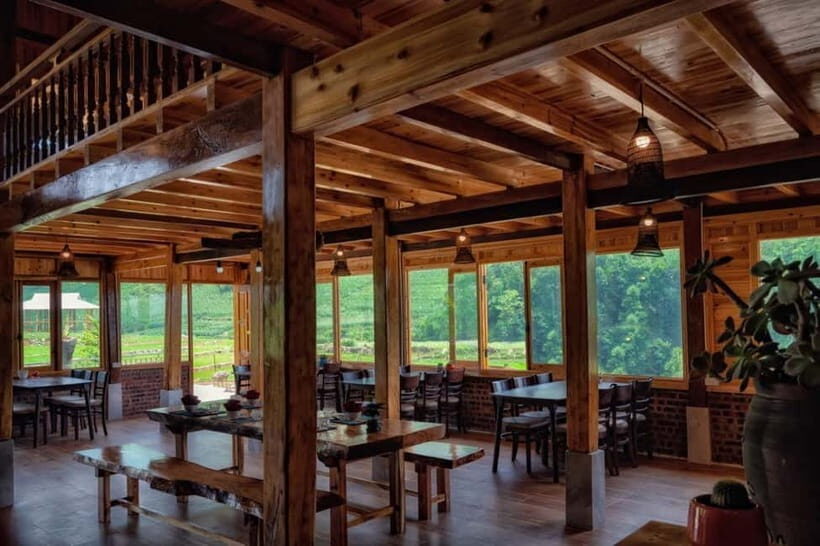
Not every Sapa experience gives you any breathing room in town, but this one does. After you arrive and get your first briefing and meal, you’re also set up for easier group flow once you return later on day two.
That matters because Sapa can feel crowded and touristy near the center, while the trekking route takes you into quieter spaces. Having a bit of town time helps you reset mentally before the next shift into village rhythm.
Also, Sapa is where you’ll see the cost of convenience firsthand. If you want drinks or snacks beyond the included meals, you’ll be doing it on your own. So keep the included lunches and dinner in mind, and then plan for extra only if you’re comfortable with local pricing.
You can also read our reviews of more tours and experiences in Hanoi
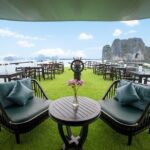
- Doris Cruise 5 star cruise 2 days visiting Halong Bay Lan Ha Bay private balcony
★ 5.0 · 2,338 reviews





Mountain Light Homestay in Ta Van: Check-In, Cooking Class, Dinner
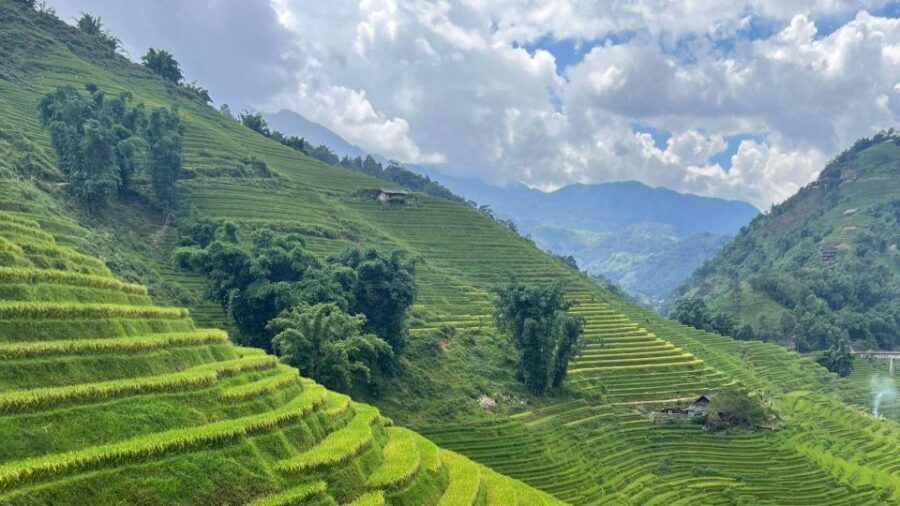
Once you reach Ta Van around late afternoon, you check in at Mountain Light Homestay. The homestay part is more than a bed. It’s your chance to slow down and see how the day ends for people who live in this valley.
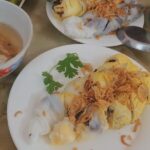
That evening includes a cooking class focused on making traditional Vietnamese spring rolls. I love activities like this because they turn culture into something you can do with your hands. You learn basic technique, you taste what you made, and you get a more personal conversation than you’ll get on the trail.
Dinner is also included, and it keeps your night simple. Instead of searching for a place to eat after a long trek, you’re already fed, and you can spend time resting without losing the whole evening.
One practical thing: homestay nights can feel cooler than you expect in the north. Your layers will earn their keep here, especially if the weather shifts to cold and fog.
The Second Trek: Giang Ta Chai, Supan Village, and Red Dao Traditions
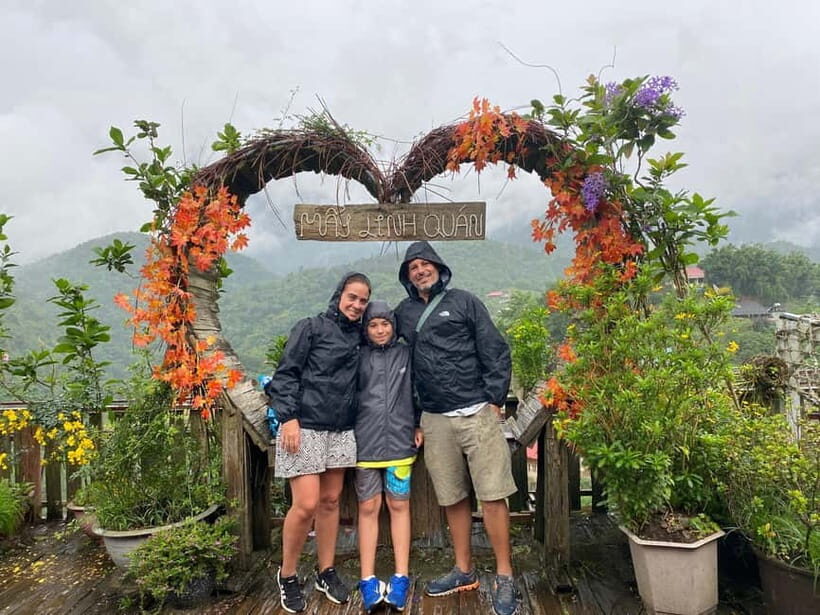
Day two starts with breakfast at the homestay, which is exactly what you want after hiking. Then you head out on another walking day, this time focused on Giang Ta Chai Village and Supan Village.
Your trek for the day totals about 8 km, with stops that bring you close to Red Dao cultural traditions. This section is often the most interesting kind of learning: not museum-style explanations, but real examples of how people live and what their practices look like on a normal day.
For me, the best part of the second trek is how it builds on the first day. You’ve already walked through Lao Chai and into Ta Van, so you now have context. The villages feel less like separate stops and more like a connected route with different community features.
You’ll have lunch at a local restaurant around midday. That’s a good buffer for energy before you head back toward Sapa town.
Going Back to Sapa and Then on to Hanoi
Around 14:00, a car picks you up and brings you back to Sapa Town. Then you meet the group again at the hotel and board the bus back to Hanoi, typically 15:00–15:30.
The bus ride arrives in Hanoi around 21:30, which makes the whole trip feel like a full two-day push. It’s not a casual weekend stroll, but it is a clear, organized schedule that gets you back without scrambling.
If you’re planning your next day in Hanoi, remember you’ll land late. If your plans are flexible, great. If you’re booking an early morning flight, it’s worth choosing an arrival time that doesn’t steal your sleep.
Price and Value: Is $60 Actually Fair?
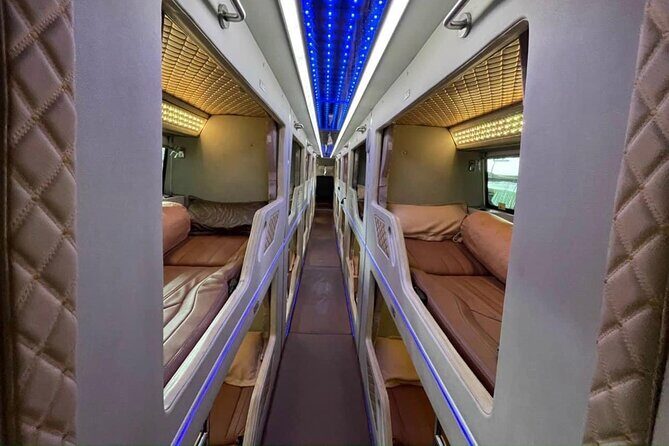
At $60 per person, the value here comes from what’s included, not just the headline price. You’re getting a modern sleeper bus ticket both ways, guided time in Sapa with an English-speaking guide, one night at a Ta Van homestay, and all the main meals (2 lunches, 1 dinner, 1 breakfast).
In other words, you’re paying for transport + a guided hiking route + the overnight base. If you tried to assemble these pieces alone, you’d spend time coordinating, and you’d still likely pay similar money once you add guide support and the homestay night.
That said, you should check what you might want extra of. Beverages aren’t included, and there’s also mention of government tax and a possible holiday surcharge. If you need a private room, that’s not included either. For many people, the shared homestay setup is fine. If you don’t like shared sleeping arrangements, this is something to sort out before you commit.
The Real-Life Pros and Cons (Based on Common Experiences)
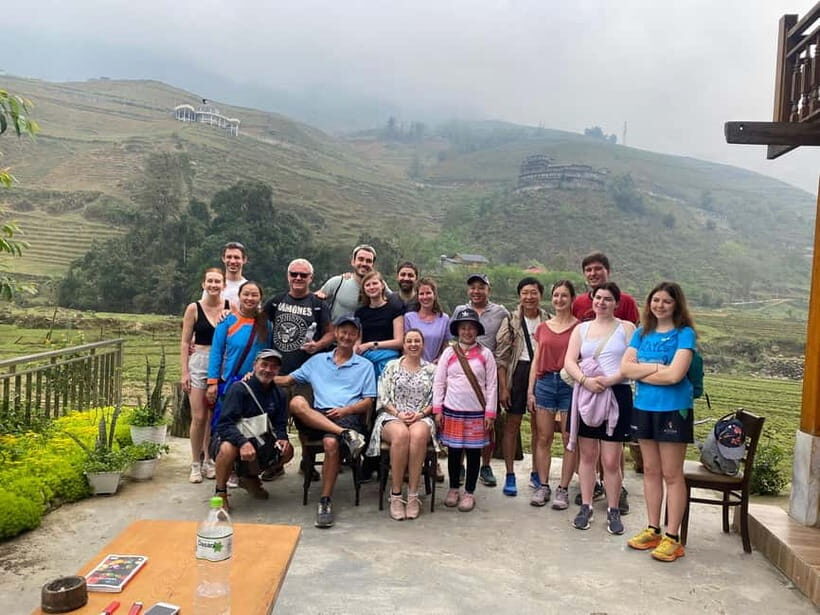
What people get most excited about
Guides who communicate well make or break Sapa trekking. Recent experiences highlighted Phinh as kind, helpful, and very informative, and Chin as excellent as well. That matters because trekking isn’t only about moving—it’s about understanding what you’re seeing and where you’re going.
The other big win is the homestay itself at Mountain Light Homestay, described as lovely. Add in the fact that dinner and breakfast are included, and you get a smoother day. You don’t lose energy chasing meals.
Finally, the route and tracking can hold up even when the weather gets rough. Cold and fog are real possibilities here, and if conditions are poor, having a solid guide and a working plan helps a lot.
The drawbacks you should plan for
The first is fitness. The hikes cover meaningful distances—about 6 km + 3 km on day one, plus 8 km on day two. You don’t need to be an athlete, but you do need a baseline comfort with uphill walking.
The second is human pressure in villages. One experience flagged too many, sometimes pushy sales behaviors from local women. That doesn’t mean you’ll have that exact situation everywhere, but it’s smart to go in with a calm plan: decide early what you’re comfortable buying (if anything), and don’t feel trapped into purchases.
What to Pack and How to Pace Yourself
Even though the tour includes meals and basic logistics, your comfort depends on what you bring. For this region, think cold layers, wet-weather options, and footwear that can handle uneven ground.
Bring:
- Warm layers for foggy, cold conditions
- Rain protection, just in case
- Comfortable walking shoes with grip
- A small day bag for water and snacks
Pacing tip: if you try to keep up too fast at the start, day two can feel heavy. Let your guide set the group rhythm, and treat photo stops as small breaks instead of speed bumps.
Who This Trip Fits Best
This is a great fit if you want:
- A guided trek with clear stops and cultural contact
- A homestay night with a spring roll cooking class
- A trip that includes transport and most meals, so you don’t spend the whole time planning
You might think twice if:
- You need a private room (not included)
- You get uncomfortable with uneven walking or steep sections
- You strongly prefer zero roadside selling pressure during village visits
Should You Book This Hanoi–Sapa Homestay Trek?
If your goal is an organized Sapa experience that mixes trekking with real village time, this is a strong choice. The guide quality, the homestay at Mountain Light Homestay, and the included spring roll cooking class are the standouts that make it feel like more than a bus-and-photo stop.
Before booking, be honest about two things: your walking comfort and your tolerance for sales pressure in villages. If you can handle both with a calm mindset, you’ll likely find the trip’s structure and included meals a real value at $60.
FAQ
What time do they pick you up in Hanoi?
Pickup is typically from your Hanoi hotel between 6:00 and 6:30 AM.
How long does it take to reach Sapa after the pickup?
You arrive in Sapa town around 13:00–13:30.
How much trekking is there on day one?
Day one includes about a 6 km trek to Y Linh Ho village, then about 3 km to Lao Chai, before continuing to Ta Van village.
How much trekking is there on day two?
Day two includes a trek totaling about 8 km across Giang Ta Chai village and Supan village.
What is included in the meals?
You get 2 lunches, 1 dinner, and 1 breakfast.
Who provides the English support during the trip?
An English speaking tour guide is provided during the Sapa portion of the trip.
Is a private room included at the homestay?
Private rooms are not included.


More 2-Day Experiences in Hanoi
- Doris Cruise 5 star cruise 2 days visiting Halong Bay Lan Ha Bay private balcony
★ 5.0 · 2,338 reviews