REVIEW · HANOI
Hanoi: 3D2N Mu Cang Chai Visit All Attractions, Trek, Ethnic Life
Book on Viator →Operated by Vietmountain Travel · Bookable on Viator
Mu Cang Chai rewards early mornings. This 3D2N trip is built for the real stuff: rice terraces that stretch for miles, ethnic village life, and walking routes that connect you to the land instead of just driving past it. I especially like the Thai stilt-house homestays and the panoramic views from Khau Pha Pass. One drawback to plan for: it’s weather-driven and includes trekking, so you’ll want solid shoes and a bit of patience when the mountain fog rolls in.
What makes it feel personal is the way you travel. You get an English-speaking local expert guiding the story, plus door-to-door pickup from Hanoi’s Old Quarter, so the logistics don’t eat your energy. If you’re hoping for zero walking and a strict city-style schedule, this won’t be that kind of tour. But if you want comfort plus culture, it’s a strong match.
In This Review
- Key points to know before you go
- From Hanoi’s Old Quarter to Tú Lệ rice valleys
- A sunrise trek to Lim Mong and Lim Thai villages
- Check in at Mù Cang Chải and sleep in a Thai stilt house
- Khau Pha Pass: panoramic terrace views that make the effort worth it
- Horseshoe Hill in Sang Nhu: harvest-season terrace energy
- The return drive back to Hanoi feels longer than you expect
- Price and logistics: what $512 covers (and what it doesn’t)
- Who this trip fits best in Northern Vietnam
- Should you book this Mu Cang Chai 3D2N tour?
- FAQ
- How long is the Hanoi to Mu Cang Chai experience?
- What’s included in the $512 per person price?
- Do you stay in a homestay?
- Is the tour private or shared?
- What kind of guide support do you get?
- What should I pack for the trekking and village visits?
- What happens if weather is bad?
Key points to know before you go
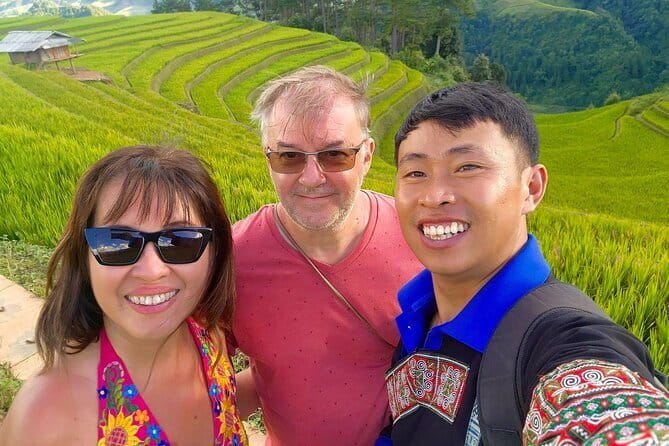
- Door-to-door pickup and modern private transport help you spend time on the mountains, not on transit hassles.
- Hands-on rice activities in Tú Lệ are part of the experience, not an optional side stop.
- Soft trekking to Lim Mong and Lim Thai villages puts you close to terraces and the people who farm them.
- Homestays in traditional Thai stilt houses give you a more grounded, everyday feel of mountain life.
- Top viewpoints like Khau Pha Pass and Horseshoe Hill are timed around the terraced scenery and harvest-season energy.
From Hanoi’s Old Quarter to Tú Lệ rice valleys
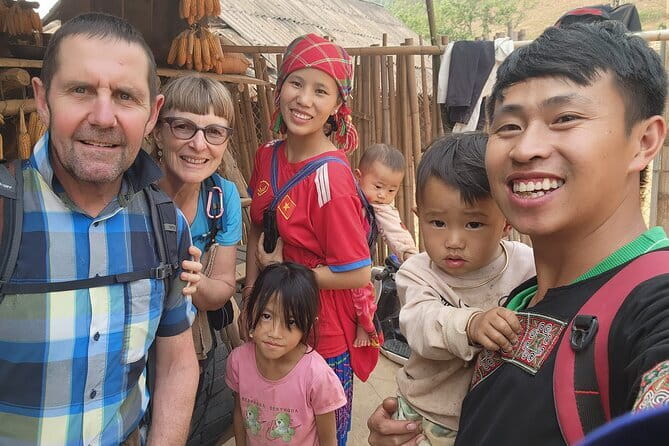
The day starts with an efficient pickup in Hanoi’s Old Quarter. You’re collected by driver and guide, then you head out toward Mu Cang Chải with the kind of in-between stops that matter in Northern Vietnam: quick looks at views, short pauses to reset, and time to understand what you’re actually moving toward.
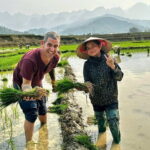
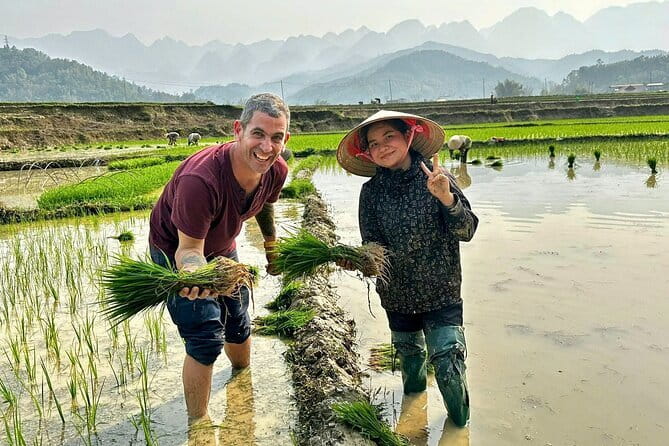
Tú Lệ is where the trip begins to feel physical. You arrive in the afternoon and start with an easy rhythm—exploring rice fields, visiting nearby villages, and taking in the calm mountain setting. This is also where the tour shifts from sightseeing to participation. You may get hands-on time with rice farming activities like planting or harvesting with local farmers, which changes how you see the terraces. Instead of thinking terraces are just scenic, you start thinking of them as someone’s work, season after season.
One practical note: the roads are mountain roads. Even if the transport is comfortable and air-conditioned, you can still feel the turns and elevation changes. If you get motion sick, consider bringing your usual remedy. You’ll thank yourself later.
You can also read our reviews of more tours and experiences in Hanoi.

A sunrise trek to Lim Mong and Lim Thai villages
The next morning begins early, with breakfast at the homestay. That early start isn’t just for drama. In this part of Vietnam, the light and the air can completely change how terraces look, and morning walking is usually when the hills feel most alive.
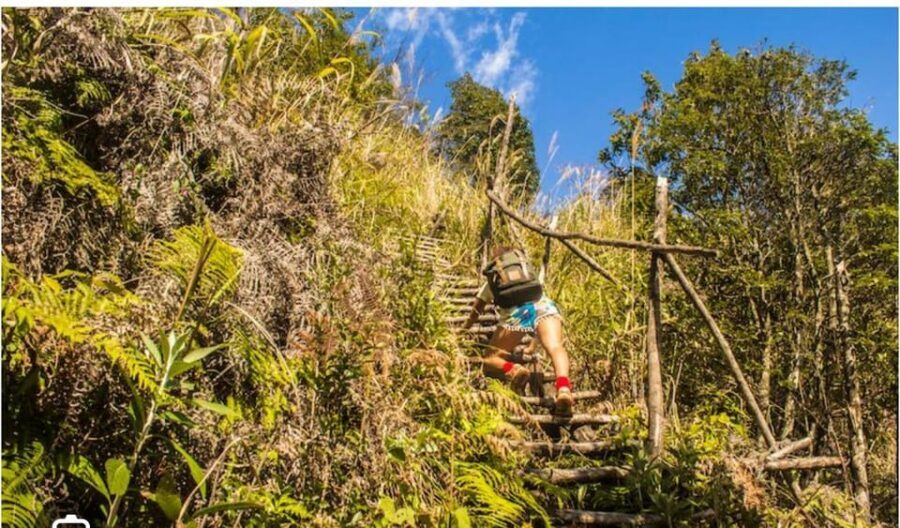
You’ll set out on a soft trek toward Lim Mong and Lim Thai villages. Soft here still means you’ll be on uneven ground and moving at a mountain pace, but it’s not described as extreme. Expect roughly several hours of walking through terraced views and rural paths, with your guide helping connect the geography to daily life. The value of this segment is the human scale: you see how farming fits into the valley layout, and you spend time around people who keep the terraces going.
This is also the point where packing matters. Comfortable shoes aren’t a suggestion. You’ll want something with good grip, plus a small backpack so your hands stay free when paths get a little tricky.
Check in at Mù Cang Chải and sleep in a Thai stilt house
After the trek, you head into Mù Cang Chải and check in to your homestay. The tour is explicit that you’ll stay in traditional Thai stilt houses, and that choice changes the experience. A homestay like this isn’t just a bed for the night; it’s part of how mountain communities live—raised floors, open space, and an environment shaped by the weather and the terrain.
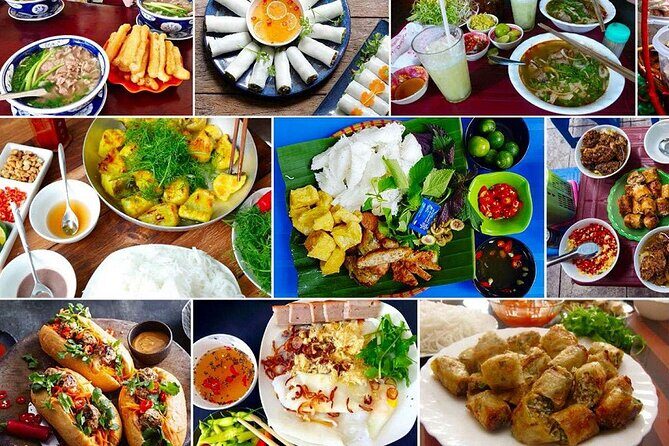
Lunch is prepared by locals using ingredients sourced from the region, and that matters because it keeps meals tied to what’s available locally instead of turning everything into imported convenience. Dinner is also included on the tour, so you don’t have to hunt for food after a long day.
In the evening, you’ll likely have time to unwind and absorb the slower pace. That downtime is one of the reasons this style of trip works. Terraces and village life can be intense in a good way, but you still need quiet time to let it land.
Khau Pha Pass: panoramic terrace views that make the effort worth it
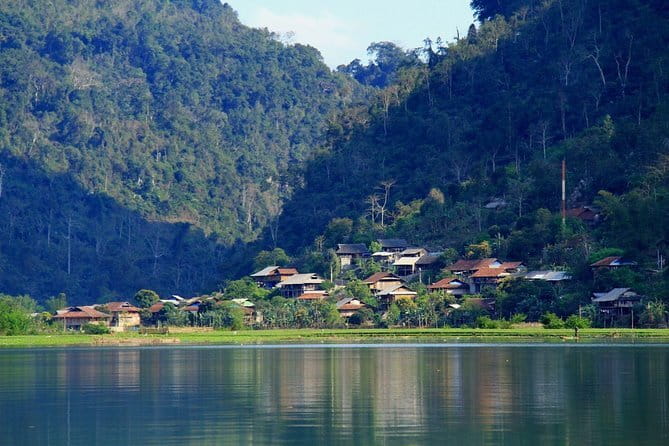
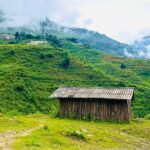
Khau Pha Pass is one of the tour’s headline viewpoints, and for good reason: it’s designed for big perspective. You’re not just standing on a roadside pull-off. You’re meant to look across terraced hills and understand how the farming pattern follows the slope.
The pass viewpoint is also where you’ll see the terraces as a system—how water, planting, and timing work together. In a guided setting, the explanation helps. Your local expert can point out what you’re seeing in practical terms, like which areas look different because of seasonal work.
If you’re taking photos, treat this as your best chance for sharp, wide views. Mountain weather can change quickly, so bring a light layer even in warm months. You don’t want to be miserable while you wait for visibility to improve.
Horseshoe Hill in Sang Nhu: harvest-season terrace energy

On the final day, you visit Horseshoe Hill in Sang Nhu village. The tour notes that it’s stunning during the harvest season, which is key. Terraced fields look beautiful in any season, but during harvest time you get movement—people working, fields changing in color and texture, and that sense that the landscape is in active use.
Horseshoe Hill is about 2 km from Mù Cang Chải, so you’re not dealing with a long transfer on the last day. That makes it easier to keep energy up after breakfast. You’ll start with a good meal at the homestay, then head out in the morning for the viewpoint experience.
This is the kind of stop that rewards you for slowing down. Instead of rushing for one perfect frame, give yourself time to look from different angles. Terraces can look like flat lines from one spot and like a staircase in another, depending on the angle of sunlight.


The return drive back to Hanoi feels longer than you expect
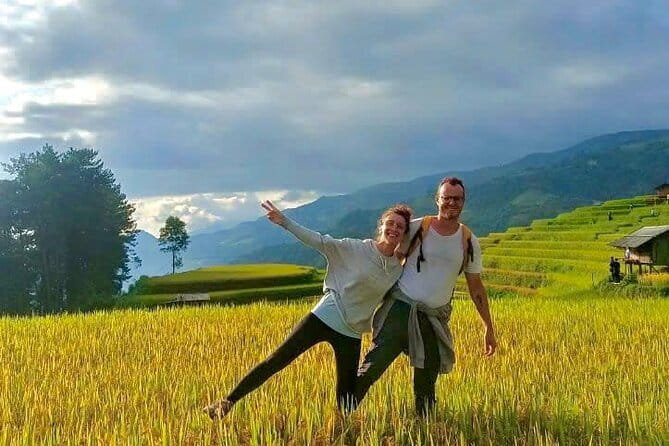
After lunch, you start heading back toward Hanoi. The drive is roughly several hours, and the timeline matters because you’ll likely arrive around early evening.
The ride back can feel longer because you’re shifting from mountain pace back to city motion. If you’ve been trekking, you may be tired in that steady, heavy way that comes after elevation walking. A small strategy helps: keep hydrated, snack if you’re hungry, and avoid assuming you’ll feel fine just because the car is comfortable.
When you get back to Hanoi, the tour ends with drop-off at your hotel in the city. That door-to-door finish is a real quality-of-life win, especially if you’ve got plans the next day.
Price and logistics: what $512 covers (and what it doesn’t)
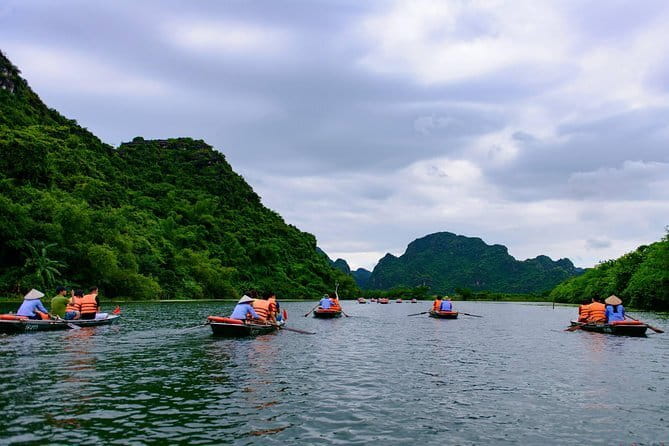
At $512 per person, this tour isn’t the cheapest way to get from Hanoi to Mu Cang Chải. But it also isn’t just a bus-and-ticket deal. The value comes from the combination: private transportation, a local expert, village visits, trekking activities, and a full set of meals.
Here’s what you can expect included:
- Private door-to-door pickup and drop-off in Hanoi city center
- Modern air-conditioned transportation with a safe driver
- English-speaking local guide (other languages available on request)
- All entrance fees, trekking activities, and village visits
- Travel insurance
- Bottled water, plus all listed meals: 2 breakfasts, 3 lunches, 2 dinners
- Vegetarian food available on request
- 24/7 hotline support after confirmation
What’s not included:
- Tips for guide and driver
- Beverages and personal expenses
If you’re traveling solo, you’re paying for private comfort and on-the-ground guiding, which is usually the pricier part of this region. If you’re traveling as a couple or small group, private logistics can feel like better value because the experience stays tailored while you split the cost.
One more small detail that matters: the tour lists a mobile ticket option and no extra charge after confirmation, which reduces last-minute stress when you’re dealing with busy travel days.
Who this trip fits best in Northern Vietnam
This tour is described as suitable for most travelers, and that matches the way the activities are framed: trekking is called soft, and the schedule mixes walking days with homestay downtime.
You’ll likely enjoy it most if you:
- Want a real cultural connection instead of only viewpoints
- Like slow travel in villages and prefer homestays over hotels
- Are okay with early mornings and several hours of walking on uneven ground
- Want the terraces explained through farming life, not just scenery
You may want to think twice if you:
- Have limited mobility and can’t comfortably handle trekking paths
- Get uncomfortable with weather uncertainty, since the tour runs as a daily experience and depends on good weather
If you’re traveling with kids, the tour notes they must be accompanied by an adult. And it’s a private tour, meaning it’s your group only, so your pacing should be steadier and less chaotic than a mixed tour bus.
Should you book this Mu Cang Chai 3D2N tour?
Book it if your dream version of Northern Vietnam includes rice terraces you can walk through, the Thai stilt-house homestay feel, and a guide who helps you connect what you see to how people live and farm. The combination of viewpoints (Khau Pha Pass and Horseshoe Hill) with real village interaction makes this trip more than a checklist.
Skip it or choose another style if you want zero trekking, strict timing with no weather wiggle room, or you’re not comfortable with mountain roads. In this region, conditions change fast, and your best outcome comes from staying flexible.
If you can handle a bit of walking and you want authentic ethnic-life moments with the support of a local expert, this is a solid way to do Mu Cang Chải without turning your trip into a logistics project.
FAQ
How long is the Hanoi to Mu Cang Chai experience?
It runs for about 3 days (3D2N), with 2 nights and multiple meals included across the three days.
What’s included in the $512 per person price?
The price includes all entrance fees, trekking and village visits, travel insurance, bottled water, specified meals (2 breakfasts, 3 lunches, 2 dinners), a local English-speaking guide, and private door-to-door pickup and drop-off in Hanoi’s city center. Transportation is private and air-conditioned.
Do you stay in a homestay?
Yes. You stay in traditional Thai stilt house homestays during the trip.
Is the tour private or shared?
It’s listed as a private tour/activity, meaning only your group participates.
What kind of guide support do you get?
You’ll have an enthusiastic, experienced English-speaking local guide. A hotline support line is available 24/7 after confirmation.
What should I pack for the trekking and village visits?
You’re advised to bring comfortable shoes and clothing suitable for trekking, plus a small backpack, hat, sunglasses, mosquito spray, and some cash.
What happens if weather is bad?
The tour requires good weather. If it’s cancelled due to poor weather, you’ll be offered a different date/experience or a full refund.