REVIEW · SA PA
Sa Pa: Fansipan Peak One Day Trek with Local Guide
Book on GetYourGuide →Operated by Motorbike Tour Sapa · Bookable on GetYourGuide
Fansipan is a day you remember. This one-day trek from Sapa takes you up to the Roof of Indochina, starting at Tram Ton Pass and climbing through the Hoang Lien Son mountain range with a local guide. I love how the route mixes real mountain walking with specific altitude moments, like stopping for lunch around 2,800 meters before pushing higher.
The two best parts for me are the guidance and the food at altitude. Guides like Binh (when he’s on your group) bring practical local insight, and you’ll get a proper lunch halfway up that keeps your energy steady for the summit push.
One thing to plan for: weather can steal the view. Fog or strong winds can make the summit feel harder and the scenery less dramatic, even when you do everything right.
In This Review
- Key highlights worth aiming for
- How the day starts: Sapa pickup and the lift-up to Tram Ton Pass (2,000m)
- Forest trails of Hoang Lien Son: pines, yellow bamboo, and cardamom scents
- Lunch at 2,800 meters: eating high, resting smart
- Reaching Fansipan Peak (3,143m): the Roof of Indochina moment
- The descent: back to Tram Ton, then taxi home to Sapa
- Price and value: what $64 buys on this one-day Fansipan trek
- Who should book—and who should skip it
- Tips that actually help: gear, weather, and staying safe on a slippery day
- Should you book this Fansipan one-day trek?
Key highlights worth aiming for
- Tram Ton Pass start at 2,000m: you ease into the climb right where the mountain begins to change.
- Hoang Lien Son forest time: giant pine trees, yellow bamboo, and cardamom plants along the way.
- Lunch at 2,800m: a real break while you’re still high enough to feel the altitude.
- Summit at 3,143m: reaching Fansipan is the main trophy of the day.
- Guide support on tougher sections: especially helpful when the trail turns slippery.
- Medals at the end (when offered): a small, fun finishing touch after a long effort.
How the day starts: Sapa pickup and the lift-up to Tram Ton Pass (2,000m)
The day begins with pickup in Sapa, usually from Sapa Church or another central meeting point. From there, you take transport by taxi up to Tram Ton Pass, which sits around 2,000 meters above sea level. That matters more than it sounds. You skip the slow, lower-altitude grind and start your hike already in mountain territory.
Once you arrive at Tram Ton, your guide helps you get oriented and sets expectations for the climb. This is also when it helps to be honest with yourself: the trek is labeled a challenge, and you’ll feel that quickly once the path narrows and the grade ramps up.
If you’re the kind of traveler who hates rushing, aim to arrive early. The route depends on doing the hike in one continuous flow, so there’s little time for delays once you’re up on the pass.
You can also read our reviews of more guided tours in Sa Pa
Forest trails of Hoang Lien Son: pines, yellow bamboo, and cardamom scents
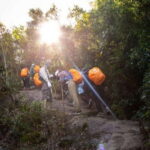
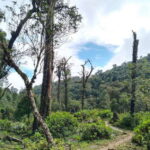
After Tram Ton, you head into the forest on the climb toward Fansipan. This is where the trek earns its reputation as more than just “walk up a mountain.” You move through the Hoang Lien Son mountain area with towering trees and a distinctive mountain smell—cardamom is specifically mentioned, and you can often notice the scent when you get close to the right plants.
Expect variety in the vegetation as you gain height. After about two hours, you typically reach the bamboo forest area, where the scenery opens up a bit and the vegetation lowers. That’s when it’s easier to spot distant views—when the weather allows it.
Some of the most praised moments here are the small details your guide points out. In good conditions, it turns the hike into a moving lesson: tree types, how the plants change with altitude, and why the forest feels different at different elevations. When fog rolls in, those visual cues can disappear, but the trail still has texture—roots, uneven ground, and that constant sense of stepping higher.
Practical note: the trail can be slippery. Even if you think you’re fine on day hikes, bring shoes with real grip. A “looks dry” mountain trail can turn slick once mist or recent rain hits.
Lunch at 2,800 meters: eating high, resting smart
Lunch happens around 2,800 meters, which is high enough to make food feel like fuel, not just a break. You’ll stop, eat, and rest before continuing the ascent. This stop is included, and it’s one of the most consistently praised pieces of the day.
Guides prepare the lunch partway up, and many people highlight how good it is—especially on long treks where you’d normally be too tired to enjoy anything. I like this plan because it prevents the common mistake: pushing too hard, getting hungry, and then losing energy before the final grind.
At this altitude, keep it simple. Eat enough to power the next section, then don’t overdo it. You want energy, not a heavy stomach. If you’re sensitive to altitude, go easy, drink water, and let your breathing settle before you climb again.
Also, remember that you’re in a mountain environment. The air can feel cooler than you expect, even during daytime. A jacket helps here, and a daypack keeps everything organized so you’re not fumbling while walking.
Reaching Fansipan Peak (3,143m): the Roof of Indochina moment
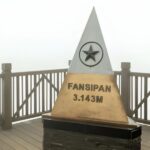
The summit is 3,143 meters, and that number is the big headline for a reason. Conquering Fansipan is the entire point of the trek—Fansipan is often described as the Roof of Indochina, and when the sky clears, the view makes the effort feel very real.
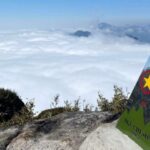
Here’s the honest part: visibility depends on conditions. Fog and clouds can reduce or erase the scenery. When that happens, you still get the personal win of reaching the top, but the “breathtaking views” element can be less dramatic than you imagined.
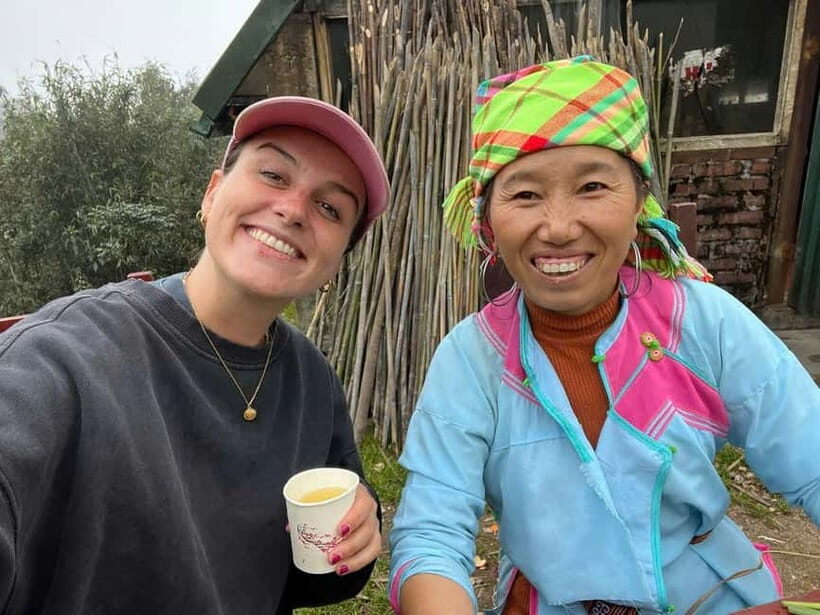
That’s where a skilled guide can quietly improve the experience. In the best cases, your guide will help you keep the moment meaningful even if you can’t see much. Some guides share photos or references of what the view would look like in clear weather, so you’re not staring at nothing and wondering why you paid for the climb.
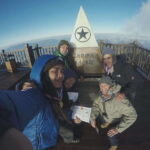
Summit behavior tip: stay present, but don’t freeze. Take a few photos if you can, enjoy the achievement, then keep moving. The summit experience can cool you down quickly, and you’ll have to descend after.
The descent: back to Tram Ton, then taxi home to Sapa
After the summit, you’ll hike back down to Tram Ton Pass. This section can feel trickier than people expect—not because it’s longer, but because downhill walking can be harder on your legs and balance, especially if the trail is wet or muddy.
On days with rain or leftover mist, plan for slippery steps again. Your shoes and your pace matter more than speed. One calm advantage of going downhill with a guide: they can route you through the safest footing and keep you on track so you’re not tempted to shortcut.
When you reach Tram Ton, you take taxi back down to Sapa. This is a “one-day trek” format, so the goal is a full mountain experience without needing overnight logistics.
You’ll end back in Sapa, which is a comfort if you want to sleep somewhere warm and simple that night.
You can also read our reviews of more hiking tours in Sa Pa

Price and value: what $64 buys on this one-day Fansipan trek
The listed price is $64 per person, which you should evaluate as a package, not a ticket price. Here’s what’s included: an English-speaking guide, lunch, Hoang Lien national park entrance fee, 1.5 liters of water, a rain coat for rainy days, and transport between Sapa and Tram Ton. There’s also porter support for groups of four or more, plus certification for the climbing procedure.
That added value is why this trek can make sense even though it’s not a cheap day trip. You’re paying for the guide’s work (route support and mountain know-how), the park fees, the food at altitude, and the logistics of getting you to the pass at altitude in the morning.
The main “watch out” on value is what’s not included. If you want to use the cable car to go down, it’s not part of the package. So if you’re picturing an easy return after the summit, factor that cost into your mental budget. It’s also why planning to descend on foot matters—because the day is built around hiking up and then hiking back.
Who should book—and who should skip it
This is a mountain trek, not a casual walk. The climb requires good fitness, and the tour is not suitable for:
- people with heart problems
- wheelchair users
- people with respiratory issues
- people with low fitness
If you’re healthy and comfortable on a tough hike with uneven, sometimes slippery ground, this can be a satisfying day challenge. I also think it suits travelers who like learning as they walk—vegetation changes, mountain ecology cues, and guidance that keeps you moving safely.
It’s less ideal if you’re only comfortable on flat trails. You’ll be walking through forest terrain and climbing to high altitudes, and those factors add stress to your body even if you’re determined.
Tips that actually help: gear, weather, and staying safe on a slippery day
Weather on Fansipan can be unpredictable. Strong winds and rain can show up fast, and fog can cut visibility right when you’re hoping to enjoy the summit views. I’d treat the forecast as a guide, not a guarantee.
Here’s what helps most, based on what the trek asks you to bring:
- hiking shoes with grip (slippery trail is real)
- a jacket for cold and wind
- a hat and sunscreen for sun breaks
- comfortable clothes you can move in
- a daypack so you can carry essentials cleanly
Also, follow the simple rules: no littering, no making fire. Mountain trails are narrow and fragile, and leaving things better than you found them is part of respecting the place you traveled to.
One more practical mindset shift: if the summit view is limited, don’t judge the day too harshly. Fog can reduce what you see, but the hike itself still delivers altitude, effort, and that satisfying checklist moment of reaching 3,143 meters.
Should you book this Fansipan one-day trek?
I think you should book it if you want a structured, guided climb with included lunch and real altitude payoff—and you’re willing to handle tough steps and changing conditions. The best reasons to choose this version are the guide support (often credited to Binh), the included meal around 2,800 meters, and the full day logistics that get you to Tram Ton without you doing complicated planning.
Skip it if you can’t handle challenging hiking, you have respiratory or heart concerns, or you’re expecting a guaranteed panorama. Fog can happen, and you won’t control it. If views are your top priority, go in prepared for the weather reality.
If you’re on the fence about value, remember this: you’re paying for the guide, the park access, transport, and a high-altitude lunch, not just the summit photo. That’s where the money tends to feel worth it.