REVIEW · SA PA
From Hanoi: 2-Days Sapa Trek Lao Chai/Cat Cat, Fansipan Peak
Book on GetYourGuide →Operated by Duy Amma · Bookable on GetYourGuide
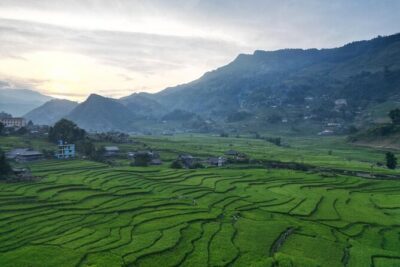
The misty mountains of Sapa are a mood. This 2-day trip mixes ethnic minority village trekking with a ride up to Fansipan Peak, the Roof of Indochina. I like how it uses real village paths and daily-life stops, not just quick photo stops, and then caps it with big summit views (often in dramatic cloud cover).
Two things I really like are the flexible Day 1 trekking choice—either Cat Cat or Lao Chai/Ta Van—and the fact you’re traveling with an English-speaking local guide (Duy Amma is listed as the provider). One consideration: the Fansipan cable car ticket is not included, and the overall experience involves a decent amount of walking and stairs, so you’ll want solid shoes.
If you want a short trip that feels like you actually got into the Sapa rhythm—rice terraces, stilt houses, waterfall views, and a summit pagoda—you’ll probably enjoy this.
In This Review
- Key highlights worth your attention
- Hanoi to Sapa, then straight into the mountains
- Day 1 trekking: Cat Cat vs Lao Chai/Ta Van
- Cat Cat Village trek: downhill walking and the waterfall stop
- Lao Chai and Ta Van trek: Muong Hoa Valley and suspension bridges
- Which one fits you?
- The village culture part: what you’re really seeing
- The Fansipan Peak day: from cable car to clouds
- Meals, guides, and how the trip is paced
- Price and value: what $137 actually buys you
- Practical tips so the days feel good, not hard
- Who should book this trek-and-summit combo
- Should you book it? My straight answer
- FAQ
- FAQ
- Is the Fansipan cable car ticket included in the price?
- Which trekking route will I do on Day 1?
- Do I stay overnight in Sapa?
- What transport is included between Hanoi and Sapa?
- What languages are available for the guide?
- What should I bring for the trekking part?
Key highlights worth your attention
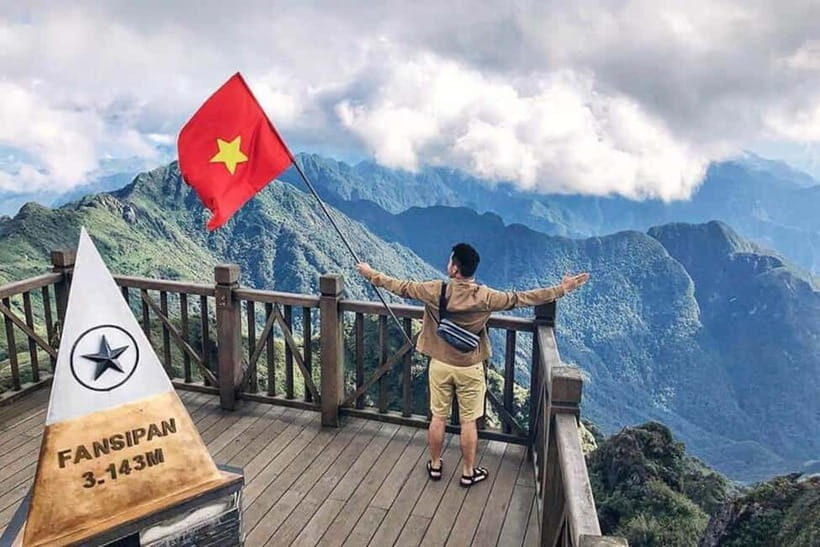
- Fansipan Peak views from 3,143 meters: sweeping Hoang Lien Son mountain range views and summit pagoda time
- Choose your Day 1 trek: Cat Cat (Black Hmong) or Lao Chai/Ta Van (Black Hmong and Day)
- Cat Cat Waterfall and rice-terrace scenery: walk downhill, then see the waterfall area with the mountain backdrop
- Muong Hoa Valley trekking: rice paddies, suspension bridges, and stilt houses along the way
- A Moana check-in photo stop: a fun, quirky extra that breaks up the trekking day
- Well-paced transport + one hotel night: sleeper bus to save time and a comfortable base in Sapa
Hanoi to Sapa, then straight into the mountains
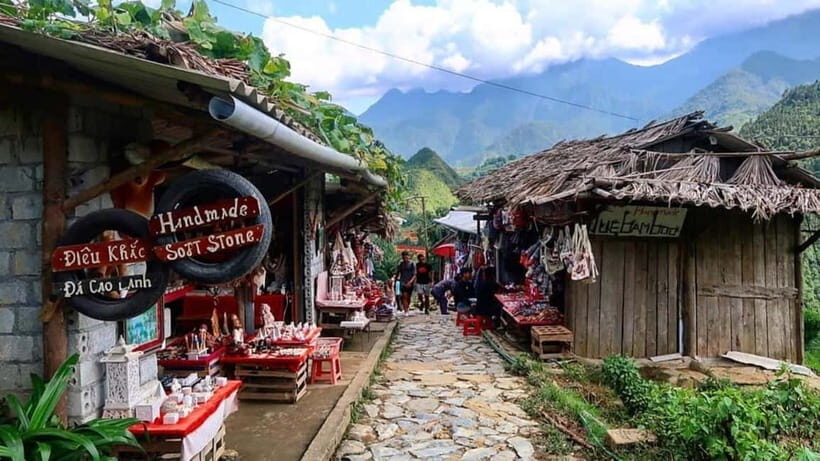
This tour starts by taking you out of the city fast. You ride a round-trip sleeper bus between Hanoi and Sapa, which is a big part of the value for a 2-day schedule. Instead of burning a full day on transit, you get moving early enough that you still have time for a real trek and a proper summit day.
On arrival in Sapa around midday, there’s a warm welcome and a local lunch. That matters more than it sounds. In Sapa, the weather can flip between mist, drizzle, and sun without warning. Getting food in you before your walking time is one of those small travel wins that keeps the day enjoyable rather than exhausting.
Then you switch gears: afternoon trekking, evening recovery, and an overnight stay in Sapa. You’re not just sightseeing from the road. The plan is to get your boots dirty (or at least wet) on village paths and valley trails.
One small note: the tour mentions walking options, and the day’s feel changes depending on which trek you pick.
You can also read our reviews of more hiking tours in Sa Pa

Day 1 trekking: Cat Cat vs Lao Chai/Ta Van
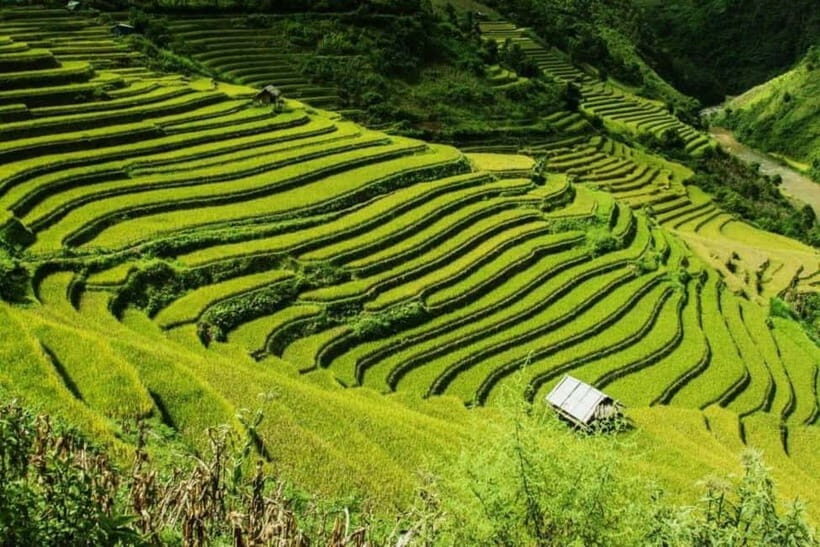
Day 1 is where you’ll decide what kind of village walking you want.
Cat Cat Village trek: downhill walking and the waterfall stop
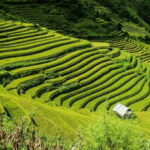
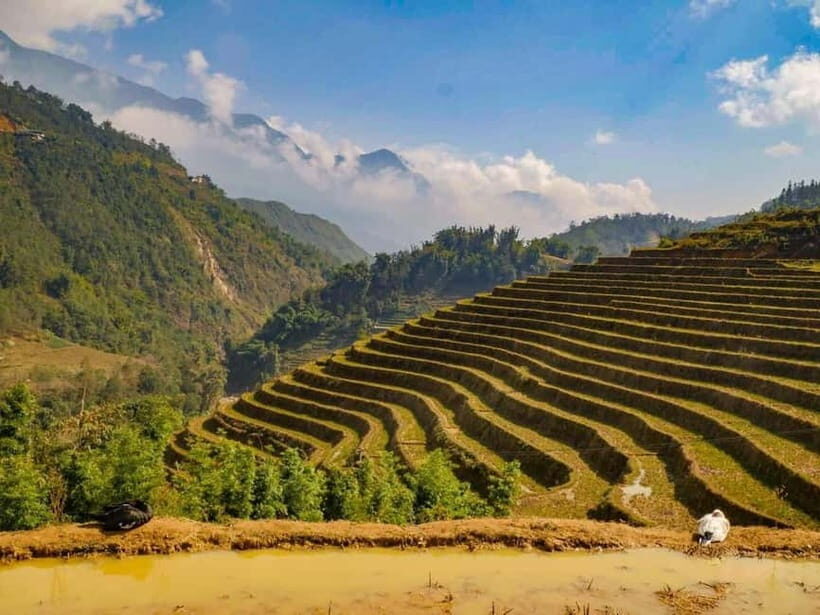
If you choose the Cat Cat option, you head downhill toward Cat Cat Village, a Black Hmong community. The route is built around traditional wooden houses and day-to-day village life you can observe as you pass by. You’re also in rice-terrace country, so the views tend to come in layers—valley, terraces, and then houses tucked into the hillside.
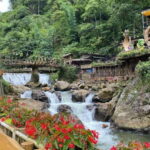
A standout here is the Cat Cat Waterfall area. It’s a classic Sapa scene: water dropping in the middle of the greenery, with villagers and paths close enough that it feels connected to life rather than a distant viewpoint. If you like photos that look like you’re part of the place (instead of just staring at it), this trek has that vibe.
Lao Chai and Ta Van trek: Muong Hoa Valley and suspension bridges
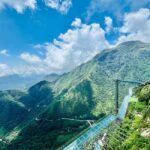
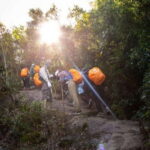
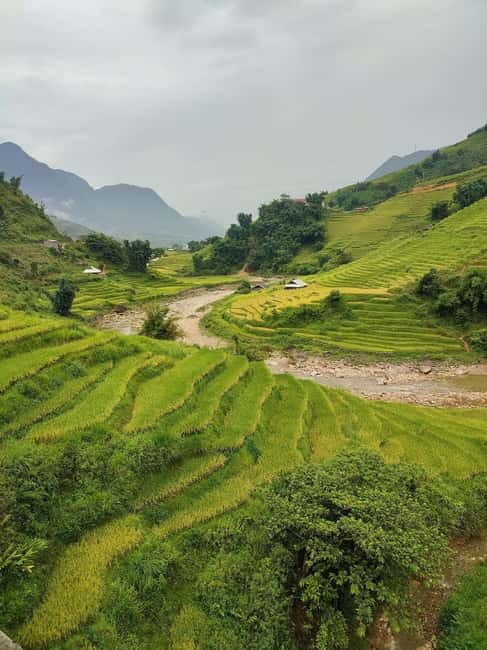
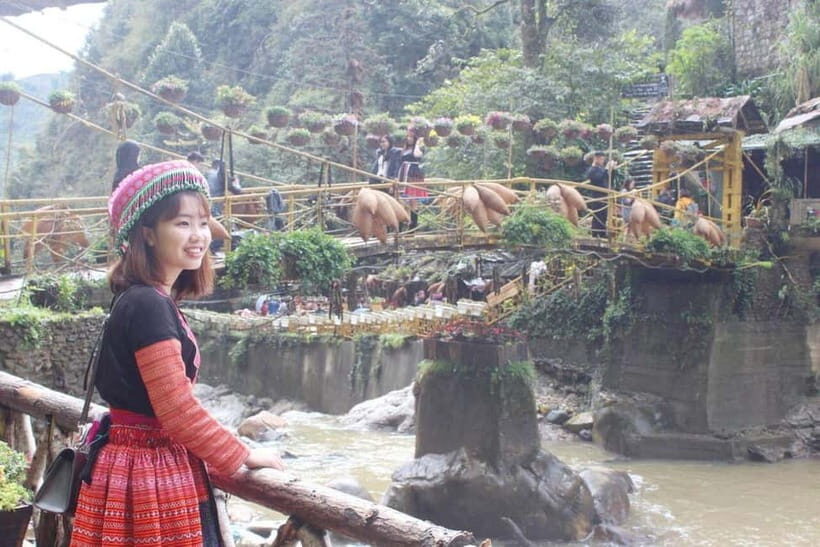
If you choose Lao Chai – Ta Van, your trek focuses on the Muong Hoa Valley. The walking route follows scenic trails through rice paddies, and you’ll pass through villages of Black Hmong and Day ethnic minorities. You’ll cross suspension bridges, which adds both fun and an actual sense of moving through the valley instead of staying on one level.
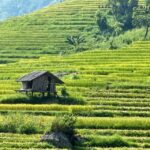
You also get the kind of scenery that comes from elevation changes: terraces, water channels, and stilt houses when you reach village areas. This is a great option if you want more variety in walking scenery and you don’t mind a longer, valley-style route.
Which one fits you?
Pick Cat Cat if you want a more compact feel, with the waterfall as a main visual reward. Pick Lao Chai/Ta Van if you want valley views, rice-paddy paths, and the extra texture of bridges and multiple village stops.
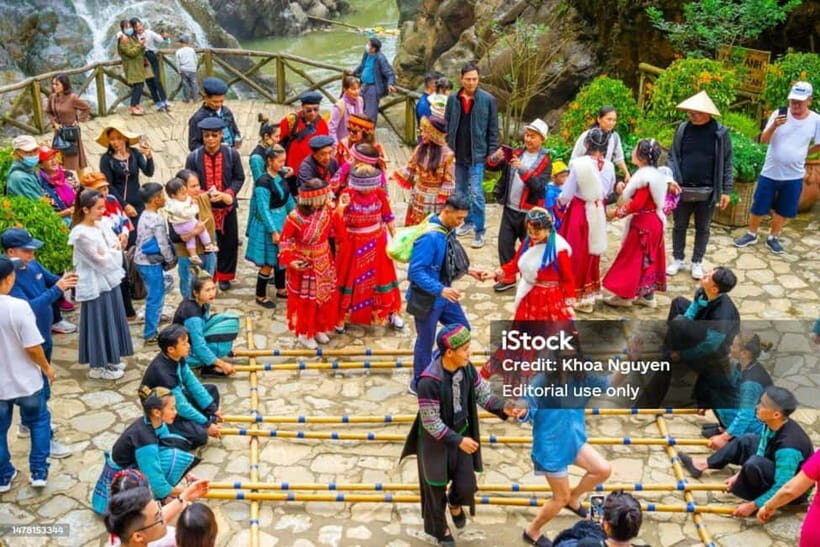
Either way, the tour is designed for interaction and understanding. The experience is framed around learning daily life and culture through real contact with locals, not just standing at the edge of a village with your camera ready.
You can also read our reviews of more tours and experiences in Sa Pa



The village culture part: what you’re really seeing
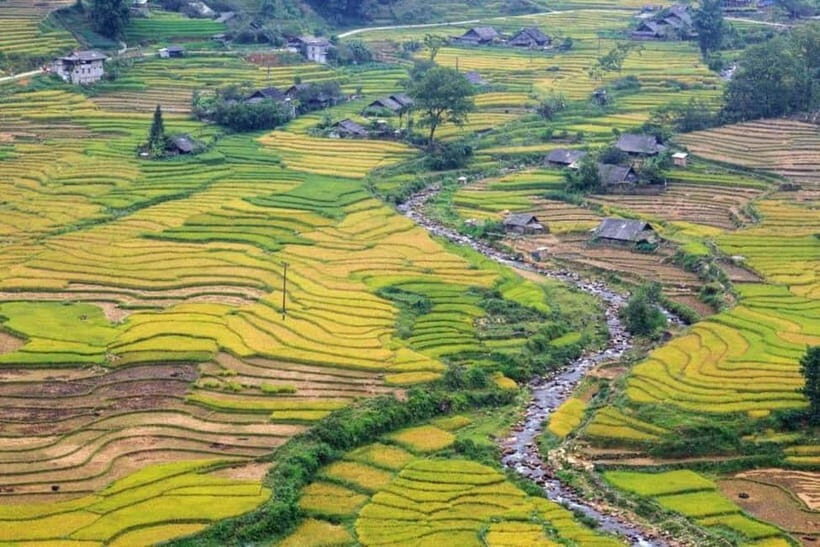
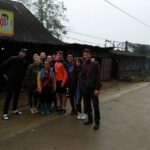
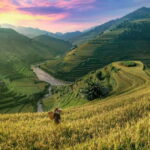
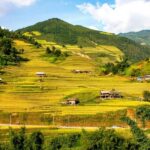
Sapa is famous for ethnic minority villages, but the way this tour is set up helps you see more than the postcard version. You’re walking past homes—traditional stilt houses are specifically mentioned—and you’re doing it on village paths, not a fenced walkway.
That’s important for two reasons:
First, it changes the pace. Village life isn’t staged for you. When you follow a trek route that threads through ordinary routines—houses, steps, paths, and communal areas—you’re more likely to notice details like how people live with the terrain.
Second, it gives you context for what you’re photographing. You can still take the big scenic shots—rustic villages, green mountain slopes, and misty views—but you’ll also have small “in-between” moments: how paths connect, how houses sit on stilts, and how the valley terrain shapes everything.
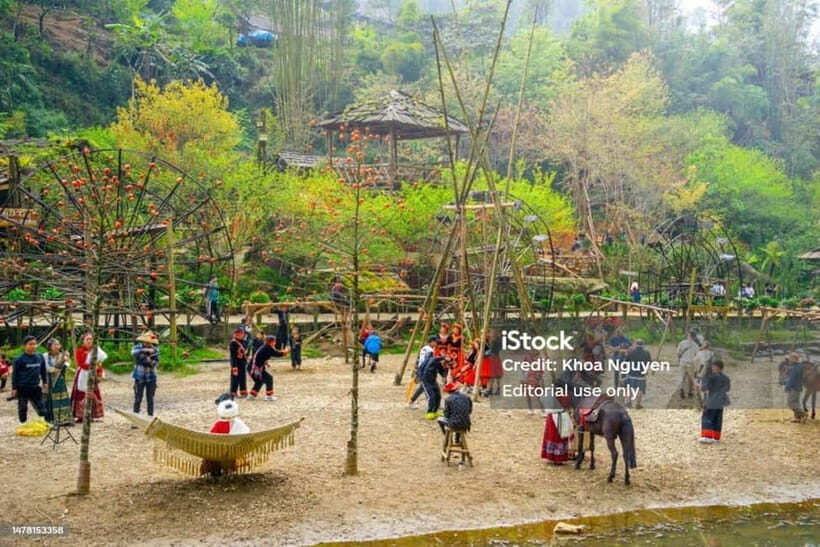
And yes, there’s also time for photos, including a Moana check-in moment. It sounds goofy (in a good way), but it’s also a good reminder that trekking days need moments of lightness, not just effort.
The Fansipan Peak day: from cable car to clouds
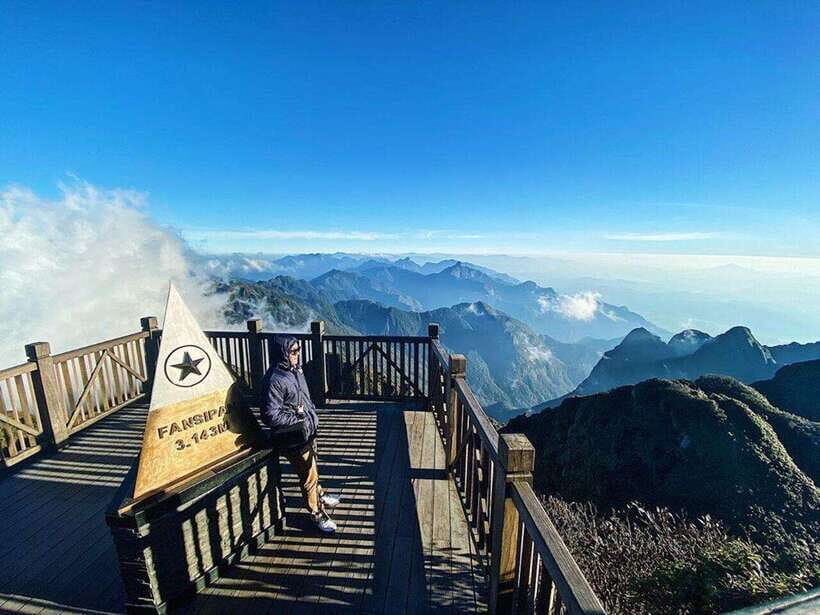
Day 2 is the payoff day. After breakfast in Sapa, you head to the Fansipan cable car station. The cable car takes you up to 3,143 meters, and the height matters because it changes what you can see and how the air feels.
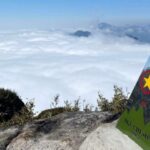
Once you arrive, you get sweeping views of the Hoang Lien Son mountain range. You also stroll around the summit pagoda complex. That part is more than a checkbox. When you’re up at summit altitude, the pagoda area gives you a calm place to pause—especially if the clouds roll in and out while you’re there.
Clouds are a real character in Sapa. Even when the day looks clear, you can get mist drifting through the view line. When that happens at the summit, the scene can feel almost layered—peaks disappearing and reappearing like they’re breathing.
After your time up top, you descend and then enjoy a hearty lunch back in Sapa. Then you head out by sleeper bus again in the early afternoon, reaching Hanoi in the evening.
This timing is practical. It’s built so that you don’t get stuck doing the long return trip while you’re still tired from summit walking. Instead, you get fed, then you move, then you sleep.
Meals, guides, and how the trip is paced
The tour includes two Vietnamese lunches, one dinner, and one breakfast. In a short 2-day itinerary, that’s not just convenience—it’s time control. Food stops can eat up your day in places like Sapa where schedules and weather can shift. With meals built in, you’re more likely to keep your walking plan intact.
You’ll also be traveling with an English-speaking local guide. The provider listed is Duy Amma, and the inclusion of a guide is one of the biggest reasons this kind of trek can feel meaningful rather than confusing. Even when you’re not hearing a long lecture, having someone explain what you’re seeing—houses, village routines, and the general logic of where you’re stepping—keeps you oriented.
Language options are listed as English, German, French, Japanese, and Chinese. If you’re not traveling with English, it’s worth checking what language is available with your booking.
The pace is built around short-term comfort:
- Day 1: transit + lunch + trek + dinner + hotel night
- Day 2: breakfast + cable car + summit time + lunch + sleeper bus back
That’s a sensible rhythm for first-timers who want a “Sapa experience” without turning the trip into an endurance event.
Price and value: what $137 actually buys you
The price listed is $137 per person, and it’s more reasonable when you look at what’s included.
What you get included:
- Round-trip sleeper bus Hanoi ⇄ Sapa
- 1-night hotel accommodation in Sapa
- Meals: 2 lunches, 1 dinner, 1 breakfast
- English-speaking local guide (with a surcharge if you want a different language)
- Trekking tour to Cat Cat or Lao Chai/Ta Van
- Entrance fees and permits
Not included:
- The Fansipan cable car ticket (800,000 VND, about $32)
- A single-room service charge if you travel alone
- Holiday surcharges (New Year, Lunar New Year, Labor Holiday, Independence Day, New Year’s Eve)
- Optional upgrade by luxury limousine
So the real value equation looks like this: you’re paying for transport, lodging, guiding, trekking access, and most meals, then adding the one big add-on cost for the summit cable car. If you tried to DIY it—finding a hotel, arranging a guided trek, getting entrance/permit details, and coordinating the bus—you’d likely spend time and money in ways that are hard to estimate ahead of time.
In other words, this price feels geared toward convenience plus a properly organized trek, not just transportation.
Practical tips so the days feel good, not hard
The tour data calls out two key prep items: comfortable trekking shoes and sunscreen. I’d treat those as must-dos, not suggestions.
Also consider the reality of Sapa weather:
- You can get mist around the mountains, and the summit area can feel cool.
- Even if it’s not raining, trails can be slick depending on recent weather.
- Comfortable shoes matter because you’ll be walking village trails in either Cat Cat or Muong Hoa Valley.
Bring sunscreen because you’re not only walking in the valley; you’re also heading up to high altitude where sun can feel stronger. Sunglasses can also be helpful on clear summit moments, though that’s not listed—so think of it as an extra, not a requirement.
If you’re prone to fatigue from stairs or elevation changes, plan to take the trek at a steady pace. The tour is short, so you want to avoid “racing” the route and blowing your energy before the waterfall or bridge sections.
Who should book this trek-and-summit combo
This trip fits best if you:
- Want a 2-day Sapa highlight without getting lost in logistics
- Prefer guided trekking through villages rather than only viewpoints
- Like photography, especially rustic villages, rice terraces, and waterfall scenery
- Are curious about ethnic minority communities and how people live in valley terrain
It’s also a good first-time Sapa plan because it combines two different sides of the region: village trekking and a peak day.
If you’re the type who hates organized schedules or wants total freedom to linger, you might find the tight timing a bit structured. But if you want “just enough” time in each place, this itinerary is built for that.
Should you book it? My straight answer
Yes—if you’re looking for a well-organized Sapa intro that pairs village trekking with a real summit goal. The inclusion of sleeper bus transport, a hotel night, meals, guide support, and trekking access makes it hard to beat for convenience, especially on a 2-day timeline.
I’d say book it if you’re willing to walk and you’re okay with the one major extra cost: the Fansipan cable car ticket. Plan for the weather, wear solid shoes, and you’ll be set for a trip that mixes daily village life with big mountain views.
FAQ
FAQ
Is the Fansipan cable car ticket included in the price?
No. The Fansipan cable car ticket is listed as 800,000 VND (about $32) and is not included.
Which trekking route will I do on Day 1?
You’ll do one of the two: the Cat Cat Village trek or the Lao Chai – Ta Van trek. The tour is described as offering a choice between these scenic options.
Do I stay overnight in Sapa?
Yes. The tour includes 1-night hotel accommodation in Sapa.
What transport is included between Hanoi and Sapa?
Round-trip sleeper bus transport is included between Hanoi and Sapa.
What languages are available for the guide?
The listed languages are English, German, French, Japanese, and Chinese.
What should I bring for the trekking part?
The tour advises comfortable trekking shoes and sunscreen.