REVIEW · SA PA
2-Day Fansipan Mountain Trek – Indochina’s Highest Peak
Book on GetYourGuide →Operated by Vietnam Nomadtrails · Bookable on GetYourGuide
Fansipan is a mountain with a reputation. This 2-day trek from Sapa takes you up through pine and bamboo, then pushes you to Vietnam’s highest point at 3,143 meters, with sunrise on the summit and valley views you remember. You’ll hike with an English-speaking guide, and the trip also includes time to learn about the minority groups of Sa Pa along the way.
I also like how much of the hard work is handled for you. A porter carries key gear like your food and sleeping bag, meals are cooked during the trek, and you get permits plus entrance fees taken care of. The main drawback is real: this route is steep and long, with basic sleeping conditions, and cold nights can catch you off guard.
In This Review
- 6 Key Things You’ll Really Notice on This Fansipan Hike
- Why Fansipan’s 2-Day Route Feels Like a Real Mountain Story
- Meeting in Sapa: Getting Ready for an Early, Efficient Start
- Day 1: From Tram Ton Pass to 2,200 m and On to 2,800 m
- Camp at 2,800 m: Dinner at 6:30 PM and the Cold-Weather Reality
- Day 2: The Sunrise Summit Push to 3,143 m
- Getting Back to Tram Ton and Returning to Sa Pa (Shower Included)
- English Guide + Minority Culture: Why This Feels More Human Than Just a Climb
- What’s Included (and Why It’s Not Just “Meals and a Map”)
- Easy Extras to Budget For: Cable Car and Drinks
- Price and Logistics: Is $120 a Fair Deal for Fansipan?
- How Fit Do You Need to Be for This Steep Trek?
- Who This Fansipan Trek Fits Best (and Who Should Skip It)
- Should You Book This 2-Day Fansipan Trek?
- FAQ
- What is the highest point you’ll reach on this trek?
- How long is the Fansipan trek?
- Where and when do you meet in Sapa?
- What meals are included?
- Do you have a porter?
- What about accommodation and sleeping setup?
- Is the cable car included for the descent?
- What is the price of the tour?
6 Key Things You’ll Really Notice on This Fansipan Hike
- Tram Ton pass to the 3,143 m summit on a tight 2-day schedule
- English-speaking guidance with on-the-ground context about local minority cultures
- Porter support for your sleeping bag and food so you can focus on your pace
- Day 1 to 2,800 meters for a camp night and an early push to sunrise
- Sunrise on the summit around 7:30 AM with wide views over Sa Pa and beyond
- Basic camp conditions where warmth at night matters more than you expect
Why Fansipan’s 2-Day Route Feels Like a Real Mountain Story
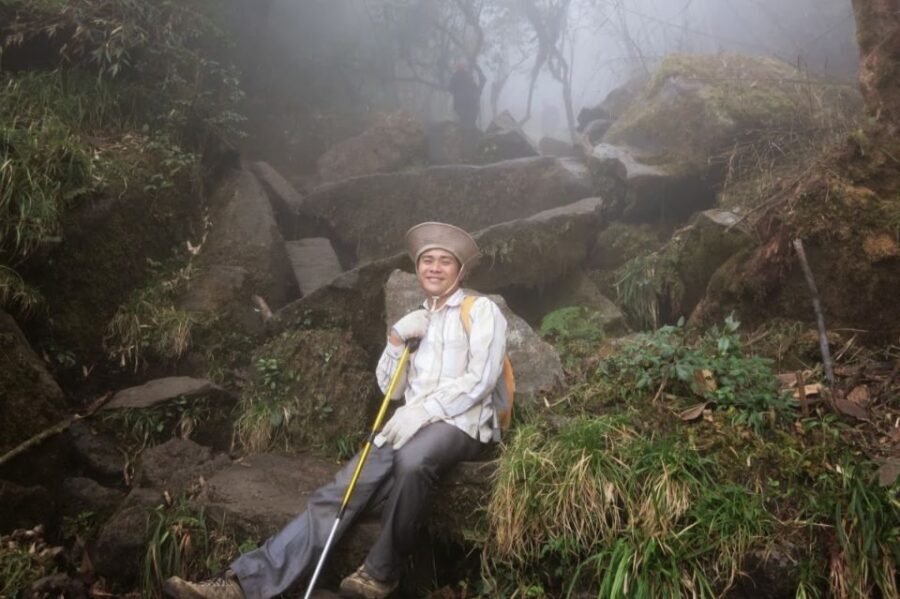
If you’re looking for a tour that feels like an adventure instead of a sightseeing drive, Fansipan is the right target. The climb is steep enough to keep your legs honest, but the schedule also gives you a real arc: hike up, camp high, then go for sunrise.
What makes this itinerary especially meaningful is the combination of altitude and timing. Day 2 starts in the dark, you reach the top around 7:30 AM, and you’re there when the light hits the valleys. That “someone-turned-on-the-world” feeling at sunrise is exactly the kind of payoff that turns a tough climb into a story you’ll keep retelling.
One more thing: the route isn’t only about steps and stamina. You’re guided through a landscape that includes streams, forests, and changing vegetation as you gain altitude, plus explanations of Indigenous communities in the Sa Pa area such as the Black Mong, Red Dzao, and Dzay. For me, that cultural layer is what turns this from a purely physical challenge into something more memorable.
You can also read our reviews of more hiking tours in Sa Pa
Meeting in Sapa: Getting Ready for an Early, Efficient Start
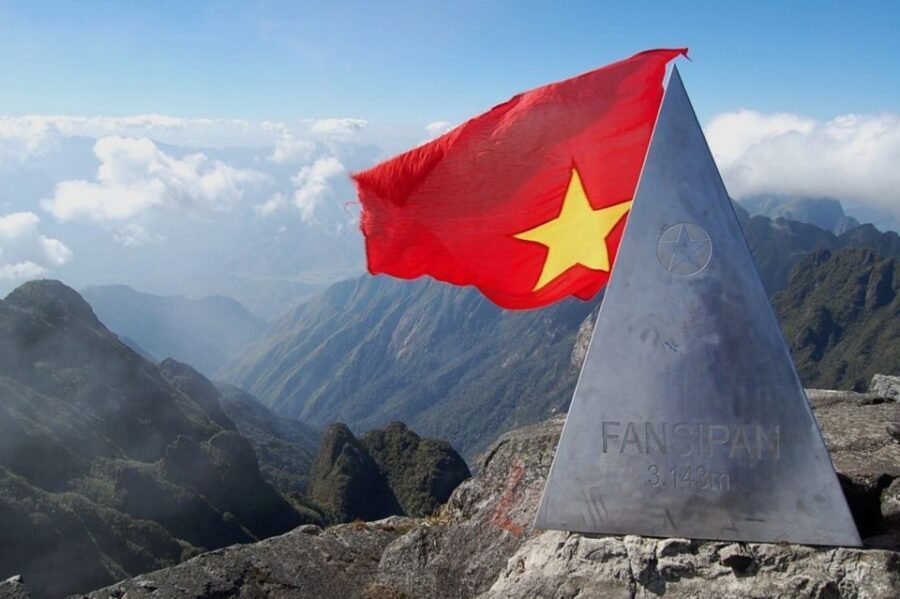
You’ll meet at the Vietnam Nomadtrails office in Sapa (No 013 Tue Tinh str). The published meeting time is 8:00 AM, and the plan also notes you’ll arrive early to take advantage of a hot shower and store your large luggage before heading toward the trailhead.
Why this matters: Fansipan punishes sloppy planning. A mountain trek like this runs best when you can pack smart, keep your daypack light, and use that warm shower before you start sweating uphill.
You’ll also have a bit of time in Sapa to get your bearings before leaving for Tram Ton pass, the starting point for the ascent.
Day 1: From Tram Ton Pass to 2,200 m and On to 2,800 m
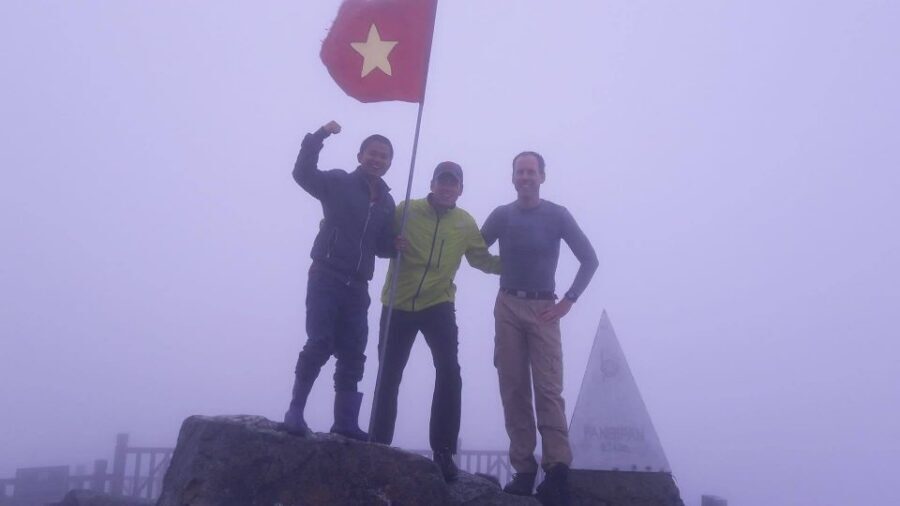
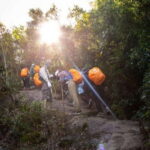
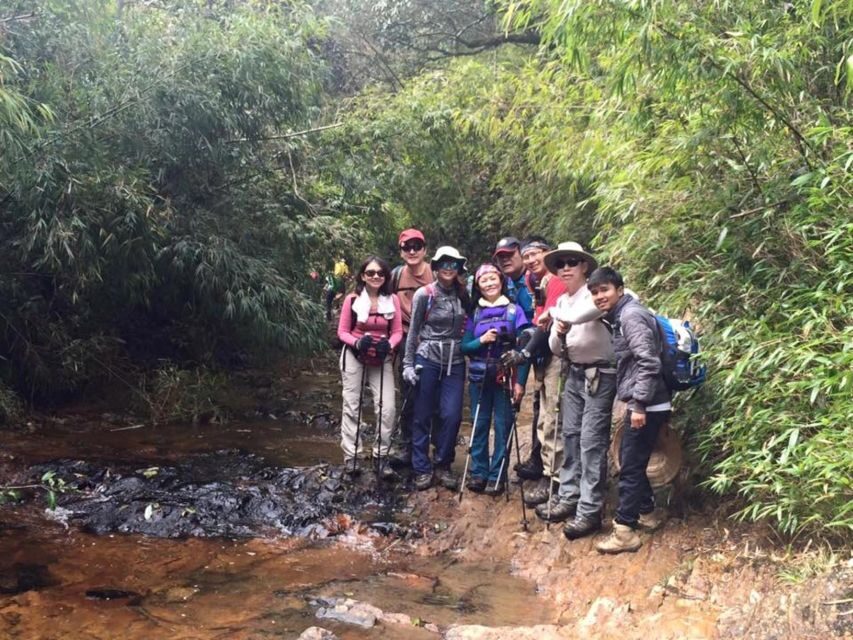
Your day starts with movement toward Tram Ton pass, and then the climb begins. The plan sets the ascent start around 9:00 AM. From there, you’re hiking through cool-climate forests of pine and bamboo, moving along streams and changing terrain as altitude increases.
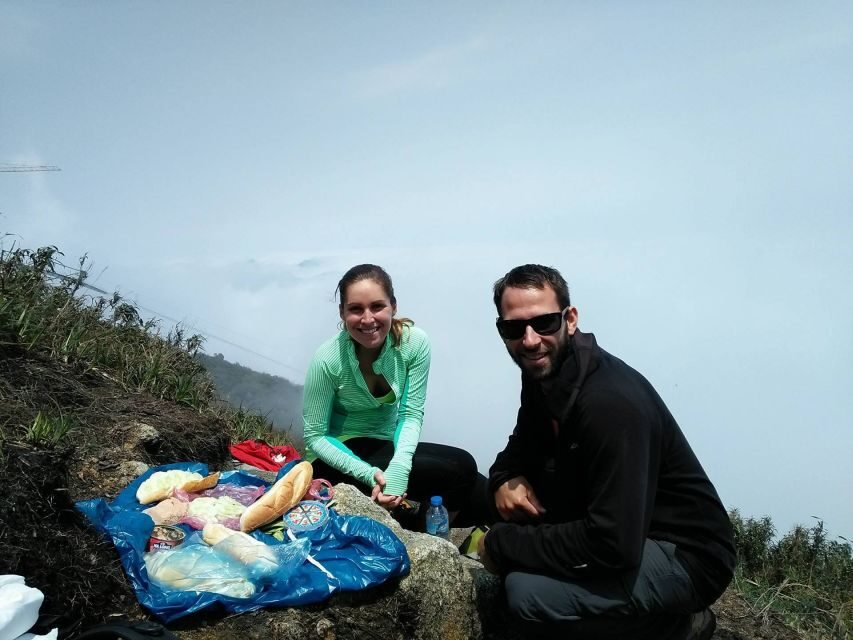
As you go, I like the way the day is paced. Around noon, you reach about 2,200 meters, which is your lunch break—picnic style, with food prepared by the guide and porter. This isn’t just a “refuel and keep walking” stop. It also gives you a calmer moment to look around, catch your breath, and reset your rhythm before continuing upward.
Then comes the second push of the day: from roughly 2,200 m to your sleeping point at about 2,800 meters, arriving around 4:00 PM. Expect time to rest, check your gear, and get a sense of the camp area before dinner.
A great detail here is the porter setup. You’ll meet your porter from the Black Mong community, and they carry things like your food and sleeping bag. That support isn’t a luxury—it’s part of why this trek can stay on schedule without dragging into extra days.
Camp at 2,800 m: Dinner at 6:30 PM and the Cold-Weather Reality
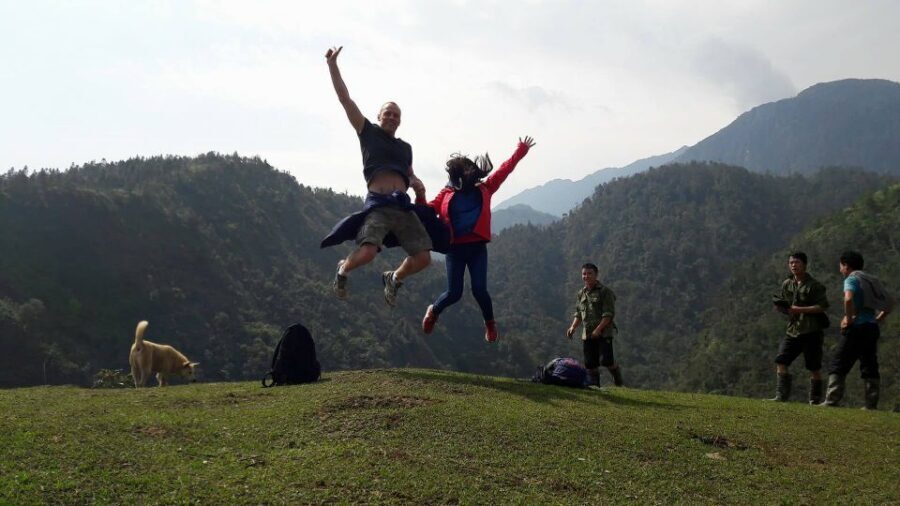
At 2,800 meters, the hiking is only half the challenge. The other half is camp life. Your day includes dinner around 6:30 PM, then an early night.
The accommodation you’ll use is basic by design—options listed include a tent, hut, or sleeping bag. In practical terms, this means you should treat warmth as a priority. One of the clearest “heads up” from real experience with this kind of altitude-and-camp setup is that temperatures can drop to zero degrees at night, and not every sleeping bag setup is enough by itself.
This is where I’d be honest with you: if you run cold, you’ll feel it more at 2,800 m than at sea level, even if the daytime hiking feels fine. Your guide and porter will help in the moment, but you should still prepare for the possibility that the sleeping situation is rustic.
The upside is simple. Early dinner, then rest, then a summit push at dawn means you’re not wasting energy lounging all night. It’s a functional mountain rhythm.
Day 2: The Sunrise Summit Push to 3,143 m
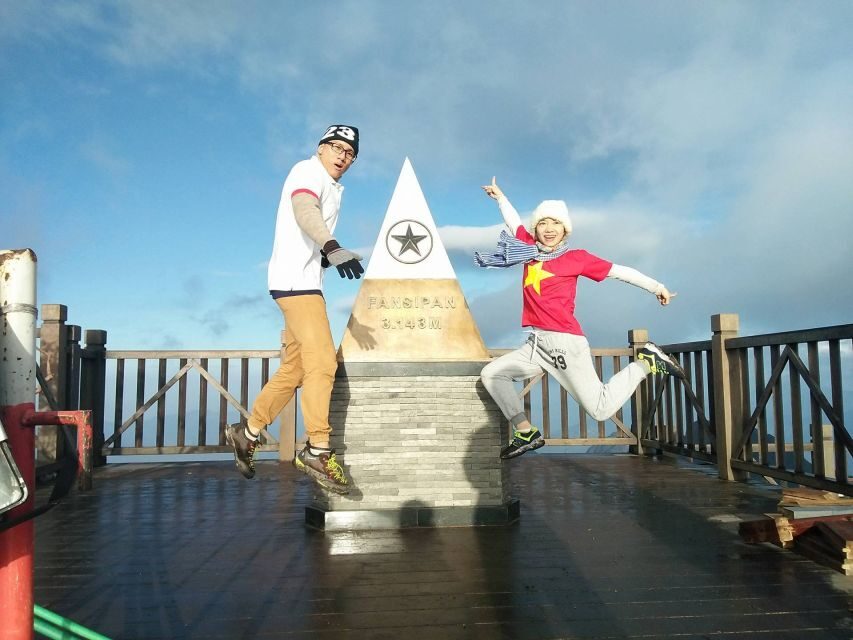
Day 2 begins early. You’ll have breakfast around 5:00 AM, with hot tea or coffee, then you continue hiking through bamboo forest as vegetation becomes less dense near the top.
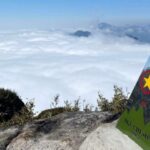
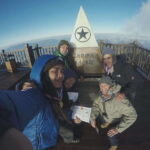
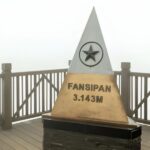
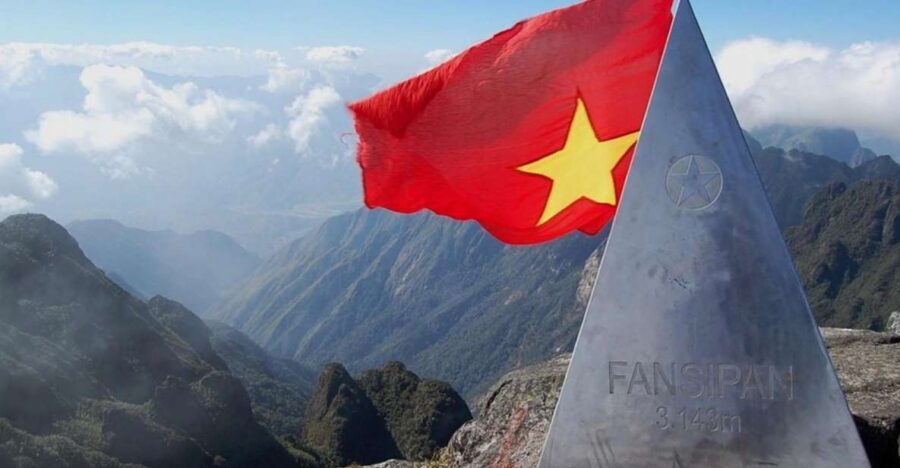
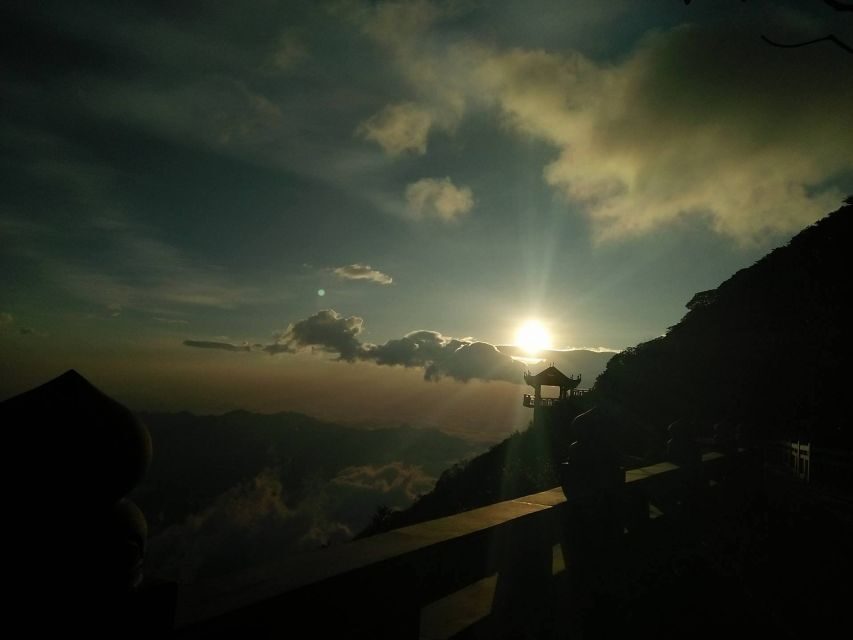
The goal is the summit in time for sunrise. You’re scheduled to arrive at the top around 7:30 AM. At the summit of Mount Fansipan (3,143 m), you’ll be able to admire sunrise and take in views over the valleys of Sa Pa and Lai Chai Province. The route description even notes you can see mountains in Yunnan, China on a clear morning—so if the weather cooperates, you get that extra “this is bigger than your map” feeling.
After sunrise time, you’ll begin the descent around 8:00 AM. You’ll also enjoy a picnic lunch during the way down back to Tram Ton.
This descent timing is important. In any steep hike, the knees do the negotiating. Having a plan that gets you back to the trailhead in the afternoon means you’re less likely to feel trapped in daylight delays.
You can also read our reviews of more tours and experiences in Sa Pa


Getting Back to Tram Ton and Returning to Sa Pa (Shower Included)
You’ll reach Tram Ton between about 3:30 and 4:30 PM. A car is waiting to take you back to Sa Pa. There’s also a hot shower provided at the office at the end, which is exactly the kind of reward you’ll appreciate after cold mornings and steep steps.
From there, you handle your own transport from Sa Pa back to Hanoi if you’re continuing onward. The trek ends back at the meeting point area, so you’re not left guessing how to get aligned with the rest of your trip.
English Guide + Minority Culture: Why This Feels More Human Than Just a Climb
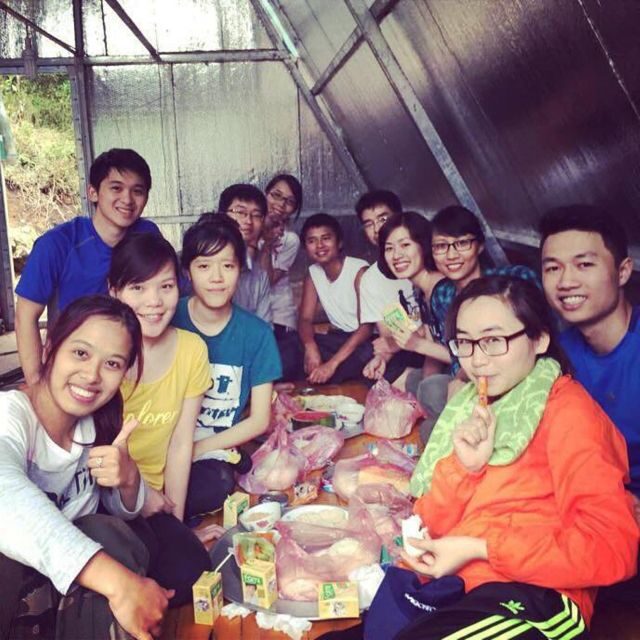
One of the biggest strengths of this trek is the human layer—your guide doesn’t just point the way. The route notes that you’ll learn about Indigenous customs and local people living around Sa Pa, including Black Mong, Red Dzao, and Dzay.
In practice, what you want from a mountain guide is: good pacing, clear communication, and thoughtful stops when something is worth seeing. The experience information here is that the guide explains what you’re walking through and who lives in the region, and they help you understand the setting rather than treating it like a checklist.
Names you might hear from staff include guides like Sinh and Cha, who have been specifically mentioned as standout personalities. Even if your guide is different, the key is the same: you’re traveling with someone who can connect the hike to the people and forests around you.
What’s Included (and Why It’s Not Just “Meals and a Map”)
For $120 per person, this trek includes a lot of the things that usually add up during independent planning:
Included basics:
- English-speaking guide
- Meals: 2 lunches, 1 dinner, 1 breakfast
- 1.5 liters of water per day
- Entrance fees and permits
- Porter to carry your food and sleeping bag
- Transport to/from the trekking starting point
- Hot shower at arrival and at the end
- Accommodation (sleeping bag, hut, or tent)
Why that matters for value: permits, entrance fees, and local logistics are rarely “cheap in time.” With this setup, you’re mostly paying for an organized route, staffed support, and the meal/camp system that keeps the climb from becoming a self-managed survival exercise.
If you were to DIY this, you’d likely spend time coordinating permits, hiring a porter, and sourcing meals that work at altitude. This tour folds those moving pieces together so you can focus on hiking.
Easy Extras to Budget For: Cable Car and Drinks
This trip is built around walking, but there’s a common option if you feel worn down. Cable car tickets are not included. The information states that you can buy a cable car ticket for the descent for an additional 700,000 VND if you feel tired.
Also note: the cable car ticket price is listed separately as 800,000 VND, so the exact cost you’ll pay depends on how the local arrangement is handled on your date. Either way, you should treat cable car as an optional cost, not something to assume is included.
Not included:
- Travel insurance
- VAT
- Drinks
One more cost note: there’s a Lunar New Year surcharge of 70 USD per person for dates from 26th to 2 Feb 2025, paid at the meeting point. If you’re traveling around that window, plan for it.
Price and Logistics: Is $120 a Fair Deal for Fansipan?
At $120 per person for a 2-day, high-altitude guided trek, this price looks fair because it includes the stuff that’s hard to replace: guide time, permits/entrance fees, porter labor, and food plus camp basics.
The “gotcha” isn’t the cost—it’s the experience type. This is not a comfort-first trek. Accommodation is basic, and the physical challenge is real. If you go expecting hotel service, you’ll be disappointed.
But if you want the experience of climbing to the highest peak in Vietnam with a guide who handles the permits and camp framework, $120 becomes easier to justify. You’re paying to reduce friction, not to buy luxury.
Private tour pricing is also listed: single travelers pay $230 USD for a private tour. That can be worth considering if you prefer your own pacing and conversation style, but you’ll need to decide if the extra money buys the kind of comfort you actually want.
How Fit Do You Need to Be for This Steep Trek?
The trek is described as a long, steep hike. It also notes that the full trek is not suitable for those with disabilities and children under 17. Elderly people are advised not to do the long trek (listed as 26 kilometers).
So here’s the practical advice I’d give you: treat this as a serious walking challenge, not a casual hike. You’ll be climbing over rocky sections and steep steps, and you’ll be doing it on consecutive days.
If you’re reasonably active and hike regularly, you’ll likely do fine with the right pace. If you’re coming straight from a low-activity stretch, you’ll feel it faster than you expect.
Also remember the weather angle. Even when daytime hiking is manageable, the night at altitude can be cold enough to change how you sleep. If you tend to get chilly at night, bring extra warmth within what you’re allowed to carry (or plan for the possibility that you may want a cable car descent if fatigue builds).
Who This Fansipan Trek Fits Best (and Who Should Skip It)
This tour is a strong match if you want:
- A guided route up Fansipan with English support
- A chance to reach the summit area for sunrise
- A porter-managed camp setup with meals handled
- Cultural context about Indigenous minority communities around Sa Pa
It’s a weaker match if:
- You want comfortable lodging
- You’re not prepared for steep trekking and cold camp nights
- You’re traveling with limitations in mobility or considering it for children under 17
- You’re likely to feel overwhelmed by a 26 km style hiking demand
In other words: if you’re aiming for an “earned” experience—one where the summit feels like work done right—this is your kind of trip.
Should You Book This 2-Day Fansipan Trek?
I’d book it if you’re chasing the real Fansipan feeling: early starts, steep walking, sunrise at 3,143 m, and a guide-led experience that connects the trek to the people of the region. The inclusion of permits, meals, porter support, and showers makes it a smoother package than most DIY options.
I wouldn’t book it if you’re seeking comfort, easy pacing, or reliable warm sleeping conditions. The mountain is the point here, and the camp is basic. If that sounds like your idea of a good trade, go for it.
If you’re unsure about your stamina, keep the cable car option in mind as a backup plan for the descent.
FAQ
What is the highest point you’ll reach on this trek?
You’ll climb to the summit of Mount Fansipan, which is listed at 3,143 meters.
How long is the Fansipan trek?
The experience runs for 2 days.
Where and when do you meet in Sapa?
You meet at VIETNAM NOMADTRAILS’ office in Sapa town (No 013 Tue Tinh str). The start time is listed as 8:00 AM.
What meals are included?
You get 2 lunches, 1 dinner, and 1 breakfast during the trek.
Do you have a porter?
Yes. A porter carries your food and sleeping bag.
What about accommodation and sleeping setup?
Accommodation is listed as sleeping bag, hut, or tent, depending on conditions and the program plan. A hot shower is included at the end.
Is the cable car included for the descent?
No. The cable car ticket is not included. There is an option to buy it for an additional 700,000 VND if you feel tired.
What is the price of the tour?
The price is listed at $120 per person.