REVIEW · SA PA
Sa Pa: 2-Day Trekking Trip with Ethnic Minority Homestay
Book on GetYourGuide →Operated by Vietnam Nomadtrails · Bookable on GetYourGuide
Some of the best Sapa moments are off the road. This 2-day trek through the Muong Hoa Valley takes you past rice paddies, village paths, and mountain views, plus you’ll meet ethnic communities along the way. I particularly like the cultural stops paired with real walking time, and I also like that you sleep in a Dzay homestay instead of a standard hotel. One thing to plan for: the trail can be muddy and slippery when weather turns, so good shoes and a calm attitude matter.
The route is set up for small-group pacing (up to 14 people) with an English-speaking guide. In the villages, guides such as Lan, Khu, and Mme Nhu are repeatedly praised for making the culture make sense, and for stepping in when the footing gets tricky. Still, this trek is not a walk in the park, and it’s not suitable for kids under 6, pregnant women, or anyone with back or mobility issues.
Finally, the value is strong because meals are built in: lunches at local restaurants, a hosted dinner at the homestay village, and breakfast where you stay. If you’re expecting a strict “see sites, take photos, leave” day, you might find the homestay evening slower than you want.
In This Review
- Key highlights you’ll actually feel
- Muong Hoa Valley trekking that mixes views with real village life
- Price and what your $55 really buys
- Day 1: Y Linh Ho, Lao Chai, Ta Van, and a Dzay night with a hosted dinner
- Day 1 village moments that make the culture feel less like a museum
- Day 2: Bamboo forest, Giang Ta Chai, a waterfall break, and Muong Hoa River cool-down
- Homestay etiquette: how to make the night go smoothly
- Guides make or break the trekking pace (and the meaning)
- What to pack: shoes, warmth, and the “small stuff” that saves you
- Who should book this trek, and who should skip it
- Quick practicalities before you go
- Should you book this Sapa 2-day ethnic homestay trek?
- FAQ
- What’s the duration of the trek?
- How far do we walk each day?
- What’s included in the price?
- What meals are included?
- Where do we stay overnight?
- What should I bring for the trek?
- Are drinks included?
- What if I need to cancel?
Key highlights you’ll actually feel
- Village-to-village trekking with stops like Y Linh Ho, Lao Chai, and Ta Van
- Rice-terrace views plus mountain sightlines toward Fansipan on Day 1
- A Dzay overnight homestay, with a hosted dinner and a morning start from the village
- Bamboo forest and Muong Hoa River time, including a break at a waterfall
- Small group size (max 14) and support from the guide, sometimes with local women helping on the first stretch
- English guidance that connects daily life to what you’re seeing in the settlements
Muong Hoa Valley trekking that mixes views with real village life
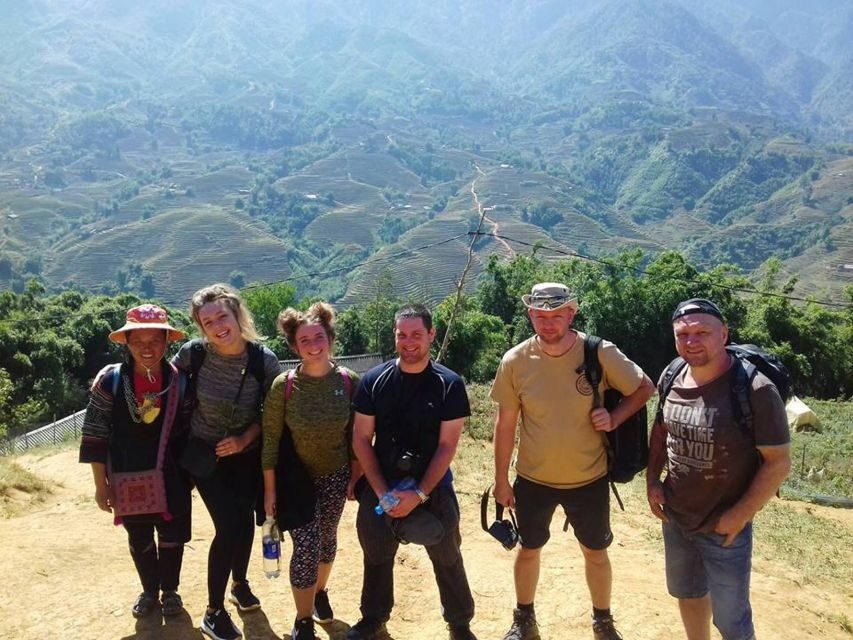
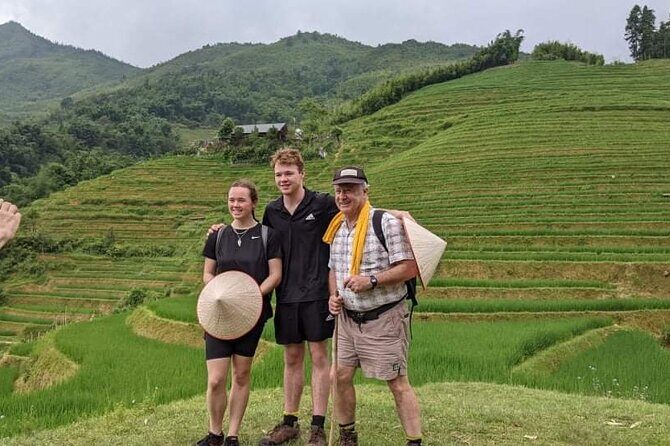
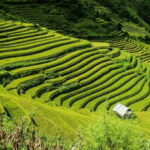
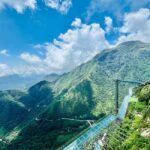
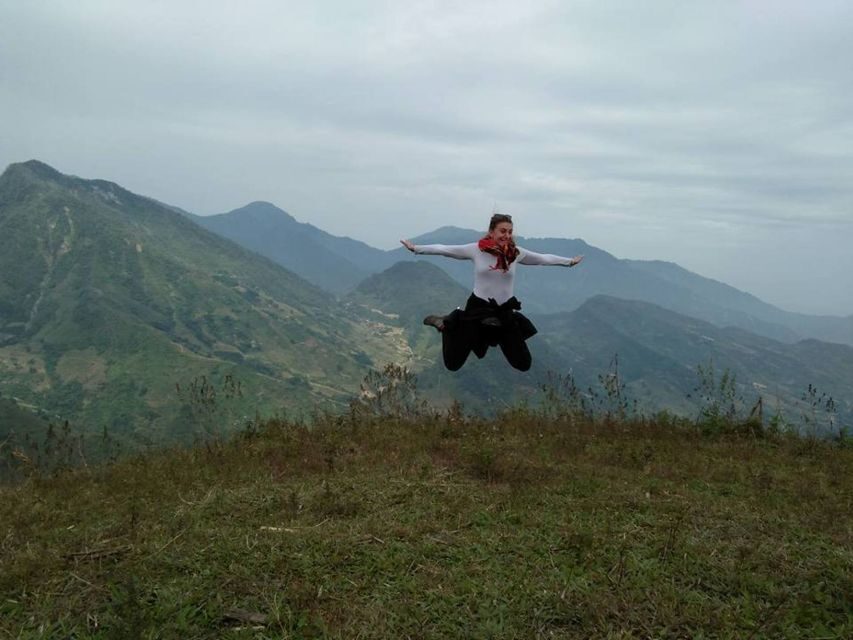
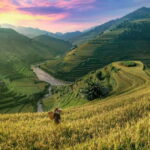
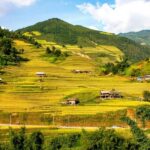
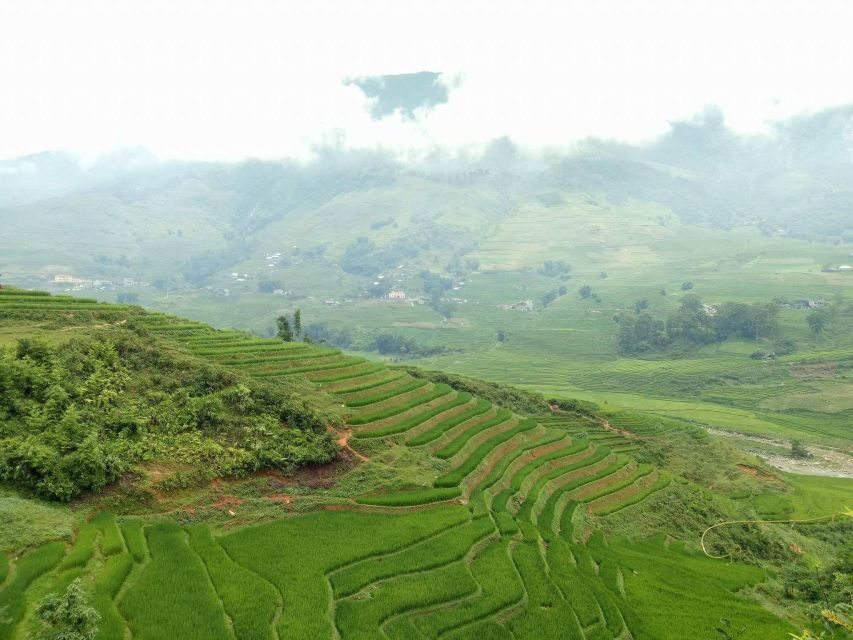
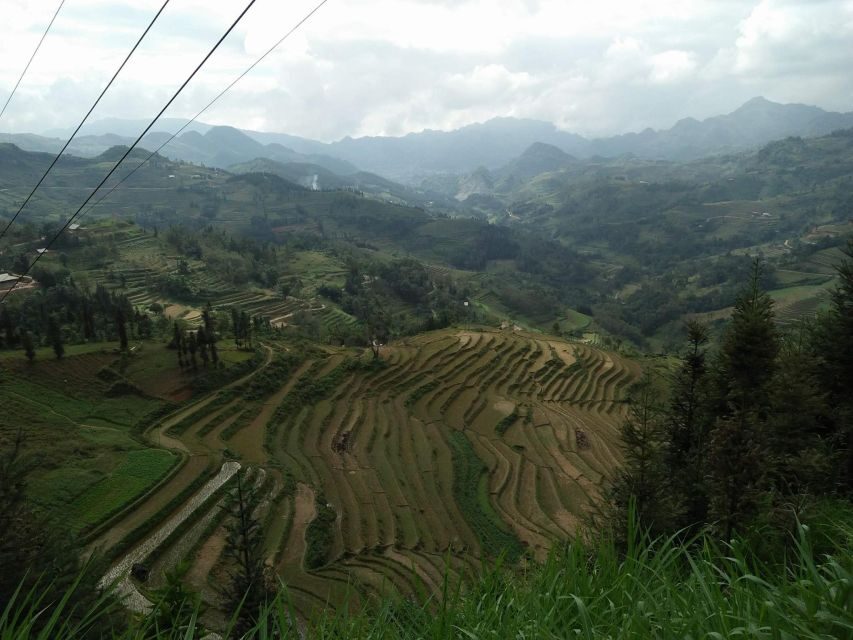
If you only do viewpoints in Sapa, you miss the everyday rhythm of the valley. This trek is built around the kind of routes locals use: narrow footpaths between hamlets, shaded stretches through bamboo, and open sections where you can see how the rice fields climb the slopes. On clear days, you get big mountain sightlines; on cloudy days, you get a damp, low-contrast mood that can still be beautiful and very “up close.”
The cultural part isn’t just a quick photo stop. You pass through different ethnic minority settlements and get inside the daily spaces that make sense only when you slow down. That’s why the guide quality matters so much here, and it shows in reviews that mention Lan, Khu, and Mme Nhu by name for explaining customs in clear English and keeping the group moving at a safe pace.
A fair heads-up: it’s a trek in a mountain valley, not a groomed city walk. Expect uneven ground, mud after rain, and the occasional push-and-pull of altitude and stairs. If you like active travel, you’ll love it. If you hate being uncomfortable for even an hour, you may not.
You can also read our reviews of more hiking tours in Sa Pa
Price and what your $55 really buys
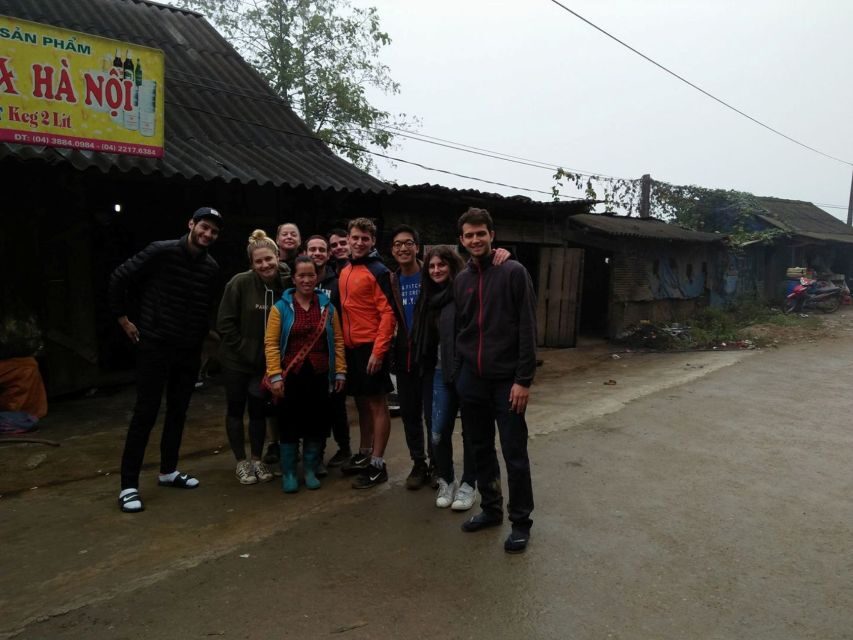
$55 for two days can feel almost too good—until you look at what’s included. Here, the price covers an English-speaking guide, return transfer by bus, homestay accommodation in a Dzay village, and a full set of meals: 2 lunches at local restaurants, a hosted village dinner, and breakfast at the homestay.
That matters because trekking tours often charge extra once you’re on the ground. Here, your biggest costs (food and the homestay night) are already accounted for, which makes budgeting easier when you’re in Sapa and trying to line up other activities.
Two add-ons to watch for:
- Drinks aren’t included, so plan on paying for water/soft drinks beyond the mineral water that’s included.
- There can be a $30 USD Lunar New Year surcharge during the Jan 26–Feb 2, 2025 window, paid at the meeting point.
If you want an “I paid and it’s handled” experience that still feels authentic, this setup is a good match.
Day 1: Y Linh Ho, Lao Chai, Ta Van, and a Dzay night with a hosted dinner
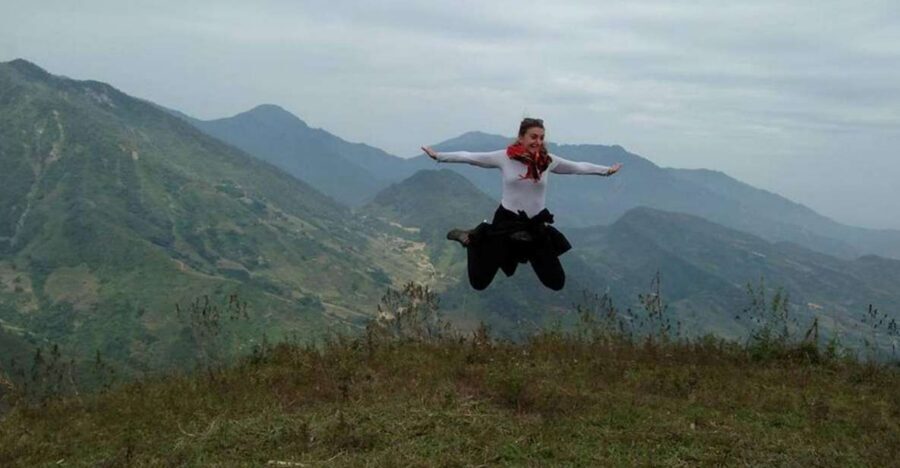
Day 1 is the longer walking day: about 11 km through the Muong Hoa Valley. You’ll start from Sa Pa, then work your way through villages and fields. The first big payoff is view time. On a clear morning, you can catch Fansipan in the distance along with rice paddies stretching across the hills.
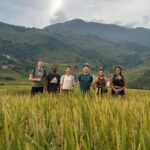
You’ll meet the Black H’Mong in the village of Y Linh Ho and pass along settlements that keep changing as you walk. One of the most practical parts of this itinerary is that it doesn’t overload you with constant bouncing between locations. Instead, it gives you a rhythm: walk a stretch, see where you are, and learn what you’re looking at.
A highlight on the route is Lao Chai as you pass toward Ta Van. This is one of those stretches where the terrain and the village layout show you how people live with the land—not against it. You also get a look inside a typical wooden house, which helps you picture the village life behind the photos.
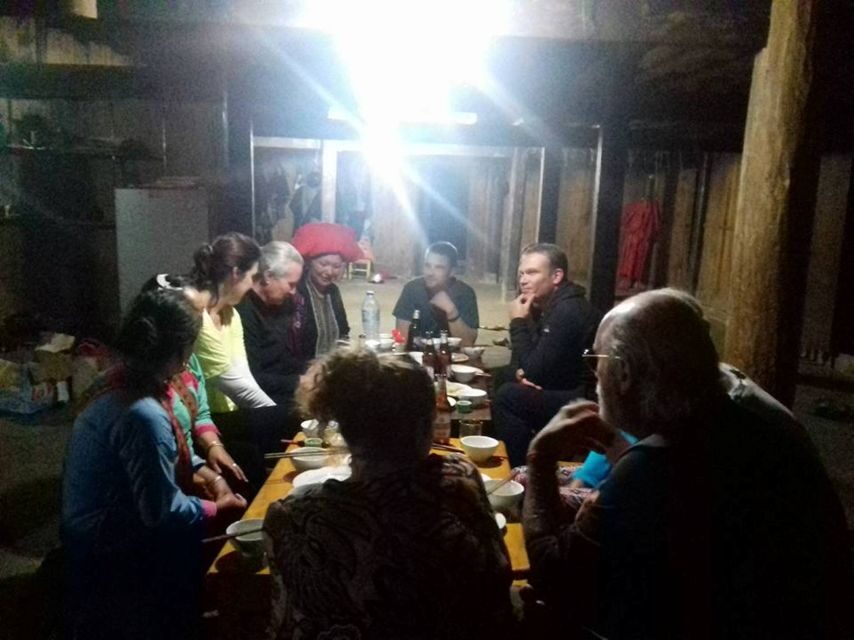
When the walking is done, you check into a Dzay homestay for the night. This is the part many people remember most because it’s not staged like a showroom. You’ll share a hosted dinner with the family, and the day ends in the village, where quiet and candle-warm atmosphere beats restaurant lights.
What to consider on Day 1:
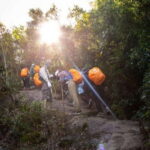
- If it rained earlier, the trail can get muddy and slippery. One common theme in feedback is that guides encourage people to continue, and local helpers often support the group on rougher sections.
- Some guests note that the initial walking may feel more “trek with help” than “trek solo.” That’s normal here—just go with it and take your time.
Day 1 village moments that make the culture feel less like a museum
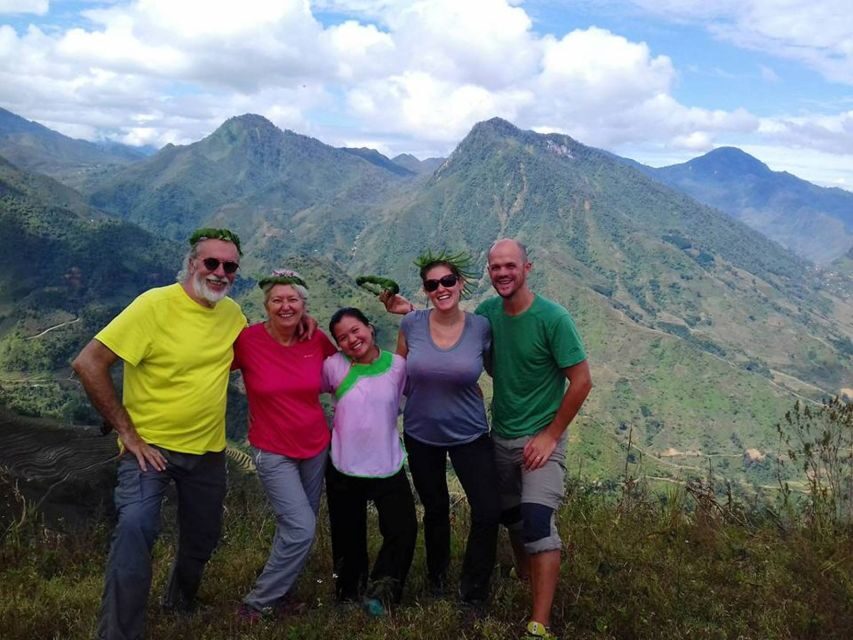
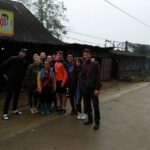
This trek’s cultural value comes from small interactions, not a script. You’re moving through places where people farm, cook, host, and live—then your guide connects that to what you’re seeing. Reviews repeatedly single out guides such as Lan and Khu for good English and for making the explanations practical, not just academic.
You can also expect you may be approached for small purchases like handicrafts. That can feel awkward if you’re not used to being in someone’s everyday space. The good news: you’re in control. If you want something, buy. If you don’t, politely keep moving. A calm, respectful stance goes a long way.
Finally, check your expectations about the homestay evening. One guest said the homestay had internet and an outlet, but that’s not something you should count on. Most likely, you’ll have a simple evening, good food, and a chance to rest for Day 2.
Day 2: Bamboo forest, Giang Ta Chai, a waterfall break, and Muong Hoa River cool-down
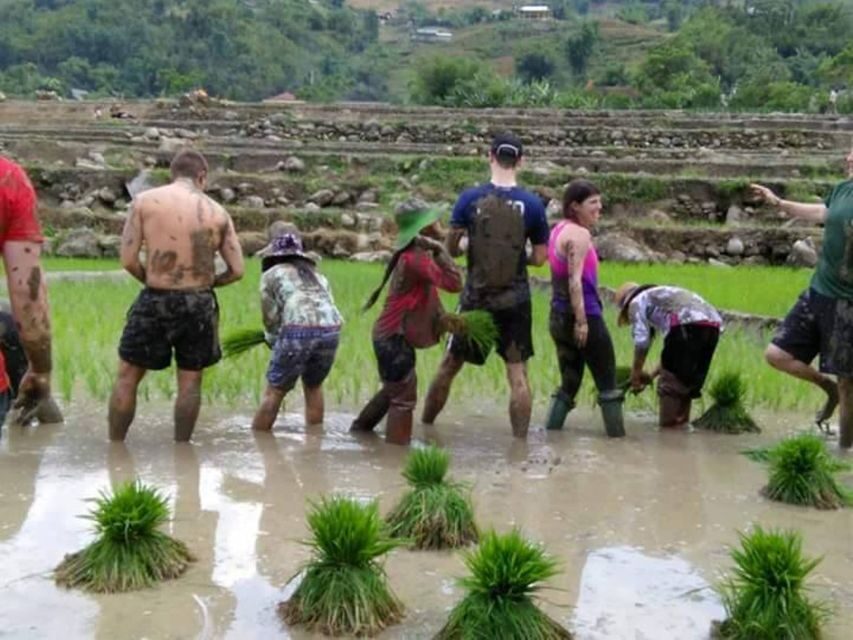
Day 2 starts with breakfast at the homestay, then you hit the trail again for about 8 km. This day feels different from Day 1 because it shifts toward lighter path rhythm and more “walk and breathe” moments.
One early stop is passing a small H’Mong village, then you move into a bamboo forest. Bamboo stretches tend to feel cooler and calmer. You also get more shaded walking, which can be a lifesaver if the day is warm or the ground is still damp.
Then comes a key reset: a waterfall break. You’ll stop, take a breather, and if conditions are safe and you feel up to it, you can cool off with a swim in the Muong Hoa River. This is one of those “yes, do it if you’re comfortable” moments—hot trekking gives you a reason to play, not just endure.
After that, you’ll reach Giang Ta Chai, then lunch is waiting at a local restaurant. The day ends with a drive back to Sa Pa.
What could be a consideration on Day 2:
- Even though it’s shorter than Day 1, you’re still on uneven ground. If you have a sensitive back or knees, take the descent slowly.
- If rain came through earlier, river and trail conditions can affect how much “swim time” feels realistic. Follow your guide’s cues.
You can also read our reviews of more tours and experiences in Sa Pa


Homestay etiquette: how to make the night go smoothly
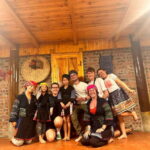
A homestay isn’t a hotel. You’re sleeping in a family space, eating together, and following the household flow. That means your best “plan” is respectful behavior and basic flexibility.
A few practical pointers:
- Bring warm layers if you’re traveling in colder months. Warm clothes are recommended from October to March, and mountain nights can feel chilly fast.
- Expect simple accommodations. Some reviews describe the homestay as clean and comfortable, and others mention bed bugs in a limited number of beds. If you’re sensitive to insects, bring a light sleep layer and check bedding when you arrive.
- Be ready for limited evening entertainment. Many nights will be quiet, and you’ll likely be tired from the trek.
Also, don’t be surprised if the family shares local drinks or customs. One review mentions happy water made by the host. Even if you don’t drink alcohol, it’s a neat window into local hospitality.
Guides make or break the trekking pace (and the meaning)
This tour is small-group, and it runs on guide skill. Reviews repeatedly credit guides like Lan, Khu, Son, and Mme Nhu for staying friendly, answering questions, and adjusting to the group.
Why that matters on a Sapa trek:
- Weather changes quickly in the mountains.
- Paths can get slippery.
- Different people need different pacing, especially if they’re not used to hills.
One review mentions that the guide kept encouraging someone to join despite rain and mud. That kind of confidence plus safety thinking is exactly what you want here. Another mentions the guide was good at helping people traverse terrain and that local women supported the group on the first part of Day 1.
If you hate feeling rushed, this is a plus. If you like constant explanations, it’s mixed: a couple of reviews mention the guide’s phone use during moments on the trek. Still, the overall pattern is that guides explain culture and keep people safe and moving.
What to pack: shoes, warmth, and the “small stuff” that saves you
This tour gives you the structure. You still need to bring the right gear for mountain conditions.
Bring:
- Comfortable trekking shoes (non-negotiable if it’s been wet)
- Warm clothing if you’re traveling October to March
- Sunglasses, sunscreen
- Insect repellent
- Anything you need for basic comfort during the night at the homestay
Also think about your energy. You’ll walk roughly 19 km total over two days. That’s not a huge distance, but it’s uphill hiking walking on rough ground, so your feet and calves will notice.
Who should book this trek, and who should skip it
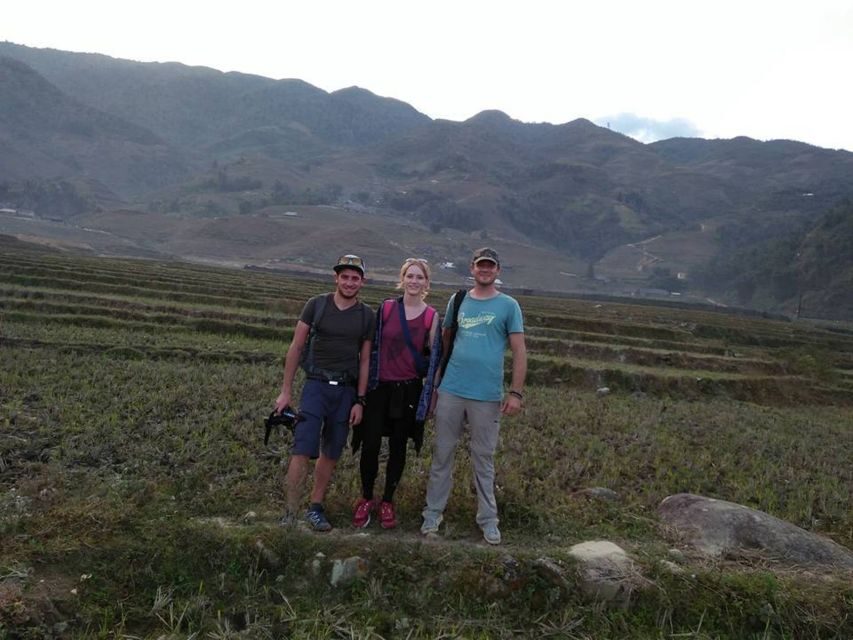
This is a strong fit for:
- People who want active time in Sapa, not just buses and viewpoints
- Travelers who enjoy meeting people and learning how daily life works in mountain villages
- Anyone comfortable walking 1–2 hours at a time with stairs and uneven ground
- Small-group travelers who like guidance and cultural context in English
This is not a good fit for:
- Kids under 6
- Pregnant women
- People with back problems, or mobility impairments
- Anyone who needs a fully accessible route
You’ll also have an easier time if you’re flexible about weather. Clear days bring sharper mountain views; wet days make the trekking more challenging but still rewarding if you’re prepared.
Quick practicalities before you go
You’ll get:
- Pickup from hotels in Sa Pa town center
- An English-speaking live guide
- Homestay accommodation in a Dzay ethnic minority village
- Mineral water
- Return transfer by bus
You won’t get:
- Drinks (so budget for additional purchases)
- Any help for accessibility needs (the trek isn’t suited for disabled travelers)
Group size is limited to 14 participants, which keeps the experience more human-scale and easier for the guide to manage.
Should you book this Sapa 2-day ethnic homestay trek?
Book it if you want a Sapa experience where the “main event” is walking between real villages, then sleeping with a family in a Dzay homestay. The built-in meals, the guide support (including named guides like Lan and Khu), and the mix of rice paddies, bamboo, and river time are a strong package for the money.
Skip it if you need a totally smooth trail, or if you’re dealing with mobility or back issues. Also skip if you hate the idea of muddy conditions after rain—because this valley can turn wet fast, and the trek does not pretend otherwise.
If you’re the type who likes to earn your views, share a dinner, and learn names like Y Linh Ho, Lao Chai, Ta Van, and Giang Ta Chai along the way, this one earns its spot.
FAQ
What’s the duration of the trek?
It runs for 2 days.
How far do we walk each day?
Day 1 is about 11 km and Day 2 is about 8 km.
What’s included in the price?
An English-speaking guide, entrance tickets where indicated, 2 lunches, a hosted dinner, breakfast at the homestay, homestay accommodation, mineral water, and return transfer by bus.
What meals are included?
You’ll have two lunches (local restaurants), a hosted dinner in the village, and breakfast at the homestay.
Where do we stay overnight?
You stay overnight in a Dzay ethnic minority homestay.
What should I bring for the trek?
Comfortable trekking shoes, warm clothing (especially October to March), sunglasses, sunscreen, and insect repellent.
Are drinks included?
No. Drinks are not included.
What if I need to cancel?
You can cancel up to 24 hours in advance for a full refund.