REVIEW · SA PA
Sapa: 3-Day Ha Giang Loop Motorbike Tour
Book on GetYourGuide →Operated by Lisa Vietnam Travel · Bookable on GetYourGuide
Three days, one road, huge views.
This Ha Giang Loop tour is interesting because it connects classic mountain-pass drama with real village stops, not just photo pull-offs. I love that the trip is built around included logistics like a 7:30 PM Sapa pickup and meal plan, so you’re not scrambling after a long travel day. I also like that you get quality Japanese motorcycles plus protection gear. One drawback to keep in mind: it’s a long 3-day ride over about 350 km, so you should expect fatigue and basic comfort, especially in homestay settings.
You’ll spend Day 1 and Day 2 stacking up viewpoints, passes, and cultural stops, with the kind of mountain roads that make you slow down and pay attention. I like that the route includes moments that feel different from each other: rice fields and observatories on Day 1, then markets, cliff roads, and the Ma Pi Leng panorama on Day 2. A second consideration is weather and comfort—rain and cool mornings can happen, and you’ll want the gear that’s provided (and then some layers).
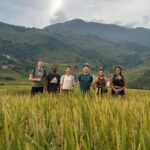
The tour also has a people side, and that matters on roads like these. In feedback, the pilot Chu (black horns) and group leader Phuc show up as names tied to a calm, friendly group vibe. That makes it easier to relax when the road gets sketchy.
In This Review
- Key things to know before you go
- Getting to Ha Giang: the night bus start that actually helps
- Day 1: Quan Ba Heaven Gate, Heaven Gate zigzags, and Dong Van Old Town
- Quan Ba to Bac Sum Pass: rice fields and big-road climbs
- Quan Ba Heaven Gate: the steep zigzag observatory moment
- Fairy Hill to Yen Minh: passes with pine and terraced drives
- Tham Ma Pass (Highway 4C) and Sa Phin’s Hmong palace
- Dong Van Town: Old Town and a French-built fort
- Day 2: markets, Cliff of Death, and Ma Pi Leng’s panoramic payoff
- More passes and the Cliff of Death moment
- Mau Due lunch and more rocky mountain roads
- Du Gia Village: the long-ride relief
- Du Gia waterfall swim: when the tour turns fun
- Day 3: Duong Thuong Valley to Song Lo, then back to Hanoi
- Duong Thuong Valley and low, dangerous roads
- Thuong Street to Thuan Hoa: majestic scenery and a slower feeling
- Afternoon option: rest or a nearby local village
- The ride back to Hanoi: arriving around midnight
- Safety, bikes, and the gear you’ll actually want
- Price and value: why this package tends to make sense
- Who should book this Ha Giang Loop tour
- Should you book the Sapa: 3-Day Ha Giang Loop Motorbike Tour?
- FAQ
- What time do you pick up me in Sapa?
- How far do you ride during the loop?
- Do I ride the motorcycle myself?
- Are meals included?
- What safety gear is provided?
- What kind of accommodation should I expect?
- When does the tour end and where do you go next?
Key things to know before you go
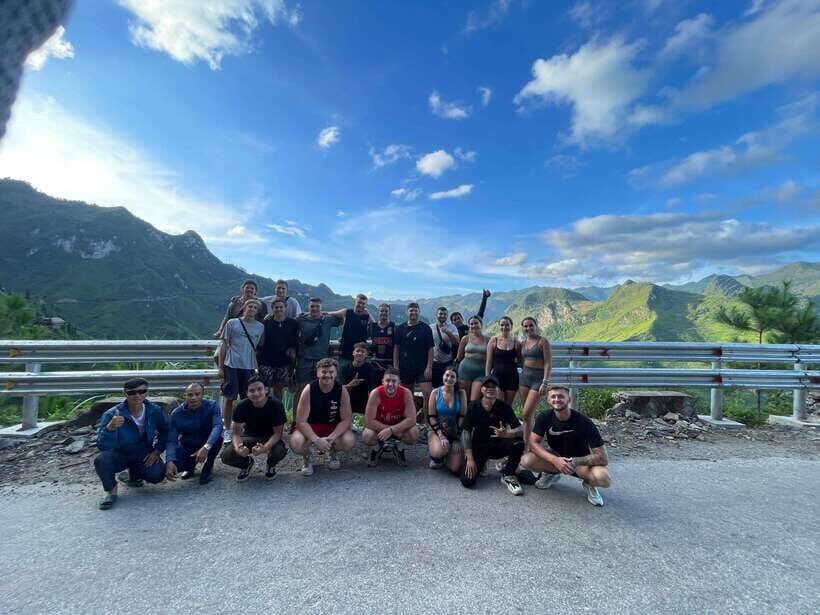
- Ma Pi Leng pass viewpoints: the top offers big mountain views, with the Tu San defile far below
- Motorbike setup and safety gear: full/half helmet, knee and elbow protection, basic rain clothes
- Homestays and hotels mix: expect real local stays, not polished resorts
- Dong Van cultural stops: market time, Old Town, and a French-built fort
- Du Gia waterfall swim: time to cool off after a day of passes
- Support from English-speaking guide: clear instructions and help with route and timing
Getting to Ha Giang: the night bus start that actually helps
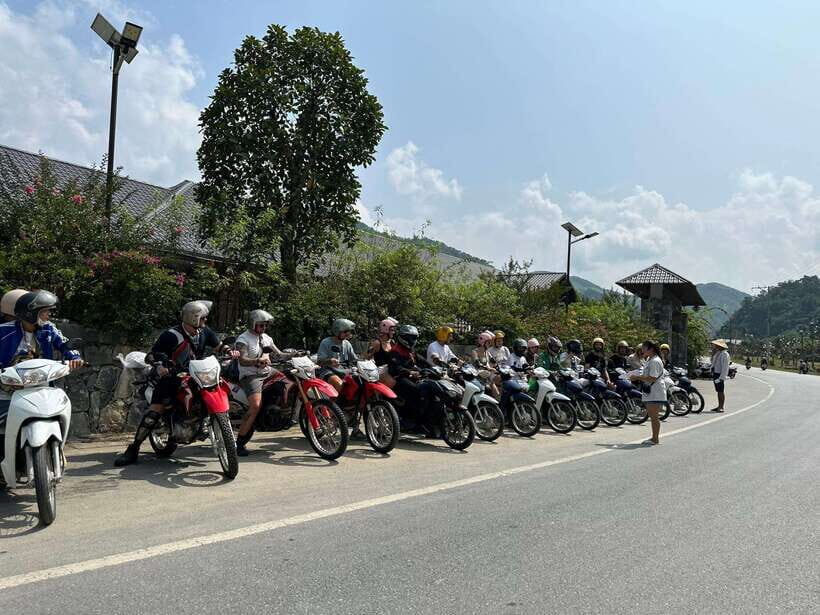
The tour begins in Sapa with a pickup at 7:30 PM from your hostel. Then you board a big bus headed for Ha Giang City, arriving early the next morning. Instead of starting the loop with an immediate all-day scramble, you get a chance to check in and take a nap.
That matters because Day 1 is not gentle. You’ll be meeting your guide and easy rider after breakfast, then climbing passes and winding roads through mountain scenery. A little sleep early means you ride smarter later, not just faster.
You can also read our reviews of more tours and experiences in Sa Pa
Day 1: Quan Ba Heaven Gate, Heaven Gate zigzags, and Dong Van Old Town
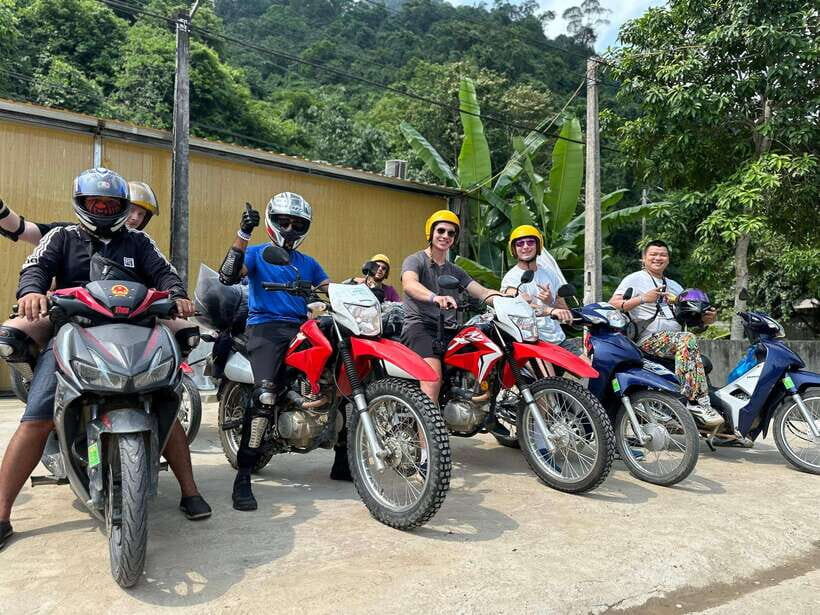
Day 1 runs roughly 135 km and includes breakfast, lunch, and dinner. After meeting your guide and easy rider around 8:30 AM, you start north out of Ha Giang City following the Happiness Road vibe. It’s the kind of route where the road keeps rising and then revealing more—rice fields at times, pine forest at others, and always that layered view of mountains.
Quan Ba to Bac Sum Pass: rice fields and big-road climbs
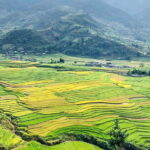
You’ll climb the Quan Ba – Bac Sum Pass and pass through the Dong Van Karst Plateau Geopark area. The key here isn’t just the scenery—it’s how the drive changes as altitude and terrain shift. One minute you’re looking at far-off ridges; the next you’re getting close enough to feel the road’s switchbacks.
Quan Ba Heaven Gate: the steep zigzag observatory moment
Next is the Quan Ba Heaven Gate, reached via a steep zigzag road. That observatory stop is timed for a reason: you get a wide view of the mountains when the road is high enough to make everything look dramatic. If you’re the type who likes to linger, this is one of the stops where you can slow down without feeling like you’re holding the group back.
Fairy Hill to Yen Minh: passes with pine and terraced drives
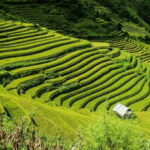
You’ll pass Fairy Hill and then head toward Yen Minh, climbing a pass covered by pine forest. You’ll also have sweeping terrace views from the driving line, which helps break up long riding with something softer than rocks and cliffs.
Lunch is served in Yen Minh area before you continue on.


Tham Ma Pass (Highway 4C) and Sa Phin’s Hmong palace
After lunch, you reach Tham Ma Pass, described as a winding pass road on National Highway 4C. Roads like this often feel longer than the distance suggests, so take it as a full-day rhythm-building segment.
Then comes Sa Phin, where you visit the 100-year-old palace of Vuong Chinh Duc, the King of the H’Mong. This is where the loop stops being only roads and viewpoints. It gives you a cultural anchor: you’re driving through communities shaped by geography, and here you see how local leadership connected to that environment.
Dong Van Town: Old Town and a French-built fort
You’ll continue up to Dong Van Town, stopping in Dong Van Old Town. The day ends with a visit to an ancient fort built by the French. Even if you don’t go deep on architectural details, the fort stop works because it puts a “place” on the map. You understand why this area attracted outside influence and why the town feels like a crossroads.
Day 2: markets, Cliff of Death, and Ma Pi Leng’s panoramic payoff

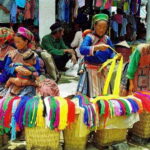
Day 2 is about 120 km and includes breakfast, lunch, and dinner. It starts with checking out of your homestay, then heading to Dong Van market. This market is described as the largest exchange of goods and culture in the Dong Van rocky plateau.
If you want something more than a quick photo stop, the market is the move. It’s the moment when you see daily life, trading rhythms, and the color of local clothing—while still being close to the roads that make the loop famous.
More passes and the Cliff of Death moment
After the market, you head toward some of the most dramatic mountain passes. The route includes the climb called the cliff of death. That name is dramatic, but the practical takeaway is simple: this is where slow riding and solid focus matter most.
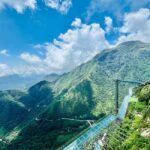
You’ll also hit Ma Pi Leng Pass, which is a major highlight. At the top, you’ll reach a Panorama Viewpoint where you can take in the mountains and terrace fields. Under your feet you can see the Tu San defile—the kind of scale that makes you stop thinking in kilometers.
Mau Due lunch and more rocky mountain roads
From Ma Pi Leng, you move to Mau Due for lunch. After eating, you keep going through rocky mountain passes and take rests to admire the wild mountain beauty. Even when the schedule keeps moving, these breaks help you reset for the road again.
Du Gia Village: the long-ride relief
Day 2 ends in Du Gia Village. After so many passes, this is where the tour shifts from cliff drama to forest calm. You’ll have time to go deeper into Du Gia’s surroundings and then get to one of the most memorable activities on the loop.
Du Gia waterfall swim: when the tour turns fun
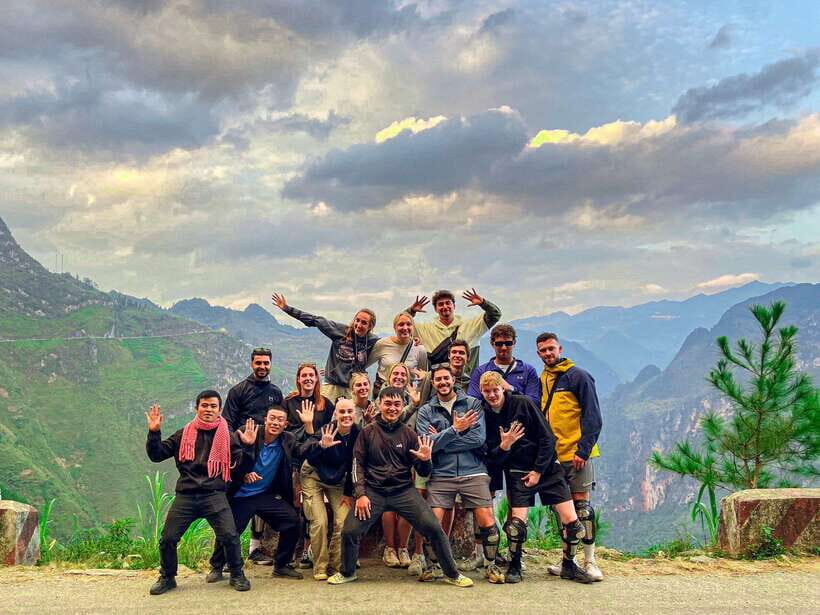
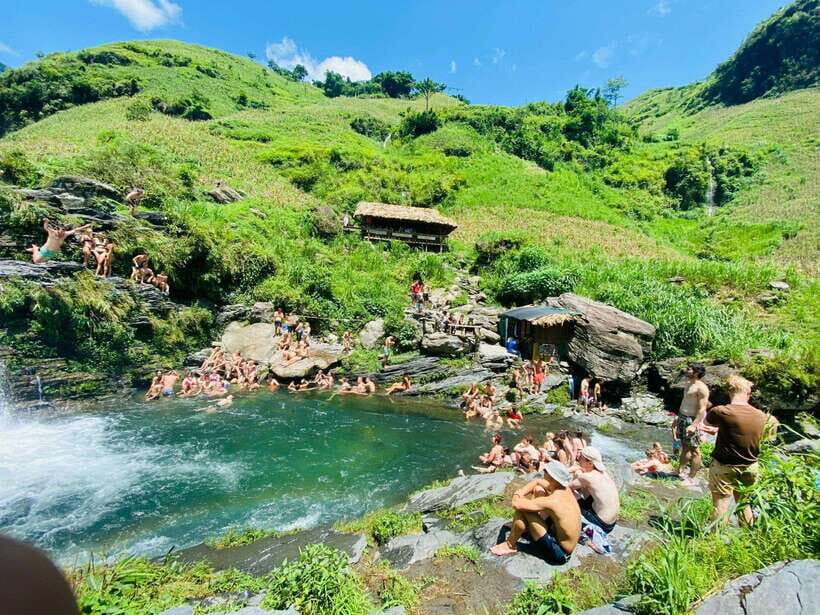
Du Gia is where you get to visit and swim, including jumping in a waterfall in a deep green forest setting. This is not just a “here’s a waterfall” stop. It’s a release valve after days of helmets, wind, and road noise.
A practical note: even if you’re excited, treat it like water safety first. The itinerary tells you you’ll be swimming and jumping, so you should be comfortable around water and prepared for changing temperatures. Bring a plan for keeping your things dry (plastic cover is provided for your bags, but you’ll still want a dry bag or extra care).
This part of the tour is often what people remember most because it adds play to the effort of the loop. You’ll ride hard, then cool off hard. That rhythm keeps the whole trip from feeling like one long test.
Day 3: Duong Thuong Valley to Song Lo, then back to Hanoi
Day 3 is around 100 km. It starts with breakfast and then heads south, saying goodbye to Du Gia.
Duong Thuong Valley and low, dangerous roads
You’ll ride through Duong Thuong Valley, described as having wide fields and high winding passes. This is where the itinerary warns you that some roads are low and can be dangerous. Translation: follow instructions closely, and don’t try to “muscle through” confidence. If conditions feel off, listen to your guide’s pace.
Thuong Street to Thuan Hoa: majestic scenery and a slower feeling
From Thuong Street to Thuan Hoa, you’ll get scenic stretches that are described as very majestic. Again, it’s not just pretty. This kind of segment helps you recover from the earlier pass climbs, because the drive feels more open and less cliff-tight.
Lunch is served in the hostel after you cross the pass along the Song Lo Valley back toward Ha Giang.
Afternoon option: rest or a nearby local village
After lunch, you have some downtime. You can visit a local village near the hostel or take a rest for a few hours. This flexibility is a smart part of the schedule. You don’t want a packed “one last thing” sprint before the bus.
The ride back to Hanoi: arriving around midnight
The bus picks you up and you’ll be in Hanoi around midnight. It’s late, so plan your evening accordingly when you book your next travel day.
Safety, bikes, and the gear you’ll actually want
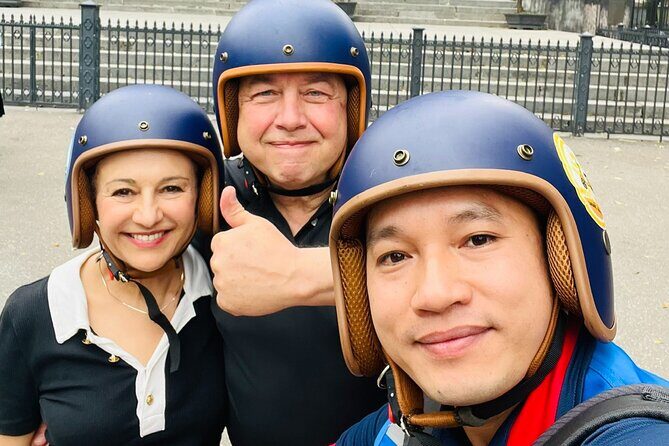
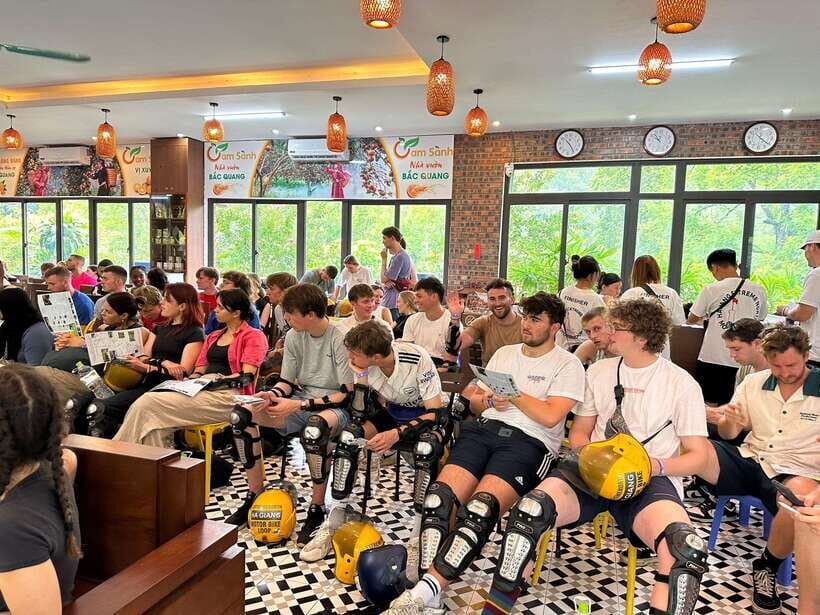
This tour puts safety first, and the included gear list is refreshingly specific. You get helmets (full or half), protective knee and elbow gear, and basic rain clothes. You also get bungee cords and a plastic cover for your bags, which is exactly what you want for road vibration and sudden showers.
The motorcycles are described as quality genuine Japanese bikes. That matters because the loop is long, and you want dependable performance over multiple days.
Also: you’ll be told to wear helmets at all times and follow the guide’s instructions. On roads with steep grades and cliff edges, that’s not a suggestion—it’s the whole point.
Finally, the tour includes free storage of excess luggage, plus free dorm bed if you arrive on the night bus. That helps you travel lighter and keeps your main bag simple and manageable for multi-day riding.
Price and value: why this package tends to make sense
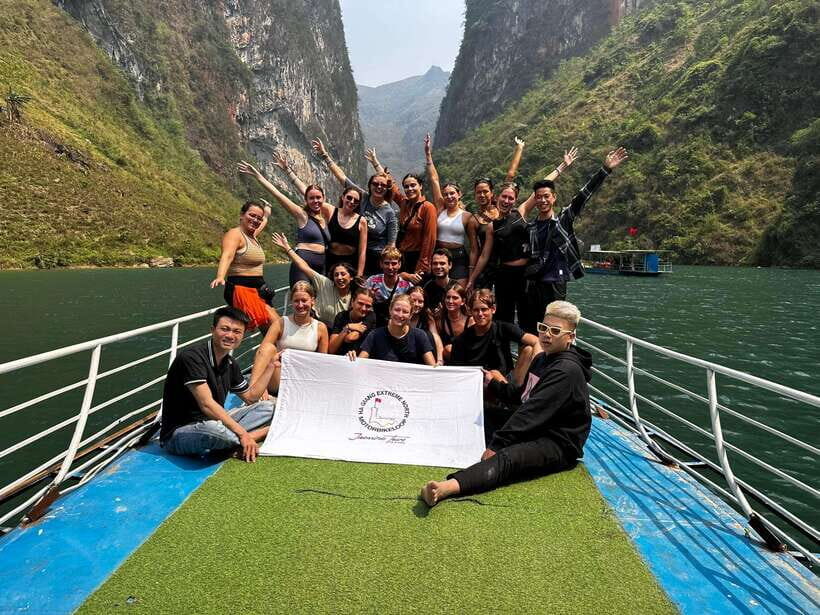
There’s no base price listed here, so I can’t tell you if it’s the cheapest option in town. But I can explain what you’re paying for, and why it often adds up better than piecing the loop together yourself.
You’re covered for:
- Round-trip bus transfers between Sapa and the route area, plus the final bus back to Hanoi
- All meals as indicated, using local Vietnamese food
- Accommodation (a mix of ethnic minority homestays and hotels)
- Japanese motorcycles plus fuel costs
- Entrance tickets and permits
- Gear and rain protection
- Luggage storage
The only clear extra fee mentioned is a 50 US$/pp surcharge for Xmas and Tet holidays. Everything else is framed as personal expenses and travel insurance.
Value-wise, the heavy lifts are doing the work for you: transport, bikes, permissions, food, and safety setup. You’re also getting an English-speaking guide, which you’ll appreciate on roads that don’t forgive confusion.
Who should book this Ha Giang Loop tour
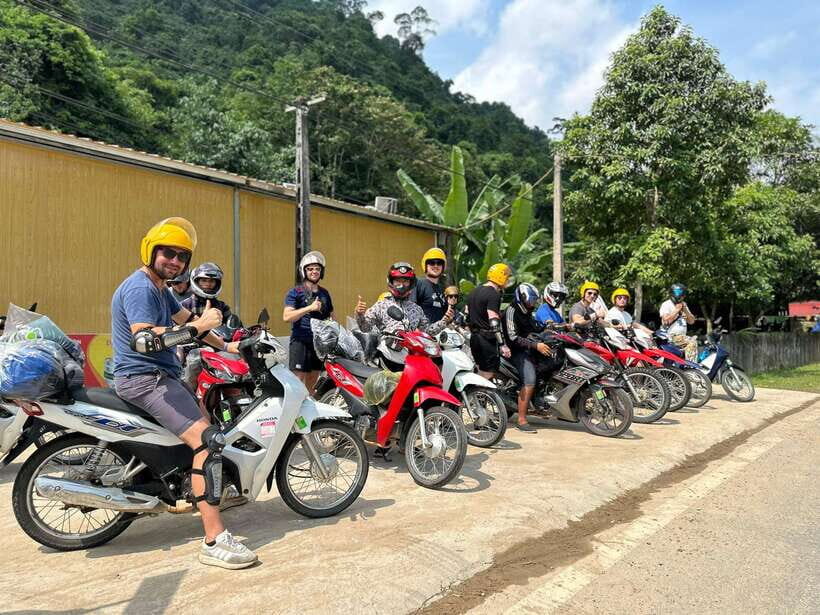
This tour fits best if you want the classic loop experience with structure. It’s ideal for people who:
- want a guided route over long-distance riding
- like a mix of views plus real stops (market, Old Town, fort, palace)
- are comfortable with homestay basics and simple local meals
- value safety gear and clear instructions
If you hate long days on the road, or you need five-star comfort every night, you’ll likely find the homestay nights and long distances stressful. In that case, look for a less intense option.
On the people side, the names Chu (black horns) and Phuc coming up in feedback suggests the tour can feel friendly and well-run. That’s the kind of support that makes a difference when the group is tired and the road turns tricky.
Should you book the Sapa: 3-Day Ha Giang Loop Motorbike Tour?
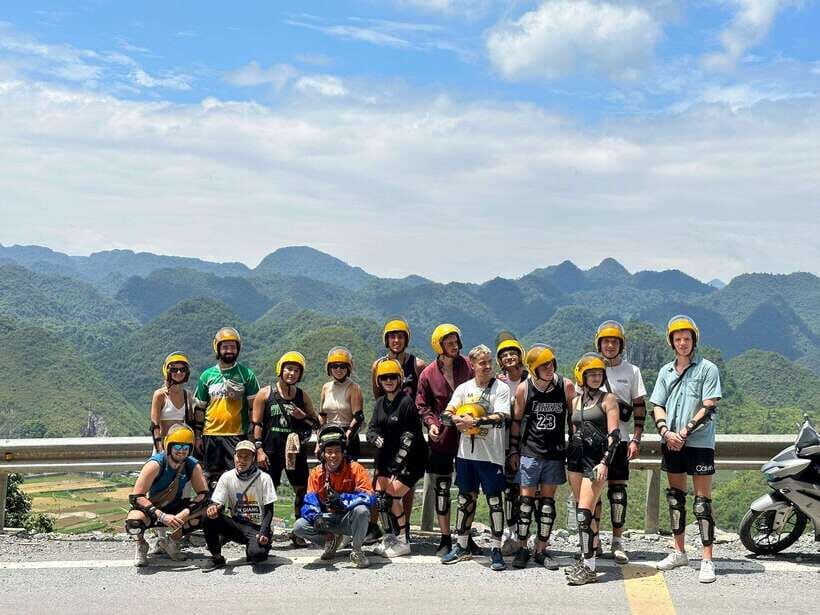
I’d book this if you want a complete, ready-to-go package that covers the hard parts: transport timing, permits, meals, bikes, and safety gear. The itinerary hits major highlights like Quan Ba Heaven Gate, Dong Van market, Ma Pi Leng, and the Du Gia waterfall swim, with a clear back-to-Hanoi finish.
I wouldn’t book it if you’re looking for a relaxed, short sightseeing trip. This is a real road journey over multiple passes, including segments marked as low and potentially dangerous. If that sounds fun and challenging, you’ll probably love it. If it sounds like stress, you’ll feel that stress.
FAQ
What time do you pick up me in Sapa?
Pickup is at 7:30 PM from your hostel in Sapa.
How far do you ride during the loop?
The loop distance is around 350 km over 3 days.
Do I ride the motorcycle myself?
The tour includes quality Japanese motorcycles. Easy riders are available on request.
Are meals included?
Yes. All meals are included as indicated in the schedule, with local Vietnamese food.
What safety gear is provided?
You get a helmet (full or half), protective knee and elbow gear, basic rain clothes, and supplies like bungee cords and a plastic cover for your bags.
What kind of accommodation should I expect?
You’ll stay in a mix of ethnic minority homestays and hotels, with a single room available for an extra fee.
When does the tour end and where do you go next?
The tour ends in Hanoi. The bus pickup gets you to Hanoi around midnight on Day 3.