REVIEW · SA PA
From Sapa: Waterfalls, Trekking and Tribal Villages Tour
Book on GetYourGuide →Operated by Sapa Unique Tour - Viet Sapa Travel · Bookable on GetYourGuide
Foggy mountains, big falls, and village stories.
This 5-hour trip takes you from Sapa to Silver Waterfall and Love Waterfall in Hoang Lien National Park, then over Tram Ton Pass before you start a trek through rice fields and remote tribal areas. The day also includes meeting people from the Hmong and Red Dzao communities, so the walking comes with context, not just photos.
I really like that the whole tone of the tour is guide-led and human. English guides such as Lisa, Cu, Lan, and Sue show up with strong communication and lots of local stories, and that makes the village time feel more like a conversation than a checklist.
My one real consideration: the trekking time and effort can vary. On paper it’s about 4 hours along mountain trails (with a total trek around 15 km), but conditions and pace can make it feel longer or steeper, so you’ll want proper hiking shoes and patience with uphill/downhill swings.
In This Review
- Key things I’d plan around
- Silver and Love Waterfalls plus Tram Ton Pass: the best setup for your day
- The drive out of Sapa: private car comfort, short transfer, real time on your feet
- Silver Waterfall and Love Waterfall walks: expect short climbing, not a flat stroll
- Ban Khoan to Ta Phin: 4-hour trek through rice paddies and tribal villages
- Meeting Hmong and Red Dzao people: practical cultural time
- Picnic lunch with locals: where the day turns from scenery into stories
- How hard is it, really? Walking pace, weather, and your packing list
- Weather changes what you see
- Price and value: what $72 buys you in Sapa
- Who this tour suits best (and who might not love it)
- Should you book? My honest take
- FAQ
- FAQ
- How long is the tour?
- What’s included in the $72 price?
- Where does the tour start and is pickup included?
- How many people are in the group?
- Is lunch provided?
- What tribes do you visit or learn about?
- What should I wear and pack?
- Does the tour include entrance fees and skip-the-line access?
Key things I’d plan around
- Two major waterfalls (Silver and Love) in Hoang Lien National Park, with a short walk before the big photo moments
- Tram Ton Pass stop before you get into Ban Khoan and start walking
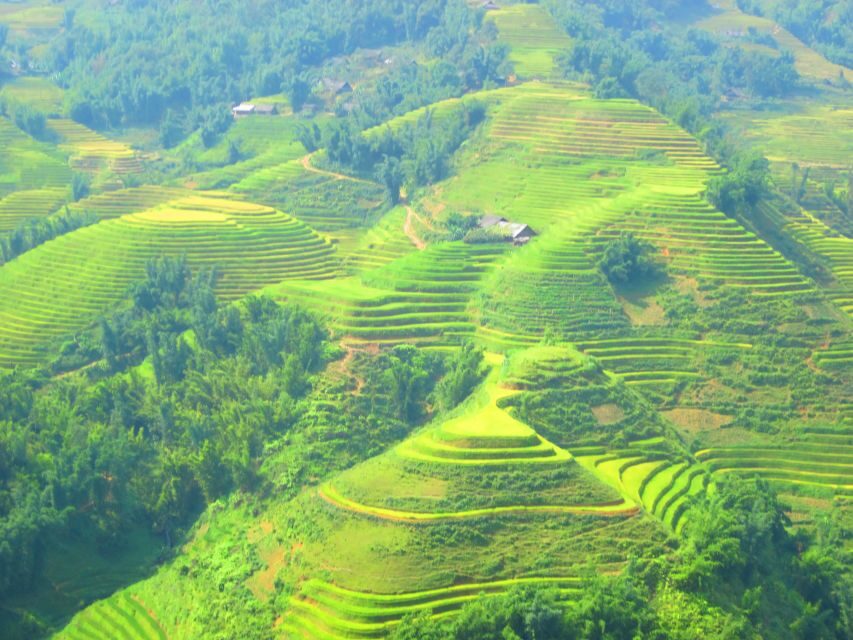
- A long village trek that’s usually about 4 hours and ~15 km, with rice paddies and mountain trails
- Hmong and Red Dzao village visits focused on everyday life and textiles, not sales stops
- Picnic lunch with the locals, including reports of vegan-friendly options when needed
- Small group size (max 15) that keeps the day from feeling chaotic
Silver and Love Waterfalls plus Tram Ton Pass: the best setup for your day
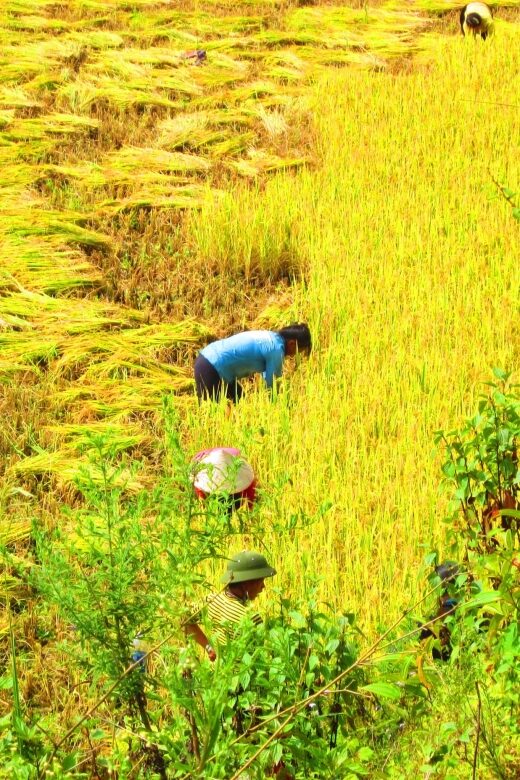
This is one of those Sapa tours that gets the “wow” part early. You leave town in a private car and head about 30 minutes out, then you visit the waterfalls and Tram Ton Pass before trekking. That order matters because you’re not tired yet when you reach the viewpoints and falls.
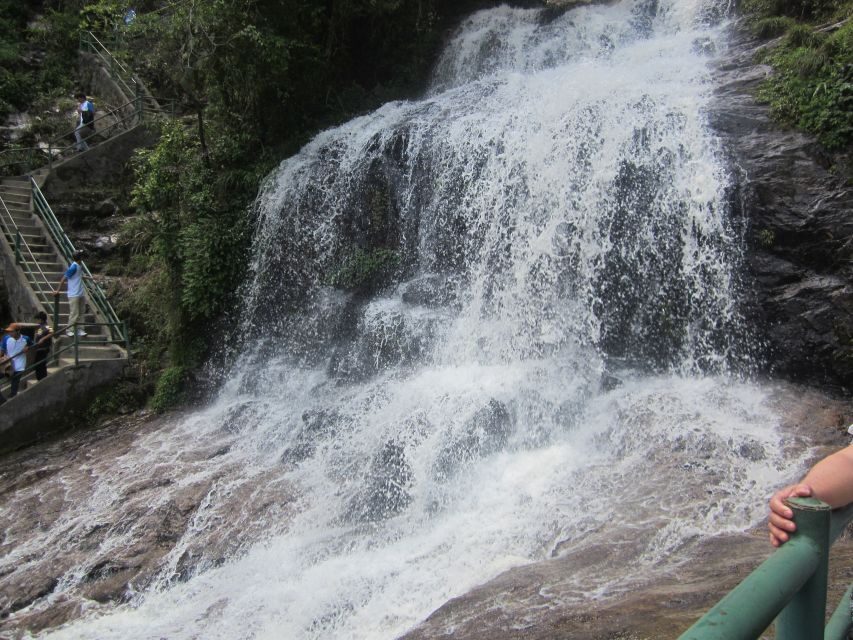
Silver Waterfall and Love Waterfall are the main show, and they can look wildly different depending on recent rain. If the day is wet, the falls can feel forceful and dramatic. If it’s misty, you may get a softer, layered look through the forested mountain air. Either way, you’re getting that change of scenery that makes the region feel bigger than just rice terraces.
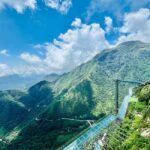
Tram Ton Pass adds breathing space and a change of perspective. Even if you don’t stay long, it helps connect the dots: you start to understand why these valleys and trails feel so isolated, and why the villages live the way they do.
You can also read our reviews of more hiking tours in Sa Pa

The drive out of Sapa: private car comfort, short transfer, real time on your feet
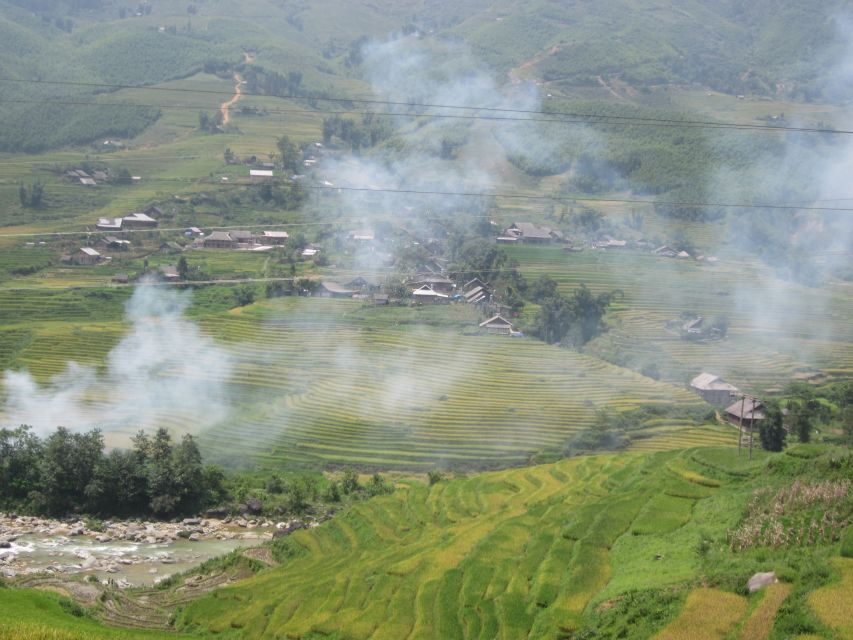
The tour includes private car transfer with pickup from your hotel lobby in Sapa Town. That’s a practical win: you’re not wasting energy on waiting around for buses or sharing pickup chaos.
From there, the timing is simple: about 30 minutes to the waterfall/Pass area, then you begin the trek from Ban Khoan. Later you’ll get a transfer back to Sapa that takes about 30 minutes. In other words, the day is built to keep the walking focused rather than spreading it across the whole 10-hour tourist day.
Small group size (limited to 15) is also a quiet advantage. When there are fewer people, guides can slow down for questions, and you’re more likely to get photo moments without constant bottlenecks.
Silver Waterfall and Love Waterfall walks: expect short climbing, not a flat stroll
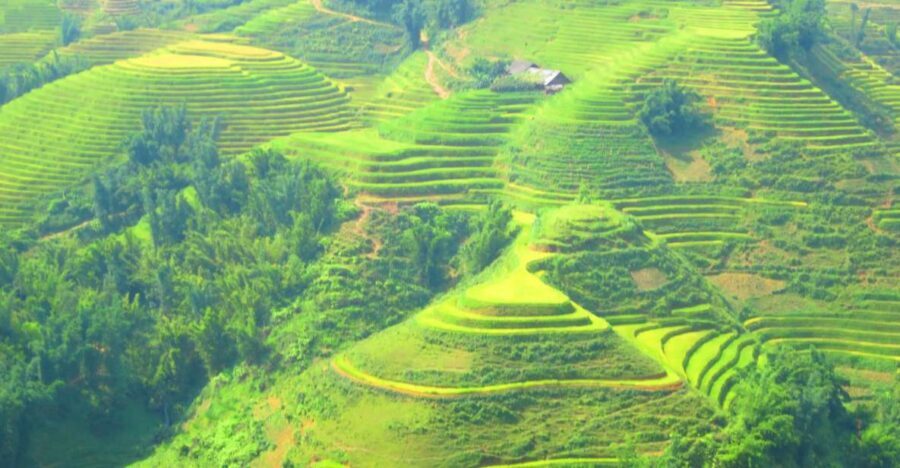
You’ll spend time at both falls, with walking involved to reach the viewpoints. One useful way to think about it: the waterfall part isn’t a huge hike, but it still asks for steady steps. You’re moving up and down paths, and it can be slippery if it’s wet.
In real terms, at least part of the waterfall section can involve more effort than you might imagine from the word visit. Some people find the waterfall legs are quick, while others note it includes extra walking to get to the first waterfall. Either way, wear hiking shoes—not just sneakers—because you’re on uneven ground.
If you care about photos, go easy on rushing. The falls and the surrounding areas can shift fast as fog moves through. A guide who knows the timing can help you catch the best light and angles, and that’s where having an English-speaking guide really shows.
Ban Khoan to Ta Phin: 4-hour trek through rice paddies and tribal villages
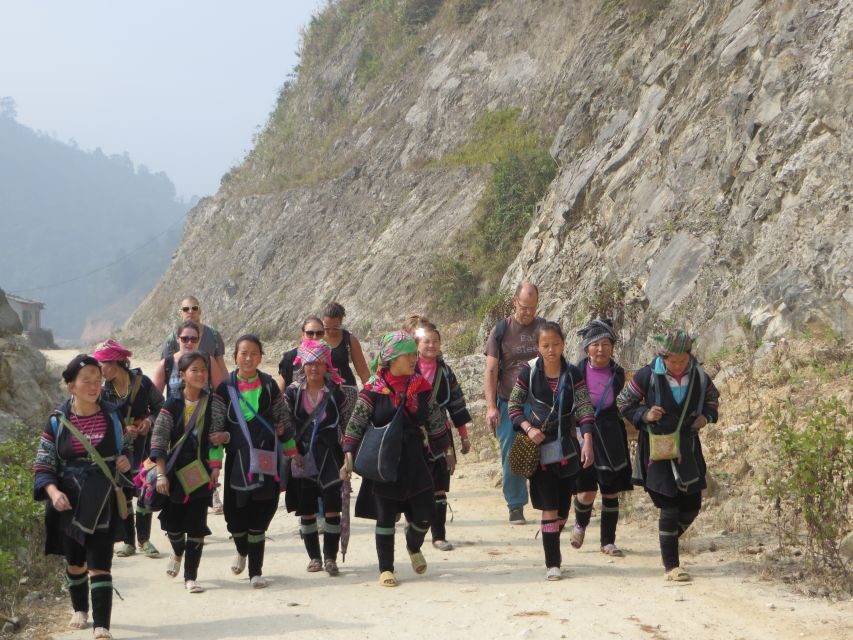
After the waterfalls and Tram Ton Pass, the day becomes about the trail. You’ll leave for the traditional village of Ban Khoan, then start the trek along a secluded mountain trail.
You’re looking at about 4 hours of trekking, and the route is described as roughly 15 kilometers (around 9.3 miles). But don’t treat those numbers as a guarantee. Reviews point out that the trek can run longer than advertised or feel more climbing-heavy than expected—especially when your pace is slower, the ground is damp, or the route has more uphill/downhill than you planned for.
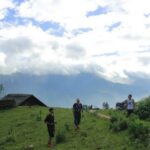
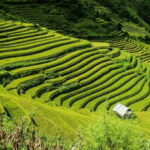
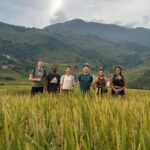
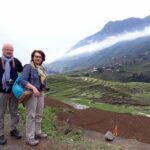
What makes the trek worth it isn’t just the length. It’s the in-between views: rice paddies, mountain paths, and occasional forest sections. One person described passing through corn fields and a bamboo forest. That’s the kind of detail you’ll notice more when the group stays small and the guide keeps the pace comfortable.
Meeting Hmong and Red Dzao people: practical cultural time
A big value of this tour is that the village portion isn’t just a photo stop. The trek includes time to learn about the life of local tribes, including the Hmong and Red Dzao communities.
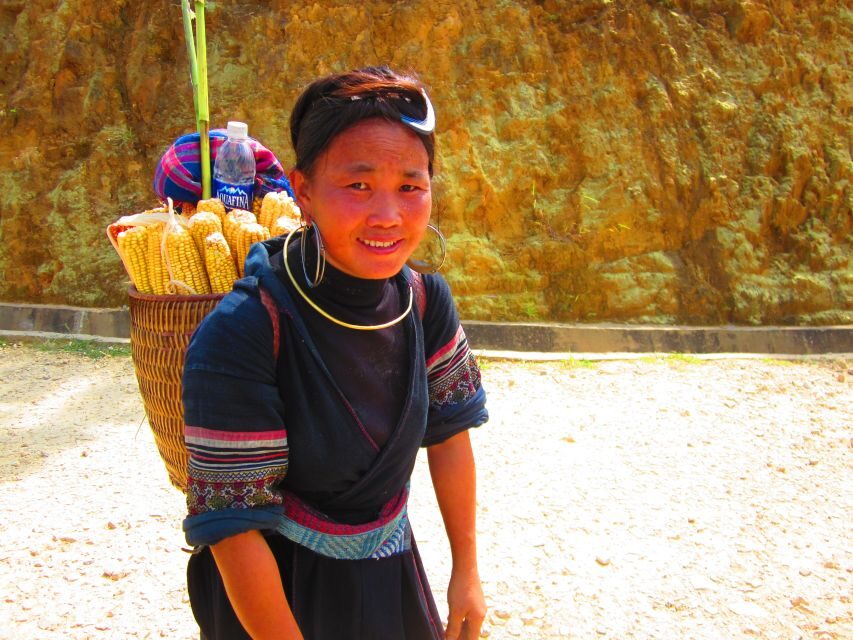
You should expect to see day-to-day details like clothing and textiles. One review highlighted the guide sharing cultural traditions of the Hmong people and stories handed down across generations. Another mentioned textile work as a standout moment. That’s why this tour feels different from simple scenic hiking: the guide connects the scenery to real people and real practices.



Picnic lunch with locals: where the day turns from scenery into stories
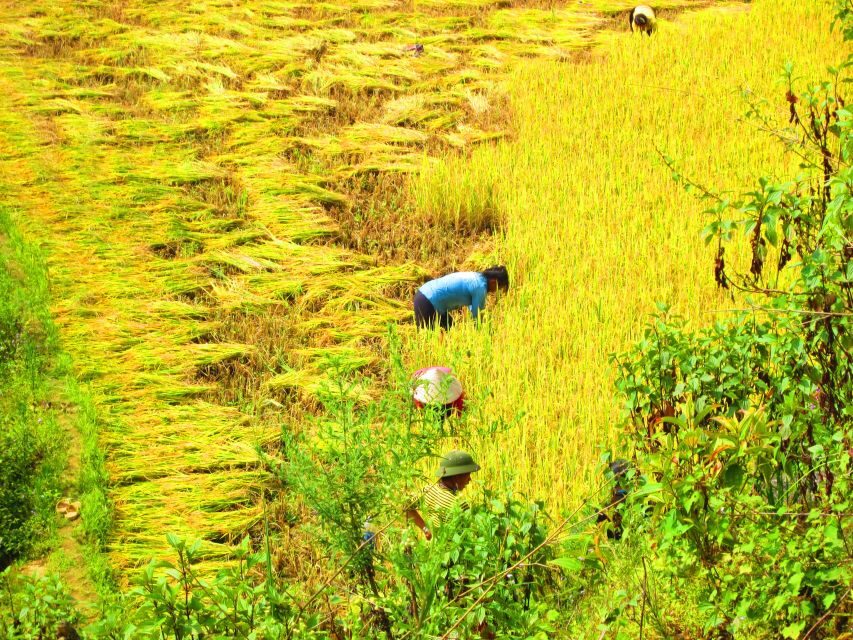
Lunch is built in, and it’s a key part of why this tour feels human. You’ll take a break for a picnic lunch during the trek, then continue to the home of the Red Dzao tribe in Ta Phin Village.
Because the lunch is described as a picnic with locals, it tends to feel more integrated than a standard restaurant stop. You’re not just eating in transit. You’re pausing in the middle of the community setting while your guide explains what you’re seeing.
Food quality can vary by day, but one report called the lunch delicious and noted that the group catered to a vegan diet. If you have dietary needs, it’s smart to flag it ahead of time, but this tour does have evidence of handling at least some alternatives.
How hard is it, really? Walking pace, weather, and your packing list
This tour is often described as a moderate trek. You’re on mountain trails with changes in elevation, plus a route that can include steep sections. Some people say it’s chill and not too intense. Others call out that it can be challenging for casual weekend walkers.
So here’s the practical take: if you can handle an hour or two of hiking over uneven ground, you’ll likely be fine. If you expect flat paths and easy footing, you’ll feel it.
Weather changes what you see
Fog can mute the view of rice paddies. Rain can change the waterfalls into something bigger and louder. That’s why the packing advice matters:
Bring insect repellent, sunscreen, a raincoat, and a sun hat. Add a small daypack for personal items. If you’re going from November to March, bring warm clothes because temperatures can be cooler during the trek and at higher points.
Also: bring water with you even though two bottles of mineral water per person are included. That’s a helpful baseline, not a substitute for smart hydration when you’re sweating on trails.
Price and value: what $72 buys you in Sapa
At $72 per person, this tour isn’t cheap in the “single bus ticket” sense. But it can be a good value compared to piecing things together yourself.
Here’s what’s included:
- English-speaking guide
- All entrance fees
- Private car transfer
- Picnic lunch
- Two bottles of mineral water per person
When you add up those items, the price makes more sense. The guide and entrance fees alone can eat into your budget if you book multiple separate activities. The private transfer is also a big deal: it keeps your day tight and lowers the stress of coordinating transport on the same schedule as your trek.
If you want a day that includes both scenic highlights (two waterfalls + Pass) and cultural time (Hmong and Red Dzao villages with lunch), this price can feel fair—especially with the small group cap of 15.
Who this tour suits best (and who might not love it)
This is a strong fit if you want:
- waterfalls plus an actual trek, without a full-day grueling hike
- a guide who explains what you’re seeing, not just points things out
- village time that focuses on life and textiles, including Hmong and Red Dzao communities
- a small group day with pickup and a planned lunch
It may not be ideal if you:
- want a super-easy walk with predictable timing
- hate uneven ground or steep up/down sections
- are extremely sensitive to changes in weather and fog affecting views
Should you book? My honest take
I’d book this if you want one organized, small-group day that mixes big scenery with real cultural stops—and you’re comfortable with moderate hiking that can stretch a bit depending on the trail and pace.
Skip it only if you’re chasing a flat, effortless stroll or if you need exact trek timing to the minute. The best version of this day happens when you dress for wet and uneven ground, bring a positive attitude for weather shifts, and let the guide do their job—explaining the villages while you walk through the rice and mountain paths.
FAQ
FAQ
How long is the tour?
The experience is listed as about 5 hours total. Trekking is described as about 4 hours (and around 15 kilometers) with breaks and time for the waterfall and Pass stops.
What’s included in the $72 price?
It includes an English-speaking guide, all entrance fees, a private car transfer, picnic lunch, and 2 bottles of mineral water per person.
Where does the tour start and is pickup included?
Pickup is included at your hotel lobby in Sapa Town. The tour also includes private car transfer for the drive to the waterfall/Pass area and back to Sapa.
How many people are in the group?
This runs as a small group limited to 15 participants.
Is lunch provided?
Yes. You’ll have a picnic lunch during the trek.
What tribes do you visit or learn about?
The trek includes time with Hmong and Red Dzao people, including a stop at the home of the Red Dzao tribe in Ta Phin Village.
What should I wear and pack?
Wear comfortable outdoor clothes and hiking shoes. Bring insect repellent, sunscreen, a raincoat, sun hat, and a small daypack. If you’re traveling from November to March, pack warm clothes.
Does the tour include entrance fees and skip-the-line access?
Yes. All entrance fees are included, and the tour notes skip the ticket line.